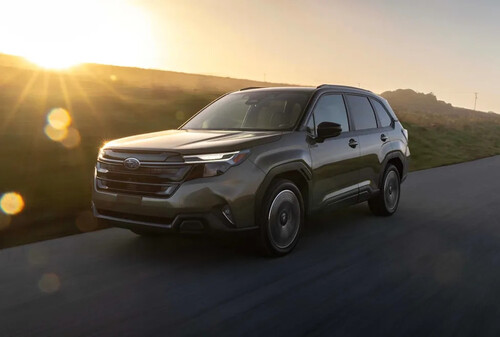
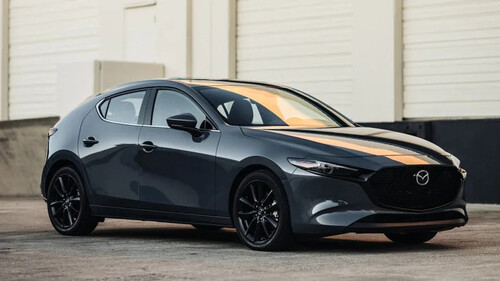
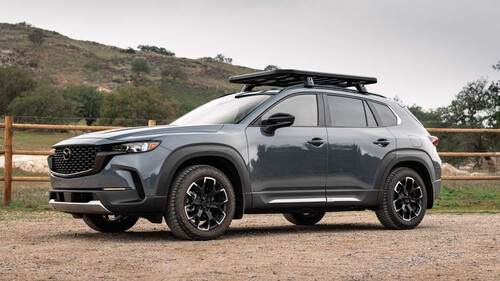
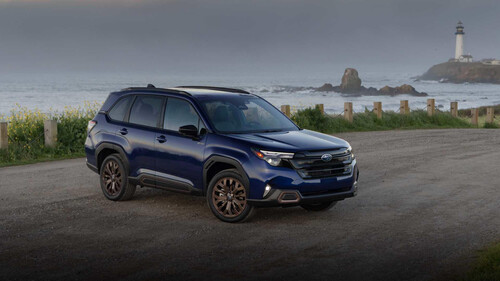
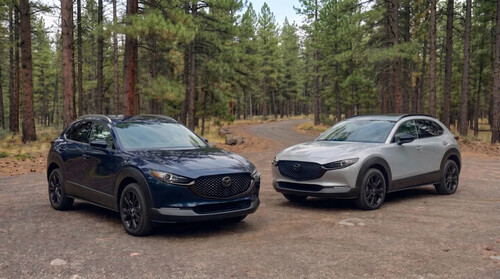
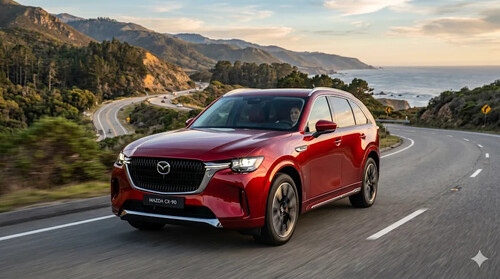
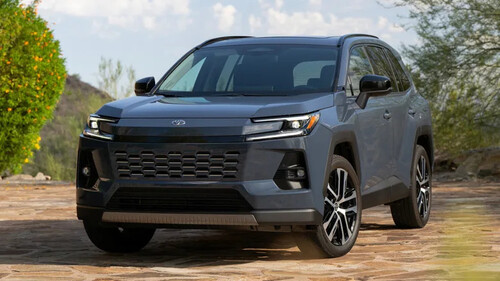
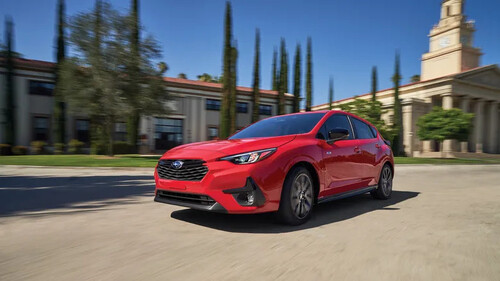
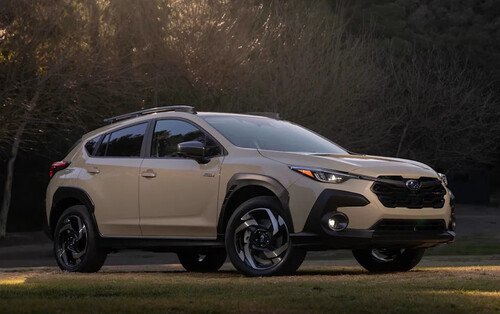
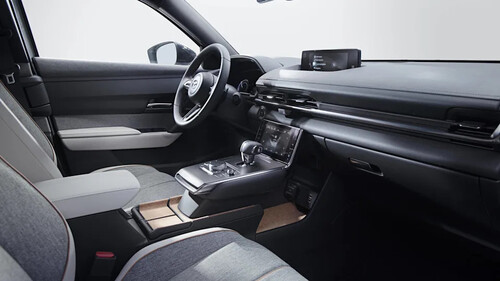
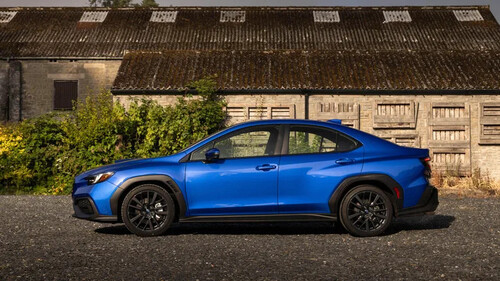
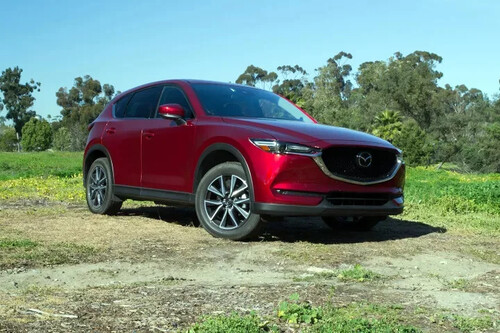
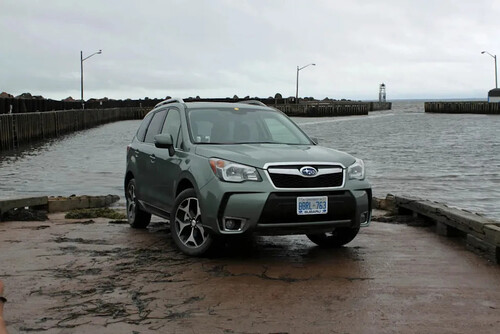
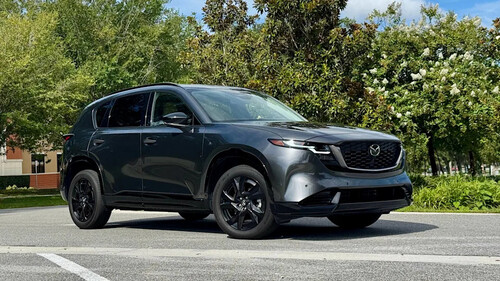
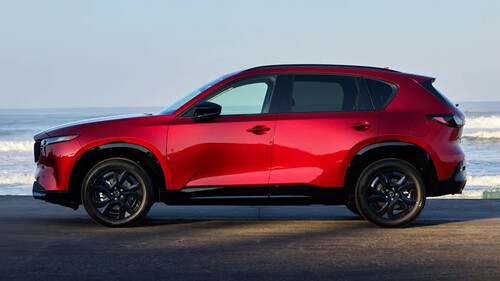
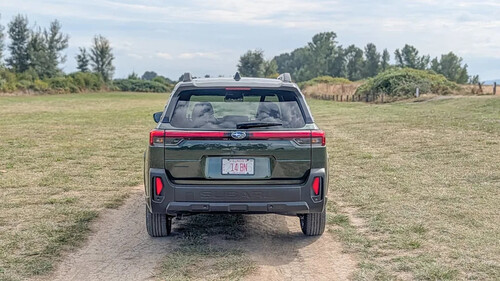
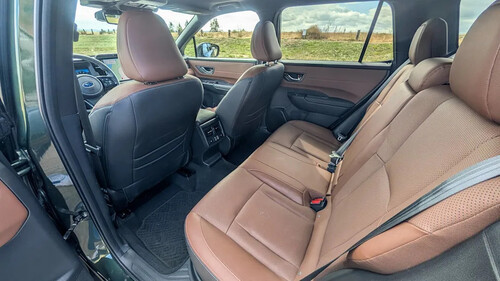
Autoblog and Yahoo may earn commission from links in this article.Seven years of ownership data removes the guesswork from a reliability comparison. These are not predictions or warranty-period projections. There are thousands of repair records, service invoices, and owner reports compiled across the full lifecycle of two compact SUVs that were among the best-selling in their class when new. The 2018 Mazda CX-5 is powered by a naturally aspirated 2.5-liter four-cylinder engine mated to a conventional six-speed automatic transmission. The 2018 Subaru Forester runs a 2.5-liter boxer four-cylinder through a CVT with standard all-wheel drive. Both are available used for $14,000 to $20,000, depending on mileage and condition.2018 Mazda CX-5Reliability ratings and repair costsRanked first among 26 compact SUVs in one major repair analysis, the 2018 CX-5 has a 4.5 out of 5.0 reliability score and average annual repair costs of $447. The severity of repairs is low. Frequency is below average. Service calls per 10,000 vehicles peaked at 0.38 around year four and dropped to just 0.13 by year eight. Mazda's conservative engineering philosophy, which avoids turbocharging and CVTs on this generation, pays dividends in the long run because there are simply fewer complex components available to fail.2018 Subaru ForesterSubaruBy contrast, the 2018 Forester carries a 3.5 out of 5.0 reliability rating and ranks 21st out of 26 in its class. Average annual repair costs run to $632, roughly $185 more than the CX-5, totaling over $900 in additional spending across five years of ownership. Service call frequency is consistently higher across the Forester's lifecycle, at 0.54 per 10,000 vehicles in year four and 0.39 in year eight.Common issues: CX-5Few 2018 CX-5s present serious mechanical problems at this age. Windshield chipping remains the most reported cosmetic complaint; a quirk shared with many Mazda models due to thinner glass. Some owners have reported AC condenser failures, which typically cost $600 to $900 to repair but are not widespread enough to constitute a systemic issue. Infotainment system lag was a known frustration at launch, though most examples have received software updates that improved responsiveness. Brake pad and rotor wear follow normal patterns for the class. Engine and transmission failures are exceptionally rare. The Skyactiv-G 2.5-liter and the six-speed automatic are proven, simple, and durable, the kind of powertrain combination that mechanics describe as "boring," which in their profession is the highest compliment available.2018 Mazda CX-5Common issues: ForesterHere is where the 2018 Forester's ownership story gets more expensive. The FB25 engine used in 2014-2018 Foresters has been documented to have oil consumption issues. Some owners report needing to add a quart between changes, and in more severe cases, the excessive consumption has led to premature engine wear. Subaru extended warranties on affected vehicles and issued a technical service bulletin, but not every example received the repair, and used buyers should verify the vehicle's service history before purchasing. If the oil consumption issue was not addressed under warranty, the fix can cost $2,000 to $4,000, depending on the extent of the damage.AdvertisementAdvertisementBeyond the engine, the CVT is the Forester's other long-term risk. Subaru's Lineartronic continuously variable transmission has drawn complaints for hesitation, juddering at low speeds, and, in worst-case scenarios, outright failure. A CVT replacement runs $5,000 to $7,000, which, on a vehicle worth $15,000 to $18,000, can make the ownership math add up. Not every 2018 Forester will experience CVT failure, but the probability is high enough that pre-purchase transmission inspection should be considered mandatory. Windshield fragility, a trait shared with the CX-5, is also well-documented across all Forester generations.The 100,000-mile questionAt 100,000 miles, the 2018 CX-5 is statistically likely to be running on its original engine, transmission, and major components, with nothing more than routine maintenance on the service record. Its six-speed automatic is one of the most durable gearboxes in the compact SUV segment, and the Skyactiv-G engine has no systemic issues at any mileage threshold. Owners who change the oil on schedule and address brake wear as it occurs can reasonably expect the CX-5 to reach 150,000 miles or more without a major unplanned repair.2018 Mazda CX-5At 100,000 miles, the 2018 Forester is more of a coin flip. Well-maintained examples with documented oil consumption repairs and regular CVT fluid changes can and do reach high mileage without incident. Standard all-wheel drive gives it a durability advantage in harsh climates that the FWD CX-5 cannot match. But the downside risk is higher: if the oil consumption issue was never addressed, or if the CVT was not serviced on schedule, six-figure mileage is where those deferred problems tend to surface as expensive repairs. Buying a 2018 Forester at 80,000 miles without service records is a gamble in a way that buying a CX-5 at the same mileage is not.2018 Subaru ForesterJohn Beltz SnyderThe bottom lineFor reliability, the 2018 CX-5 wins decisively. Lower repair costs, fewer service calls, a powertrain that improves with age, and the absence of any systemic engine or transmission issue make it one of the safest used compact SUV purchases in the segment. The 2018 Forester remains a capable vehicle with standard AWD and more cargo space, but its documented oil consumption and CVT concerns introduce a level of ownership uncertainty the CX-5 simply does not carry.AdvertisementAdvertisementThis story was originally published by Autoblog on Jun 8, 2026, where it first appeared in the Car Buying section. Add Autoblog as a Preferred Source by clicking here.