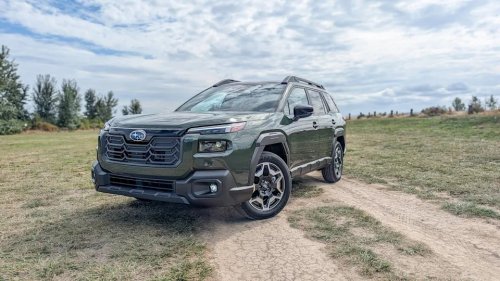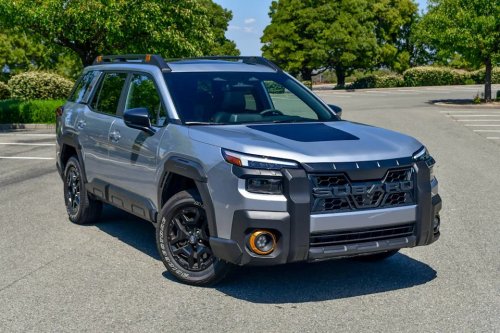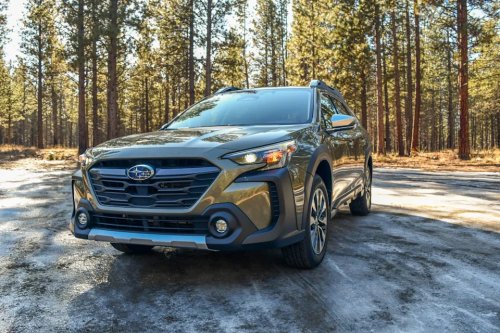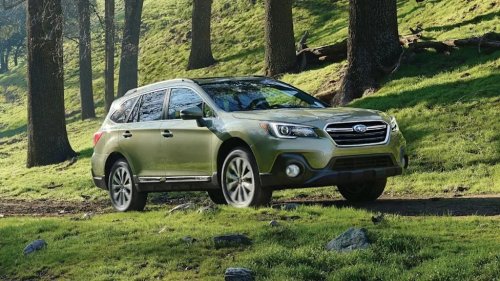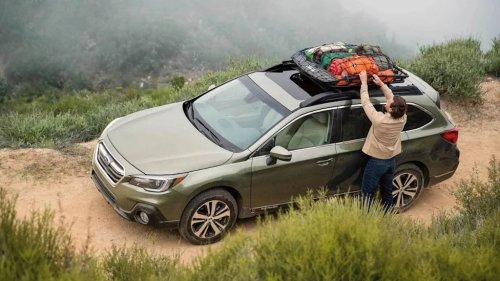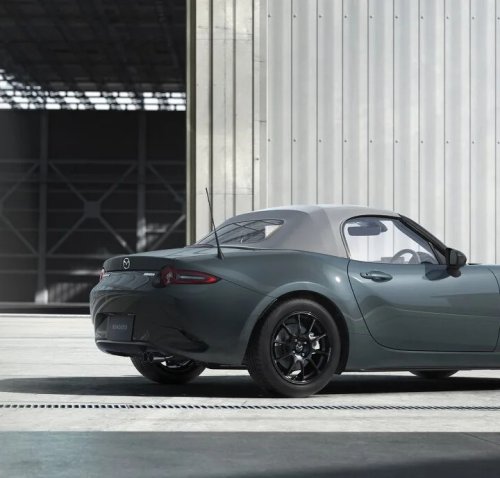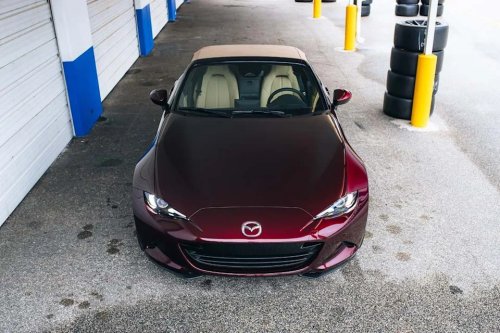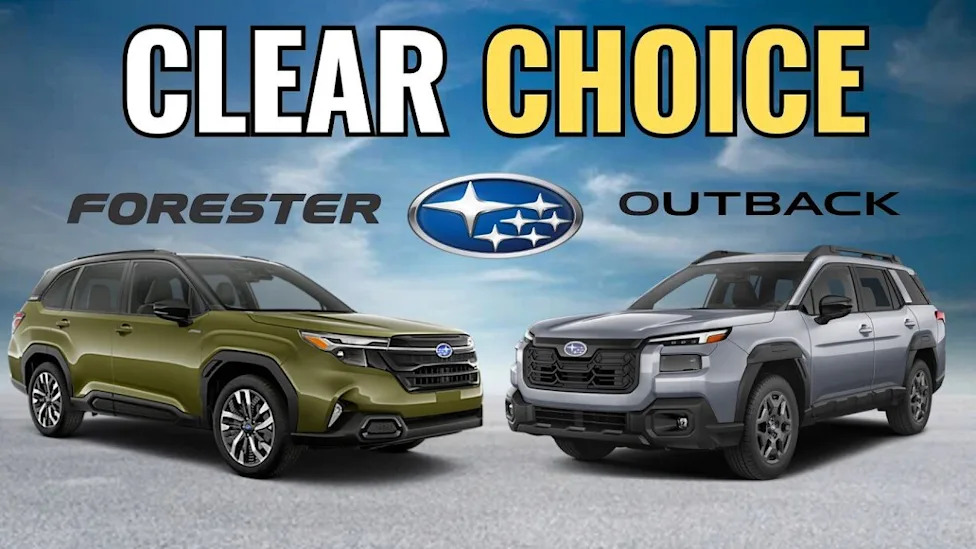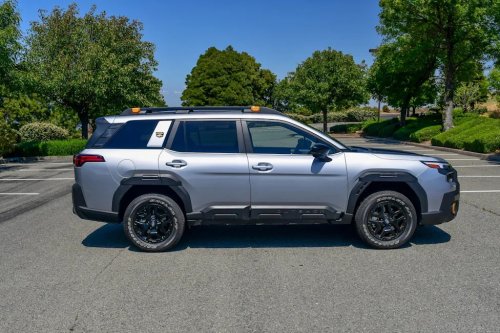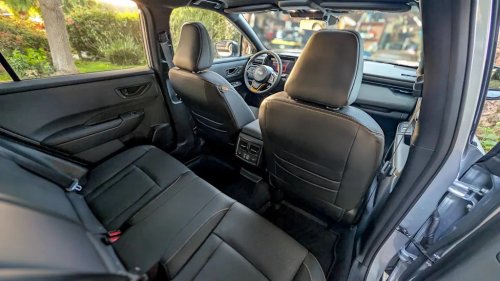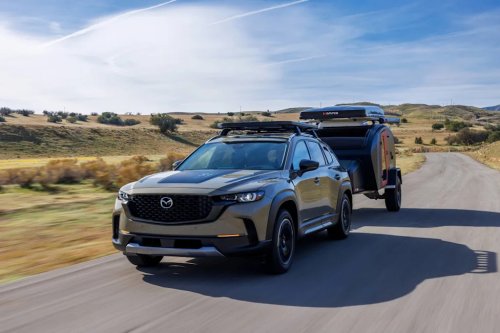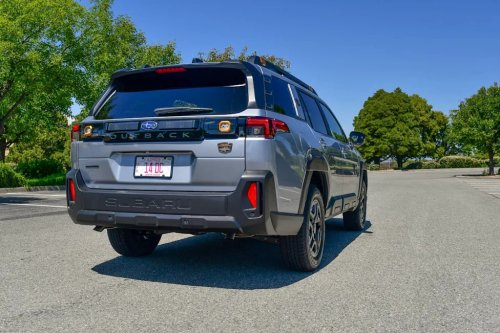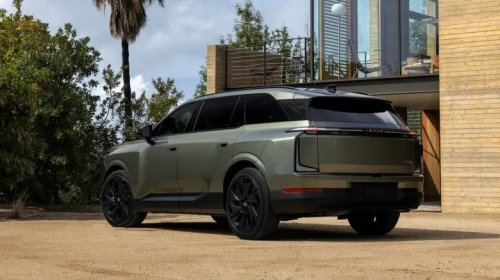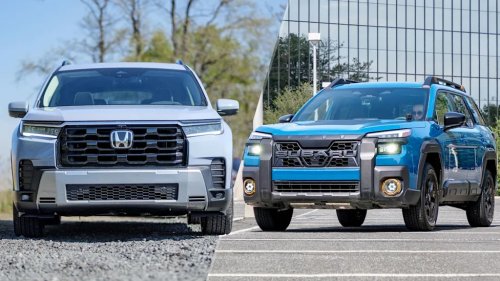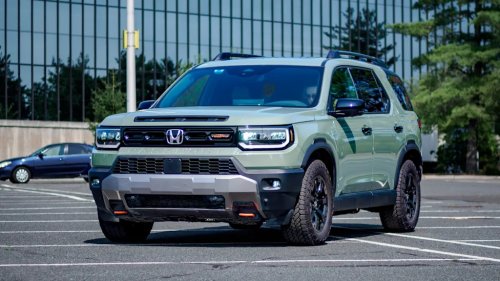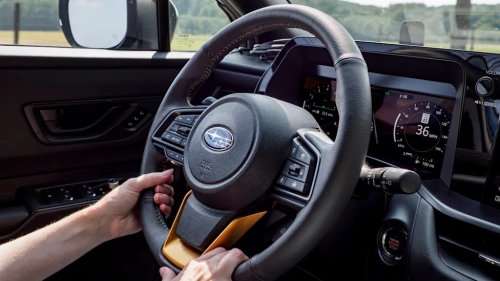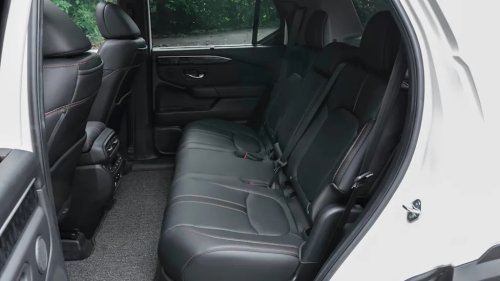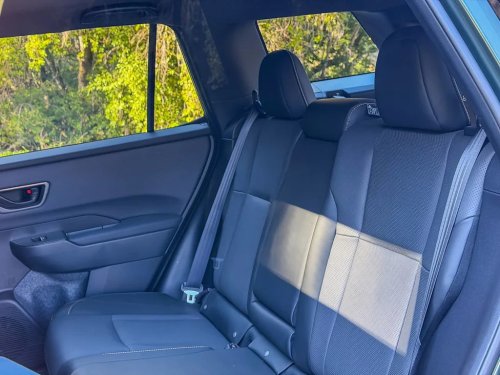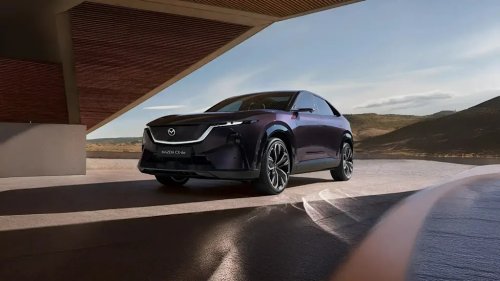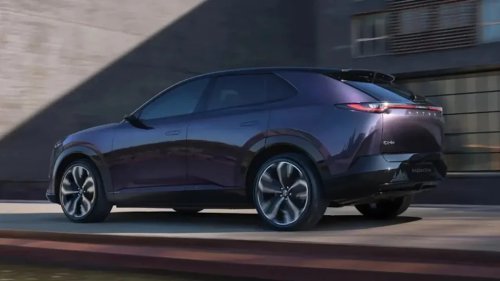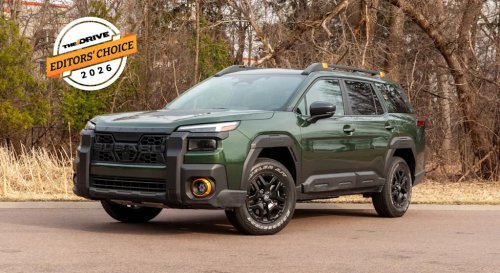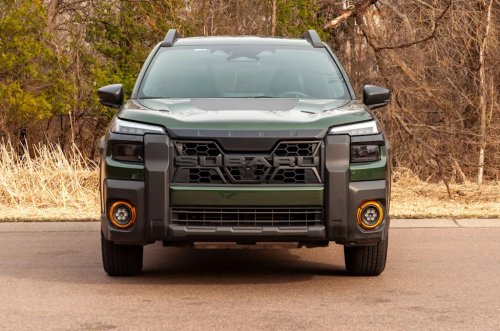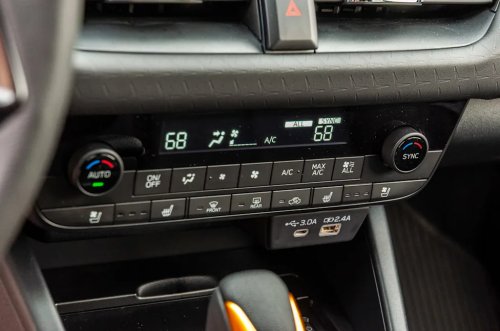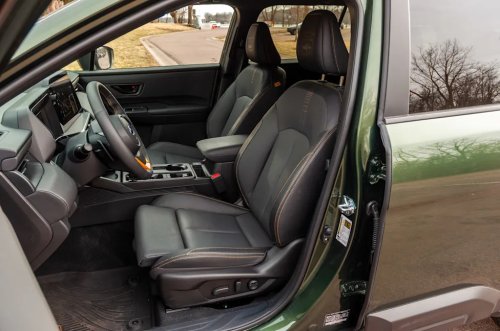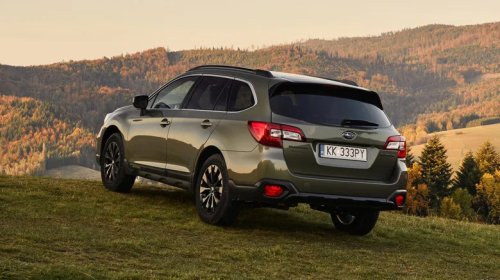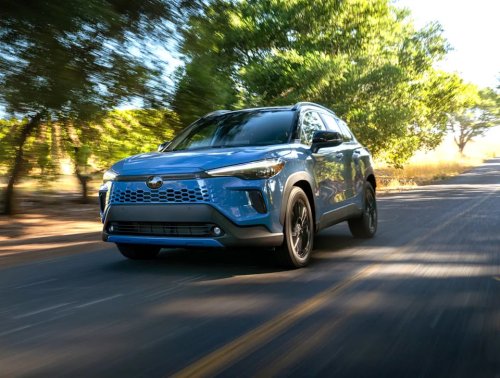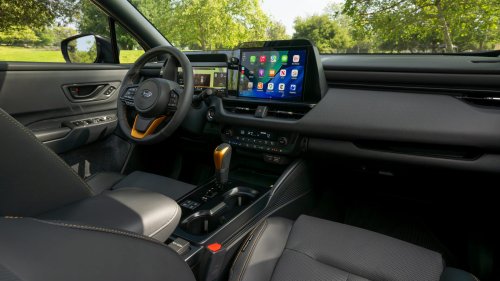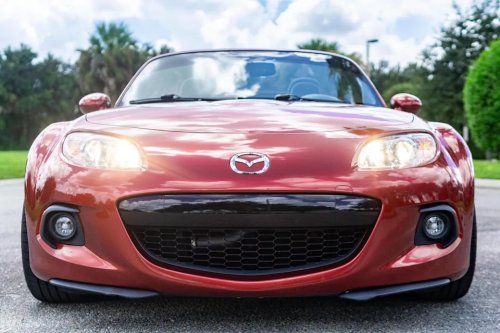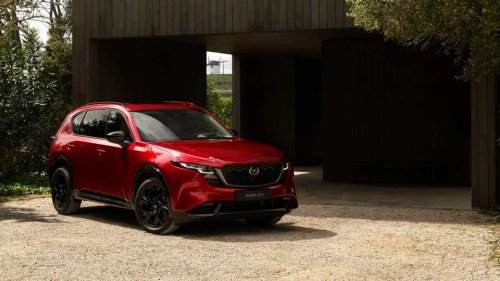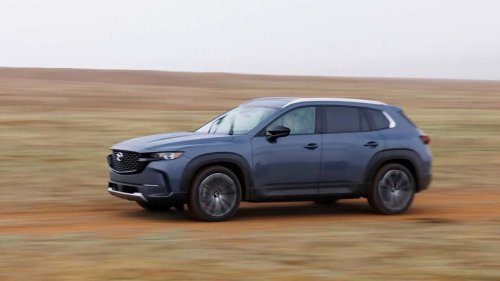
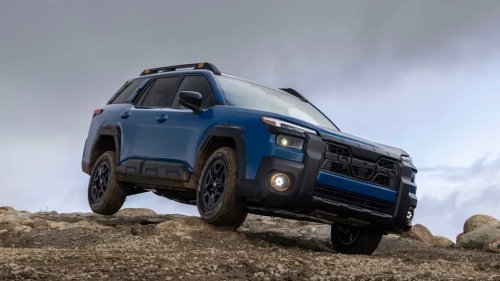
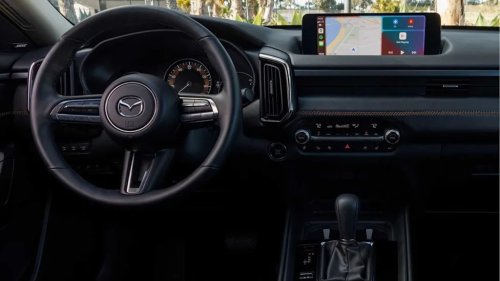
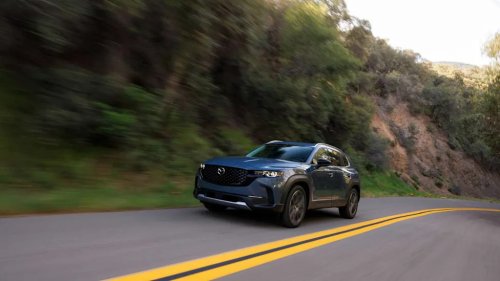
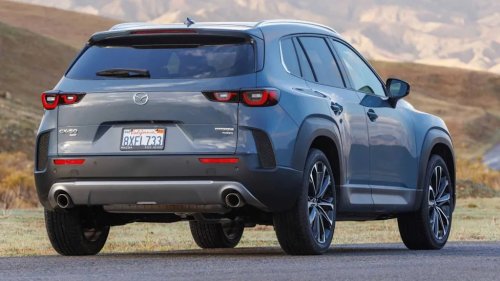
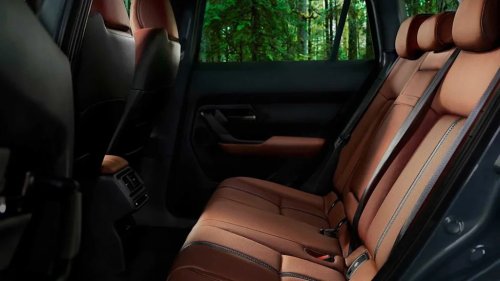
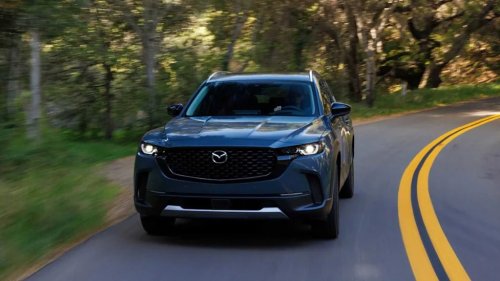
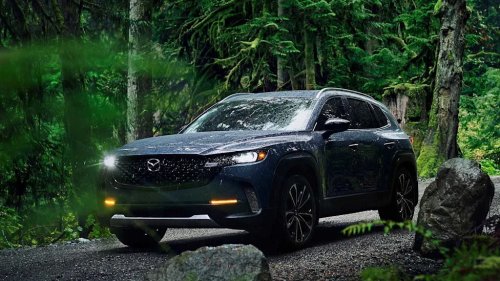



















NetCarShow.comThe Subaru Outback has long been the easy recommendation for buyers who want one vehicle to handle commuting, road trips, bad weather, and the occasional dirt road. But if most of your driving happens on pavement, its rugged versatility may matter less than the quality of the experience you get every time you climb behind the wheel.That is where the Mazda CX-50 makes an interesting case for itself. It gives up some of the Outback's cargo space and adventure-focused capability, but in exchange it delivers an interior that feels unusually upscale for a mainstream crossover and driving dynamics that can make an ordinary commute feel considerably more special.The difference is particularly notable because the CX-50 doesn't need a luxury badge to create that impression. With a lower starting price than the Outback, Mazda has built a crossover that puts its money into the things many drivers actually experience every day: comfortable seats, quality materials, a quiet cabin, intuitive controls, and steering that feels more deliberate than what you might expect at this price.AdvertisementAdvertisementIn order to give you the most up-to-date and accurate information possible, the data used to compile this article was sourced from Mazda and Subaru, as well as other authoritative sources including Consumer Reports, J.D. Power, NHTSA, and TopSpeed.Premium matters more when you drive on pavementThe Outback's biggest strengths aren't equally valuable to every buyerSubaruThe Outback earns its reputation by combining everyday practicality with capabilities that most family crossovers can't match. Standard all-wheel drive, generous cargo capacity, strong outward visibility, and the available Wilderness trim make it particularly appealing to drivers who regularly deal with snow, rough roads, or outdoor gear.Those strengths come with a trade-off, though, because not every buyer needs a crossover designed around that level of versatility. For someone whose routine consists mostly of commuting, errands, highway trips, and paved weekend drives, cabin refinement and road manners can have a much bigger impact on the ownership experience.That changes the way the CX-50 should be judged against the Outback. Instead of trying to replace Subaru's adventure credentials, Mazda takes a different approach by emphasizing the parts of the vehicle you interact with constantly, creating a more polished experience that can feel closer to a luxury crossover without the corresponding price tag.What makes the CX-50 feel more expensive?Mazda focuses on the details you notice every dayA premium-feeling crossover isn't necessarily the one with the biggest engine, most cargo space, or longest list of off-road equipment. It is the vehicle that gets the small things right, from the way the seats support you and the controls fall naturally to hand to the quality of the materials surrounding you.AdvertisementAdvertisementThe CX-50 benefits from that philosophy throughout its cabin. Its dashboard design, soft-touch surfaces, switchgear, seating position, and overall fit and finish give it an atmosphere that feels more deliberate than what you might expect from a mainstream crossover, particularly when you move into the better-equipped trims.That impression also carries onto the road. The CX-50's steering, body control, suspension tuning, and highway composure work together to make it feel polished without becoming disconnected from the driver, which is precisely the kind of refinement that can make a mainstream vehicle feel like it belongs in a higher price bracket.The CX-50 makes the price gap harder to justifyMazda's lower starting price leaves room to move up the trim rangeMazdaThe 2026 CX-50 starts at $29,900, putting it well below the 2026 Outback's $34,995 starting price. That difference matters because buyers don't have to spend Outback money just to get into a CX-50 with the features that contribute to its more upscale character.The CX-50 2.5 S Select already comes with LED headlights, dual-zone automatic climate control, partial leatherette upholstery, a 10.25-inch infotainment display, wireless connectivity, and an eight-speaker audio system. Stepping up to the 2.5 S Preferred adds features such as heated front seats, a power liftgate, a power-adjustable driver's seat, a panoramic sunroof, and parking sensors.AdvertisementAdvertisementThe Outback does offer a more generous equipment package at its higher entry point, so this isn't a case where Mazda simply wins on features. The more interesting argument is that the CX-50 gives shoppers a lower-cost path into a crossover with an upscale character, allowing buyers to spend less overall or use the savings to move into a better-equipped Mazda.The CX-50 feels special once you start drivingIts road manners give it a distinctly upscale characterNetCarShow.comOur colleagues at sister site TopSpeed had the opportunity to test the CX-50 2.5 Turbo Premium Plus, and their experience reinforces the crossover's premium positioning. They found an interior that felt richer than its price suggested, with quality materials, polished technology, useful convenience features, and physical controls that helped preserve the cabin's upscale atmosphere.The driving experience was just as important to their assessment. TopSpeed's testers praised the CX-50's responsive chassis and natural steering, noting that its precise turn-in and accurate responses made it genuinely enjoyable on twisty roads without sacrificing the comfort and usability expected from an everyday crossover.That combination is what makes the CX-50 particularly interesting against the Outback. Mazda isn't trying to beat Subaru at its own game on cargo capacity or off-road capability; instead, it delivers the kind of composed, engaging road manners and carefully finished cabin that can make a mainstream crossover feel like something from a more expensive class.The CX-50 doesn't beat the Outback at everythingSubaru still has the advantage when practicality comes firstNetCarShow.comThe CX-50's premium feel comes with some compromises, particularly when you need to carry people and gear. It offers 29.2 cubic feet of cargo space behind the rear seats and 56.3 cubic feet with the seats folded, while the Outback provides 34.6 and 80.5 cubic feet, respectively.AdvertisementAdvertisementThe Subaru also gives passengers more room to stretch out, with greater headroom, legroom, and shoulder room in both rows. Its standard all-wheel-drive system, strong outward visibility, and available Wilderness model further strengthen its case for buyers who regularly deal with poor weather, rough terrain, or outdoor equipment.That makes the CX-50 the better choice only if the priorities line up. If your daily driving is overwhelmingly on pavement and you care more about cabin ambiance, steering feel, and a refined ride than maximum space or trail capability, Mazda's approach makes a compelling alternative to the Outback.The CX-50's premium appeal comes with one caveatIts reliability record isn't as established as the Outback'sNetCarShow.comMazda has built a strong reputation for reliability, but the CX-50 itself is still a relatively young model. It arrived for the 2023 model year, so it doesn't have the decades of model-specific ownership history that gives the Outback such a well-established track record.There have also been recalls affecting earlier CX-50s, including issues involving trailer wiring, accessory-hitch hardware, and software. Some owners have reported concerns such as interior rattles, windshield cracking, and rear differential problems, while turbocharged models have also been part of broader litigation involving Mazda's 2.5-liter turbo engine family.AdvertisementAdvertisementNone of that erases what makes the CX-50 appealing, but it is worth keeping in perspective. The Outback has the advantage when proven long-term history is the priority, while the CX-50's strongest argument remains the experience it delivers today: an upscale cabin, polished road manners, and a sense of refinement that is unusual at its price.The CX-50 makes the most sense for the right kind of buyerChoose Mazda for refinement, or Subaru for maximum versatilityMazdaThe CX-50 is a strong fit for drivers who spend most of their time on paved roads and want their daily crossover to feel more expensive than its price suggests. Its upscale cabin, supportive seats, quiet road manners, and engaging steering give it an experience that can feel closer to a luxury vehicle than a mainstream crossover.The case becomes even stronger for buyers considering an entry-level luxury SUV but unwilling to take on the higher purchase price and ownership costs that often come with a premium badge. The CX-50 doesn't offer the same space or utility as the Outback, but it can deliver the qualities many drivers actually notice every day.The Outback remains the smarter choice for families, outdoor enthusiasts, and drivers who regularly need extra cargo room, standard all-wheel drive, or genuine off-road capability. But if those aren't priorities, the CX-50 makes a persuasive argument that you don't need to spend more or buy a luxury badge to get a genuinely premium crossover experience.