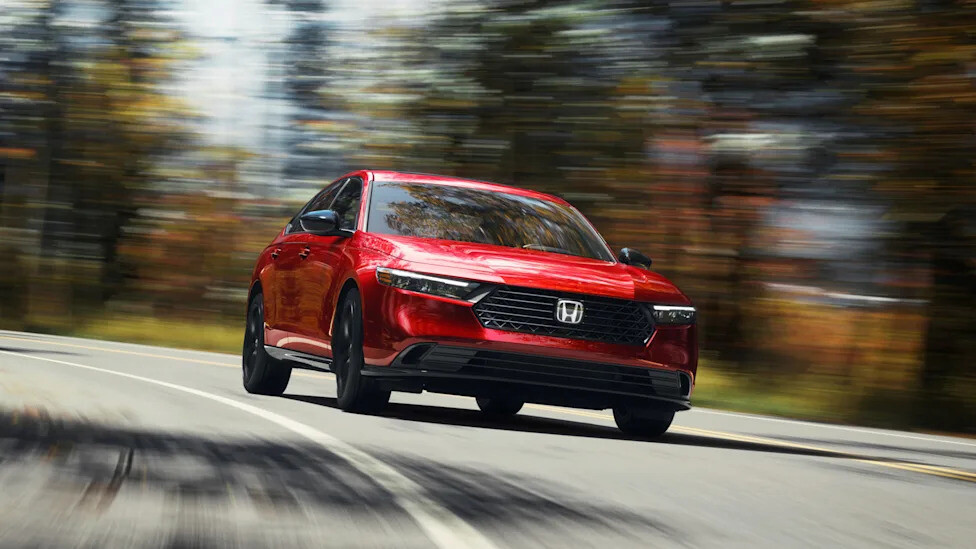
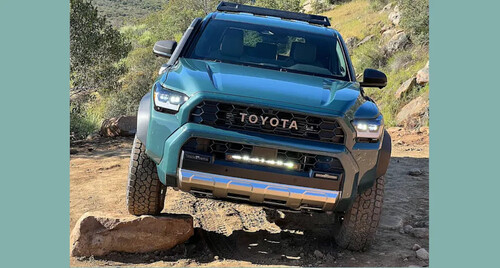
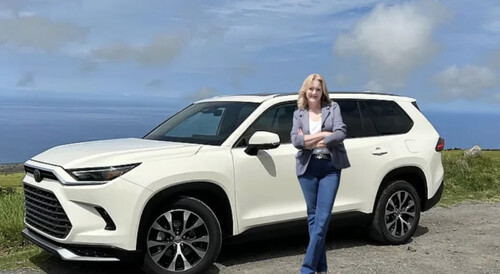
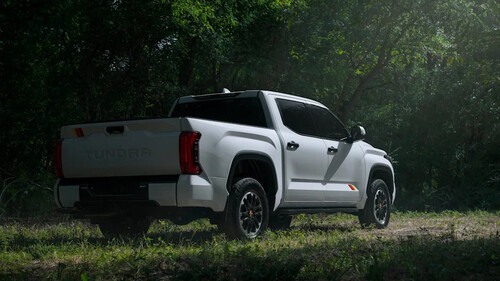
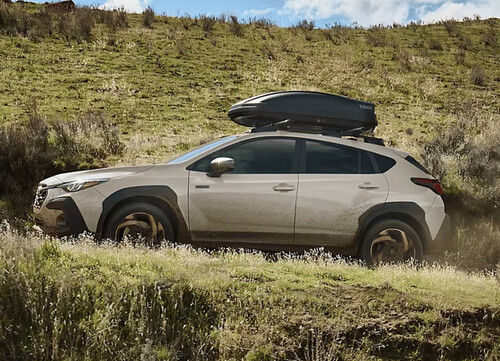
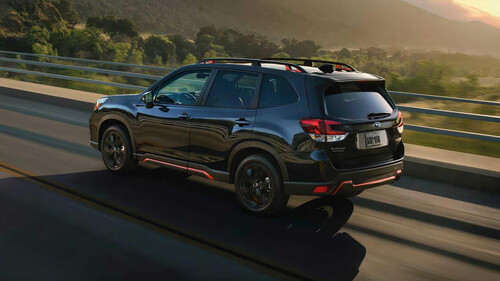
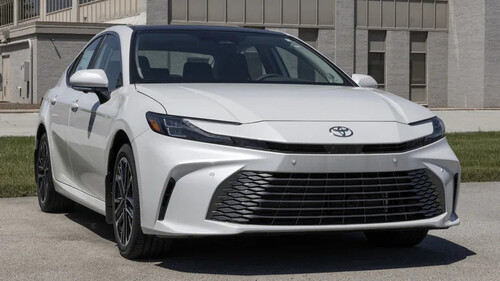
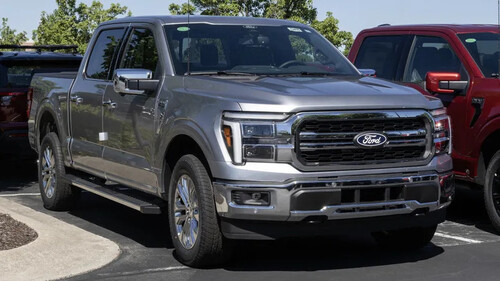
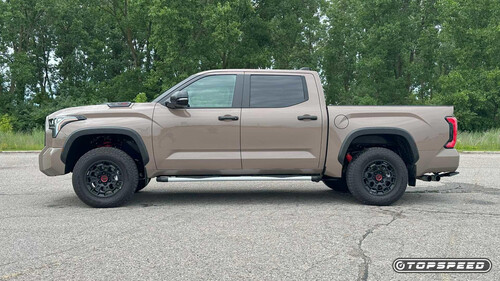
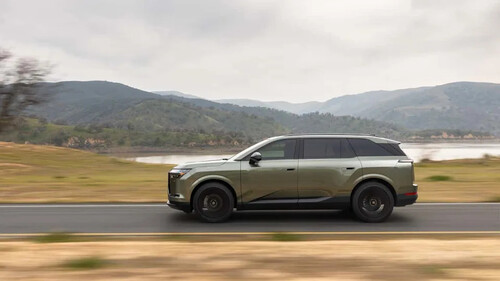
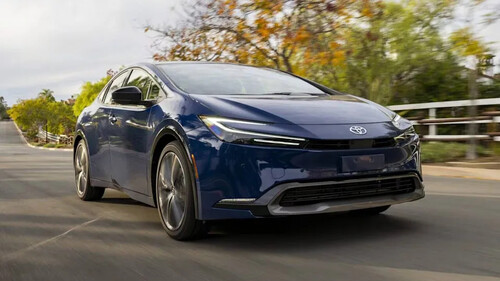
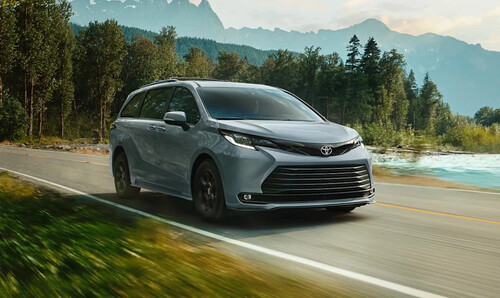
Image Credit: Subaru.For decades, Japanese automakers exported millions of vehicles from Japan to the United States. Now, a surprising reversal may be taking shape as Toyota and Subaru prepare to send more American-built models back across the Pacific for sale in their home market.The move is partly about expanding product offerings, but there appears to be a larger political and economic calculation behind it as well. Japanese automakers have increasingly explored importing U.S.-built vehicles into Japan as trade tensions and tariff concerns continue shaping the global auto industry.Toyota already confirmed plans to reintroduce the American-built Camry to Japan, while Subaru is reportedly considering selling the Indiana-built Ascent there too. On paper, the idea sounds unusual. In practice, it may serve multiple purposes for both companies.AdvertisementAdvertisementFor American manufacturing plants, the shift could help justify production capacity and improve trade optics. For Japanese buyers, it introduces vehicles that are rarely seen on local roads, particularly larger SUVs and sedans designed primarily around American tastes.Toyota Is Bringing The Camry Home AgainToyota's plans are the furthest along. During a recent event at Fuji Speedway, the company confirmed the Kentucky-built Camry is currently undergoing certification for the Japanese market.The Camry's return would mark a significant reversal after Toyota discontinued the sedan in Japan in 2023 following years of declining sales. The company reportedly sold fewer than 6,000 Camrys there in 2022 before pulling the plug entirely.This time around, Toyota appears to have more modest expectations. Executives reportedly hope to sell around 10,000 Camrys annually once the American-built version officially returns later this year.AdvertisementAdvertisementThat may sound small compared to the Camry's enormous U.S. success, where Toyota sold more than 300,000 examples last year alone. Yet the sedan still fills an important niche in Japan between smaller models like the Corolla and more premium offerings such as the Crown.The Camry also would not feel entirely out of place on Japanese roads. Honda already sells the Ohio-built Accord in Japan, proving there is still a limited market for larger American-market sedans.Subaru May Send Its Biggest SUV OverseasSubaru's potential move is more surprising. The company is reportedly considering bringing the Indiana-built Ascent SUV to Japan, which would instantly become one of the largest vehicles in Subaru's domestic lineup.At first glance, the Ascent feels almost comically American. It was developed primarily for North America, with three rows of seating and dimensions far larger than most vehicles typically seen on Japanese city streets. However, Subaru's manufacturing situation helps explain the decision.AdvertisementAdvertisementIts Lafayette, Indiana plant currently builds only the Crosstrek, Forester, and Ascent. The Crosstrek and Forester are already produced and sold domestically in Japan, making large-scale imports of those models less practical. The Ascent, meanwhile, has no direct equivalent in Subaru's Japanese lineup.The SUV's slower sales in the United States may also play a role. Subaru's largest combustion-powered SUV has reportedly seen declining numbers recently, making additional export opportunities attractive from a production standpoint.Even if it remains a niche product in Japan, the Ascent could stand out simply because there is little else like it in Subaru showrooms.Bigger Vehicles Are Slowly Appearing In JapanImage Credit: Toyota.Toyota has already started experimenting with this strategy. Earlier this year, the company introduced the Indiana-built Highlander to Japan along with the Texas-built Tundra pickup.AdvertisementAdvertisementThe Tundra especially feels wildly oversized for Japanese roads, parking spaces, and urban environments. Yet that novelty may actually work in its favor.Full-size American trucks remain extremely rare in Japan, giving the Tundra a halo-car effect despite its impracticality. Buyers interested in camping, outdoor lifestyles, or simply standing out may find the truck appealing precisely because it feels so different from traditional domestic vehicles.The Highlander and Ascent occupy a more realistic middle ground. Large family SUVs continue growing in popularity worldwide, and Japanese buyers increasingly show interest in vehicles with more interior space and flexible seating configurations.Trade Politics May Be Driving The DecisionWhile Toyota and Subaru undoubtedly hope to sell additional vehicles, industry observers suspect the broader motivation involves trade relations with the United States.AdvertisementAdvertisementJapanese automakers remain highly sensitive to tariff discussions involving exports to America. Importing U.S.-built vehicles into Japan creates a useful talking point when negotiating trade policy or responding to political criticism about automotive trade imbalances.Toyota chairman Akio Toyoda previously hinted at this strategy when discussing plans to bring the Tundra and Highlander to Japan. The actual sales numbers may be relatively small, but the symbolic value could be significant.From Washington's perspective, seeing American factories export vehicles into Japan helps support the argument that U.S. manufacturing remains globally competitive.For Toyota and Subaru, that may be worth the effort even if these models never become mainstream successes in Japan itself.AdvertisementAdvertisementThe result is a fascinating reversal in automotive history. For years, America imported Japanese vehicles by the millions. Now, some of those same companies are preparing to send American-built cars back home.If you want more stories like this, follow Guessing Headlights on Yahoo so you don't miss what's coming next.