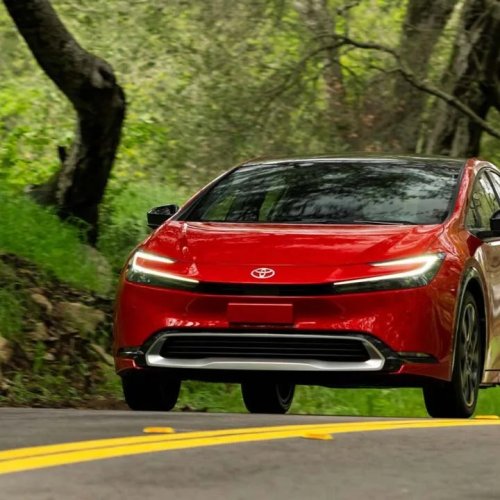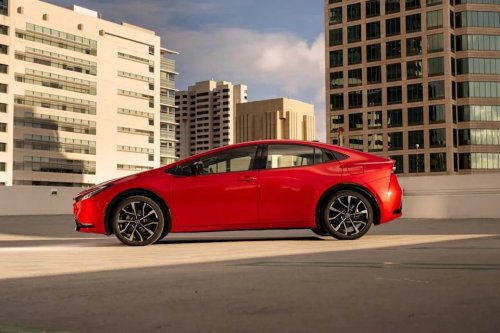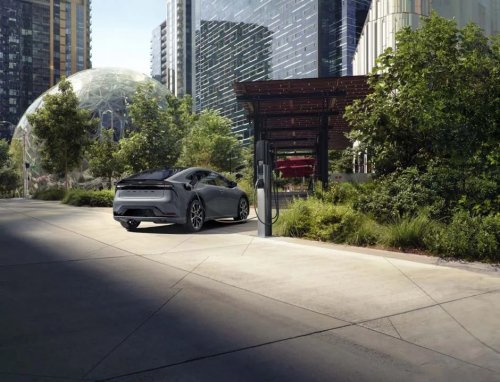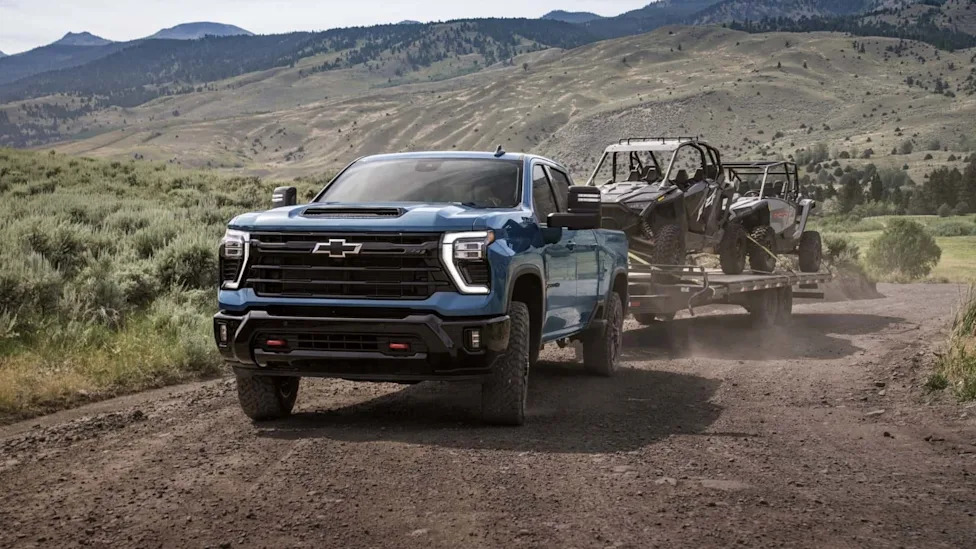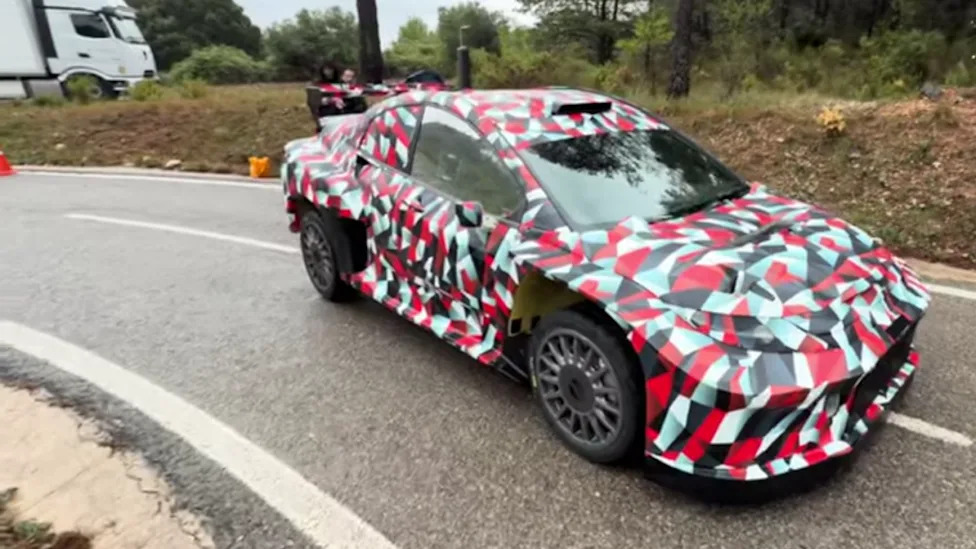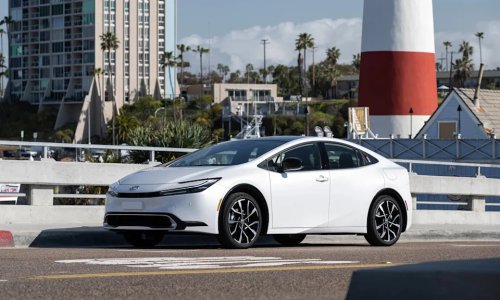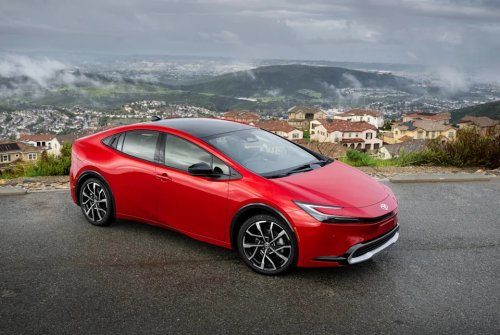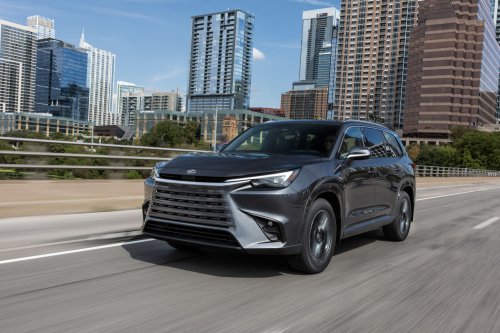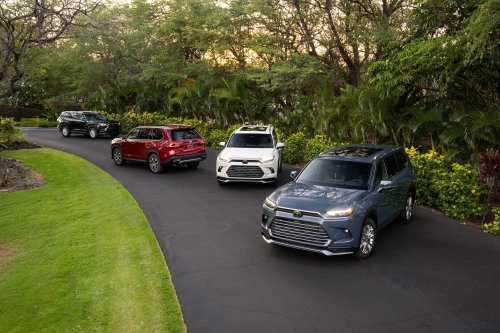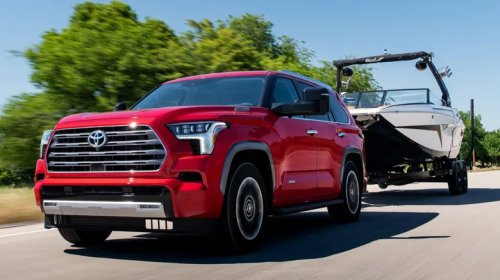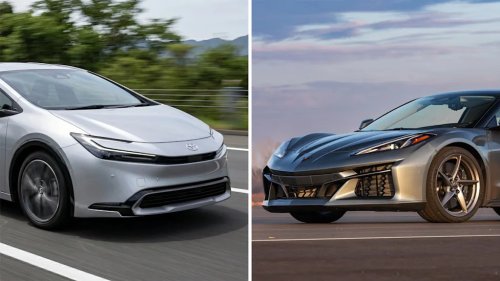
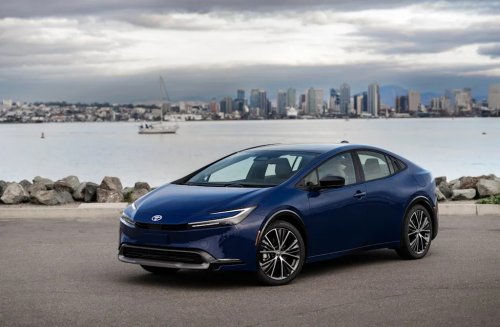
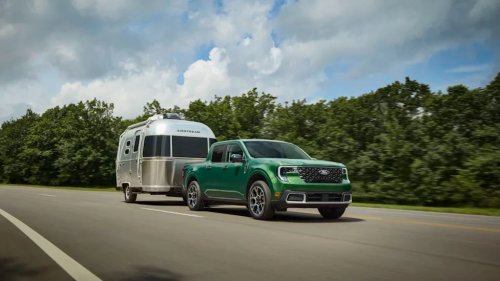
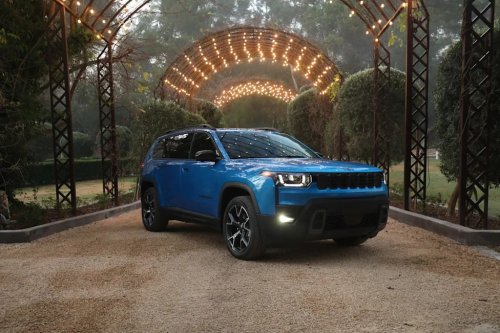



















GM Has One Hybrid. Toyota Has a Whole StrategyHearst OwnedIn the first half of 2026, 22 percent of car shoppers in the US—a new high—said they'd consider buying a hybrid vehicle, reported Kelley Blue Book on August 4. But American companies have essentially been caught flat-footed with little product in the showrooms.That stellar consideration factor was up from 20 percent a year earlier. It compares to an anemic 10 percent battery EV consideration, slightly down from 11 percent a year ago. Only hybrid drivetrains are seeing growth—others categories are showing declines. All this is against a backdrop of rising fuel prices, and the hybrid offering a safe solution to range anxiety.Consideration seems to be blossoming into sales, because, in that same first half, hybrid car purchases were up almost 20 percent from the same period in 2025. That gives hybrids 15.4 percent of the market, more than double the volume of battery electrics.AdvertisementAdvertisementAmerican automakers are also-rans when it comes to hybrids, with Toyota (the market leader since the Prius hit American shores in 2000), Honda, and Hyundai-Kia together getting nearly 90 percent of the sales. "Just three automakers control the majority of one of the hottest segments in the US car market," said CNBC, "and none of them are American companies."The bestselling Toyota Prius gets as much as 57 mpg.NATHAN LEACH-PROFFERIt's interesting to note that Toyota insulates itself by building 19-mpg aimed-at-America behemoths such as the Sequoia and a full line of fuel-sipping hybrids and PHEVs such as the 57-mpg Prius. That's something Ford, General Motors, and the US part of Stellantis find difficult.Between Toyota and Lexus, more than 600,000 hybrids were sold on the American market in the first half of 2026. Meanwhile, General Motors offers only one hybrid, and a niche product at that—the 19-mpg-combined Corvette E-Ray. How niche is the E-Ray? Corvette's total sales (not broken out by model) in Q1 and Q2 2026 combined was 13,417 units, and the E-Ray was only five to 12 percent of that.Vanessa Ton, senior manager of research and market intelligence at Cox Automotive, told Autoweek, "Toyota and Honda chose to continue investing heavily in hybrids even as battery EVs were taking off. They saw hybrids as a safer bet, because you could get excellent fuel economy without needing a charging station. The US companies saw the battery EV market share going up, with available tax credits, and they put money into that segment."AdvertisementAdvertisementFord is at least making an effort in the hybrid space, despite axing nearly all of its actual cars in favor of SUVs and trucks. The small Maverick truck is offered with a 2.5-liter hybrid powertrain as standard, and the bestselling F-150 is available with a 3.5-liter PowerBoost hybrid V6 layout. The problem with the latter is, because of the vehicle's size and weight, it achieves a not-very-impressive 23 mpg combined. Less thirsty is the Ford Escape, available in both hybrid (39 mpg combined) and PHEV forms. For 2027, the Ford Ranger is expected to get a hybrid option, and the Lincoln Corsair will feature an all-new two-liter hybrid setup it shares with the Nautilus.The Ford Maverick is available as a hybrid.FordHybrids are 31 percent of sales at second-place American Honda, which set a US hybrid sales record in the first half of the year. The 2028 Honda Ridgeline will get the dual-clutch hybrid system that's also going into the RDX and MDX.Other automakers are accelerating their hybrid plans. Subaru is also seeing a lot of interest in its Crosstrek and Forester hybrids. There aren't many hybrid minivans on the market (the Chrysler Pacifica and the Toyota Sienna), so Kia's Carnival hybrid is getting queries.The 2027 Nissan Rogue debuting this fall will get the third-generation e-Power series hybrid system with two electric motors. Mitsubishi will field the 2027 Outlander PHEV, with 45 miles of electric range from an upgraded 22.7 kilowatt-hour battery pack.AdvertisementAdvertisementAnd the 2026 Jeep Cherokee is now hybrid only. Jeep for several years had the best-selling PHEV on the market in the Wrangler 4xe, but for 2026 Stellantis, claiming the market had shifted, axed the entire North American PHEV lineup.The Jeep Cherokee is now hybrid-only.StellantisAudi is now gung-ho on hybrids for the US, with both the RS5 performance model and the Nuvolari sports car debuting with plug-in hybrid (PHEV) drivetrains. The Q5 and Q7 are likely to be offered as PHEVs here. Audi currently has four battery-electrics on the market, but its former hybrids and PHEVs have been discontinued on the US market. In Europe, of course, Audi has a full range of PHEVs (A3, Q3 and Q5)."Affordability and fuel economy have become increasingly important over the last five years," KBB said. Just about every automaker is planning to build hybrids now, with the market shifting in their direction. The problem is that, with three-to-five-year development cycles, that still means US carmakers are currently ceding sales to their Asian competitors.With the Iran conflict continuing, the average retail price for a gallon of gas in the US on August 10 was $4.01. Baum & Associates said that hybrids could be 25 percent of the US market in 2030. Ton said it's possible that will happen "if automakers are able to get hybrid pricing to be competitive with ICE vehicles."