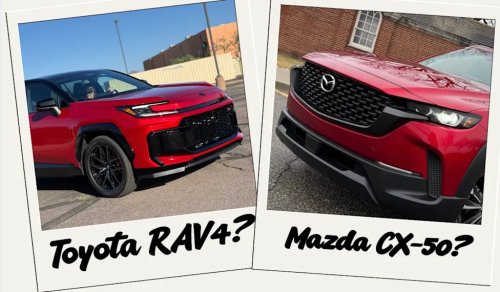
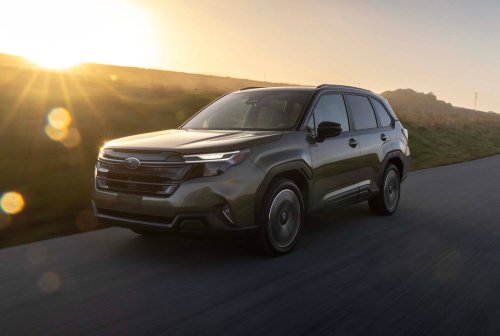
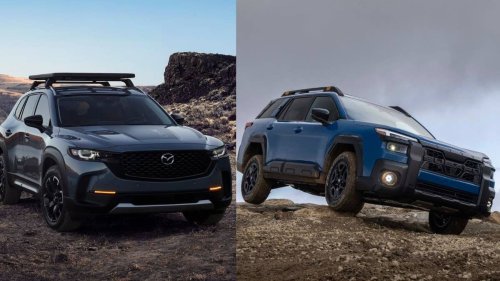
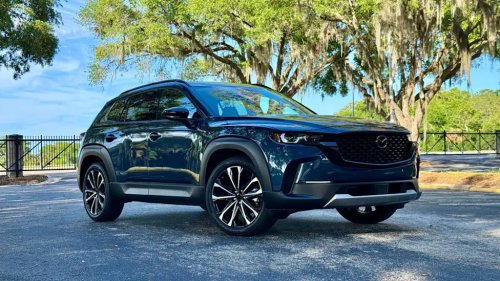
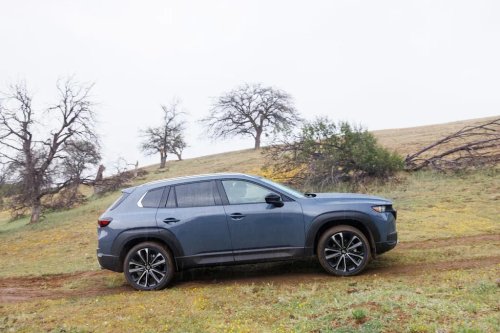
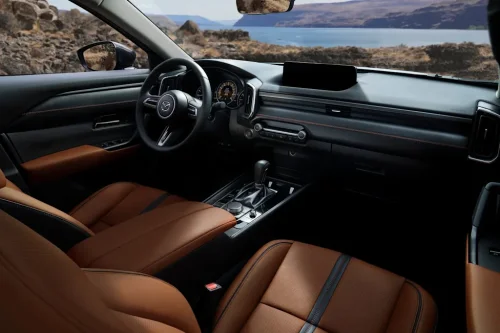
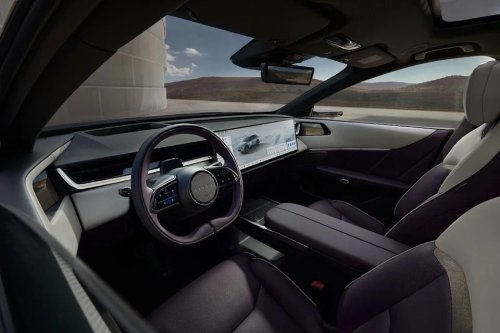
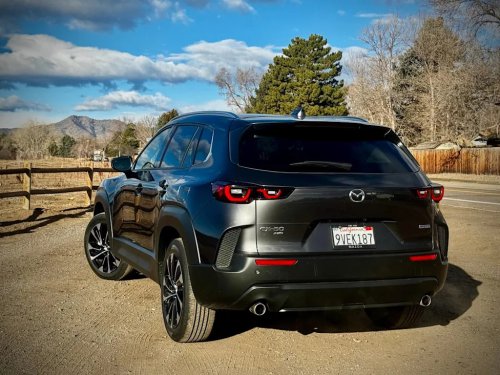
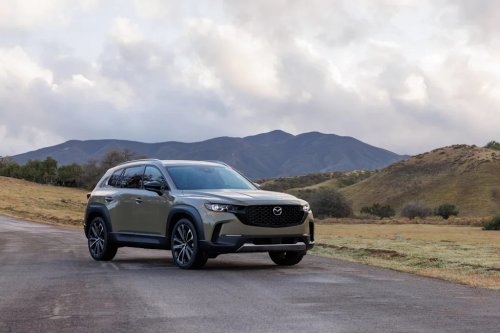
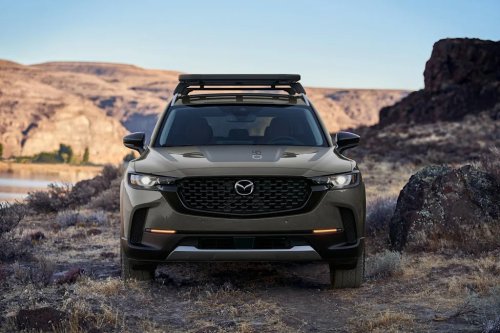
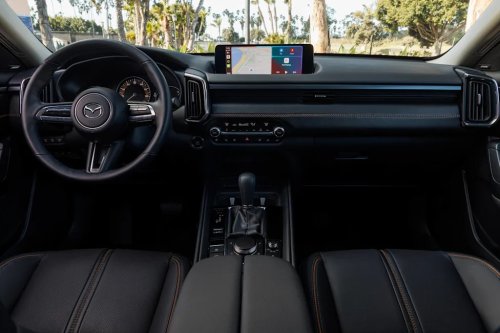
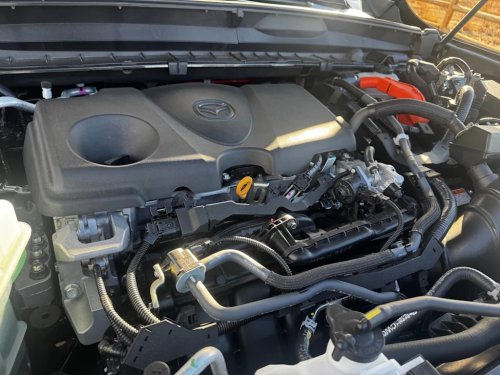
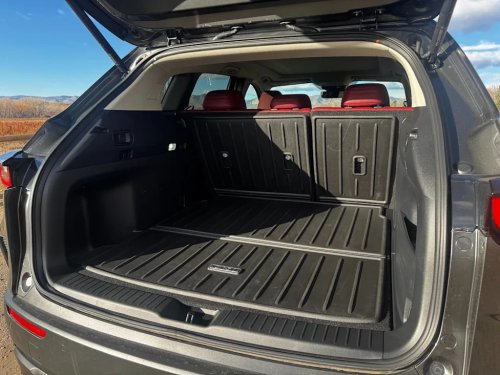
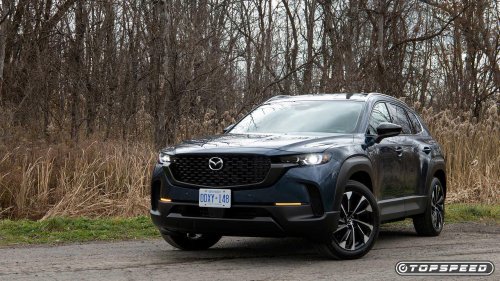
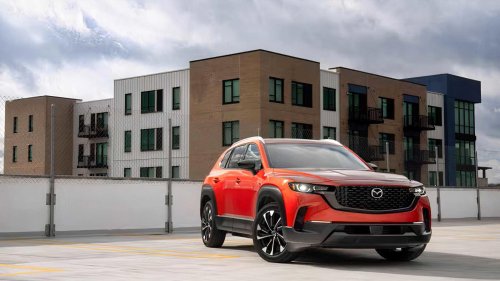
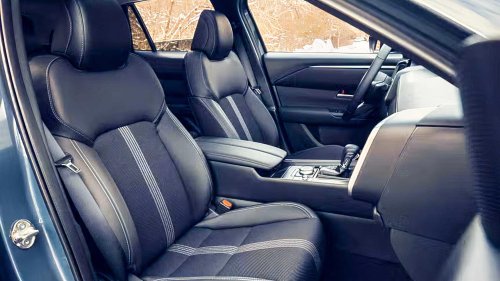
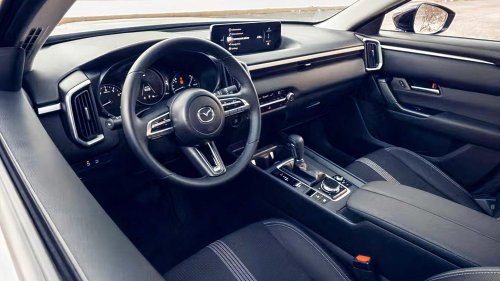
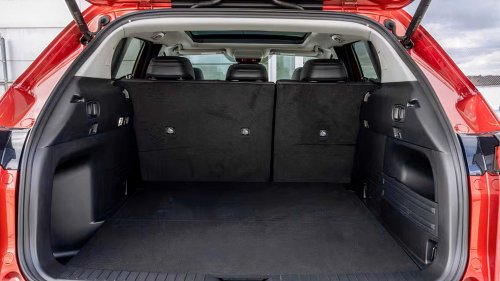
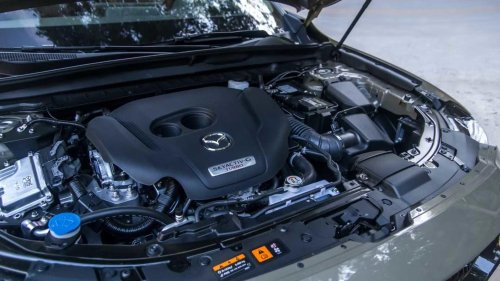
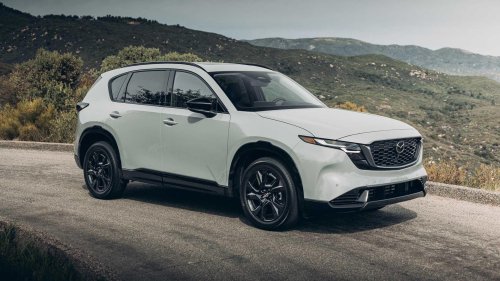
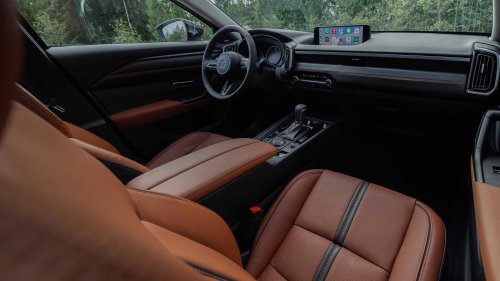
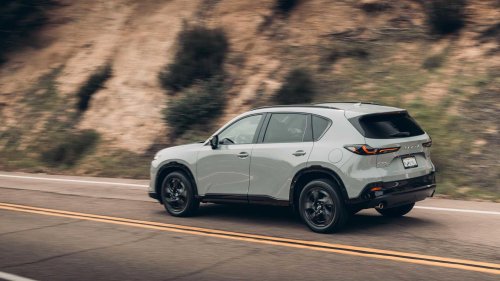
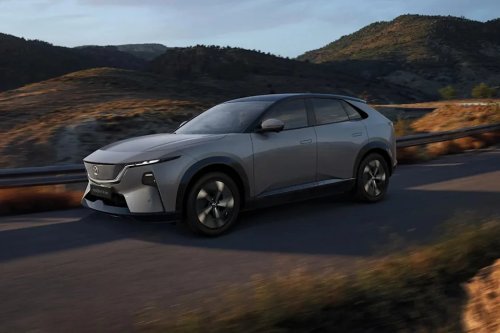
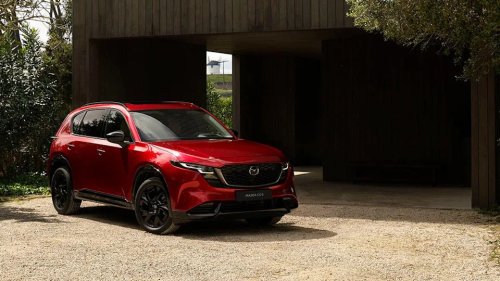
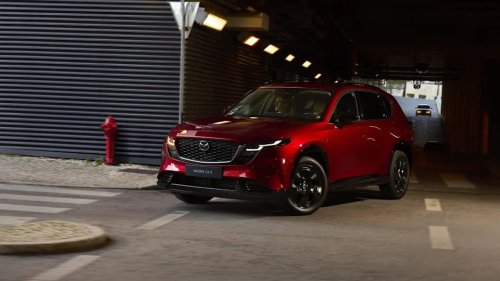
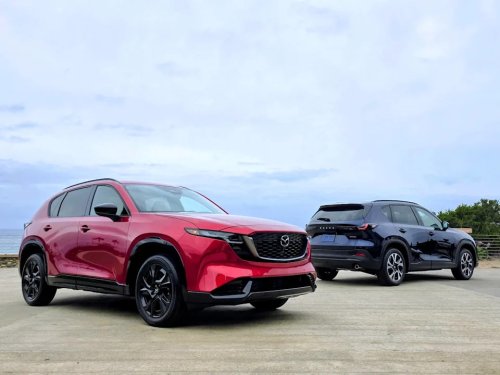
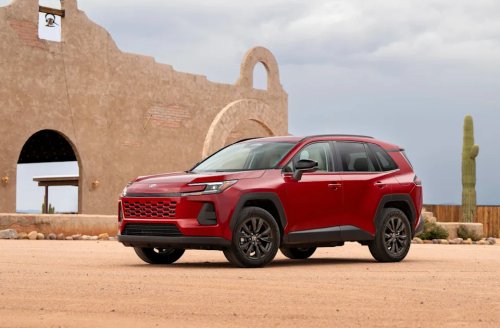
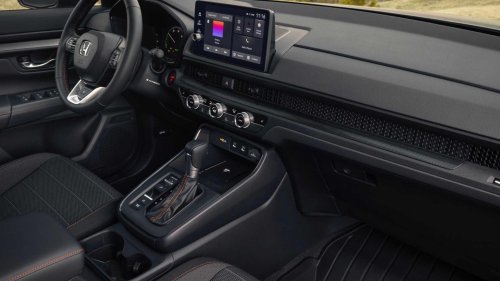
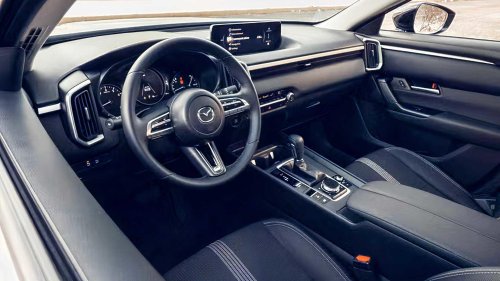
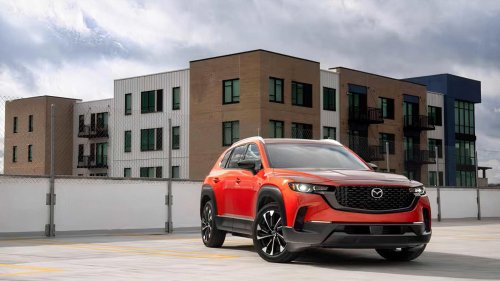
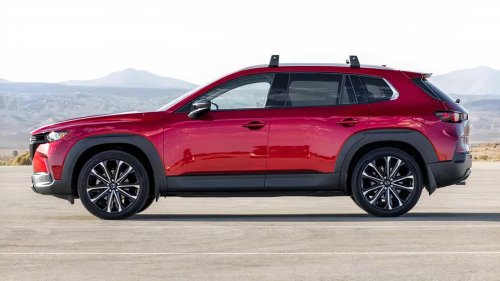
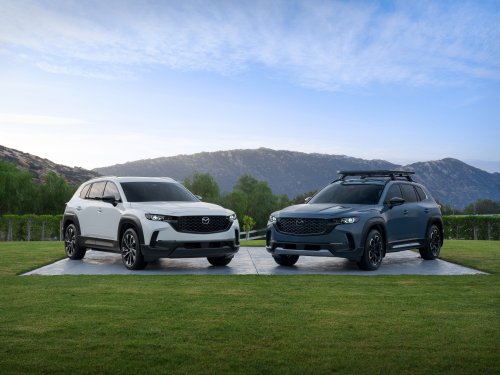
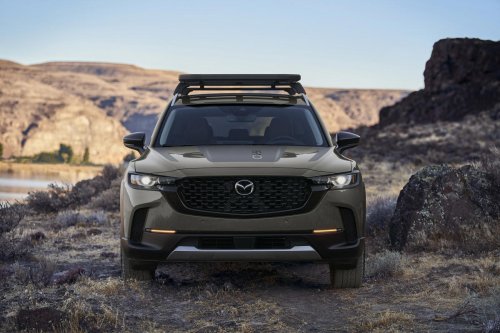
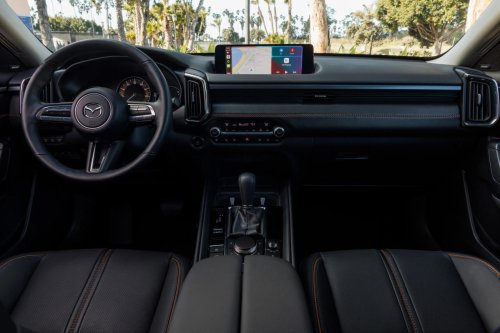
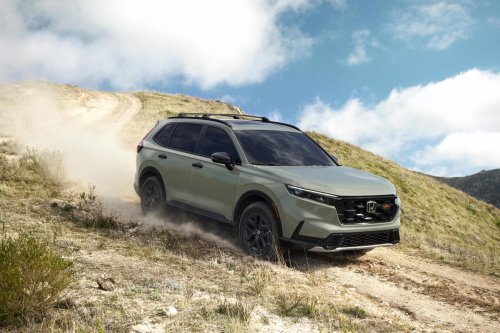
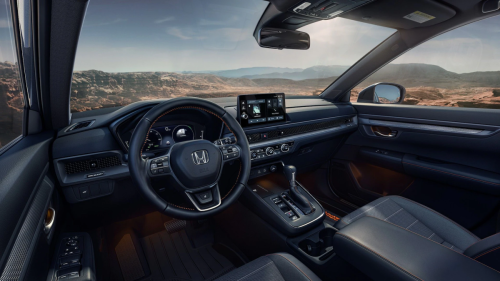
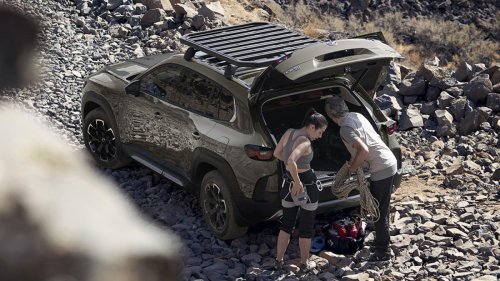
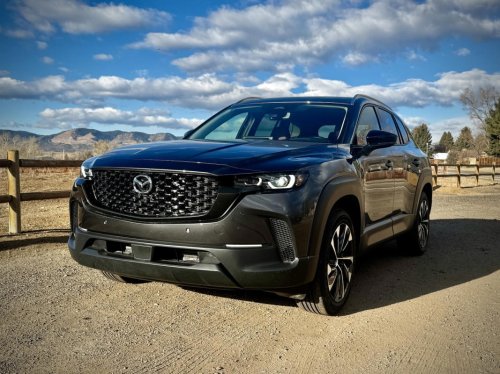
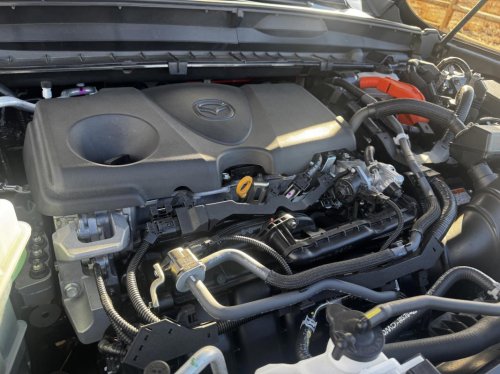
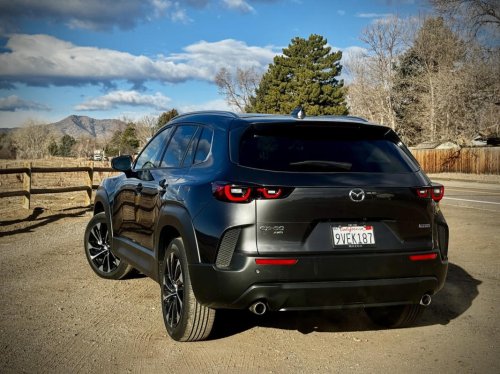
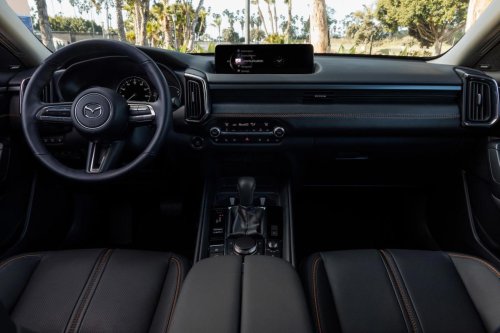
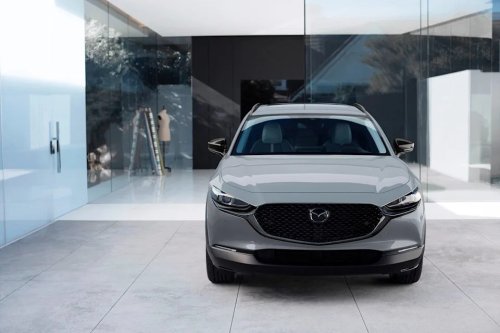
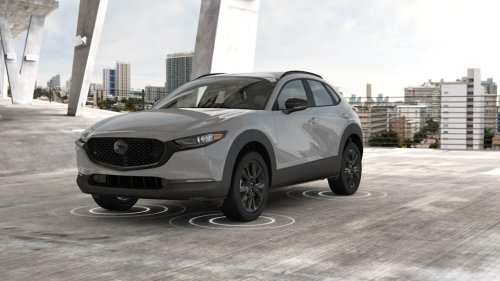
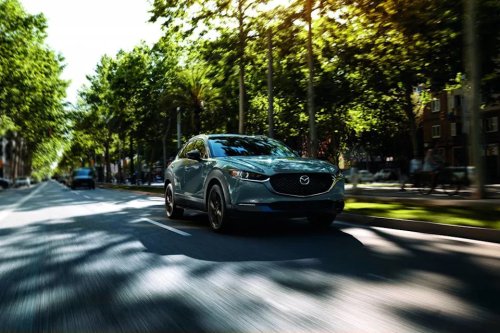
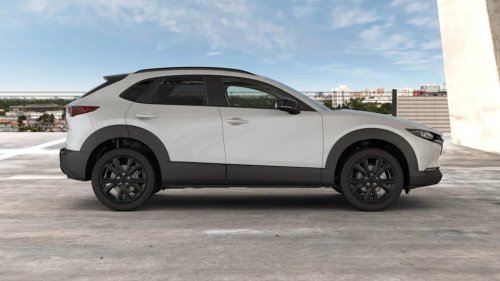
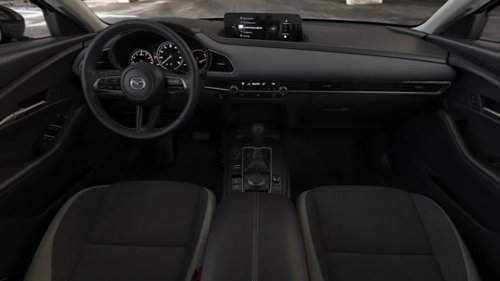
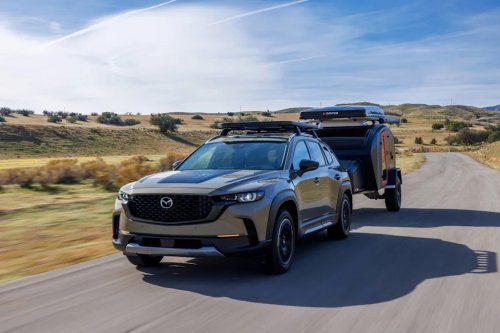
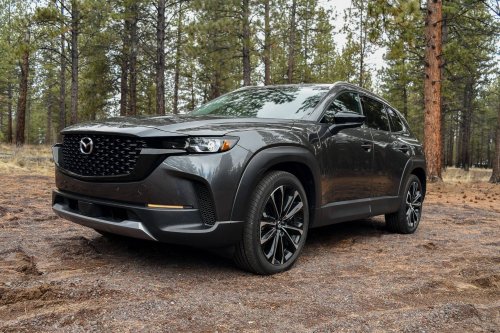
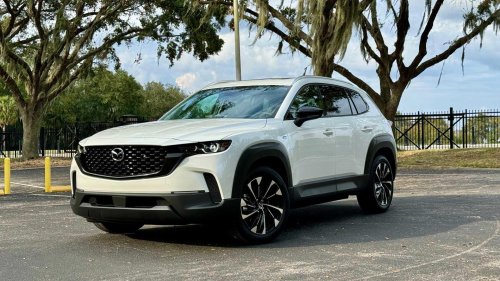
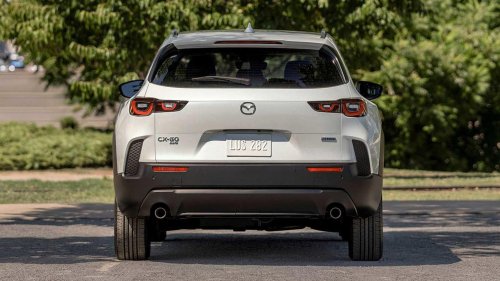
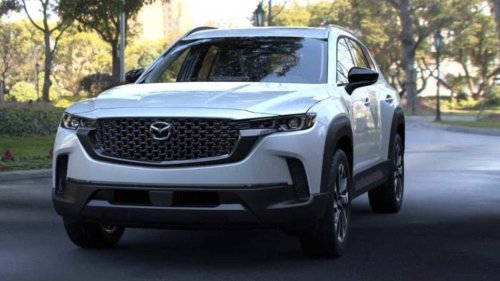
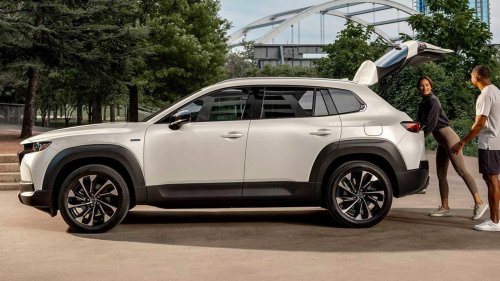
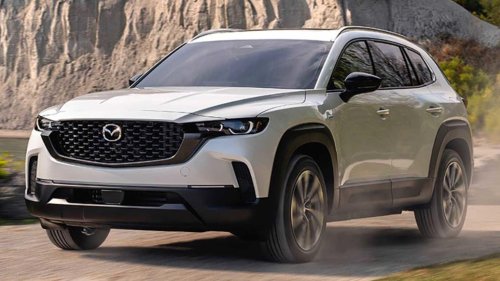
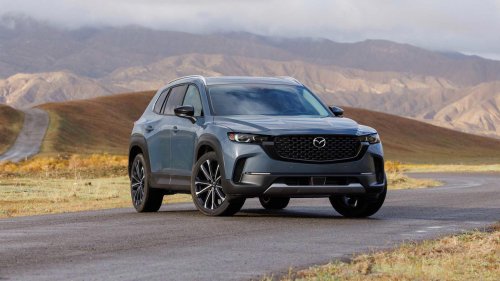
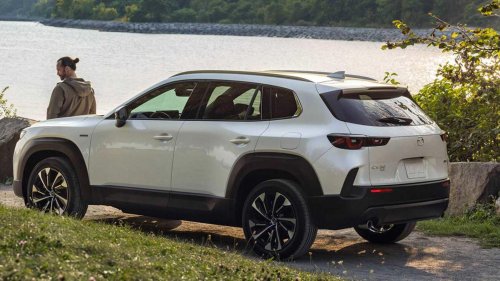
Jump LinksCX-50 Hybrid Preferred - $34,750CX-50 Hybrid Premium - $38,150CX-50 Hybrid Premium Plus - $40,450If we’re honest with ourselves, the compact SUV segment has reached peak saturation, and it’s forced automakers to shift their focus from aesthetics to operational efficiency. Enter Mazda, which is taking advantage of its strategic alliance and integration of Toyota's proven powertrain architecture into an existing, highly capable chassis. The result is a striking vehicle that retains Hiroshima’s signature driving dynamics, while cutting daily fuel costs. And when it comes to the Mazda CX-50 hybrid mpg, the figures are definitive: an EPA-estimated 38 mpg combined. This single figure changes the SUV’s value proposition and how it’s viewed in Mazda's entire lineup.The information in this article was correct at the time of writing. The base MSRP (manufacturer's suggested retail price), where mentioned, excludes destination fees and other costs. Brands reserve the right to change pricing without notice. The Mazda CX-50 Hybrid Is Efficiency And Refinement Personified Jared Rosenholtz/CarBuzz/Valnet Mazda did not reinvent the wheel to electrify this crossover; it simply borrowed a proven one. Rather than investing billions into a bespoke, unproven architecture, the manufacturer collaborated with Toyota. Under the skin, this SUV utilizes the ubiquitous, practically bulletproof 2.5-liter naturally aspirated four-cylinder engine paired with three electric motors and an electronically controlled continuously variable transmission (eCVT). However, transplanting a Toyota powertrain into a Mazda shell requires precise software calibration. What Mazda did was retune the throttle response and pedal mapping to ensure the CX-50 Hybrid does not feel like a previous-generation Toyota RAV4 clone.When evaluating the CX-50 hybrid mpg, the 38-mpg combined rating represents a 36% improvement over the standard naturally aspirated gas model. Looking at the overall Mazda SUV mpg across the fleet, it is one of the most efficient non-plug-in options available today. The hybrid battery pack is positioned low beneath the rear seats, which marginally lowers the center of gravity and reduces body roll when you're taking on a corner with a bit too much vigor. Achieving a high Mazda hybrid mpg figure usually implies a sterile driving experience, but the chassis tuning here actively resists that compromise, delivering a highly rigid, capable, and driver-centric platform.“Anyone who has ever driven the gas-only CX-50 should feel right at home in the hybrid; it just moves along a bit differently. The Toyota hybrid system doesn't use a transmission with gears, meaning the acceleration is uninterrupted, but it sounds very different from other Mazda vehicles. This might take some getting used to for traditional Mazda owners, but it seems like the company did a nice job insulating the engine noise from intruding into the cabin. The CX-50 Hybrid feels noticeably quieter than the previous RAV4 Hybrid, both in terms of engine and road noise. Even the hybrid "hum" at low speeds is less detectable.”- Jared Rosenholtz, Editor-At-Large, CarBuzz The Mazda CX-50 Hybrid Trims CX-50 Hybrid Preferred - $34,750 Mazda Mazda deliberately streamlined the purchasing process. Instead of overwhelming consumers with an exhaustive list of standalone options and confusing packages, the hybrid derivative is divided into three tiers. Each trim level shares the identical dual-motor all-wheel drive (AWD) powertrain.Serving as the entry point, the Preferred trim anchors the lineup with an aggressive starting price. Because Mazda refuses to treat its base models as penalty boxes, the standard equipment includes a 10.25-inch infotainment display equipped with wireless Apple CarPlay and Android Auto, a power rear liftgate, and heated front seats. The upholstery is half-leather paired with cloth inserts. The Preferred includes the full suite of i-Activsense safety features. This means that adaptive cruise control, lane-keeping assist, and blind-spot monitoring are standard and not paywalled behind higher trims. The 17-inch alloy wheels may lack the visual impact of larger rims, but these smaller wheels are fitted with thicker sidewall tires. CX-50 Hybrid Premium - $38,150 Mazda The mid-range Premium trim requires a step up in capital, but it justifies the asking price. The most notable inclusion is the panoramic moonroof. Mazda also elevates the auditory experience by swapping the standard system for a bespoke 12-speaker Bose premium audio setup. On the interior surfaces, genuine leather upholstery replaces the synthetic materials, and is available in black or an exclusive terracotta colorway. The driver’s seat gains a dual-memory function, and both front seats are heated and ventilated. All the seats are trimmed in leather. CX-50 Hybrid Premium Plus - $40,450 Mazda Headlining the range is the CX-50 Hybrid Premium Plus. The primary visual differentiator on the exterior is the 19-inch machine-cut alloy wheels. Though these options are undeniably stunning to look at, the reduced tire sidewall translates to a marginally firmer ride over broken pavement. Inside, the Premium Plus builds on the Premium, but adds several touches to up the ante. The technological suite expands to include a 360-degree surround-view monitor with front and rear parking sensors, a color head-up display, heated rear seats, and auto-dimming mirrors. Mazda CX-50 Hybrid MPG: Performance & Efficiency Mazda The naturally aspirated 2.5L four-cylinder engine produces 176 horsepower, but when operating in tandem with the electric motors, total system output reaches a respectable 219 horsepower and 163 lb-feet of torque. Power is routed through a Toyota-sourced eCVT, a transmission type Mazda has historically avoided. However, thanks to clever software calibration, Mazda says the droning associated with CVTs has been minimized to a great extent. The electronic AWD system operates without a heavy physical driveshaft that connects the front and rear axles. Instead, a dedicated electric motor sits directly on the rear axle, providing instantaneous torque the moment wheel slip is detected.Efficiency is where this powertrain dominates. Achieving 39 mpg in the city and 37 mpg on the highway, it is more efficient in stop-and-go traffic. Regenerative braking captures kinetic energy during deceleration, feeding it back into the battery pack. CX-50 Hybrid In-House Battle & Rivals 2025 Mazda CX-50At a base MSRP of $34,750, the electrified CX-50 commands a $4,850 premium over the entry-level CX-50 Select naturally aspirated gas model ($29,900). For the analytical consumer, calculating the financial break-even point on this investment is critical. Driven 15,000 miles annually at an average fuel cost of $4.22 per gallon, the standard gas model (28 mpg) will consume roughly $2,250 in fuel. The hybrid variant (38 mpg) will cost approximately $1,658. That $592 annual savings means the hybrid powertrain pays off that $2,370 premium in less than five years. Additionally, hybrids consistently boast higher residual resale values.When stacked against its rivals, this is how the Mazda CX-50 Hybrid stacks up:The 2026 Mazda CX-50 Hybrid enters a hyper-competitive arena, but it stands strong in defending its price point. The Toyota RAV4 Hybrid LE comes with the benefit of being the sixth generation of the world’s best-selling SUV in 2025, and it undercuts the Mazda’s base MSRP by over $2,000. The Honda CR-V Sport Hybrid demands a higher initial capital outlay than the CX-50 while also limiting buyers to front-wheel drive out of the gate, pairing it with a smaller 2.0L displacement. Should You Buy The CX-50 Hybrid? Mazda Is the electrified variant the choice to go for in the broader Mazda CX-50 lineup? Yes, no doubt. The decision-making process favors the hybrid model, unless your primary requirement is towing a heavy load. The standard turbocharged gas CX-50 offers 3,500-lbs of towing capacity, while the hybrid, constrained by its eCVT and thermal operating limits, tops out at a modest 1,500 lbs.However, for the majority of American consumers who use their compact crossovers for errands around the suburbs, grocery runs, and occasional weekend camping trips, the hybrid is not a bad box to tick. It eliminates the glaring weakness of the naturally aspirated gas engine - poor fuel economy - without diluting the brand's core DNA. You still receive the heavy, communicative steering, the upscale interior materials, and the striking exterior design.The almost-$2,400 premium over the gas-powered model is a negligible initial hurdle given the long-term operational savings, extended range between fuel stops, and improved low-end torque provided by the electric motors.



















 +72 others