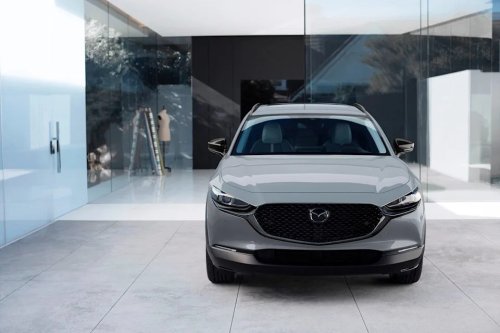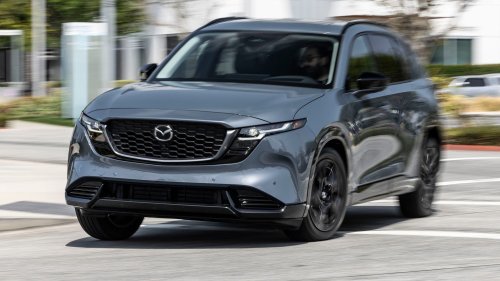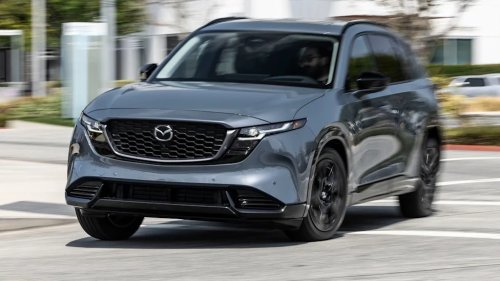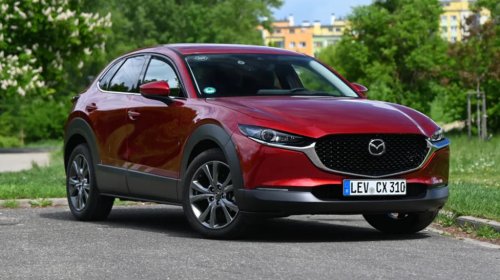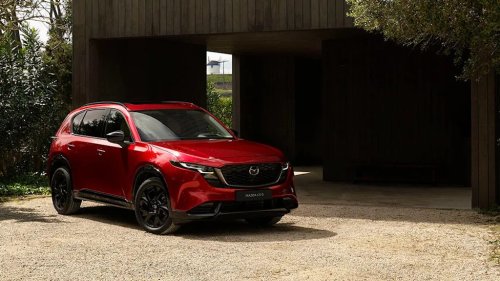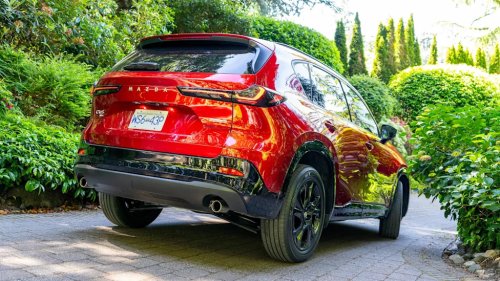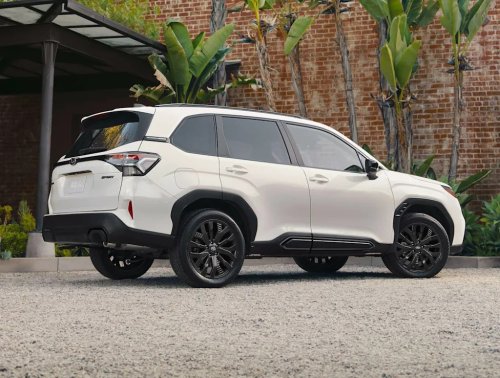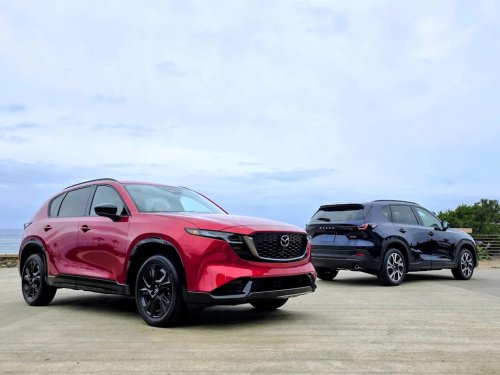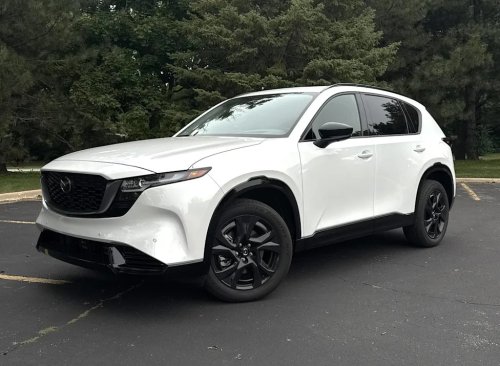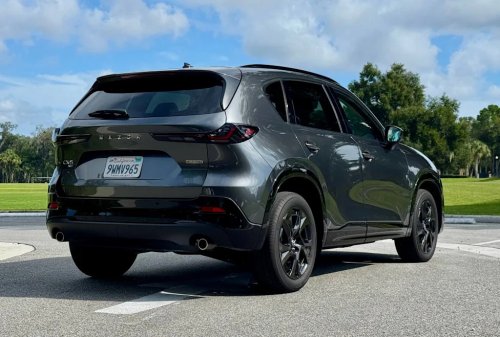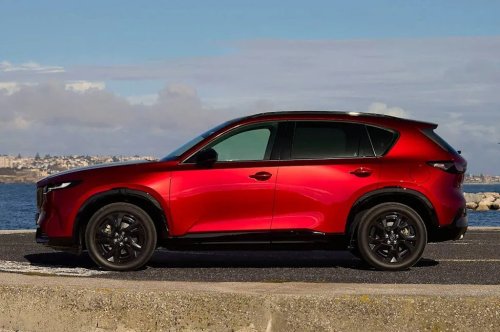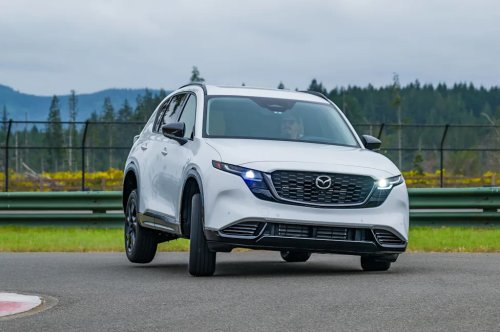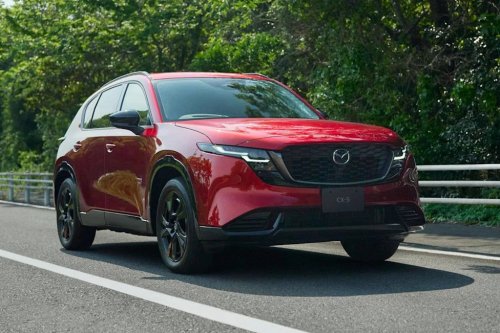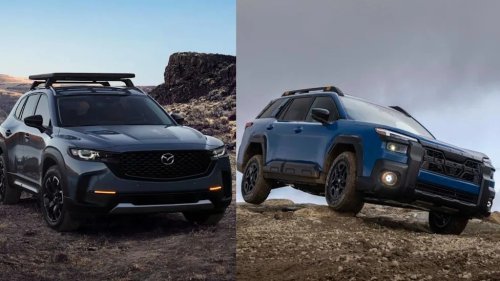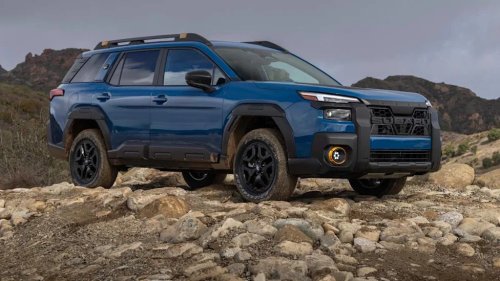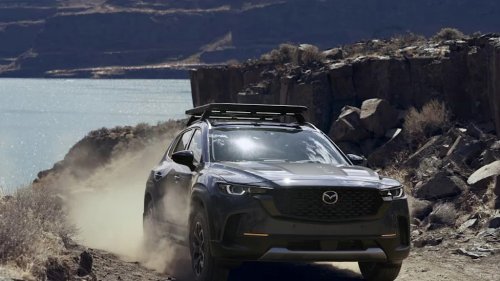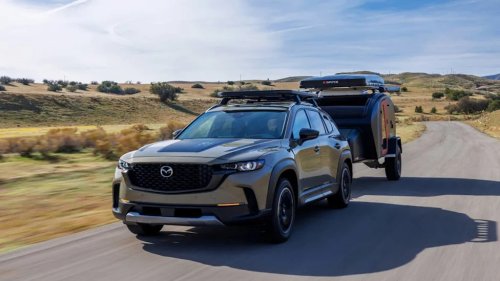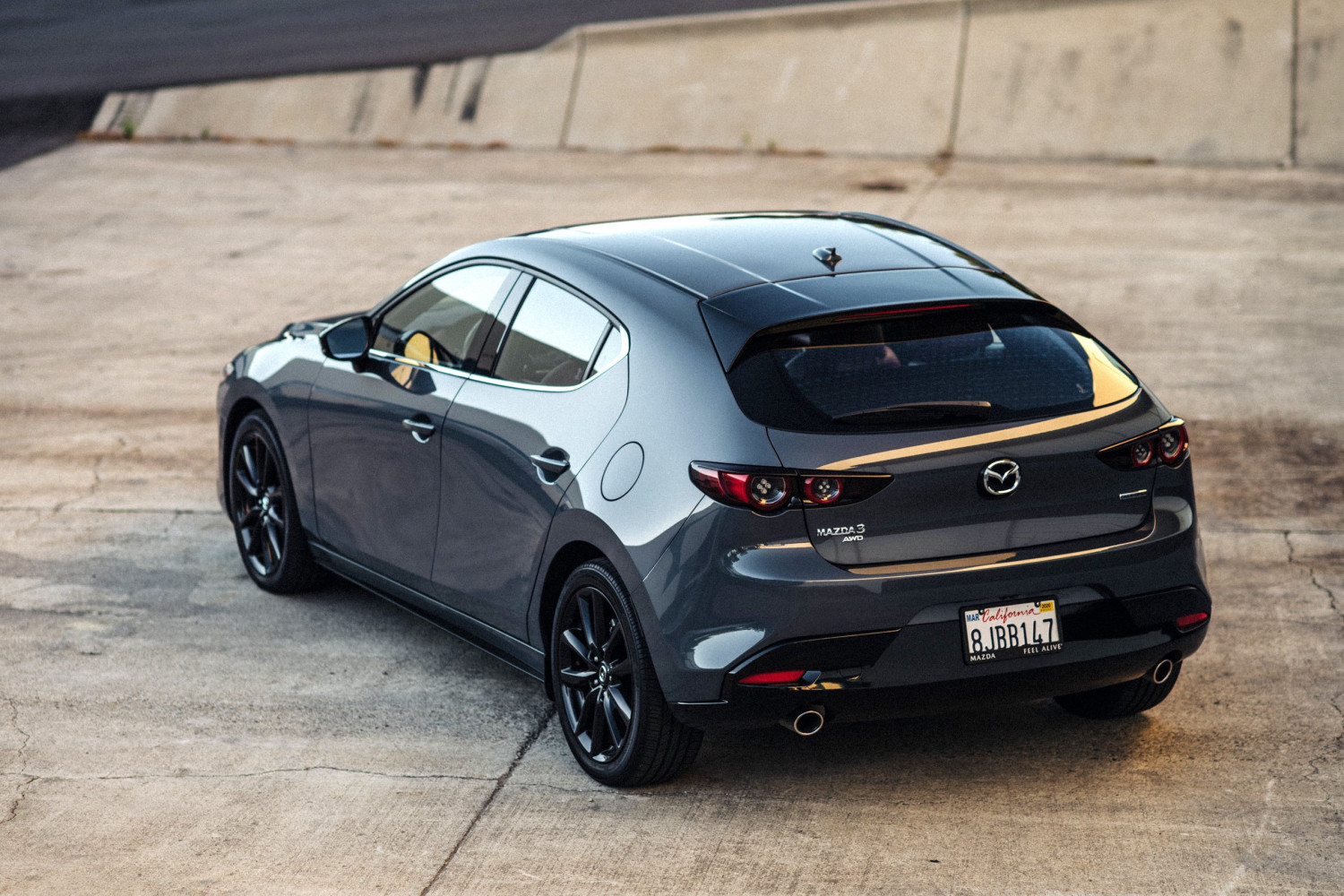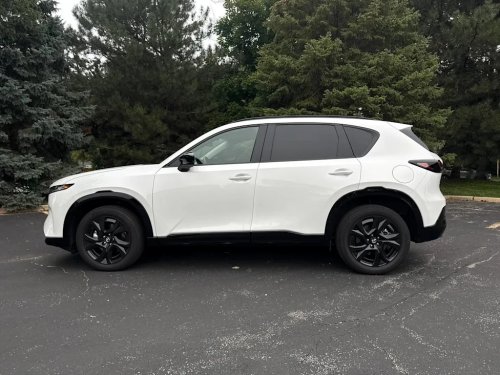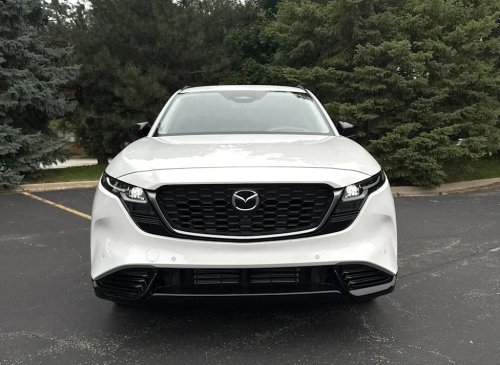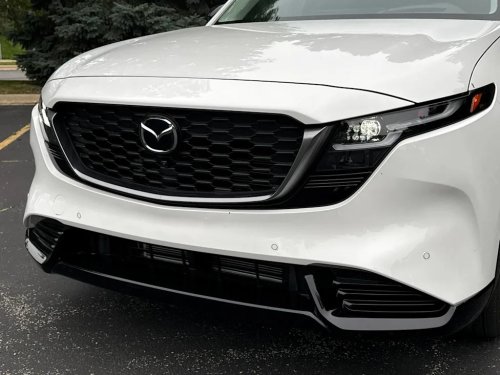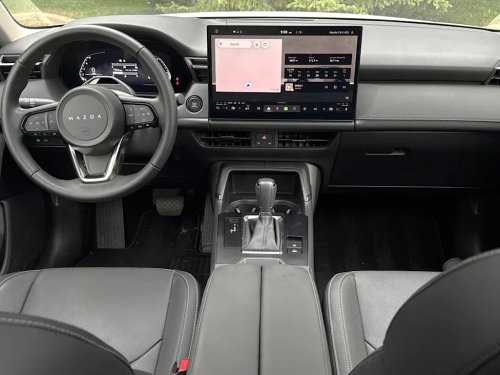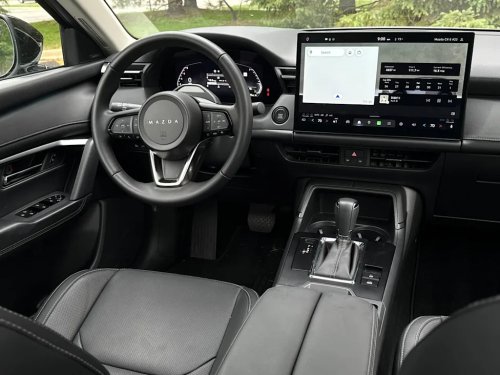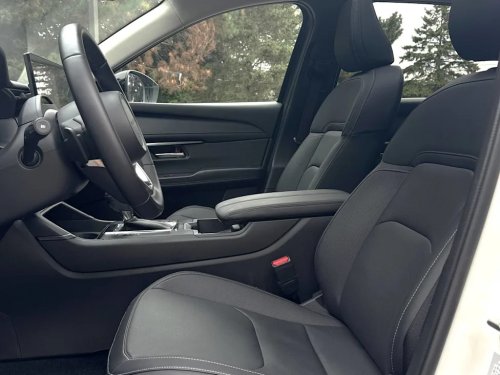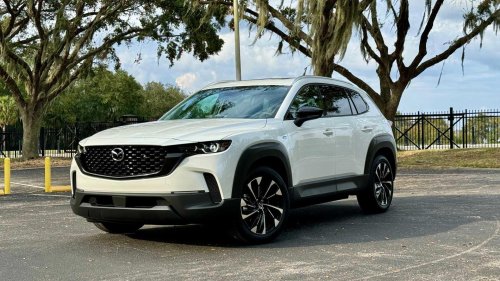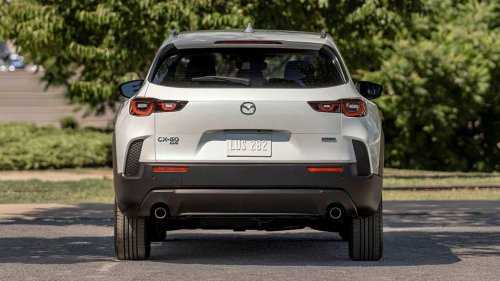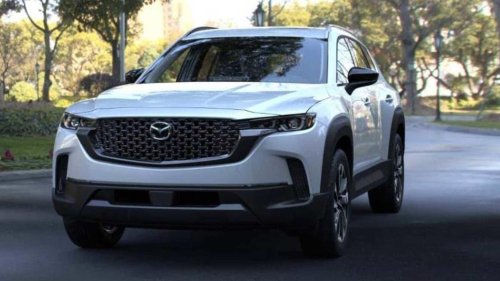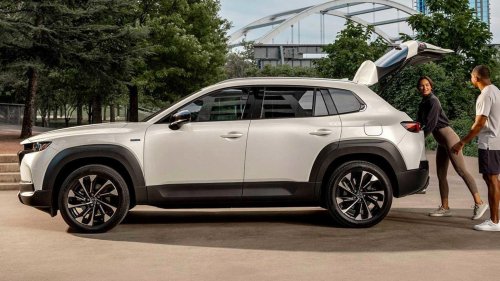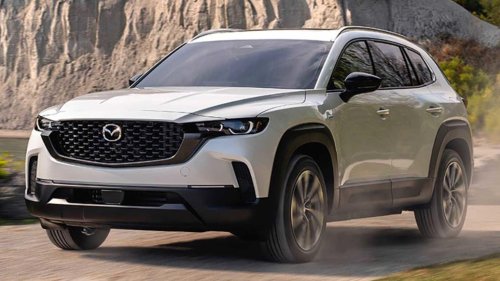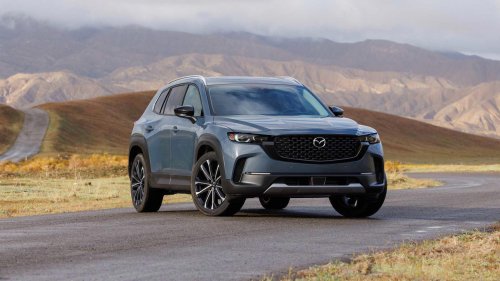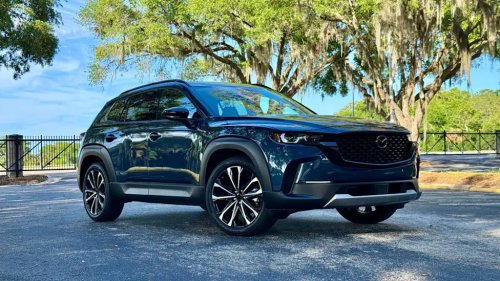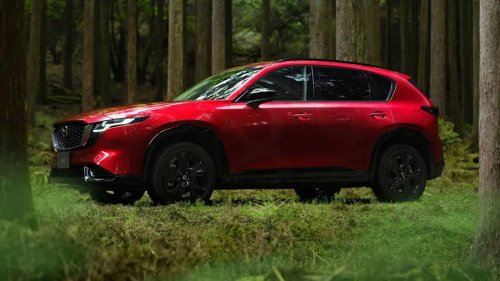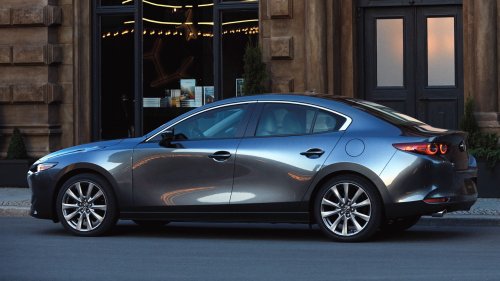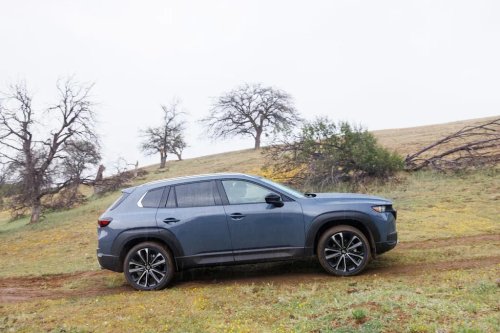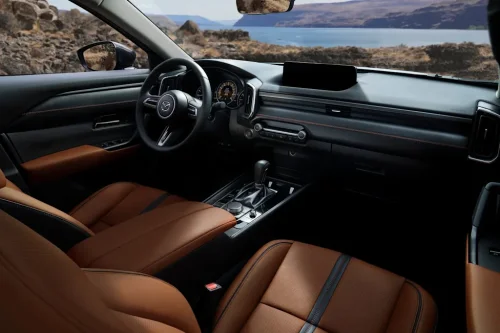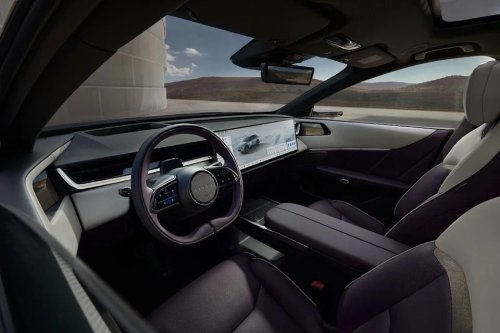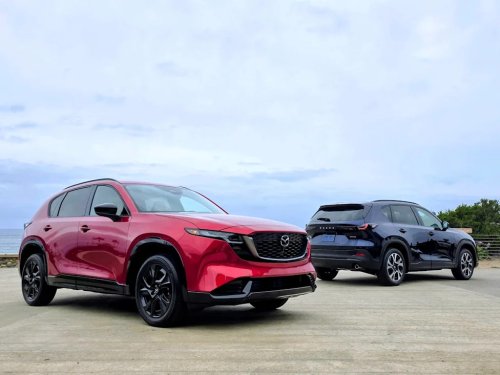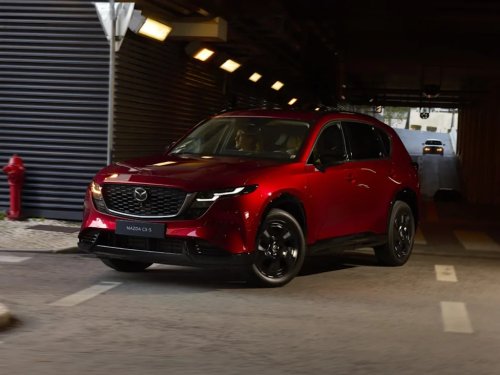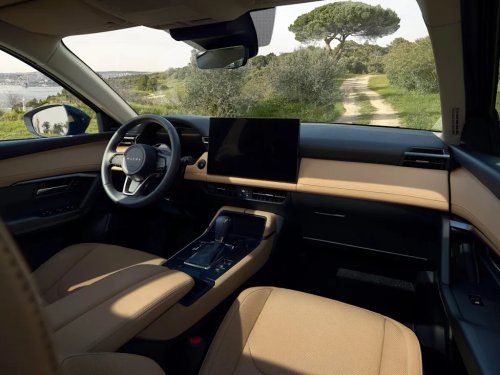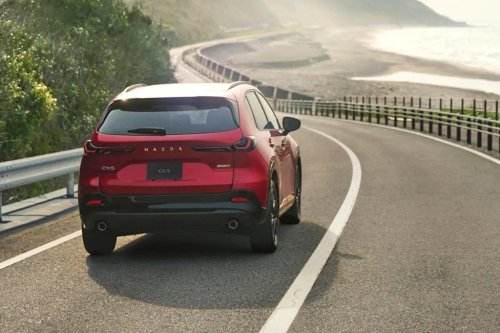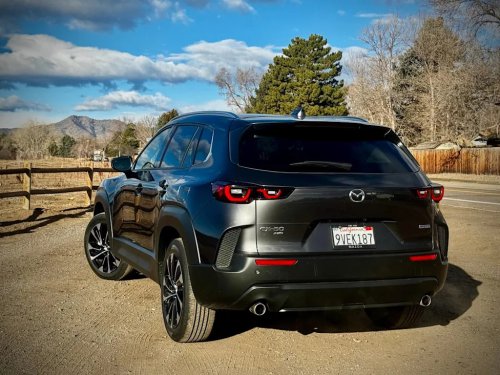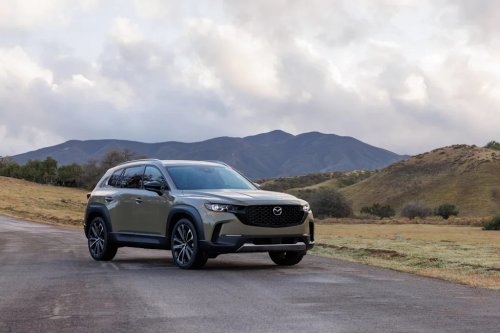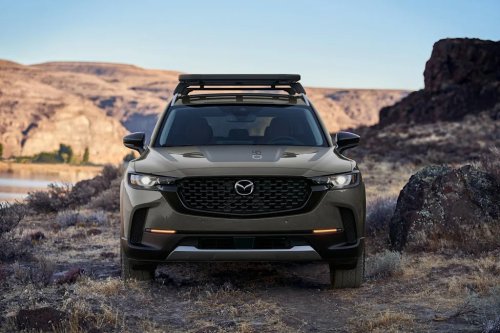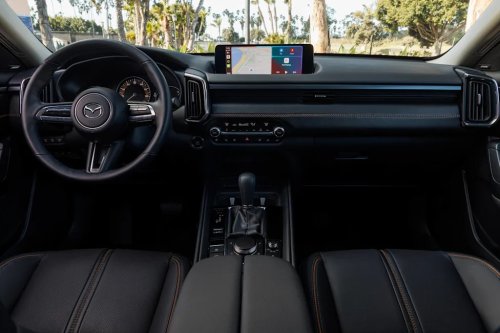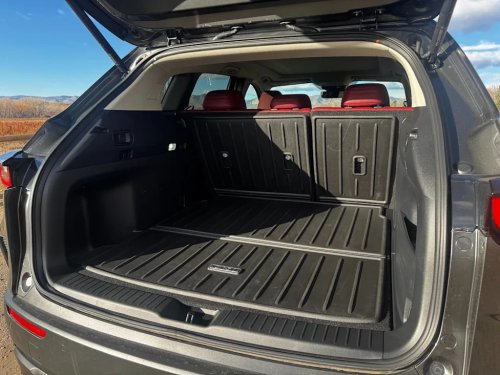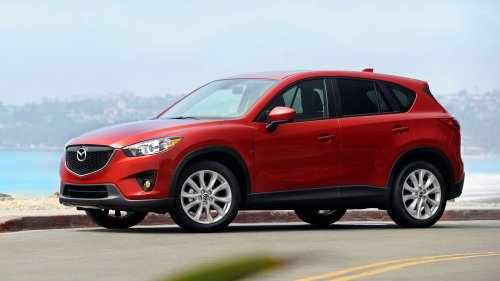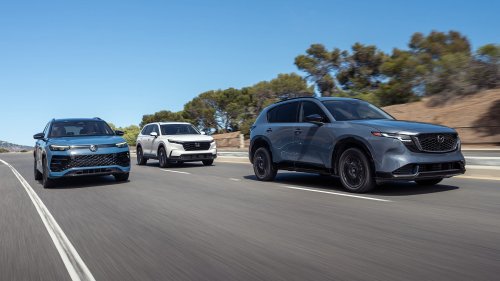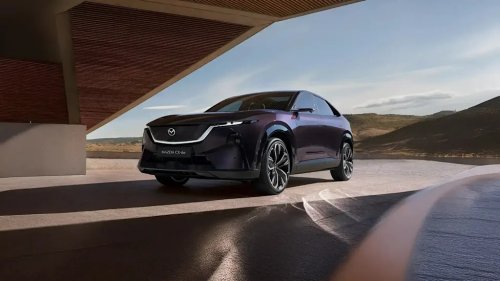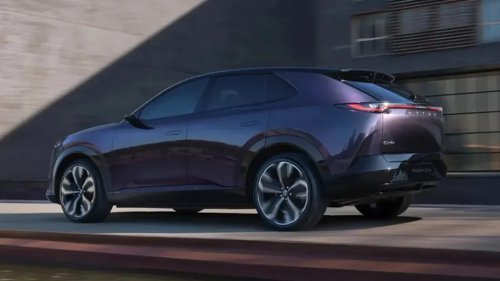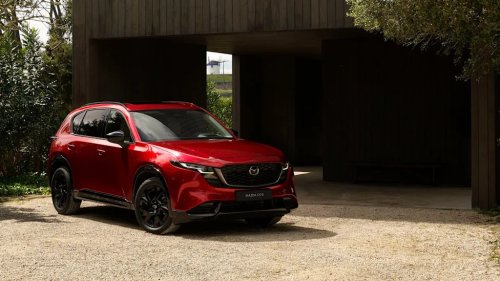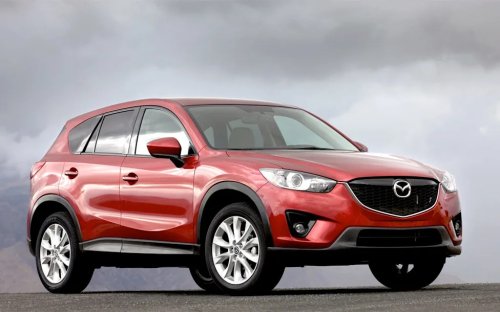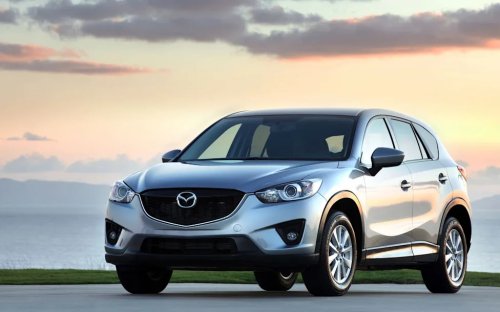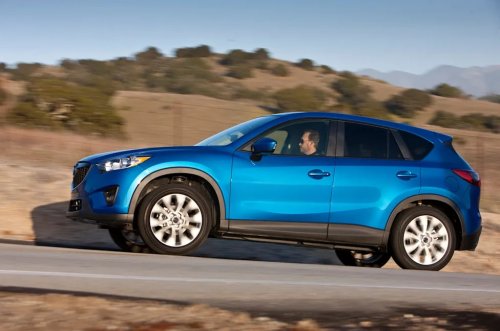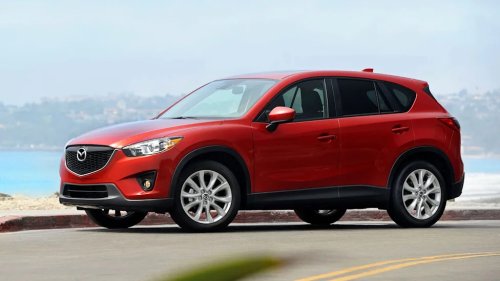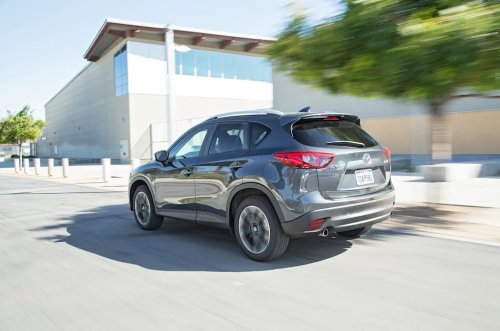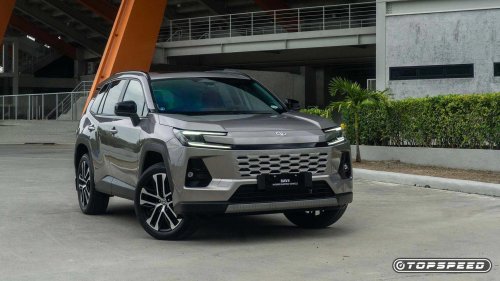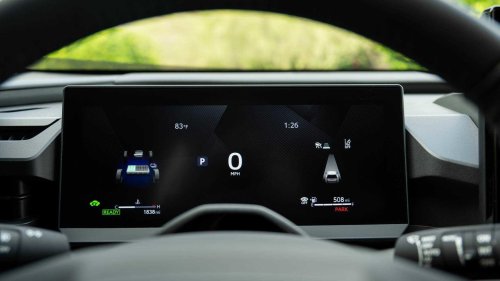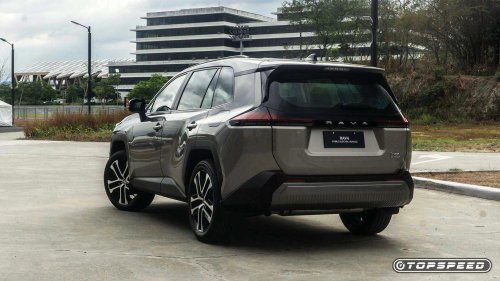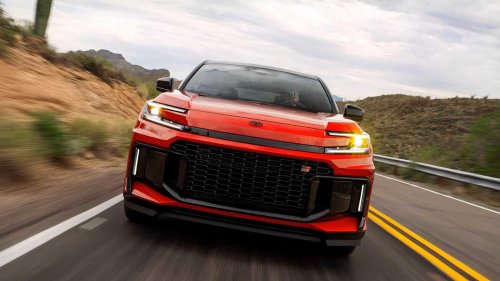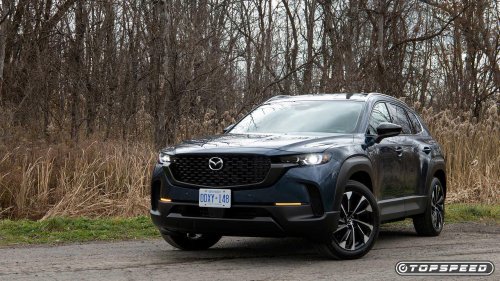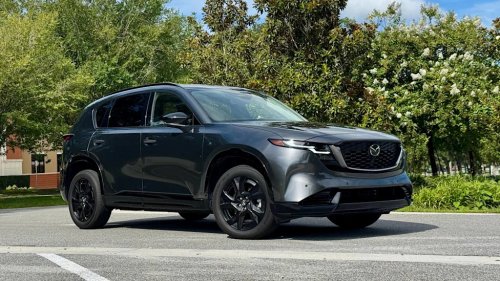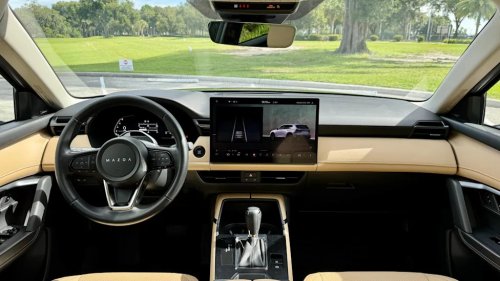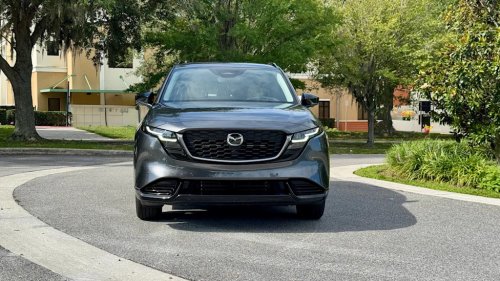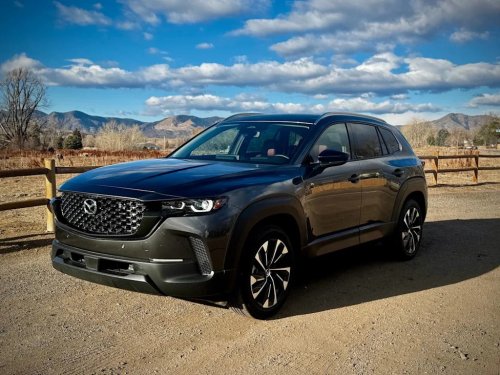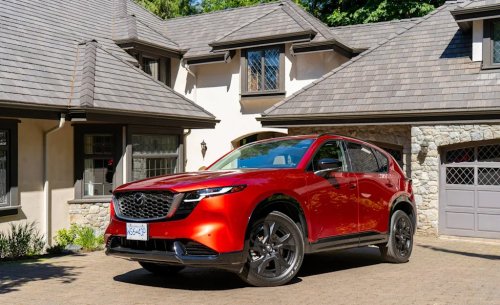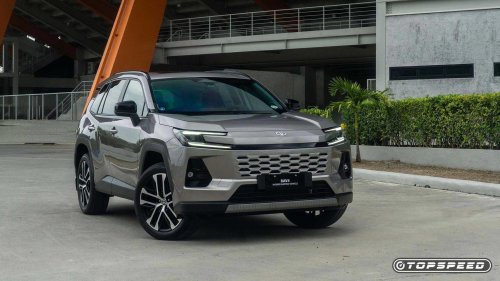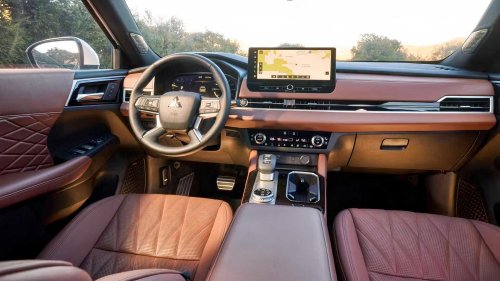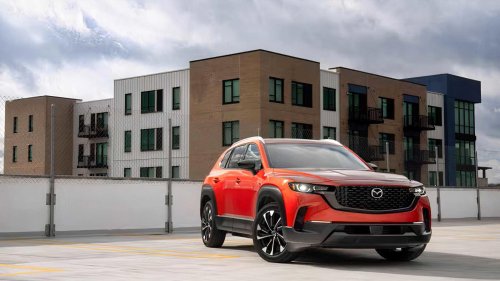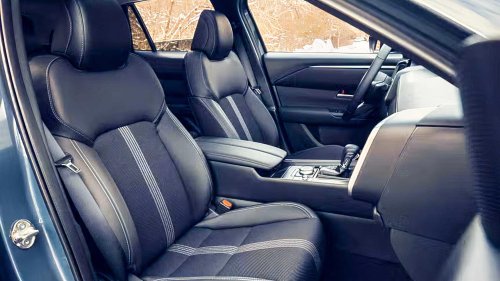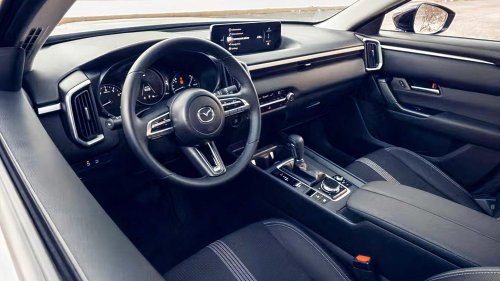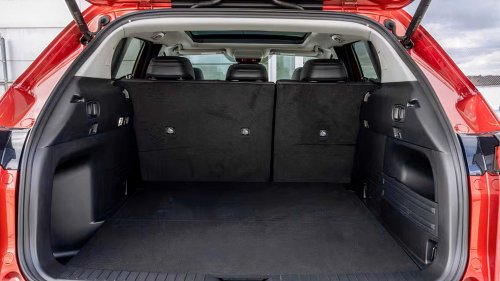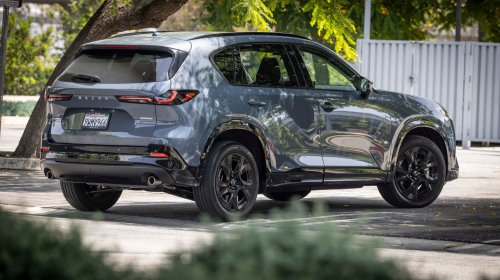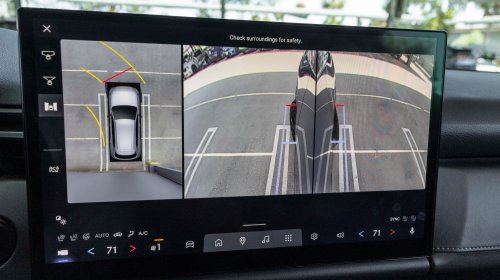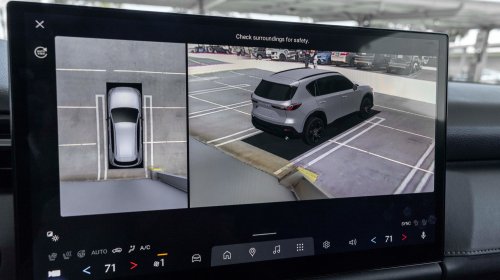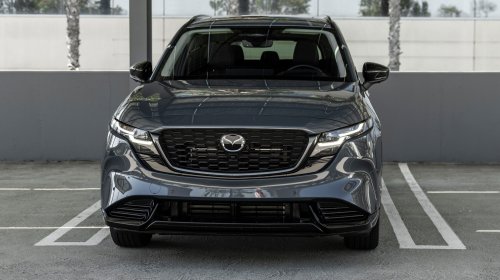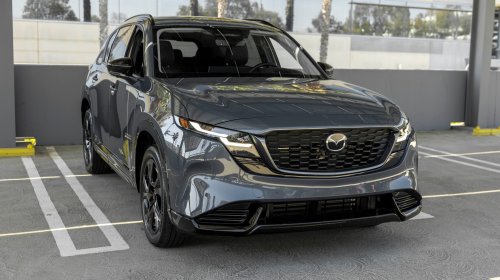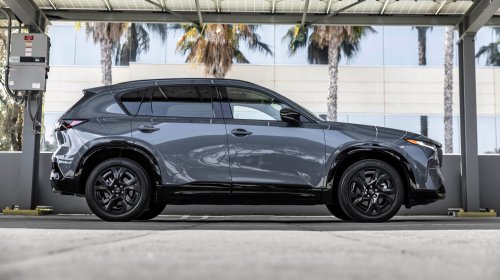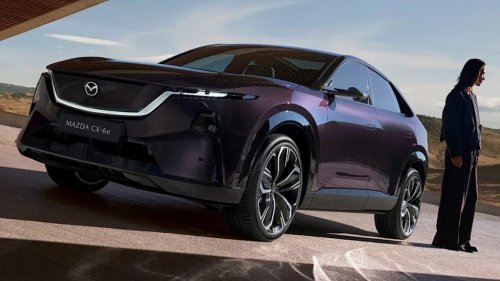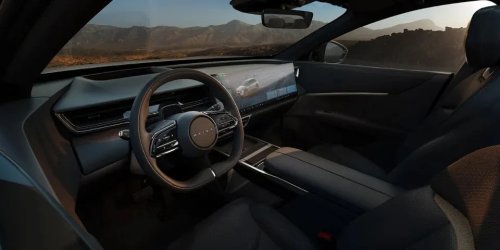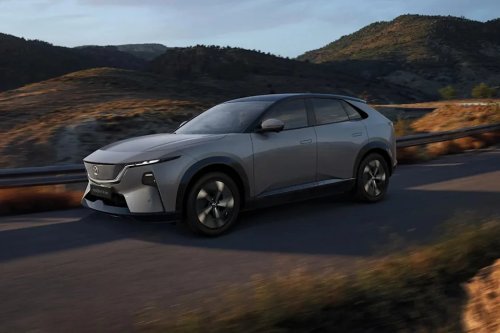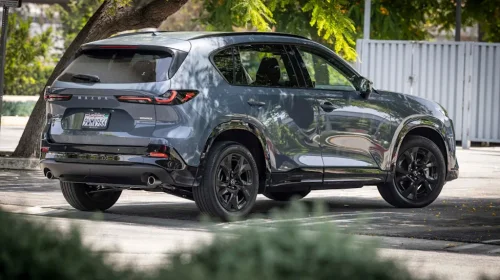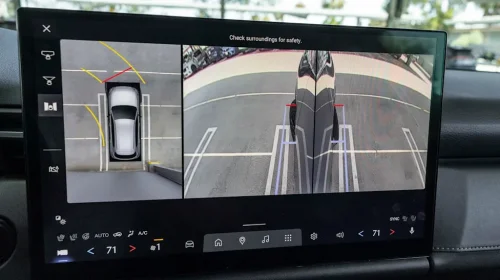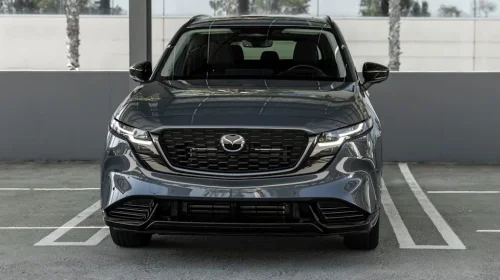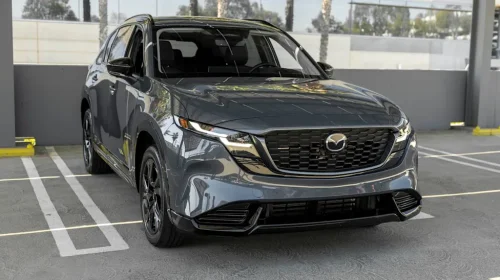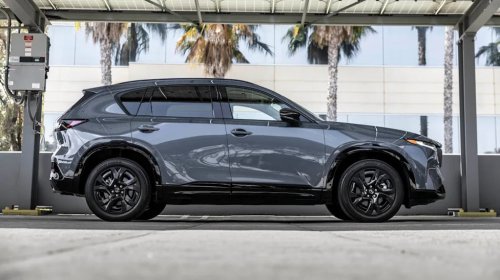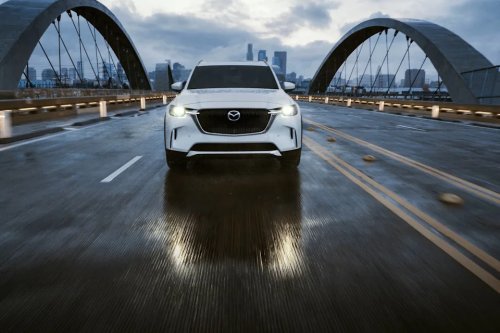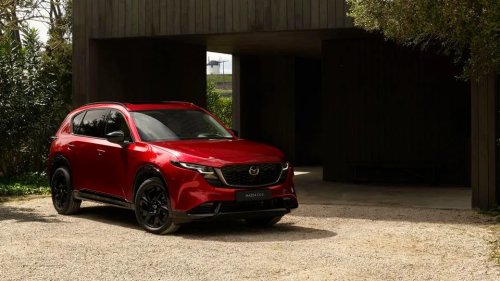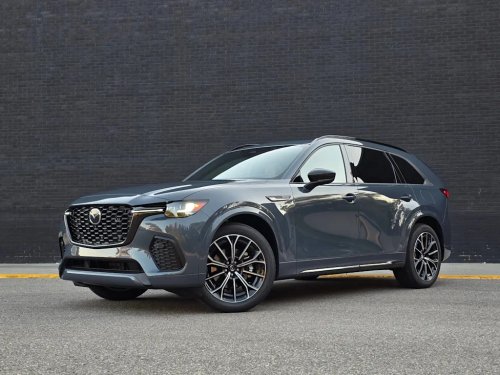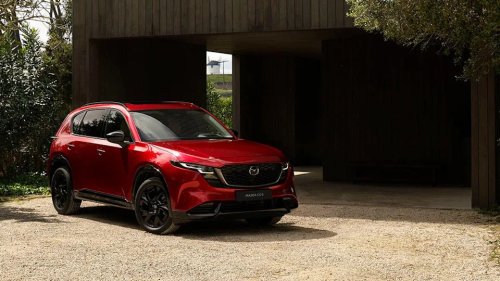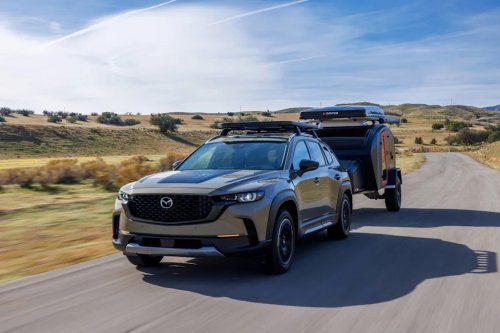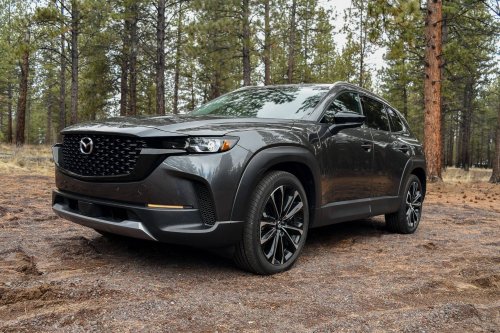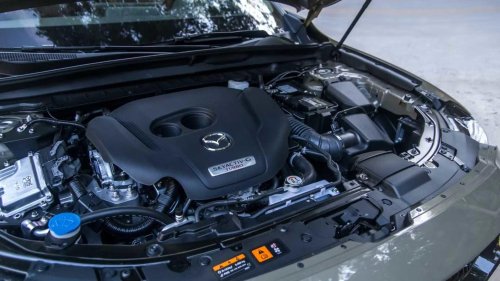
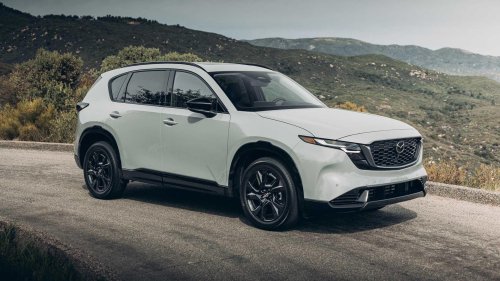
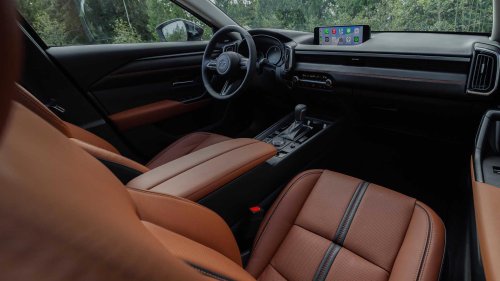
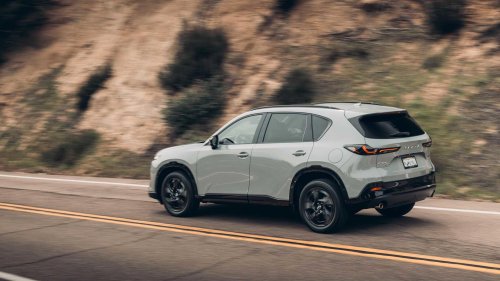



















The third generation of the CX-5 has just gone on sale for the 2026 model year, and it brings some huge changes that we've already covered. The highlights are fresh styling, an extra 4.5 inches of length that benefits both rear passenger space and cargo space, plus a large, controversial touchscreen that throws out Mazda's ubiquitous controller knob, along with just about every other button or knob you're used to having. It also loses its punchier Turbo trims, leaving you with just the carryover naturally-aspirated 2.5-liter engine as your only option.The good news is that unlike most automakers, Mazda has an alternative sitting right next to it at the dealership, the CX-50. They both have the same starting price, both come standard with all-wheel-drive, and both give you good driving dynamics. But each boasts its own key advantages and disadvantages, and in this article we'll break down all those differences and help you decide which one is the best for you.For this comparison, we're focusing just on the 2026 model year of these two vehicles and what they offer currently. All prices include destination and freight charges. Powertrain Differences 2024 Mazda CX-50 2.5 EngineLike we already touched on, the CX-5 only has one powertrain option, a naturally-aspirated 2.5-liter inline-4 that's carried over from the last generation. Mazda's reasoning for dropping the Turbo trims of the CX-5 is that just 13% of buyers opted for the Turbo. They have committed to releasing a hybrid variant in 2027 that they say will fill the void left by the Turbo's departure as the more powerful option, but Mazda is still pretty tight-lipped about that setup other than saying it'll be a hybrid that's developed in-house, unlike the CX-50's hybrid system.The CX-50 has three different powertrains to choose from. It starts off with the same base engine as the CX-5, and due to the two vehicles' similar size and weight, it performs about the same in both vehicles. The difference with this engine between the two cars is the trim structure, with Mazda only allowing you to go up to a mid-grade Premium trim if you want to stick with the non-turbo engine. If you want things like a heated steering wheel or a 360-degree camera, the Turbo is mandatory. In the CX-5, you have no such restrictions. If you do move up to that Turbo engine in the CX-50, you unlock the top three trims with their extra niceties, and you get a lot of extra power, a best-in-class 320 lb-ft of torque. It only loses 1 mpg combined as well, so there's hardly a fuel economy penalty for going for this engine either.If you want even better fuel economy though, the Hybrid is definitely the way to go in the CX-50. You do give up a lot of horsepower compared to the Turbo, but it is an upgrade over the base engine's performance. The big draw, of course, is the 38 mpg combined that the hybrid provides. That comes thanks to the Toyota-sourced engine, hybrid system and e-CVT, and it's the same setup you'll find in the very popular RAV4 Hybrid. The one big compromise of this hybrid version is that you lose the mechanical all-wheel drive system and instead get Toyota's eAWD. Instead of a physical driveshaft running to the rear wheels, it gives you a small electric motor on the rear axle to provide some helpful power in low traction situations, but otherwise the vehicle is usually front-wheel drive. Having that eCVT running the show also means you don't get the traditional six-speed automatic that the other CX-50s (and the CX-5) have. Exterior Differences 2026 Mazda CX-5-The exterior differences between the two are mostly obvious. Mazda's intent with the CX-50 was to give it a more rugged vibe, with bolder cladding around the more flared fenders, and it even offers a Meridian Edition that has all-terrain tires, along with crossbars and a roof platform when equipped with the "Apex Package". On the other hand, and partially thanks to the CX-50 checking the rugged box, the CX-5 is free to be street-focused. It has minimal cladding around the fenders, no all-terrain tire option, and also picks up the newest Mazda design language from the CX-90 and CX-70, especially in the rear.As far as sizing goes, the 2026 CX-5 does grow by 4.5 inches and the wheelbase is also lengthened by 4.6 inches, which greatly improves interior and cargo space compared to the last generation. Compared to the CX-50, the dimensions are very close between the two, with the CX-5 being 1.2 inches shorter, 1 inch wider and, surprisingly, 2.8 inches taller than the CX-50. Looking at the side profile between the two, you can really see that last one, with the CX-5 having much taller side glass. Interior Differences 2025 Mazda CX-50 HEV Hybrid-5The interior differences between these two are also quite pronounced. Despite them both having an identical wheelbase length now, and having very similar exterior dimensions, it's clear that Mazda put a lot of work into improving the new CX-5's interior space. As far as interior measurements go, the main difference is in the back seat, where the CX-5 has 5.2 inches of knee clearance compared to just 3 inches in the CX-50, and an even worse 2.1 inches in the CX-50 Hybrid, likely due to a modified rear seat to accommodate the battery pack. That back seat is now easier to access in the CX-5 as well, with rear doors that open 90 degrees to allow for easier ingress and egress, especially for things like child car seats. Cargo space is the other win for the CX-5, with 33.7 cu.ft. of space compared to 31.4 cu.ft. for the CX-50 and 29.2 cu.ft. for the Hybrid. Front legroom is identical and headroom is slightly better for CX-5 as well.Now, let's get to the elephant in the room, the screen. It seems as if Mazda heard all the complaints about the controller knob and decided to go fully to the other extreme, with a giant screen and even less buttons and knobs than most other screen-heavy competitors. The base screen is 12.9 inches, which isn't outrageous in 2026, and is actually nicely competitive with the newest competitors. But the 15.6-inch screen that's found exclusively in the top Premium Plus trim dwarfs just about everyone else.That on its own isn't that big of an issue, but what is a problem is Mazda also deciding to put all the climate controls in the screen as well, and hiding everyday controls like heated seat and heated steering wheel buttons two taps away instead of having them be ever-present like the best screen setups. To make matters worse, the only physical volume controller is on the steering wheel, meaning passengers will need to fiddle with multiple taps in order to do something that used to be accomplished with a single twist.The CX-50, on the other hand, brings you back to the Mazda interior design we're all familiar with, including a restrained and nicely integrated 10.25-inch screen that is primarily controlled through Mazda's well-done controller wheel, but Apple CarPlay and Android Auto can still be operated via touch. Beneath the screen, you have the right number of buttons, all nicely arranged and good-feeling, and they're combined with knurled metal knobs for temperature controls and another wonderful knob for volume. Sometimes you don't know what you've got till it's gone. For fans of analog gauges, the gauges in the CX-50 are still partially analog, with a small screen in the middle. The CX-5 now goes all-screen there too, with digital gauges for 2026, but thankfully it's only 10.25 inches and actually pretty well done. Which Should You Buy? 2026 Mazda CX-5-5252Deciding which one is the best one for you will come down to your wants and needs. If the screen isn't a dealbreaker for you, and you're fine with the base engine, it's hard to argue with the CX-5's extra space. If the back seat and cargo area in the CX-50 is enough for you and you like buttons and knobs, CX-50 is the clear winner. And, of course, the CX-50 wins by default for those seeking the best fuel economy, straight-line performance or off-road capability.If none of those things sway you one way or the other, the trim you're looking at might. Despite the same starting price, prices for these two do vary, with some trims being a better value in one versus the other. For example, the CX-50's 2.5 S Premium trim at $36,395 gives you ventilated seats, meanwhile, that same trim in the CX-5 that gives you that same feature will cost $38,395, $2,000 more. So, depending on exactly what features you want, one may come out the clear winner on price. So definitely spend some time with the configurator on Mazda's website. Lastly, in general, the fact that the CX-50 has been on sale for a few years already will likely make the discounts a little easier to get than on the fresh CX-5. At the end of the day, both vehicles have their pros and cons. Let us know in the comments below which one you'd get.Sources: Mazda