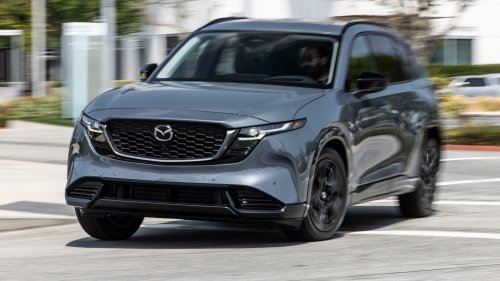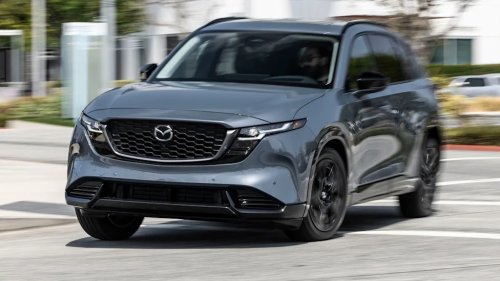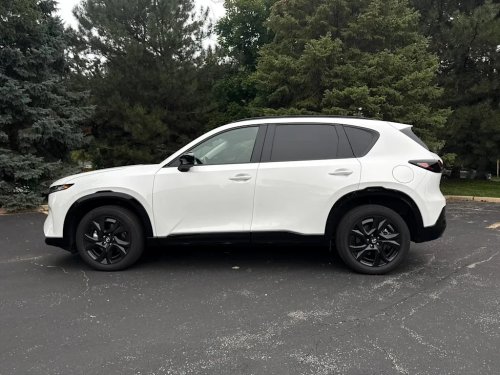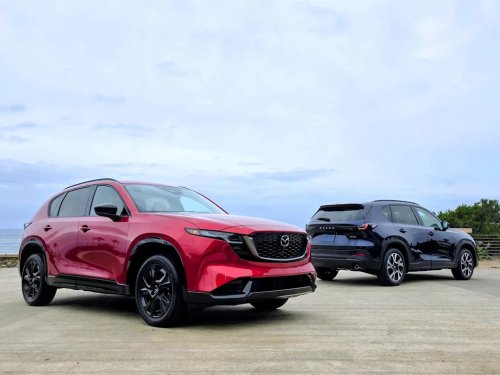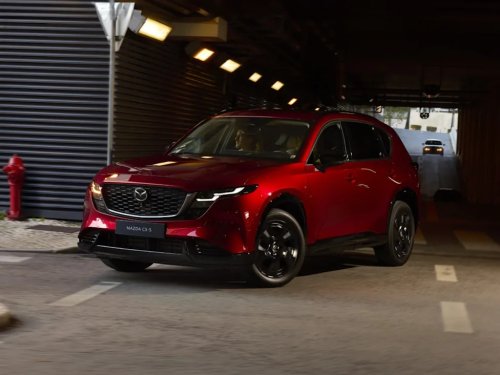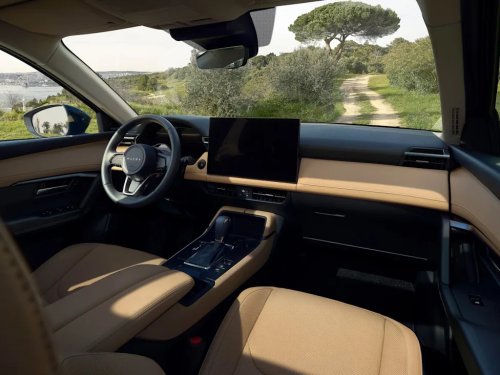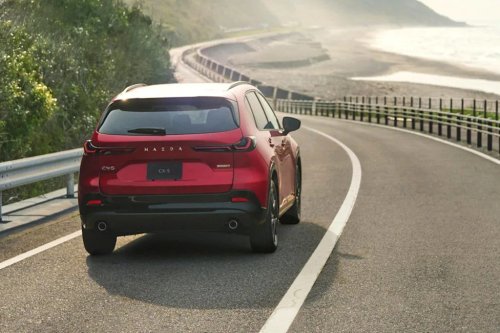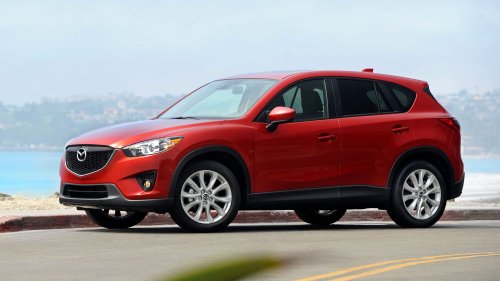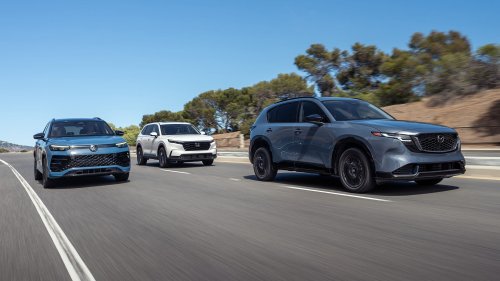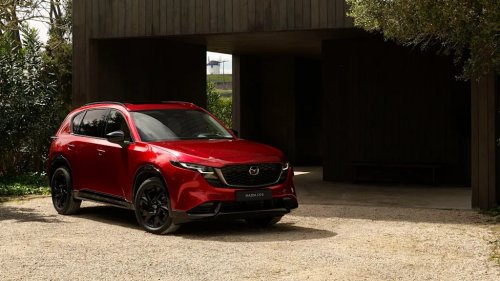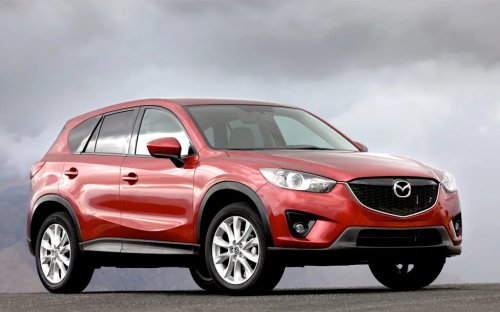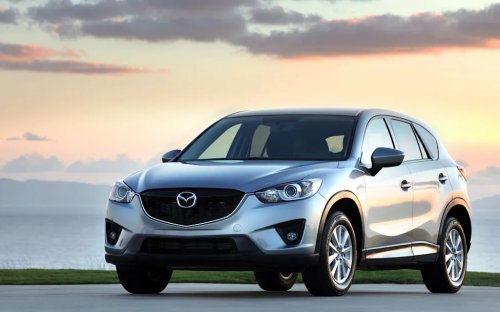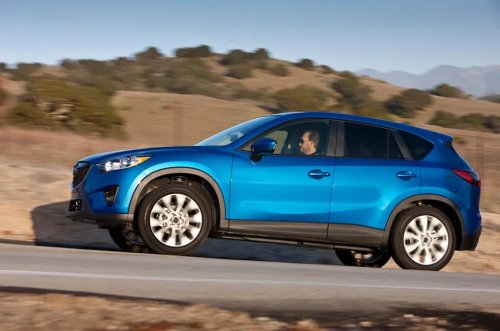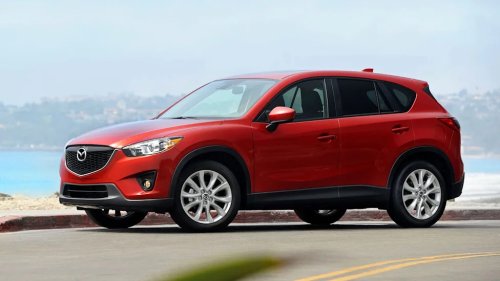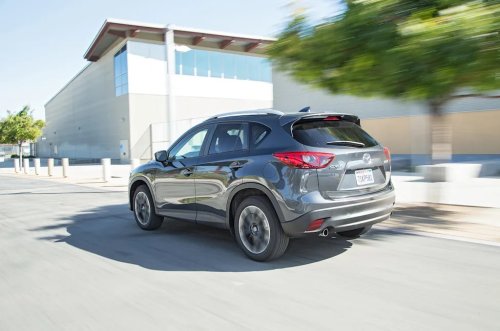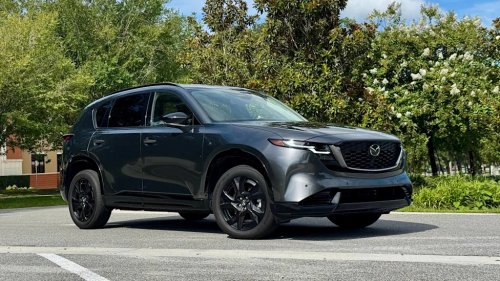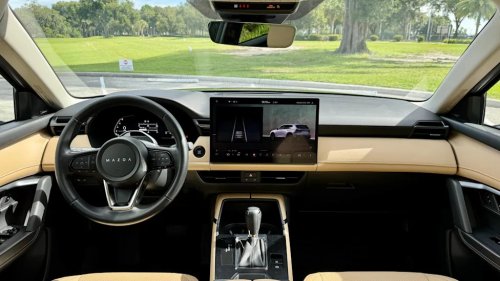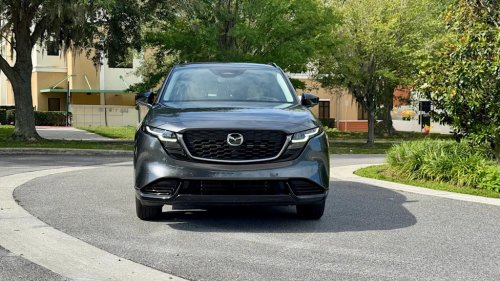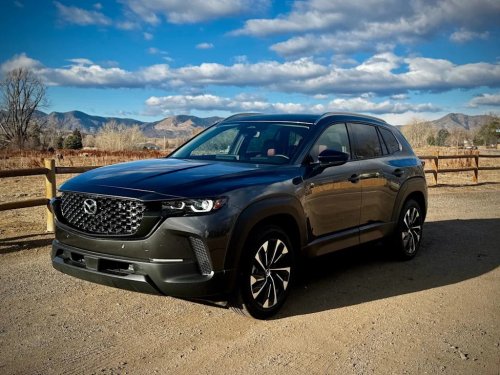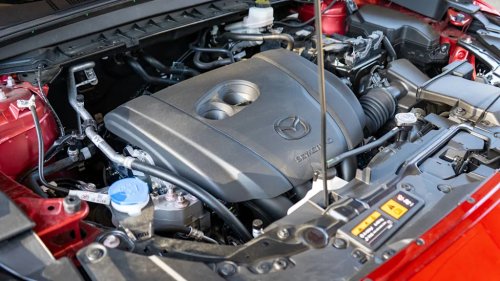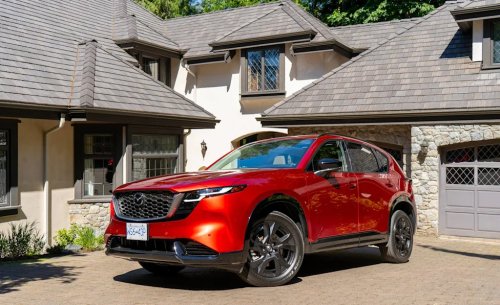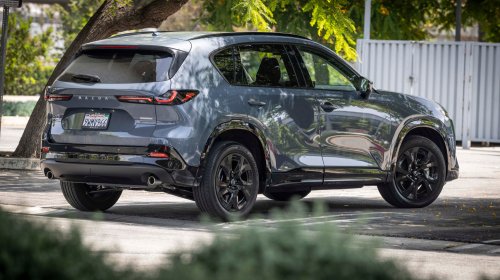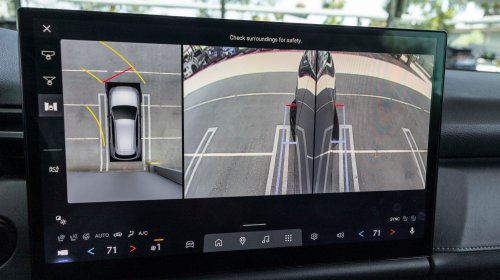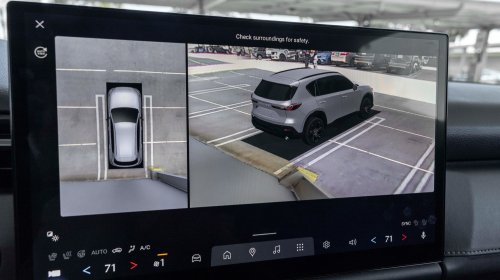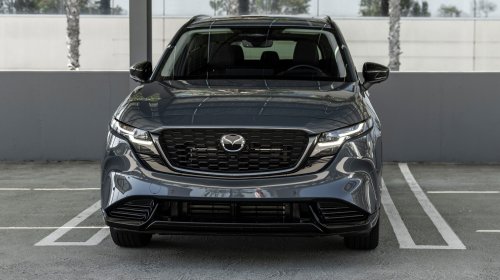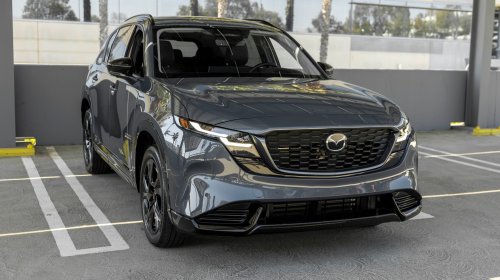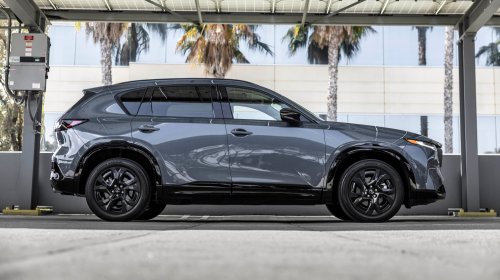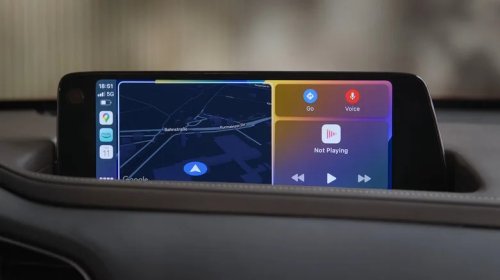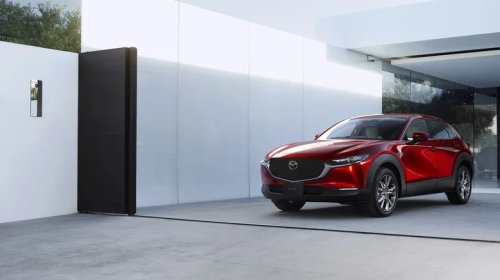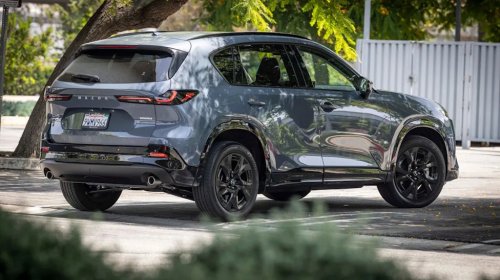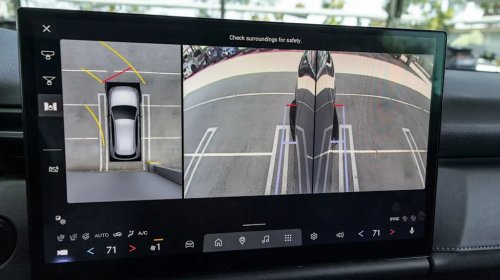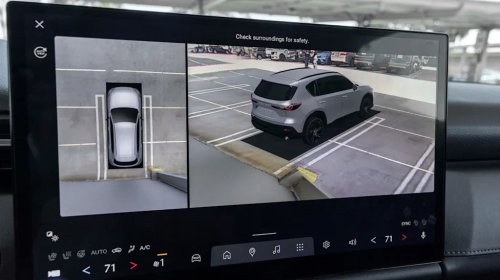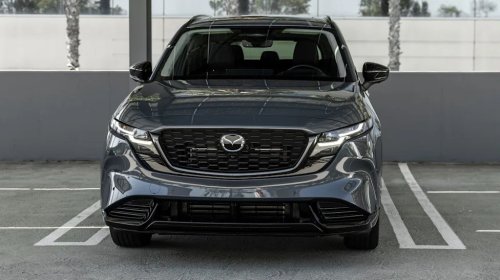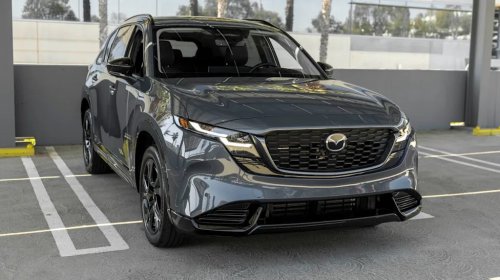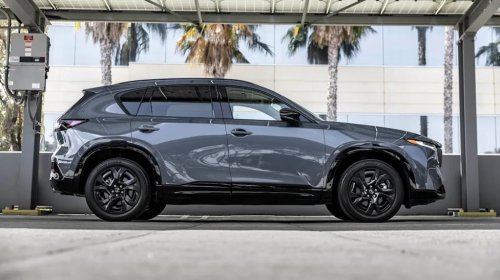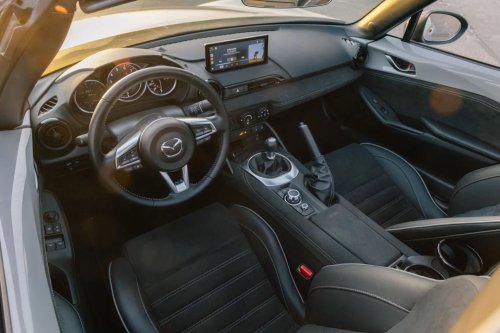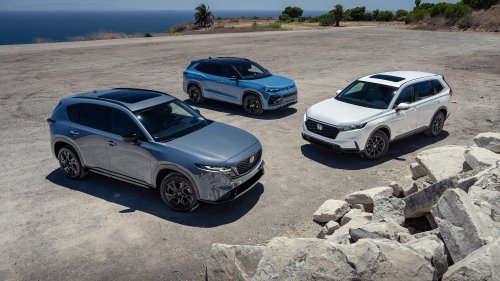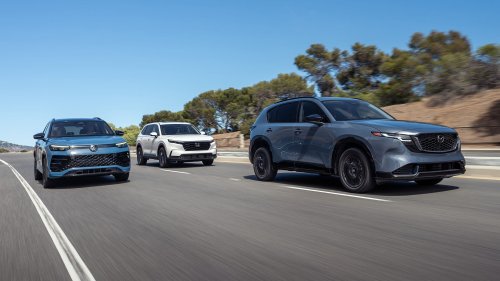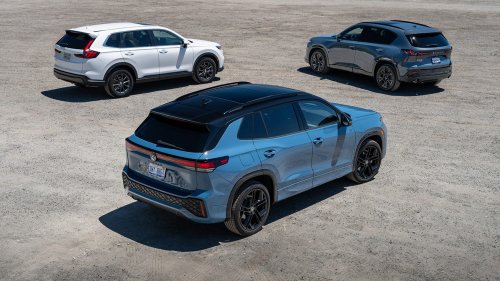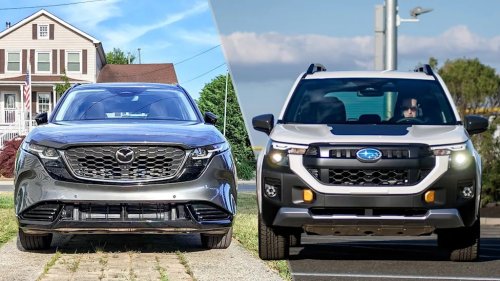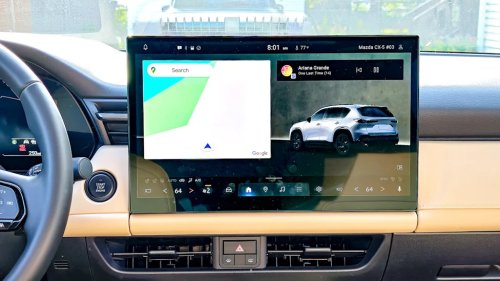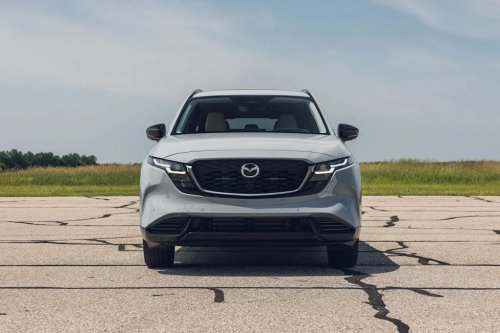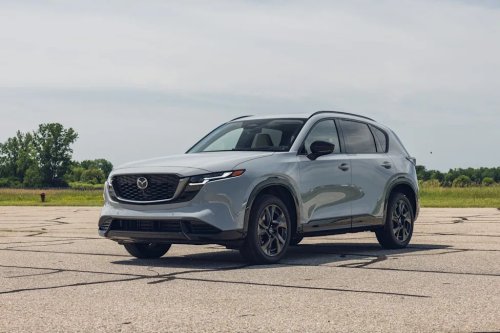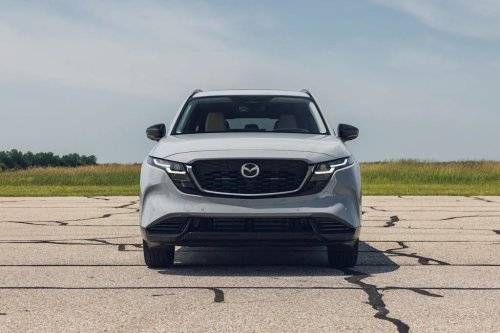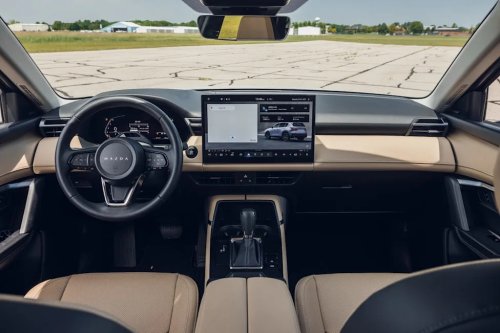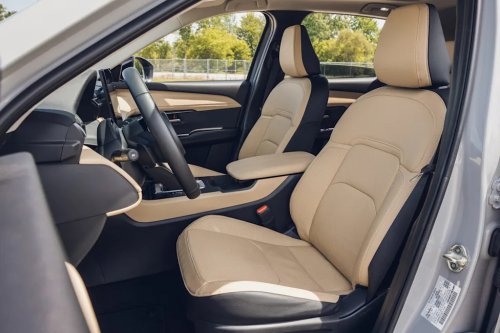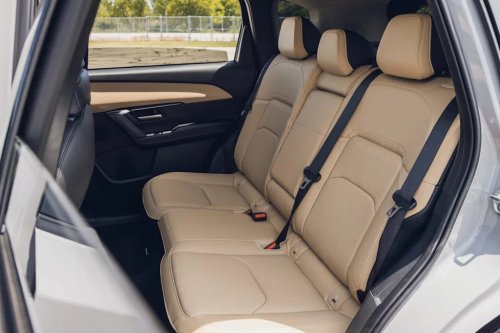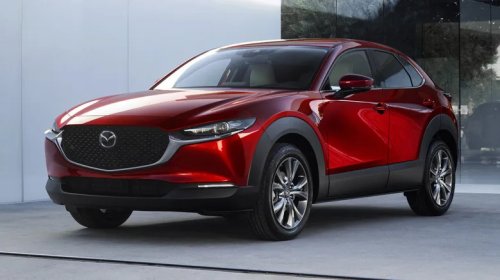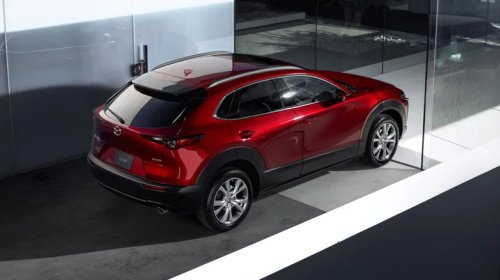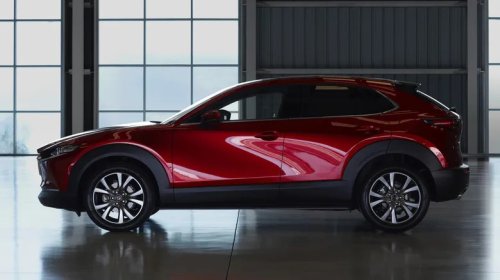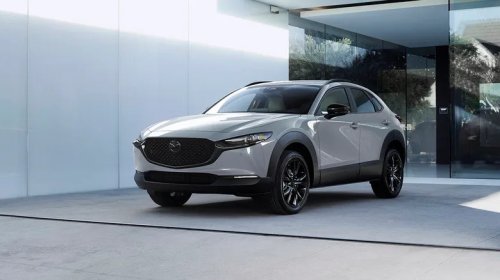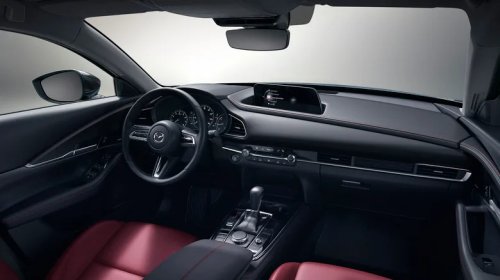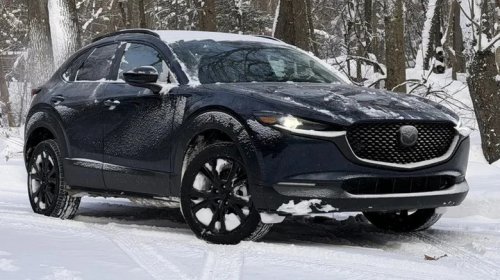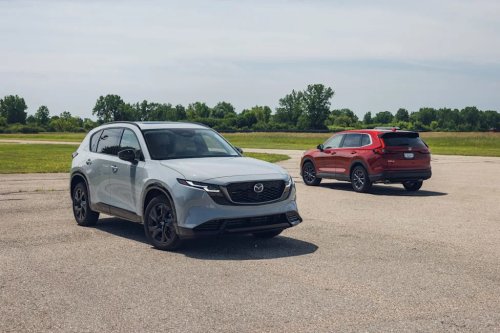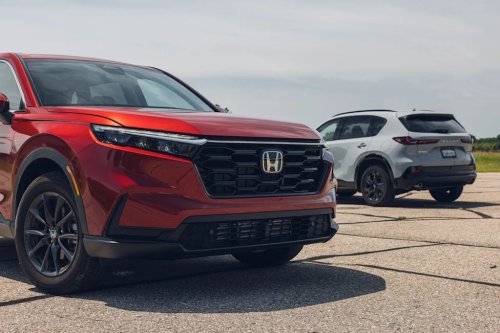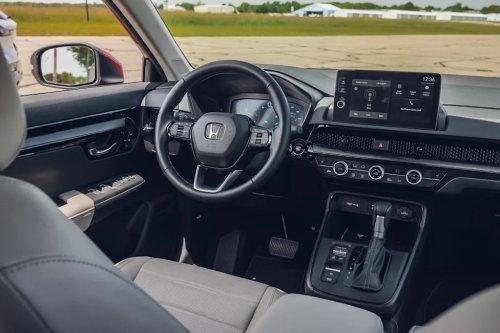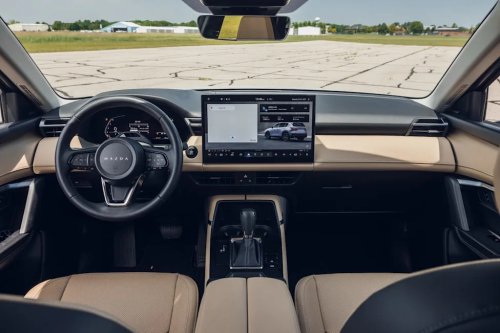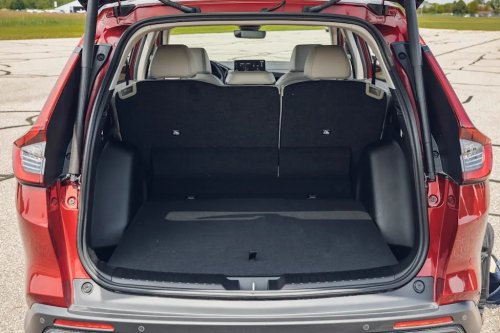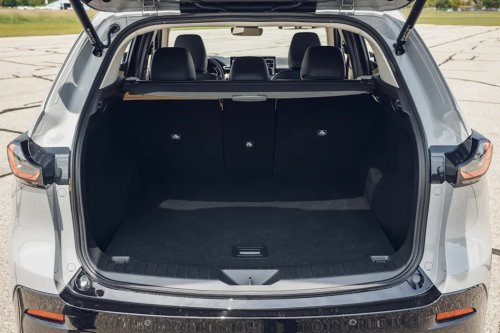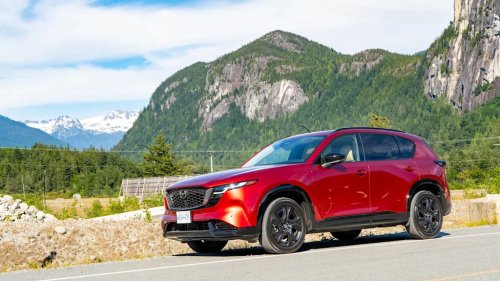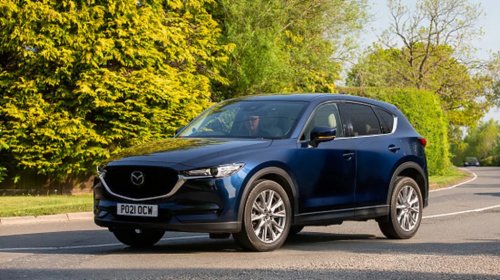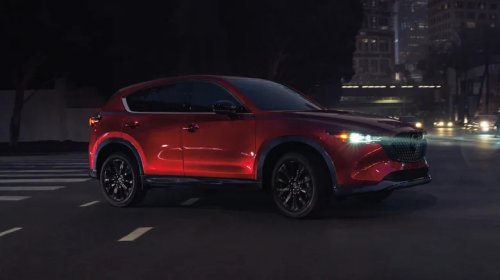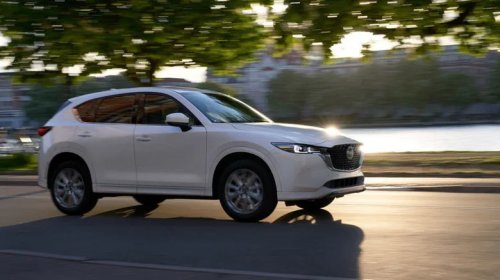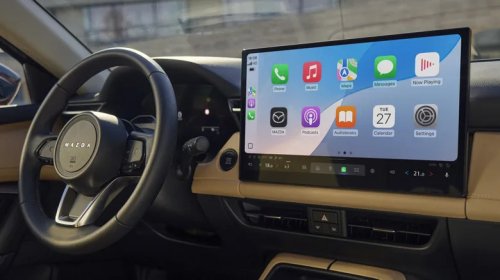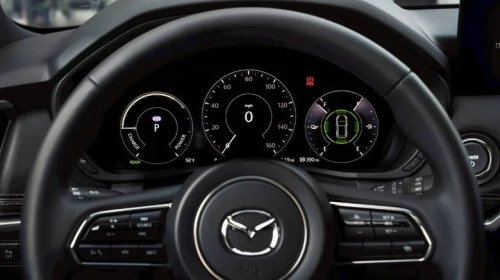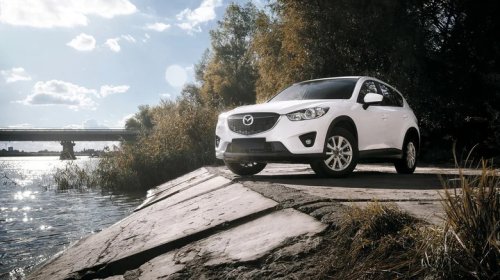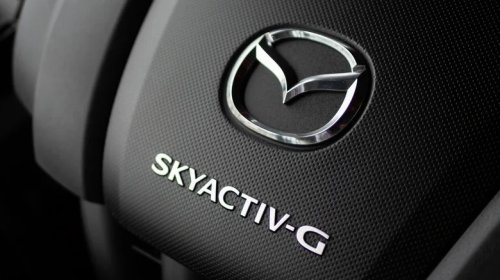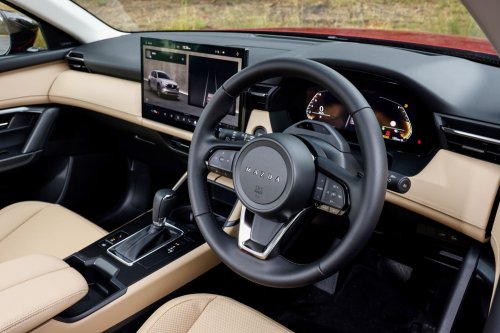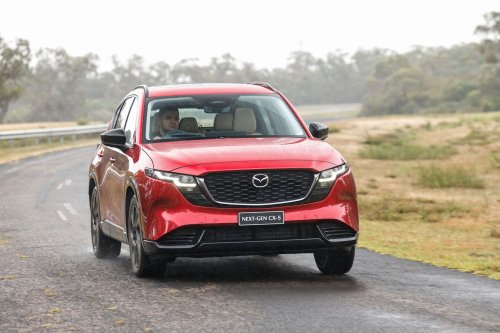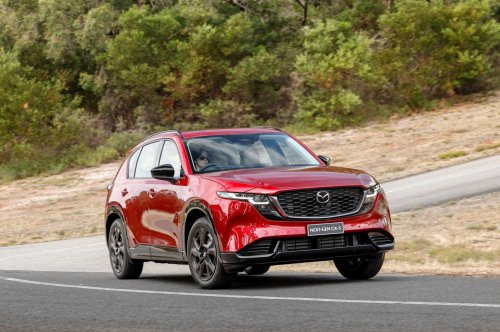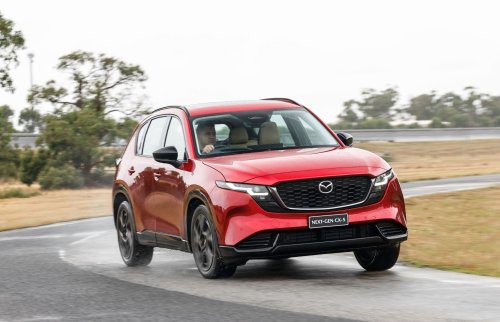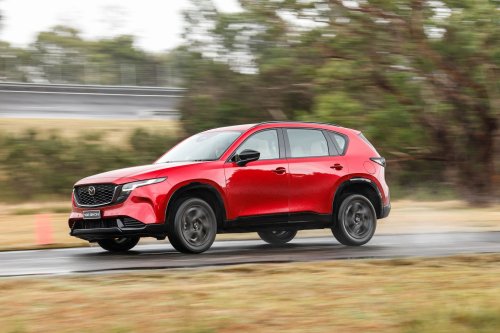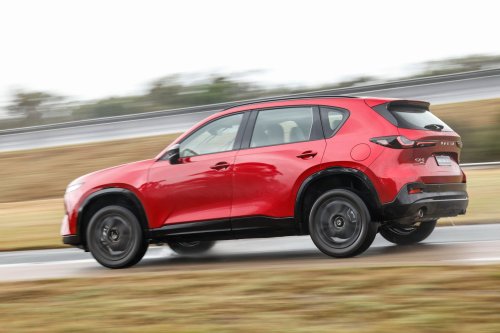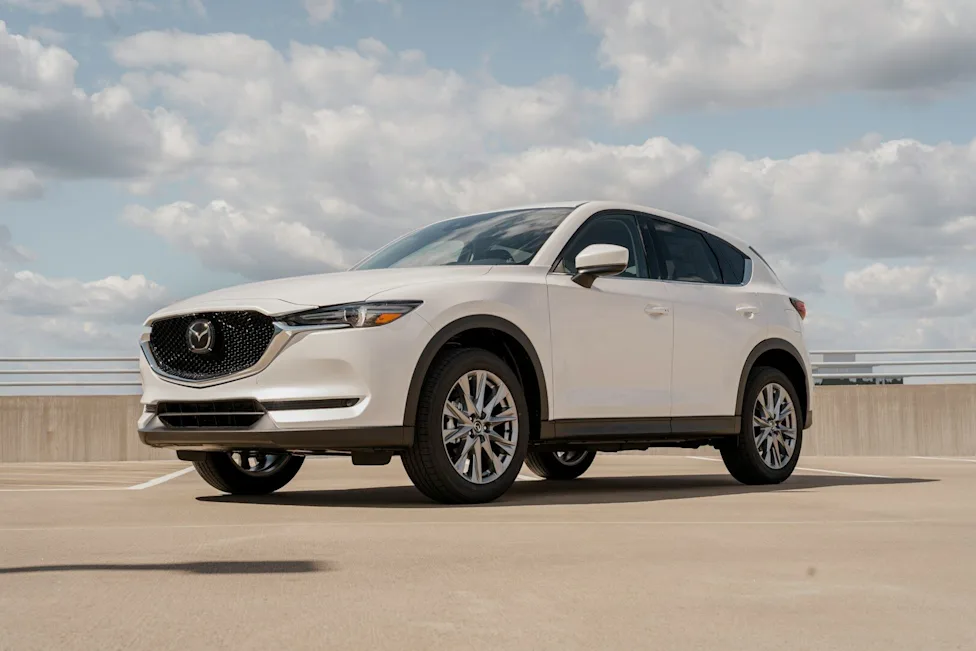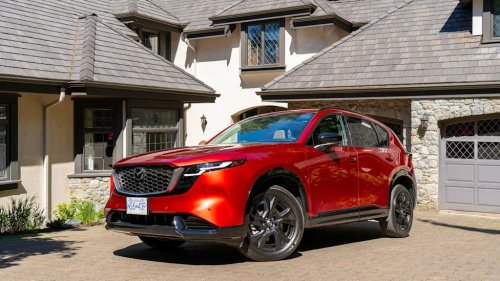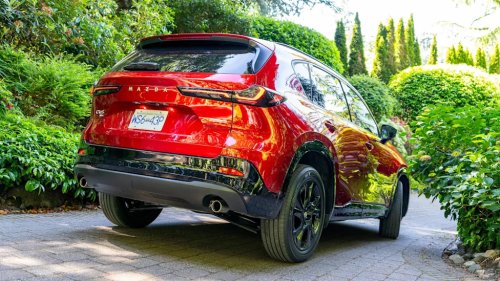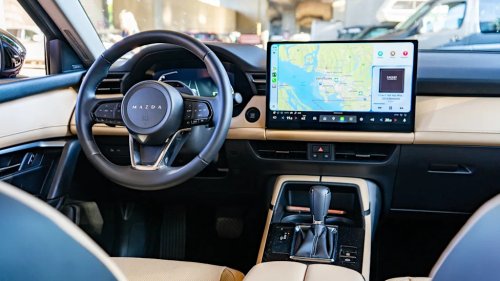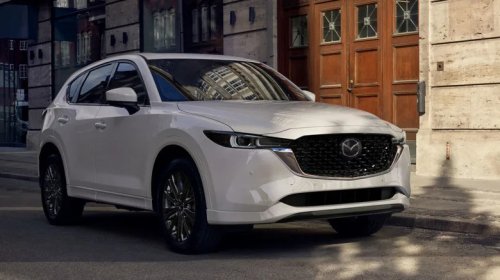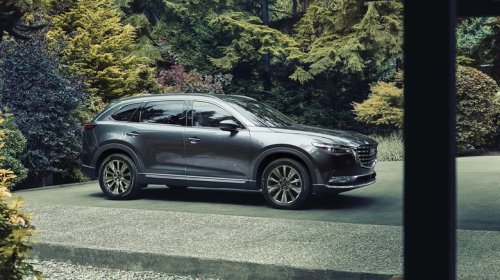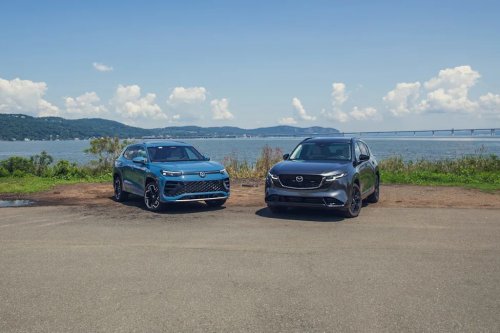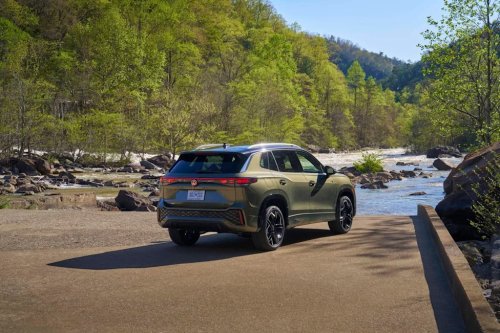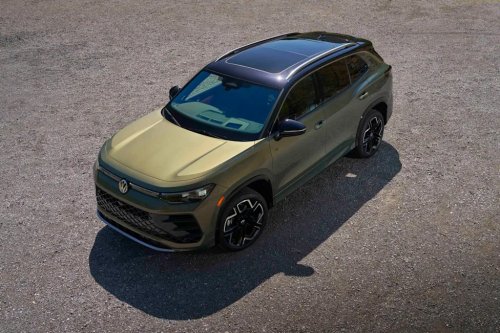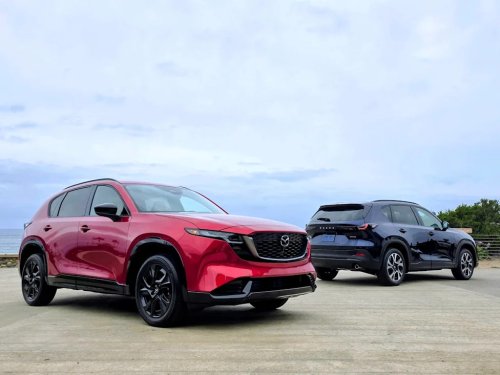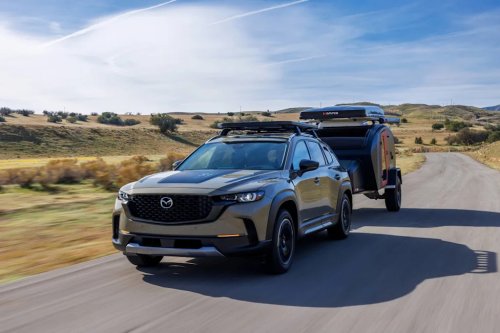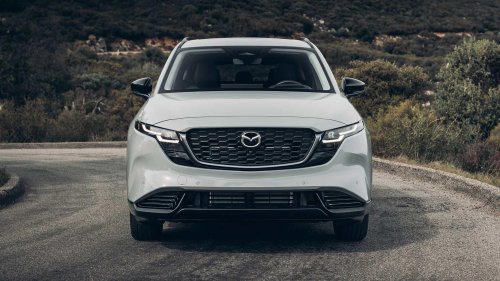
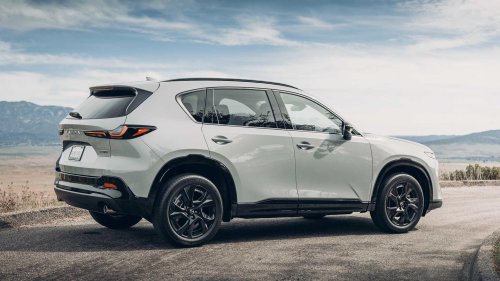
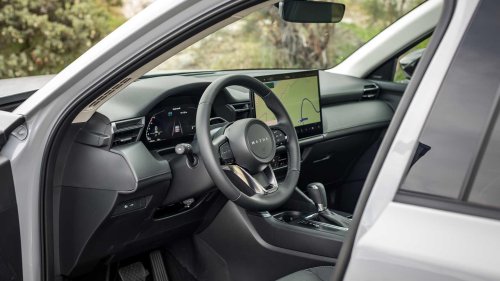
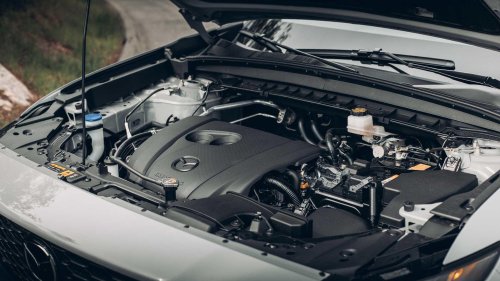
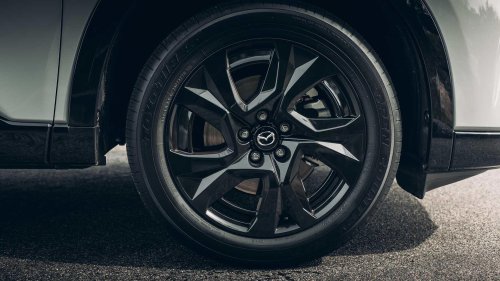
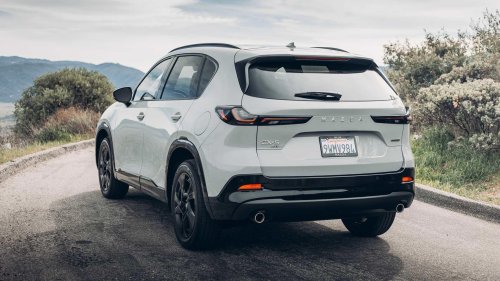
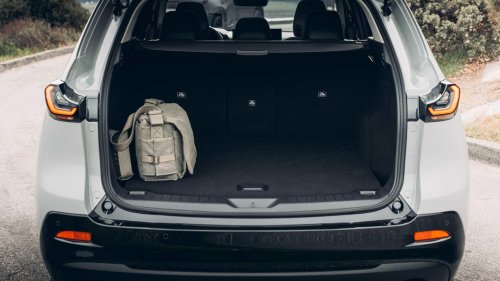
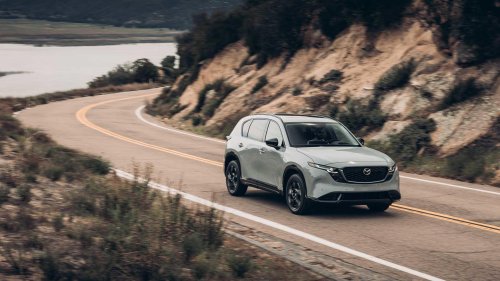


















A new third generation of the hugely popular Mazda CX-5 arrived for the 2026 model year, and it builds on everything that made the previous version a standout in the compact SUV segment. The latest iteration offers more interior space, updated tech features, and the promise of a much-needed hybrid powertrain in the near future. Yet despite these improvements, Mazda has managed to keep the starting price under $30,000.In an era where the cost of new vehicles keeps climbing and finding a practical, family-friendly SUV is becoming increasingly difficult, the CX-5 feels like a rare win, even in base CX-5 S form. Yes, even without the bells and whistles of higher trims, it delivers a comfortable ride, plenty of equipment, and the kind of driving dynamics that make Mazda’s offerings feel anything but basic. Premium Look And Feel Without A Premium Price Ian Wright/CarBuzz/Valnet Key Facts To Know Rides on updated version of predecessor's front-wheel-drive platform Measures 4.5 inches longer than predecessor, benefiting rear-seat passengers most Only offered with 2.5-liter inline-four, but hybrid option planned Comes standard with all-wheel drive Mazda builds some of the most stylish, driver-focused vehicles in the mainstream market, and it does so without letting prices spiral out of reach. That balance has helped the brand consistently clear one million global sales annually for decades, even as a smaller player among industry heavyweights. Lately, much of that momentum has hinged on a single nameplate: the CX-5. The compact SUV crossed five million cumulative sales worldwide last year, an impressive milestone made even more so by the fact it was achieved in just two generations.Ian Wright/CarBuzz/Valnet The new third-generation model now takes the baton, wearing a design that echoes the Mazda CX-70 and Mazda CX-90 midsize duo. The look is clean and confidently proportioned, with just enough detail to feel upscale without veering into excess. That restrained approach carries into the cabin, where a minimalist, function-first layout emphasizes usability and thoughtful touches. For example, larger door openings make entry, exit, and child-seat wrangling easier, while available ambient lighting and a panoramic sunroof lend a welcome dose of near-luxury ambiance.It’s not all upside, though. The new CX-5 trades some of its ergonomic simplicity for screen-driven modernity. A larger, 12.9-inch touchscreen display (15.6 inches available) for the infotainment headlines the dash, but it also absorbs many functions that were once handled by physical knobs and buttons, you know, the kind of controls that are easier to operate by feel while driving. Even climate settings have migrated to the touchscreen, adding extra steps to simple adjustments. There are a few other signs of cost-cutting, too, though less noticeable.Ian Wright/CarBuzz/Valnet As noted earlier, even the base CX‑5 S — priced at only $29,990 — arrives generously equipped, making it all the SUV you need – that is if a compact SUV satisfies. Standard fare includes all-wheel drive, Google built-in with a one-year trial, Apple CarPlay and Android Auto, two USB‑C ports, a leather-wrapped steering wheel, dual-zone climate control, heated mirrors, 17-inch wheels, and more. Safety and driver-assist tech are equally robust, with adaptive cruise control, lane-keeping assistance, traffic sign recognition, parking sensors, and blind-spot and rear cross-traffic alerts all included.For buyers seeking extra convenience, the mid-range CX‑5 S Preferred (from $34,250) adds heated front seats and a heated steering wheel, a memory function, a power liftgate, and 19-inch wheels. A massive 15.6-inch touchscreen is reserved for the top-tier CX‑5 S Premium Plus (from $38,990), which also adds a hands-free liftgate and more advanced safety tech, including a surround-view camera system. An Engaging Drive Even In Base Form Ian Wright/CarBuzz/Valnet If you thought the lack of physical controls in the cabin was frustrating, there’s more to digest. Mazda has dropped the predecessor’s turbocharged engine, which delivered a meaty 256 horsepower and 320 pound-feet of torque, giving that CX‑5 an almost hot hatch feel. The third generation, by contrast, only has a naturally aspirated engine that really needs to be worked to build up speed, which means highway passes require some planning. There are no plans to bring back the turbo; instead, Mazda will introduce a hybrid powertrain that’s expected to serve as the new performance option while keeping efficiency in mind.Ian Wright/CarBuzz/Valnet Despite its low horsepower rating, the CX‑5 remains engaging behind the wheel, with a refinement that borders on luxury. Standard all‑wheel drive, a long wheelbase, and carefully tuned suspension with stiffer struts combine to deliver a smoother, more composed ride while keeping body roll in check. The cabin is quieter than before, and the steering retains its crisp, communicative feel, letting drivers know exactly what the front wheels are doing. And since the mechanical setup is the same across all trim levels (only wheel sizes vary), buyers of the base CX-5 S don't miss out on any of the engagement.Buyers seeking more performance may want to hold out for the hybrid. Mazda is developing the system in-house, rather than relying on Toyota as it has in the past. The new powertrain will pair with an engine from Mazda’s new Skyactiv‑Z family, engineered for lower emissions through improved thermal efficiency and leaner combustion, with both four- and six-cylinder variants expected. The hybrid’s launch was deliberately delayed to ensure the CX‑5 retains the brand’s signature driving character, with the powertrain now slated to arrive in 2027. Built To Last, Year After Year Ian Wright/CarBuzz/Valnet For buyers who don’t have the luxury of changing vehicles every few years, long-term dependability is a major draw card, and that’s where the CX-5 nameplate has traditionally excelled. While the new CX-5 is fresh to market, it's built around an evolution of Mazda’s established small-SUV architecture and carries over a powertrain from its predecessor. Buyers are getting a familiar mechanical package refined over years of real-world use, which typically bodes well for long-term durability and predictable ownership costs.Looking at the outgoing generation provides a useful benchmark. Across ownership data platforms like CarComplaints and RepairPal, the previous CX-5 consistently scores above average for reliability in the compact SUV segment. Reported issues tend to be relatively minor and infrequent compared with rivals, with few patterns of major drivetrain or structural concerns emerging over its lifecycle.Ian Wright/CarBuzz/Valnet Safety has been another CX-5 strong suit. While the 2026 model is still awaiting independent crash testing results, its predecessor repeatedly earned strong scores in both IIHS and NHTSA evaluations, routinely ranking near the top of its segment for crash protection. Given the similarities of the two generations and the long list of standard safety features, the new CX-5 should maintain a high level of safety performance. Still The Smartest Buy Under $30K Ian Wright/CarBuzz/Valnet In a segment increasingly defined by rising prices and shrinking character, the base 2026 CX-5 S stands out by doing more with less. It’s not the most powerful or the most high-tech choice, but it remains one of the most well-rounded. For buyers willing to accept its trade-offs, it delivers rare value in a tightly contested class, with only minor blemishes on what is otherwise an almost near-perfect score.