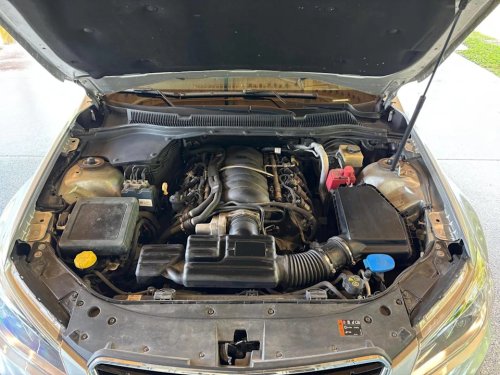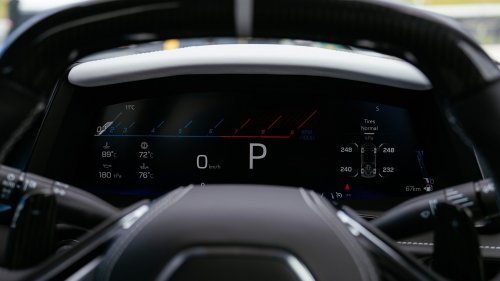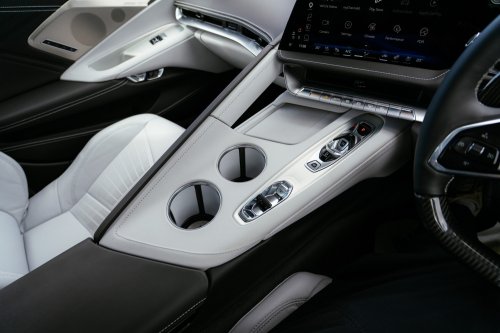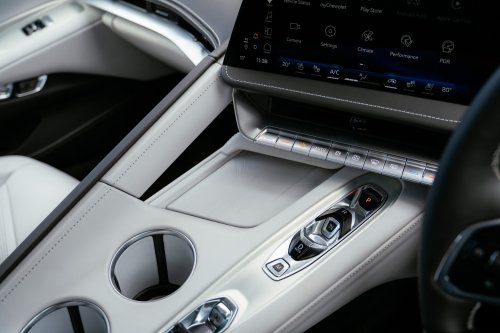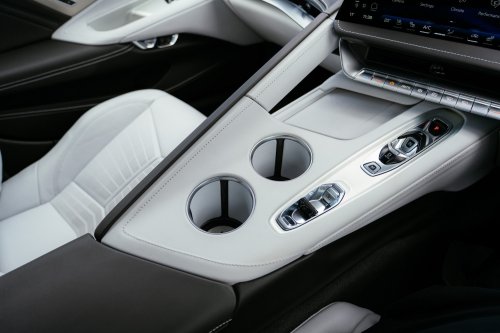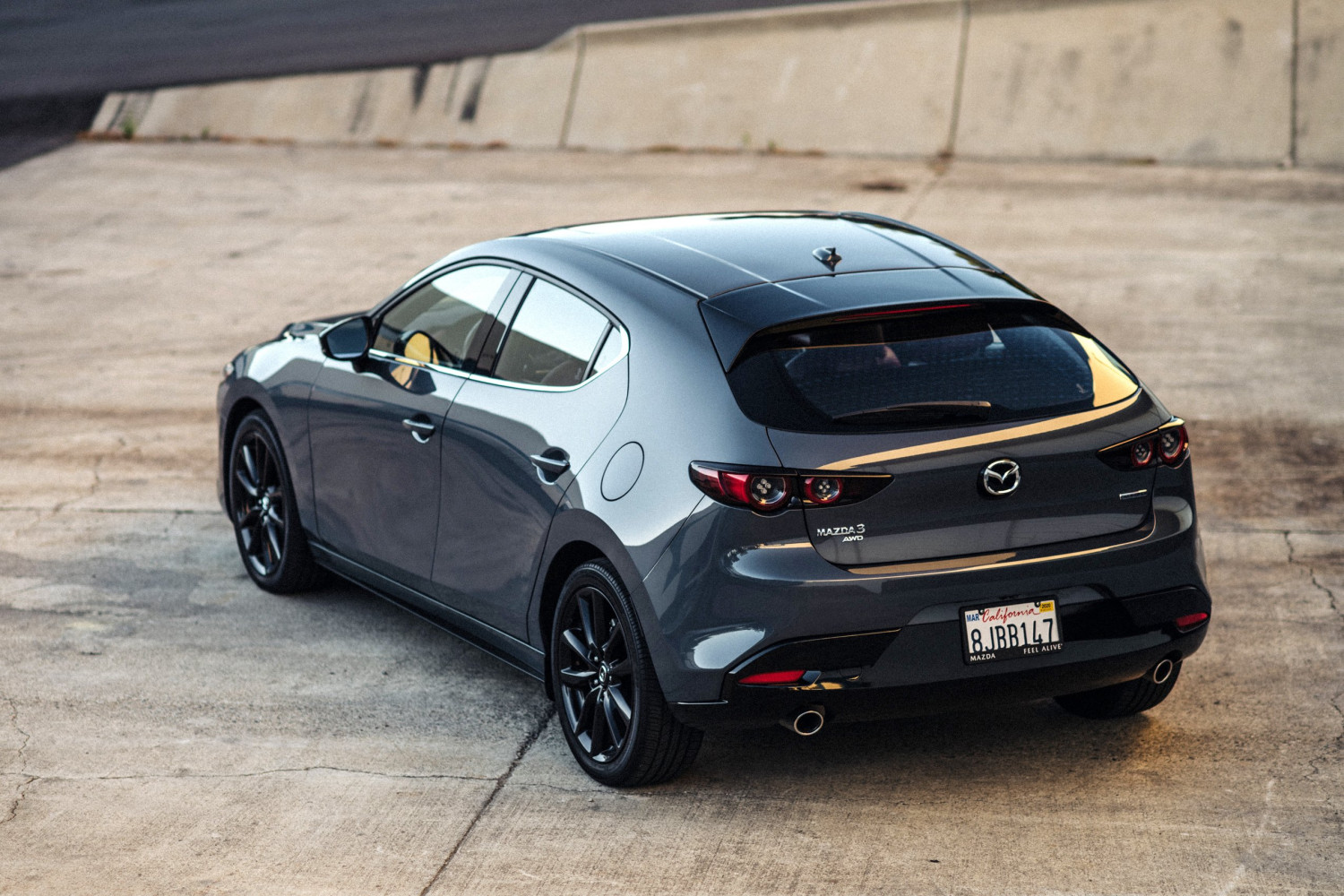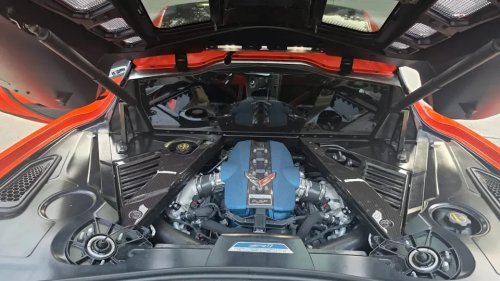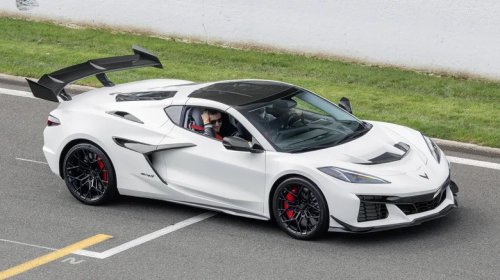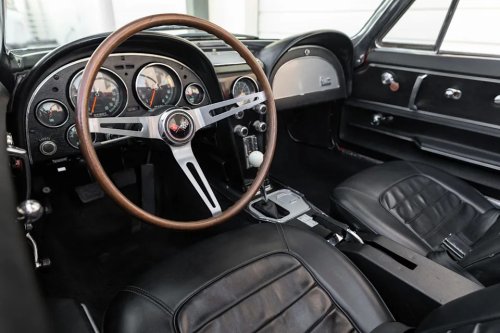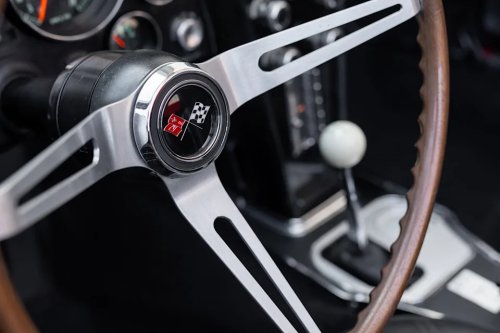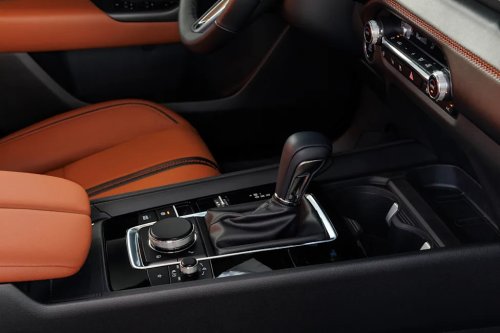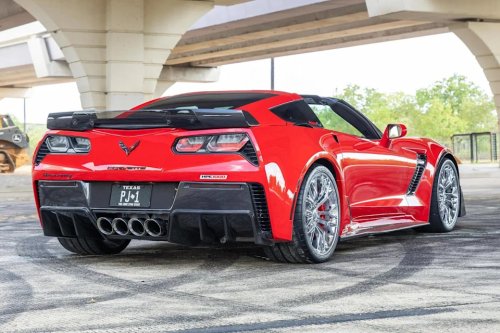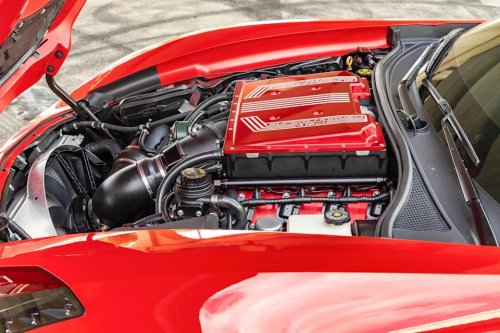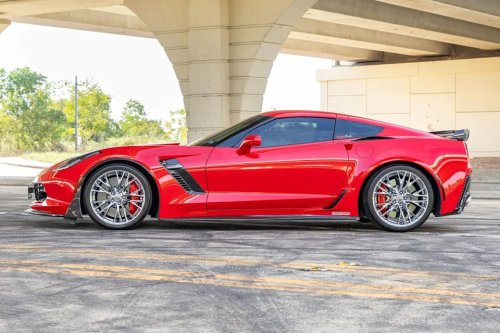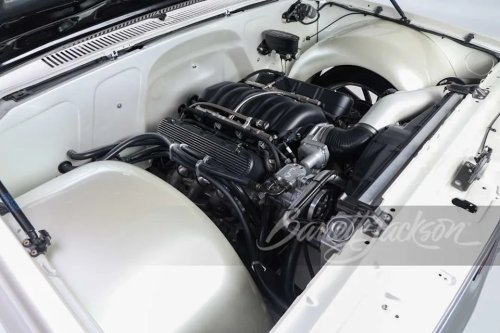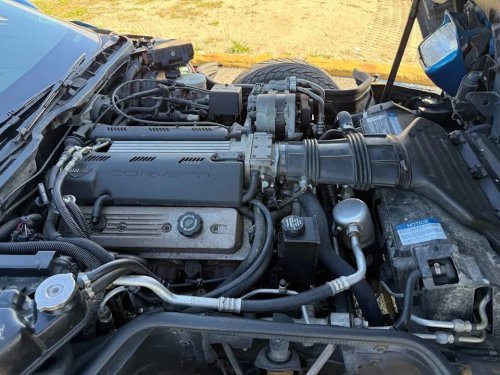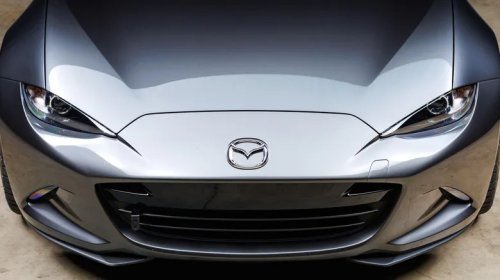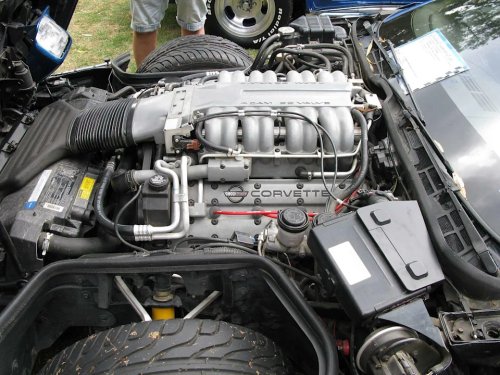
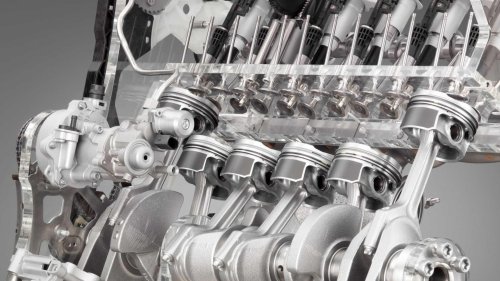
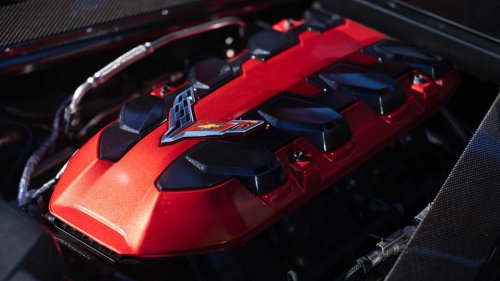
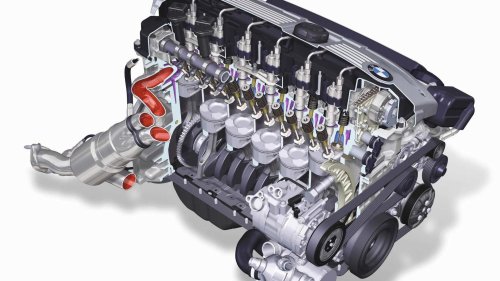


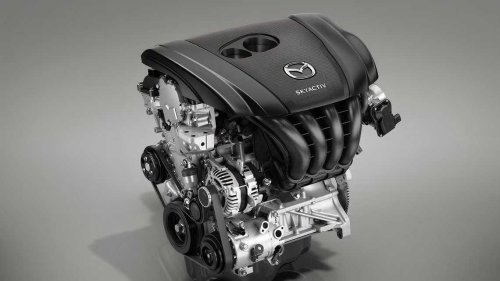
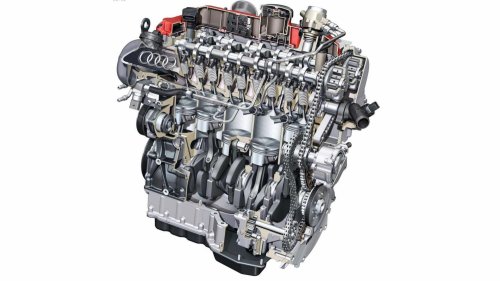

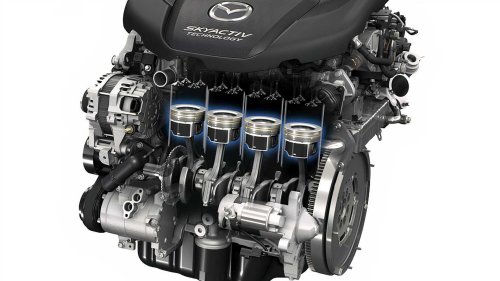
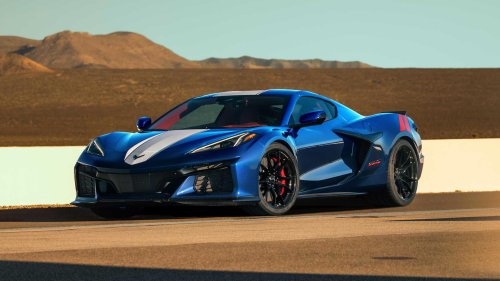




















If you don't care much about engine compression ratios, you're a totally normal human being. But hear us out: the other day, we encountered something surprising when poring over the specs of the latest Chevrolet Corvette lineup, and then we got thinking. Next year, the Grand Sport arrives with GM's all-new, next-generation 6.7-liter small-block V8. Impressive power and torque figures aside (535 horsepower and 520 pound-feet of torque if you're wondering), the big news about the latest small block is its extremely high 13:1 compression ratio, the highest of any production V8 engine on this side of a Ferrari.Chevrolet The powerplant marks the first time a mass-market V8 engine has entered that level of compression territory. However, Mazda hit 13.0:1 with a four-cylinder engine in 2011, and that popular engine remains on sale today. The similar compression ratios are an intriguing coincidence that covers two completely different use cases. The situation illustrates the interesting way that auto engineers can bend and adapt the latest technologies to their will if (and when) required. How Compression Ratio Works BMWWhen you compress a substance, you make them take up less space. In the context of your car's engine, this refers to the air-fuel mixture in its cylinders. The compression ratio compares the maximum cylinder volume with the piston down to the minimum (fully-compressed) cylinder volume with the piston up.Chevrolet When you build an engine, you can adjust these two volumes to achieve a compression ratio that's ideal for the application. A basic modern engine might run at a compression ratio of 10:1, or "ten to one," meaning the piston compresses the air/fuel mix in each cylinder to one-tenth of its original volume before the spark plug ignites the mixture.A lower compression ratio might work better if your engine is turbocharged, a higher one can help literally squeeze more efficiency and performance out of every drop of fuel. Careful, though: squeezing too hard and knocking can result in harming performance and even hurting your engine in extreme circumstances. Higher Compression Is Better, But Not Too Much BMW Higher compression ratios mean more squeezing and more productivity. Engines that can squeeze their air-fuel mixtures the hardest are built to be among the most efficient on the road. Case in point? Toyota builds four-cylinder hybrid engines on sale today in cars like the Prius and Corolla Hybrid that run a whopping 14.0:1 compression ratio, helping support its reputation as one of the most thermally efficient gas engines out there. Unlike the Corvette, these engines aren't built for maximum performance, but they still use a high compression ratio.Chevrolet Why not just compress things even more? That's tricky. The gas/air mixture your engine uses for combustion has a limit on how much compression it can withstand before it self-ignites in the presence of heat and pressure, without the spark plug's help. This phenomenon is called knocking.Modern engines are masters of mitigating engine knock by detecting it immediately and electronically ramping down ignition timing to reduce power and heat. Still, in extreme cases, engine knock can cause serious damage. The key takeaway is that more squeezing can be beneficial, but only up to a point, after which extreme measures are needed to mitigate various high-compression challenges.Heat is a key factor in the equation. Increasing the compression ratio of an engine automatically raises the temperatures and stresses inside its cylinders. As engines evolve and compression ratios increase, additional measures are needed to prevent things from melting down.In the late 1980s, GM engineers adopted the reverse-flow cooling system for its small-block V8 for this exact reason. Engine coolant would start collecting heat in the very hot cylinder heads before flowing down to the cooler engine block, rather than the other way around. Now, the cylinder heads, which generate tremendous levels of heat, would get cooler engine coolant first, reducing cylinder head temperatures and lowering combustion chamber temperatures in the process. As a result, engineers were able to increase the engine's compression ratio slightly for greater efficiency and power.The fuel itself plays a role, too. In the new Corvette Grand Sport, the LS6 engine requires high-octane, premium-grade gas to combat the extreme compression ratio. Higher-octane fuel can better withstand the heat and pressure common in high-performance engines. In a car like the Corvette, owners will happily refuel with high-octane gas, and engineers can factor this into the mix, pushing the engine even harder.Ian Wright/CarBuzz/Valnet Economy-car drivers won't typically splurge on premium gas, so high-compression economy-car engines are built to run on regular 87-octane gas, with standard levels of heat resistance. Engineers need to take additional measures to keep temperatures down when they can't tune their engines for high-octane use.In the case of the Mazda Skyactiv G engine, a few engineering tweaks helped the cause. Running 13.0:1 compression on regular gasoline was once considered virtually impossible. Mazda solved the problem with specially designed pistons and exhaust manifold plumbing that ensured fast combustion, and with special attention to exhaust pulse dynamics that helped quickly whisk hot, spent exhaust out of the cylinders and away from the cylinder heads, preventing heat from building up too quickly.skyactivSelected Engines Ranked By Compression Ratio 2018 McLaren 720S — 8.7:1 2021 BMW M4 — 9.3:1 2018 Volkswagen Jetta (1.4 TSI) — 10.0:1 2016 Dodge Viper— 10.2:1 2023 Hyundai Sonata (2.5T N Line) — 10.5:1 2019–2023 Honda Civic (2.0 K20C2) — 10.8:1 2024 Honda Ridgeline (3.5 V6) — 11.5:1 2024 Ford Mustang Dark Horse (Coyote V8) — 12.0:1 2025 Subaru Impreza (2.5 RS) — 12.0:1 2021 Hyundai Elantra (2.0 MPI) — 12.5:1 2025 Subaru Impreza (2.0) — 12.5:1 2020 Lamborghini Huracán EVO (5.2 V10) — 12.7:1 2023 Hyundai Sonata (2.5 GDI) — 13.0:12026 Mazda CX5 (SkyactivG 2.5) — 13.0:12021 Toyota Corolla — 13.0:12027 Chevrolet Corvette Grand Sport (LS6) — 13.0:1 2024 Porsche 911 GT3 (992.1) — 13.3:1 2024 Ferrari 812 Competizione — 13.5:1 2025 Toyota Camry Hybrid (A25AFXS) — 14.0:1 2022 Mazda CX5 (SkyactivD Diesel) — 14.4:1 2024 Chevrolet Silverado 2500HD (6.6 Duramax L5P) — 16.0:1 2023 Ram 3500 (6.7 Cummins HO) — 16.2:1 Audi Direct injection, a now-common form of fuel injection also used in the latest Corvette, was Mazda's other trick to battle the heat of high compression at the time. When the direct fuel injector fires directly into that hot, compressed air, the gas doesn't just mix; it flashes into vapor. This phase change removes large amounts of heat from the air, directly cooling the cylinder and reducing the need for high-octane gas.If you've ever noticed a can of compressed air getting cold as you use it to blow crumbs from your keyboard, you've felt this same principle in the palm of your hand. In the context of a high-compression engine, the cooling effect of direct injection can help regular-grade gas perform like high-octane gas, and high-octane gas perform more like race fuel.Ian Wright/CarBuzz/ValnetMazda was far from the first automaker to use direct injection in a mainstream engine. However, its pioneering use of this technology to support an extremely high compression ratio likely helped pave the way for future engines to take the tech even further, as the Corvette Grand Sport is about to. What To Take From Compression Ratio Data MazdaThere are pros and cons to using high or low compression ratios in an engine. Since there's less internal stress, low-compression ratios are more common in engines where reliability is key or where the quality of the available gasoline may be poor, such as military vehicles. However, this comes at the expense of a lower power output. Also, naturally aspirated low-compression engines are sometimes used in applications where displacement, clever airflow, or combustion are relied on for maximum efficiency rather than the compression ratio.ChevroletThere are many modern four-cylinder naturally aspirated engines with high-compression ratios, hovering around 13:1, like the Mazda Skyactiv-G and the next-generation small-block V8. Exotic applications like the Porsche 911 GT3 and Ferrari 812 see compression ratios pushed past the 13.0:1 mark, with diesel engines requiring even higher compression ratios, perhaps 15.0:1 or higher, to auto-ignite their fuel, since they don't use spark plugs. Mazda And GM Pushed For 13.0:1 Compression For Very Different Reasons ChevroletIncreasing an engine's compression ratio is just one way to make it more powerful and efficient, but it's not the only way. Corvettes have typically run much lower compression ratios than we're about to see from the new machine. Displacement, masterful combustion optimization, advanced engine controls, and highly engineered airflow were long enough to hit the performance and (less importantly) fuel-economy targets Corvette shoppers wanted. With those engineering elements mastered and Direct Injection in widespread use, boosting the small block V8's compression ratio was a natural next step.Conversely, the Mazda Skyactiv engine wasn't designed for feats of high performance and motorsports durability, but rather, to be an affordably mass-produced unit that would power multiple generations of vehicles with fuel efficiency and durability to stand the test of time. Could the Corvette have delivered a 13.0:1 V8 engine fifteen years ago? Probably. Could Mazda have used a different set of technologies to make the Skyactiv-G engine efficient, affordable, and responsive? Sure.As technologies and hardware evolve, ICE engines are incrementally improved, and automakers often combine and stack the latest advancements in unique, innovative ways that are right for what shoppers want at the time. In the process, sometimes, two very different engines with very different histories wind up at the same result.Sources: Chevrolet