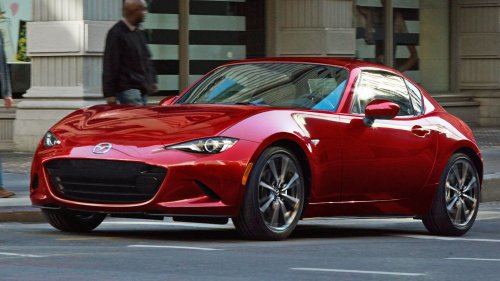
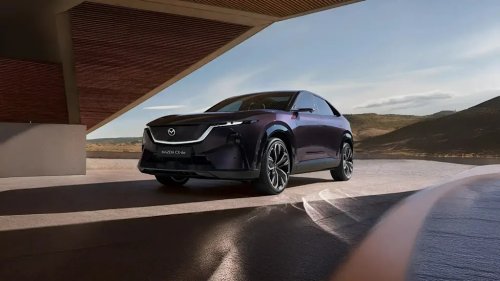
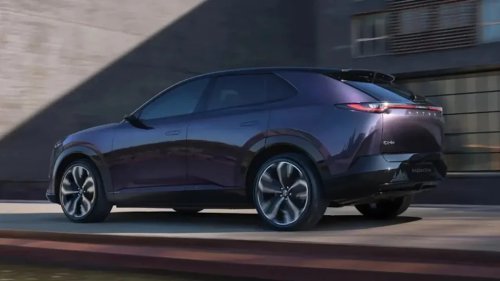
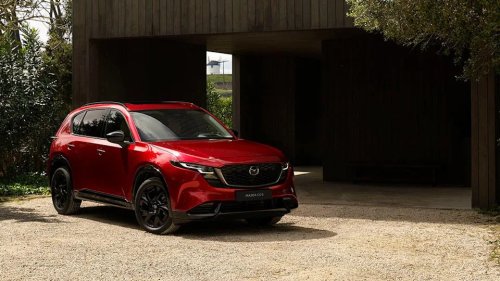
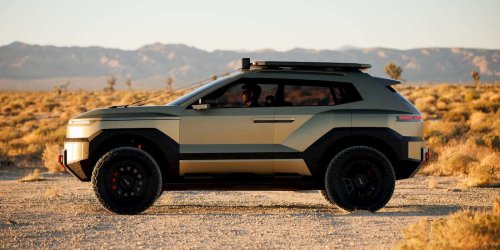
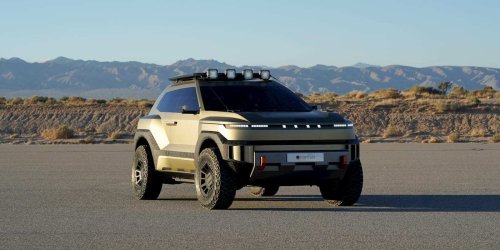
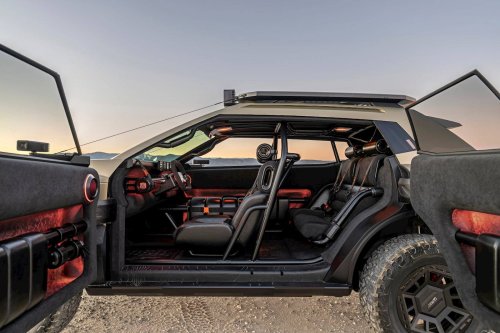
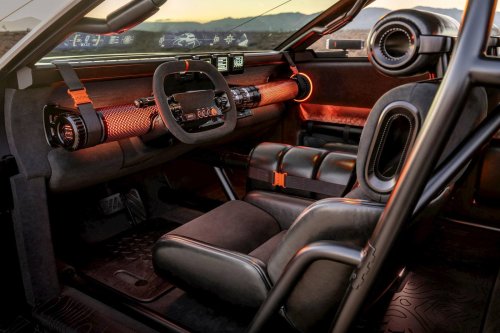
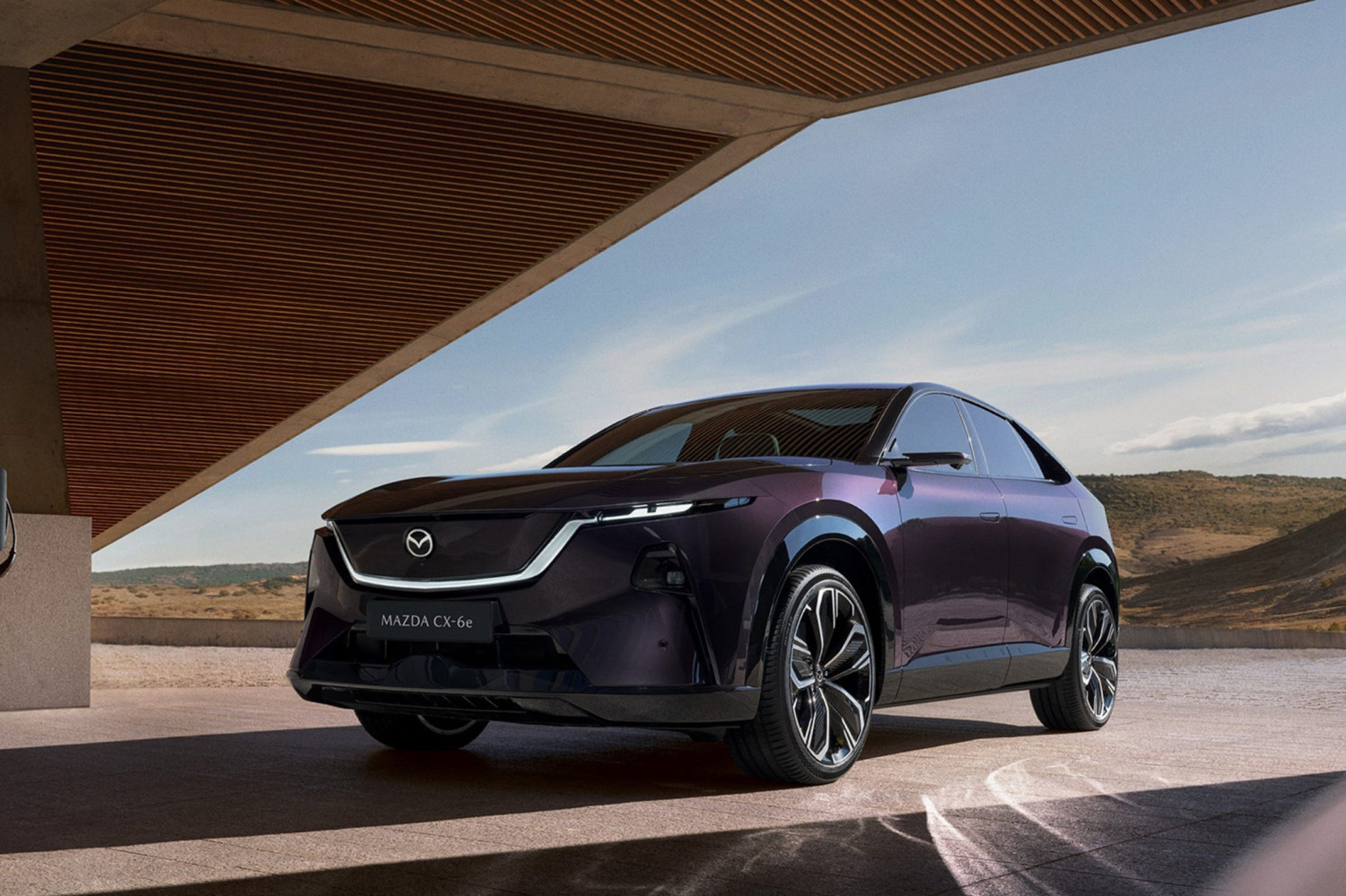
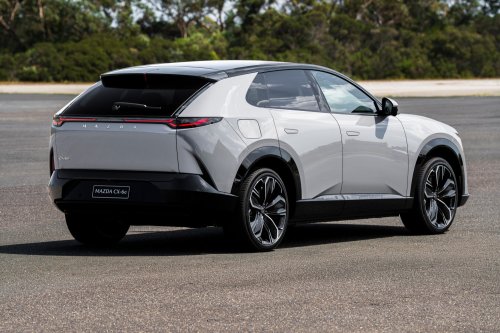
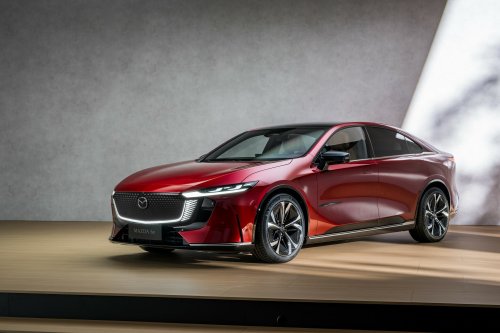
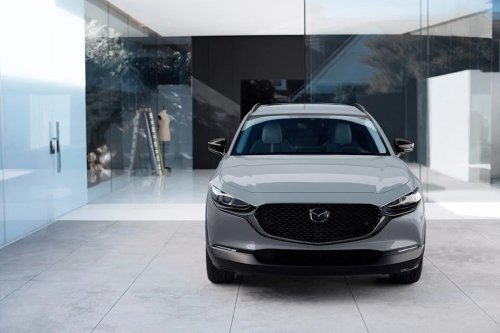
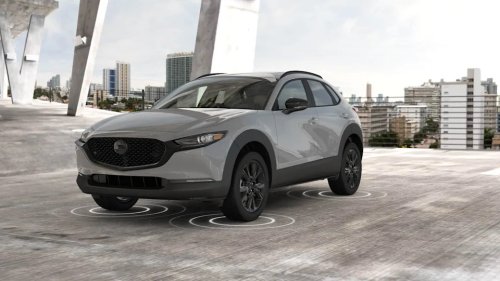
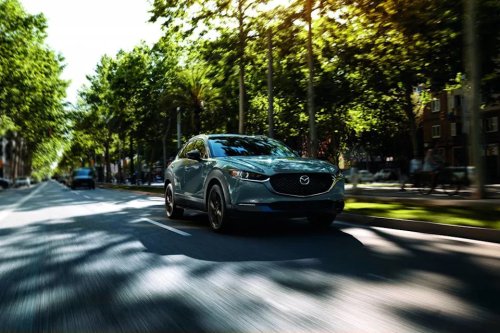
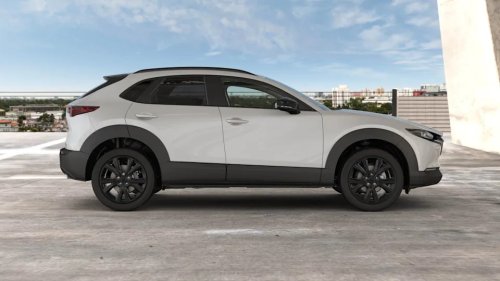
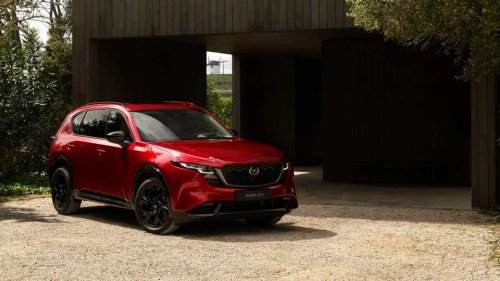
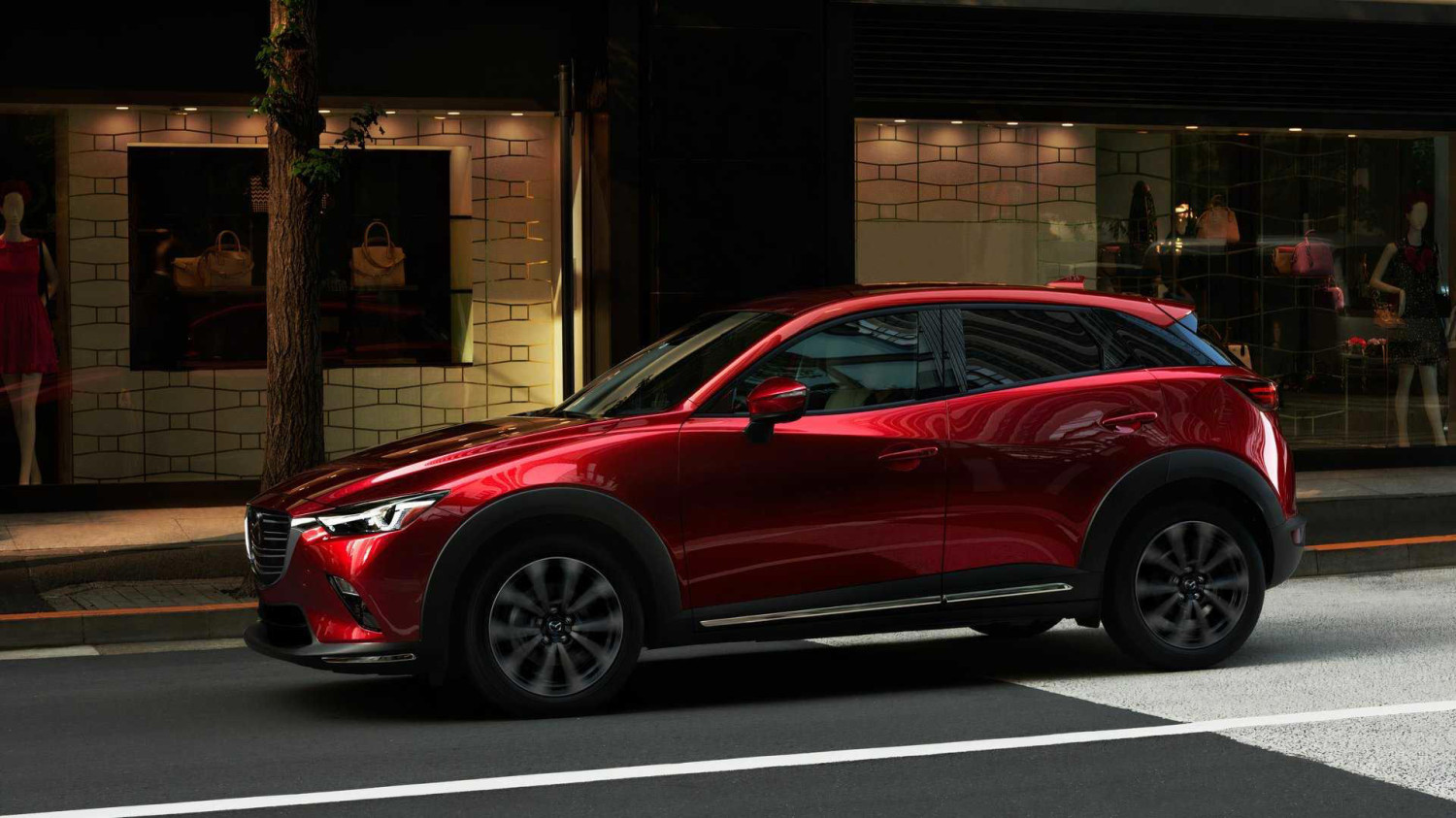
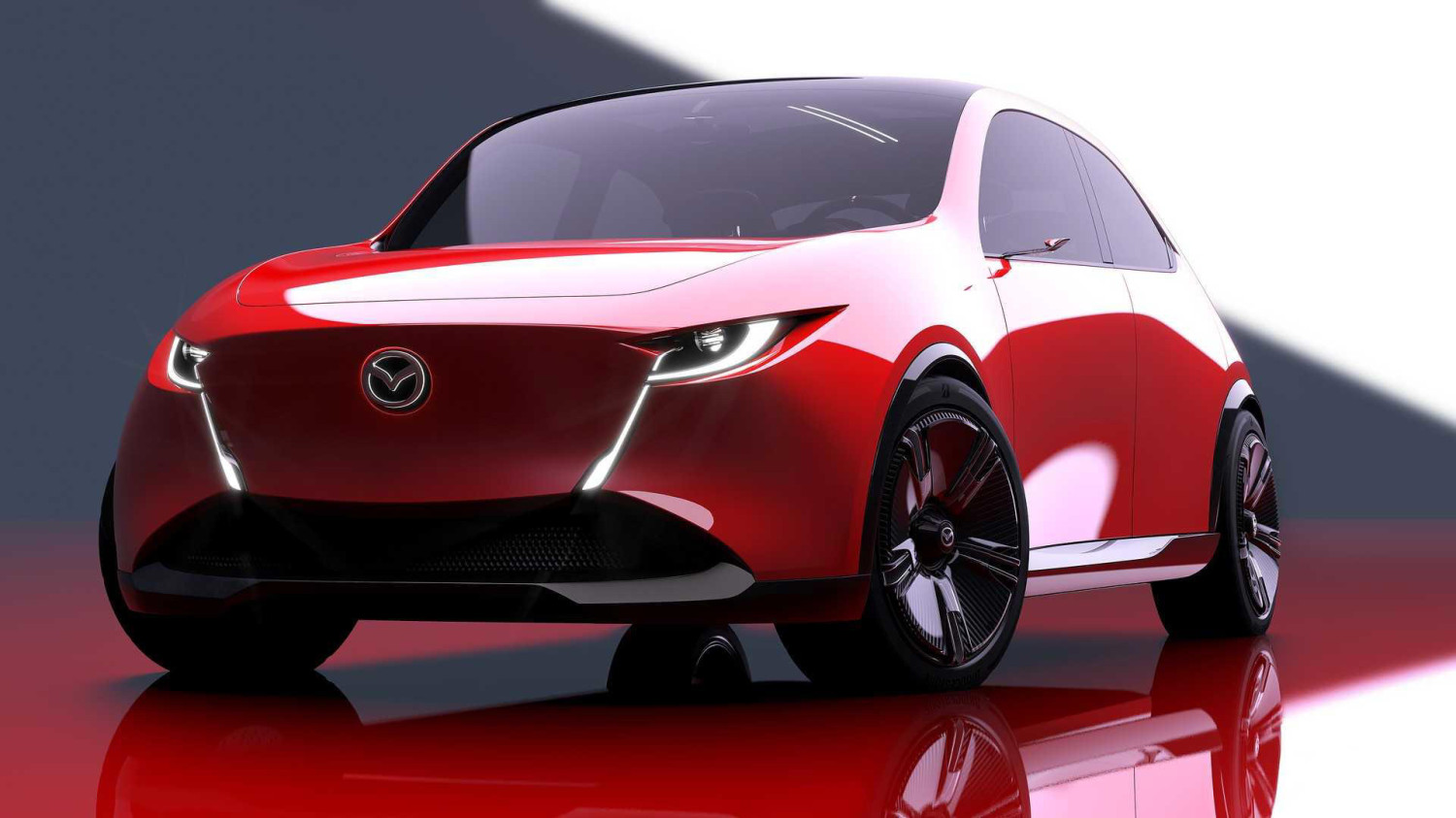
Mazda isn’t pulling the plug on its smallest SUV after all. While outlining its financial results this week, the automaker rattled off a series of future product announcements, including confirmation that the long-serving Mazda CX-3 will finally receive a full redesign after spending 12 years on the market. This move effectively shuts down lingering rumors that Mazda was preparing to retire the nameplate altogether.The CX-3 is a subcompact crossover sold globally and was briefly available in the US from 2016 through 2021 before being replaced here by the larger CX-30. Mazda says the next-generation CX-3 is due in 2027, though there’s currently no indication it will reach these shores. Only A Single Plant, For Now MazdaMazda didn’t reveal much about the new Mazda CX-3, aside from confirming it will be built at the company’s AAT plant in Thailand, where production of the outgoing model recently ended. The outgoing CX-3 has also been produced in Mexico since 2022 for that market as well as for other Latin American and South American regions, where the vehicle remains on sale.Previously, there were rumors that the CX-3 nameplate would be retired and potentially replaced by a new CX-20 badge for its successor. That same nameplate was also speculated to serve as a replacement for the Mazda 2 subcompact hatchback, though the future of that model remains uncertain. New Design May Have Already Been Shown Mazda Last year, while announcing future investment for its Thai plant, Mazda also revealed a sketch of what appeared to be a subcompact crossover. Interestingly, the design shown closely resembles the Mazda Vision X-Compact concept unveiled at the 2025 Japan Mobility Show. Although never confirmed for production, the concept could preview design cues intended for the new CX-3 and potentially other small Mazda models. That concept also packed an internal-combustion engine, suggesting that Mazda will stick with gas engines in its small lineup.With only the Thai plant announced as a production site for the next-generation CX-3, US exports appear unlikely, particularly given the added cost pressures of tariff policy. Its small footprint would also likely limit its appeal in the American market, which helped drive the decision to discontinue the previous generation. The outgoing CX-3, measuring just under 170 inches in length, saw US annual sales fall below 10,000 units in its final two years on sale.As for Mazda’s future plans in the US, the automaker said during its financial results presentation that it intends to drive growth by strengthening its existing lineup, led by the new 2026 Mazda CX-5, which is set to gain a hybrid powertrain shortly, as well as the larger CX-70 and CX-90 SUVs. Mazda also reported US sales of 395,000 vehicles for the year ending March 31, 2026, which was down about 9% year over year but expected to rebound this year with the new CX-5 having only started sales in March.



















 +59 others