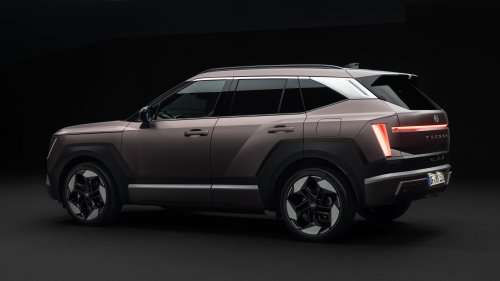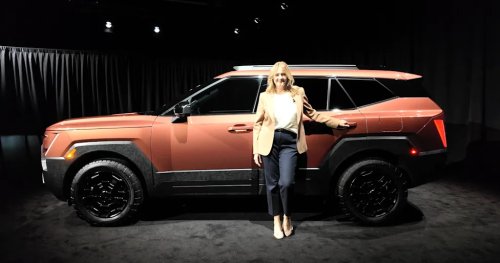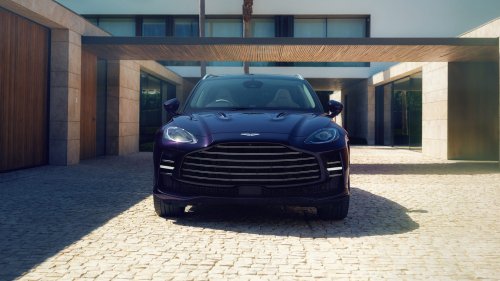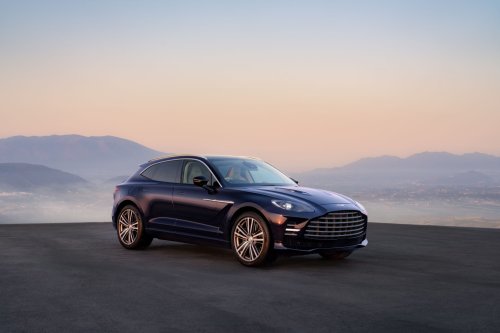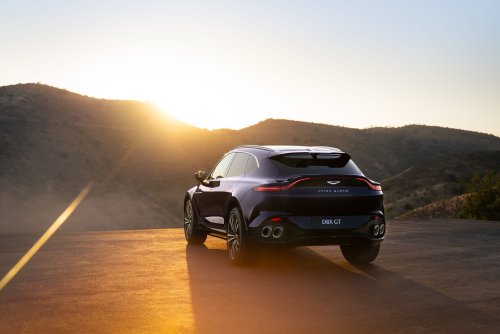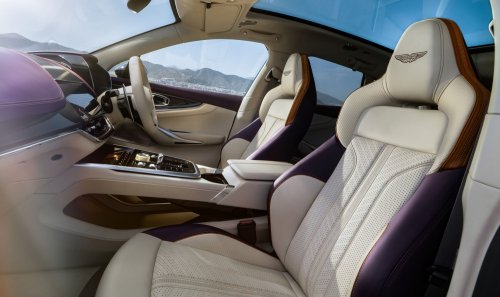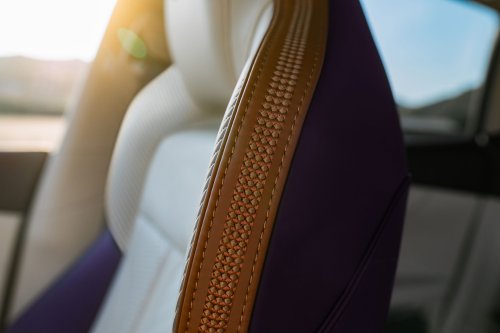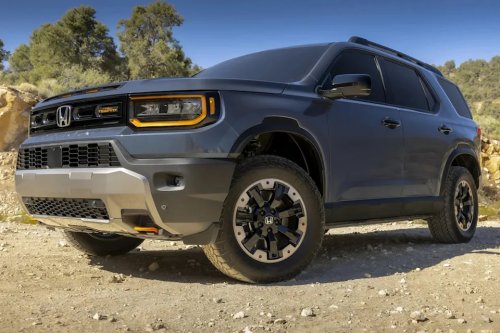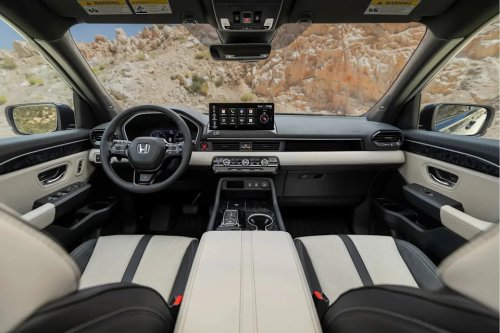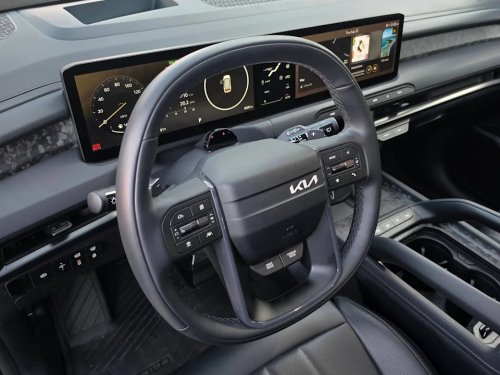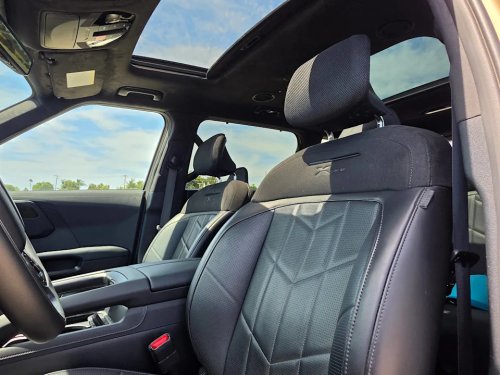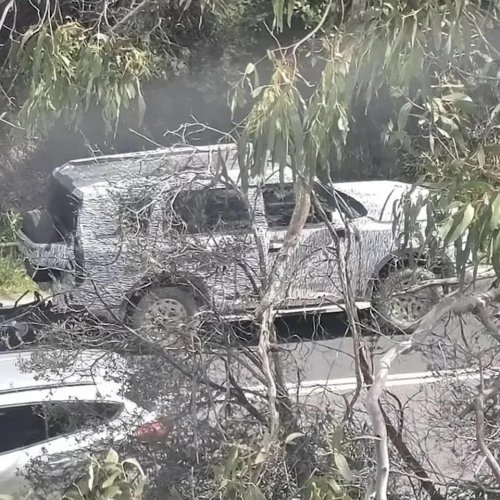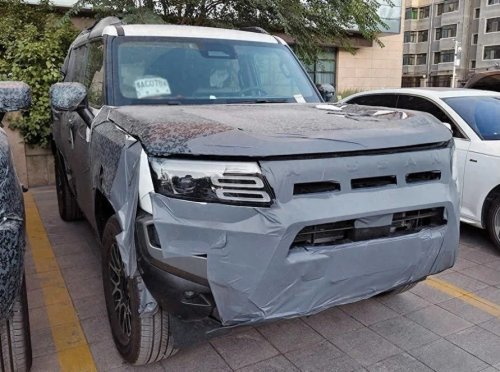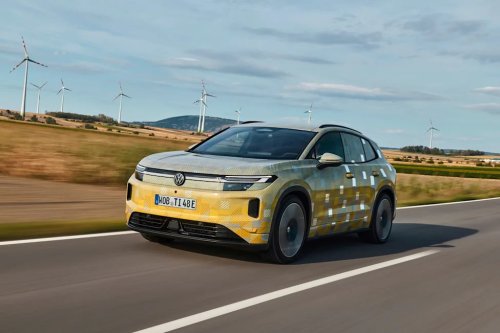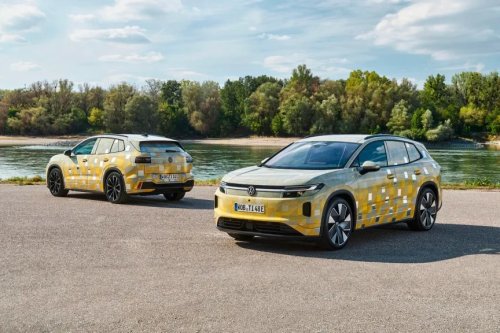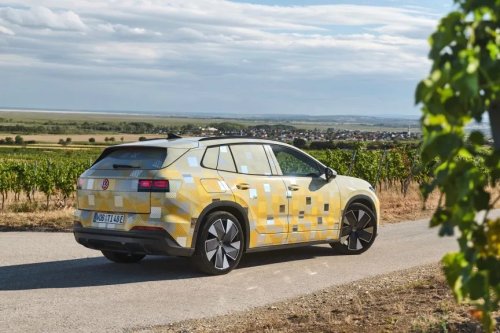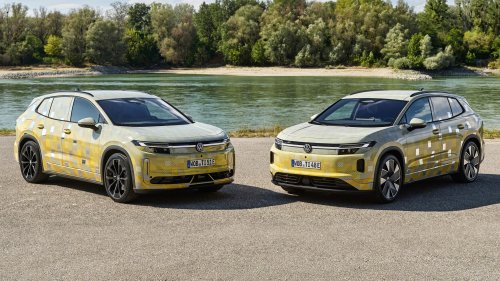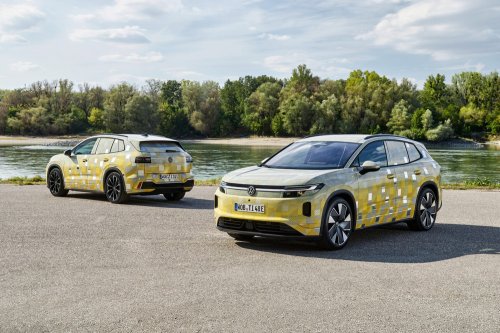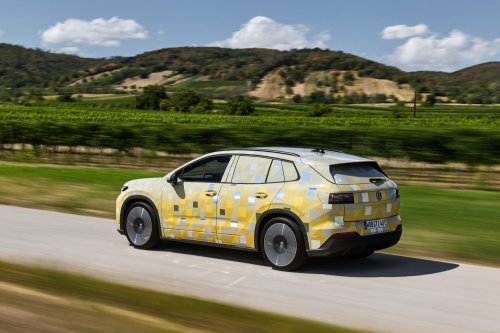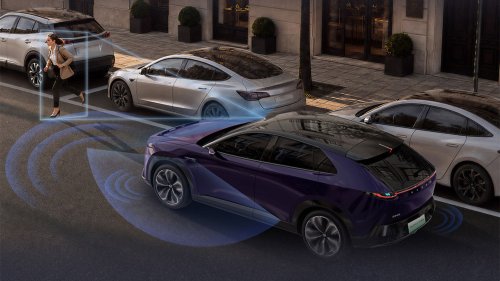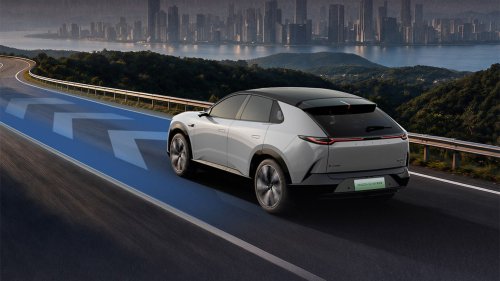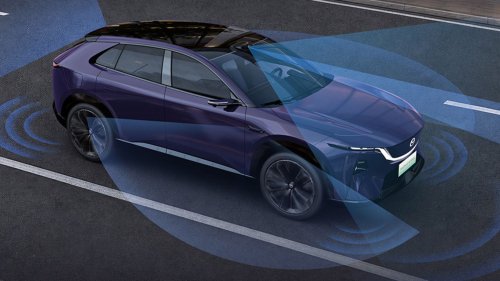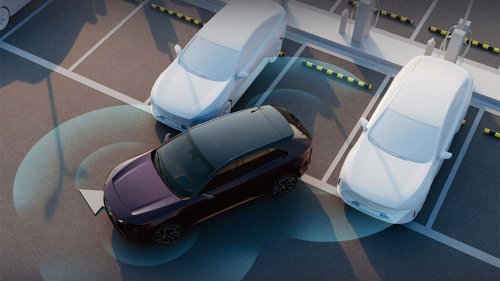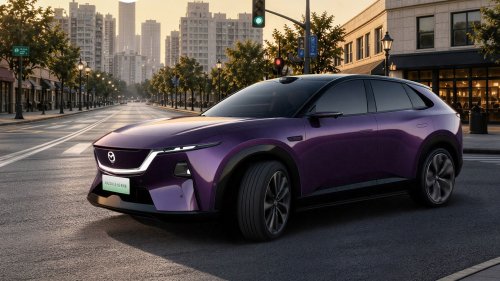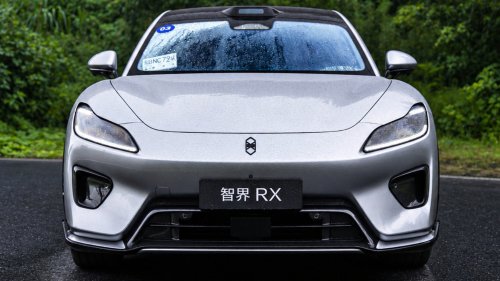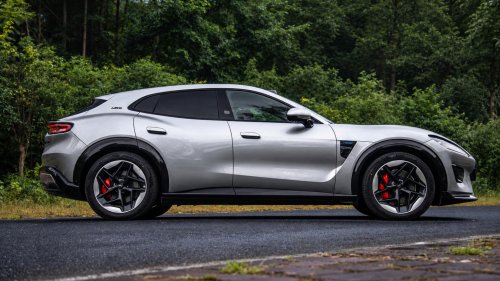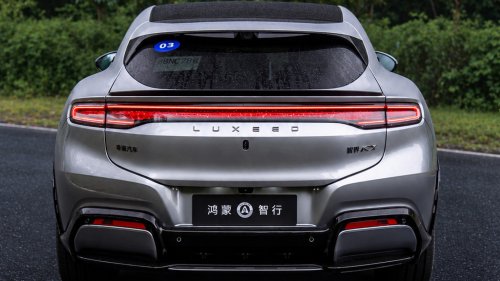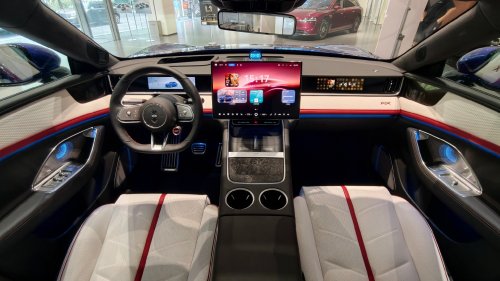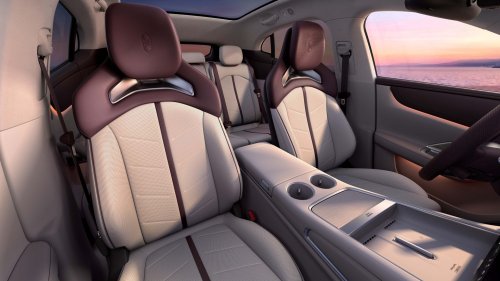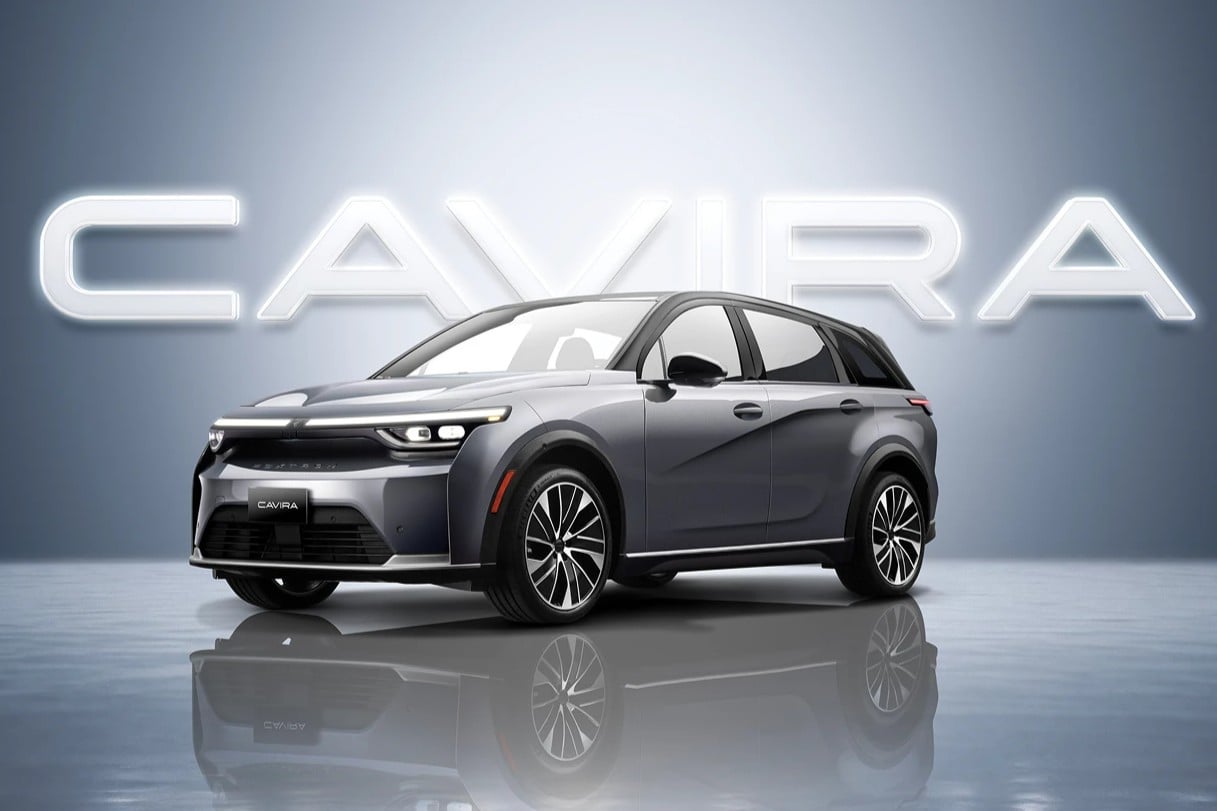



















Image: FoxtronThe new Cavira marks a strategically important evolutionary step for Foxtron, which was founded six years ago by Foxconn and partner Yulon Motor. The Foxtron Cavira is positioned as a mid-size SUV and is set to compete with the Tesla Model Y. However, it is 9.5 cm shorter, measuring 4.70 metres in length with a wheelbase of 2.92 metres. The two models also differ in design: while Tesla opts for a flowing, coupé-like roofline in the Model Y, the Foxtron Cavira features a more angular body, aligning it more closely with a traditional SUV silhouette, albeit with rounded edges.Technically, Foxtron is launching two variants at market entry, both equipped with an 82.7 kWh LFP battery. The entry-level version, called “Emerge”, features rear-wheel drive, delivers 186 kW, and offers a range of up to 578 km. For those seeking more performance, the “Pioneer” variant offers dual-motor all-wheel drive with a system output of 349 kW, accelerating from 0 to 100 km/h in 3.8 seconds. This version has a range of 538 km.Both variants support a maximum charging power of 175 kW, enabling a 10 to 80 per cent charging time of approximately 30 minutes at a high-power charging (HPC) station.Electric vehicle as an extension of the homeFoxtron CEO Li Bingyan said: “We are convinced that the electric vehicles of the future will not only serve as a means of transport but also as an extension of the home. Foxtron’s brand philosophy, based on technology, trust and mobility as added value, aims to create this value and develop products that customers can rely on — always with innovative technology as the foundation.”In line with this vision, the company has designed the interior to evoke a home-like atmosphere. The cabin is spacious, an intelligent climate control system ensures comfort, and the dual V2L (vehicle-to-load) functionality enables the use of household appliances, effectively turning the vehicle into a second home on the move.The driver is provided with a 15.6-inch portrait-oriented central touchscreen and a digital instrument cluster, while physical toggle switches for key functions retain a degree of tactile control. The extensive standard equipment includes modern driver assistance systems as well as comfort features such as a 12-speaker sound system, ventilated front seats and an integrated fragrance system.Foxtron has already opened pre-orders for the Cavira in Taiwan, with the official sales launch scheduled for 17 June 2026. The company has opened 18 showrooms in the country, where its first in-house passenger car model, the Foxtron Bria, which debuted at the end of 2025, is already on display. In the second half of the year, the Cavira is also set to go on sale in Australia and New Zealand, with further markets to follow.No longer just a contract manufacturerFoxtron’s decision to offer electric vehicles under its own brand represents a strategic shift. Since 2021, the company has presented several self-developed concept vehicles. However, these were primarily intended as reference models to showcase its technologies, platforms and manufacturing capabilities, with the aim of attracting international automotive manufacturers as contract manufacturing clients.However, progress with this approach has been slow. It was not until May 2025 that Foxtron secured its first customer for a joint electric vehicle project, namely Mitsubishi. This was followed by a joint venture for electric buses with Daimler Truck’s subsidiary Fuso.The newly unveiled Foxtron Cavira is based on an in-house reference design, the Model C introduced in 2021, but has been further developed to meet 2026 standards. A derivative of the Model C was previously available in Taiwan under the partner brand Yulon Motor’s “house label” Luxgen, marketed as the Luxgen n⁷. However, the Luxgen brand appears to have been discontinued.insideevs.com, foxtronev.com (product page), foxtronev.com (press release in Chinese)