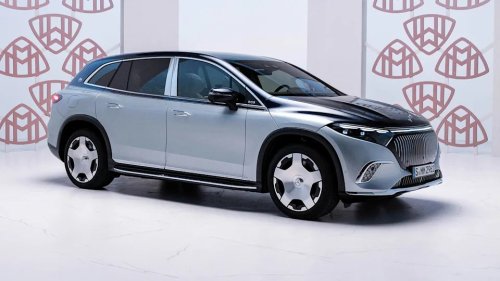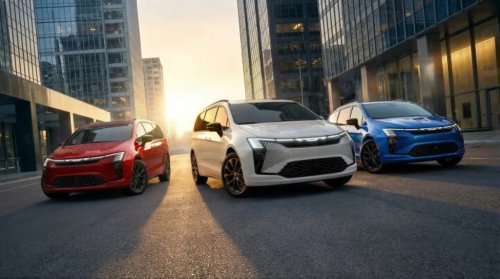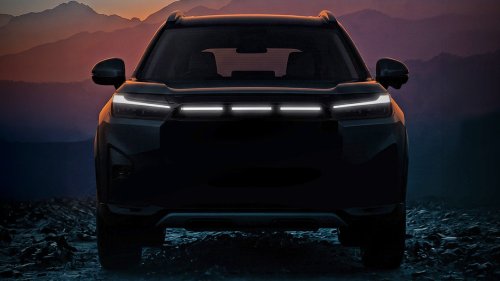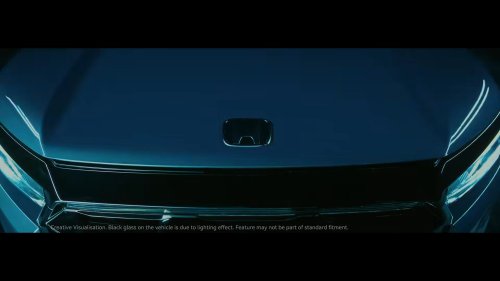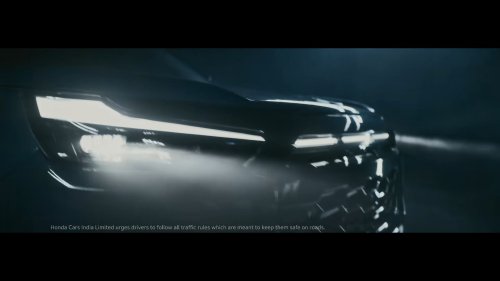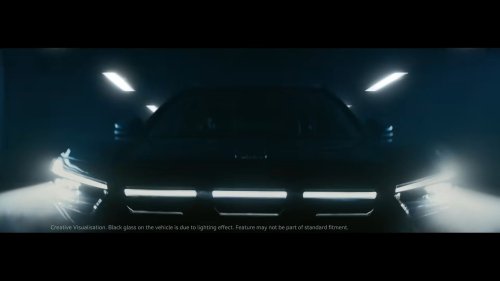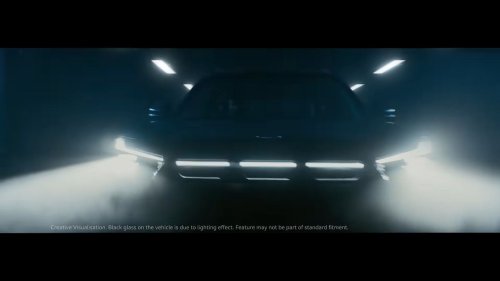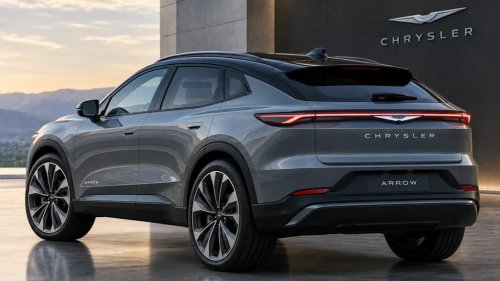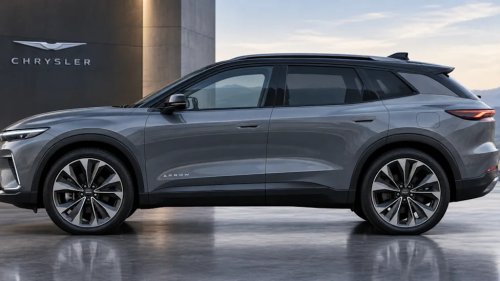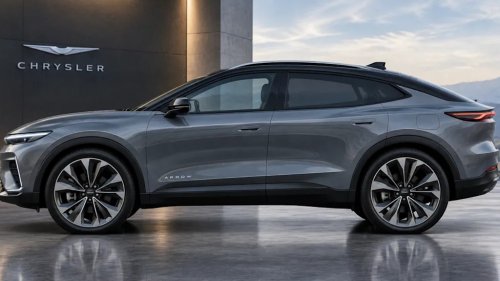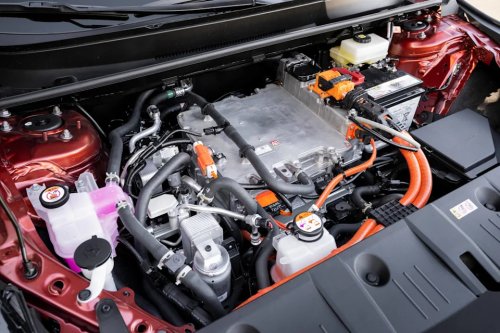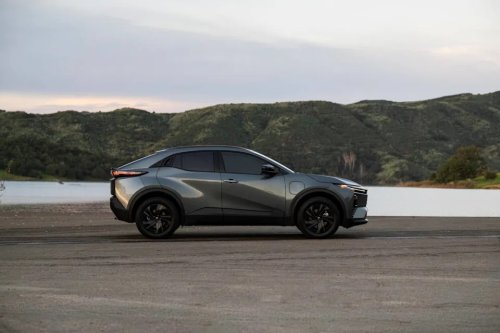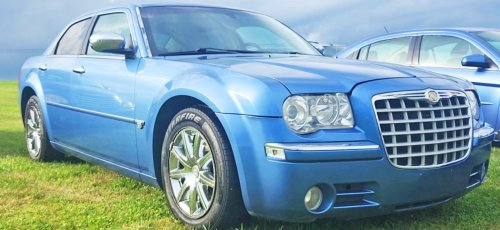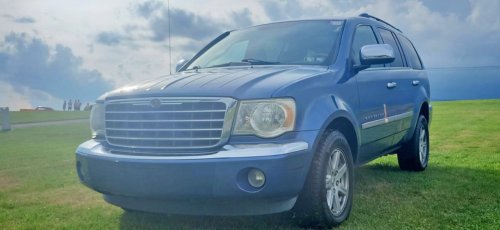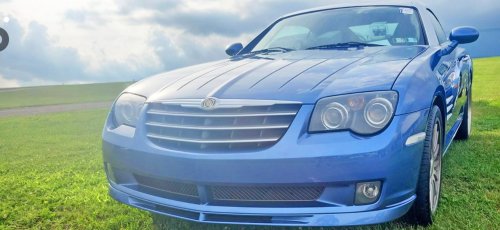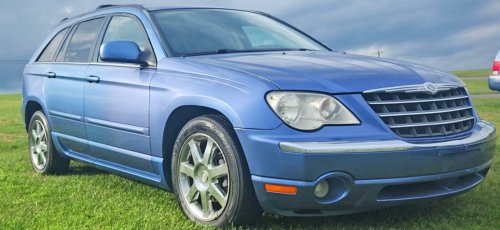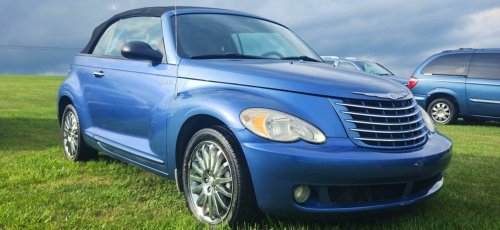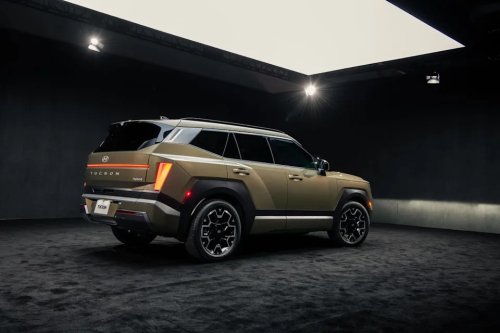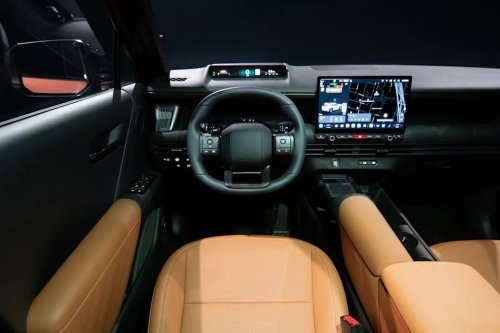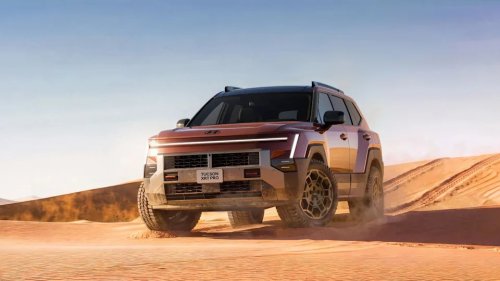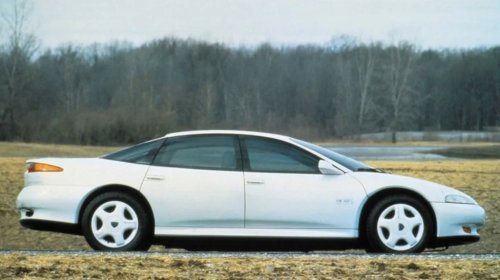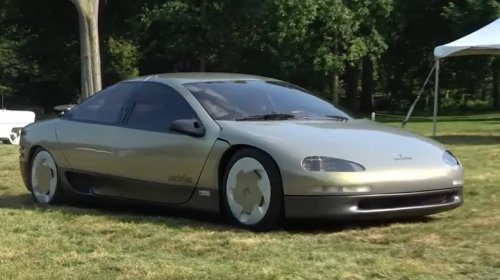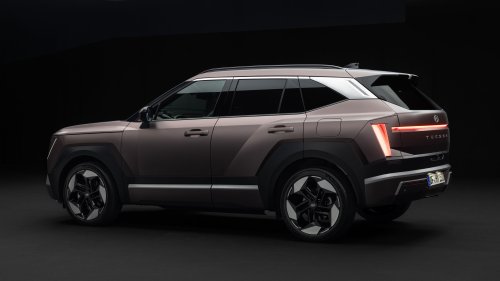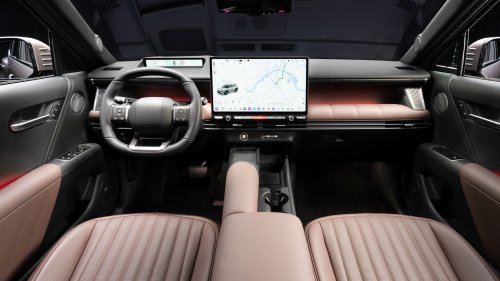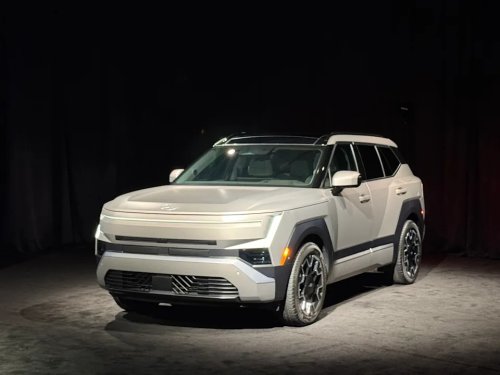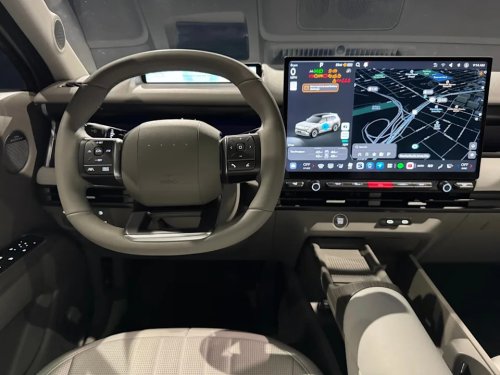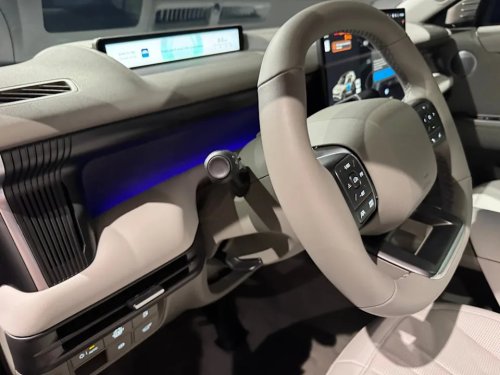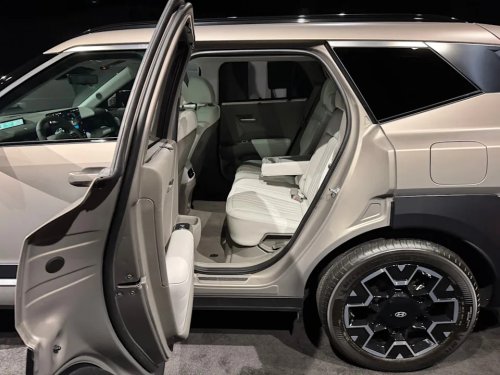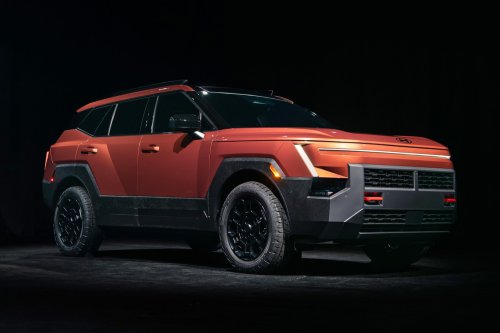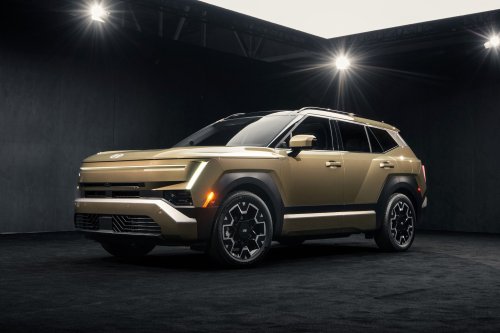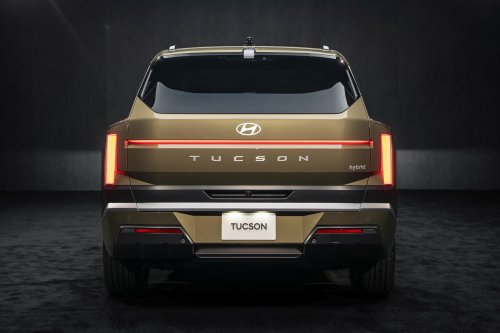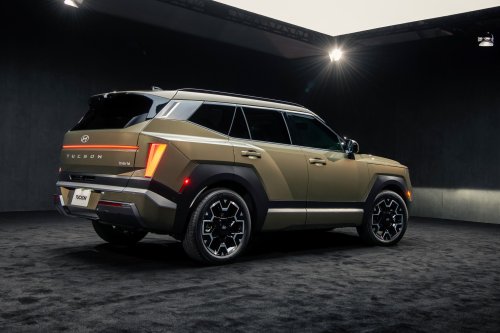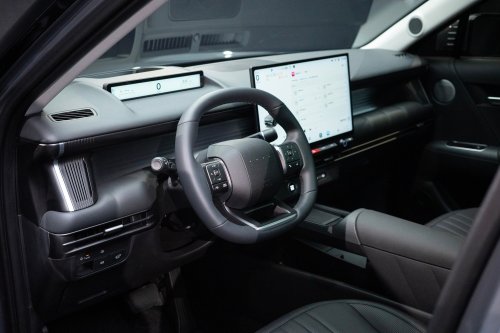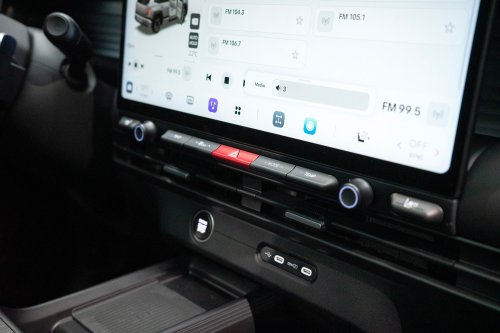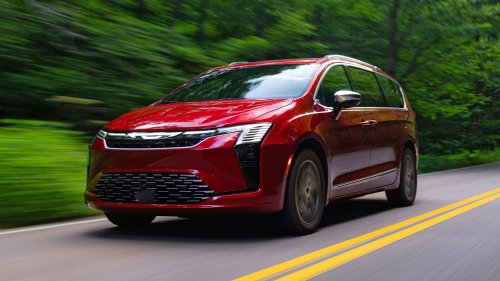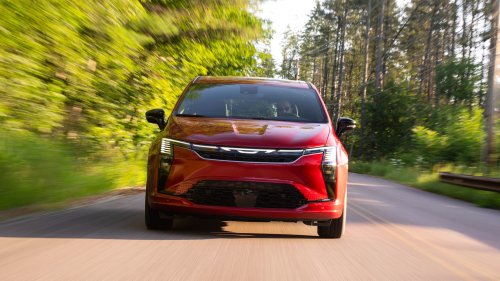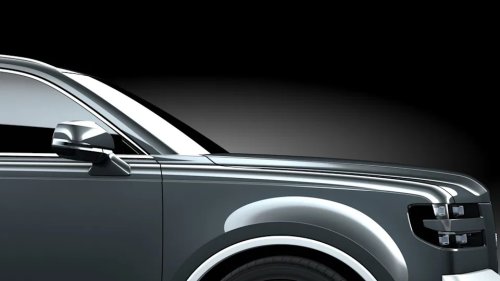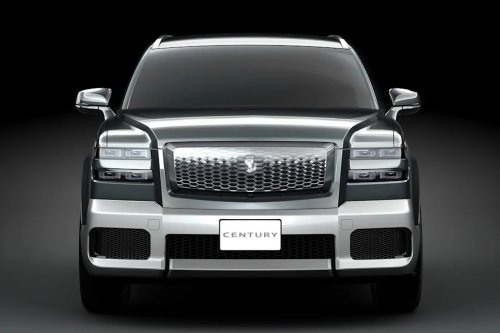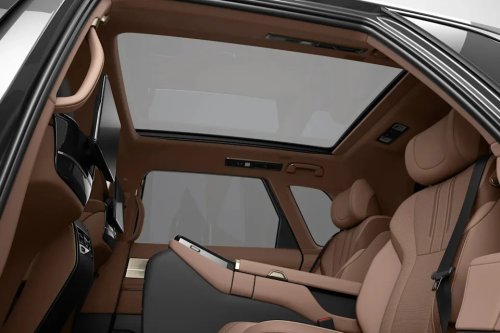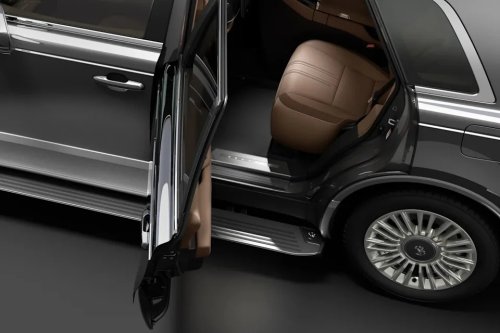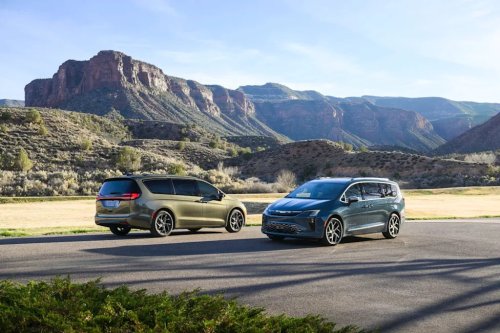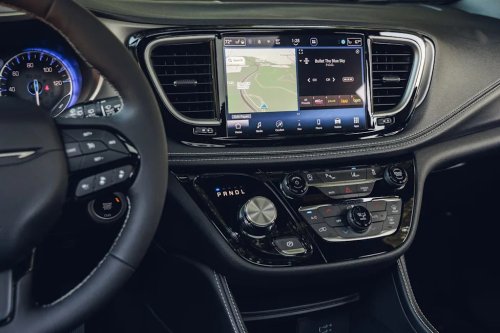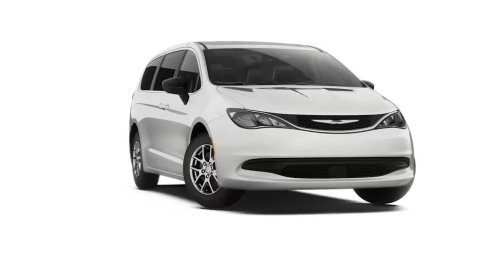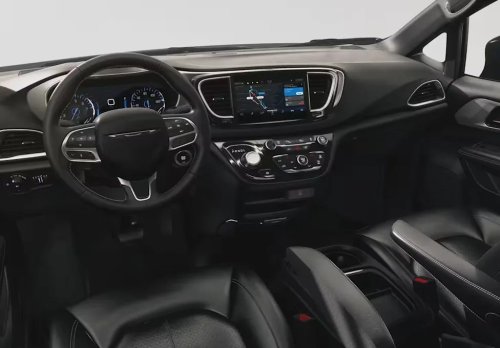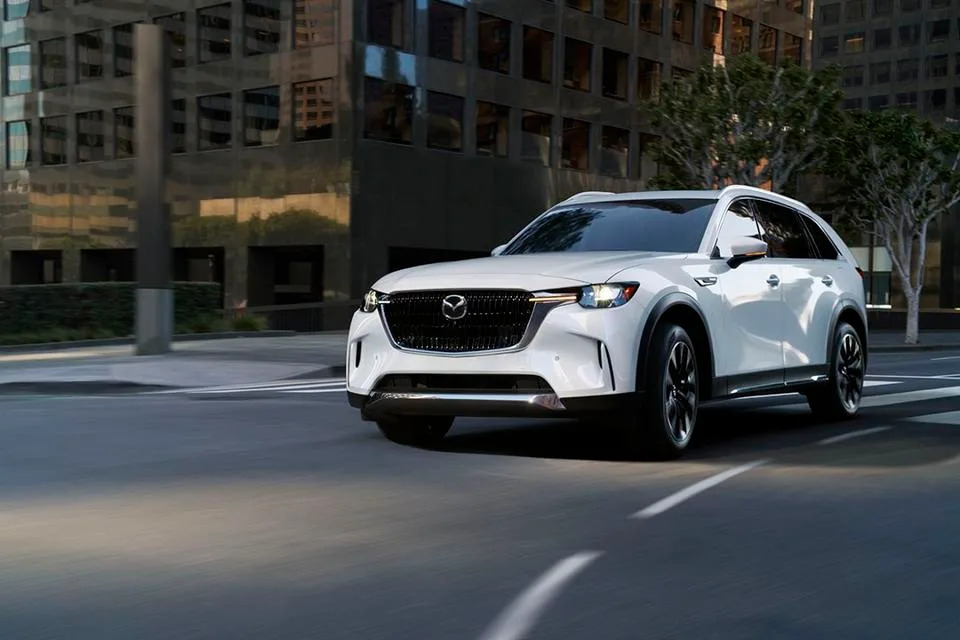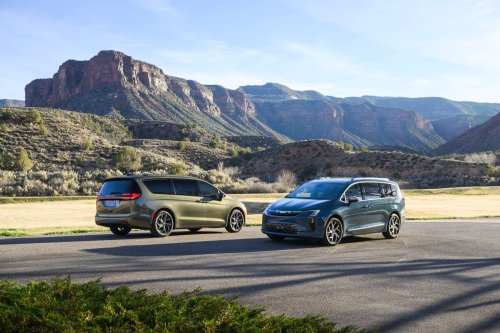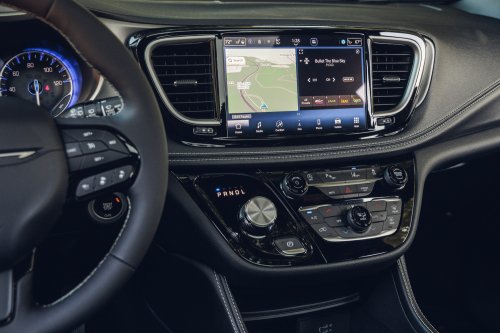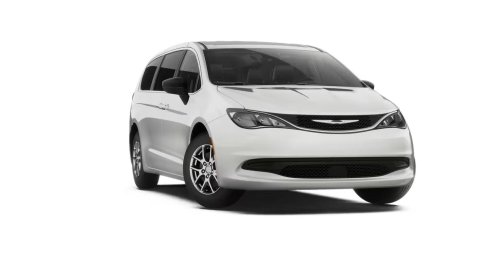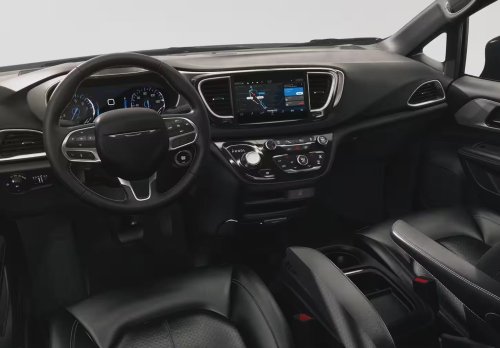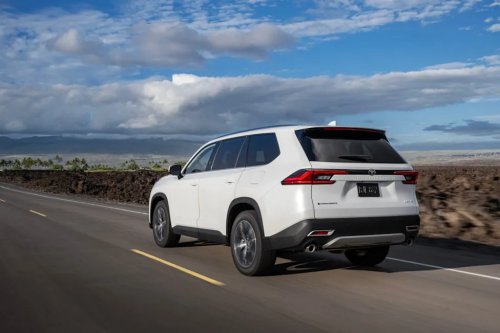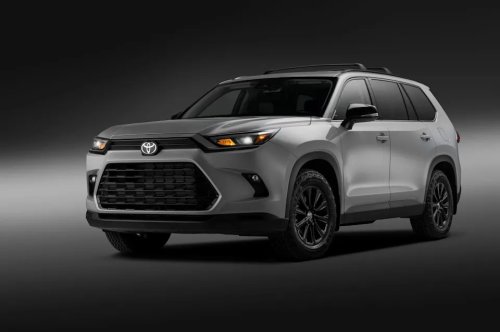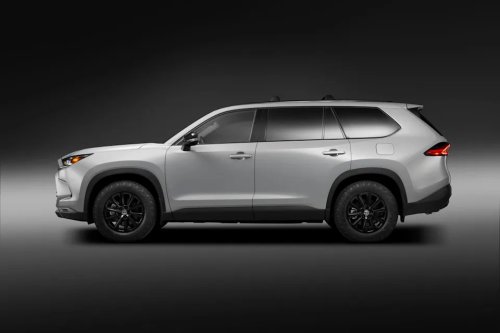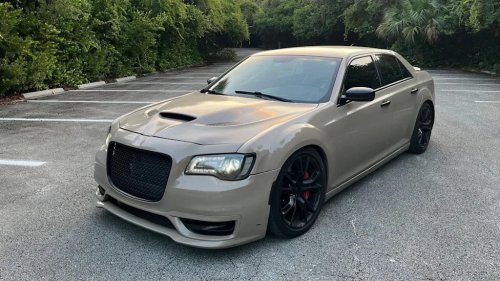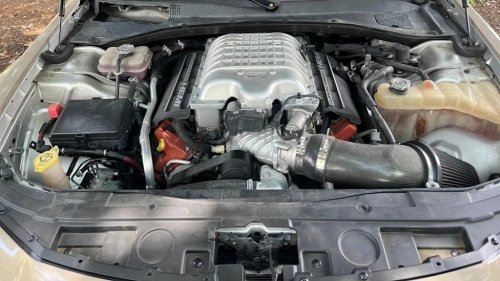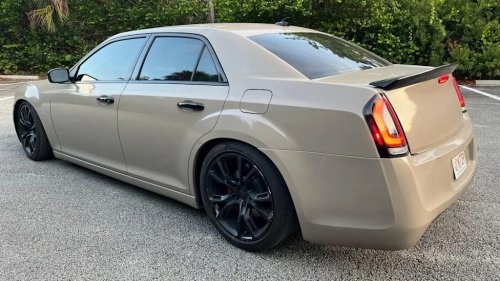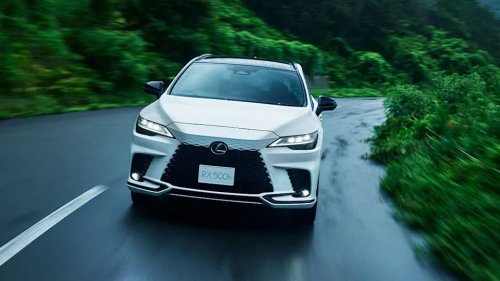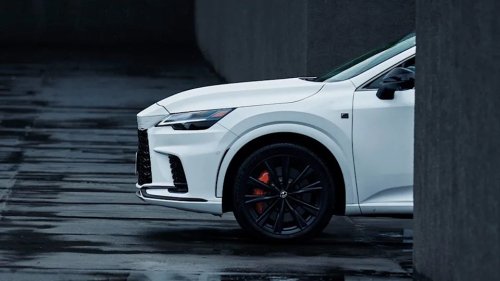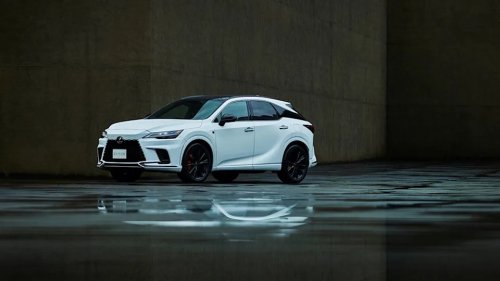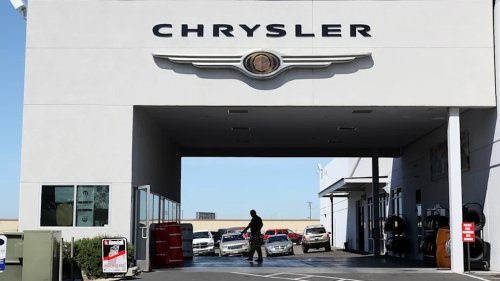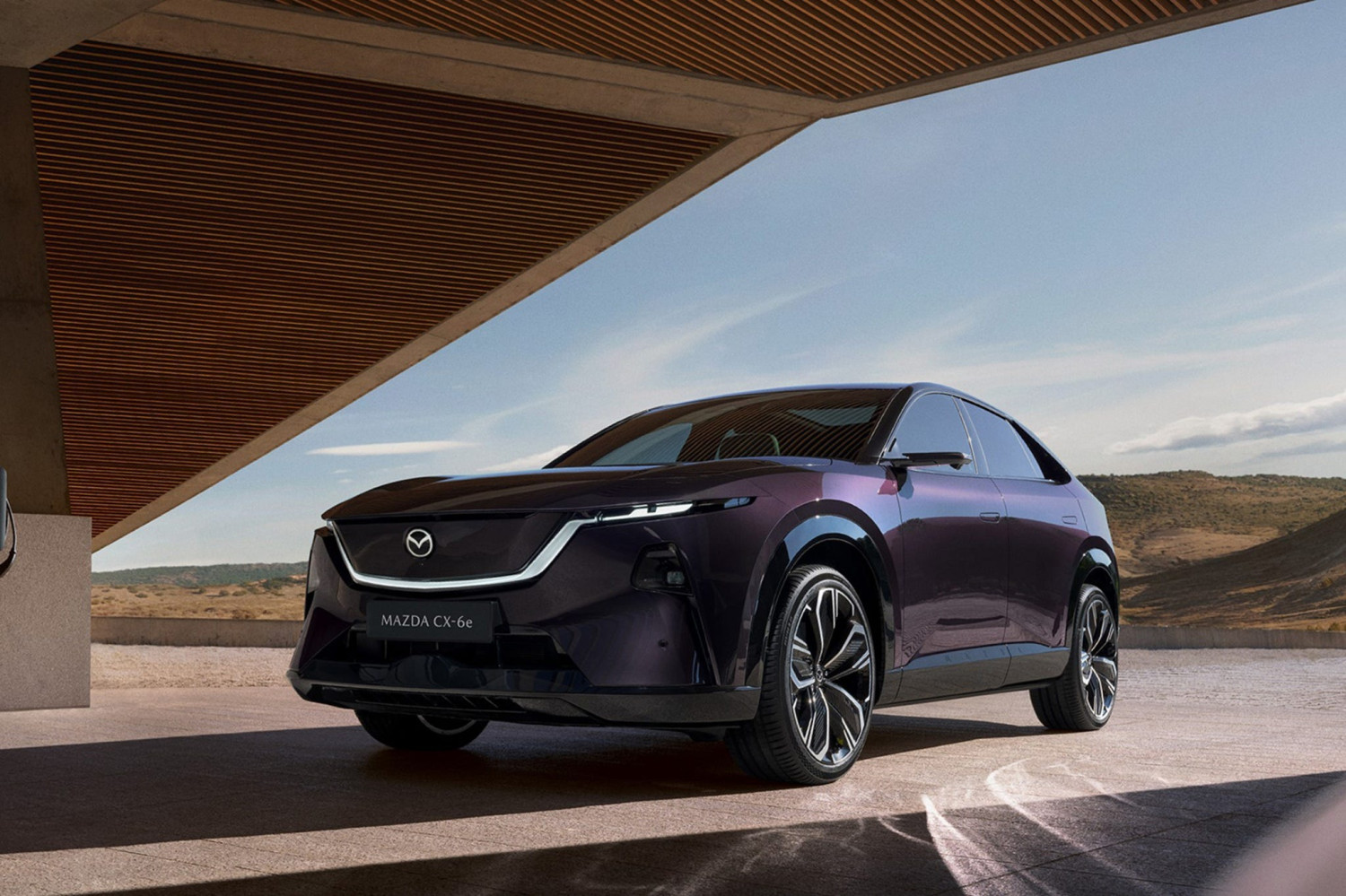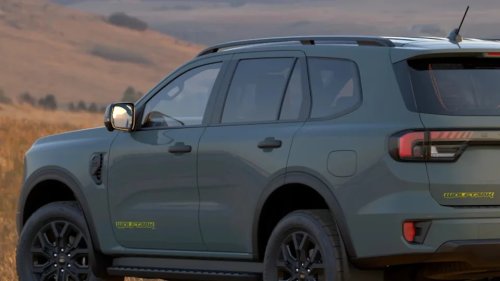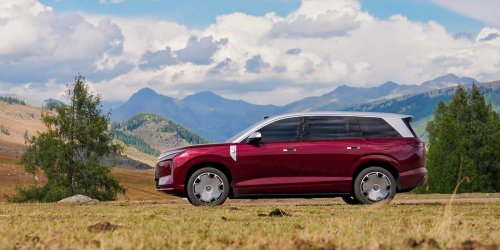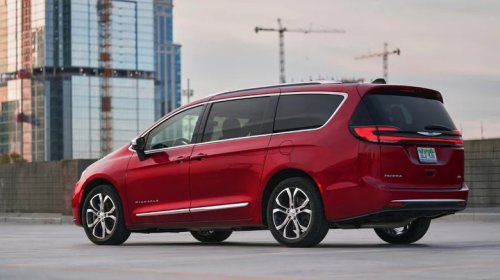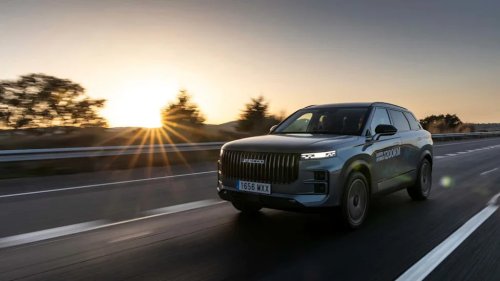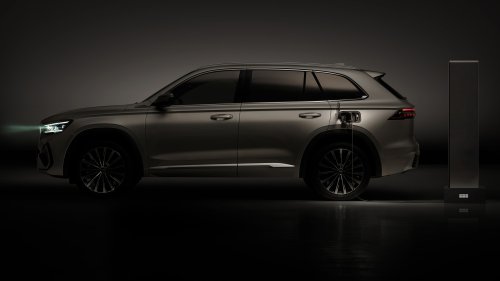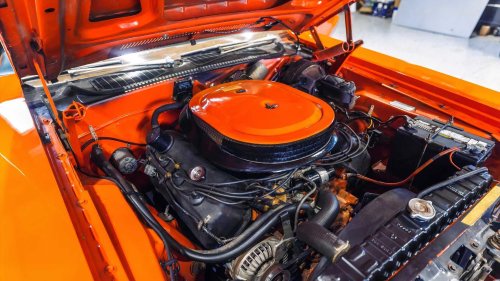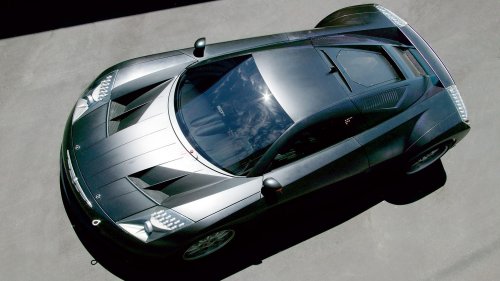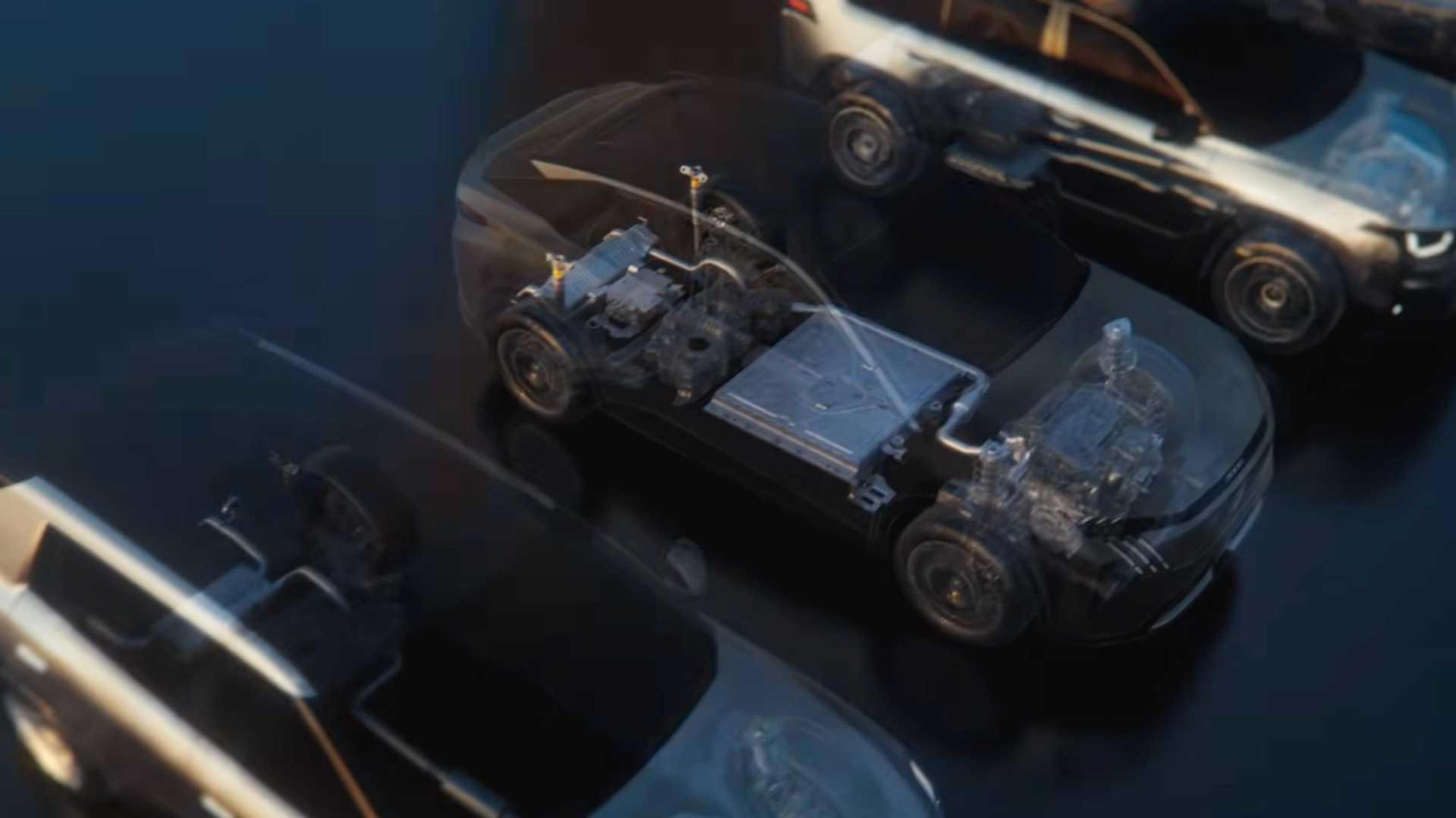


















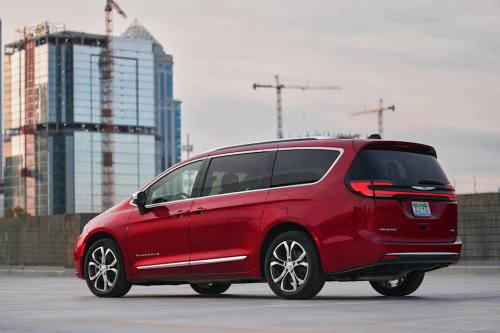
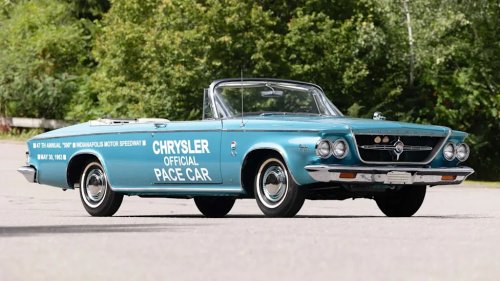
Chrysler just dropped teaser images of the Airflow SUV, and the stakes couldn't be higher for one of America's oldest nameplates. This isn't a routine product reveal — it's a brand-survival moment, and gearheads who grew up with the 300C, the Crossfire, and the LX-platform muscle cars have every reason to pay attention.The brand that once gave us a 425-horsepower Hemi-fed 300C and a rear-wheel-drive sports coupe in the Crossfire has spent the better part of a decade shrinking itself into near-irrelevance. The Airflow SUV is Chrysler's answer to that slow fade — and if it doesn't land, the nameplate's future looks genuinely bleak. What The Teasers Actually Show The official teaser imagery reveals a clean, upright SUV silhouette that reads more premium than anything Chrysler has shown in years. Early looks drew comparisons to the Jeep Cherokee's proportions, though the surfacing feels more deliberate — sharper creases, a more sculpted hood line, and a front fascia that hints at a distinct identity rather than a badge-engineered crossover.Powertrain details remain officially vague, but the teaser material suggests a combustion-powered base configuration, with hybrid and full EV variants reportedly in play. A Stellantis design preview earlier this year offered a broader look at the pipeline — Chrysler's Airflow was among the models flagged as part of a wave of new American-market product — and pre-reveal spy footage caught what appeared to be an undisguised combustion variant in a Stellantis powertrain video. Pricing speculation has centered on a roughly $40,000 entry point, which would position it squarely against mainstream three-row and mid-size SUV competition. What This SUV Has To Get Right Chrysler / YouTubeDesign distinctiveness is the first test. Chrysler's lineup has been functionally invisible for years — the Pacifica minivan has carried the entire brand — and the Airflow needs to look like something people actually want to park in their driveway. The teaser suggests Chrysler's designers know that. Whether the production version delivers on those proportions is the real question.Powertrain credibility is the second. Enthusiasts aren't expecting a Hellcat. But they are expecting something that doesn't feel like a compliance vehicle. If the combustion option is a detuned four-cylinder borrowed from a Jeep Cherokee, that's a problem. If Stellantis gives it a properly sorted inline-six or a hybrid setup with real torque behind it, the Airflow has a chance to earn respect beyond the minivan crowd. The hybrid and EV optionality is smart positioning — it keeps the door open for buyers who won't touch a pure ICE vehicle — but the base powertrain still has to stand on its own.Market positioning is the third piece. Chrysler's dealer network has contracted sharply over the past decade, and a mid-size SUV in the $40,000 range means going up against the Jeep Grand Cherokee, the Ford Explorer, and the Chevy Traverse — vehicles with established reputations and loyal repeat buyers. Chrysler needs a reason to exist in that space beyond price. The brand's heritage in premium American design — the 300's cab-rearward stance, the Crossfire's European-influenced coachwork — is a story worth telling again.