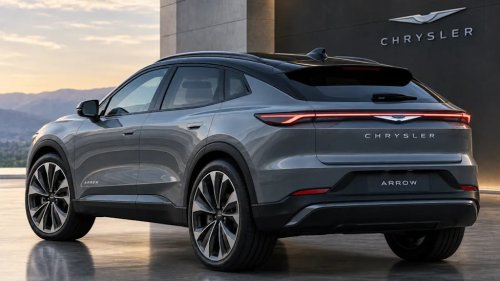
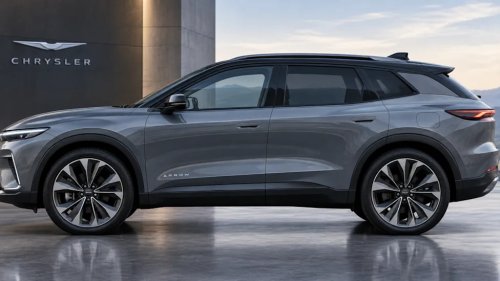
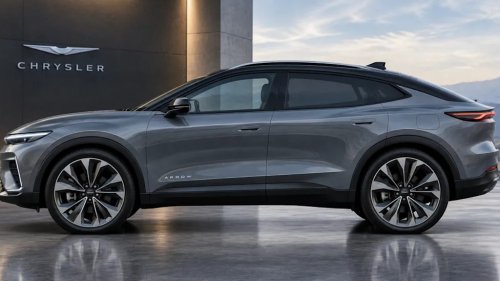
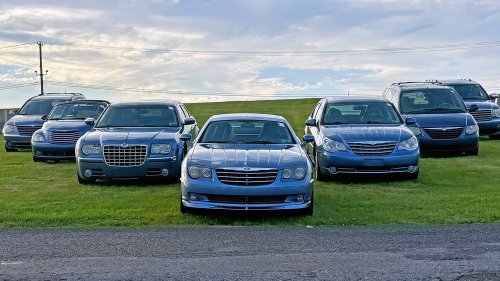
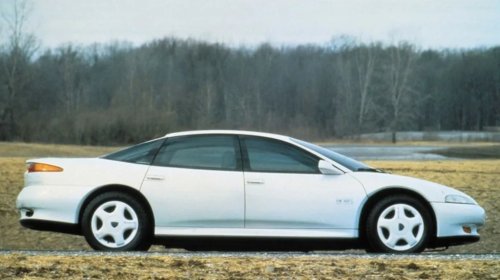
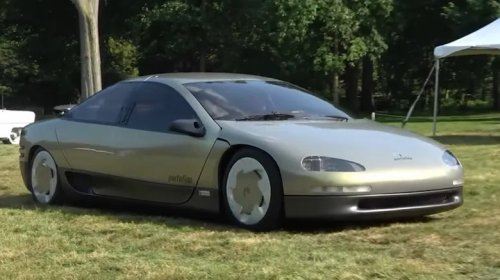
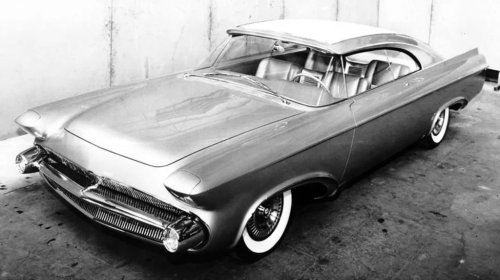
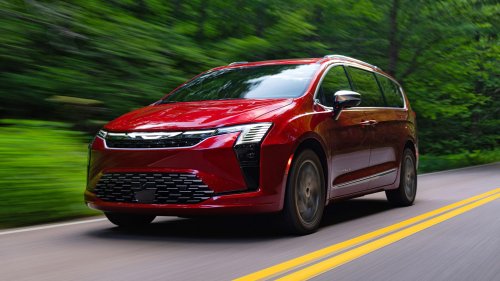
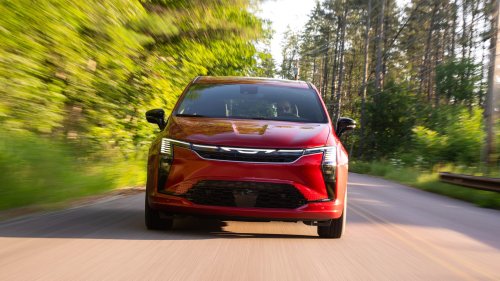
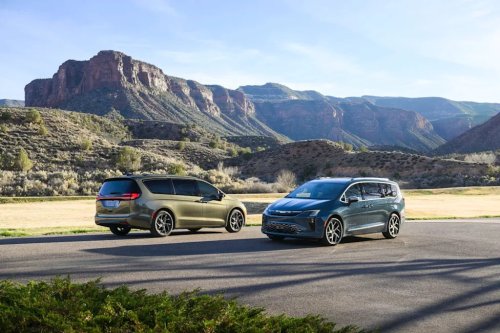
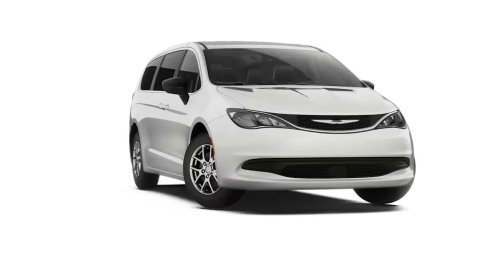
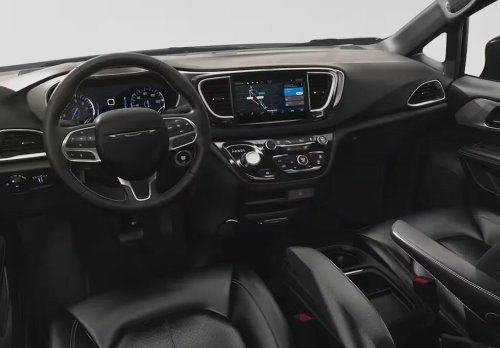
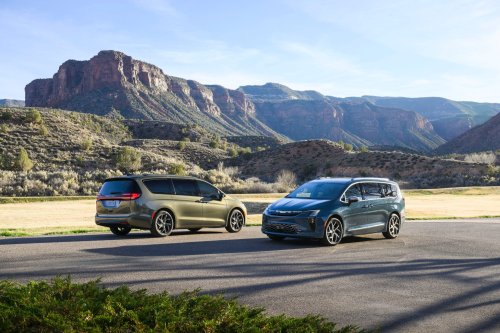
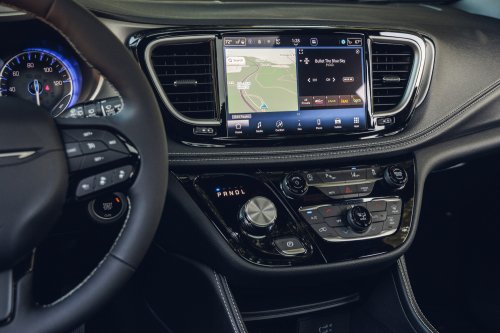
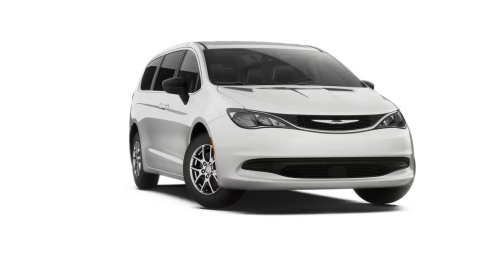
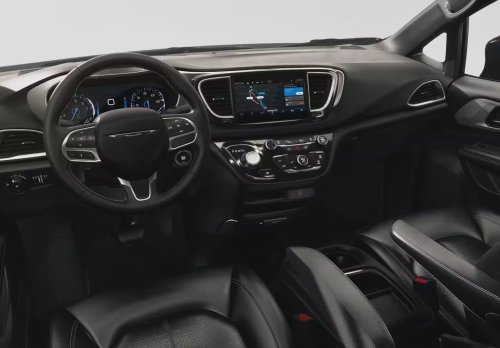
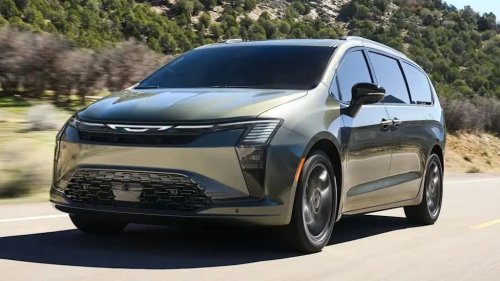
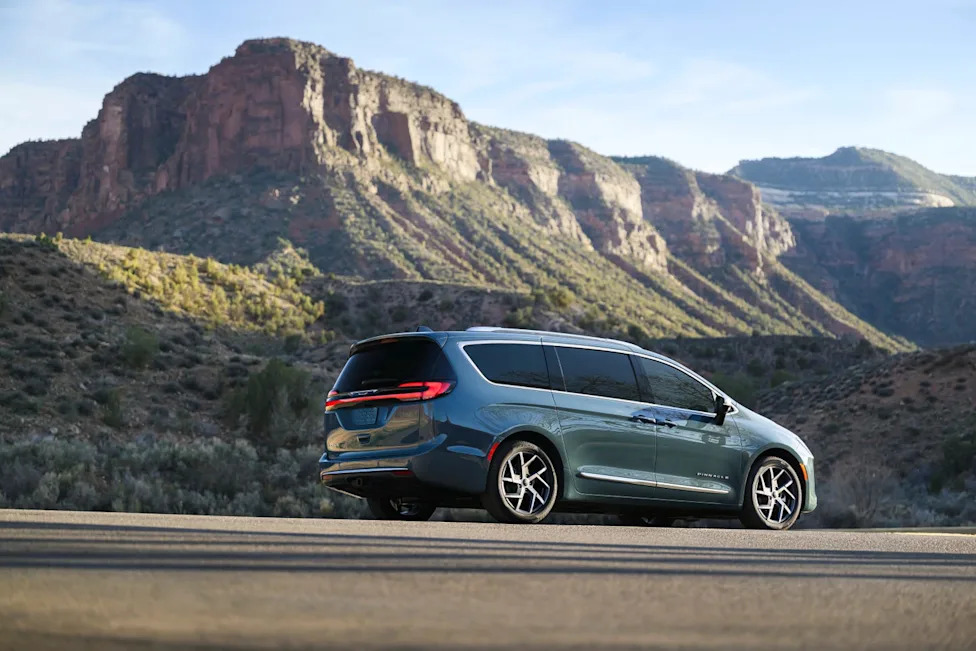
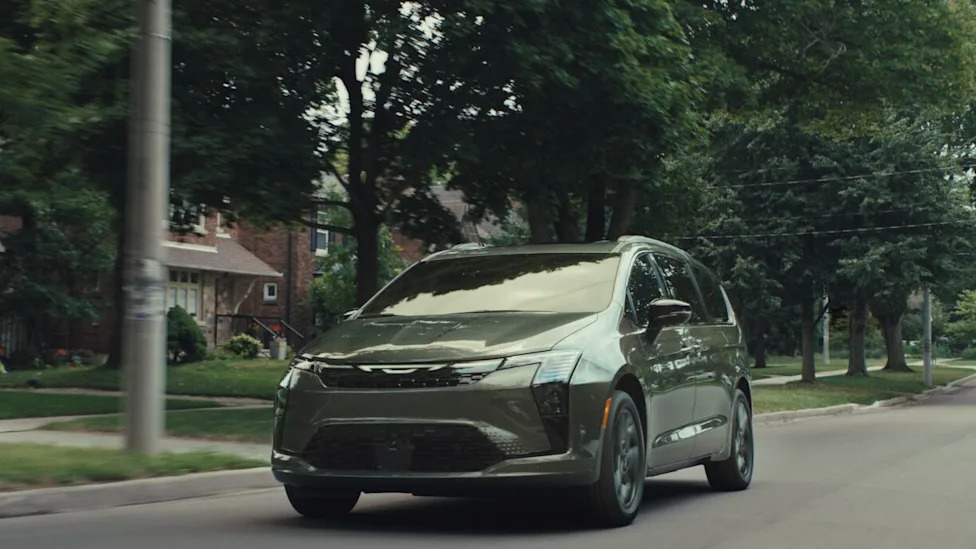
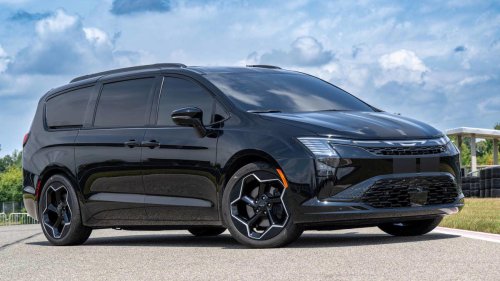
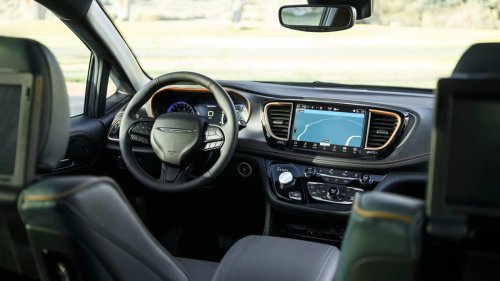
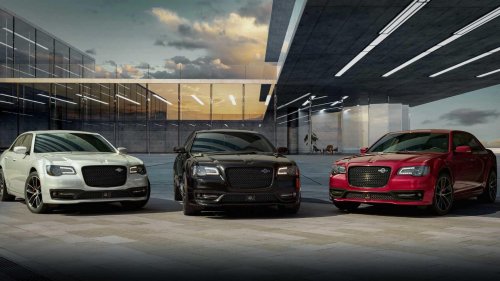
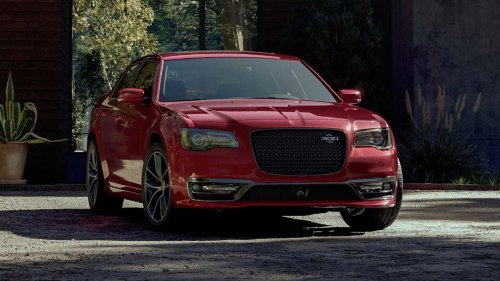
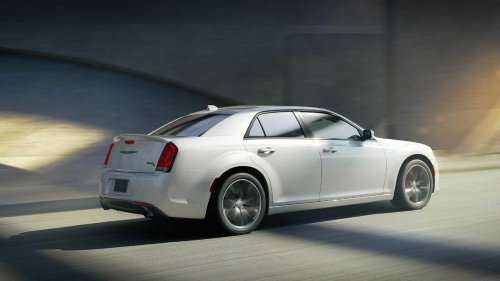
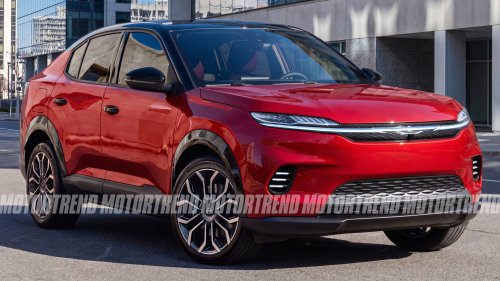
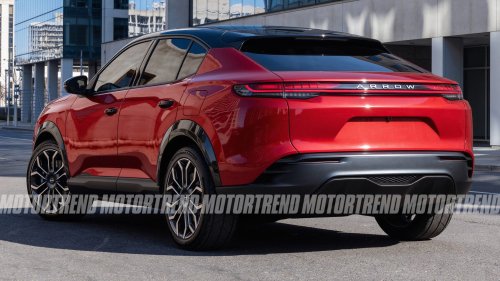
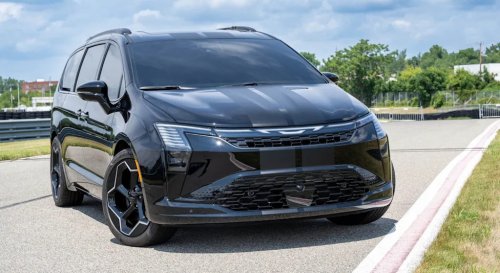
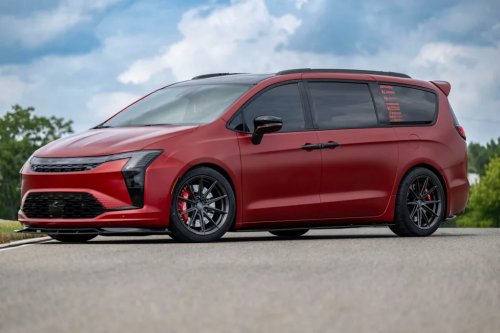
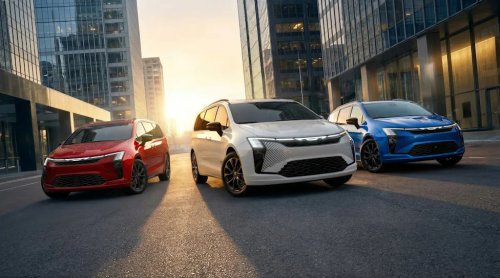
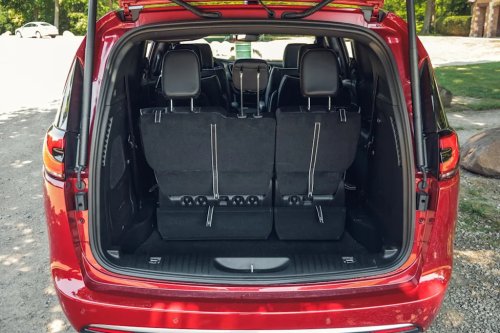
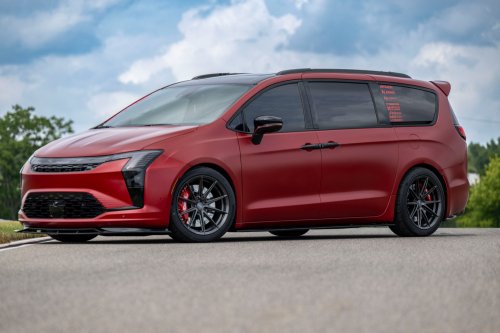
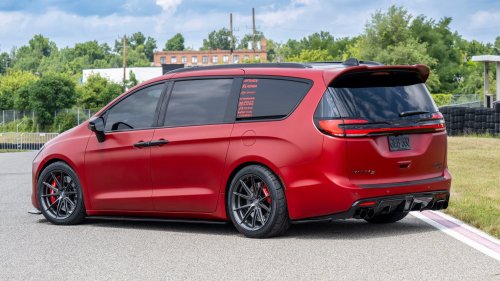
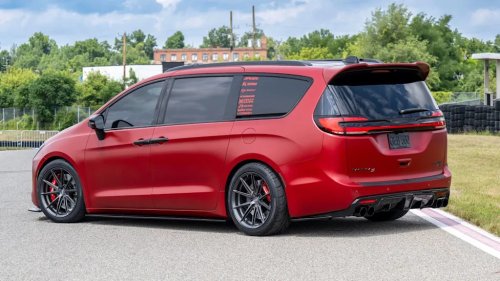
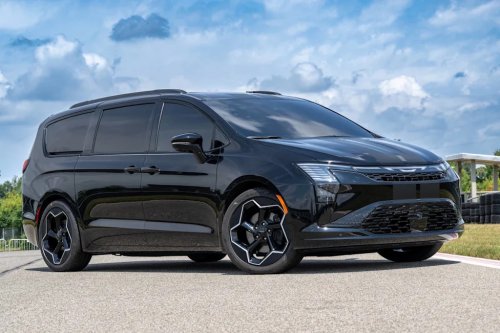
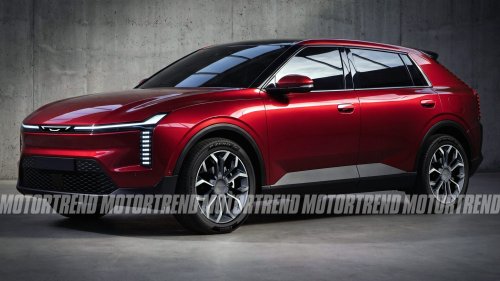
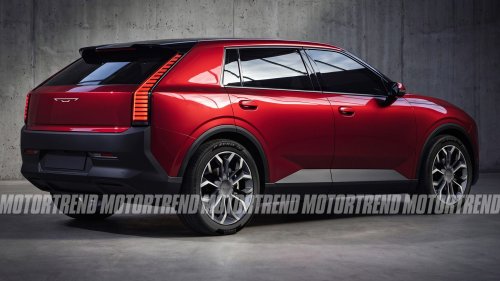
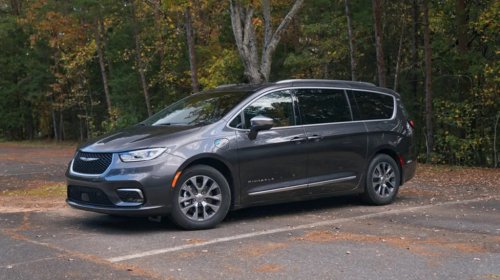
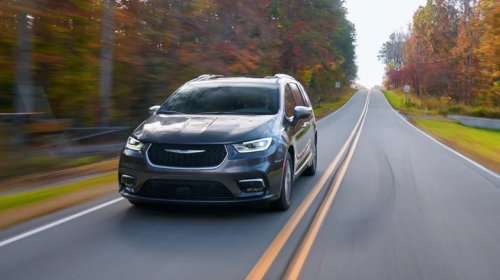
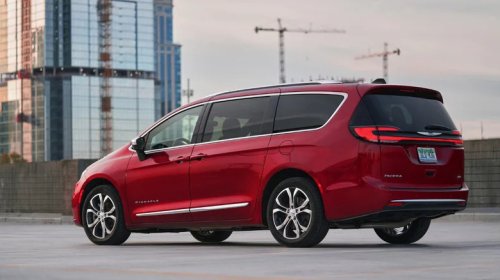
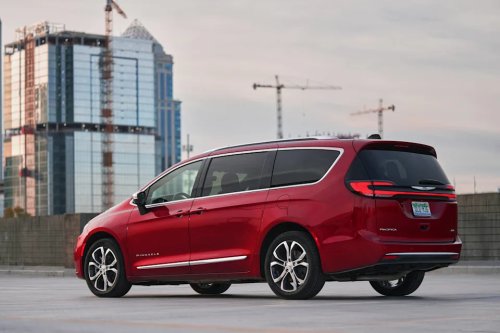
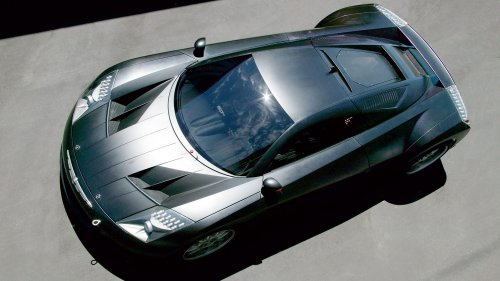
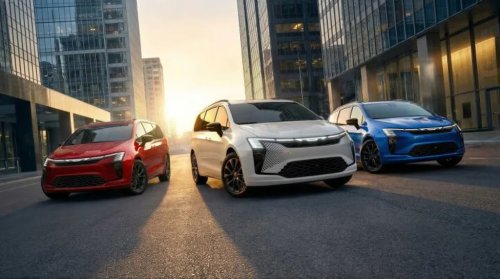
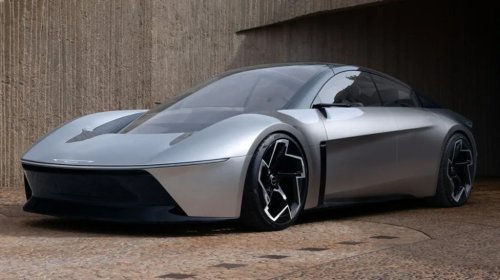
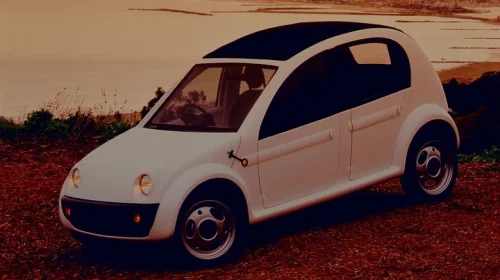
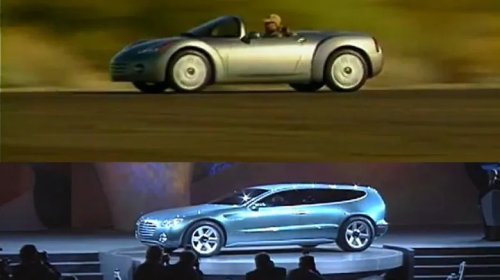
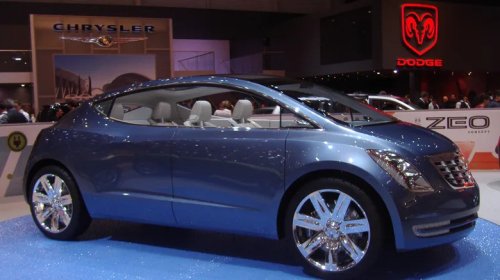
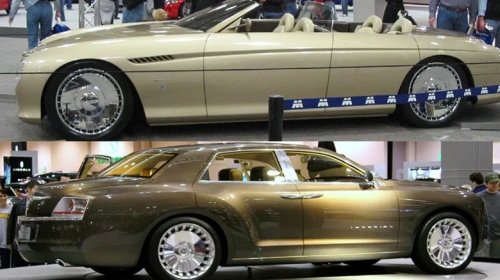
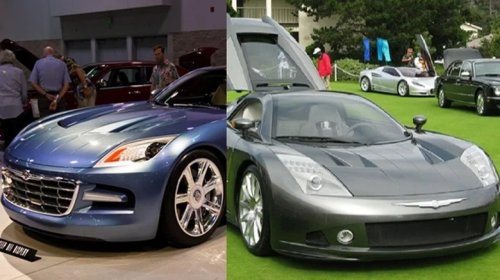
StellantisWatching the downfall of the once-great Chrysler brand over the last two decades has been truly mind-bending. With a name that's now over 100 years old, Chrysler was once one of the leading American automobile brands. In 2026 it offers exactly one car, a minivan that's been in production for a decade largely unchanged. Even as recently as two years ago it looked like it might have a future with some interesting concepts and a production-ready luxury EV. Not all that long ago I probably would have bet on Chrysler outliving Cadillac. Oh, how the mighty have fallen. We may never know the full story of the Chrysler brand's mismanagement and underwhelming performance in the post-auto-industry-bailout landscape, but I'm positive it's related to a clusterf**k of stupid decisions and a poor understanding of the customer's needs. With this much brand equity, history, and visibility, there's no reason for the company to be selling just one half-hearted vehicle. There's so much potential here, and it's being squandered straight into the ground. Even disregarding the two most recent Chrysler concept cars — the Halcyon electric super sedan pictured above and the Tesla Model Y-fighter Airflow that nearly made production — the brand has had at least a dozen opportunities to pivot and grow into something aspirational. There were opportunities to build halo vehicles, to build ultra-lux or sport-lux cars on par with the best of Europe. Chrysler could have been leading the charge on electrification. Chrysler could have had an early foothold in the Chinese market. Here are a few of our favorite missed Chrysler opportunities that might have saved the company from the dim fate it's living in today.AdvertisementAdvertisementRead more: 7 Of The Weirdest Cars Owned By Celebrities1998 Chrysler CCVStellantisChrysler had perhaps the biggest airball of its existence almost 30 years ago when it could have swooped in and dedicated itself to building inexpensive but profitable small cars for the budding Chinese auto industry. The China Concept Vehicle (later retconned to Composite Concept Vehicle) of 1997 was something of a throwback to the incredibly inexpensive cars trickling out of Europe following World War II, like a semi-modern Citroën 2CV (get it, CCV, two Cs and a V?). The idea with this car is that it had so few components and required so few workers that it could clear the production line in just six hours (compared to a contemporary Neon's 19-hour process), it could be built in a plant just 10% the size of Chrysler's standard plants, and for just 20% of the cost of a traditional-build automobile. Made of bonded recycled plastic on a stamped-steel floorpan and powered by a front-wheel-drive Briggs & Stratton two-cylinder, this would have been an incredibly cheap and easy-to-build car, making money on massive volume instead of huge profit margins. Asia's growing industrial economy was in desperate need of hundreds of thousands of cheap cars, particularly for China and India. Drivers would be upgrading from tiny scooters, and Chrysler aimed for this to be the next stage of development. When Daimler and Chrysler merged, the project was shelved and the opportunity had already passed. AdvertisementAdvertisementIf Chrysler had been among the first American brands to start building cars in China, it might have learned a thing or two about the future of the industry instead of sitting on the sidelines. Maybe Chrysler would have become the grand success in China instead of China itself. Or maybe it would have learned the wrong lessons and failed anyway.1998 Plymouth Pronto Spyder and 1999 Chrysler CitadelMen and Motors, top, and King Rose Archives/YouTubeIn the late 1990s, Chrysler was killing it on concept design. This one-two punch of hybrid performance luxury wagon and compact two-seater sports car would have pushed Chrysler into a position to rival Porsche and Mercedes-Benz with advancements in modern technology and go-fast goodies. America has never really made an affordable mid-engine sports car to match that of the Boxster, and a good fast highway wagon has always been the kind of thing Germany hangs its hat on. Could Chrysler have swung for the fences and beaten Germany at its own game?Let's start with the Boxster-fighting Pronto. When Porsche launched the Boxster in 1997, it was far and away the most successful model in the brand's long history, selling 55,705 cars in the first year. With recycled composite bodywork (similar to the CCV's) and a 2.4-liter turbocharged 225-hp engine, the 2,700-pound car would have been dynamically quite similar to the Porsche newcomer. While the Pronto Spyder was developed under the Plymouth brand and was killed off with the brand in 2001, another model intended for Plymouth was eventually sold under the Chrysler name as a smash success, the retro-styled PT Cruiser.Similarly, the Chrysler Citadel concept was a strikingly beautiful oddball hybrid wagon way ahead of the curve. With tall wagon proportions, Chrysler dubbed this vehicle a hybrid-hybrid, as it blended wagon and sport utility form factors, giving us an early view at the crossovers that now dominate the automotive landscape. The other "hybrid" in the name hinted at the power train, as Chrysler worked with Siemens to combine a 70-horsepower electric motor on the front axle with a rear-drive 3.5-liter V6 making 253 ponies. Chrysler said this car would provide V8 performance with the economy of a small six.2008 ecoVoyager ConceptEl monty/Wikimedia CommonsAdvertisementAdvertisementWith billions of dollars of investment from the federal government, Chrysler developed its ENVI division to experiment with emissions and fuel economy improvements. The 2008 Detroit auto show would prove a big deal for Chrysler as the tipping point for the global financial crisis was still mere months away. The ecoVoyager was never intended for production, but it explored the future of electric propulsion with an electric motor powering the diminutive potential Prius-beater for about 40 miles. Because of lithium batteries' lack of energy density and massive expense, Chrysler experimented with range-extended EVs, adding a hydrogen fuel cell to boost range to over 300 miles. Obviously we know now that hydrogen was basically a dead-end technology, but back in the optimism of early 2008, this was a maybe-someday kind of car. If Chrysler had committed to a gasoline or diesel range-extended EV in the days before the Nissan Leaf or Tesla Model S launched, it could have been a world-beater in future propulsion tech. Consider, if you will, that Toyota has sold an estimated 7 million Priuses since the model bowed in 1997. Perhaps Chrysler could have had a piece of that pie, or even taken most of it by building a better car.Just months after unveiling the ecoVoyager, in order to receive $12.5 billion in taxpayer-funded bailout, Chrysler promised to build 500,000 electric-drive vehicles by 2013. Shortly after receiving the bailout money, Chrysler disbanded the ENVI division and all of its battery-vehicle and plug-in-hybrid efforts were killed alongside it. These days the company doesn't even offer a plug-in variant of its only remaining model. 1997 Phaeton Concept and 2006 Imperial ConceptOld Guard, top, and Michael Hicks/WIkimedia CommonsA couple of times, Chrysler has tried to play with its legendary history in luxury automobiles. Particularly between the 1930s and '50s, Chrysler was among the world's greatest luxury automakers, and decades removed the brand entertained the idea of once again fighting with the best of the best. Tom Gale's 1997 Phaeton concept was one of the best looks at what could have been, featuring a massive V12 engine and slick four-door cabriolet nostalgia bodywork. Once Chrysler started to find its footing with the so-called "baby Bentley" 300C sedan, the 2006 Imperial concept pushed the brand to look at what an ultra-lux Chrysler might be. Starting with the Phaeton concept, Chrysler envisioned what opulent luxury might look like in 1997. With a unique dual-cowl interior layout and a gorgeous long-wheelbase design, the Phaeton was a callback to American pre-war luxury touring cars. The 5.4-liter V12 was developed by fusing two of Chrysler's 2.7-liter V6s into a 425-horsepower monster. There's no telling how expensive it would have been, but it certainly could have put Chrysler on the map. AdvertisementAdvertisementThe Chrysler Imperial concept was such a no-brainer for Chrysler to build in 2006, the fact that it never made production is baffling. Since it was essentially a gussied-up long-wheelbase Chrysler 300C, the company had all of the parts in its bins to make this one a production car. Even though Chrysler said the car would not be aimed at millionaires, allowing average Joes to reach for Chrysler luxury, it would have made even more sense to push this further upmarket. The mid-2000s were about ostentatious levels of conspicuous consumption, and I reckon the winged brand would have sold these like proverbial hotcakes. Chrysler Firepower and ME Four-TwelvePat Durkin, left, and pingping/Wikimedia CommonsChrysler is sometimes credited as having created the first muscle car with the C-300 coupe in 1955, when it shoved the FirePower 331-cubic-inch Hemi under the hood of its small car and sent it off to race in NASCAR, where it walked the competition. So why shouldn't Chrysler be known for high-performance luxury hardware? The company has barely made a notable performance car in the decades since, but it has dabbled a couple of times with a higher-horsepower calling, particularly with the Firepower and ME Four-Twelve concepts of the mid-2000s. The 2004 ME Four-Twelve concept, so named for its mid-engine layout and quartet of turbochargers on a Mercedes-Benz-sourced 12-cylinder engine, was among the most exciting things to come out of Detroit in decades. Being both lighter than Volkswagen's then-new Bugatti Veyron and a superior power-to-weight ratio to McLaren's vaunted F1, it really seemed like America could get back on top of the performance game. The car was basically ready for production, but a last-minute cost analysis put the lid on it before it could be. Would the Corvette ZR-1X today be as awe-inspiring if Chrysler had beaten it to the American hypercar punch 20 years prior?For 2005 the ME Four-Twelve's designer, Brian Nielander, had another home run up his sleeve in the Firepower concept. Taking its name from the legendary Hemi engine that started it all, this Dodge Viper-based concept ditched its platform-mate's V10 engine for a 6.1-liter Hemi V8 with 425 horsepower and 420 lb-ft of torque. The Firepower was headed for limited production, but in December 2006 the project was shelved.AdvertisementAdvertisementChrysler has had so many opportunities to reinvent itself and, judging by the state of the brand today, has squandered them all. Want more like this? Join the Jalopnik newsletter to get the latest auto news sent straight to your inbox, and follow us or add us as a preferred search source on Google.Read the original article on Jalopnik.


















 +17 others