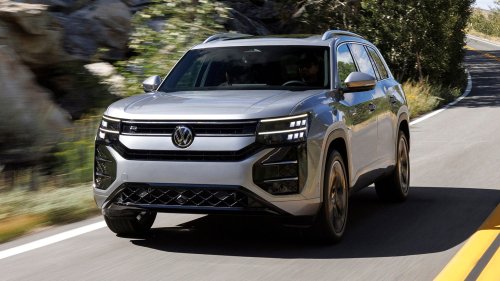
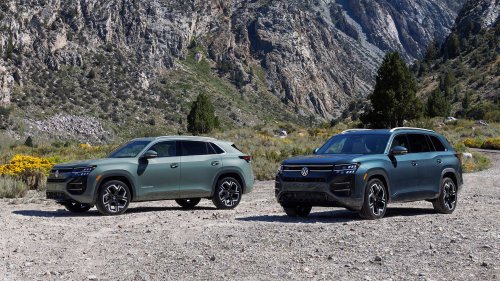
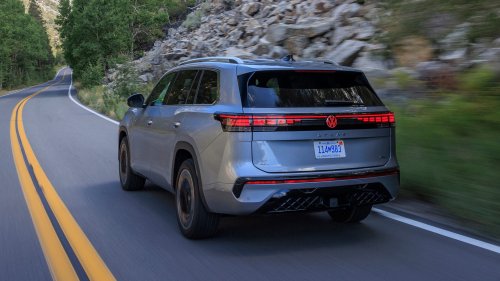
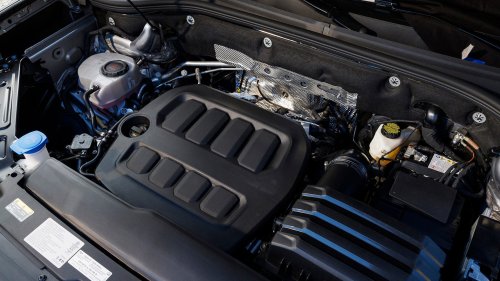
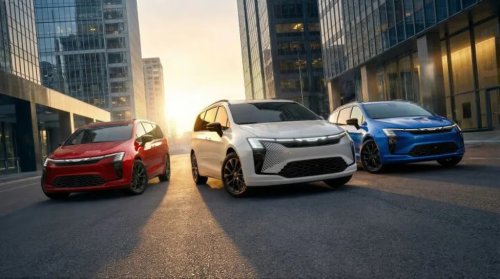
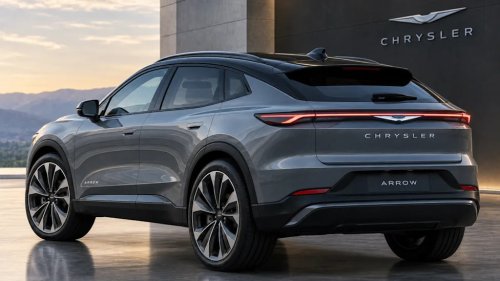
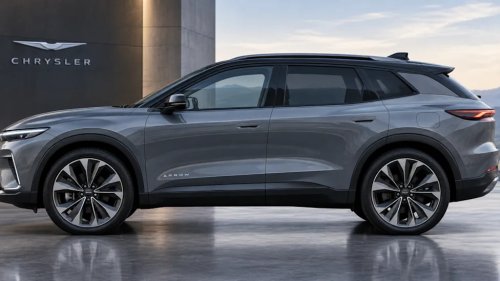
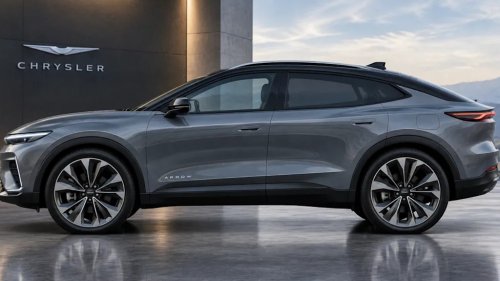
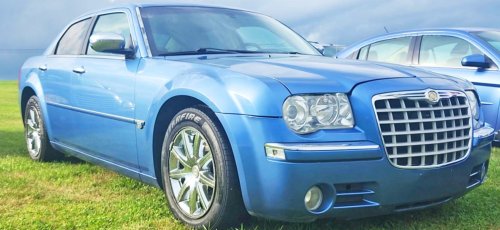
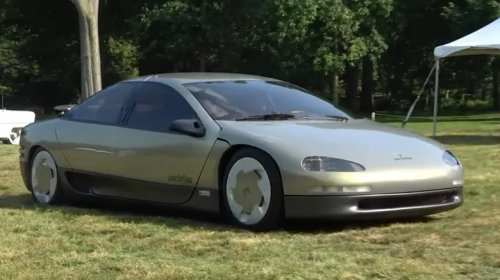
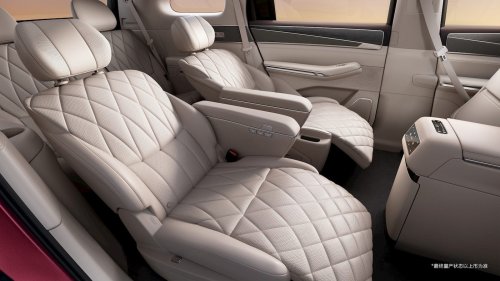
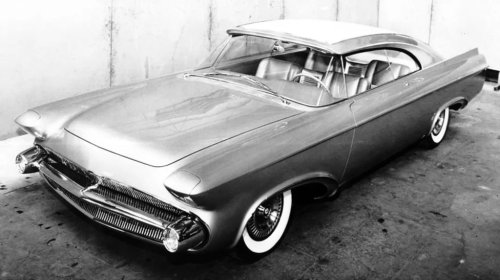
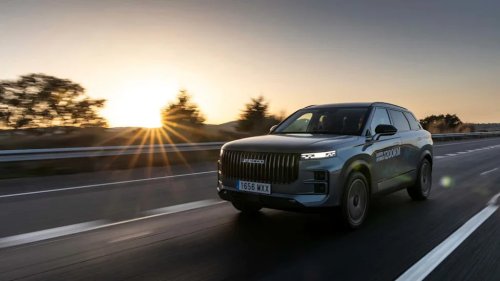
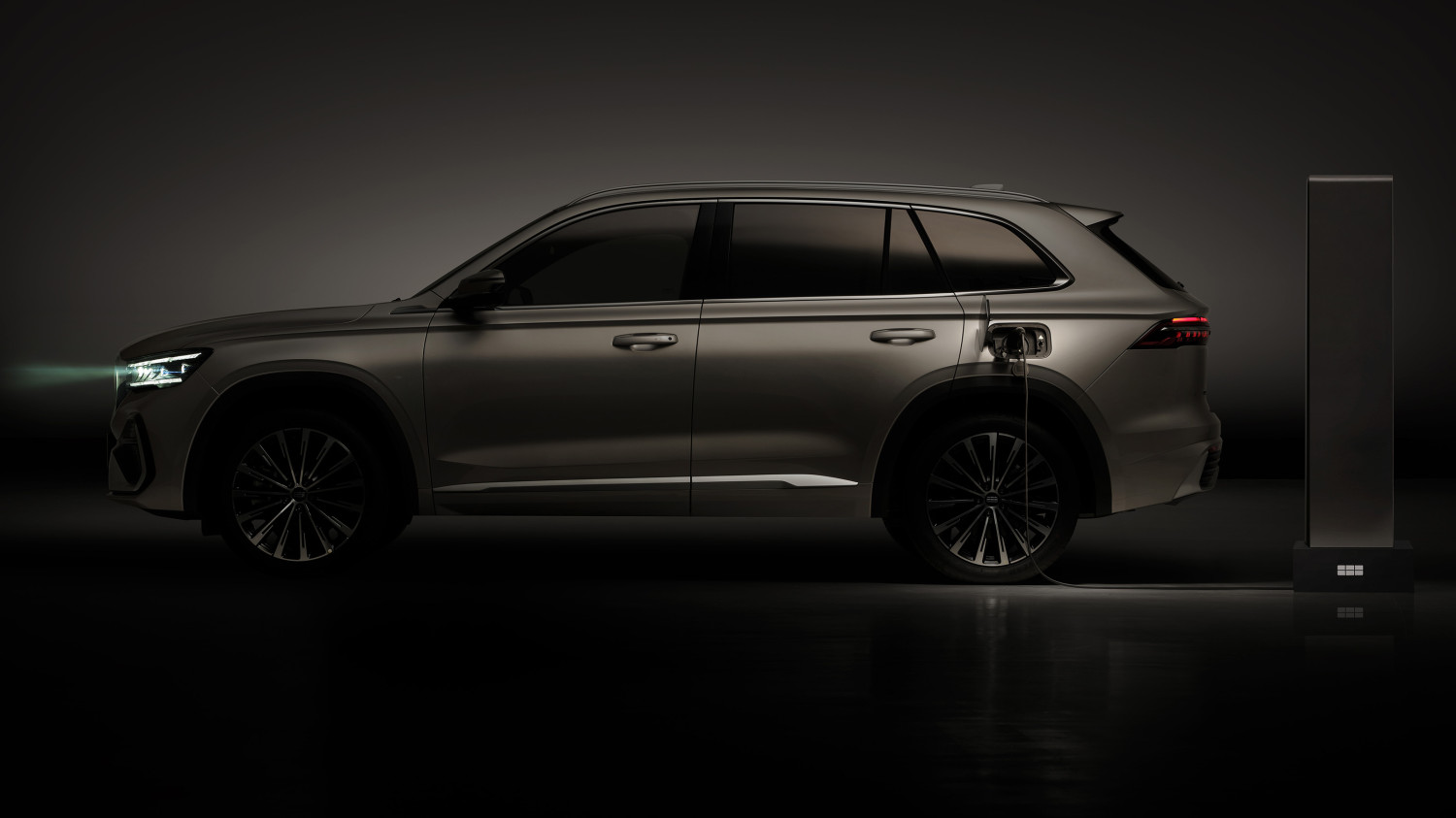
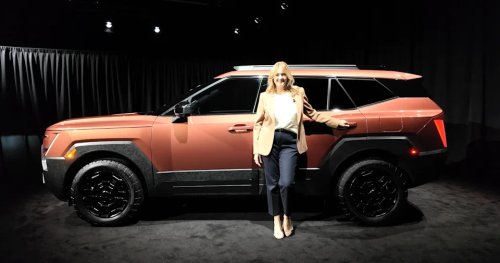
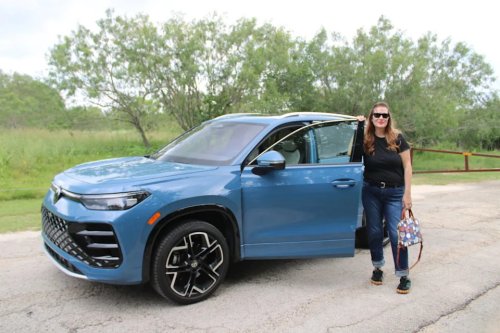
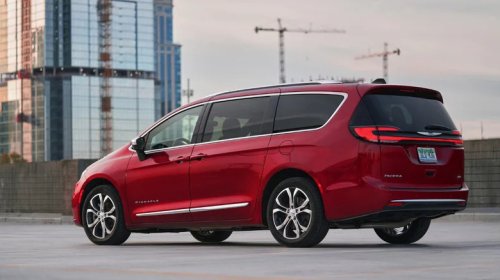
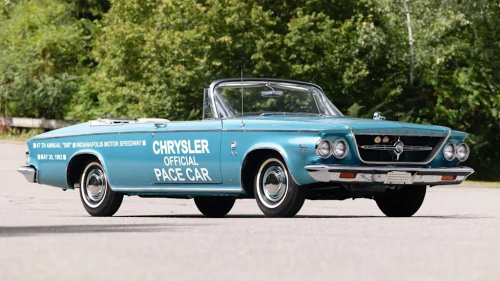
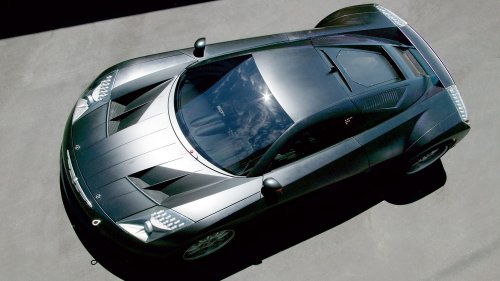
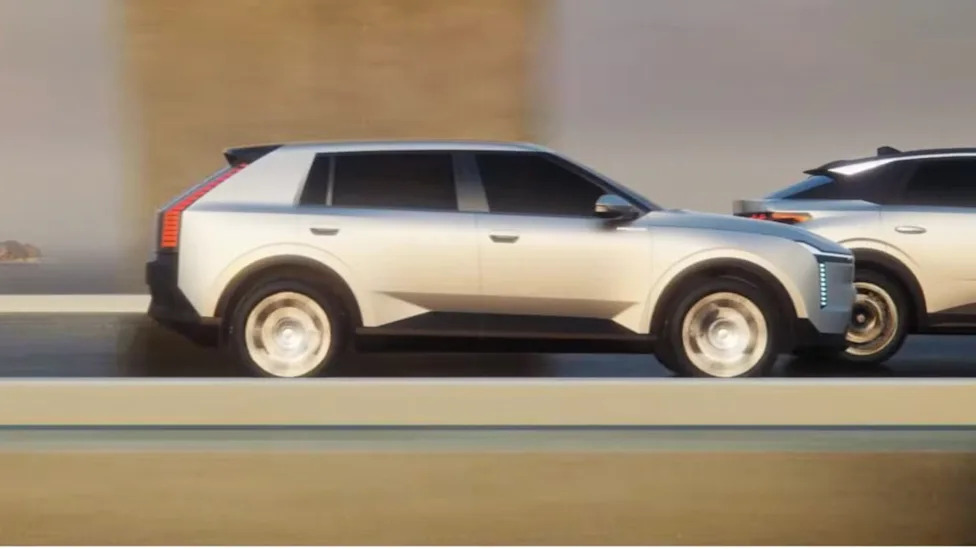
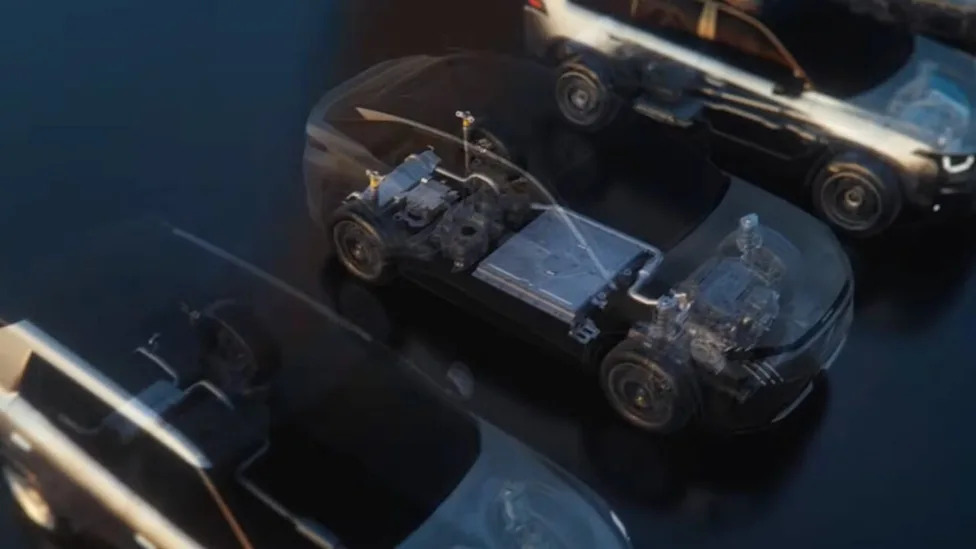
Image Credit: Stellantis / YouTube.Chrysler has spent years surviving almost entirely on the success of the Pacifica minivan while the rest of its lineup slowly, but surely, disappeared. Now, the struggling American brand is finally showing signs of life with the first teaser images of its upcoming Airflow compact SUV, a vehicle that could determine whether Chrysler remains relevant in the modern market.The Airflow has been floating around in concept form since 2022, originally debuting as a sleek electric crossover during Stellantis' aggressive EV push. Since then, shifting market demand and slower-than-expected EV adoption appear to have reshaped the project into something much broader. Recent teaser footage and spy glimpses now suggest the production model will offer combustion, hybrid, and potentially fully electric powertrains.That flexibility may end up being exactly what Chrysler needs. The compact SUV market remains brutally competitive, but it is also one of the few segments capable of generating the sales volume Chrysler desperately lacks right now.AdvertisementAdvertisementThe stakes could hardly be higher. Chrysler once built cars like the rear-wheel-drive 300C and Crossfire coupe that gave the brand a distinct personality. Today, the Airflow represents the company's best opportunity to rediscover some kind of identity before it fades even further into irrelevance.The Production Airflow Looks Sharper Than The Original ConceptThe teaser images reveal a crossover that looks far more conventional than the futuristic Airflow concept shown several years ago. Rounded bodywork has largely disappeared, replaced by sharper lines, upright proportions, and a more SUV-like stance.Up front, the Airflow appears to feature a full-width LED light bar stretching across the nose alongside an illuminated Chrysler wing badge. Vertical lighting elements frame the fascia, while black lower body cladding gives the crossover a tougher and more substantial appearance.The profile suggests proportions similar to compact SUVs like the Toyota RAV4 and Honda CR-V, though the slightly lower roofline gives the Chrysler a sleeker look. At the rear, tall vertical taillights add a somewhat Cadillac-inspired design cue.AdvertisementAdvertisementDespite the cleaner production-focused styling, the Airflow still looks significantly more modern than anything Chrysler has sold in years. That alone matters for a brand that has struggled to attract attention outside of the minivan segment.Chrysler Appears To Be Moving Away From An EV-Only StrategyImage Credit: Stellantis / YouTube.One of the most interesting details from the recent teaser footage was not the design itself, but what appeared to be sitting under the hood. A Stellantis powertrain video briefly showed the Airflow equipped with what looked like a transversely mounted internal-combustion engine complete with visible exhaust routing.That marks a major change from Chrysler's original EV-first messaging surrounding the Airflow concept. Instead of launching exclusively as an electric vehicle, the production SUV now appears likely to offer several different powertrain options.The Airflow is expected to ride on Stellantis' flexible STLA platform architecture, allowing the company to support gasoline, hybrid, plug-in hybrid, and fully electric variants on the same basic structure. That adaptability gives Chrysler room to react to changing consumer demand rather than committing entirely to one technology.AdvertisementAdvertisementWhile official specifications remain unconfirmed, likely candidates include Stellantis' turbocharged four-cylinder engines alongside hybrid setups. Some reports also suggest higher trims could eventually receive versions of the company's newer Hurricane powertrain family.Chrysler Needs The Airflow To Give Buyers A Reason To Care AgainThe Airflow enters one of the most crowded segments in the automotive industry. Compact SUVs dominate sales charts, meaning Chrysler will face established rivals like the Ford Escape, Hyundai Tucson, Chevrolet Equinox, and Toyota RAV4 almost immediately.Price will play a major role in whether the Airflow succeeds. Early estimates suggest Chrysler wants to keep the SUV below the $40,000 mark, which would place it directly in the heart of the mainstream market rather than positioning it as a niche premium product.Still, pricing alone will not save the brand. Chrysler needs the Airflow to stand out emotionally in a segment filled with competent but forgettable crossovers. The brand historically succeeded when it leaned into distinctive American styling and a slightly upscale personality without trying to imitate luxury brands outright. The teaser images suggest the company is at least attempting to recapture some of that design identity.AdvertisementAdvertisementThe Airflow also appears to be only the beginning of Chrysler's product reboot. Stellantis has already confirmed additional crossover models are in development under the Arrow and Arrow Cross names, potentially giving the brand a complete SUV lineup for the first time in years.Whether that strategy can truly revive Chrysler remains uncertain. Still, after years of silence and shrinking relevance, the Airflow finally gives the brand a bit of momentum, something it has sorely lacked for a long time.If you want more stories like this, follow Guessing Headlights on Yahoo so you don't miss what's coming next.



















 +22 others