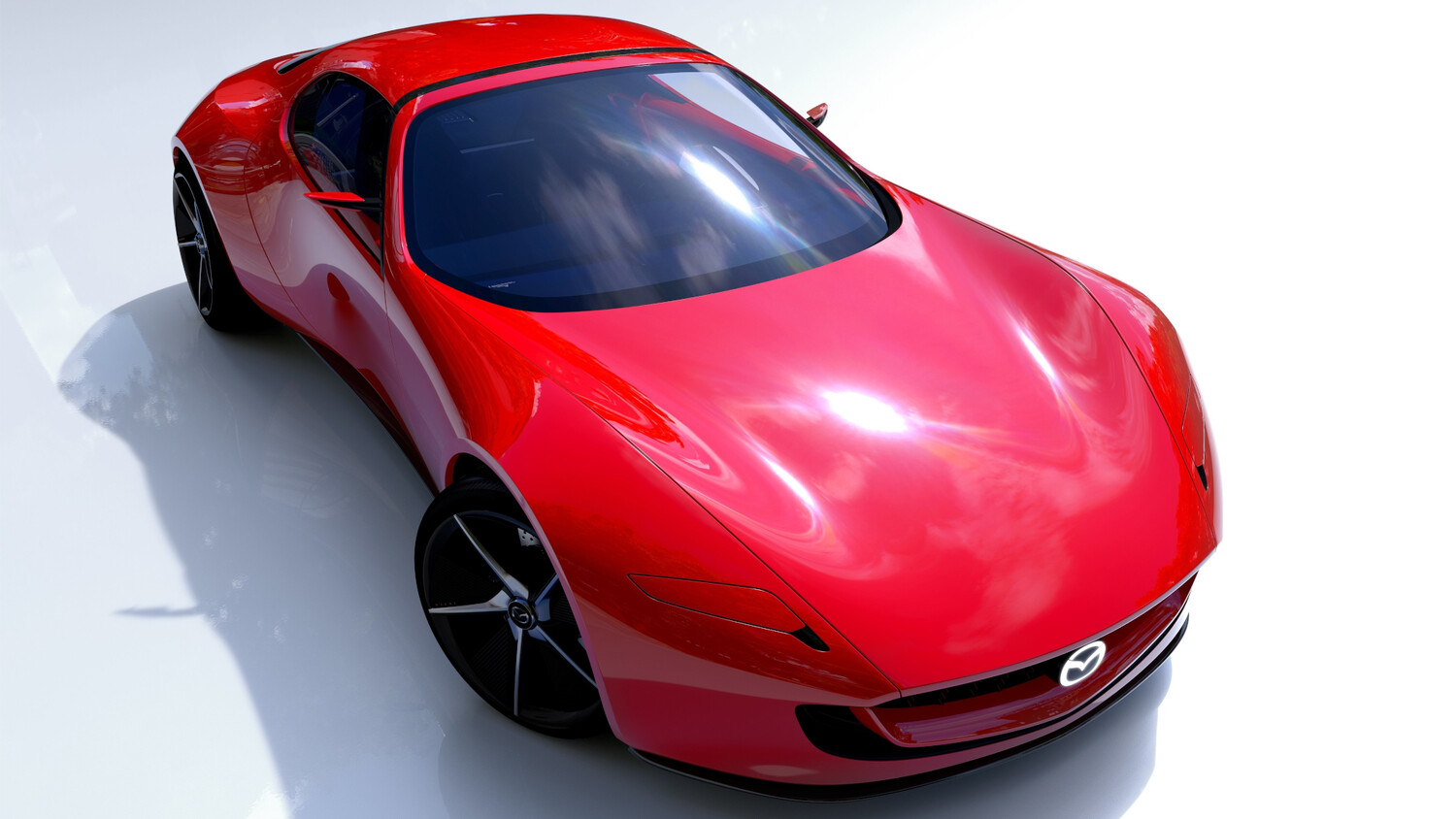
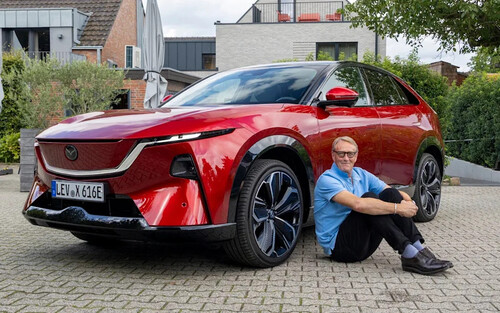
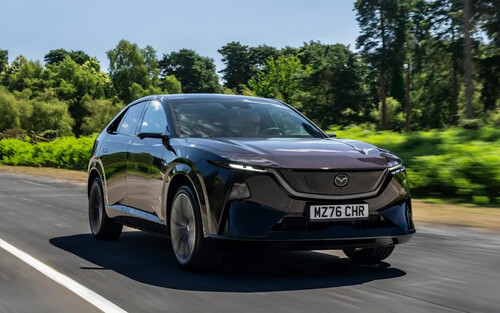
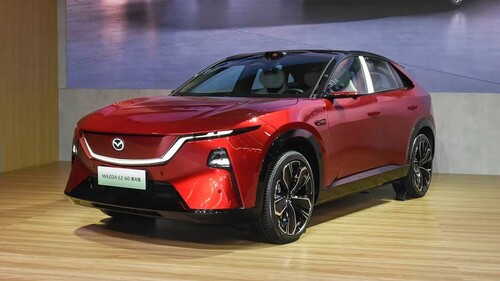
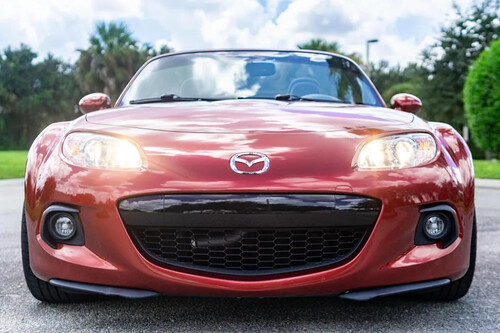
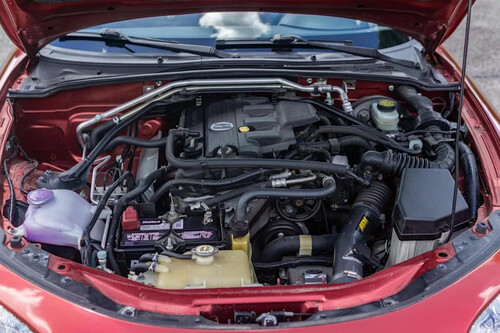
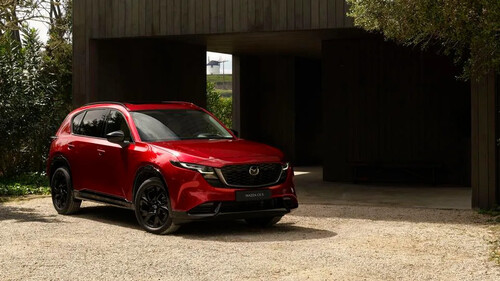
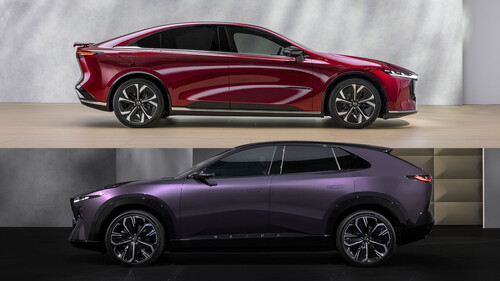
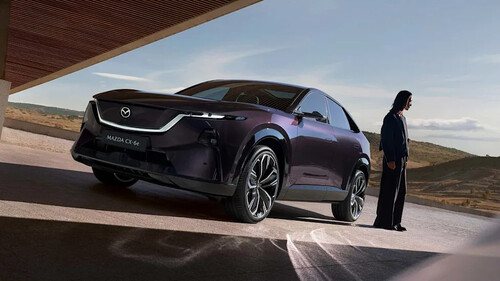
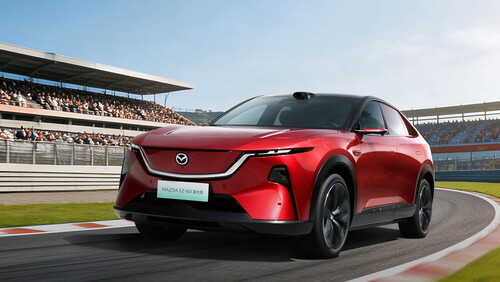
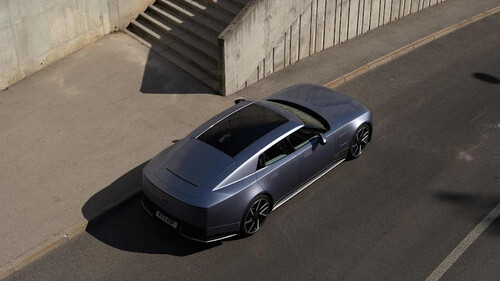
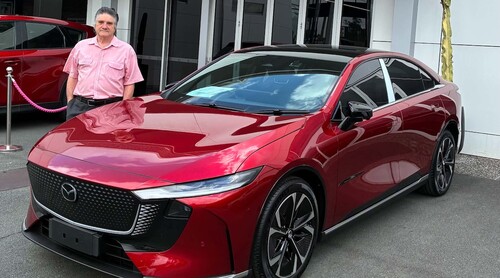
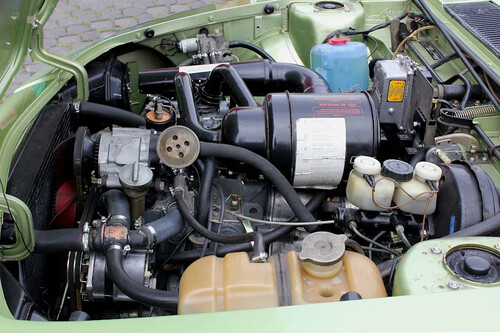
Jump LinksA Dual-Rotor Version Is In Development, Alongside Ones Boosted By Forced InductionRotary Engines Are Also Very Power EfficientWhen it comes to unique engine designs, one of the most prolific is the trusty rotary configuration. Instead of featuring a number of spherical cylinders moving up and down like in most internal combustion engines, a rotary engine uses a single triangular rotor that rotates around the combustion chamber. The triangular shape essentially means the fuel/air mixture is ignited in each small pocket in each corner of the rotor, meaning you essentially get three combustion events per rotation.Mazda largely led the development charge on the rotary with its Wankel design throughout the 20th century, though it eventually elected to cease further road development of it back in 2012. No other brand has gone near it since, but that could well be about to change. The Chinese Are Accelerating Development Of An All-New Rotary Engine Design Dongan The Wankel rotary engine could be set for a long-awaited production comeback as soon as 2027, thanks to an in-depth development project being carried out by Harbin Dongan Auto Engine, which is owned by Chinese auto giant Changan Auto Group. The twist in the tale here is that the new engine isn't being envisioned for a car, but instead for aircraft. The plan for the single-rotor unit is to be featured in machinery that spends its life at lower altitudes, where less power is needed.That covers stuff like drones and vertical takeoff and landing aircraft, in which simpler and more reliable engines are handy due to the great distances they need to cover without significant maintenance. Due to the Wankel's relatively simple rotor design, this should make them easier to maintain and service, on paper at least. The current unit is set to produce 71 hp once it reaches production. A Dual-Rotor Version Is In Development, Alongside Ones Boosted By Forced Induction Pexels / Garvin St Villier Harbin Dongan is also developing a more powerful circa-150 hp twin-rotor Wankel engine alongside the single-rotor unit, which will likely end up in aircraft that need to achieve greater altitudes and speeds. Alongside this, it is also working with fellow Chinese engineering giants Xpeng, via its flying car subsidiary ARIDGE, and Huawei to develop turbocharged variants of the powerplants, alongside the standard naturally aspirated ones.There are currently no plans to include them in cars, but should they prove successful and reliable in aircraft, we can hope they may find their way under the hood of some foreign metal eventually. The Wankel Offers Some Key Benefits Over Traditional Internal Combustion Engines Mazda It's not difficult to see why Harbin Dongan has elected to develop a new Wankel rotary engine for use in aircraft, as it offers some useful advantages over traditional engines that make it well worth the effort. Firstly, their simplicity means they can be made extremely compact, and therefore light. These characteristics are very handy for use in small aircraft, as the lighter they are, the less power they need to get off the ground and stay in the air. This makes them more fuel efficient, alongside being more nimble. When developing things like drones, this is like gold dust.This simplicity also means they are pretty straightforward to repair, given that on most occasions it'll be the rotors that need attention should any mechanical dramas crop up. This will make it easier to diagnose and repair any problems, which should reduce the amount of time the machine is out of action for. Any aircraft that is inoperable during some kind of important military exercise could be the difference between victory and defeat, so ensuring the fleet is fully functional as often as possible could prove to be a critical advantage. Rotary Engines Are Also Very Power Efficient Mazda Of course, having a compact and light engine is useless if it makes as much grunt as an asthmatic spider. The beauty of the Wankel rotary is that, thanks to having three combustion events per rotation cycle as opposed to the single event found on a normal ICE, they make more power during the same time frame. This means that they can be produced with a smaller displacement than a standard ICE, but still have a comparable level of power to a larger ICE.Take Mazda's engines as a good example of this. The base naturally aspirated 1.3-liter twin-rotor Wankel featured in a base 2003 RX-8 coupe kicked out 191 hp, and normally you'd need something in the region of a 2.5-liter V6 cylinder-based ICE to match that level of grunt. Not only are these more complicated, but they're also significantly heavier. Rotaries Aren't The Most Efficient Powerplants Ralf Pfeifer - Wikimedia Commons It's not all sunshine and rainbows though, and there are a couple of primary reasons why Mazda elected to stop offering Wankel rotaries in its road cars. The main reason is that they're not very fuel-efficient because of their strangely shaped combustion chambers, which makes them thermally inefficient and leads to unburnt fuel being fired from the exhaust. Alongside being less fuel efficient, this also makes them less emission-friendly, which was the chief reason Mazda was forced to discontinue them. Governments around the world have tightened up emissions regulations considerably over the last couple of decades, and the inefficient Wankel was simply too wasteful for its own good.They also tend to use more oil than a standard cylinder-based unit, which adds to the running and maintenance costs. Plus, despite having a simpler design that makes it easier to find and rectify faults, that doesn't mean they're cheaper to repair. Recommissioning rotors can be an extremely expensive process, as the engine needs to have the perfect amount of compression to function properly, leaving no room for compromise. This shouldn't be as much of a problem for operations that use the duty-bound aircraft these new Wankels are destined for, given that the higher budgets employed can make up for it, and make the advantages worth having. There Is A Chance Mazda Could Make A Move Back Towards The Rotary Mazda While ditching the Wankel from its production range, Mazda hasn't walked away from the design completely. It has unveiled a range of rotary-powered concept cars during the decade or so since it discontinued the engine, with one of its latest, the 2023 Iconic SP, even heading towards going into production. It uses a rotary-based hybrid powertrain, and was set to be introduced by 2030, though current financial restrictions for the company are threatening its chances of reaching showrooms.These signs show that Mazda is motivated to bring the Wankel back to automotive production, and it could help further enhance its technology thanks to the relationship it has already forged with Changan. Mazda worked with the operation developing its upcoming 6e model, so there is the chance it could make use of Changan's newer tech to help put it into more road-going models. Who knows, the two firms could enter into some form of partnership that sees both use road-going versions of these latest engines in each other's cars, which could help significantly reduce development and production costs.The lack of the Wankel's beloved high-pitched wailing engine note in the current automotive landscape is a crying shame, but these latest developments could mean the runway for their eventual production car comeback could be getting ever shorter.Sources: Mazda, CarScoops.