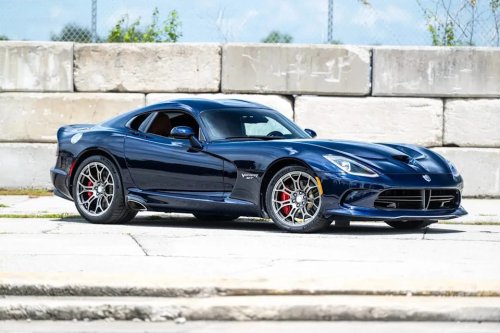
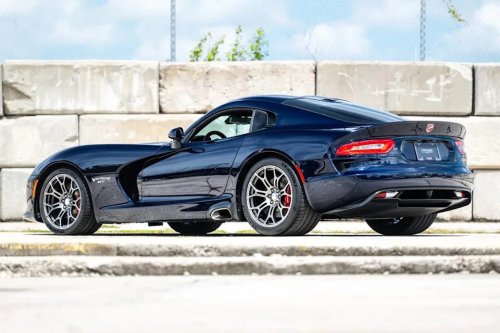
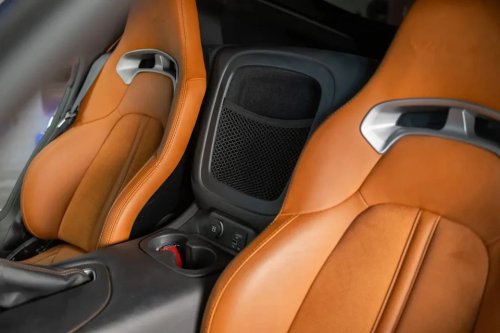
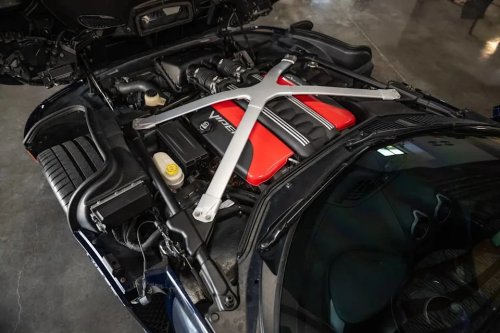
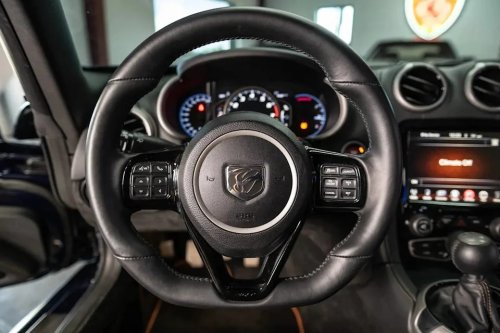
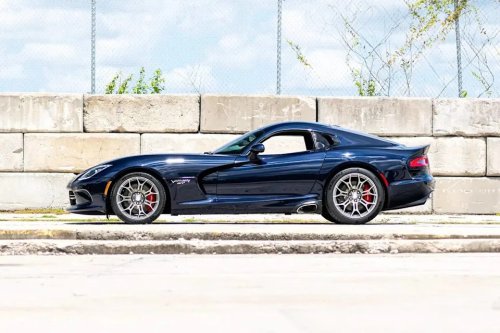
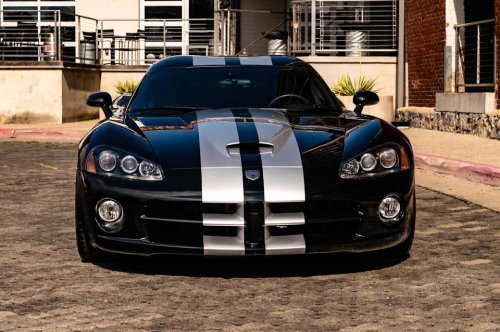
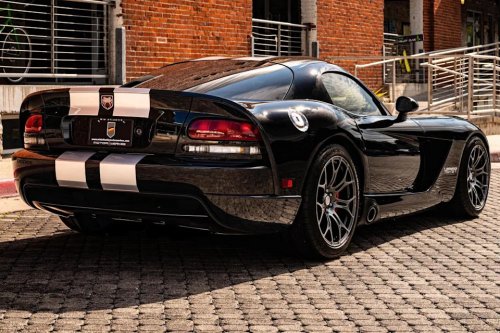
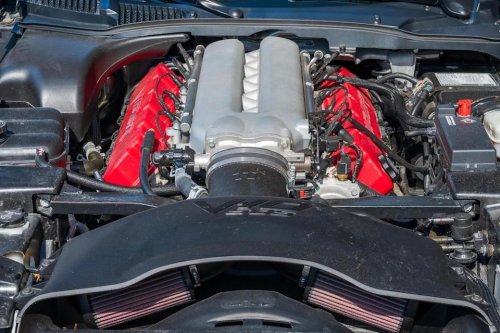
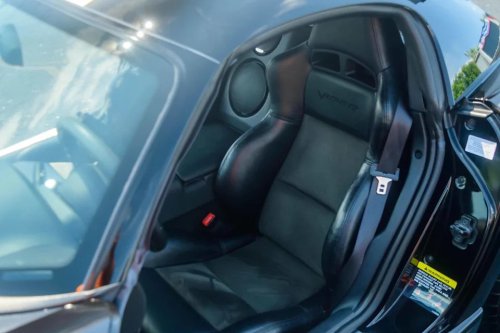
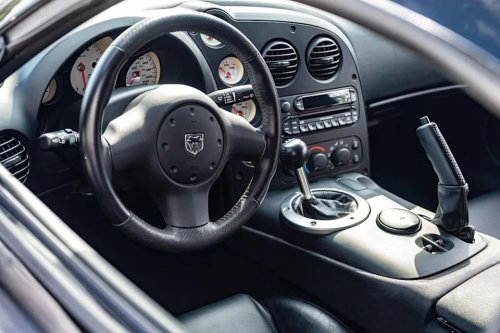
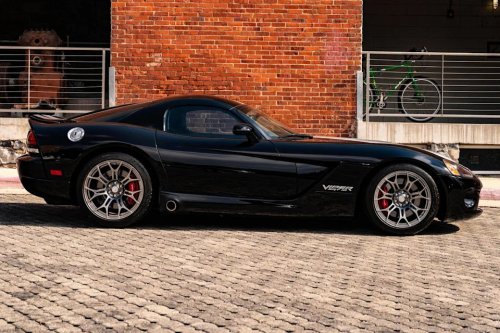
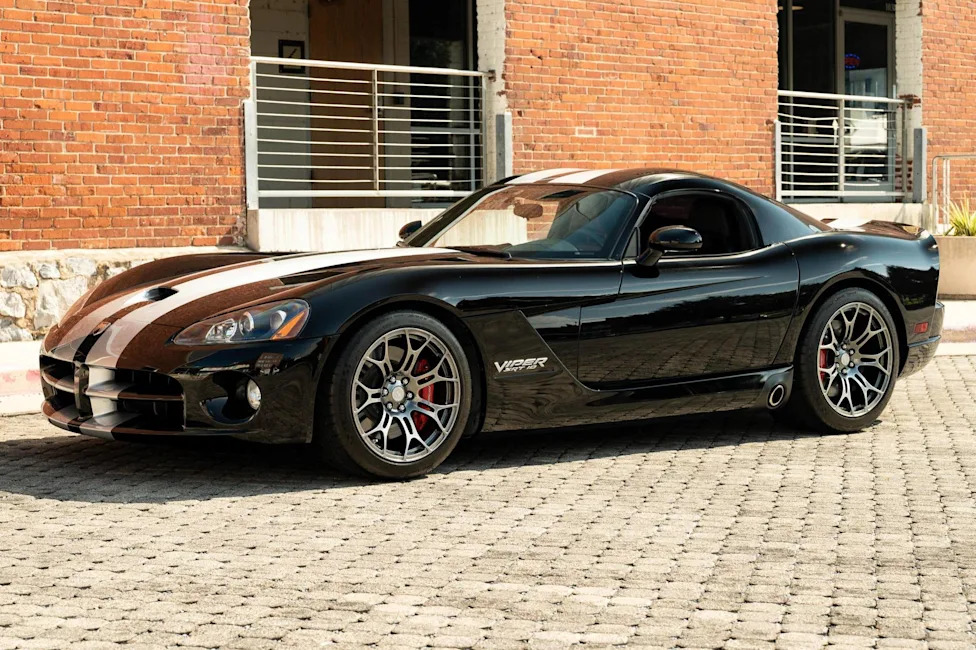
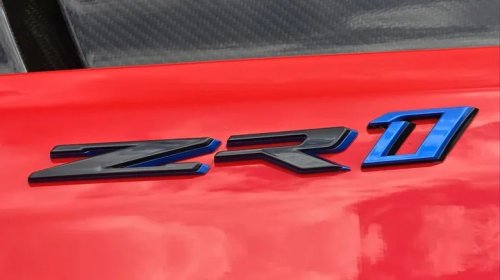
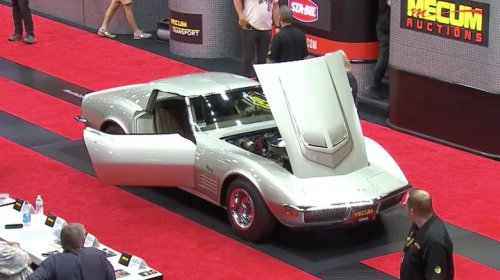
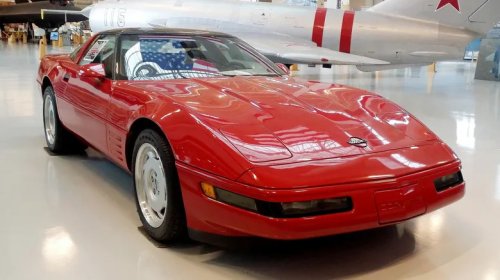
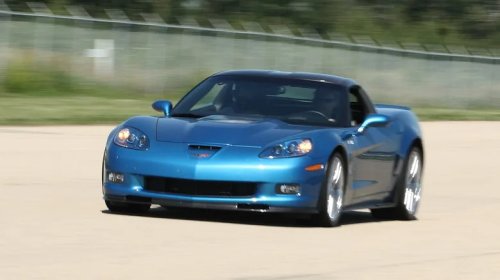
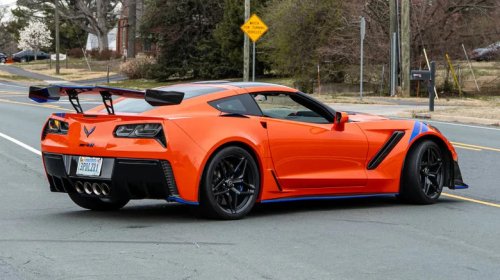
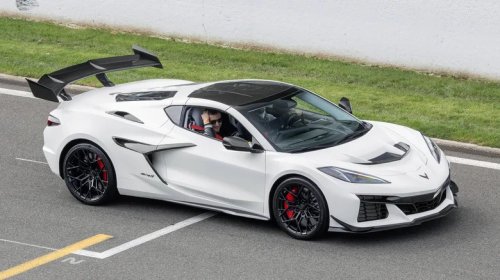
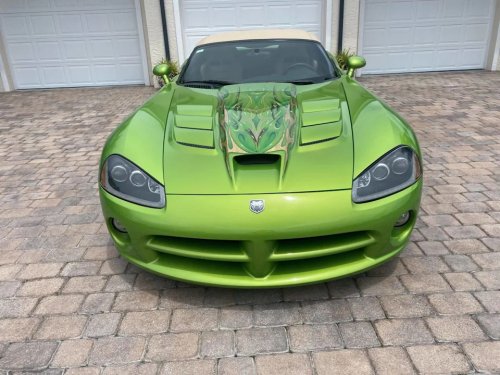
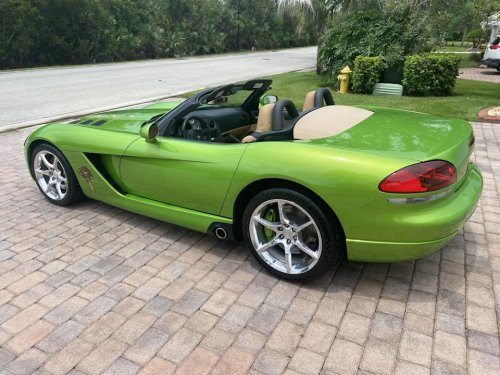
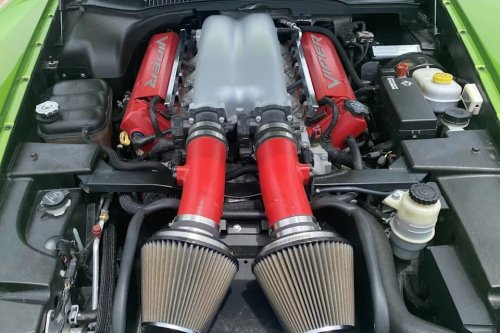
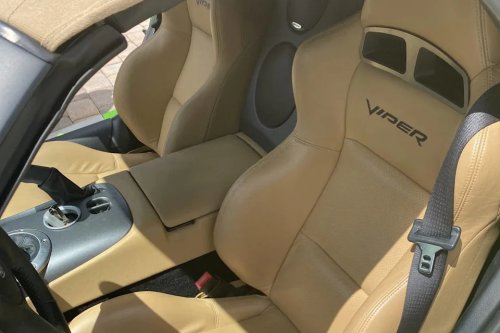
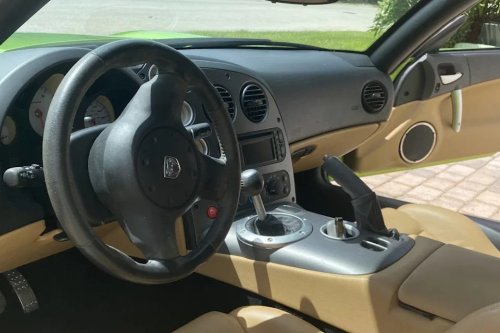
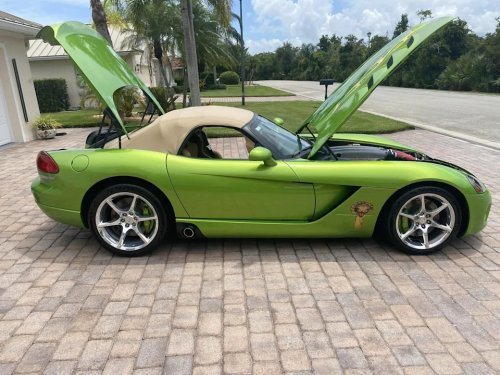
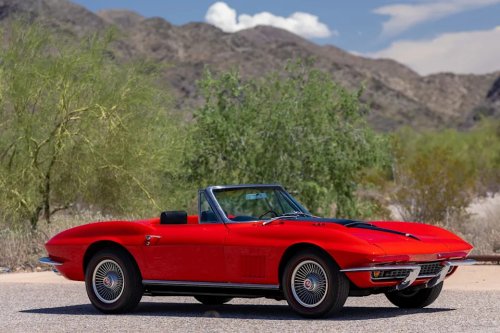
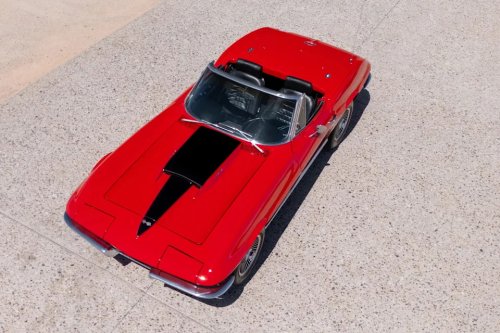
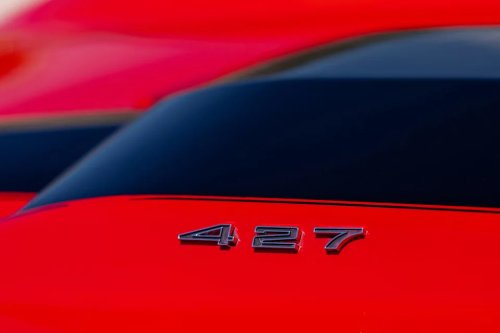
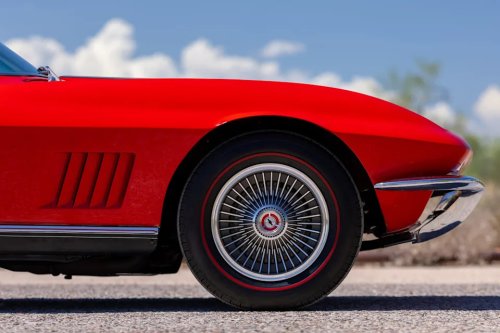
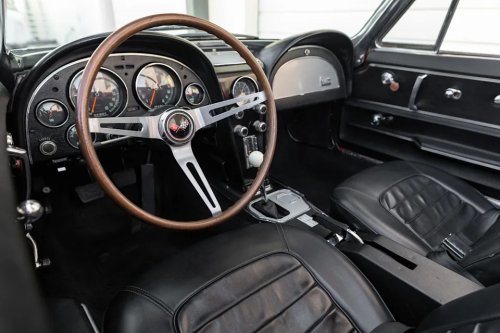
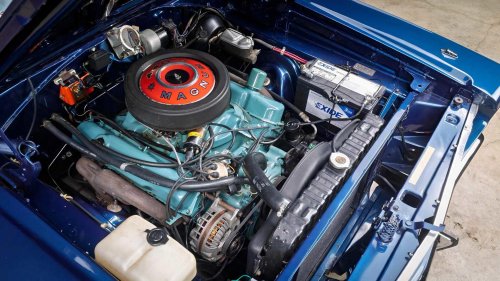
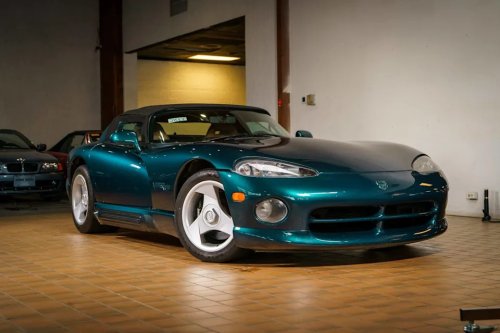
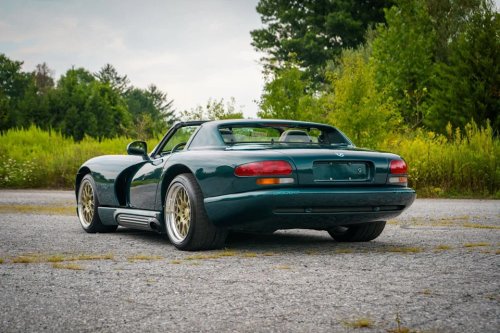
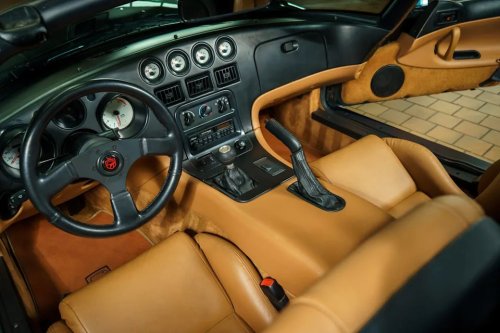
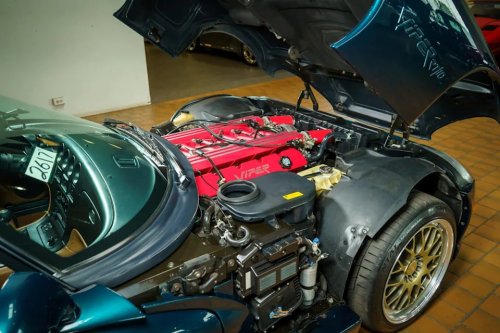
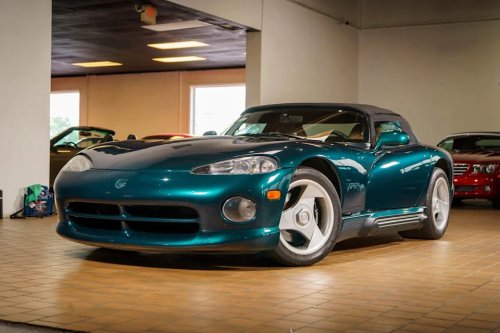
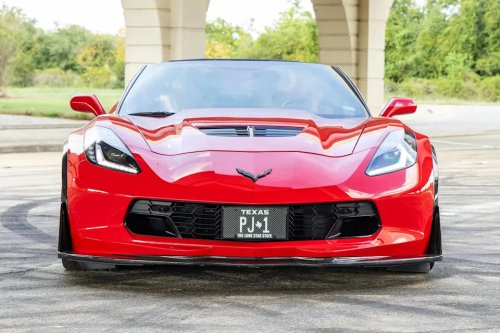
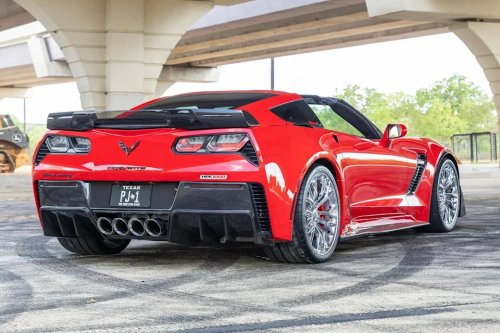
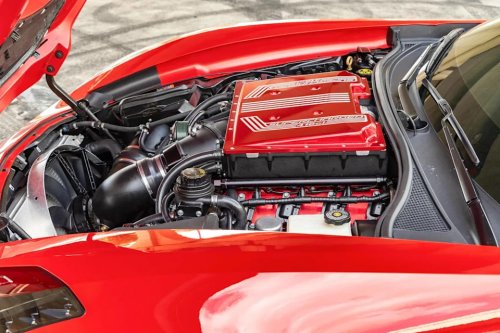
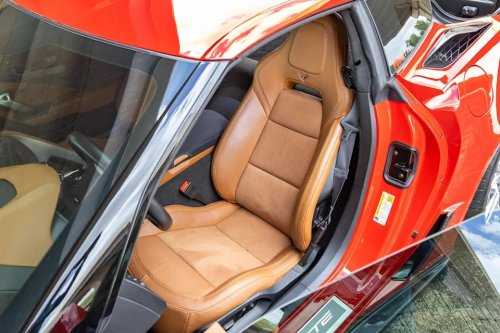
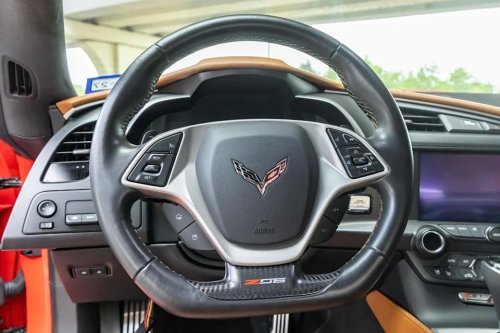
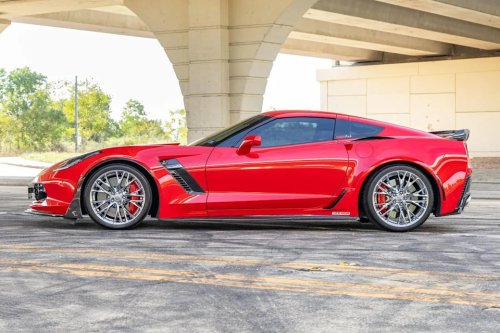
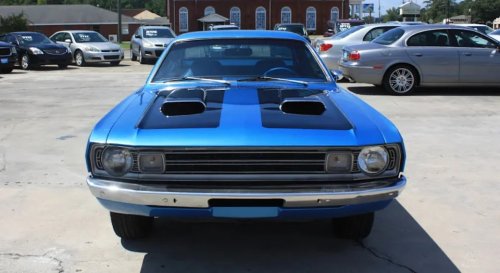
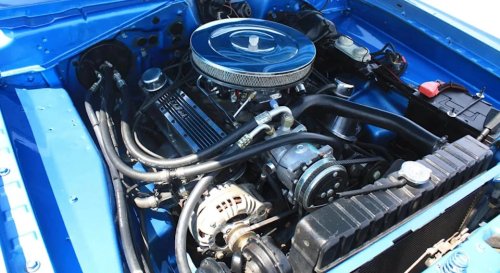
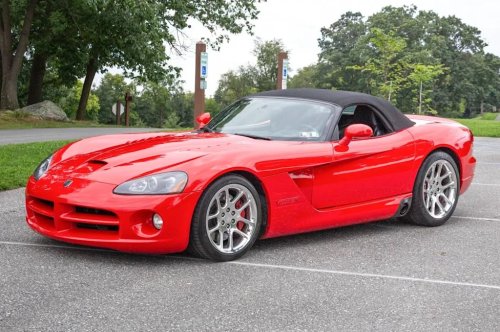
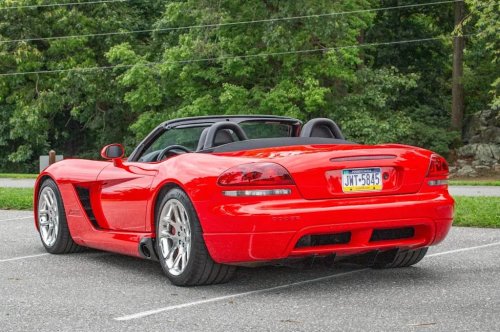
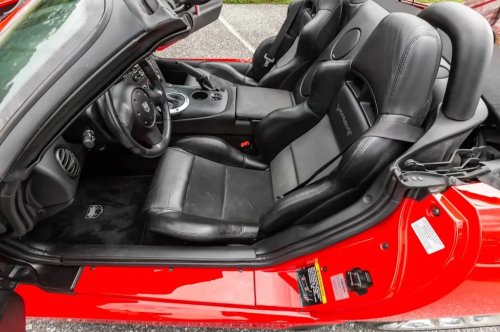
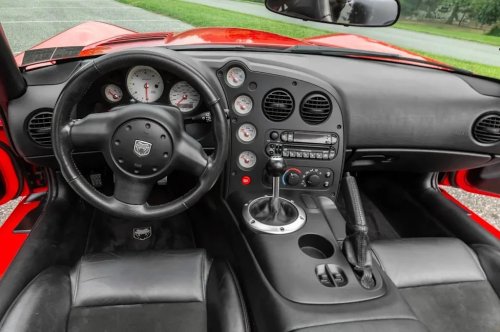
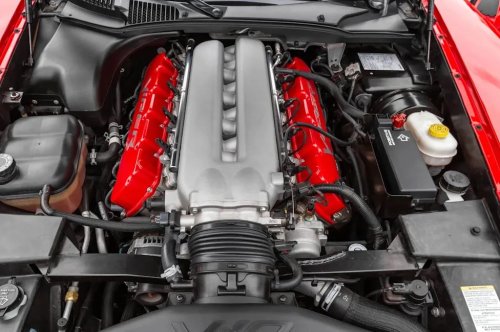
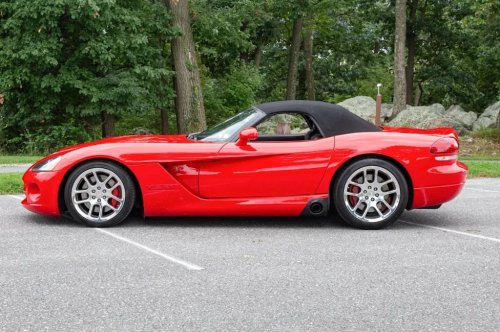
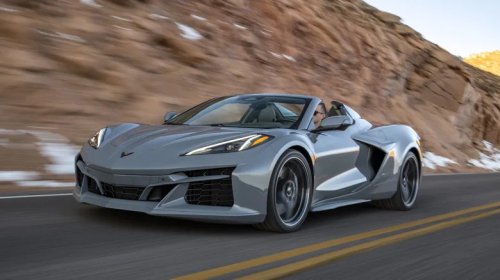
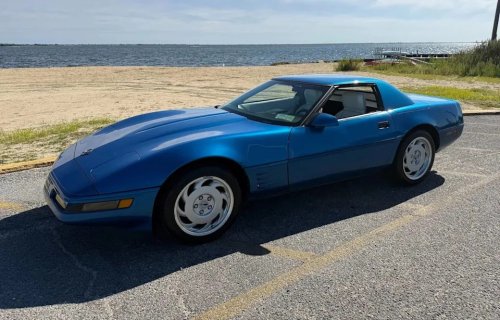
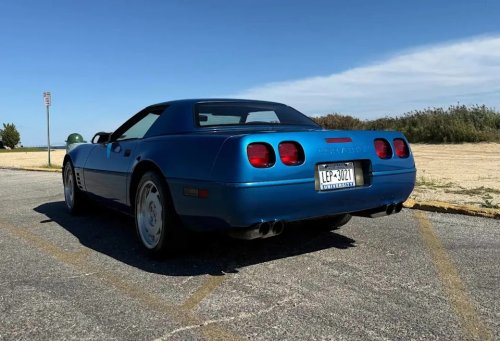
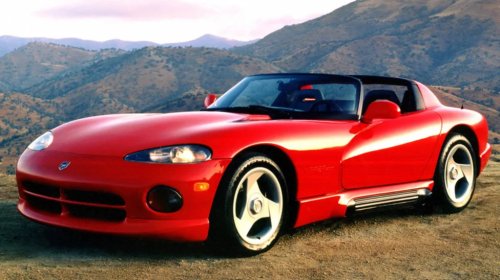
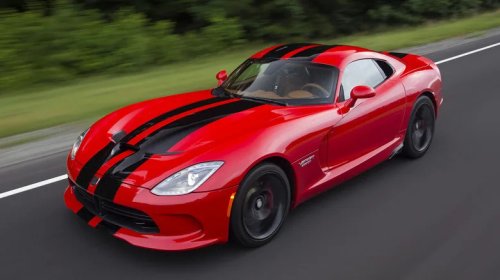
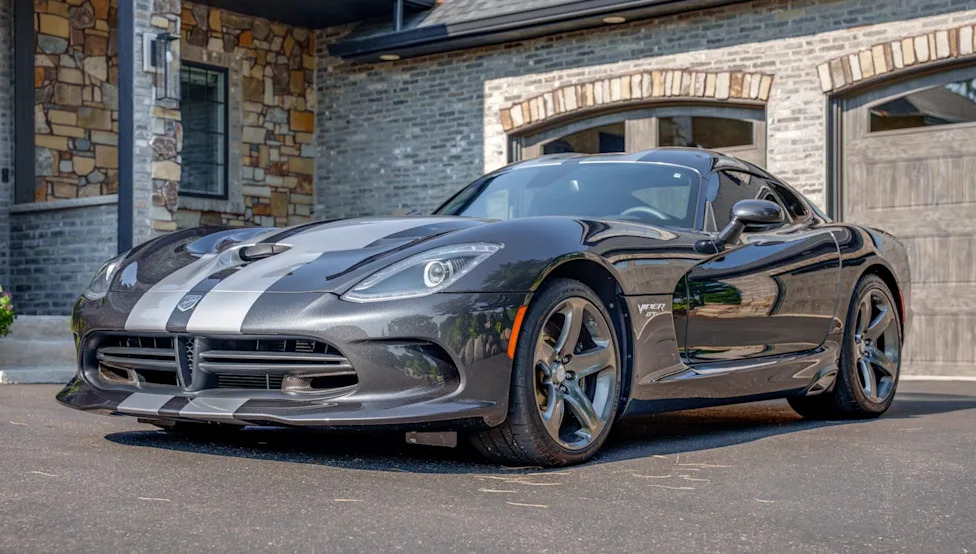
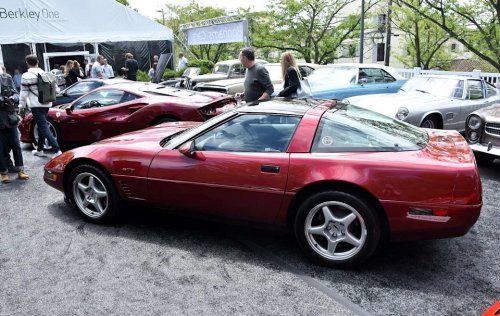
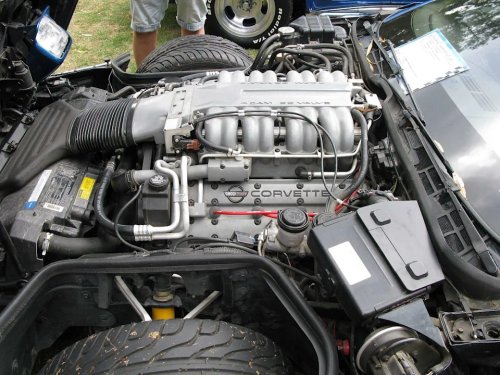
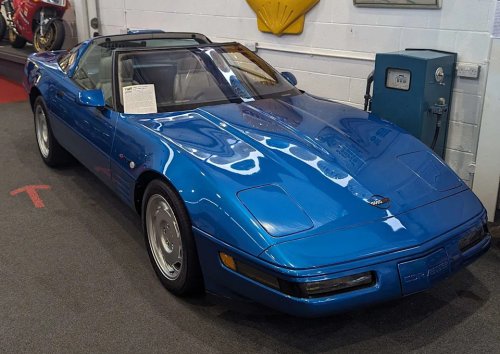
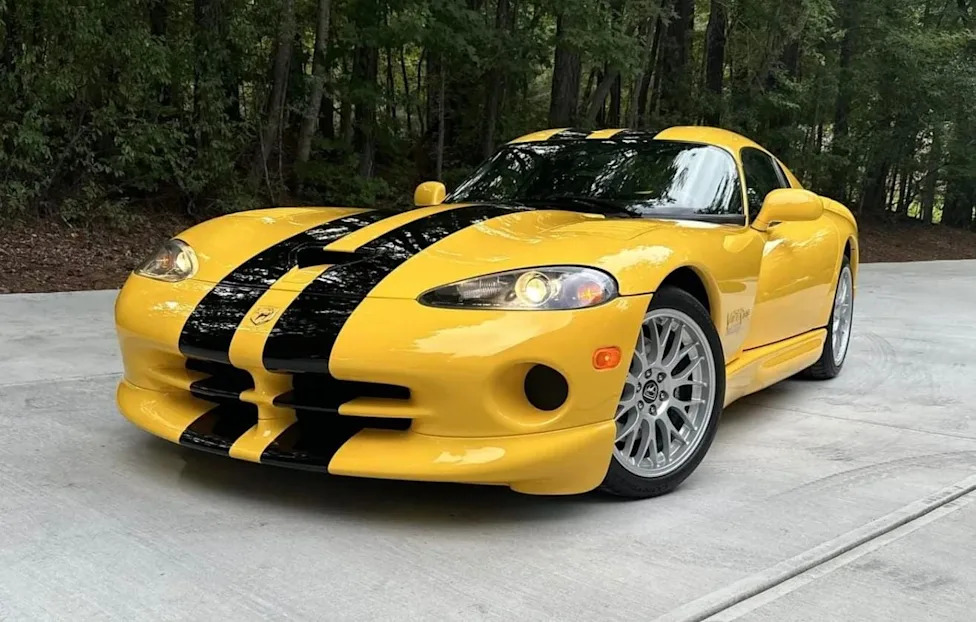
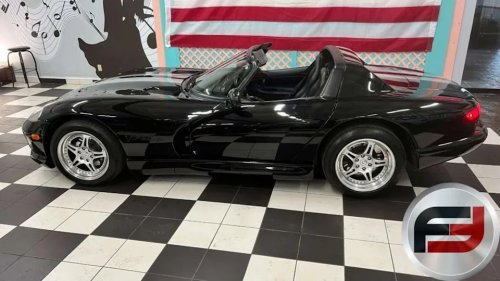
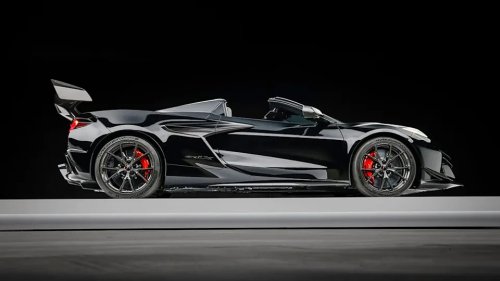
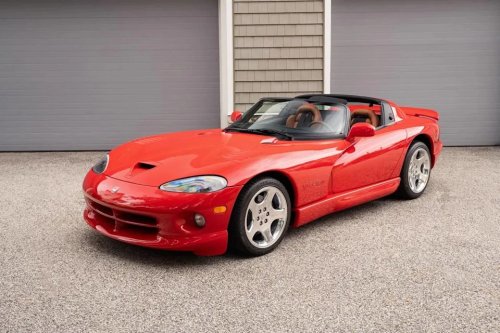
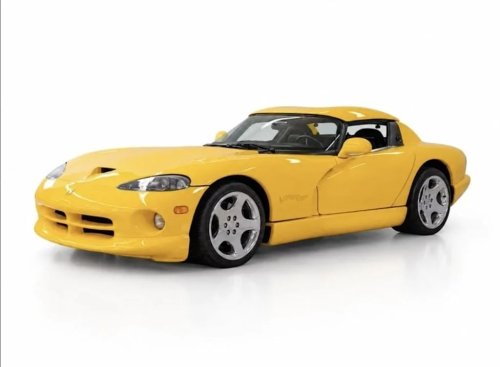
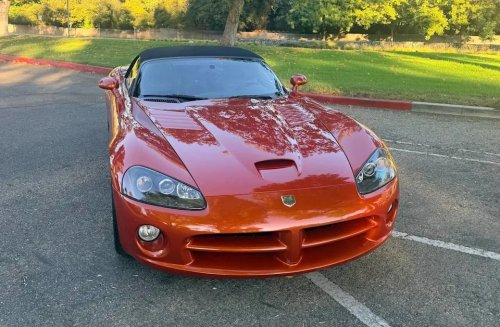
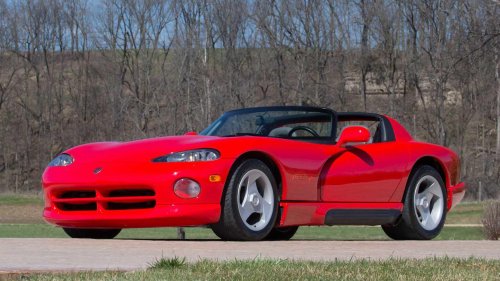
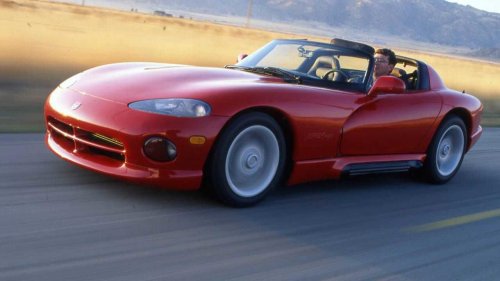
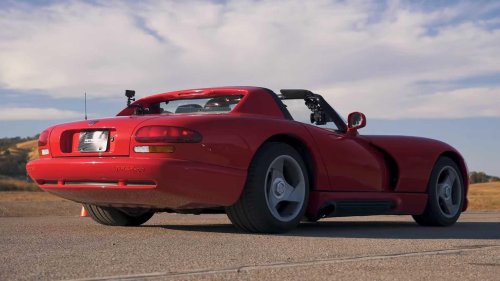
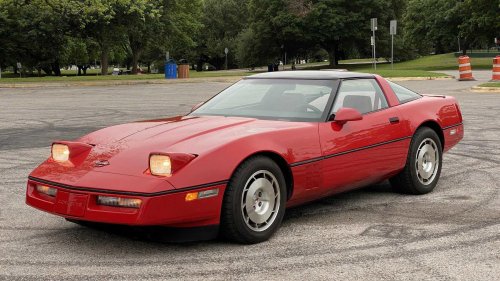
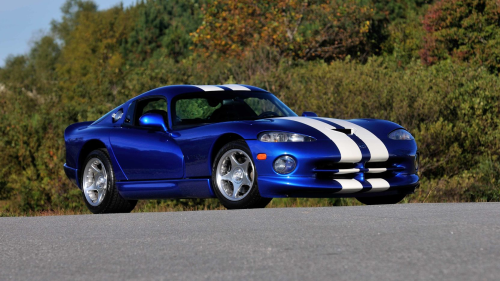
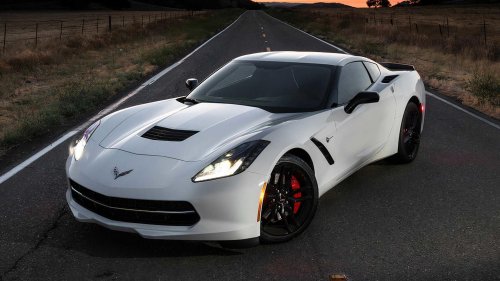
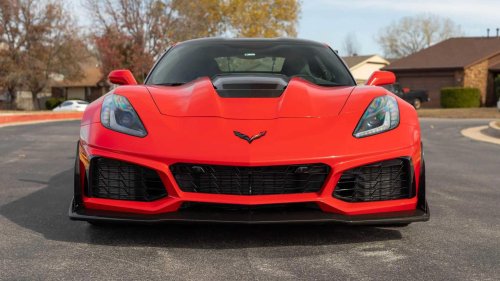
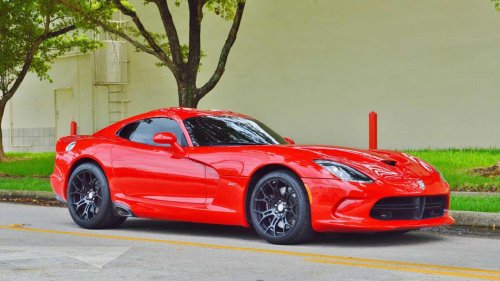
The Dodge Viper and Chevrolet Corvette are two of America's most iconic sports cars, each with a unique history of providing high-performance and aesthetic flair to their dedicated fan bases. One melted the hearts of the public in 1953; the other melted enthusiasts' minds in 1992. Although both cars were set to challenge the best European and Japanese automakers could offer, there were vast differences in their marketing toward customers, performance offered, and, of course, sales.Despite taking up space in the same sales segment, some may claim—rather campaign fervently—that the Corvette seems to have been a better car than the Viper. However, their appeal was often subjective, given the trade-offs with either. Objectively speaking, however, the case is bleak for Mopar lovers because there is a myriad of reasons why the Dodge Viper never outsold the Chevrolet Corvette. The Dodge Viper Was Too Expensive Via: Mecum Auctions When Dodge's first attempt at a sports car to rival the top of the high-performance class emerged from the company's Mack Avenue Assembly Plant, the public was stunned. The powerful two-seater sparked immediate interest among automotive enthusiasts and the press, and critically, it came a good time for Chrysler. Designers, engineers, assembly staff, and the public at large were still feeling discouraged after the massive failure of Lee Iacocca's brainchild: the woeful TC. No 'Base' Model Vipers via Road And Track Chrysler spent just $70 million developing the Viper, which was five times less than the TC. Yet, the first-gen Viper had an eye-watering price tag of $52,000, which didn't include destination fees.By 2024's standards, that's $116,444 for a base model car. Instead of creating a pricing structure out of trim levels, Dodge decided it was all in or all out with one single Viper model. But the company really couldn't afford to spend the money to develop additional flairs for various trim levels for the Viper. Part of the high cost was also planned limited production as Chrysler couldn't afford another failed venture. Corvettes Were A Blue-Collar Dream Car YouTube - carwow / HotCars In contrast, Chevrolet has always been known for offering premium performance in their flagship car at a relatively affordable price. Comparatively to the Viper, the Corvette, which was in the middle of its C4 generation, could be fetched for a mere $35,270.The base model may have had 100 horsepower less than the Viper, but that didn't matter to those who had seen and wanted Corvettes their entire lives. The brand provided options for different budgets and preferences, like the ZR1 that edged the Viper on power—even if it was just over $20,000 more than the Dodge. Regardless of the expense, one was easier to handle than the other. The Chevrolet Corvette's Power Was Easier To Live With Bring a TrailerAutomakers are in an ever-constant battle to push as many ponies as possible to the ground in their performance offerings. While the numbers on the dealership brochure may look compelling and point to bragging rights among local friend groups, there is the dark side of performance rarely considered until the honeymoon period wears off. All that power is useless if it can't stay in a straight line on the ground. The Corvette Handled All Conditions Well (Specs courtesy of KBB, Cars.com)In the middle of the C4 generation, Chevrolet added Acceleration Slip Control to handle hard stamps on the gas pedal. This meant the 'Vette was fast and fun to drive, but helped customers keep their sports cars out of the ditch in the rain. In an attempt to stretch its legs beyond its Mopar competitor, General Motors (GM) pushed the Corvette's horsepower rating in the 1993-1995 ZR1 models to 405 with the increasingly powerful LT5 V8. Vipers Were 'Unreasonable,' According To Some (Specs courtesy of Dupont Registry)Speaking of the rain, the Viper didn't have sophisticated (for the time) traction control systems to augment power in less-than-desirable conditions as the Corvette did. The Viper didn't even have anti-lock brakes in the first generation. Even though 450 pounds-feet of torque in a fiberglass-bodied car that weighed less than most passenger cars at the time presented itself as a ticket to paradise for some, it was a handful for all. At the time, Chrysler Vice President of Vehicle Engineer Francois Castaing even described the car as "unreasonable."Nevertheless, customers raved about its raw speed. The Viper could achieve 114 mph in the standing quarter mile, but some were disappointed with the top speed. Dodge's sports car could only manage 165 mph, primarily because the Viper lacked a roof—the zip-on canvas top couldn't handle it. The Dodge Viper Wasn't Family Friendly via mecum Vipers Were Geared Towards Playboys Dodge realized fairly quickly that their premium production model wasn't winning any practical-based discussions at the dinner table. The folks at Chrysler saw this and finally decided to alter the car for more mass-market appeal. In the first generation's second iteration, debuting in 1996, Dodge put an actual roof on the car (a removable hard top) and took the cautionary side-exit exhaust pipes off to route hot fumes out the back. They also stocked it with exterior door handles and air conditioning, as well as cupholders and those all-important airbags.But it still remained a playboy's car as there was never a hint that Chrysler executives would choose to offer an automatic transmission as an option. Although that's a plus for those taking advantage of all the torque out of that V10, it's not the best vehicle to let a novice borrow to run to the grocery store for milk. While it could achieve 20 mpg on the highway, it barely broke into double digits in city driving conditions. Even so, a sports car with racing stripes as one of its most popular options isn't going to look at home among the McMansions in suburbia. A Corvette Was Mild-Mannered But Fun Like it had decades before, Chevrolet positioned the Corvette as both a sports car for discerning buyers and something that can be used casually every day. Designed to accommodate both performance and comfort, the Corvette featured quality ride comfort, premium interior amenities, and ample cargo space. By the time the 7.0-liter in the C6 came around, owners could achieve nearly 30 mpg on the highway, and even in city driving conditions, the Corvette got a rating of 18 mpg, which was better than most SUVs and large passenger cars. The Chevrolet Corvette Finally Let Loose Via: General Motors By the time the third-gen Viper was on showroom floors after a three-year hiatus, the new C7 Corvette emerged in 2014 looking a little more ready for the season opener than generations before. Chevrolet may have added a trans-axle in the C5 and tightened up the geometry in the C6 for more capability as a track car, but no one was prepared for the power potential of the C7. Though smaller than the modern 427-cube V8 in the previous model, it was the most powerful Corvette made up until that point, and by a large margin. And although no one knew it at the time, it was Chevrolet's swansong for America's premier sports car. The Last, Most Extreme Front-Engine Corvette (Specs courtesy of Edmunds)Bring a Trailer From 2014 to 2019, Chevrolet featured (what was later to be known as) its last version of the Corvette with the engine ahead of the driver. It also received multiple updates and advancements that would place its underpinnings in line with fast foreign makes. The C7 sits on an independent unequal-length double wishbone suspension with fiberglass mono-leaf springs with optional magnetorheological dampers.But if customers were willing to fork over another $80,000, they could get the ZR1 version of the C7 released for the 2019 model year. With the addition of a 2.65-liter Eaton supercharger and 300 extra horsepower, it lowered the 0-60 mph time to 2.7 seconds, and with 950 extra pounds of downforce from a carbon fiber wing and other aero accouterments, the C7 ZR1 was incredibly capable in the bends and could reach past 210 mph in a straight line. The Viper's Final Hoorah Mecum Auctions(Specs courtesy of Edmunds)Dodge finally gave the Viper electronic traction control in the third-generation car released in 2013—a mere 21 years after Chevrolet integrated a system into the Corvette. While it was easier to control than models of old, it was the most speed-focused of them all. Fortunately for customers, there was one option to upgrade the Viper. For an extra $23,000 over MSRP, customers could get the GTS variant, which made the third-gen Viper about as well-equipped as the first-gen, saving 40 pounds by deleting the air conditioning, radio, carpets, sound padding, and other items not "needed" on a street-legal race car.While thousands of customers fell in love with the raucous Viper, its fanfare did not turn into the sales the company may have imagined being a direct competitor to one-third of the Detroit Big Three. Unfortunately for Dodge, over the course of the sports car's production, it wouldn't meet Chevrolet's best sales year for the Corvette. From 1992 to 2016—apart from a three-year production stop—Dodge sold just 31,850 Vipers. Correspondingly, between 1992 and 2019, Chevrolet sold 688,722 Corvettes, peaking at 36,518 in 2006.


















 +46 others