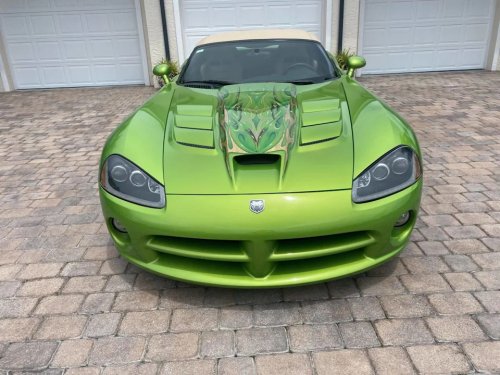
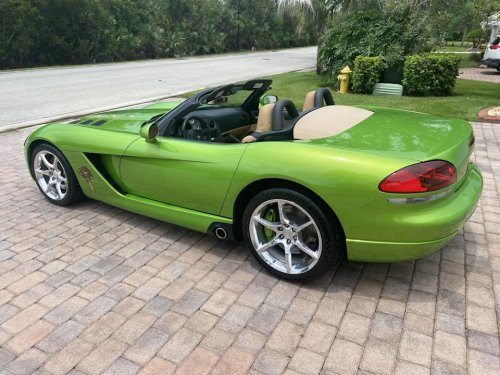
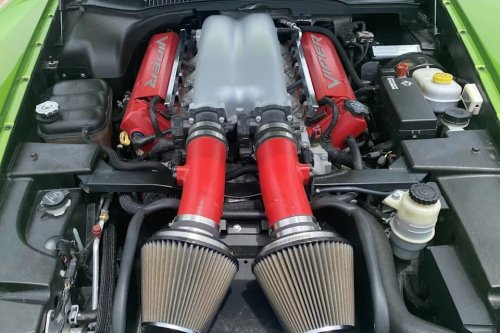
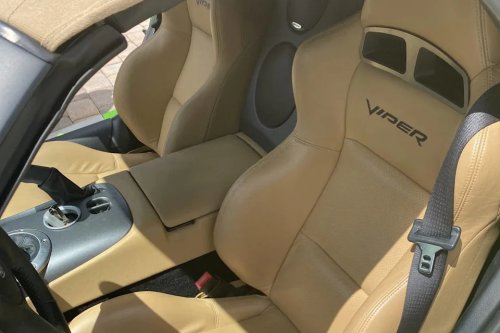
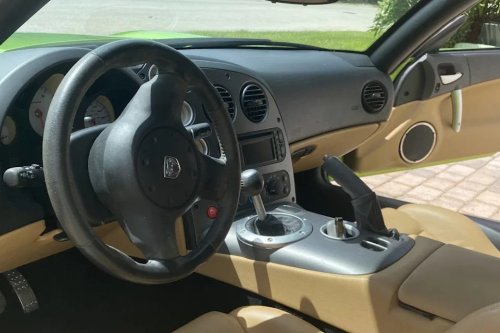
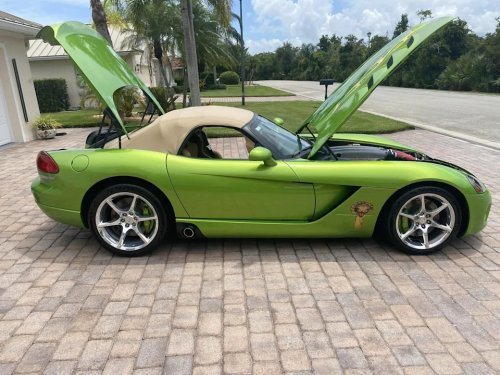
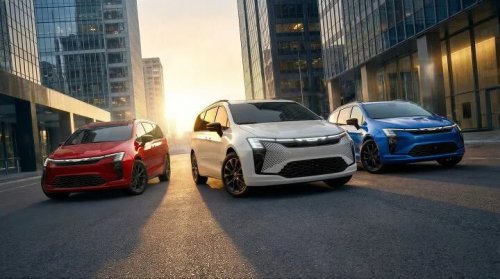
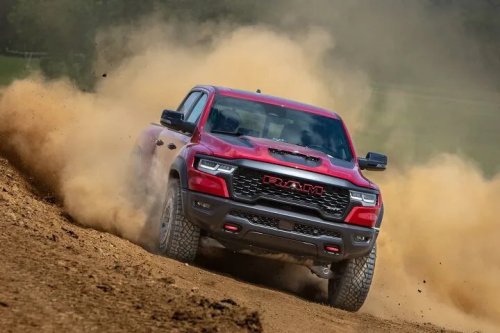
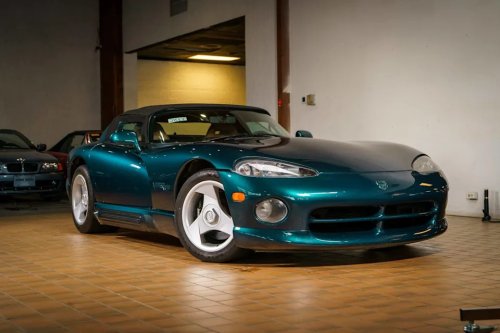
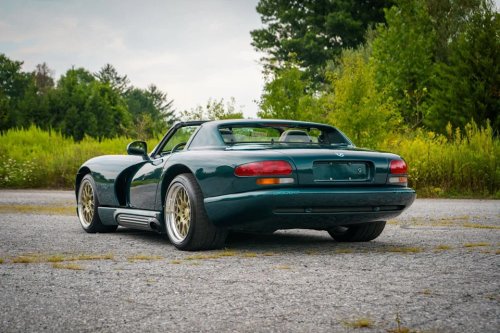
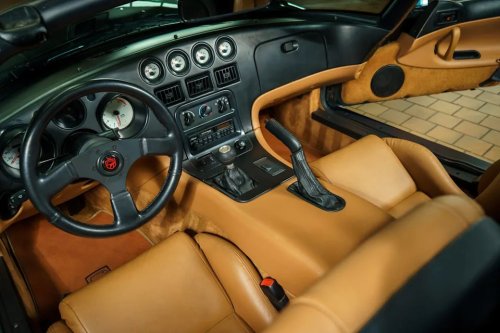
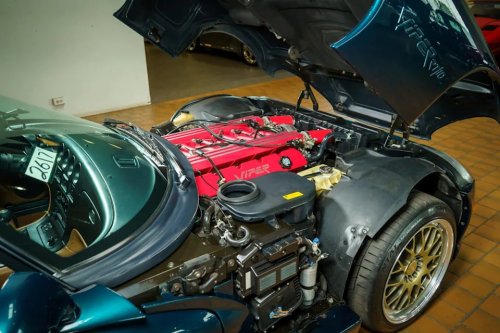
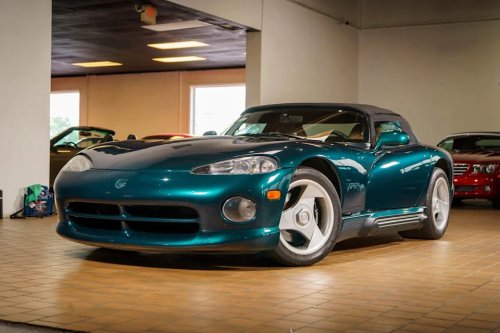
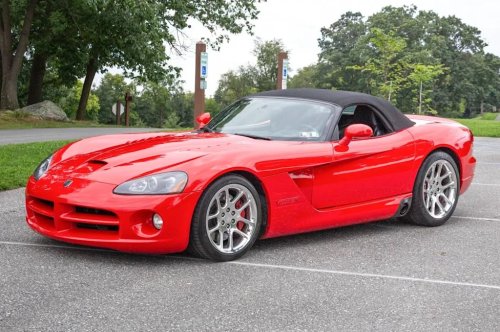
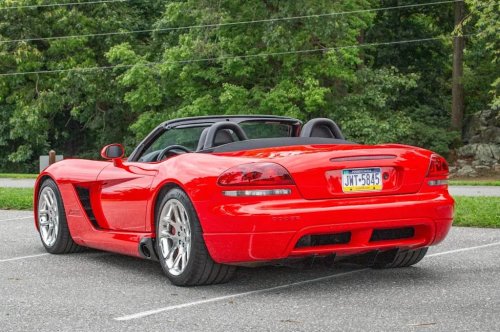
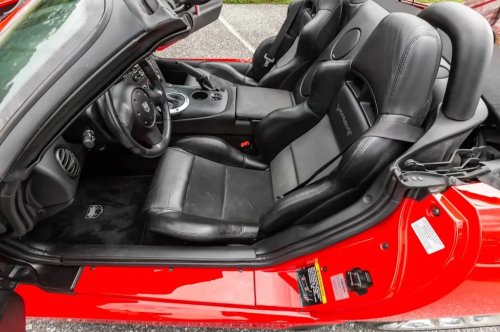
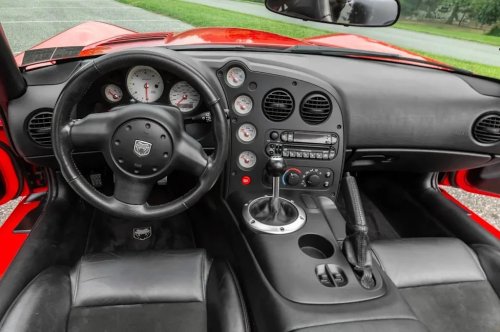
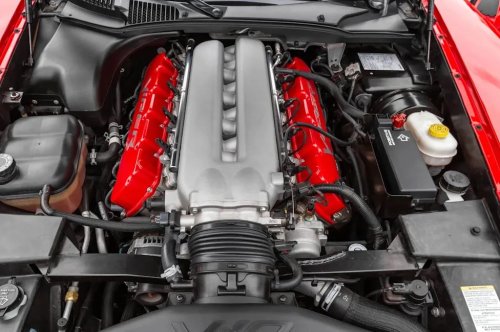
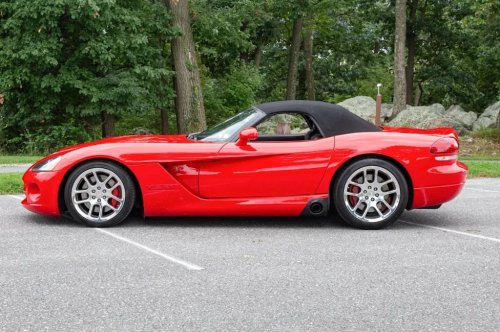
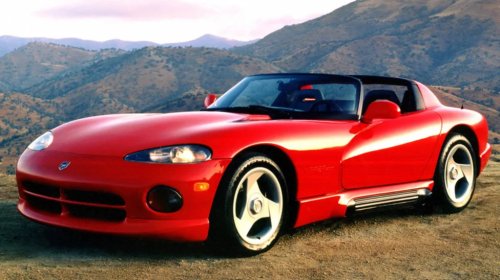
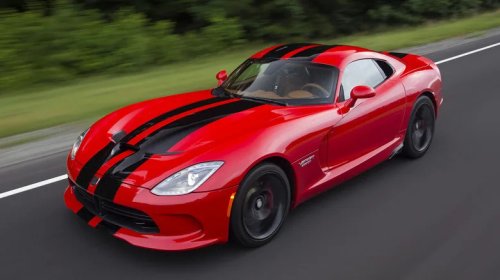
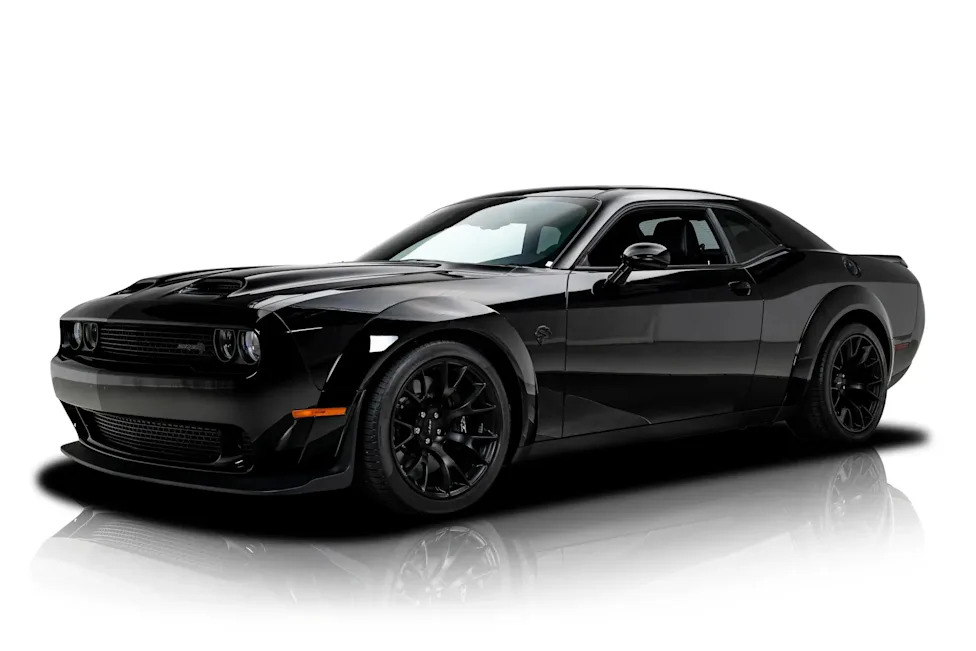
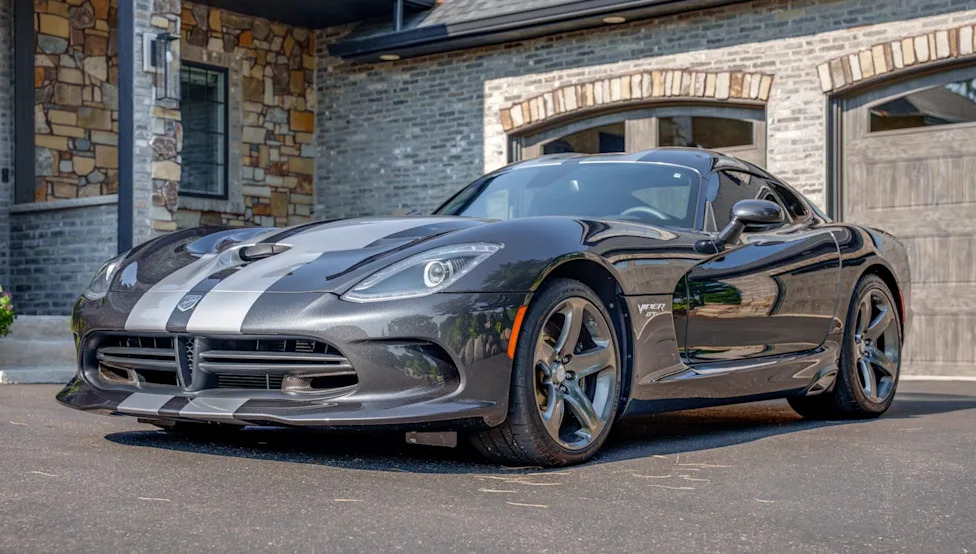
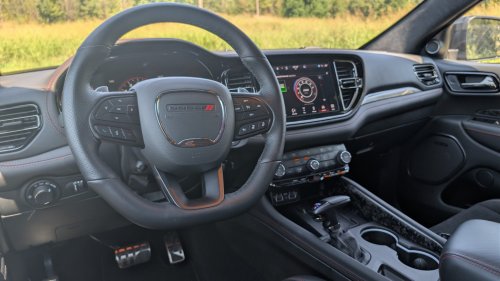
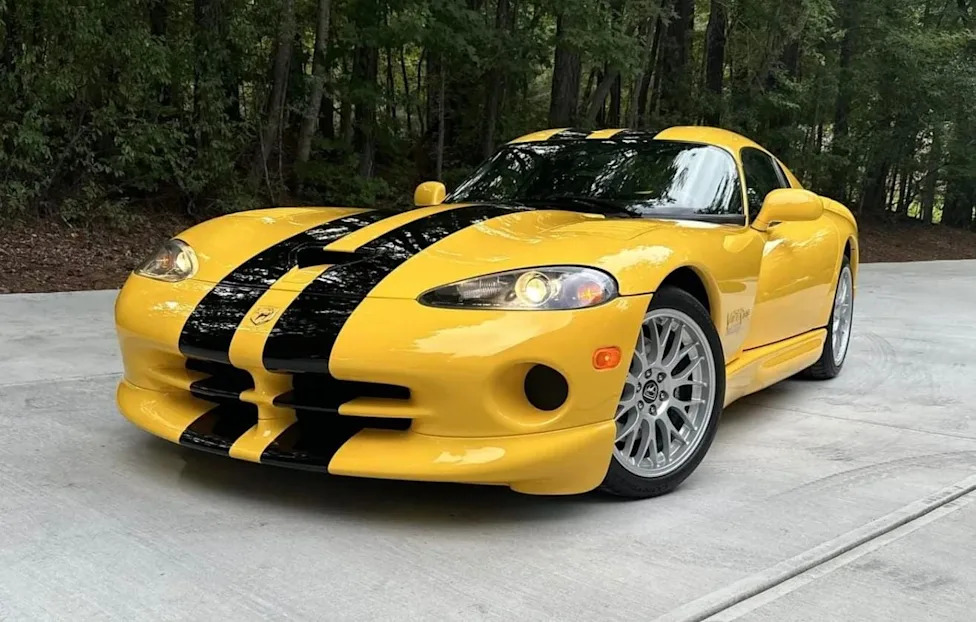
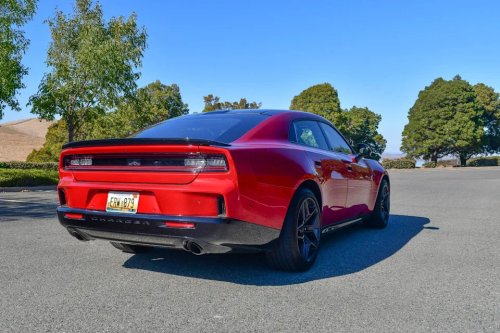
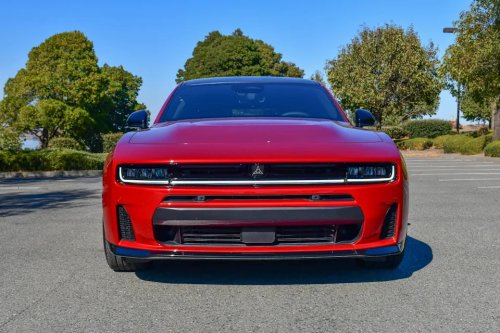
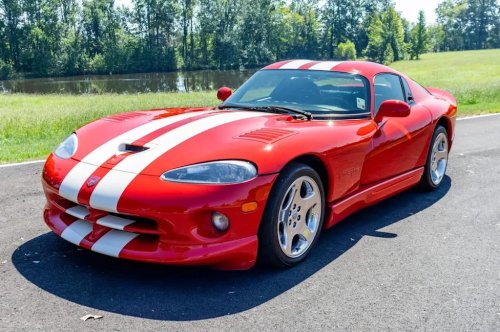
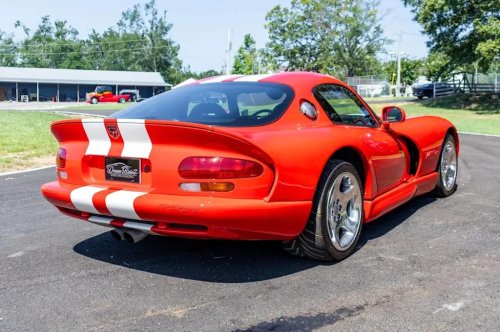
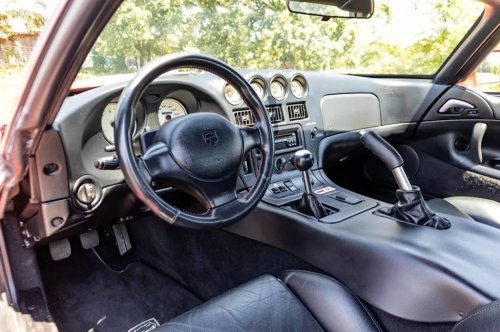
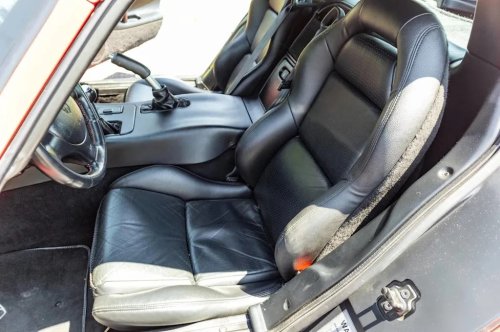
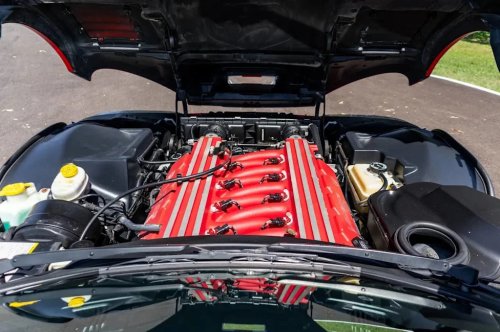
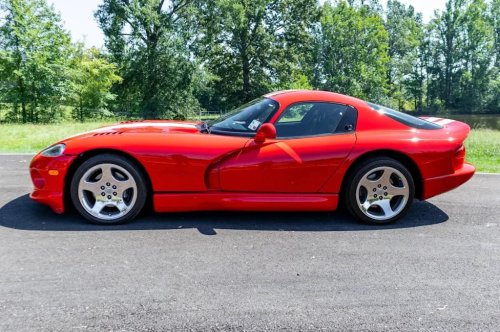
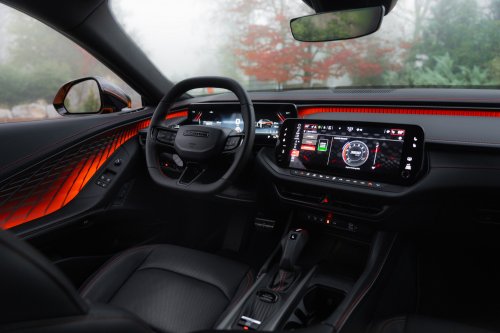
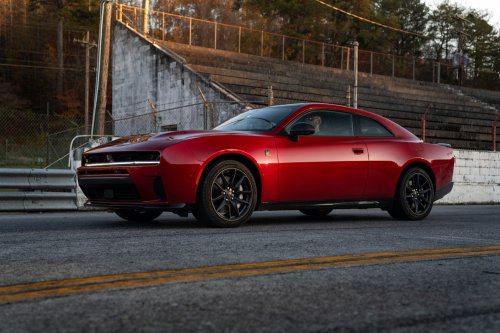
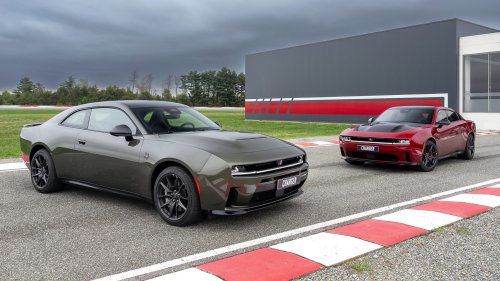
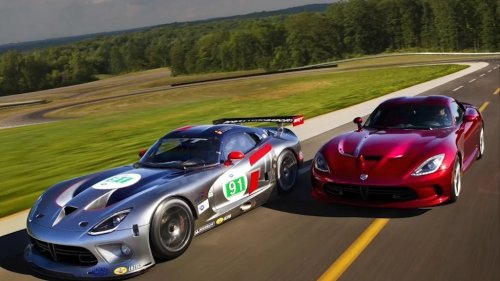
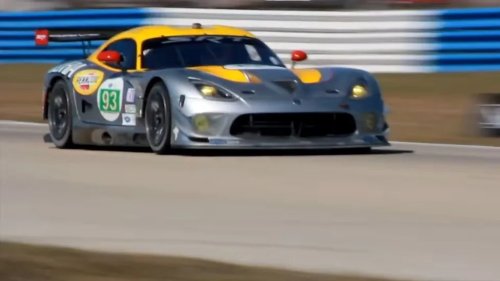
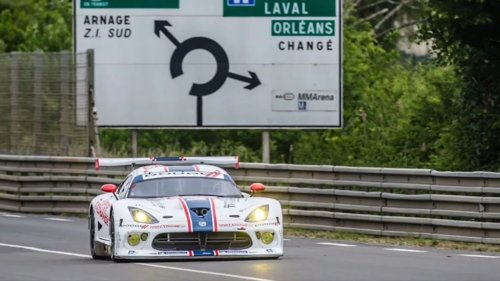
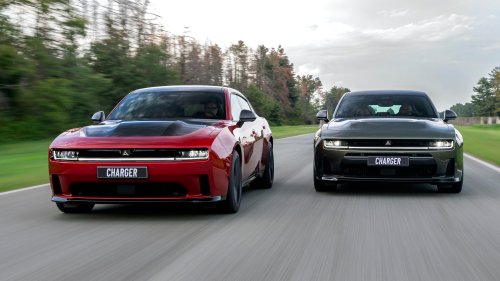
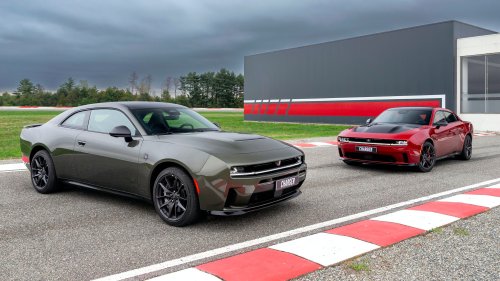
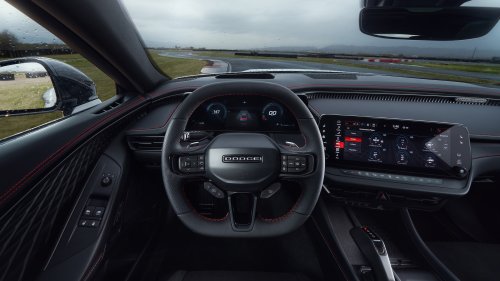
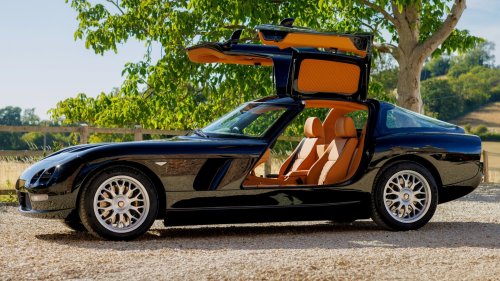
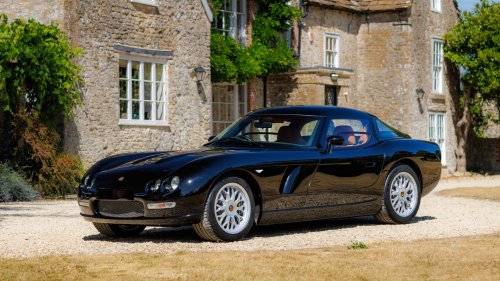
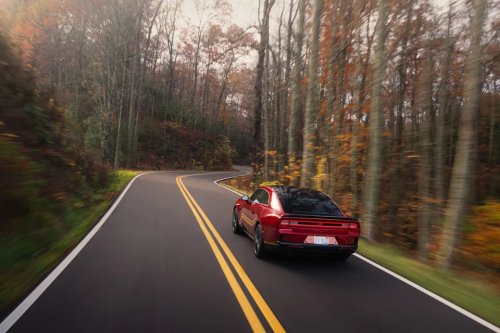
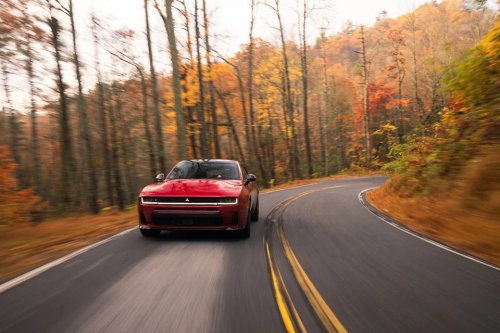
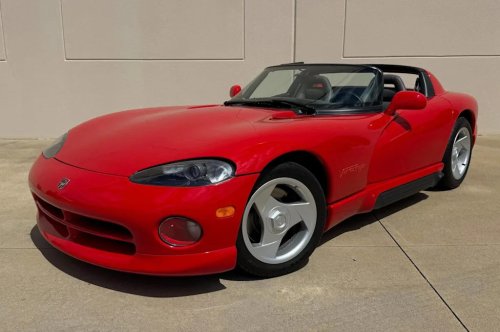
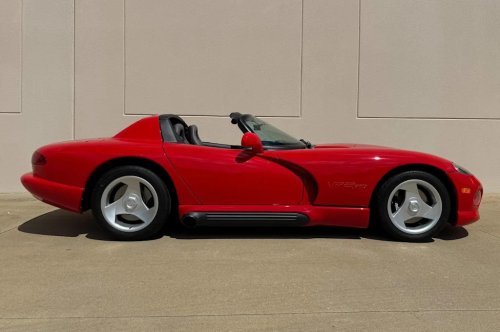
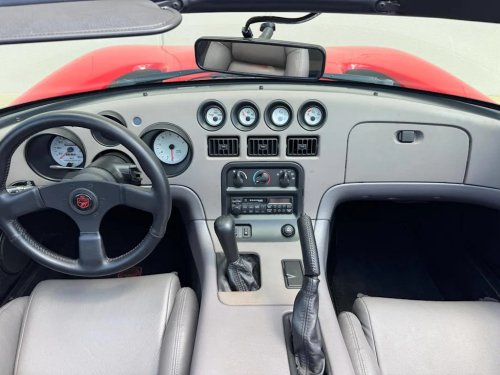
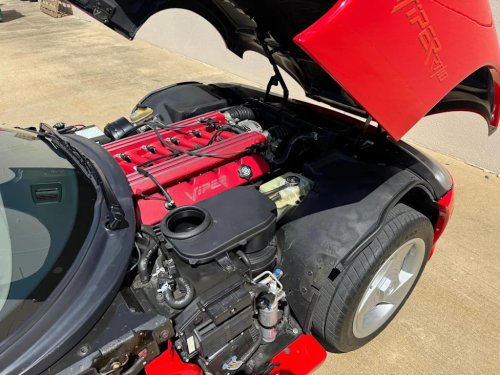
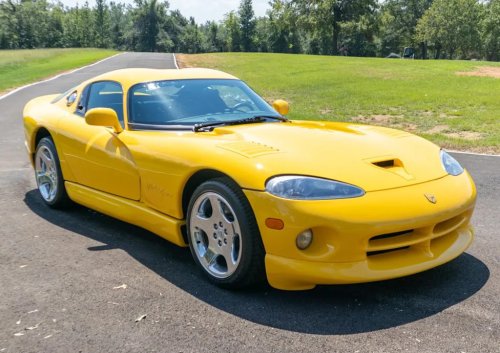
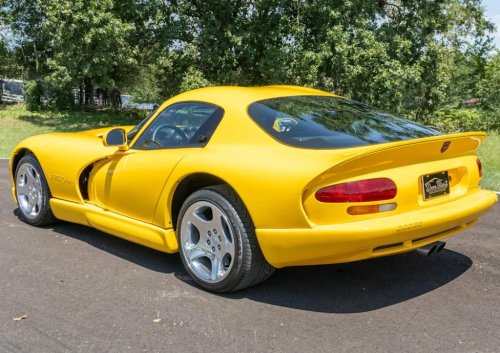
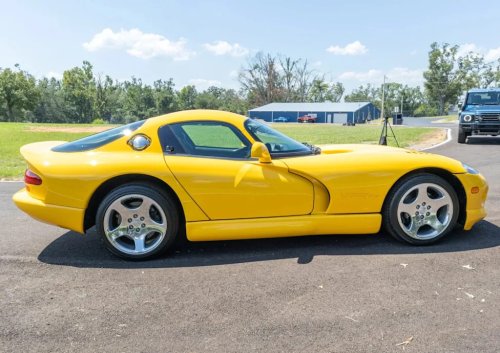
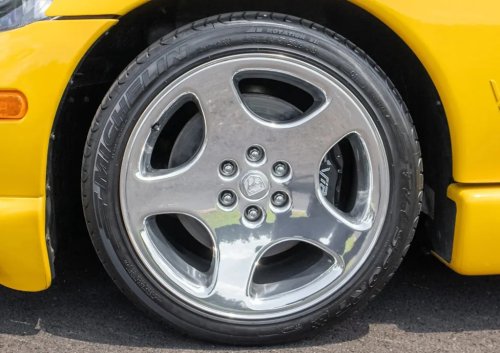
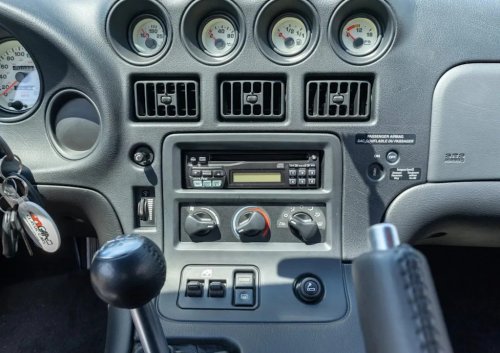
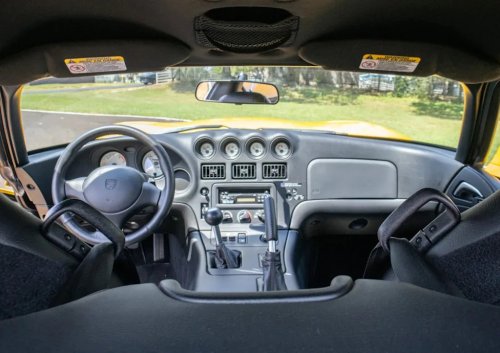
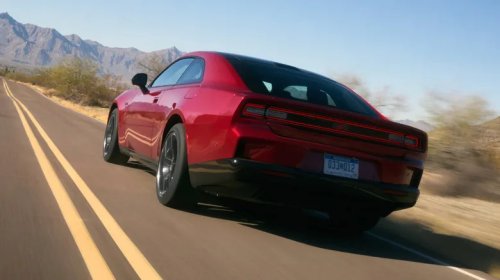
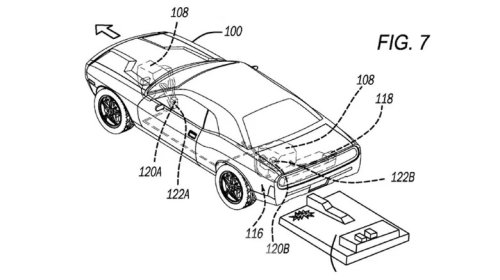
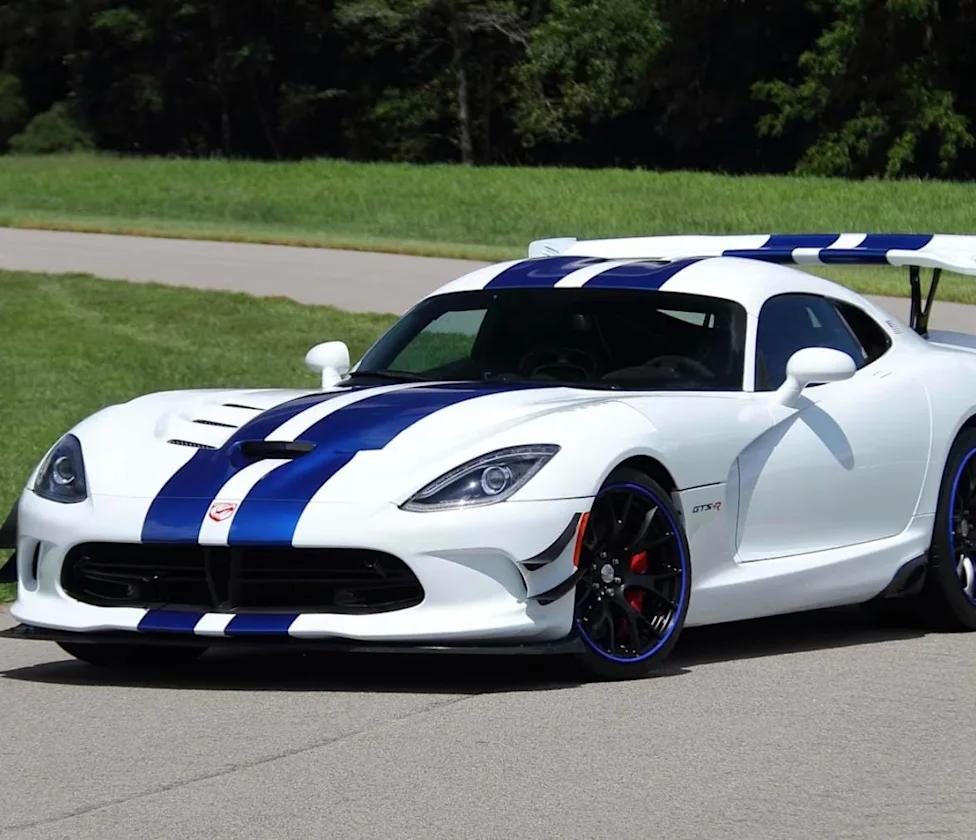
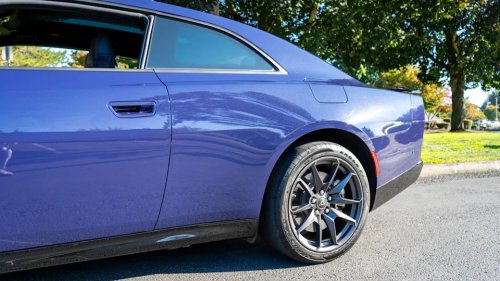
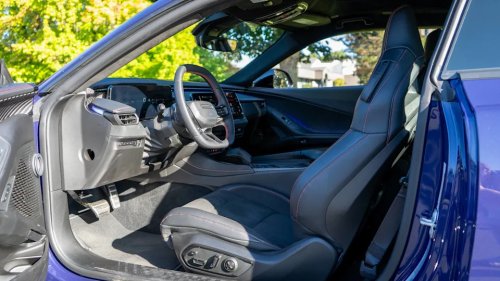
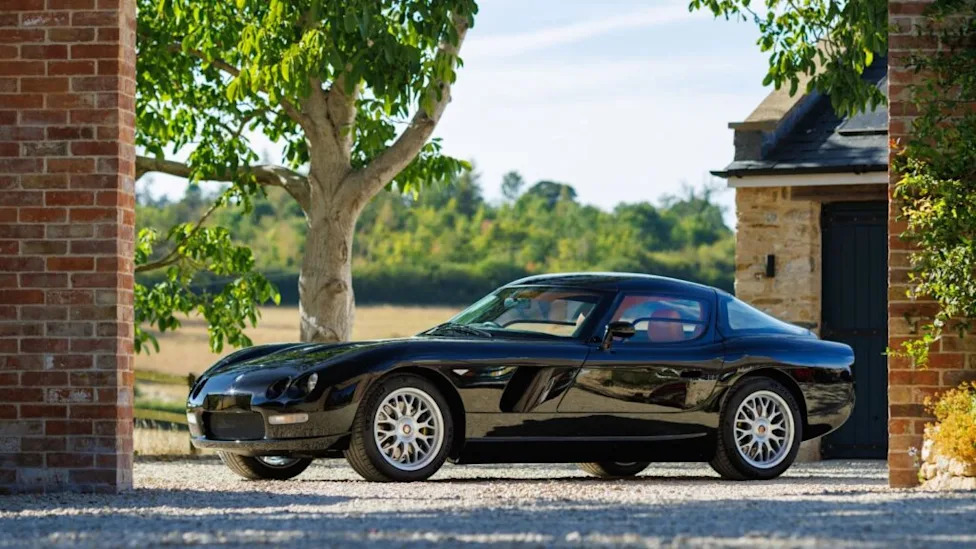
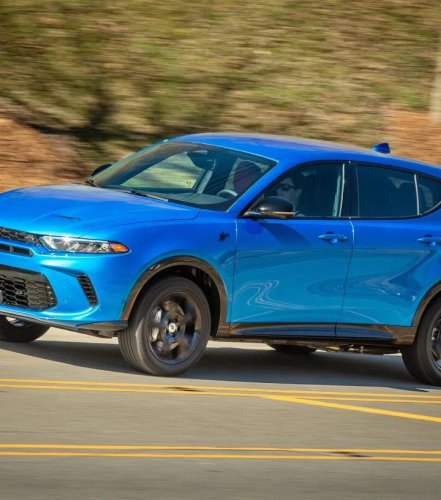
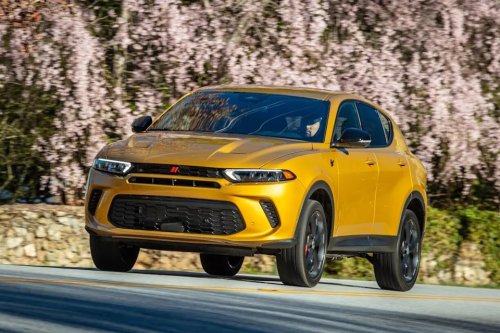
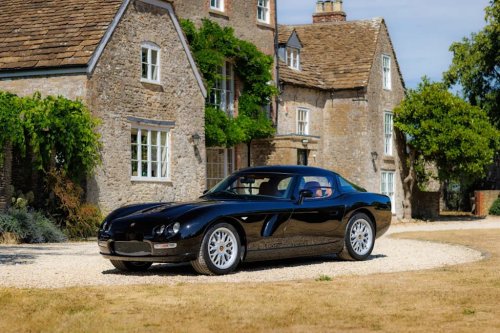
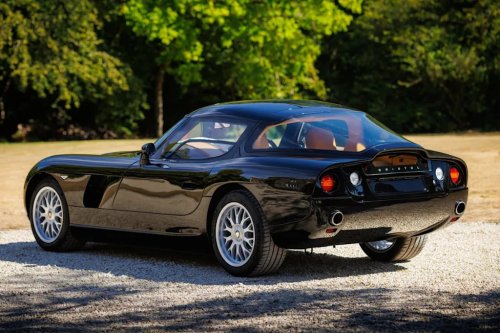
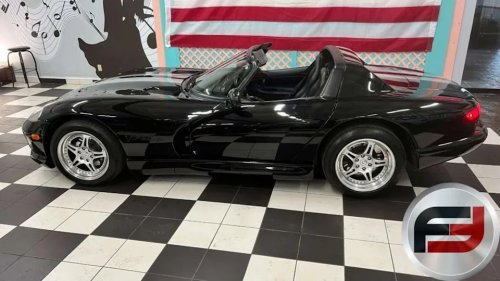
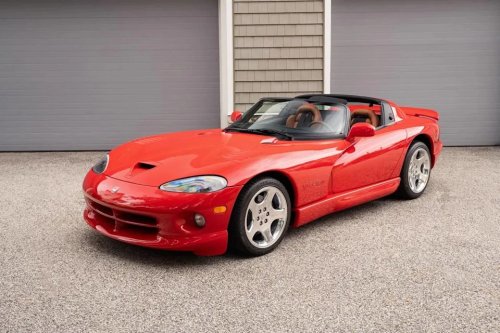
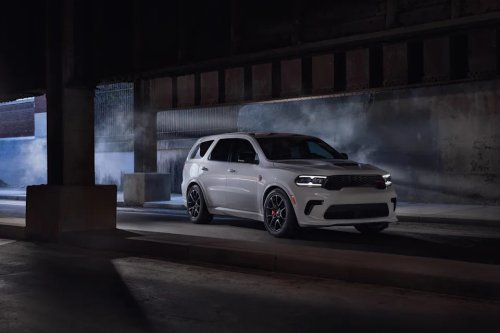
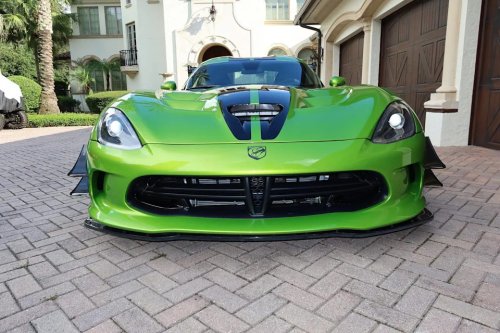
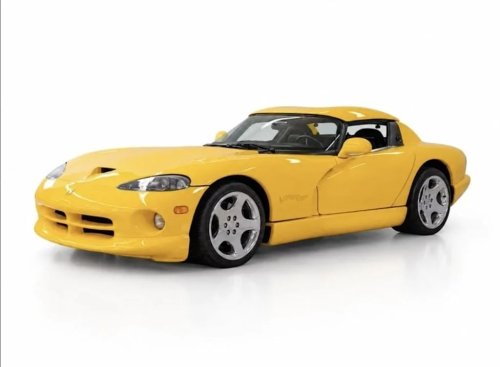
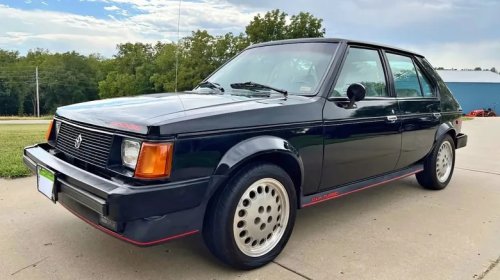
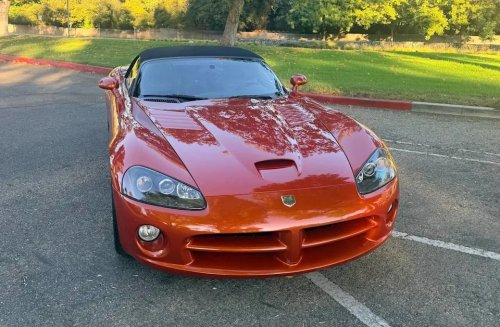
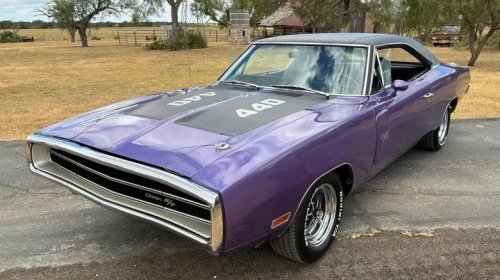
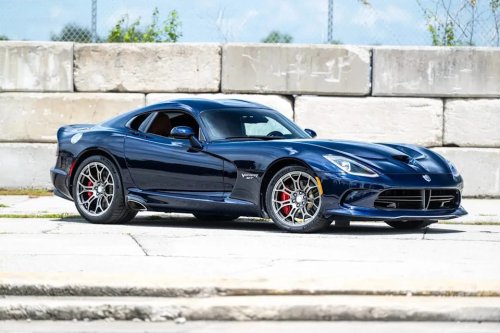
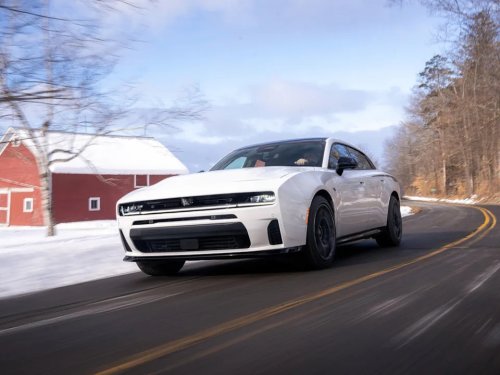
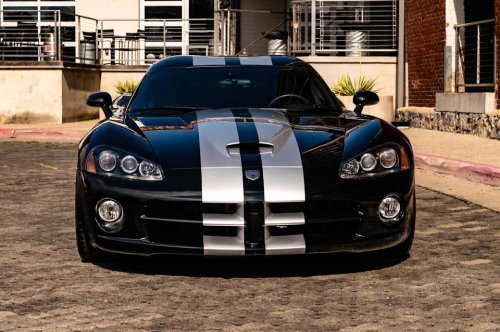
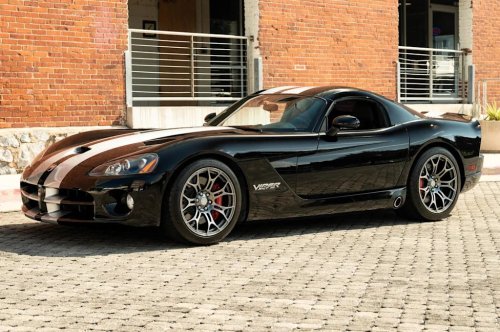
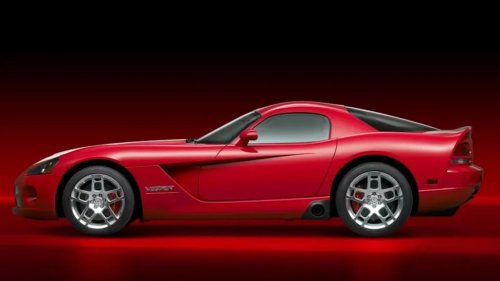
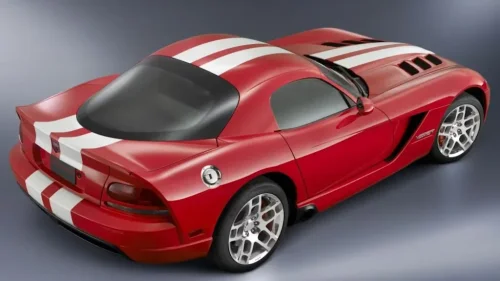
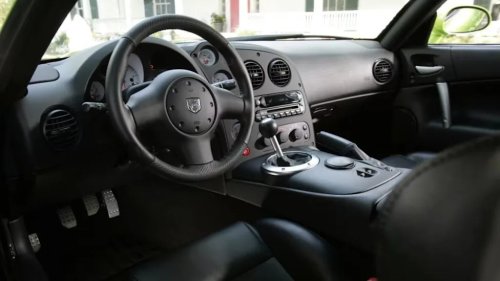
Photo Courtesy: Autorepublika.Dodge Viper fans have refused to give up hope for years. Every rumor about a possible return of the legendary American sports car brought fresh excitement across forums, social media, and performance car circles.That hope now looks much harder to defend. Tim Kuniskis, now leading the revived SRT effort, has made it clear that the Viper is not part of Dodge's current future.Kuniskis knows the car better than most. He helped shape some of Dodge's most memorable modern performance models and has often spoken with real affection for the Viper.AdvertisementAdvertisementHis latest comments point to the same conclusion many fans did not want to hear. The Viper reached the end of its road, and bringing it back without changing the car too much may be the real problem.Safety Rules Helped End The ViperPhoto Courtesy: Autorepublika.For years, many people assumed the Viper died only because of emissions rules, weak sales, or a shrinking market for extreme sports cars. That was easy to believe because the car used a massive V10 engine and belonged to a narrow part of the performance market.Kuniskis' explanation points to safety packaging as the deciding issue. The key problem involved federal ejection-mitigation requirements, which would have forced the Viper to package additional airbag protection in a cockpit that had very little room to spare.The Viper's cabin was famously low, tight, and driver-focused. According to Kuniskis, fitting the required airbag hardware would have placed it extremely close to the driver's head, creating a packaging problem that could not be solved cleanly without changing the car in a major way.AdvertisementAdvertisementThat explanation fits the character of the Viper itself. The car was built around a long hood, low roofline, compact cockpit, and raw driving position. Major structural changes would not have been a small compliance update. They would have started to change what the Viper was.The Viper Refused To Follow The MarketPhoto Courtesy: Autorepublika.The end of the Viper was especially painful because the car always stood apart from modern trends. It never tried to become softer, quieter, or easier to drive in the way many high-performance cars eventually did.Its formula was direct and uncompromising: a huge V10, rear-wheel drive, a manual transmission, and very little separation between the driver and the consequences. By the final model year, the Viper still used an 8.4-liter V10 rated at 645 horsepower and 600 lb-ft of torque, paired with a six-speed manual transmission.That personality also made the Viper difficult to replace. A modern version would have to meet today's safety rules, buyer expectations, and performance benchmarks while carrying one of the most demanding names in Dodge history.AdvertisementAdvertisementKuniskis has said he owns a Viper himself, so his view is not distant or purely corporate. He understands why people still love the car, but he also understands how hard it would be to build another one without sanding away the pieces that made it special.Track Performance Was Part Of The LegendThe Viper was never a gentle car, yet it was far more than a loud engine in a dramatic body. On a road course, the best versions could challenge newer and more technically advanced sports cars.The later Viper ACR became especially respected for its grip, braking, aero work, and lap-time capability. A privately backed 2017 Viper ACR Nürburgring effort recorded a 7:01.3 lap, showing how much track ability the car still had near the end of production.That performance mattered because the Viper's reputation was built through more than nostalgia or shock value. The ACR gave Dodge a front-engine, rear-drive American sports car that could embarrass far more exotic machinery in the right hands.AdvertisementAdvertisementThe car demanded commitment from the driver, but it rewarded skill in a way that few modern performance cars still do. That was part of the appeal and part of the danger in trying to replace it.A Modern Viper Would Face A Difficult ChoicePhoto Courtesy: Autorepublika.The sports car world has changed dramatically since the Viper disappeared. Today's fastest cars often rely on dual-clutch transmissions, advanced stability systems, active aerodynamics, hybrid assistance, and highly managed launch control.Even Porsche's quickest 911 models use technology that helps drivers unlock maximum performance with less physical effort. That kind of engineering has reshaped what buyers expect from a top-tier sports car.A modern Viper would face pressure to use an automatic or dual-clutch transmission to stay competitive. That would create an immediate identity problem.AdvertisementAdvertisementThe Viper's manual gearbox was part of its soul. Removing it might make a new car faster on paper, but it would also move the car away from the raw character that made people care about the badge in the first place.The Corvette C8 Shows How Much The Market Has ChangedKuniskis has also shown respect for the Chevrolet Corvette C8. Its mid-engine layout, dual-clutch transmission, and modern engineering show how far American performance cars have moved.The C8 is proof that a U.S. sports car can evolve successfully while reaching a broader group of buyers. It also shows why the Viper would face such a complicated return.Dodge could build a modern supercar with more technology, more refinement, and more electronic help. The harder question is whether that car would still feel like a Viper.AdvertisementAdvertisementA safer, more refined, more automated successor might be objectively better by many modern measurements. It might also be emotionally less convincing. The Viper was special because it never tried to be the easiest answer.The Viper Belongs To A Different EraThe Dodge Viper remains one of the most recognizable American sports cars ever built. Across more than two decades, it created a reputation around force, simplicity, intimidation, and mechanical honesty.It was never designed for everyone, and that was part of its appeal. The Viper asked more from its driver than most rivals, but it also gave back an experience that felt rare even when it was new.After Kuniskis' comments, the message around SRT is hard to miss. The Viper is Dodge history, not an active product plan.AdvertisementAdvertisementFor fans, that is disappointing. It also protects the car's legacy in a strange way. The Viper ended as one of the last American performance cars that still felt truly untamed, and maybe that is exactly why it remains so difficult to replace.This article was originally published by Autorepublika.com and is republished with permission. It has been reviewed and edited by Guessing Headlights.If you want more stories like this, follow Guessing Headlights on Yahoo so you don't miss what's coming next.



















 +34 others