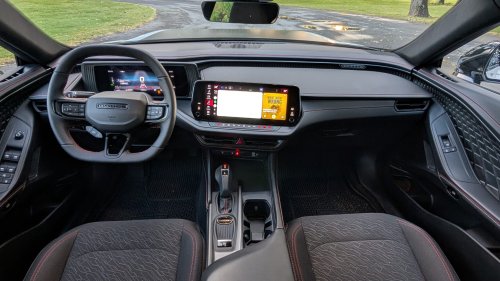
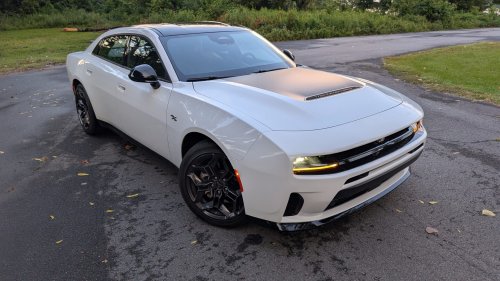
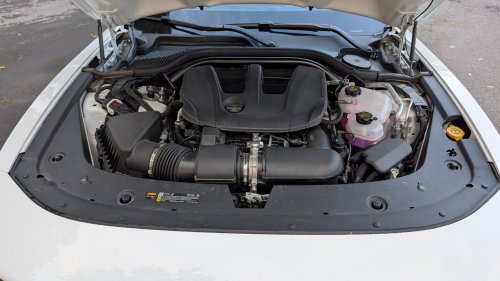
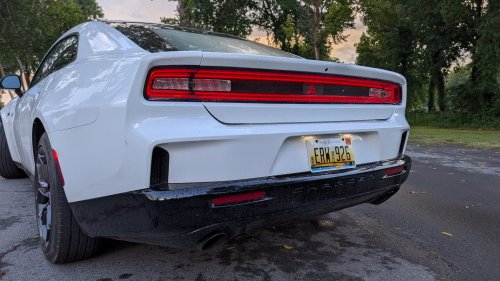
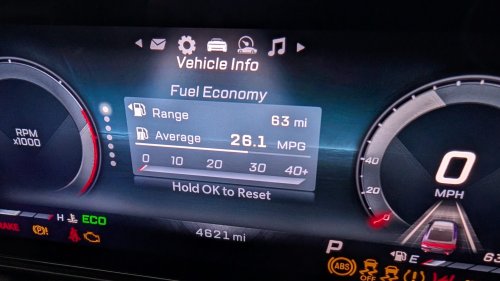
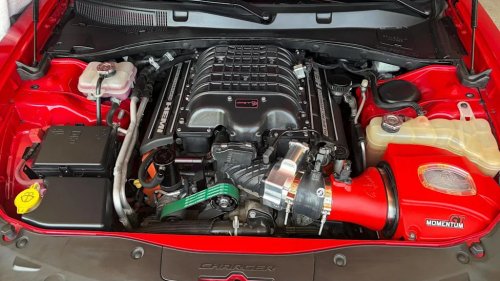
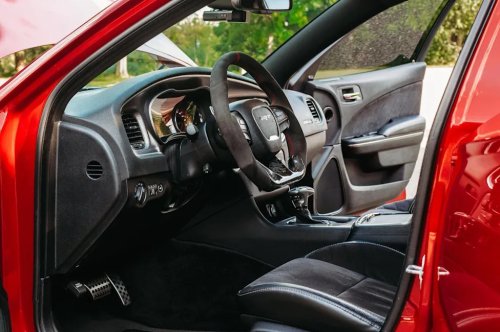
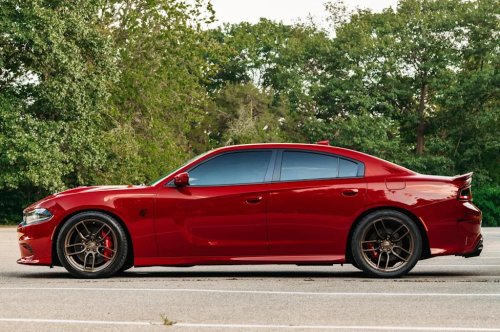
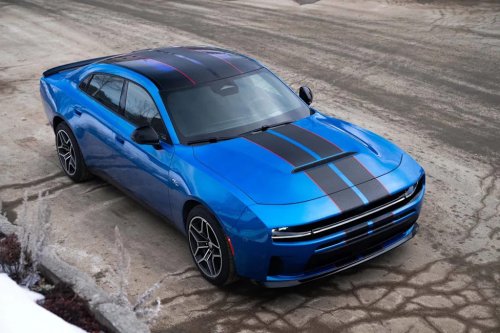
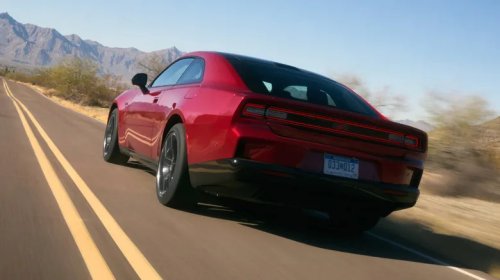
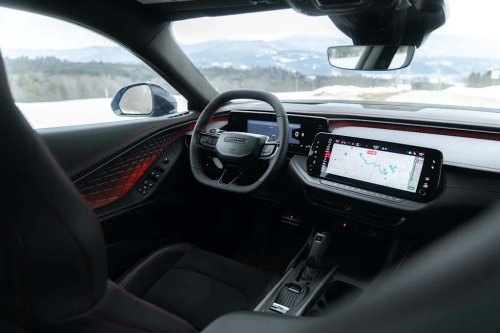
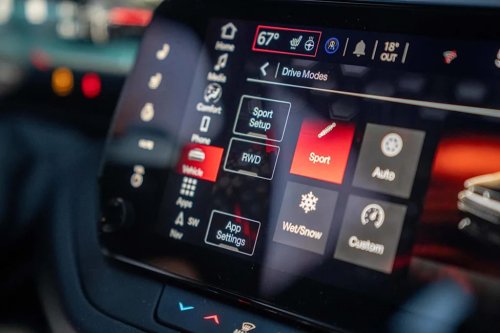
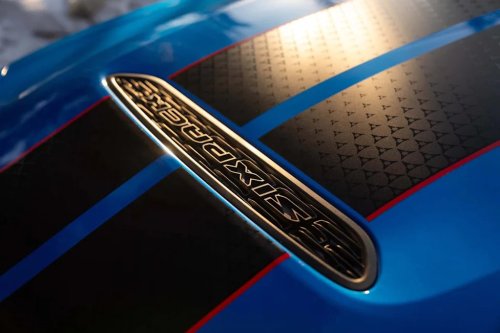
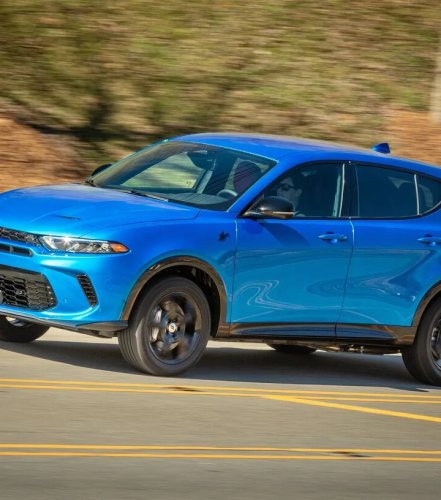
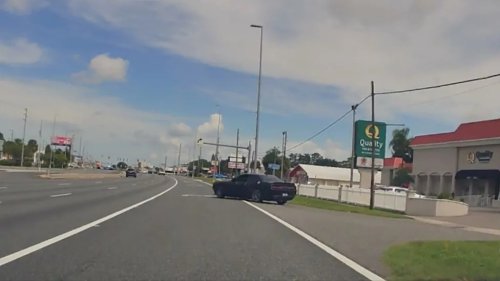
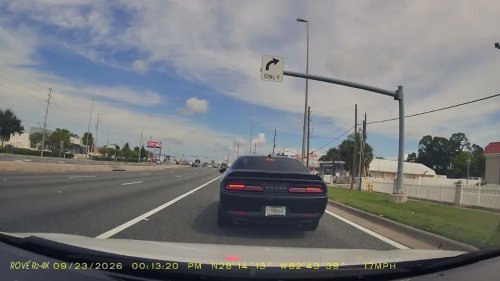
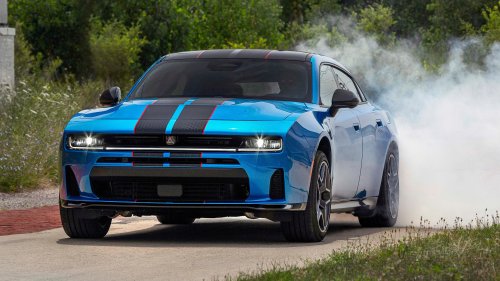
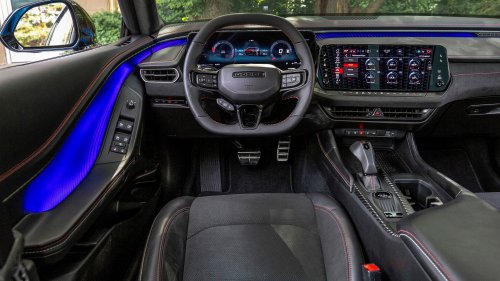
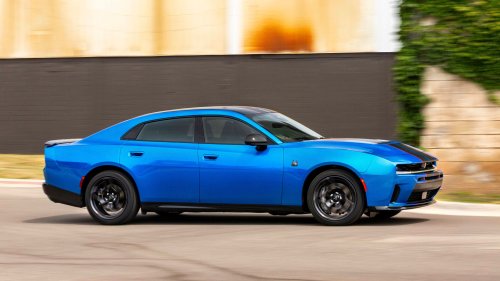
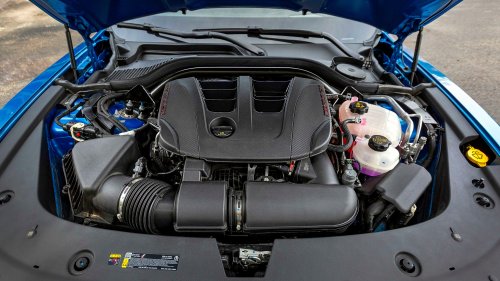
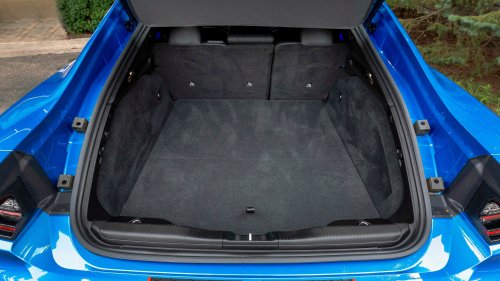
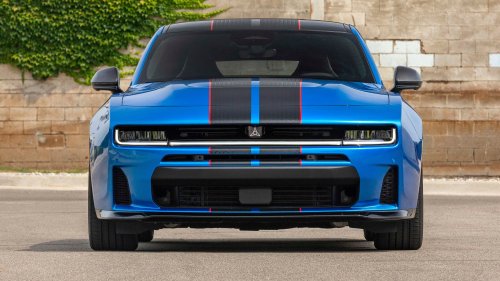
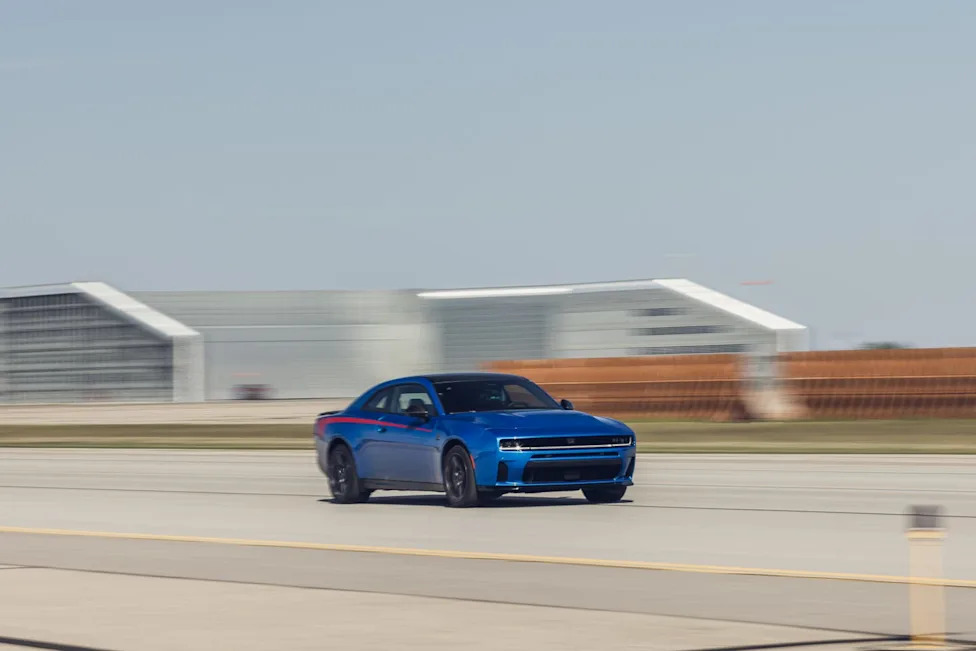
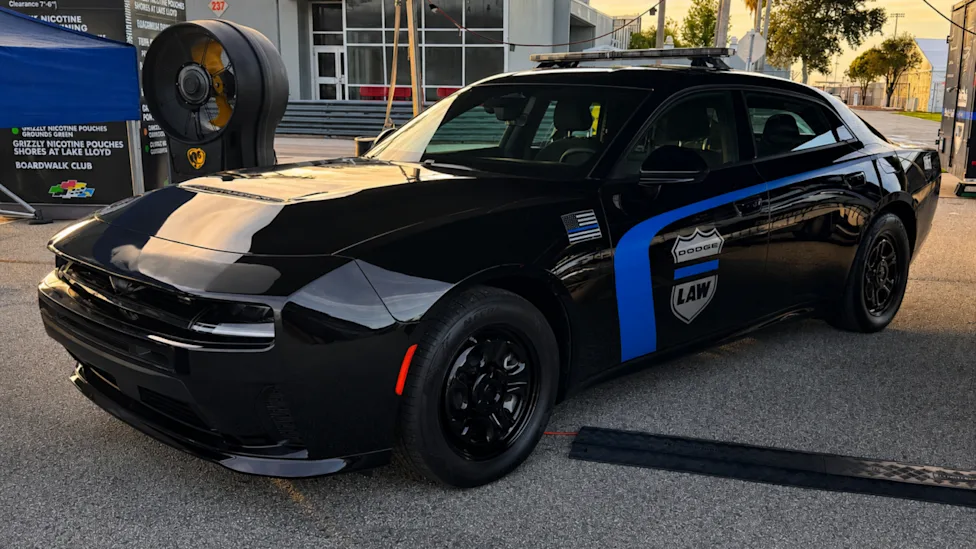
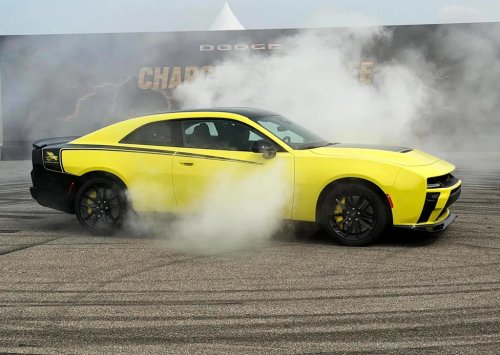
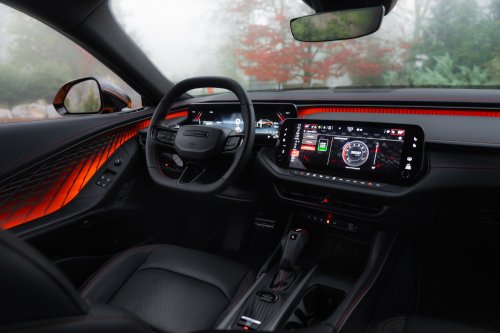
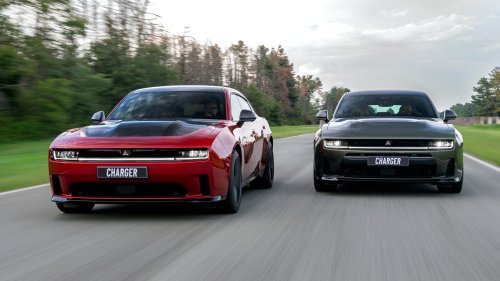
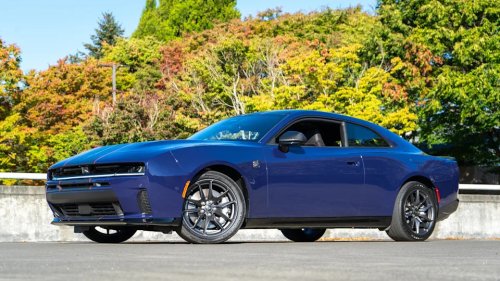
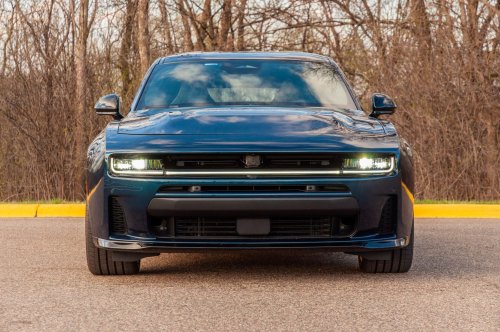
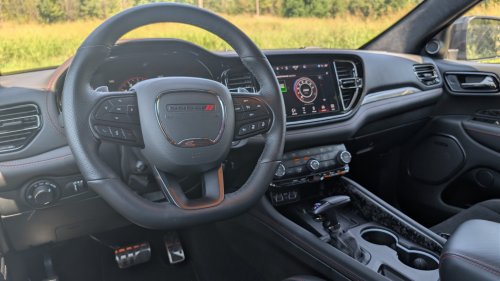
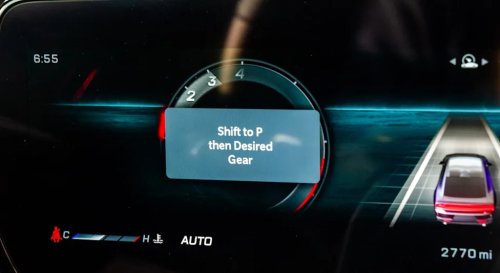
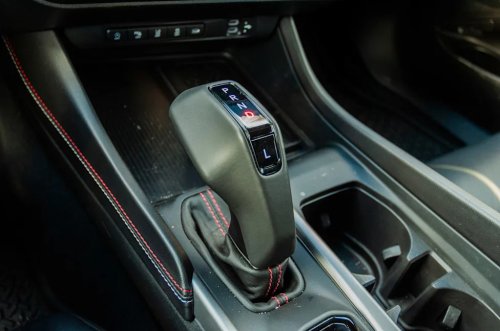
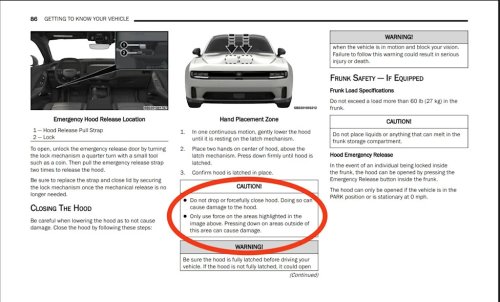
As I sat at a dead stop in traffic on Highway 494 in Bloomington, Minnesota, the car ahead of me began to move. I pushed the gas pedal on the four-door 2026 Dodge Charger Scat Pack and the reborn muscle car… didn't move. An alert popped up on the digital gauge cluster: "Shift to P then desired Gear." I did this, twice, and nothing happened. The car wouldn't budge. Suddenly a pit in my stomach, you know the one, opened up.This was the situation I encountered within moments of sliding behind the wheel of the gas-powered 2026 Dodge Charger I was testing after traveling about 14 hours and getting off a plane coming home from Japan. Not ideal.Traffic began moving ahead of me, horns began honking behind me, and I decided to turn the car off and back on and pray. Except, the Charger didn't turn off when I pushed button. (Score one for keys.) Alarmed, I hit the button again, still nothing. Third time was the charm—it finally shut down and when I turned it back on, the issue was cleared, the car allowed me to shift into Drive, and I finally started moving.AdvertisementAdvertisementThere was a split second where I questioned if I imagined the whole thing since I was completely exhausted from the long-haul flight home. That thought evaporated when it happened again.Joel FederTwo days later, while in a parking lot taking photos of the Charger during my son's soccer practice, I went to move the car for a new angle. I had left it idling in Park, but when I slid the pistol-grip gear selector to Drive, I was met with the same alert in the cluster: "Shift to P then desired Gear." Could've sworn that's exactly what I was doing. Going back and forth between Park and Drive did nothing, nor could I even get it into Neutral. And once again, the power button didn't work either. Thankfully it only took two tries to shut it off this time, which again cleared the error and allowed me to shift into Drive.The Charger's digital gauge cluster has a messages page that you can pull up, but the issue left no trace. As far as the car was concerned, nothing had gone wrong. Twice.Finally, a couple days after that I was sitting at a red light after dropping my kid off at school. It turned green, I pressed the gas, and wouldn't you know it, the same error message popped up and the car refused to move. Same song and dance: it took three tries to turn it off as people honked at me, and when I finally got home and checked, the onboard diagnostics acted like it never happened.AdvertisementAdvertisementI called Stellantis, whose rep told me this was the first time they'd heard of this happening. The 2,770-mile Scat Pack I was driving was technically a pre-production car with "production-intent" software, and they said they'd immediately pull it from the review fleet and send it to a dealership in Detroit for a full system scan, before sending those results to their engineering team back in Detroit to analyze. But the scan wasn't enough to pinpoint the cause, so eventually the car itself was send back to headquarters for a hands-on look.Joel FederIt took nearly four weeks, but Stellantis was finally able to tell me what happened and why."The team identified the event you experienced, which was caused by a body control module (BCM) software issue. During an engine start stop (ESS) event, the BCM that reads the hood latch sensor sent a brief, irregular voltage level to the engine control module (ECM). Due to the irregular voltage level, the ECM could not determine if the hood was open or closed. The Charger's safety protocol does not allow an automatic ESS restart with the hood open, thus prompting your cluster message and requiring a manual restart. Our team completed a software reflash to the BCM we believe eliminated the event you experienced on this pre-production unit, which has not been reported on any customer vehicles," a spokesperson said.It's true that a failing or faulty hood sensor could conceivably immobilize any new car, but Stellantis' explanation didn't fully address why I wasn't able to power cycle the car without repeated attempts.AdvertisementAdvertisementI asked Stellantis for a clear definition of what a "manual restart" requires as two of the three times the issue took place I was driving the car on the road. "Manual restart refers to the vehicle needing a standard key cycle (shift to park, foot on brake and press engine start button) because the automatic ESS restart was blocked due to the BCM voltage irregularity. The event you experienced is not related to the transmission limp mode outlined in the owner's manual," a Stellantis spokesperson said. Notably that means the car wasn't demanding I open the driver's door and lock the car to put it to "sleep." A feat that would've been unrealistic in these on-road situations.Searching around the Internet I was unable to find other complaints or noted instances of this situation occurring with 2026 Dodge Chargers (though plenty of other bugs). The NHTSA has no recorded complaints of this issue. Though, notably, the same error is all over the Internet with reports from owners of both the last-gen gas-powered Dodge Charger and various Ram 1500 models. The root cause with those cars seems to be a shift interlock or electronic gear selection fault typically triggered by a weak 12-volt battery, failing shifter module, or transmission control sensor. None of which were the issue with the new 2026 Charger situation I experienced.Still, whether or not any other customer complaints have surfaced about this specific condition on this specific car, it's notable. The reason? Well obviously, a car randomly being unable to move or even power cycle is kind of a big problem! But it's also not the first time the new Charger has had an issue with how its hood operates.2026 Dodge Charger hood closing procedure via the owner's manual DodgeIn 2025, reports surfaced highlighting the fact that slamming the Charger's hood could break the latches. The requirement of gently closing the hood and then pushing it shut with two hands with specific hand placement is in the vehicle's owner's manual for both gas- and electric-powered Chargers models.AdvertisementAdvertisementThe new Charger hasn't had a smooth launch. Initial reviews were mixed at best. Then the cars started making their way into the wild. Edmunds reported a case of unintended acceleration only to learn their car had what some might have called a software glitch, but it in fact turned out to be, as Stellantis deems it, a safety feature. It's not just Edmunds. The Internet is full of issues such as a red wrench of doom, charging issues and countless fault codes that even allowed the a car to "push through its brakes" into an intersection, locks not working with check engine lights all presumably attributed to 12-volt battery issues.In April, Dodge CEO Matt McAlear told The Drive "it's way too early" to deem whether the latest Charger is a sales dud, and "I'm still excited. I'm still bullish on this car." McLear said the reason is because "I think it offers something that no one else sees coming in the industry and it wakes up some mundane car segments that there's not many of them left."Stellantis has since put that specific car I experienced issues with back into the fleet and loaned it to other media who told The Drive the issue I experienced has not resurfaced.Got a tip about something not operating correctly? Send us a line at [email protected]



















 +30 others