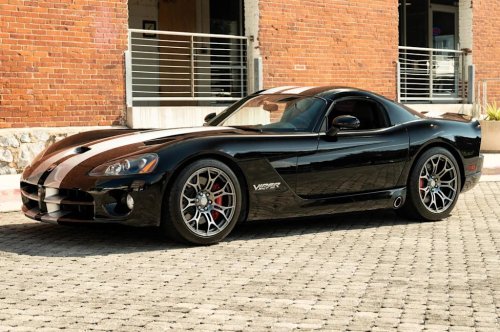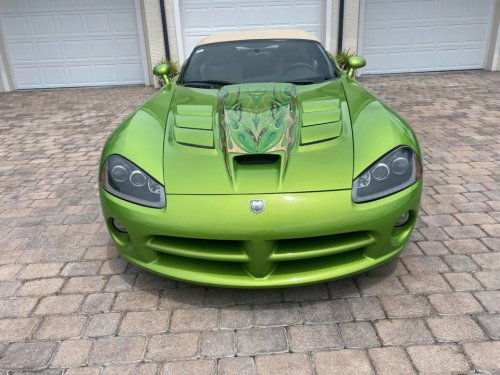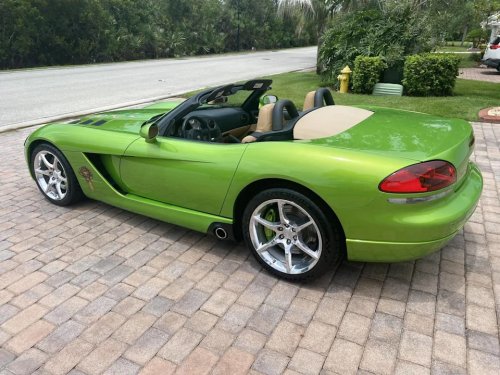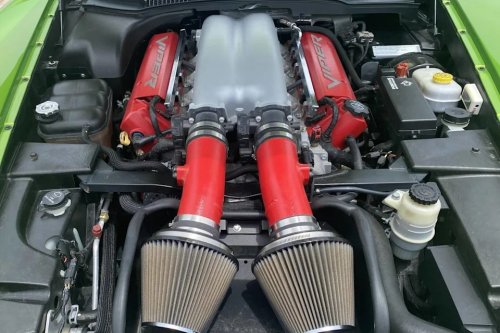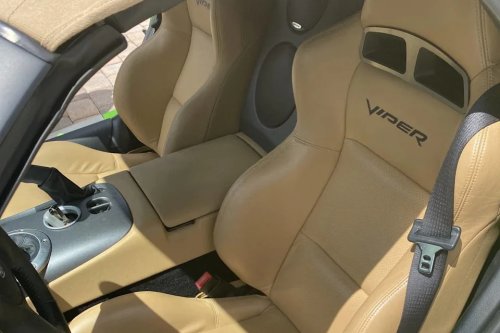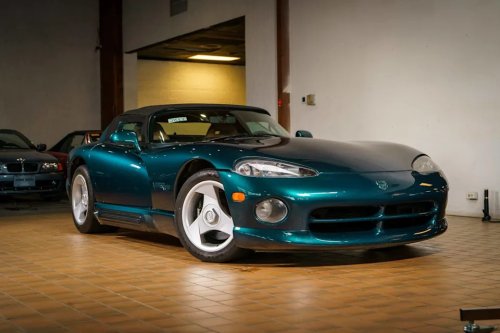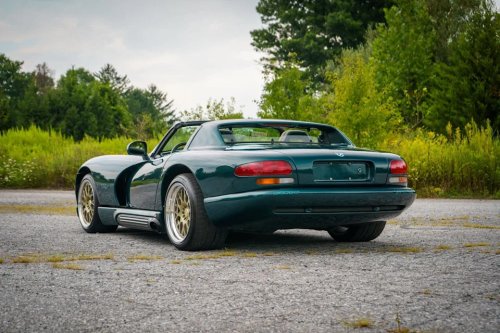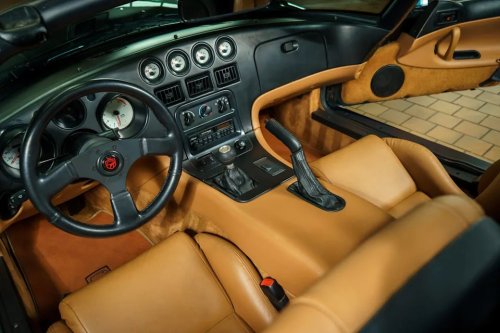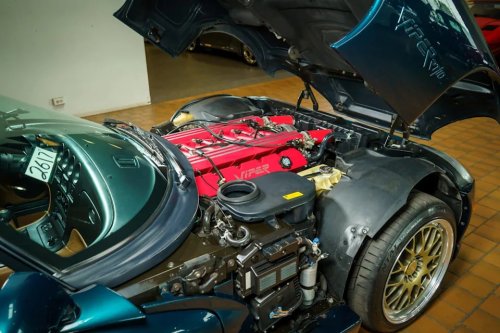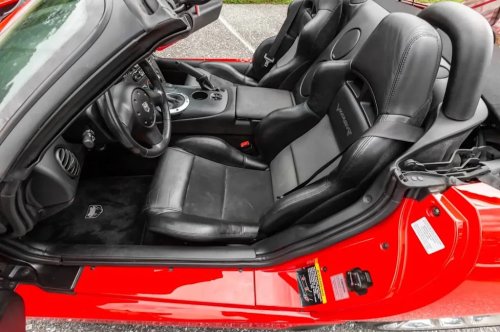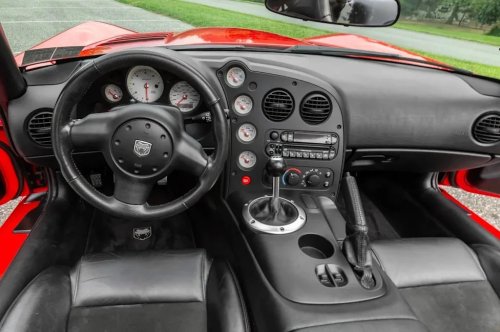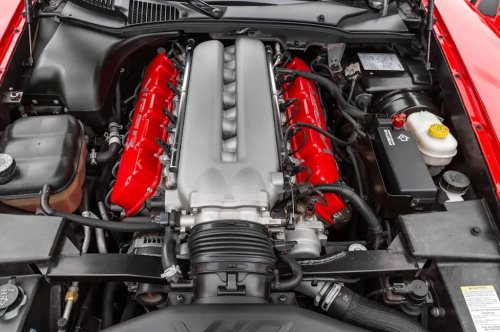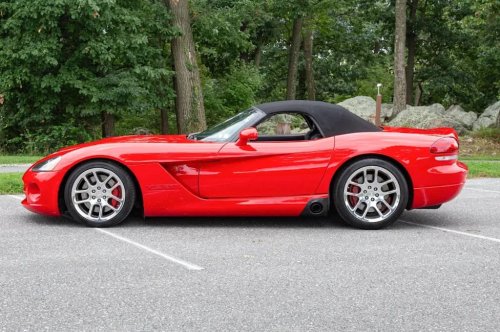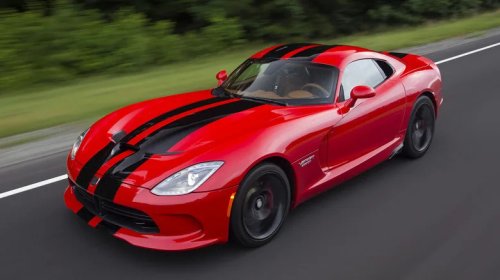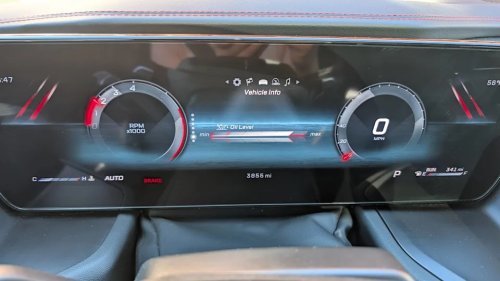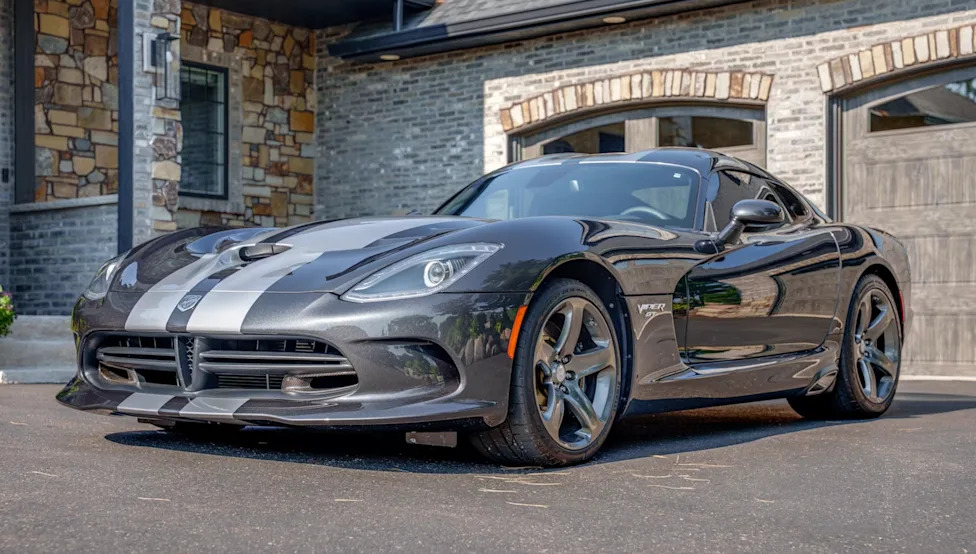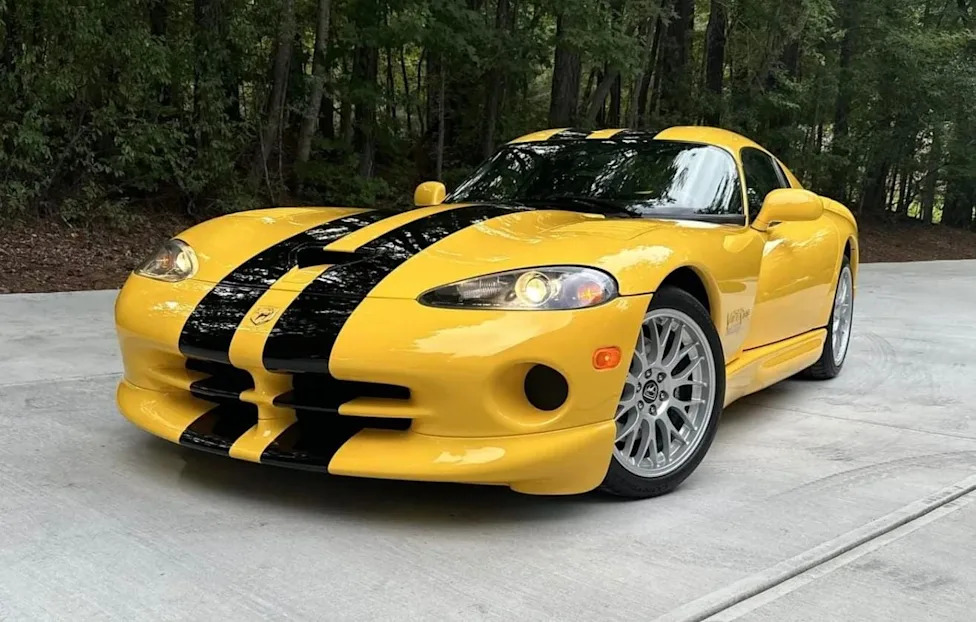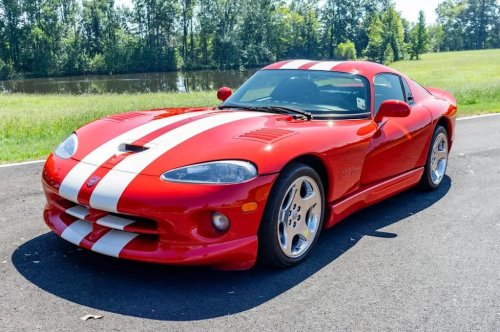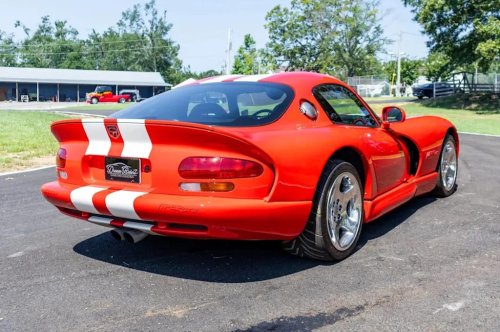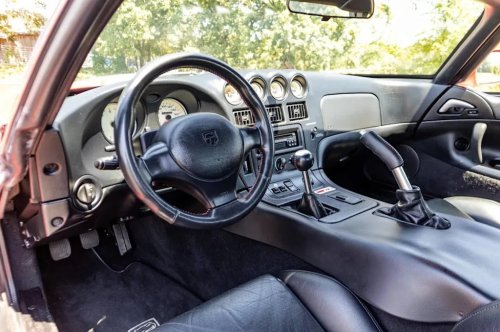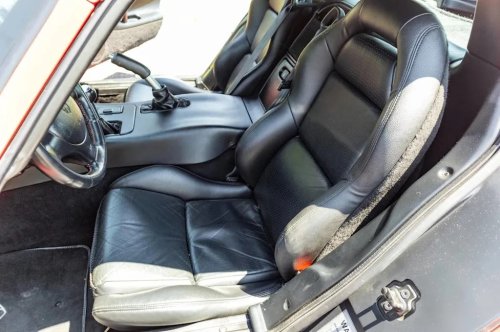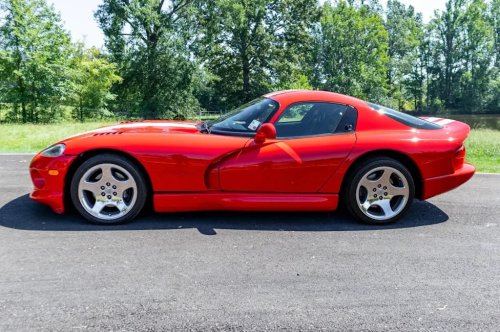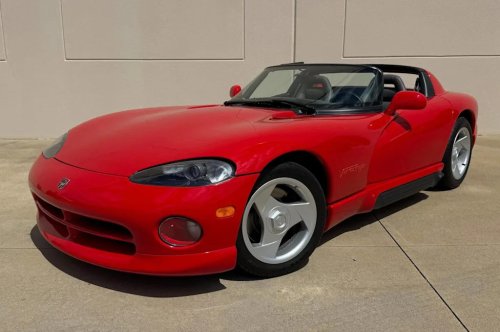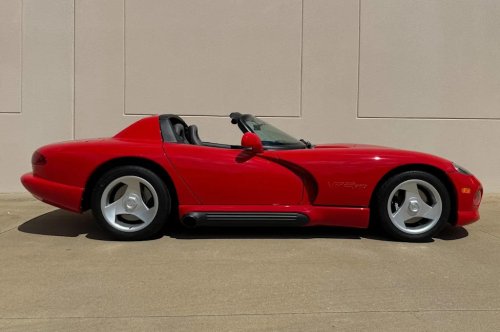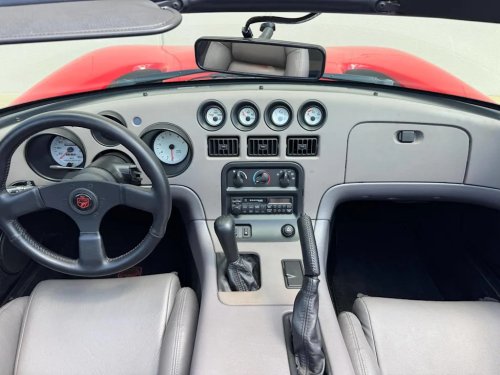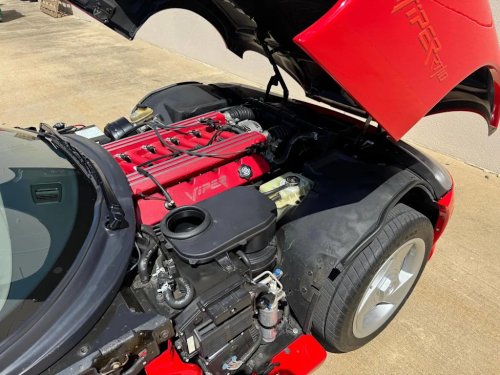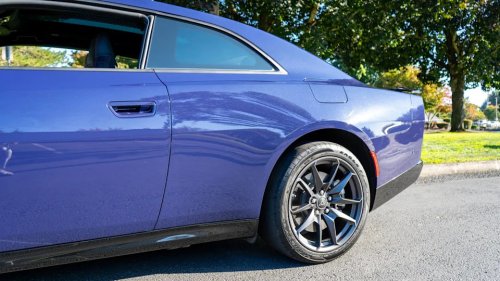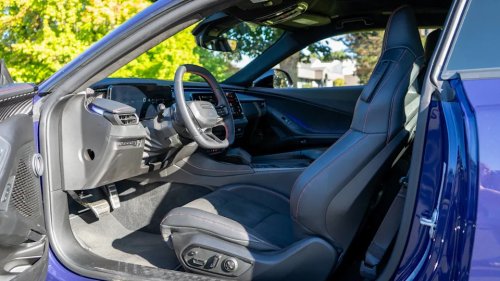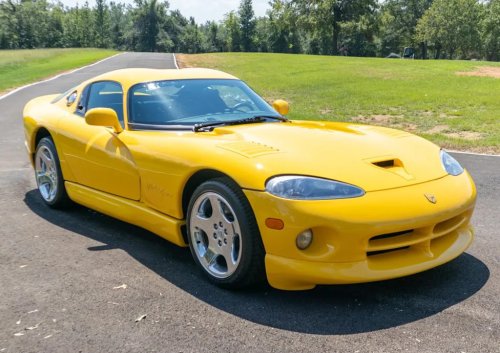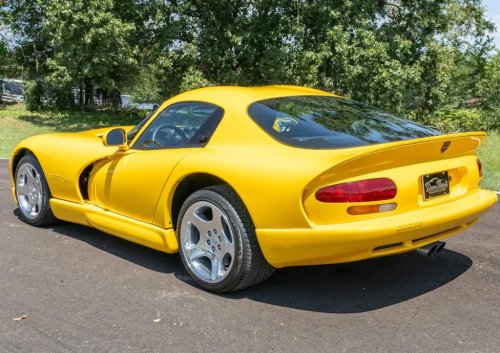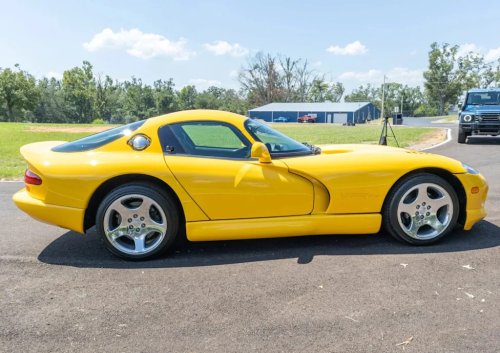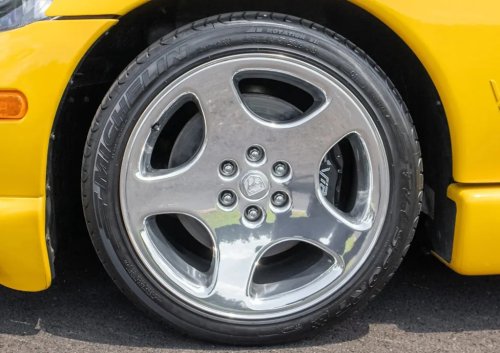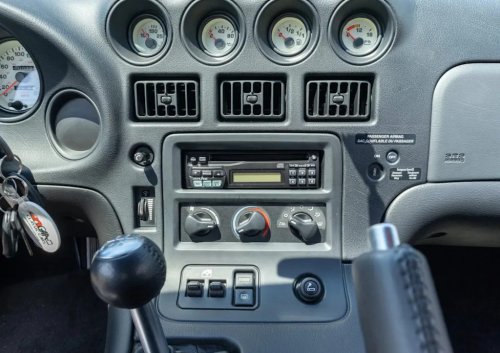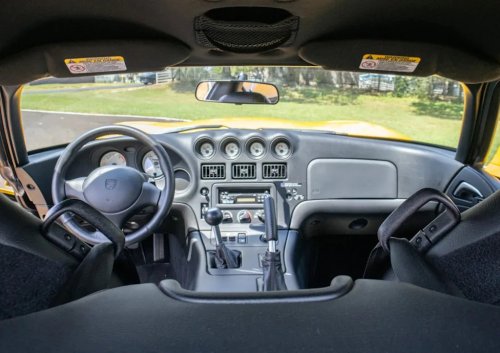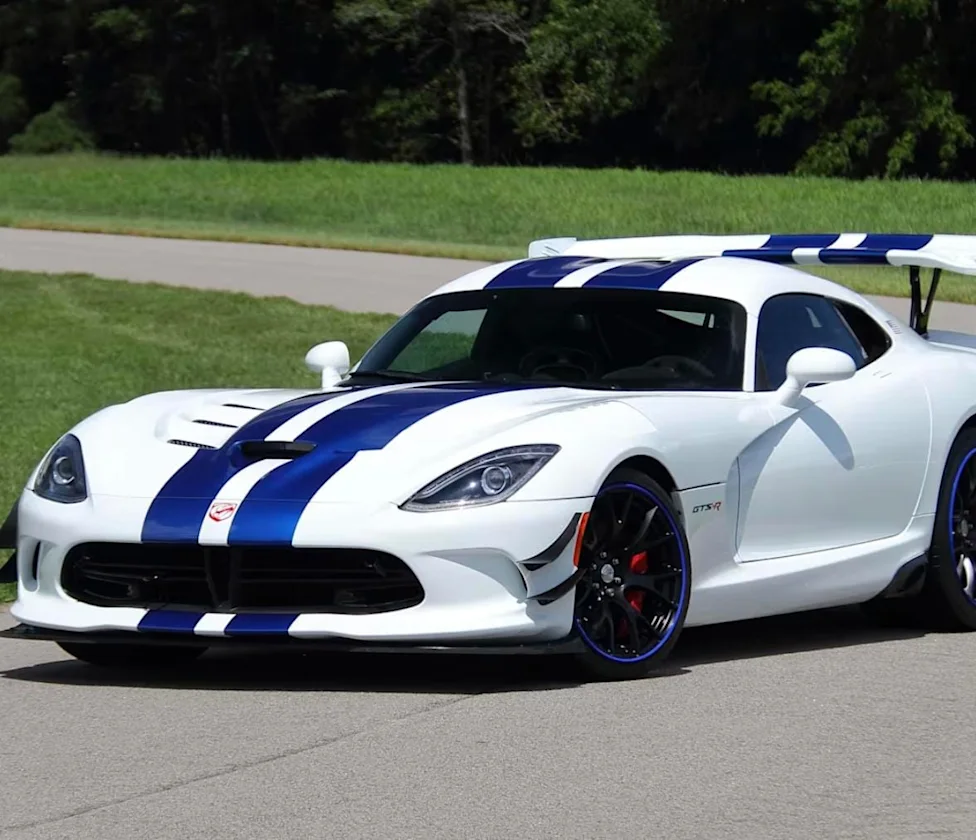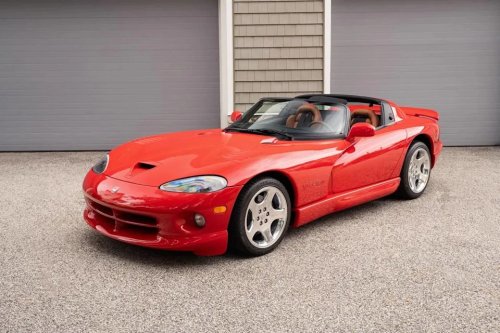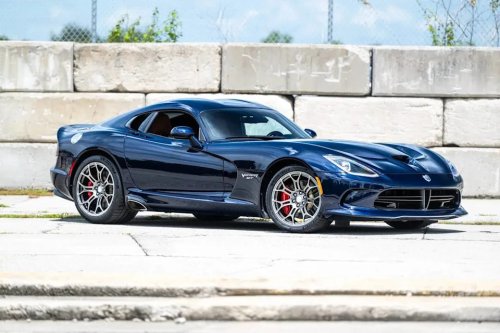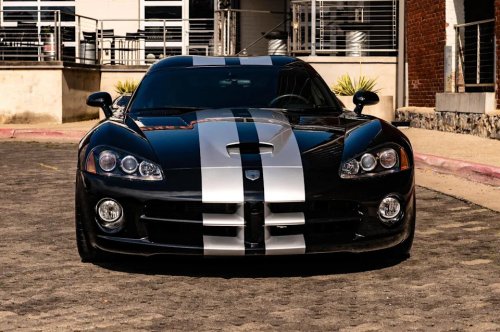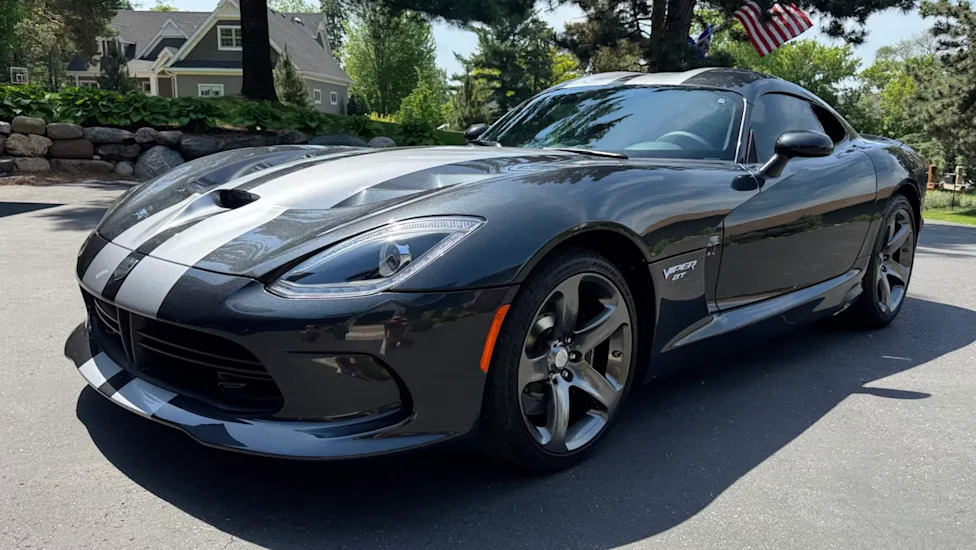



















This 543-Mile 2017 Dodge Viper GTC Shows How Final-Year Rarity Really WorksA 543-mile 2017 Dodge Viper GTC will cross the block at Mecum's Nashville auction on Saturday, September 26, carrying the sort of production statistics that can make any catalog entry sound irresistible. It is one of 26 Gunmetal Pearl GTC coupes built for the model's final year and, according to the Viper Registry figures cited by Mecum, one of only two paired with Billet Silver GTS racing stripes.The arithmetic is compelling, but it is not the whole case. The real significance of this Viper is the way final-year status, unusually low mileage, restrained factory specification, and documentation converge in one car. Serious buyers should judge that combination as a package—not mistake a two-of-two color statistic for a guarantee of blue-chip importance.A Final-Year Viper With the Right EvidenceMecum lists the car as Lot V562 and identifies it as a two-owner example with 543 miles showing. The consignor is also including the original window sticker, while the catalog notes a clean Carfax. Those details matter because mileage alone is merely a number on an odometer; a window sticker, consistent ownership history, service records, and physical inspection are what turn low mileage into a defensible preservation story.AdvertisementAdvertisementMecum says 841 Vipers were produced for 2017, including 582 GTC coupes. Within that group, just 26 were finished in Gunmetal Pearl and only two combined that paint with Billet Silver GTS stripes. The distinction is worth preserving because it reflects factory configuration rather than an aftermarket repaint or later cosmetic conversion.Yet there is an important hierarchy inside the final-generation Viper market. A rare color combination on a GTC does not automatically outrank an ACR, an ACR Extreme, or a factory special edition with a stronger performance identity. Modern Car Collector's look at a group of final-year ACR Extremes illustrates why those cars occupy their own tier: their aero, chassis hardware, limited-edition narratives, and track credibility give collectors more than scarcity alone.Why the 2017 Dodge Viper GTC Specification MattersThis GTC still delivers the essential fifth-generation Viper formula: an 8.4-liter naturally aspirated V-10, a six-speed manual transmission, and a 3.55 rear axle ratio. Dodge rated the final-generation engine at 645 horsepower, but horsepower is not the collectible argument here. The greater draw is that the Viper combines a huge naturally aspirated engine and a manual gearbox in a form that ended production on August 31, 2017. Collectors rarely pay a lasting premium for horsepower alone. They pay for a powertrain that marks the closing of a chapter.The options reinforce that identity without trying to turn the car into something it is not. It has adaptive dampers, a carbon-fiber X-brace, a carbon-fiber package, GTS and Laguna interior packages, black Laguna leather with silver stitching, an Alcantara headliner, and Hyper Black SRT wheels. The Gunmetal Pearl and silver-stripe combination is less theatrical than the bright greens, oranges, and reds often associated with the Viper. That discretion may narrow the crowd, but it can deepen the car's appeal among collectors who want the final Viper's shape and mechanical drama without a show-car palette.AdvertisementAdvertisementFor context, another low-mileage fifth-generation Viper recently profiled by Modern Car Collector showed how stock condition and careful storage support a late Viper's case. This 2017 car adds the stronger bookend of the final model year, but the same rule applies: originality needs corroboration.Low Mileage Is an Asset—and a Due-Diligence QuestionAt 543 miles, this Viper has traveled far enough to show some use but not enough to answer every mechanical question. A serious bidder should inspect the tire date codes, battery history, fluid-change records, cooling system, seals, and evidence of long-term storage conditions. A car can be cosmetically untouched and still require recommissioning. Conversely, thoughtful periodic service can make a slightly higher-mile car a safer acquisition than a static display piece.That tension between preservation and usability is especially important for Vipers. Their appeal is intensely physical, and much of the collector base still wants to drive them. The market is therefore segmented: some buyers pursue near-delivery-mile time capsules, while others prefer documented cars they can use without feeling that every mile erodes the thesis.As our comparison of the Dodge Viper and Acura NSX argued, the Viper market rewards detailed knowledge because values separate sharply by generation, body style, special edition, mileage, originality, and specification. This car should not be benchmarked against every fifth-generation coupe, nor should its two-of-two color claim be treated as equivalent to a two-car production run with unique mechanical content.What Collectors Should Watch in NashvilleThe September result will be useful not because it can establish a universal price for 2017 Vipers, but because it will show how bidders weigh three different premiums: final-year provenance, preservation mileage, and build-sheet rarity. If the car brings strong money, the result will say as much about the market's growing sophistication around specification as it does about nostalgia for the Viper.AdvertisementAdvertisementThe overlooked detail is balance. This is not the most extreme Viper Dodge built, and that honesty is part of its appeal. It is a very low-mile, well-optioned, final-year GTC in an unusually scarce and cohesive factory color combination, supported by the documentation buyers expect. For the right collector, that may be more persuasive than chasing the loudest or most track-focused example. The winning bidder should simply be paying for the whole car—not for the smallest production number in the catalog.Join our Newsletter, follow our Instagram page, and follow us on Facebook.