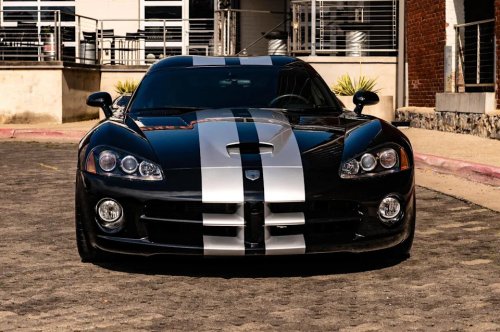
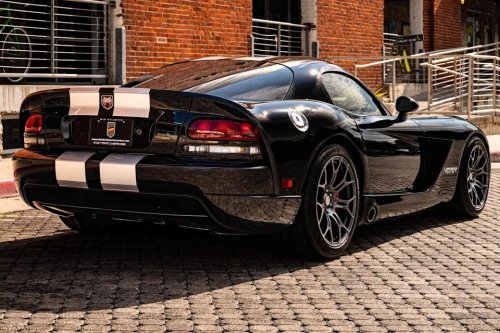
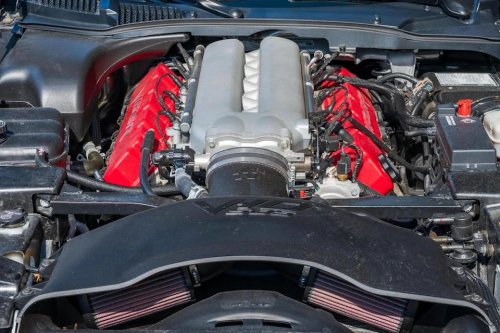
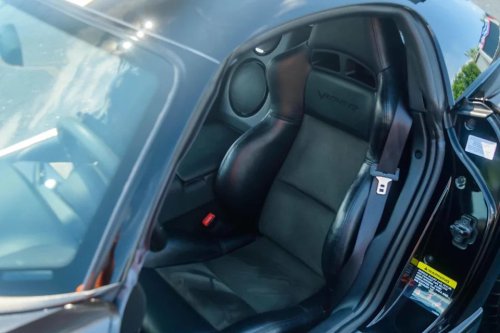
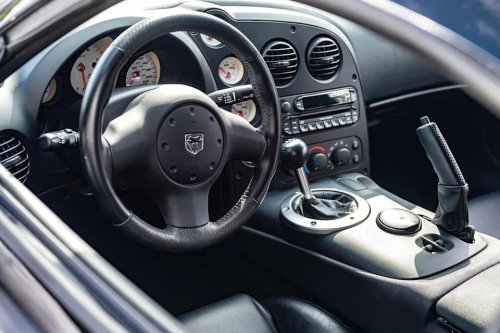
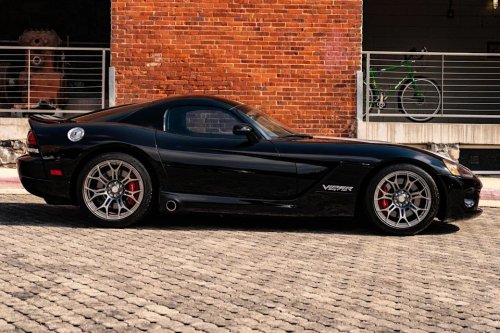
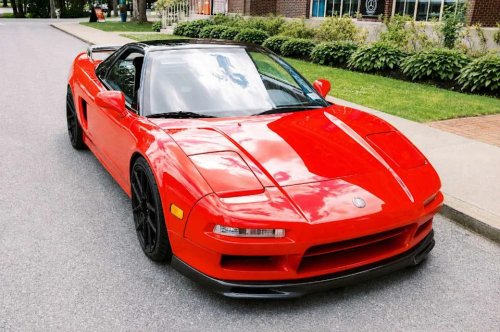
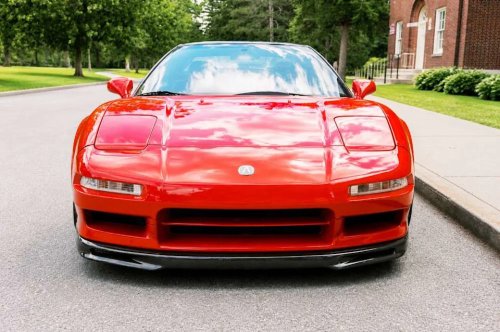
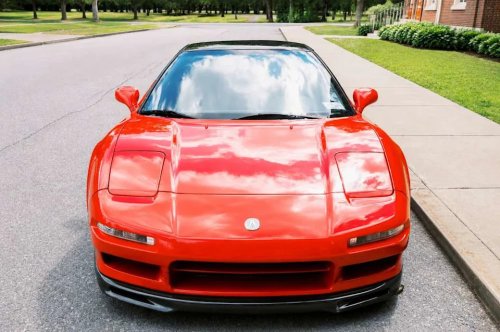
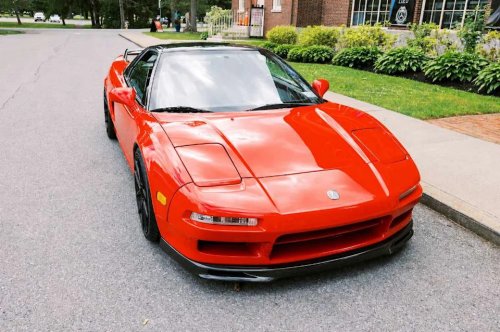
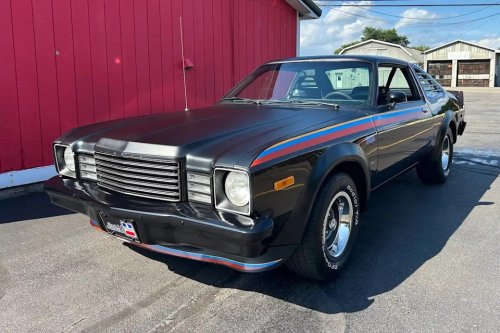
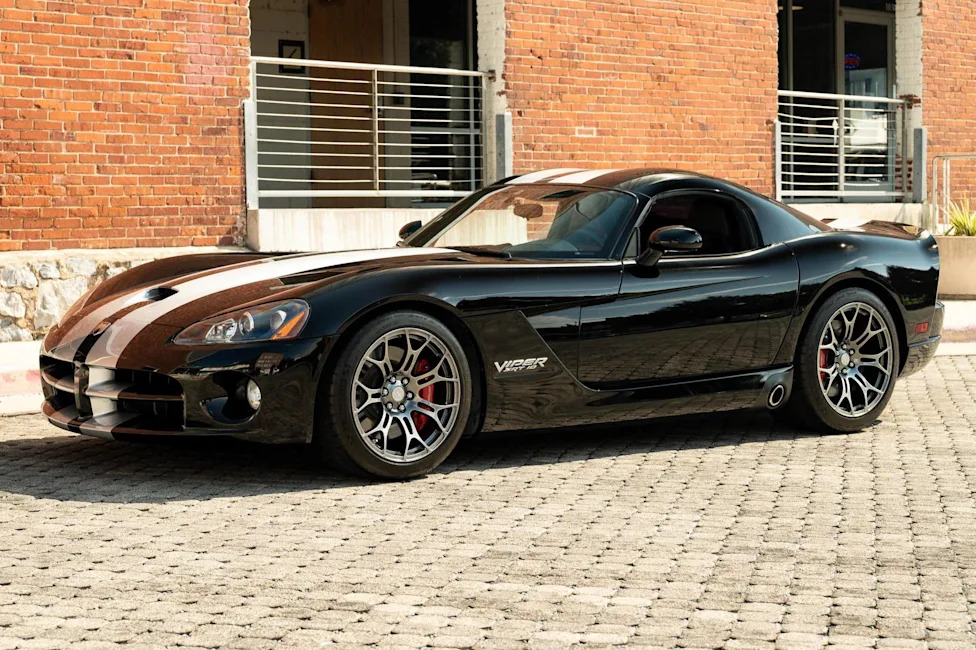
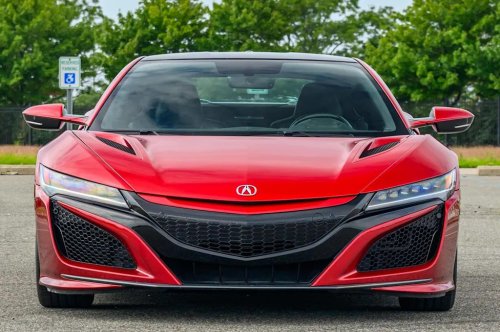
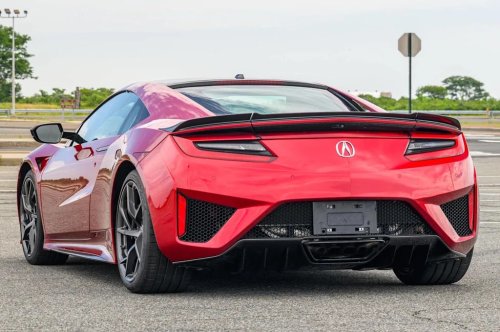
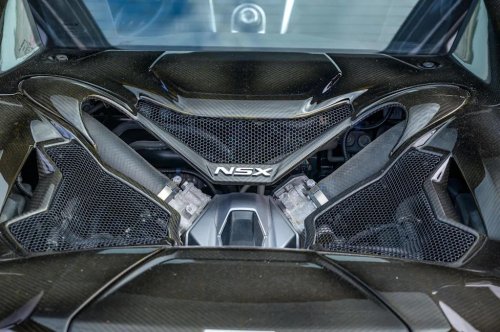
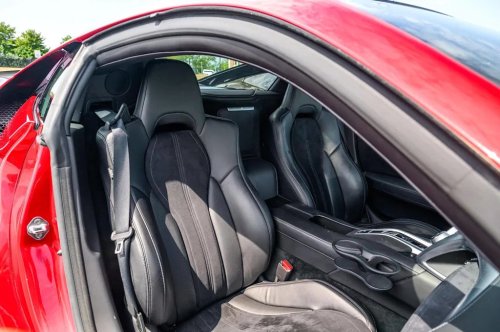
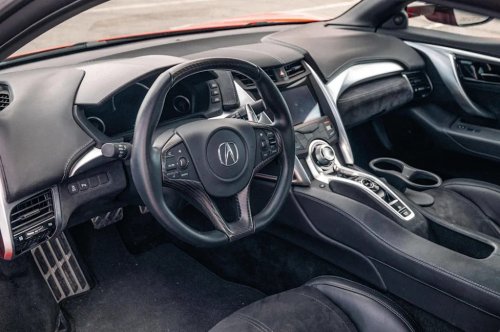
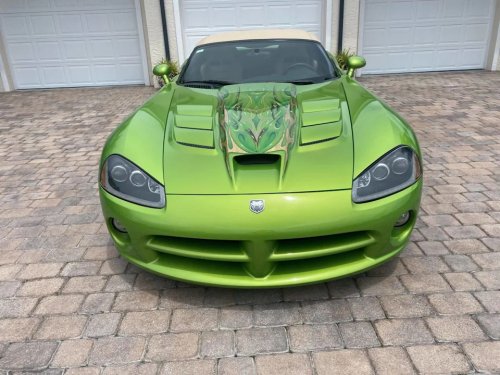
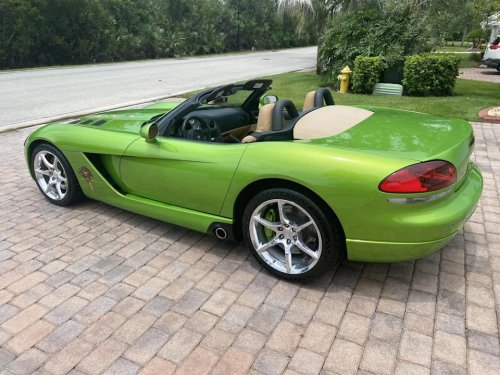
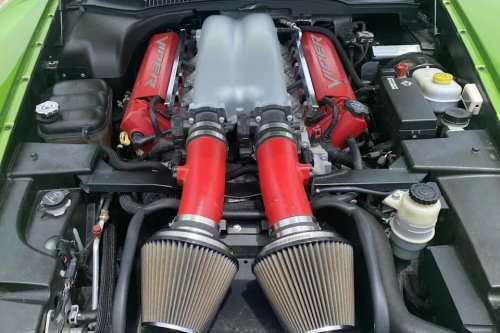
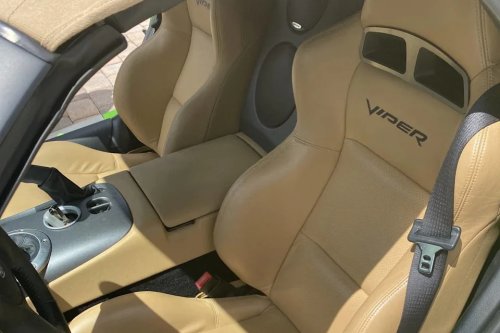
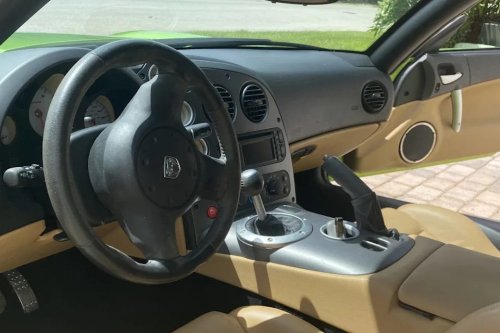
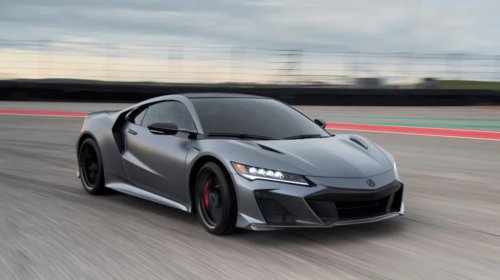
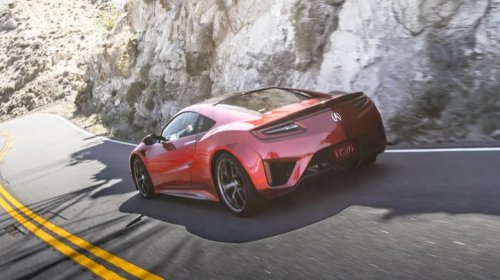
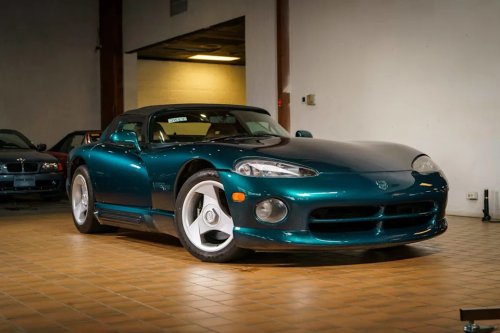
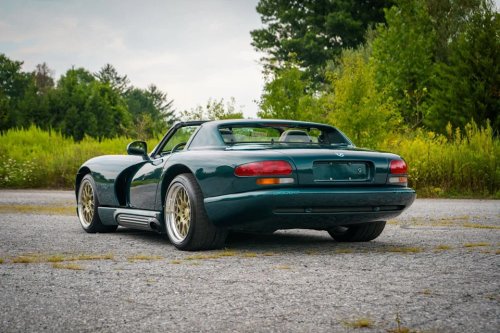
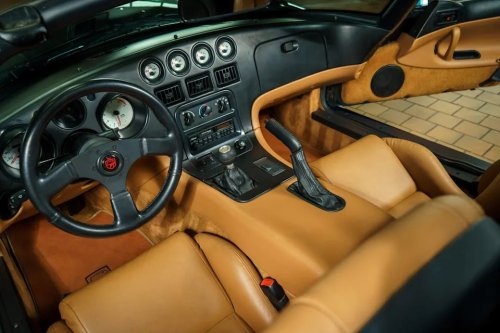
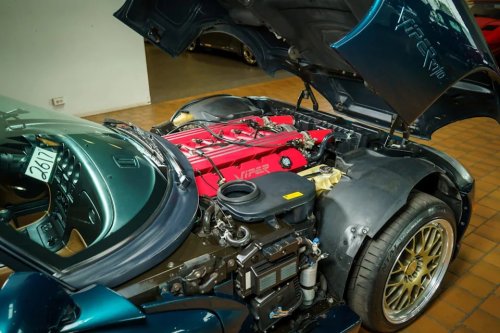
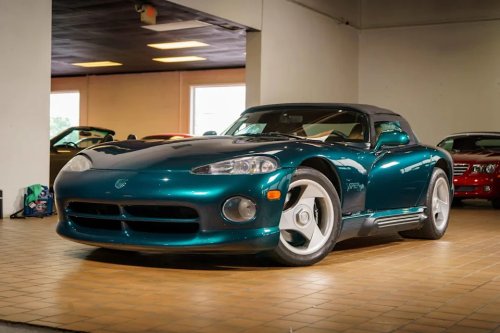
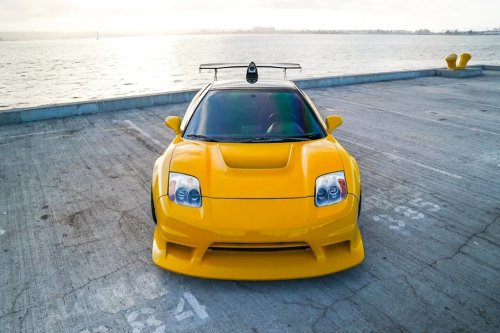
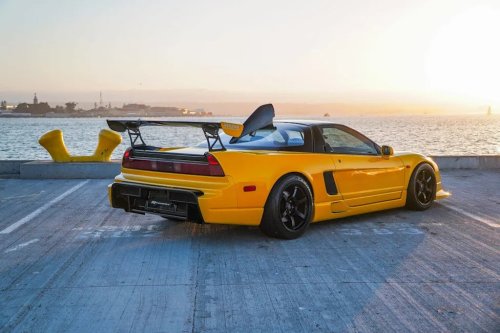
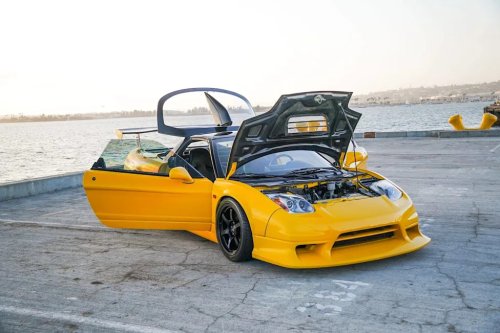
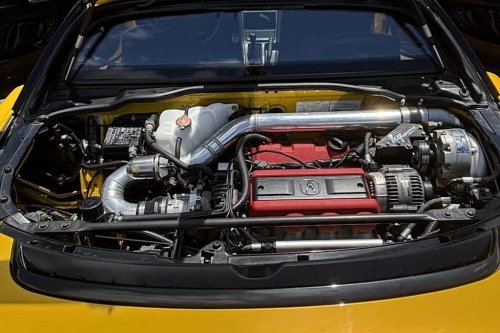
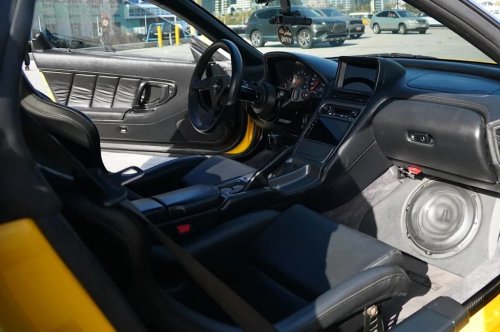
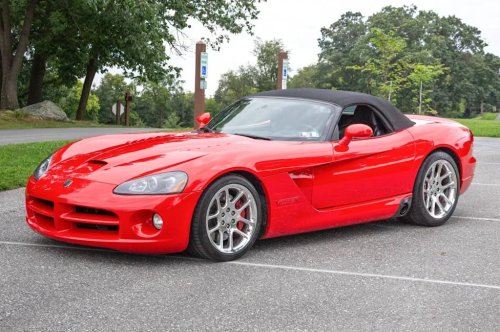
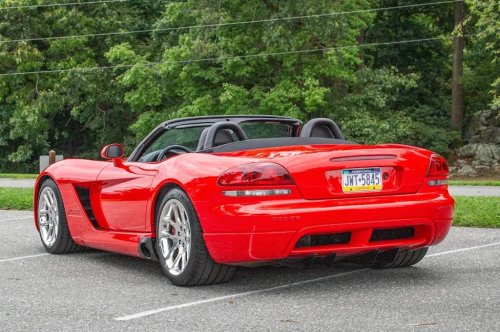
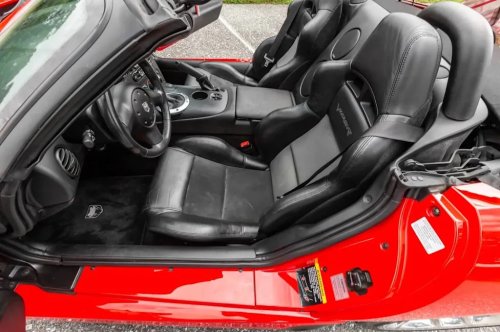
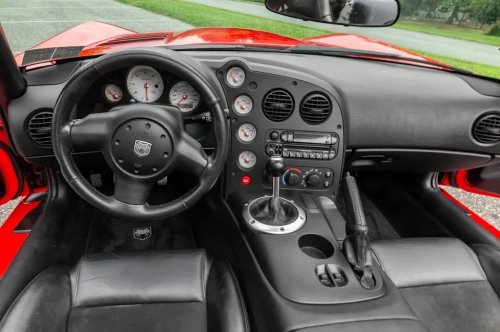
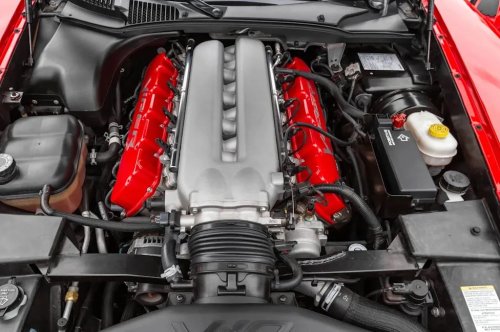
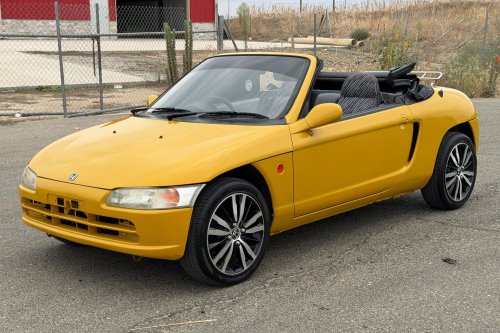
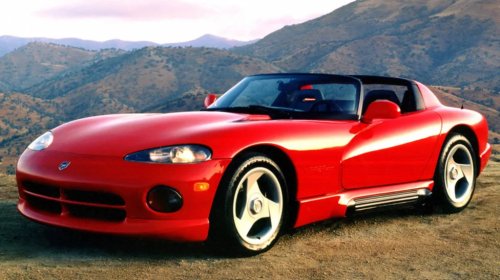
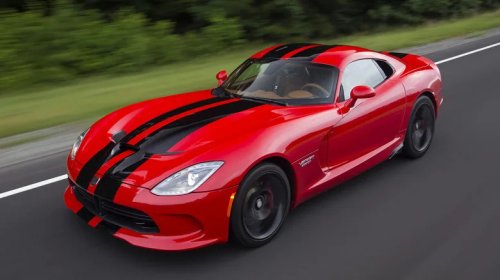
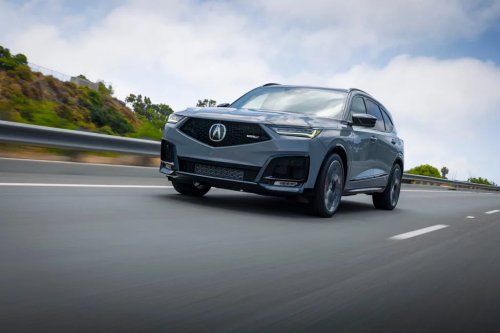
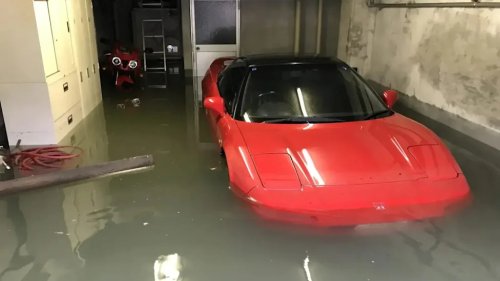
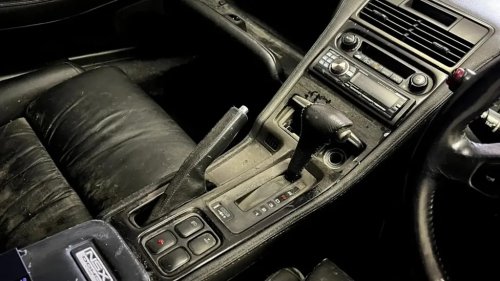
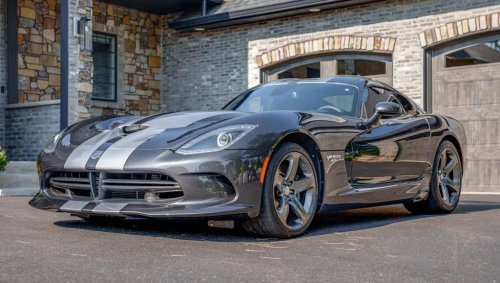
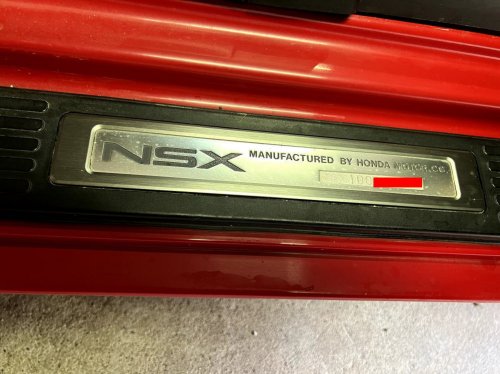
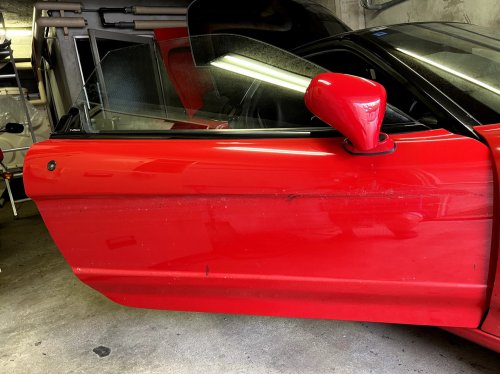
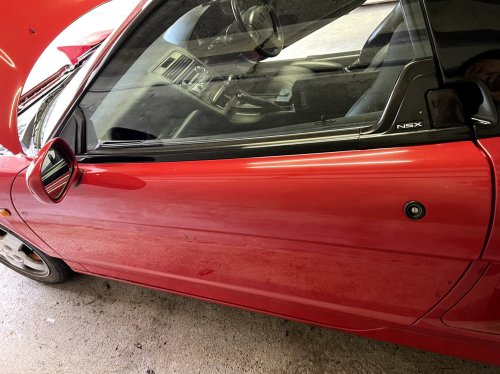
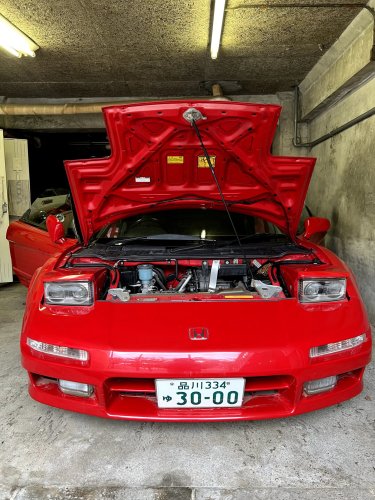
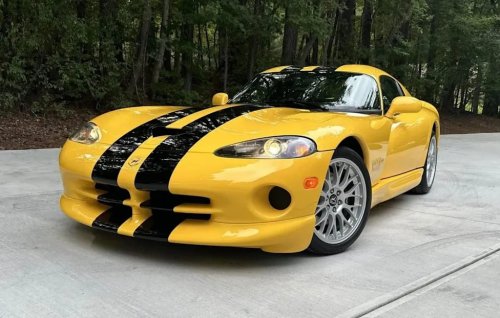
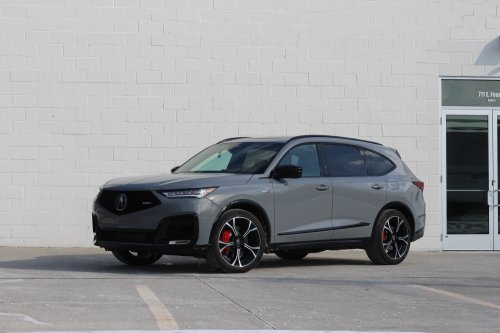
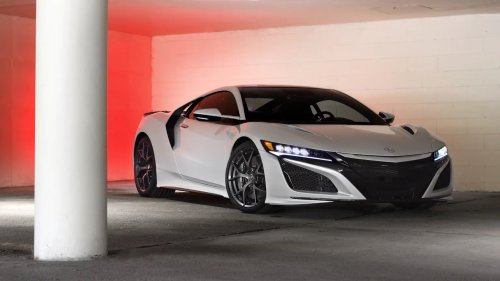
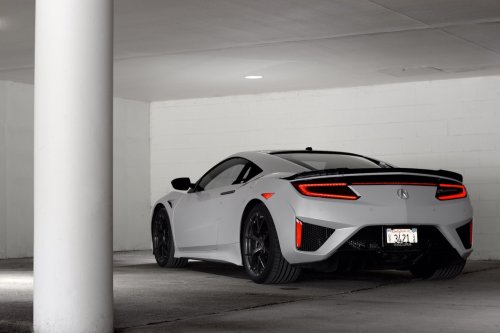
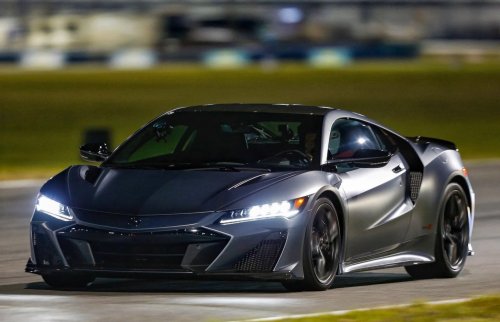
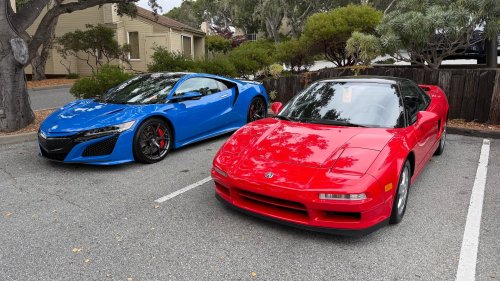
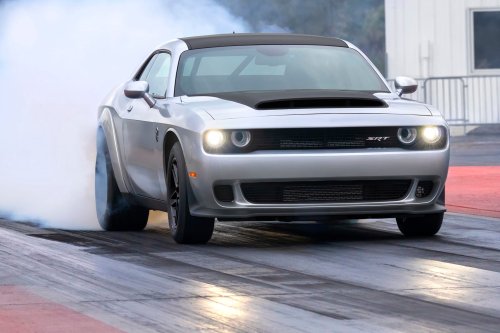
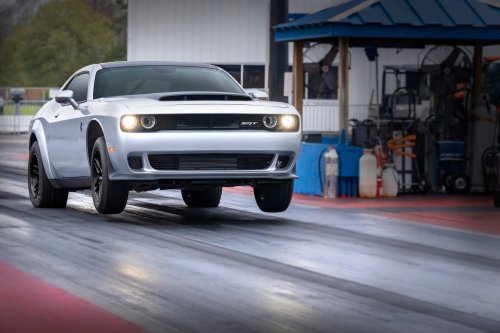
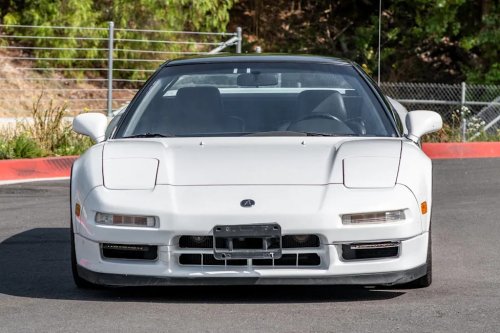
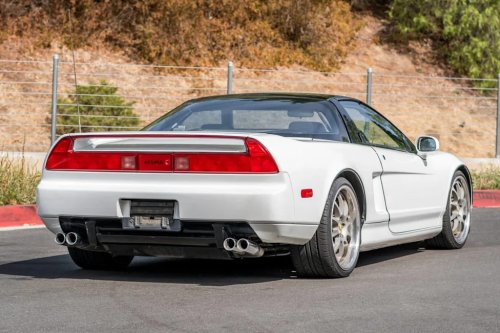
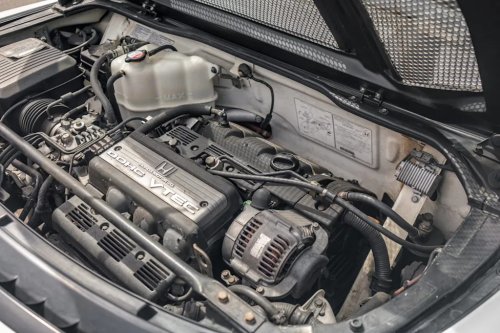
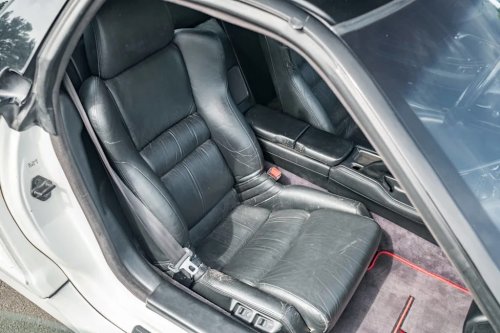
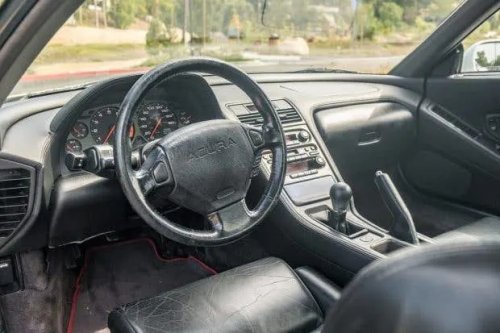
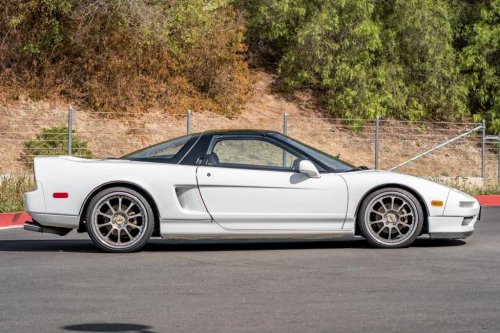
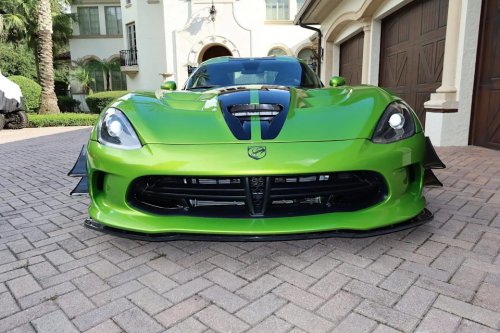
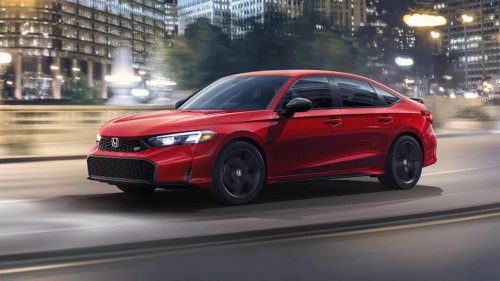
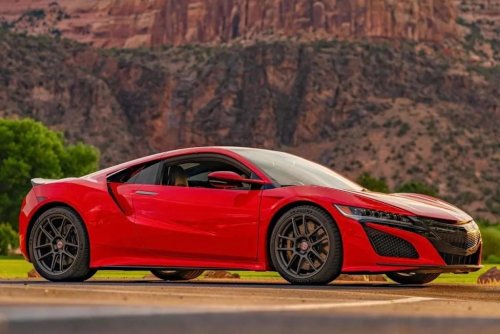
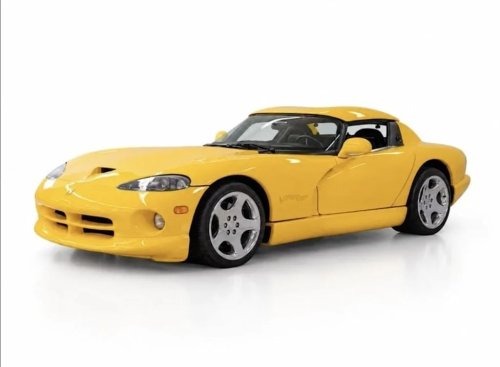
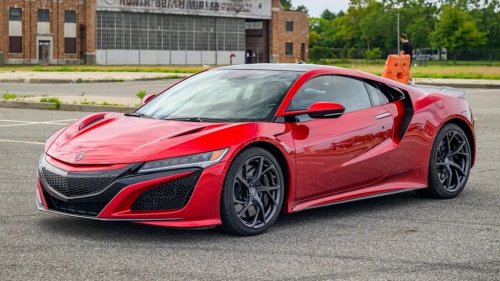
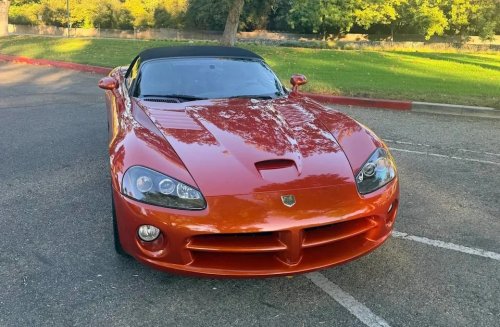
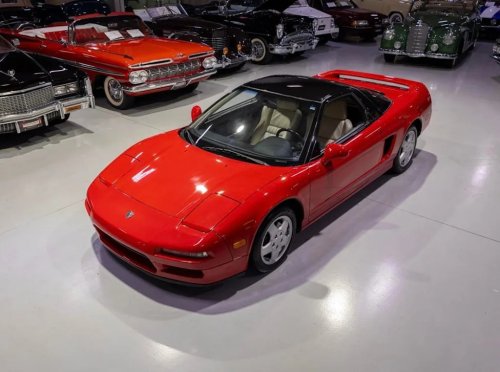
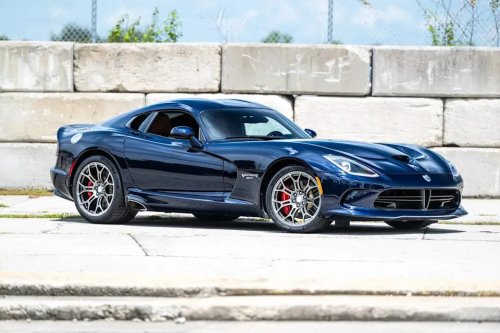
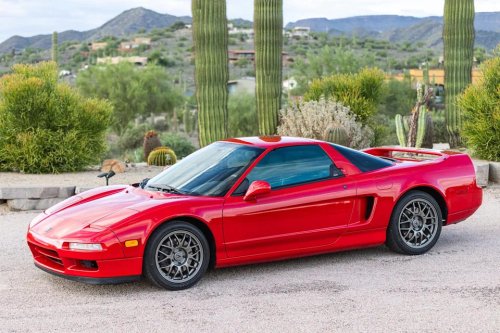
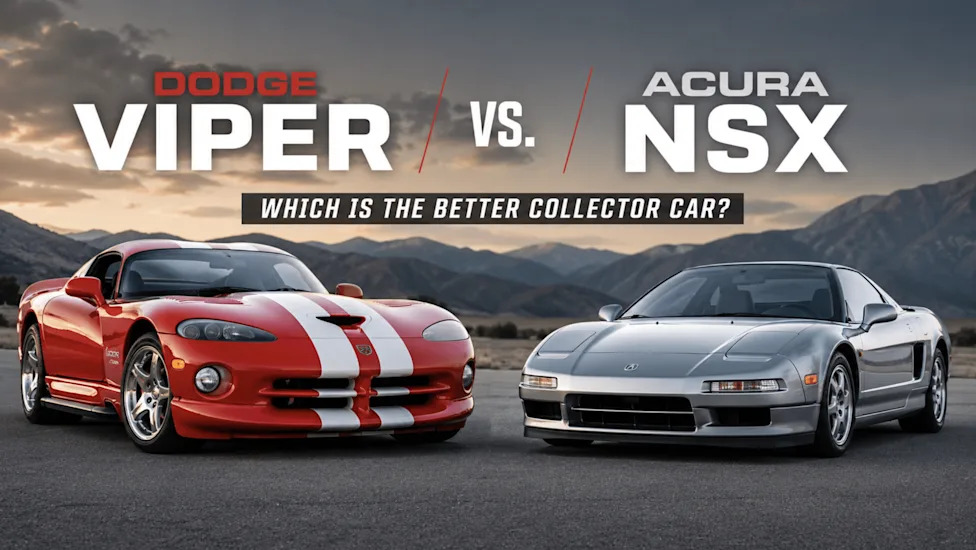
Dodge Viper vs Acura NSX: Which Is The Better Collector Car?Few modern collector car debates are more interesting than Dodge Viper versus Acura NSX. Both cars arrived from companies better known for very different kinds of vehicles, and both proved their makers could build something genuinely world-class when they wanted to. The NSX showed that Honda could challenge Ferrari with precision, reliability, and mid-engine balance, while the Viper showed that Chrysler could build a modern American supercar with almost no filter between driver and machine.The two cars now appeal to a similar generation of buyers, but they do so for very different reasons. The NSX is the thinking person's exotic, admired for its engineering, build quality, usability, and historical importance. The Viper is the emotional choice, valued for its V10 power, manual transmission, outrageous styling, and the sense that nothing quite like it will ever be built again. Both have moved well beyond used-performance-car status, but their market trajectories are not identical.For buyers trying to decide which is the better collector car, the answer depends on what kind of collecting experience they want. The Acura NSX looks like the safer long-term blue-chip choice because of its global respect, usability, and landmark engineering. The Dodge Viper may offer more drama, more special-edition upside, and a stronger connection to the modern Mopar collector world. Both deserve serious attention, but they occupy different lanes.The Case For The Acura NSXThe first-generation Acura NSX was introduced for the 1991 model year and immediately changed expectations for Japanese performance cars. Honda built the NSX with a mid-mounted naturally aspirated V6, rear-wheel drive, a low-slung aluminum body, and a level of daily usability that separated it from many European exotics of the era. It was not the most powerful car in its class, but it was one of the most complete.AdvertisementAdvertisementThe NSX also has one of the strongest engineering stories of any modern collector car. Hagerty's model overview notes that the car used an all-aluminum monocoque body and aluminum suspension, with technology influenced by Honda's Formula One program. The 3.0-liter V6 was rated at 270 horsepower in early manual cars, and the later 3.2-liter version increased output to 290 horsepower when paired with the six-speed manual. That combination of innovation, balance, and usability is why the NSX has continued to gain respect with collectors.The market has already rewarded the NSX's significance. According to Classic.com, the first-generation NSX market has an average sale price of just over $104,000, with a highest recorded sale of $370,000 for a 2002 Acura NSX-T. Hagerty's public valuation display for a 1991 Acura NSX shows a #3 Good condition value of $65,900, with higher condition levels requiring a free account to view. That gap between driver-grade value and top auction results shows how strongly condition, transmission, mileage, model year, and configuration affect the NSX market.The NSX's strongest advantage is credibility. It appeals to Japanese performance collectors, analog sports car buyers, and exotic-car shoppers who want something usable and historically important. It also benefits from Honda's reputation for engineering discipline and reliability, which gives some buyers more confidence than they might have with older European exotics. For a collector who wants to drive the car, preserve it, and still feel connected to an important moment in automotive history, the NSX makes an extremely strong argument.The Case For The Dodge ViperThe Dodge Viper appeals to a completely different part of the collector brain. It was never designed to be subtle, polished, or easy. The early RT/10 roadster was raw in a way few modern production cars have ever been, with an 8.0-liter V10, six-speed manual transmission, rear-wheel drive, and almost none of the electronic insulation that defines modern performance cars.AdvertisementAdvertisementHagerty's model overview for the 1992 Viper RT/10 describes the car as the product of a small team under Chrysler leadership, with a custom tubular space-frame layout, fiberglass body, and an 8.0-liter V10 rated at 400 horsepower and 450 lb-ft of torque. The same overview notes that only 285 Vipers were delivered in 1992, followed by 1,043 in 1993, 3,083 in 1994, and 1,577 in 1995. Those early production numbers matter because collectors increasingly reward vehicles that combine cultural significance with limited supply.The Viper market is broader and more uneven than the NSX market because the car changed so much over its production life. Early RT/10 roadsters, second-generation GTS coupes, ACR models, Final Editions, VOI cars, and fifth-generation ACRs all appeal to different buyers. Classic.com lists the overall Dodge Viper market average at just over $91,000, but the highest recorded sale on the platform is $1.2 million for a 1999 Chrysler Viper GTS-R ORECA Works car. That top sale is a race-car result rather than a normal road-car benchmark, but it shows how far the upper end of the Viper universe can stretch when provenance and rarity align.Hagerty's public valuation display for a 1992 Dodge Viper RT/10 shows a #3 Good condition value of $44,500, which is notably below the comparable public #3 value shown for a 1991 NSX. That does not mean the Viper is less collectible. It means the Viper market is more segmented, with early driver-grade roadsters still sitting well below the most desirable GTS coupes, ACRs, and low-mile special editions. For buyers looking for potential upside, that spread is part of the appeal.Which Car Has The Stronger Market?The NSX currently appears to have the more consistently mature collector market. Clean manual cars, later 3.2-liter six-speed examples, Zanardi Editions, low-mile coupes, and final-year cars have all attracted serious money. The market understands what the NSX is, and buyers are already willing to pay significant premiums for the best examples.AdvertisementAdvertisementThe Viper market is more volatile but arguably more interesting from an auction-intelligence perspective. Early cars can still look relatively approachable, while certain later ACRs and special editions have already moved into serious collector territory. That creates a wider gap between ordinary examples and exceptional ones. In other words, the Viper market still has areas that feel underdeveloped, especially when compared with the attention given to other low-volume modern Mopar performance cars.The NSX may be the stronger car for collectors who want stability, usability, and global demand. The Viper may be the stronger play for collectors looking for emotional impact, rarity-driven upside, and sharper separation between average cars and exceptional cars. The NSX has already been widely accepted as a landmark modern classic. The Viper is still in the process of being sorted by the market, and that sorting process can create opportunity.Usability: NSX Wins ClearlyAs a car to own and drive regularly, the NSX has a clear advantage. It was designed to combine exotic-car architecture with Honda reliability and everyday usability. Visibility, ergonomics, ride quality, and drivability were all part of the car's appeal from the beginning, which is why the NSX still feels unusually approachable compared with many cars from its era.The Viper is much less forgiving. Early RT/10s had limited weather protection, no real exterior door handles, minimal comfort, and a reputation for demanding respect from the driver. Later cars became more refined, but the Viper never lost its physical, aggressive personality. That character is exactly why many collectors love it, but it also limits the number of buyers willing to use one frequently.AdvertisementAdvertisementFor a collector who wants a weekend car that can be enjoyed without drama, the NSX is easier to recommend. For a collector who wants an event every time the garage door opens, the Viper has the edge. That distinction matters because the best collector car is not always the one with the highest value. Sometimes it is the one the owner actually wants to experience.Rarity And Production: Viper Has The EdgeThe NSX is rare compared with mainstream performance cars, but it was produced over a long span and achieved worldwide sales of more than 18,000 units over its original production life. That is still limited by mass-market standards, but it gives the NSX a broader supply base than many buyers realize. The rarest versions, such as Zanardi Editions, late fixed-headlight manuals, and low-mile coupes, are where scarcity becomes a major driver of value.The Viper's production story is more dramatic. Dodge built approximately 32,000 Vipers over the full production run, but many of the important subgroups are far smaller. Early 1992 RT/10s, GTS ACRs, Final Editions, VOI special editions, fifth-generation ACRs, and limited color-and-package combinations all create collector niches. That gives the Viper market more room for specialty knowledge.This is where the Viper may have its strongest long-term argument. Mopar collectors have repeatedly shown that low production, special badging, unusual colors, and final-year significance can drive serious interest. If that logic continues expanding from muscle cars and late-model Challengers into Vipers, the best Viper variants may have more room to run than the average market currently suggests.Cultural Value: A Split DecisionThe NSX has global engineering credibility. It represents Honda at its most ambitious and helped change the way the world viewed Japanese performance cars. It also has a strong connection to Ayrton Senna's development input, which adds mythology to an already important car. For many enthusiasts, the NSX proved that a supercar could be precise, reliable, and usable without losing its sense of occasion.AdvertisementAdvertisementThe Viper has a different kind of cultural value. It represents a moment when an American manufacturer built something outrageous simply because it could. The car was excessive, intimidating, and unmistakable. For Generation X and older Millennial buyers, the Viper was a poster car in the same way earlier generations viewed big-block muscle cars.Neither car wins the culture argument outright. The NSX is the engineering landmark. The Viper is the emotional landmark. Which one matters more depends on the buyer.Auction OutlookAt auction, the NSX benefits from consistency and broad respect. The best cars tend to be easy for buyers to understand, especially when they are manual, low-mile, original, and finished in desirable colors. The NSX also appeals to a wide group of collectors, including Japanese performance enthusiasts, supercar buyers, and those looking for usable analog cars.The Viper can produce more unpredictable results because specification matters so much. A driver-grade early RT/10 may not behave like a low-mile GTS coupe, and neither should be compared directly with a fifth-generation ACR. The best Viper results tend to come when mileage, originality, rarity, and special-edition status all line up. That makes the Viper a more complicated auction car, but also one with more potential for surprise results.AdvertisementAdvertisementFor sellers, the NSX may be easier to present because its market story is well established. For buyers, the Viper may reward deeper knowledge because the market is more fragmented. That fragmentation can create risk, but it can also create opportunity for collectors who understand which variants matter.The VerdictThe Acura NSX is probably the better all-around collector car. It has landmark engineering, international respect, strong usability, and a more mature valuation story. It is the car most likely to appeal to a broad range of serious collectors, and the best examples have already demonstrated their ability to command major money.The Dodge Viper may be the more exciting collector car. It has greater drama, stronger special-edition upside, and a raw driving experience that modern automakers are unlikely to repeat. The Viper also has a direct connection to modern Mopar collecting, where low-volume performance models and special editions have become increasingly important.If the question is which car belongs in a carefully curated modern-classic collection, the answer may be the Acura NSX. If the question is which car has more untapped personality, more auction volatility, and more potential to surprise people, the Dodge Viper deserves serious consideration. The ideal answer, of course, is both: one car that proved Japan could reinvent the supercar, and one that proved America could still build something completely unhinged.AdvertisementAdvertisementJoin our Newsletter, follow our Instagram page, and follow us on Facebook.



















 +53 others