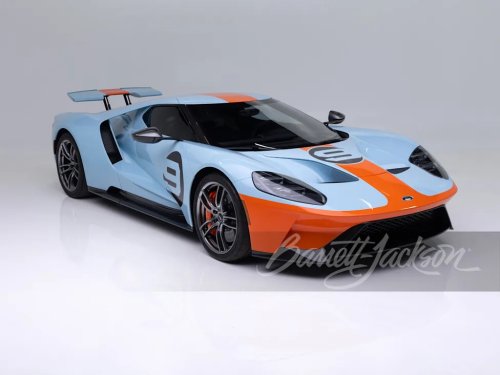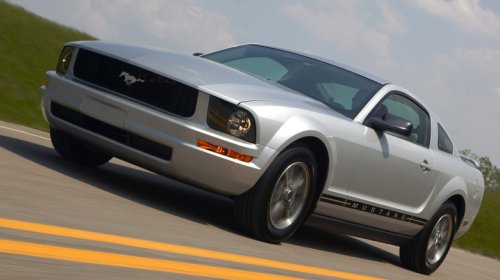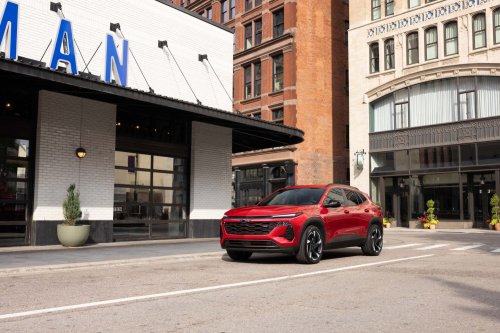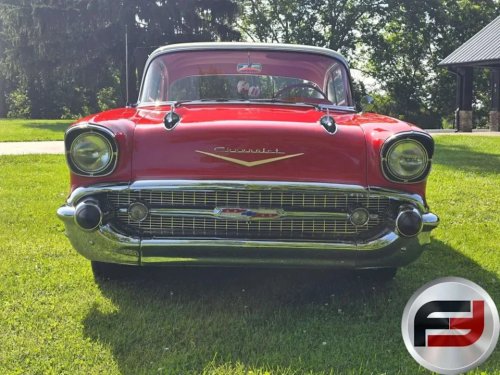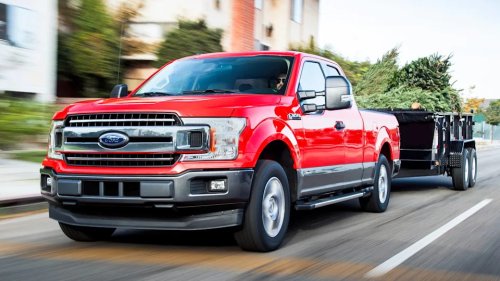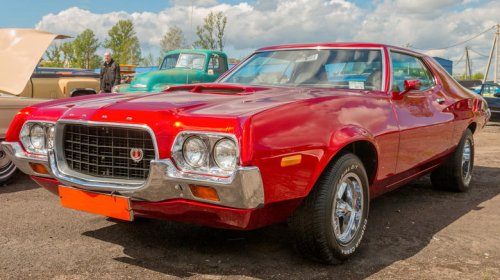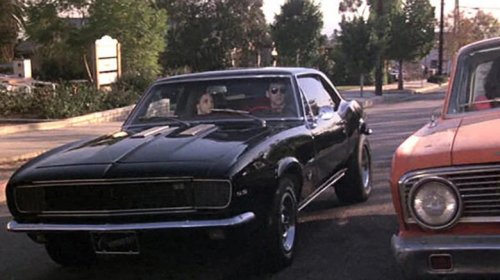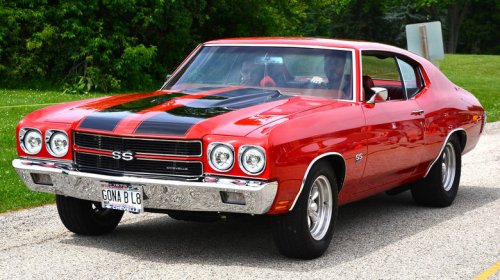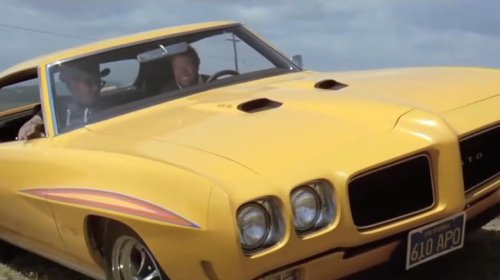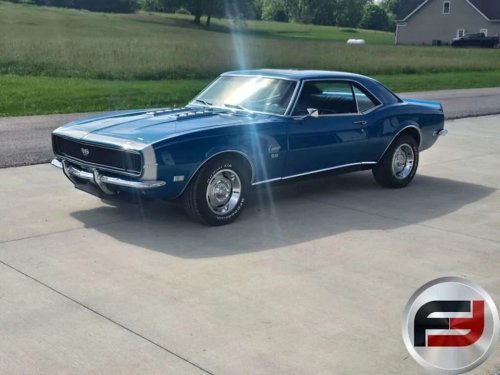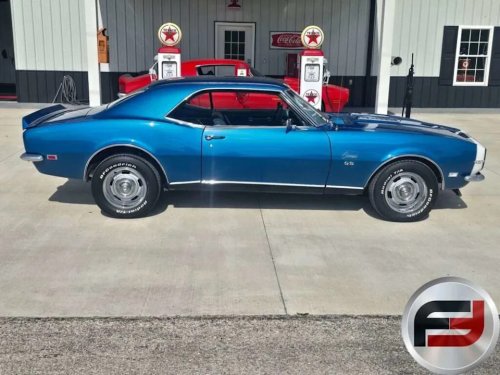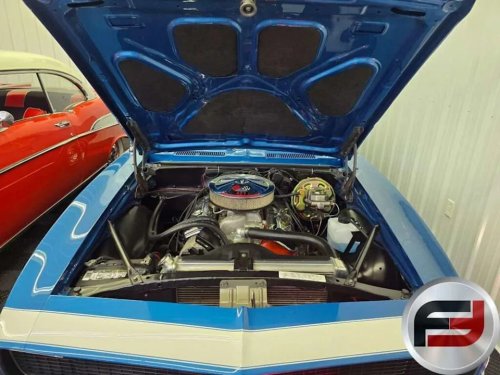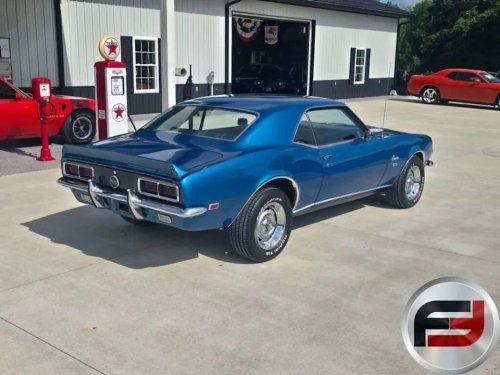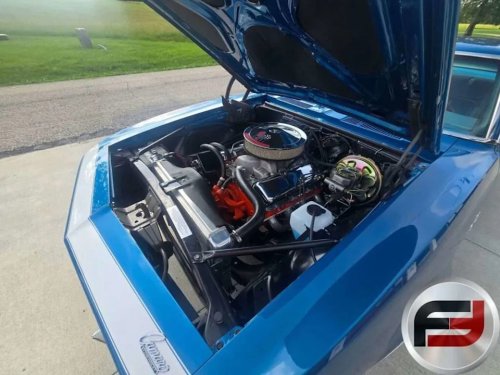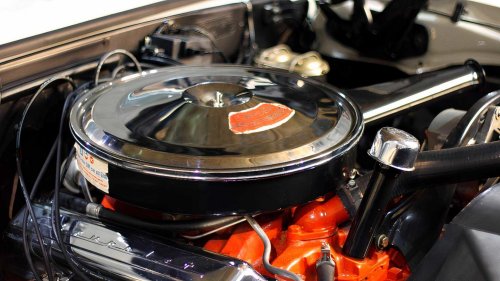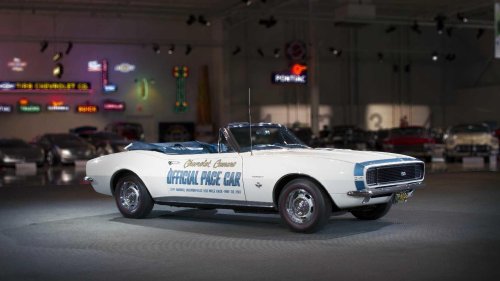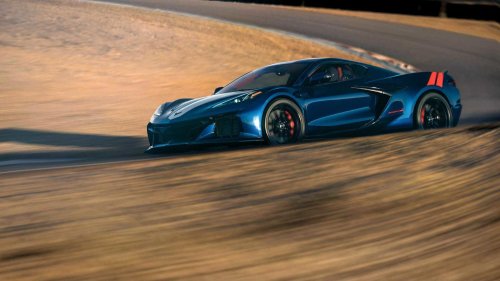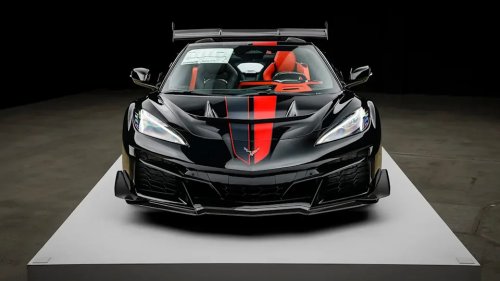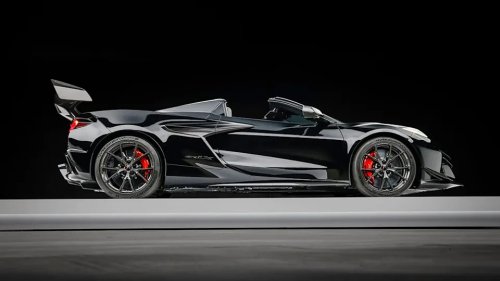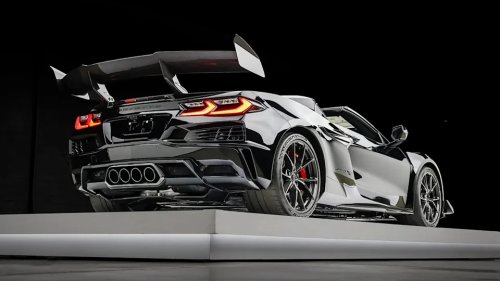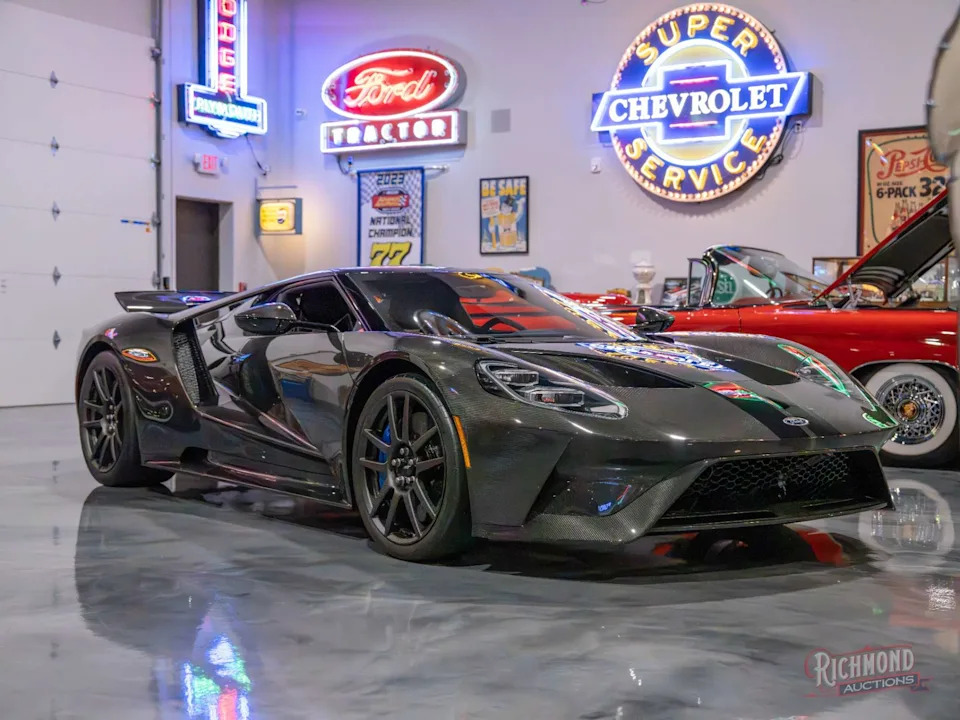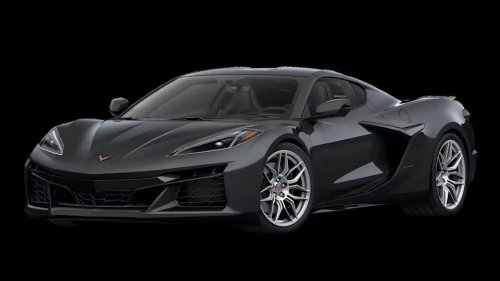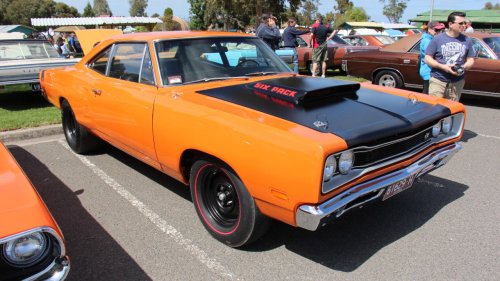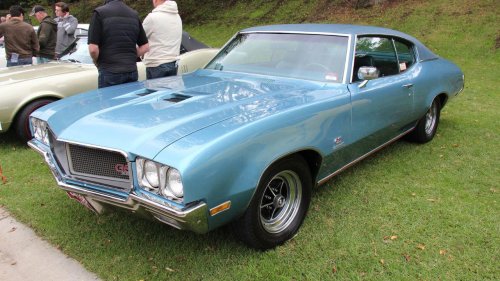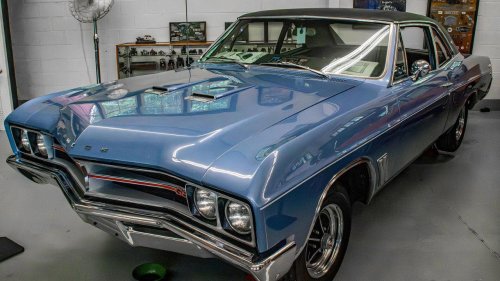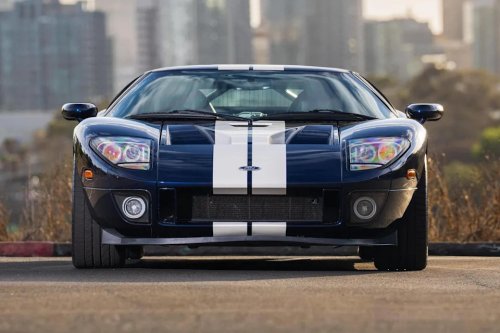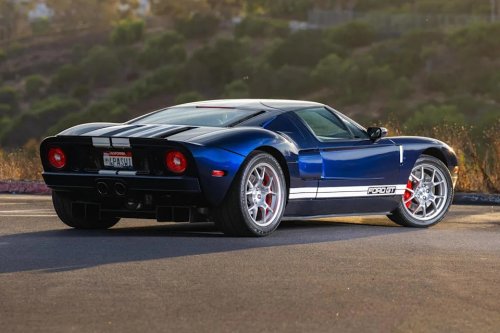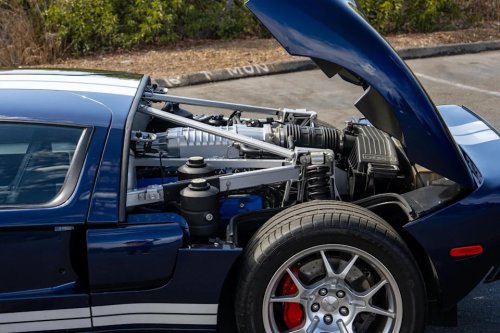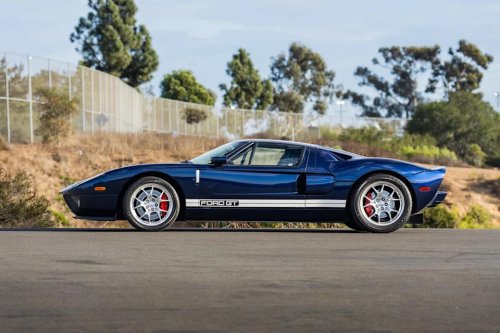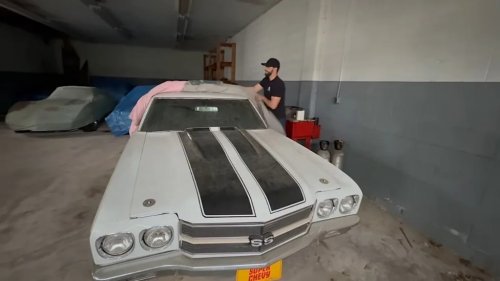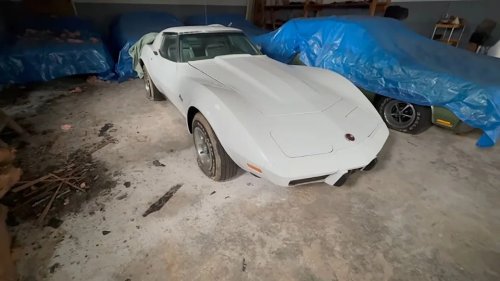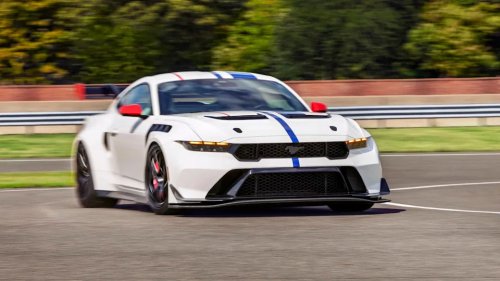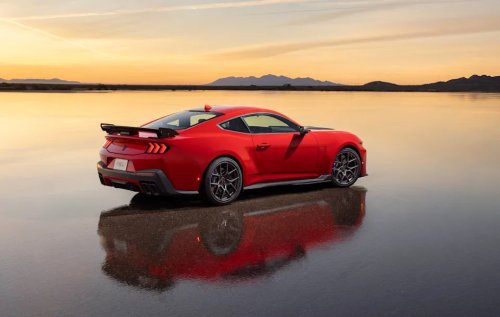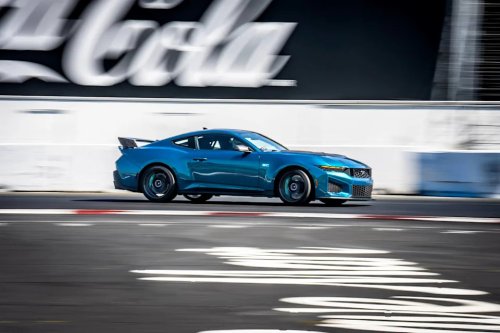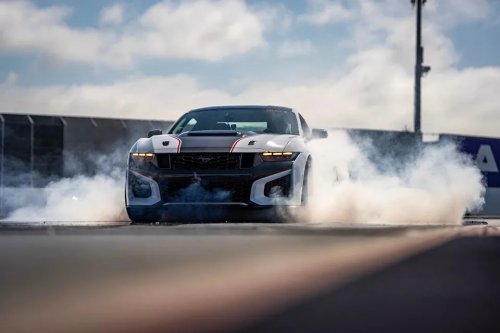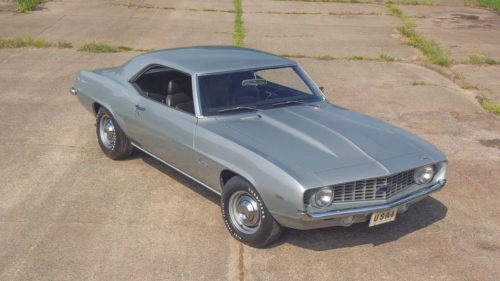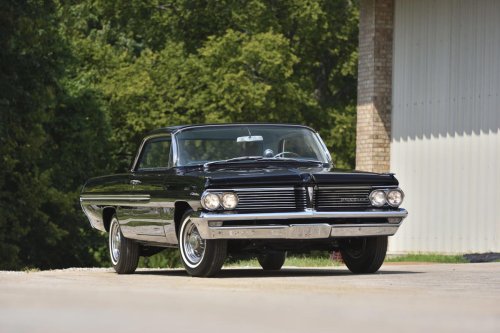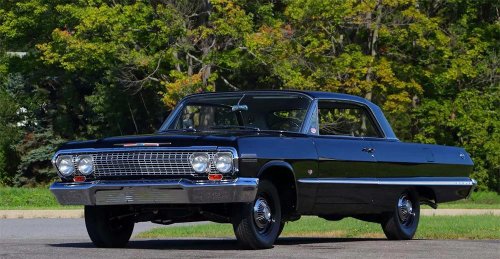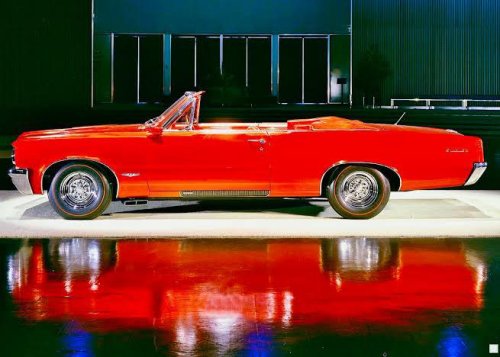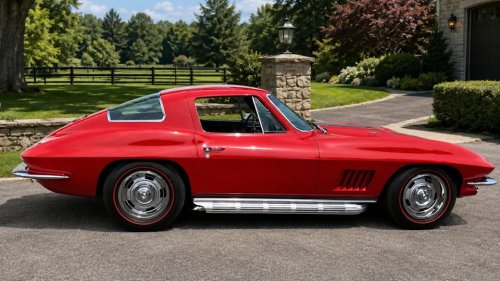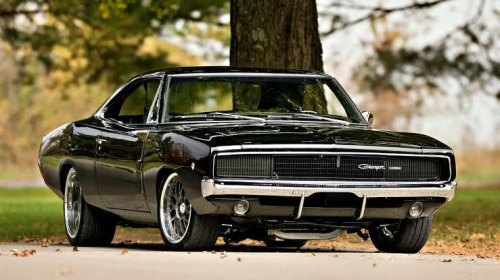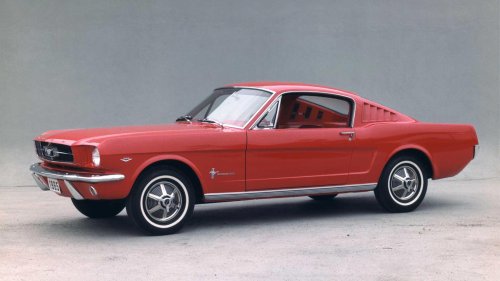
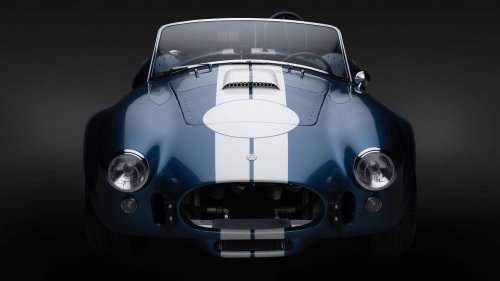
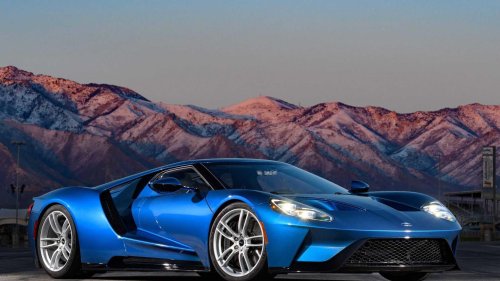
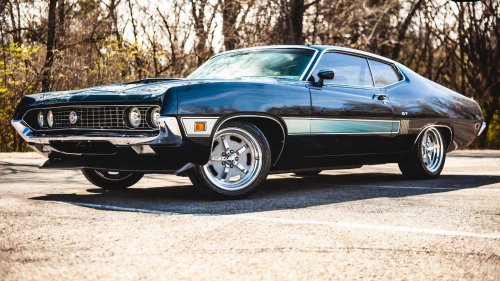
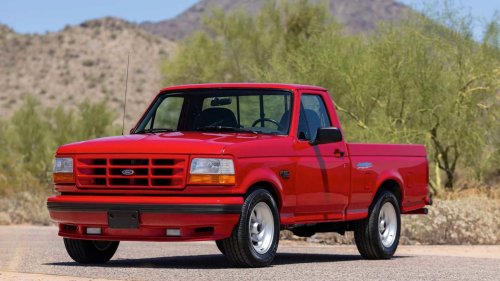



















The automotive world would not be the same without rivalries. Competition has encouraged automakers to create cars that have become legendary, pushing the limits of engineering and design in an effort to out-sell (and, frequently, out-race) each other. Ford and Chevrolet are two of the biggest brands that have distinguished themselves in muscle car history. Here, we are taking a look back at some legendary rivalries of the muscle car world over the decades, involving these two companies’ most famous models. Ford Mustang Versus Chevrolet Camaro 1965 Ford Mustang Fastback front 3/4We start this list with two legends of the muscle car world, which are still household names due to their popularity. The Ford Mustang was unveiled in 1964 and is still in production today, making it Ford’s longest nameplate in continuous production. The Mustang is also responsible for establishing a new automotive category: the pony car. With a name that’s partially derived from the Mustang’s iconic badge, the pony car is a type of sporty, compact car that overlaps with the muscle car, but typically has smaller dimensions and a more affordable price.The Mustang’s first generation lasted nearly a decade, after which six more generations followed all the way into the present day. The current generation has been around since 2024 and offers both inline-four and V8 options in its lineup.The Chevrolet Camaro arrived two years after the Mustang and was designed to be its competitor from the start. It shared a platform and several components with another model that competed against the Mustang: the Pontiac Firebird. The Camaro quickly became a highly popular model, earning itself a place alongside the Mustang in the world of American performance cars.While the model’s first generation only lasted three years, a further five iterations followed. The Camaro traced the evolution of automotive design across the decades, going from a classic mid-century muscle car to a sleek, angular sports car and, eventually, to the modern but aggressive model sold in recent years. Unlike the Mustang, the Camaro went out of production after the 2024 model year. Don't rule out another revival, though. Shelby Cobra Versus Chevrolet Corvette CSX+3029+frontNext, we have a model that’s not quite a Ford, but a very close relative of the Ford family: the Shelby Cobra. This car was a British-American creation introduced in 1962 by the UK-based firm AC Cars but with extensive modifications from Shelby. In the US, the car was sold under the Shelby Cobra name by the automotive legend Carroll Shelby.Both the AC and the Shelby versions of the car were fitted with a Ford V8 engine. The earliest examples of the model were powered by either a 260 cubic-inch (4.3-liter) or a 289 cubic-inch (4.7-liter) unit. However, several further versions of the car were later built, some equipped with even larger and more powerful engines.Although the original Cobra is highly sought after among classic car enthusiasts, there is also a modern version of the Cobra, still built by AC Cars. Last year, this model also became available in the US, but unlike its predecessor, this one had AC branding.Around the time the Cobra was being released, another legend of the sports car world was on the cusp of celebrating its 10th birthday and the arrival of its second generation: the Chevrolet Corvette, which had first been released in 1953.The second-gen model introduced the iconic “Sting Ray” nameplate and brought a fresh new design. The Corvette became an icon of mid-century American motoring, which has endured into the present day; a further six generations of the model followed. The eighth and current one, introduced in 2020, is notable for being the first ever ‘Vette with a rear-mid-engine configuration. Ford GT (2nd Gen) Versus Chevrolet Corvette ZR1 (C7) 2017 Ford GTThese two don't quite belong in the muscle car family, but they are an excellent example of a Ford-Chevy rivalry taking place in the modern day. The second generation of the Ford GT was introduced in 2017 as a successor to the iconic sports car sold in 2005 and 2006, itself derived from the legendary GT40 race car of the 1960s.The second-gen GT built upon the sleek design of the first-gen model, incorporating modern aerodynamic elements and drawing from Ford's motorsport heritage. Unlike its predecessor, which was powered by a 5.4-liter V8, the second-gen GT was equipped with a 3.5-liter twin-turbo V6 that produced up to 660 hp and was paired with a seven-speed dual-clutch transmission.Around the same time the second-gen Ford GT was being built, Chevrolet was producing another striking, powerful sports car: the ZR1 version of the seventh-gen (C7) Corvette. Introduced in 2017 for the 2019 model year, the ZR1 was the last of this generation and a high-performance version of the model, equipped with a 6.2-liter supercharged V8 that produced a whopping 755 hp. Other notable features included an upgraded cooling system and an aero package inspired by motorsport.The C7 Corvette ZR1 also offered optional features that provided even more performance, such as the ZTK Performance Package (which added a higher fixed rear wing and several carbon fiber components, among other features). A convertible version was introduced shortly after the coupe, for drivers who wanted the open-top experience without missing out on ZR1-level performance. Ford Torino Versus Chevrolet Chevelle 1970 Ford Torino GT Black Front Angled ViewThe Ford Torino launched in 1968 as a member of the Ford Fairlane lineup. From 1970 onwards, however, the roles reversed, and the Torino became a standalone vehicle, with the Fairlane name being used for a sub-series of the model. A stylish, sleek muscle car with a distinct Coke-bottle styling, the Torino was also successful in NASCAR, enjoying several victories throughout the late 60s and early 70s.Ford also produced two high-performance, limited-run versions of the Torino, both inspired by motorsport. One, the Torino Talladega, had a reworked front and rear end, as well as some mechanical upgrades and a distinct pinstripe. The other, the Torino King Cobra, was equipped with aerodynamic upgrades, a new grille, a blacked-out section of the hood, and a side stripe, among other modifications.One of the Torino’s chief competitors was the Chevrolet Chevelle, which had been launched a few years earlier for the 1964 model year. The Chevelle was one of Chevrolet’s most successful models of the era, and remained on the market until 1977, with three generations being produced.The Chevelle was powered by a wide range of inline-six and V8 engines over the course of its lifespan. The model’s first generation also included a high-performance version called the Chevelle SS (Super Sport), which cemented the Chevelle’s place in the muscle car world. Other notable Chevelles include those modified by Chevrolet dealer and former racing driver Don Yenko, who created his own high-performance variants of the model as part of the “Yenko Super Cars” collection. Ford F-150 SVT Lightning Versus Chevrolet C1500 454 SS 1993 F-150 SVT LightningLast of all, we have a rivalry that doesn’t involve muscle cars, but muscle trucks. While in the modern-day Ford lineup the “Lightning” name is associated with the electrified version of the best-selling F-150 pickup truck, in the 1990s it was used for a very different purpose.The F-150 SVT Lightning was a high-performance version of the model launched in 1992 as part of the F-150's ninth-generation lineup. It was created to boost the new image of the F-150, which was being marketed as a sporty, personal-use vehicle, distancing itself from the more work-oriented members of the F-Series family. With a more powerful engine and several performance-oriented upgrades on board, the SVT Lightning was a true “muscle truck”. It remained on the market until 2004, when the F-150’s tenth generation came to an end.Aside from changing the F-150’s image, the Lightning was also created to compete with another member of the muscle truck category: the Chevrolet C1500 454 SS. A member of Chevrolet’s C/K Series truck family, this high-performance model was released in 1990, two years before its Ford rival. It shared many traits with another high-performance version of the C/K truck, the Sport Equipment Package. Some of its upgrades included a new suspension and a more powerful V8 engine (which initially produced 230 hp, later increased to 255). The 454 SS did not remain on the market as long as the Lightning, only being produced between 1990 and 1993.Sources: Ford, Chevrolet, Ferrari