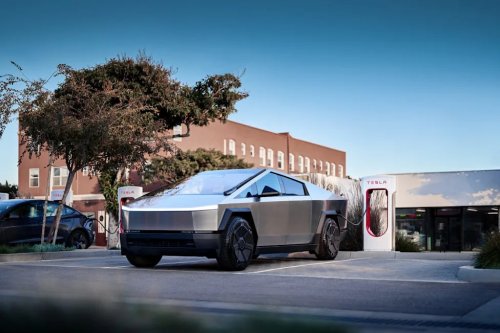
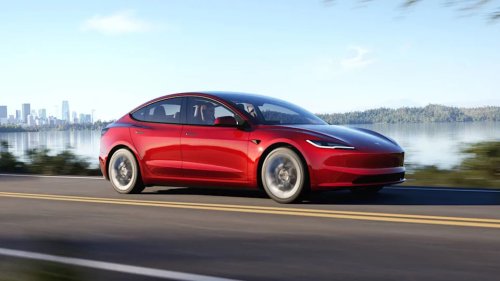
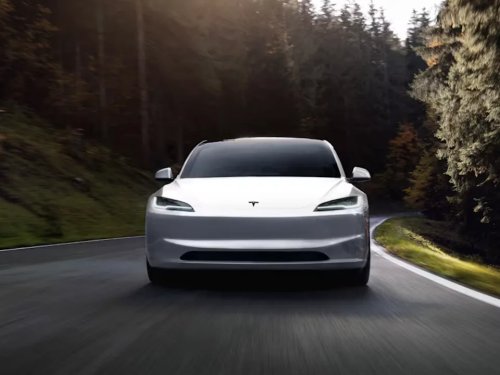
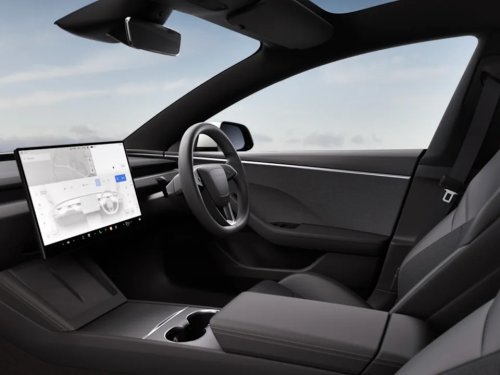
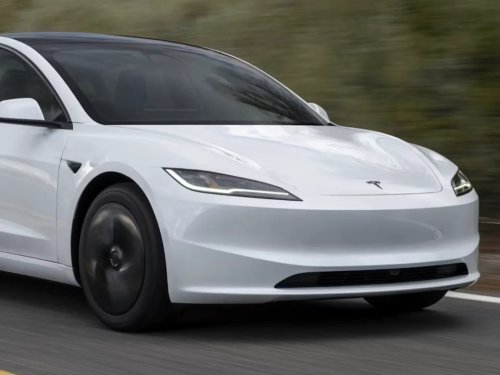
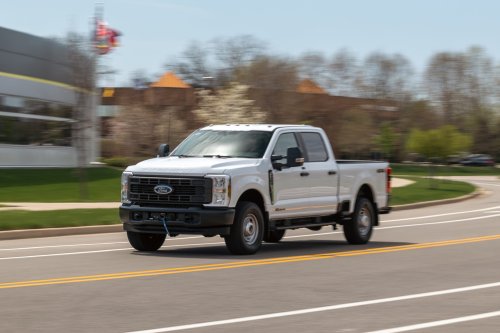
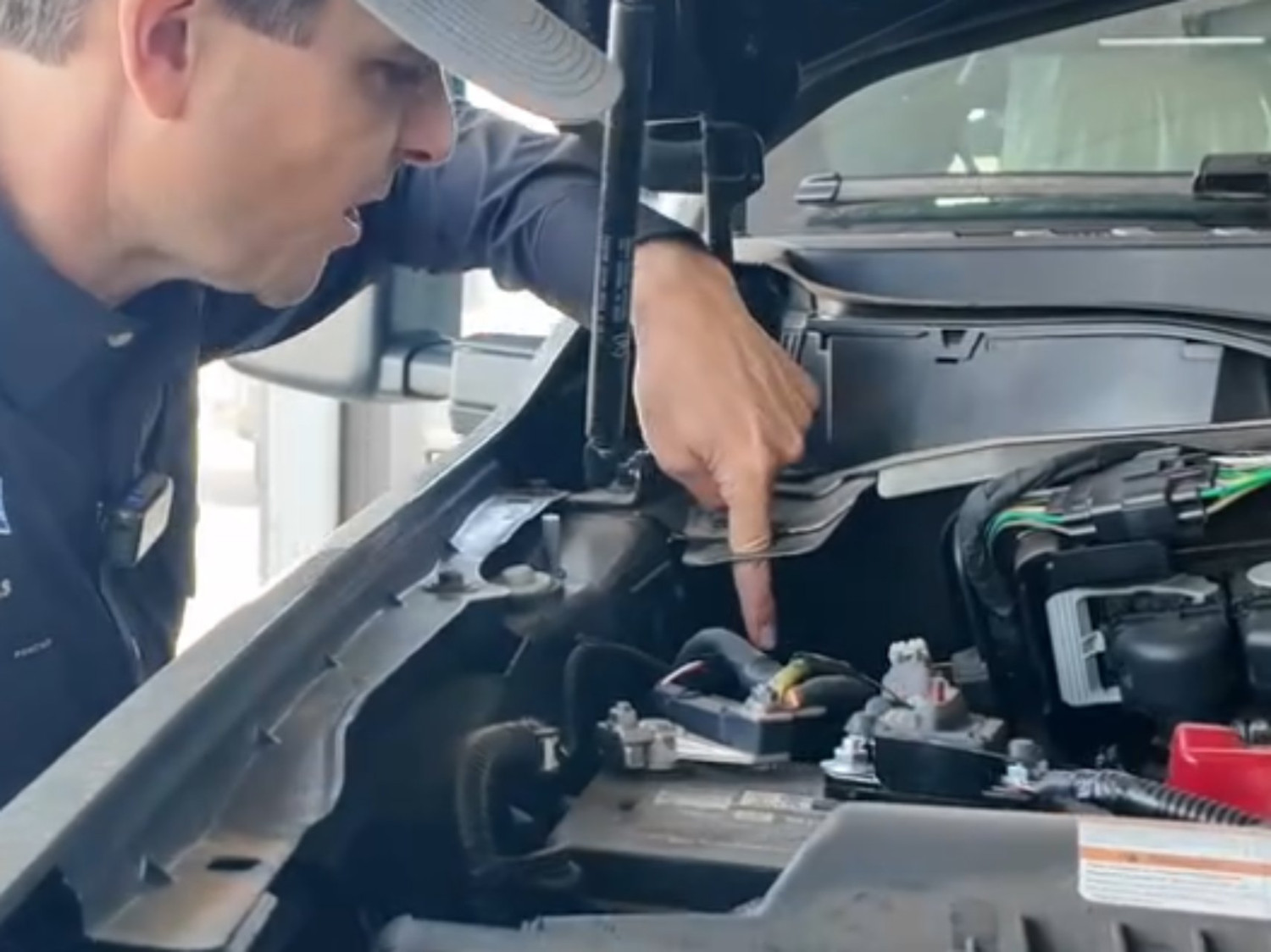
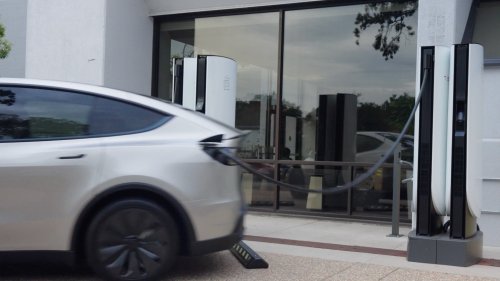
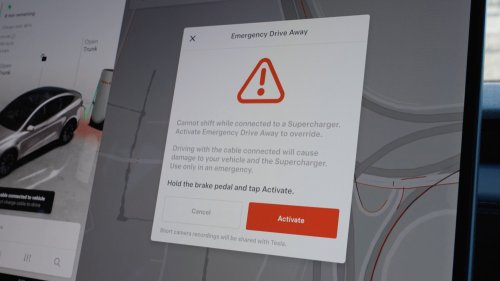
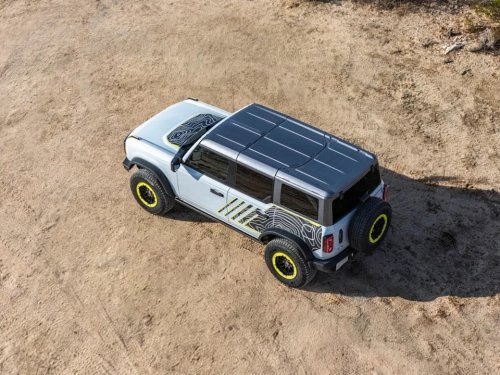
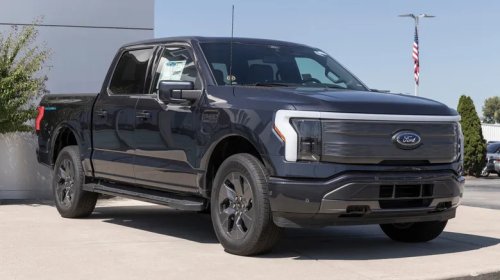
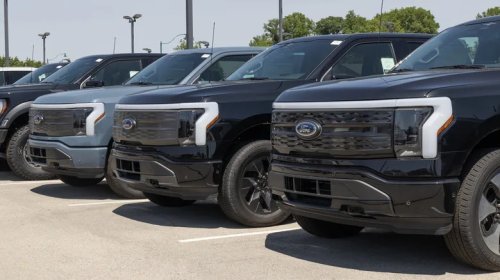
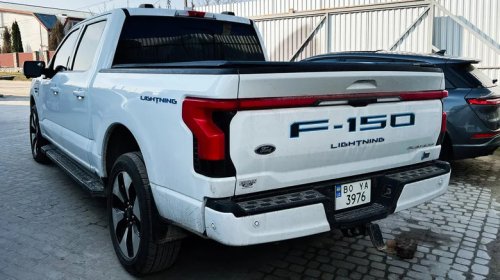
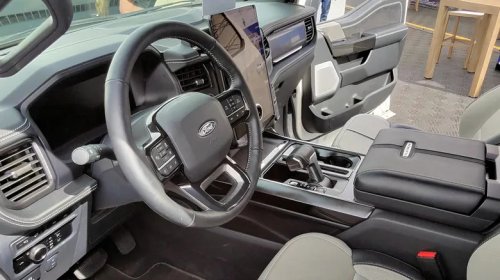
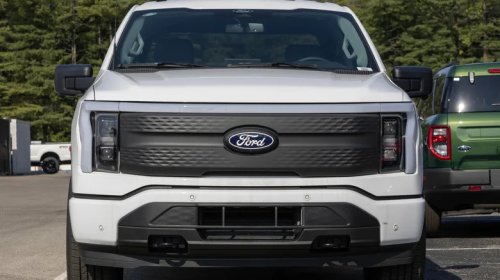
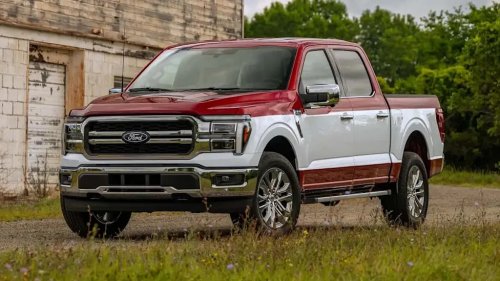
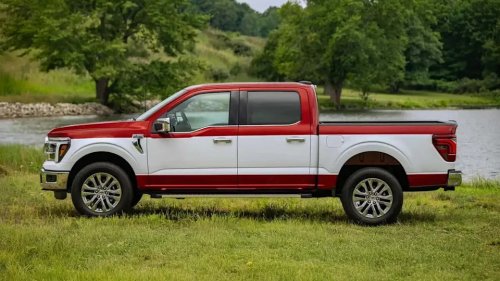
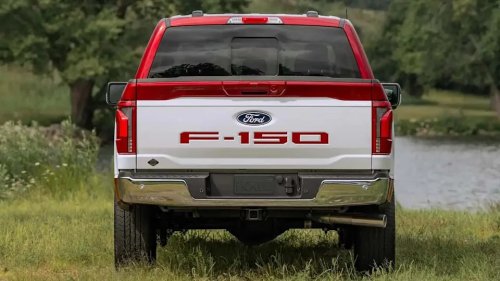
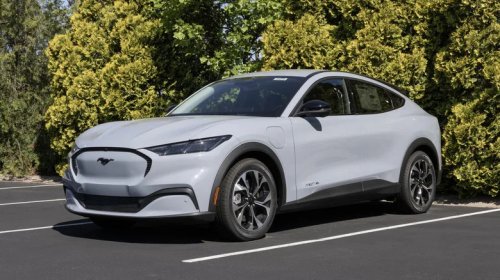
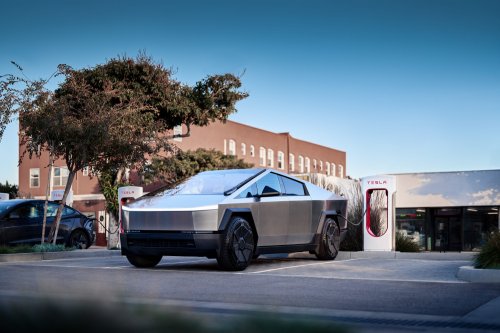
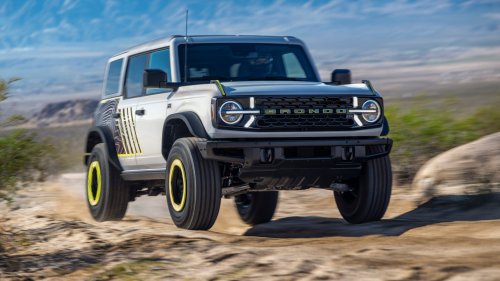
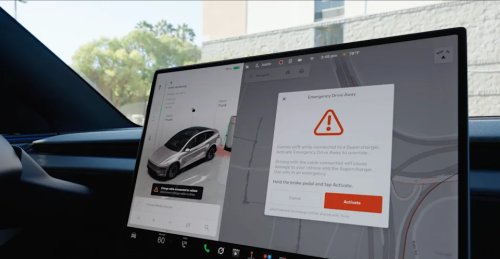
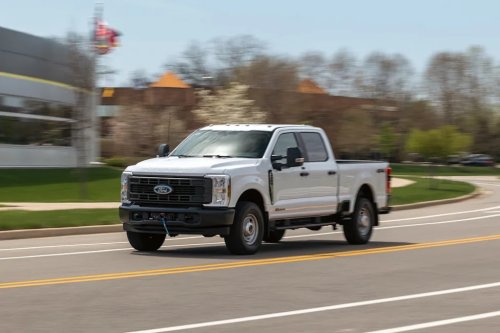
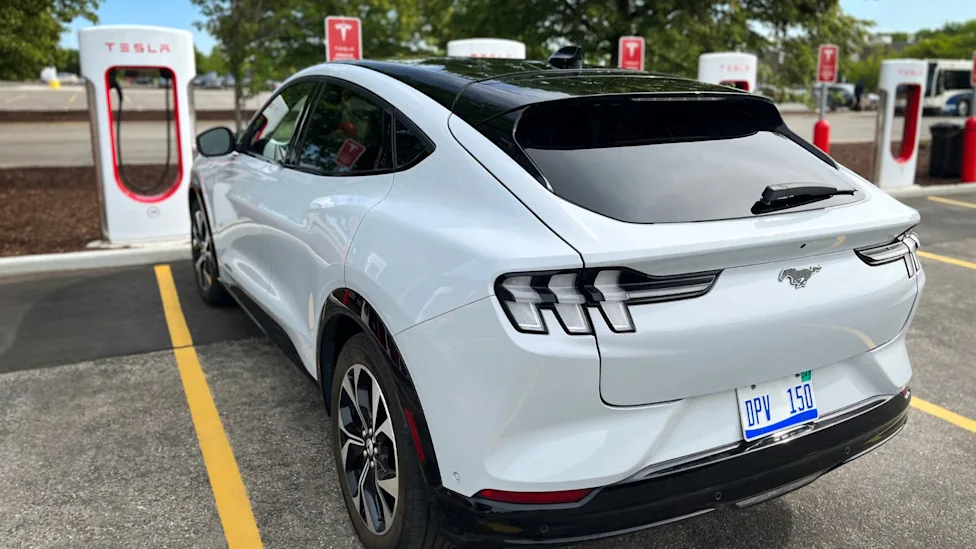
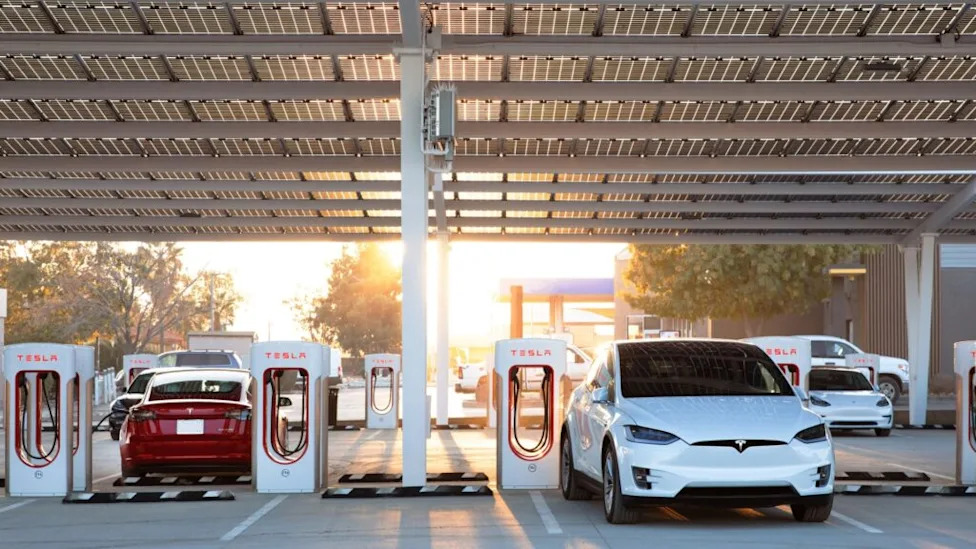
Ford EVs Getting Access to Tesla's Supercharger Network Is a Bigger Deal Than It LooksFord announced that starting in early 2024, owners of Ford electric vehicles will gain access to Tesla's Supercharger network — more than 12,000 charging locations across the US and Canada. The announcement was surprising on its surface given that Ford and Tesla are direct competitors in the electric vehicle market, but the logic makes considerable sense from multiple angles when you think it through.For Ford EV buyers, the practical significance is substantial. Tesla's Supercharger network is the most reliable, most geographically dense, and best-maintained public fast charging network in North America by a significant margin. Ford's own customers have been navigating the less-consistent experience of third-party networks like Electrify America and ChargePoint. Gaining access to Superchargers materially improves the ownership experience for Mustang Mach-E and F-150 Lightning owners who travel beyond their home charging range.For Tesla, the deal generates revenue from a network that has excess capacity during off-peak hours and helps defray the ongoing maintenance costs of the infrastructure. More importantly, it signals that Tesla's NACS connector standard is becoming the de facto North American charging standard, positioning Tesla as infrastructure rather than just a vehicle manufacturer. The company that owns the network that everyone plugs into has a durable competitive advantage that goes beyond selling cars.AdvertisementAdvertisementThe longer-term implications are significant for the broader EV charging landscape. The CCS connector standard that most non-Tesla EVs use is now facing a serious challenge to its dominance as major automakers adopt NACS access agreements. If multiple major OEMs follow Ford's lead — which subsequent announcements have indeed shown — the industry may effectively adopt Tesla's connector standard as the American norm, reshaping years of competing infrastructure investments.From a consumer standpoint, this is a positive development. A more unified, higher-quality charging experience makes EV ownership less friction-laden, which is good for adoption. The specific corporate arrangement that delivers this outcome — Ford customers using Tesla's infrastructure — is less important than the end result for buyers who want to know their car will charge reliably on a road trip.Join our Newsletter, follow our Instagram page, and connect with us on Facebook.



















 +2 others
![Not sold on Tesla Powerwall? There are great battery alternatives out there [update]](https://cdn.topcarnews.net/thumb/id/aHR0cHM6Ly9pMC53cC5jb20vZWxlY3Ry-ZWsuY28vd3AtY29udGVudC91cGxvYWRz-L3NpdGVzLzMvMjAyNi8wNy9ob21lLXNv-bGFyLWJhdHRlcnkucG5nP3c9MTUwMCZh-bXA7cXVhbGl0eT04MiZhbXA7c3RyaXA9-YWxsJmFtcDtzc2w9MQ/18e81f395a77dbb42269ab5e106fea41.png?t=20261006&post_id=68280)