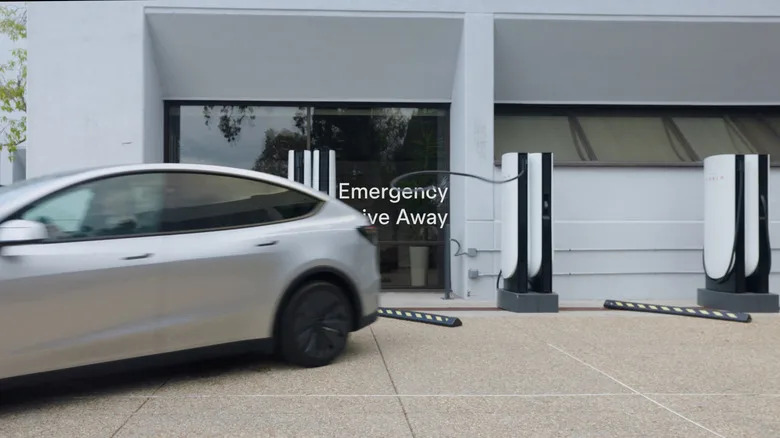
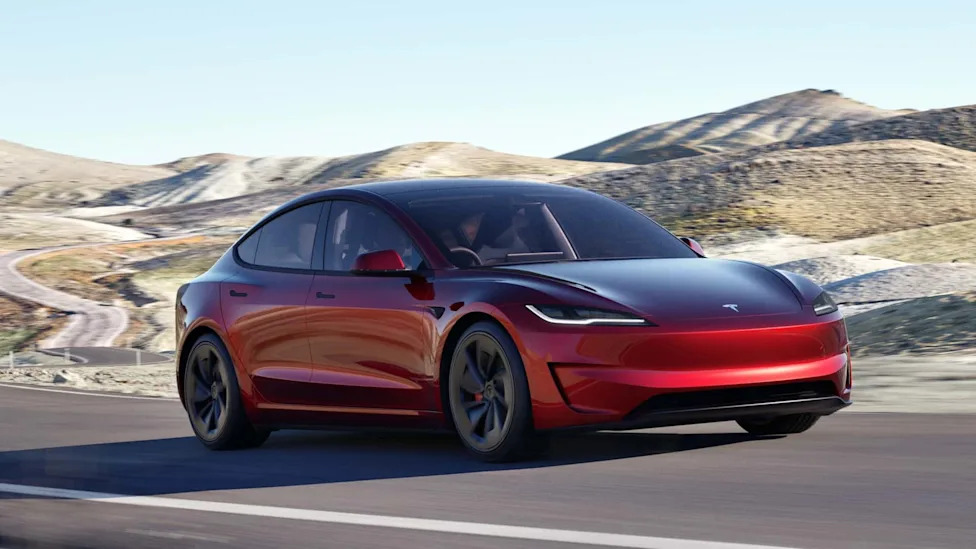
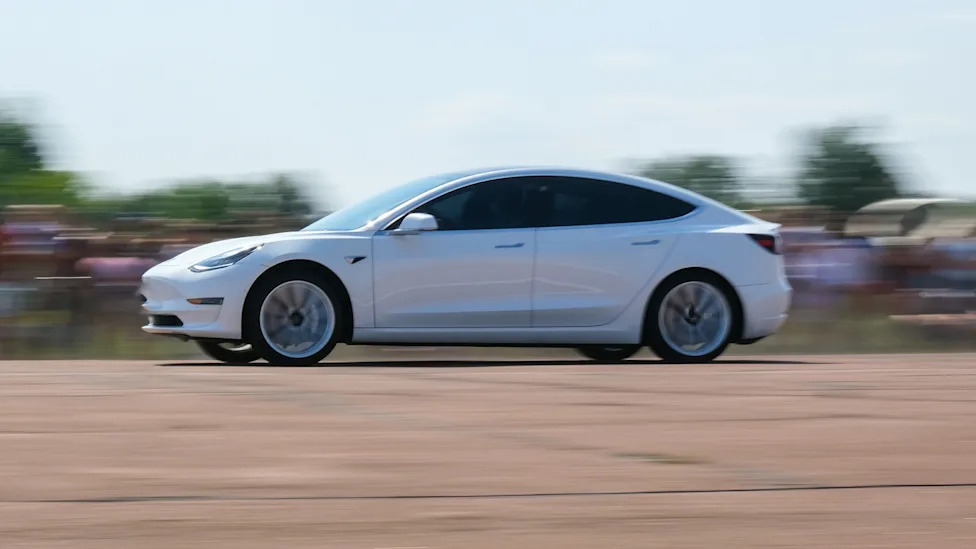
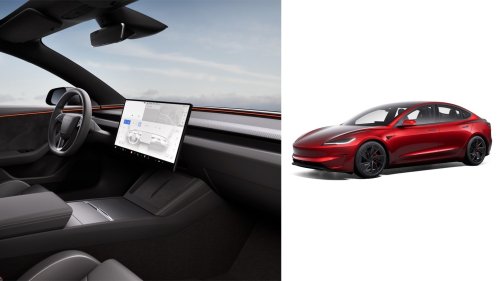
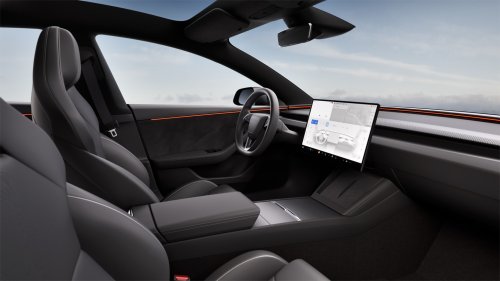
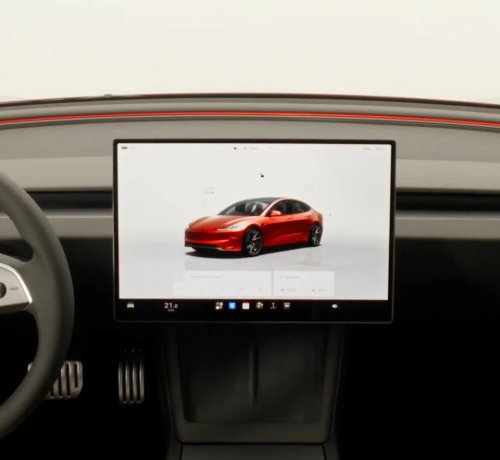
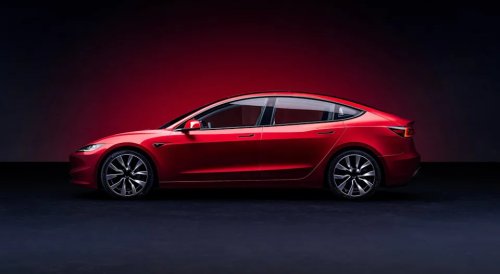
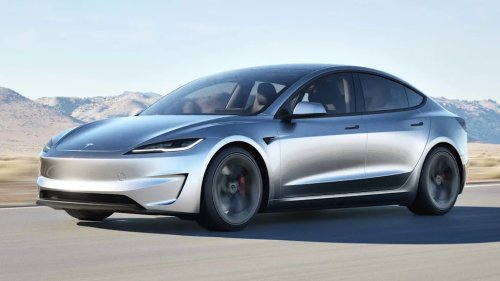
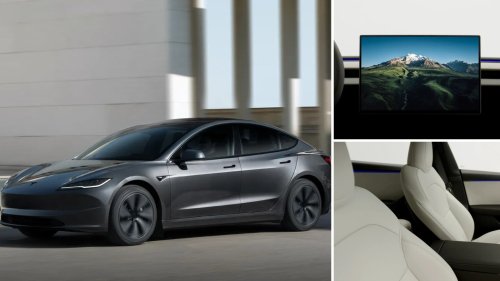
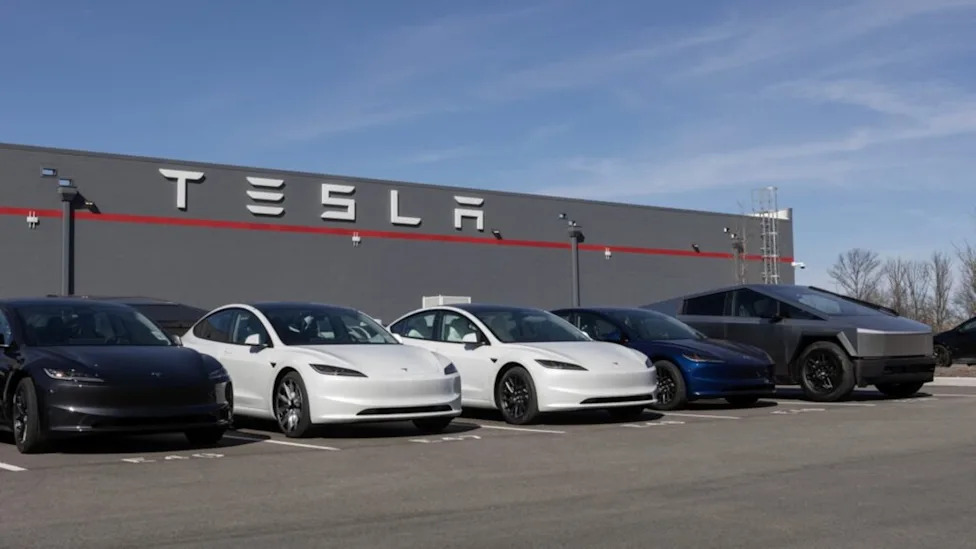
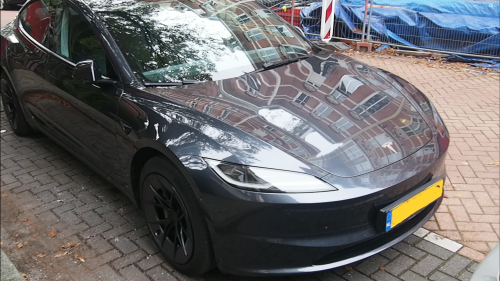
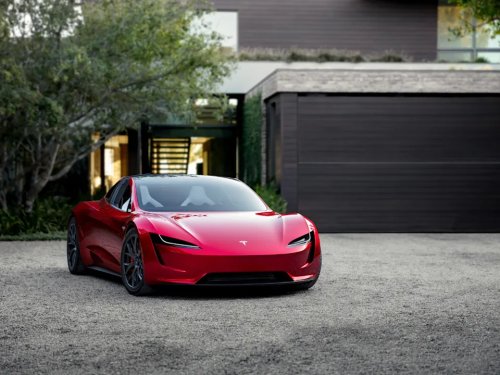
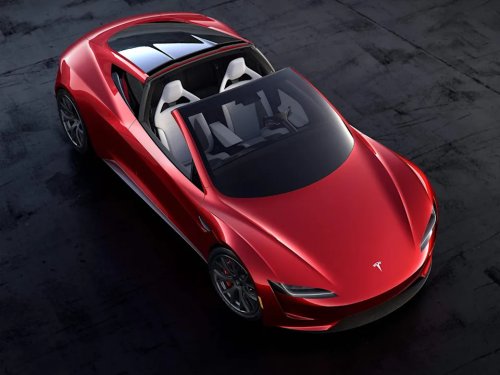
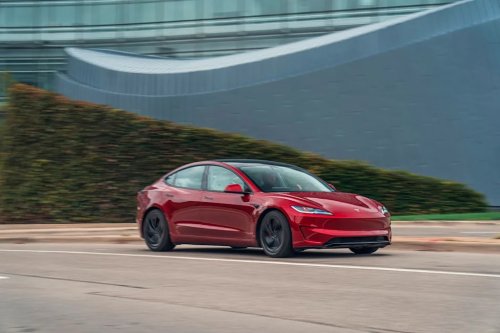
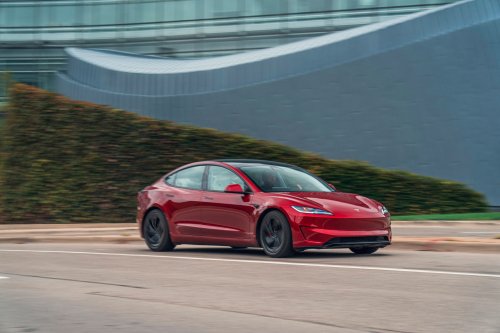
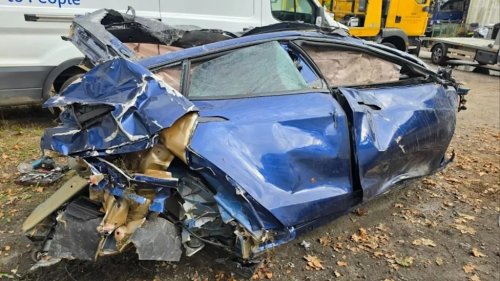
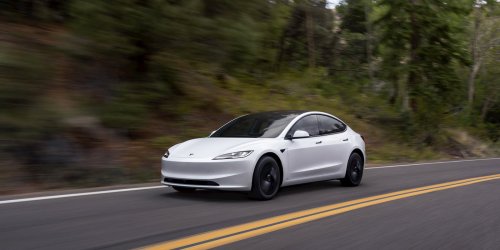
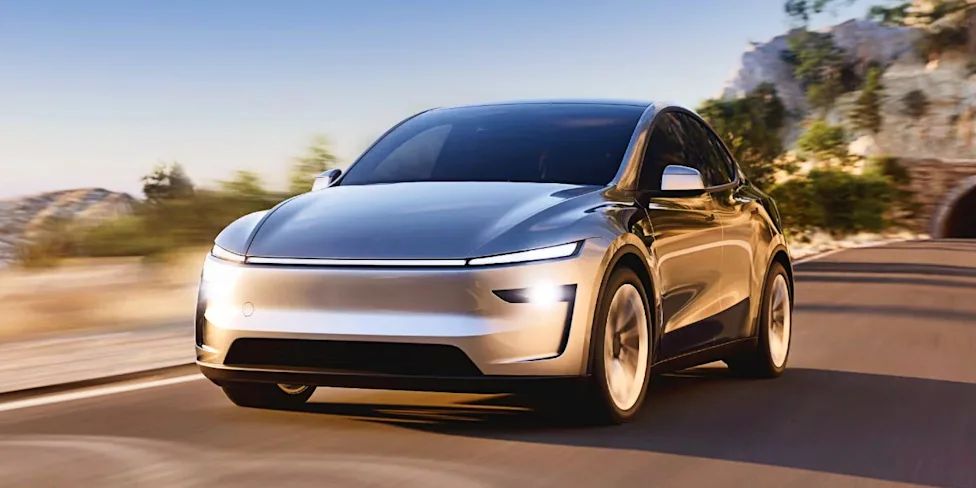
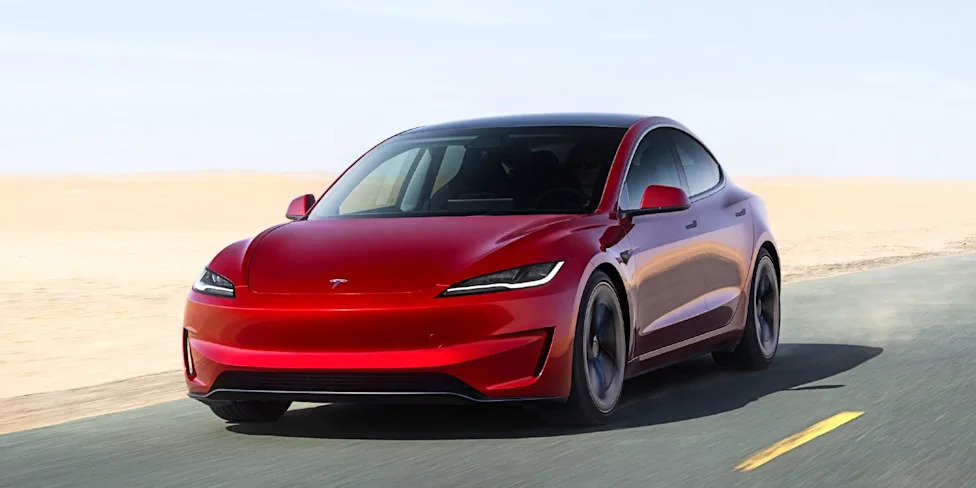
Tesla is facing a $10.3 million negligence lawsuit from a federal employee who crashed into a hair salon while test driving a Model Y electric SUV, according to court records.The lawsuit, filed on July 22 in Arlington County (Virginia) Circuit Court, hints at a bigger issue surrounding electric vehicle education and the power and dangerous potential of vehicles with instant torque (immediate motion).Here's what drivers and potential EV buyers need to know about the Tesla test drive that resulted in a serious accident in 2024.Tesla's Insane Mode test drive lawsuit, explainedPlaintiff Alemzewd Lawgalet visited a Tesla dealership in Arlington, Virginia, on or around about Sept. 21, 2024, to test drive a Tesla EV, according to court documents. Lawgalet allegedly expressed that she "had never driven an electric vehicle before" and asked for instructions on operating the Tesla before test driving it.The 2026 Tesla Model Y.Lawgalet was told that the Tesla EV drives like a gas car, says the lawsuit, and dealership employees refused to accompany her on the test drive. During the test drive, Lawgalet experienced the deceleration caused from regenerative braking, panicked and decided to return to the dealership after being surprised by the sensation.AdvertisementAdvertisementAs Lawgalet was returning to the dealership, the lawsuit said, she accelerated at a green light and "the vehicle lurched forward at an extreme speed and horsepower compared to the force placed on the accelerator." Lawgalet said the quick acceleration caused her to lose control of the Tesla and crash into a nearby storefront, resulting in injuries and damages "caused proximately by the negligence of one or more of the Defendants without any contributory negligence on the part of the Plaintiff."What is Tesla's Insane Mode?Some Tesla vehicles have Insane Mode, a driving feature that bypasses battery limitations and enables full torque delivery from a complete stop. This driving mode effectively launches the vehicle from 0-60 miles per hour in as quick as 3.3 seconds, depending on the vehicle model.According to the lawsuit, Lawgalet was testing a Model Y that was already in Insane Mode for the test drive period.The mode is primarily designed for track driving and auto enthusiasts, similar to a Sport Mode featured in performance gas cars. I've personally tested performance modes in electric vehicles like the Rivian R1T Quad Launch Edition and can vouch for how easy it is for inexperienced drivers to feel like they are losing control while trying similar features.Are Tesla electric vehicles inherently dangerous?While any vehicle can be dangerous when operated by inexperienced drivers or in self-driving modes, Tesla EVs are still safe for plenty of drivers. The Tesla Model Y and Model 3 are the most popular electric vehicles in the country and function as practical daily drivers for thousands of Americans.The Tesla Model 3.Launch control or high-performance driving modes aren't exclusive to Teslas or even EVs. Drivers should always take caution when operating an unfamiliar vehicle to avoid mishaps and achieve optimal performance, especially with unfamiliar powertrains (hybrids, plug-in hybrids and EVs).AdvertisementAdvertisementMany modern vehicles feature standard drive modes that adjust traction and performance. Popular modes include Eco Mode for enhanced fuel economy and Sport Mode for performance. Electric vehicles can be fun to drive and practical, but there are plenty of features and functions drivers should understand (and be informed of) before getting behind the wheel.Charles Singh is an Autos Connect Reporter for The Tennessean, part of the USA TODAY Network. Contact him at [email protected]. This article originally appeared on USA TODAY: Tesla test driver blames Insane Mode for serious crash, in $10M lawsuit



















 +15 others