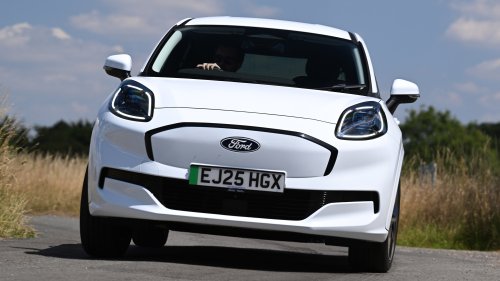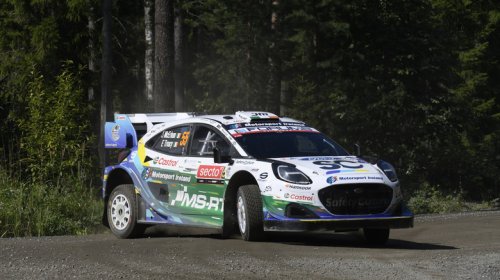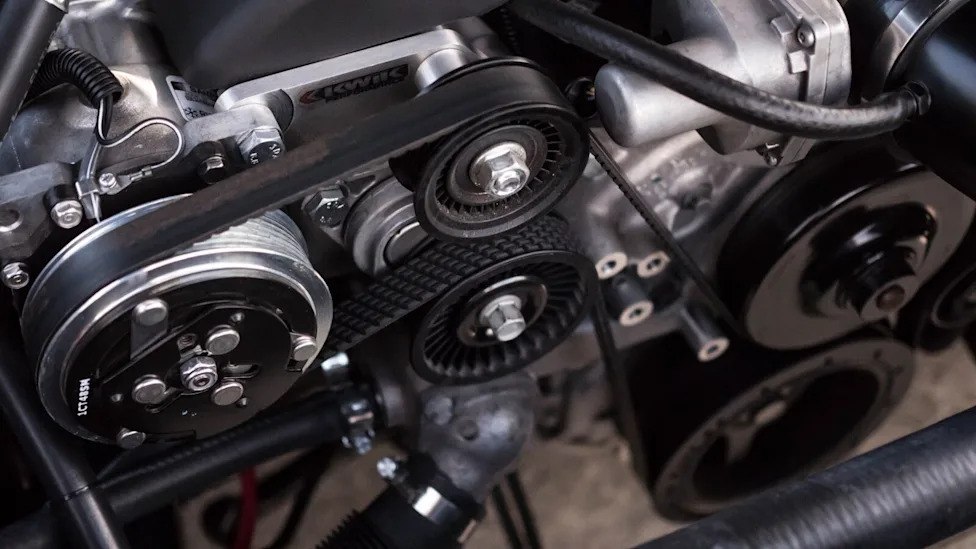


















Ford's 1.0L EcoBoost Timing Belt Can Kill an Engine at 70,000 Miles. NHTSA Just Escalated Its Investigation.A dashboard warning light doesn't usually earn its own paragraph in a federal case file, but that's exactly what's happening with a decade's worth of Ford Fiesta and Focus models built with the 1.0-liter three-cylinder engine. The National Highway Traffic Safety Administration has spent months studying complaints that all describe the same sequence: an oil pressure light flashes on, and within moments the engine loses power or quits outright. On July 31, the agency decided the pattern was serious enough to escalate, upgrading its investigation from a Preliminary Evaluation to a full Engineering Analysis — the last procedural step before NHTSA can push for an actual recall.From Preliminary Evaluation to Engineering AnalysisNHTSA's defect investigations move through defined stages for a reason. A Preliminary Evaluation gets opened when a complaint pattern looks worth a closer look; an Engineering Analysis is what happens once the agency decides it wants to run its own component and vehicle testing instead of just reviewing what the automaker hands over. This case started as PE25020 on December 18, 2025, targeting model-year 2015-2017 Fiesta and 2015-2018 Focus models built with the 1.0-liter engine and manual transmission. NHTSA also pulled the 2018-2021 EcoSport and automatic-transmission Focus models built through 2018 into the investigation as peer vehicles, since they share the same timing belt material even though they generated fewer complaints. The case is now designated EA26004.How a Wet Timing Belt Kills an EngineThe part at the center of all this is a wet timing belt — a design where the belt runs submerged in engine oil instead of sitting out in the open like a conventional rubber timing belt. Wet belts let engineers shrink the front of the engine and quiet down a small turbocharged three-cylinder that already has to work hard to sound civilized. The tradeoff is durability: NHTSA's investigation found the belt material can degrade over time and shed debris into the oil system, and that debris collects on the mesh screen feeding the oil pump. As the screen clogs, oil pressure drops, and continued driving can progress to a full loss of power or a seized engine — sometimes with a warning light giving the driver a few seconds' notice, sometimes without any warning at all.The Data Behind the EscalationThe numbers NHTSA gathered during the Preliminary Evaluation are the part that should worry current owners more than the upgrade itself. Failures averaged around 70,000 miles, and 98% of them happened before the 150,000-mile interval Ford originally specified for replacing the belt. This isn't a story about owners skipping maintenance — the belt was failing well ahead of its own service schedule, and evidence gathered from consumer surveys and an engine teardown showed failures occurring even with documented, routine oil changes. Compounding the problem, the oil pump pickup screen that collects the debris isn't a serviceable part. There's no dipstick check or borescope trick that catches this early — inspecting it means pulling the engine.Ford's Fix Isn't a Recall — YetFord's response so far is a customer satisfaction program, not a recall, and that distinction has real teeth. A recall legally obligates an automaker to notify every registered owner and provide a free repair; a customer satisfaction program is a goodwill gesture Ford gets to define and limit on its own terms. On June 2, Ford told NHTSA it was cutting the global timing belt service interval from 150,000 miles down to 100,000 miles or six years, and offering reimbursement to owners who already paid out of pocket for a timing-belt-related repair. Ford hasn't published exactly which U.S. vehicles qualify for that reimbursement, so owners of affected cars are better off calling Ford directly and asking where their VIN falls rather than assuming coverage either way.A Dead Nameplate, a Live ProblemEvery model caught up in this investigation is already out of production. Ford stopped selling the Fiesta in the U.S. after 2019, retired the Focus as a passenger car after 2018, and dropped the EcoSport following the 2022 model year. That means this investigation is aimed squarely at a shrinking pool of used cars — the same cheap, high-mileage commuter cars that buyers shop for precisely because they can't absorb a surprise repair bill. A wet-belt failure isn't a $40 serpentine belt swap; depending on how much debris made it through the oil system before anyone noticed the warning light, the repair can range from an oil pump and timing belt job to a full engine replacement that can run past $4,000 installed. Anyone shopping the used market for one of these three nameplates should ask for timing belt service records before they ask about anything else.What Happens NextAn Engineering Analysis doesn't guarantee a recall, but NHTSA rarely escalates a case this way unless it's leaning toward one. Our breakdown of how a single Tesla owner's door handle complaint turned into a federal rulemaking shows how far a determined investigation can travel once it gets rolling. Automakers don't always lose these fights, either — Suzuki spent three years in court defending a front brake master cylinder class action before a federal appeals court sided with the company. And when NHTSA does eventually force the issue instead of accepting a voluntary program, the remedy looks different from what Ford is currently offering — Tesla's cheapest Cybertruck just got hit with a recall over wheels that could separate from the truck is a recent example of what a real recall requires versus a customer satisfaction letter.