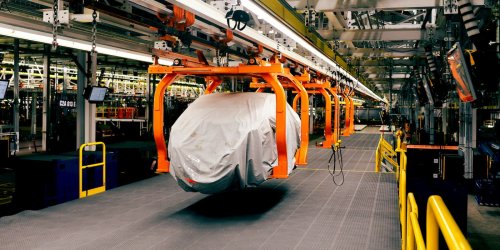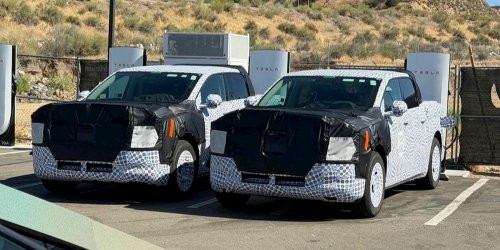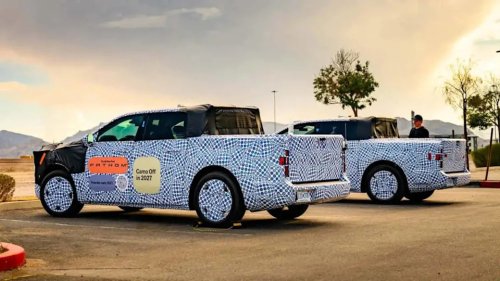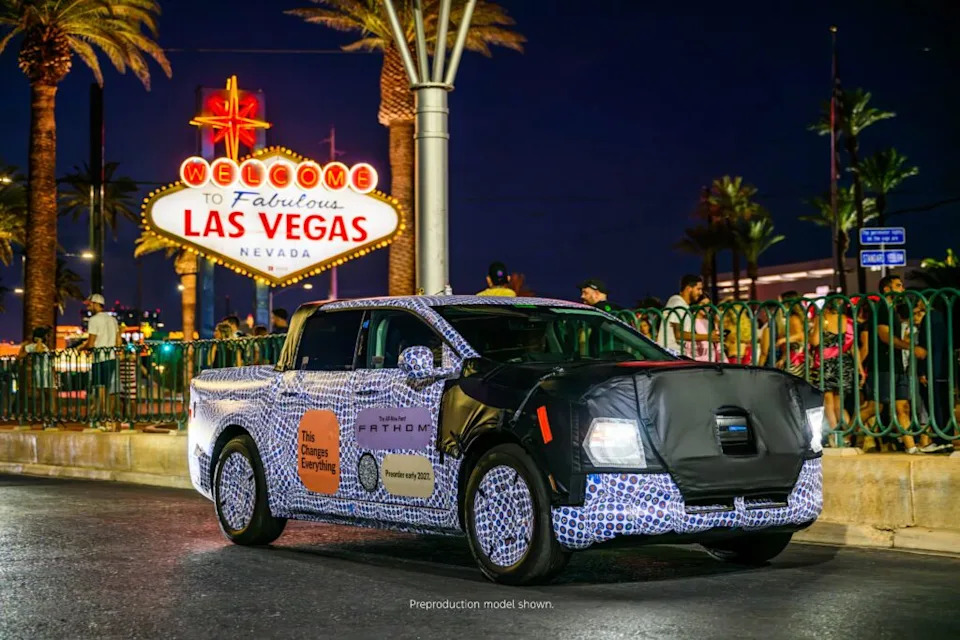
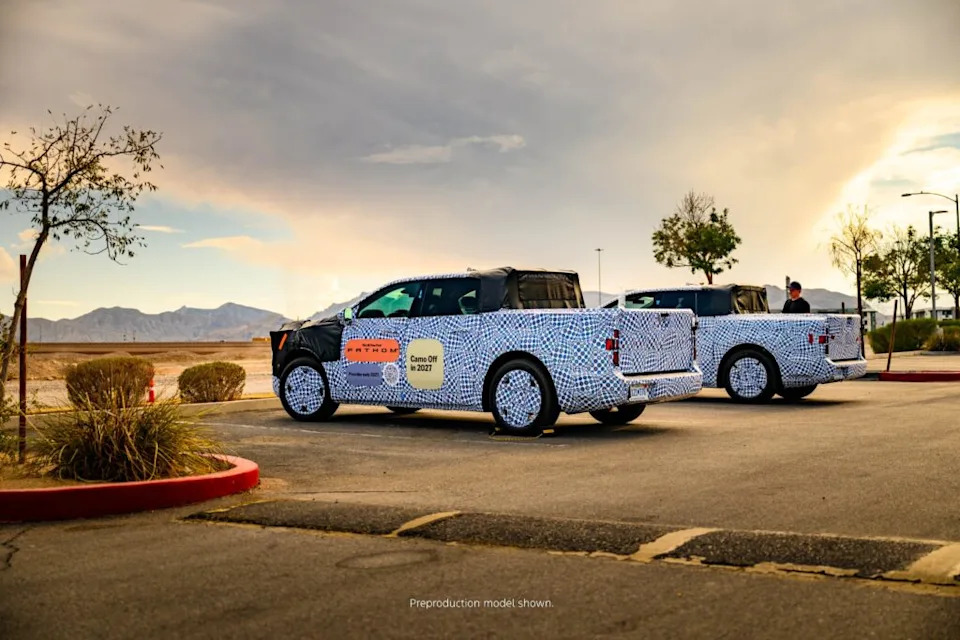



















Ford's upcoming Fathom electric vehicle may not enter production as planned in 2027, with CEO Jim Farley acknowledging that the automaker still has significant work to complete before its new Universal Electric Vehicle (UEV) platform is ready for mass production.The Fathom was announced in August as the first Ford model based on the company's UEV platform. It is expected to start at $29,945, including destination fees, and was originally scheduled to begin production in 2027 at Ford's Louisville Assembly Plant. The automaker had also planned to open pre-orders in early January 2027.However, Ford's timeline now appears less certain. In a recent interview with Automotive News cited by Ford Authority, Farley said the company has not yet finalized the process for producing UEV-based vehicles at scale. He indicated that launching the platform at scale, while meeting its targeted cost and timeline, will require significant effort."We haven't landed the plane on mass production of UEV yet," Farley said. "It's going to be a heck of an effort to launch this at scale, at cost, on time."Ford Fathom Test Mule. Image Credit: Jim Farley / XFord is investing $2 billion to retool its Louisville facility for Fathom production. Work on the plant began in late 2025, and by February, the existing equipment had been removed, leaving the facility ready for an entirely new production system. Louisville Assembly workers have, meanwhile, been training on the new manufacturing setup at Ford's New Model Product Development Center in Michigan.The original plan called for Fathom prototypes built with production-qualified components to begin in the first quarter of 2027, followed by customer vehicles later that year. That schedule could now prove difficult to maintain.Ford has also faced challenges in reaching Fathom's targeted starting price. Alan Clarke, the company's vice president of advanced development projects, previously described the effort as extremely difficult, noting that Ford's team had been focused on reducing costs throughout the vehicle's development.According to Clarke, Ford also had to rely on its supply chain to meet its targets, work with suppliers it had not previously used, introduce new designs, and determine which features and elements customers would actually value.Ford Fathom Test Mule. Image Credit: Jim Farley / X