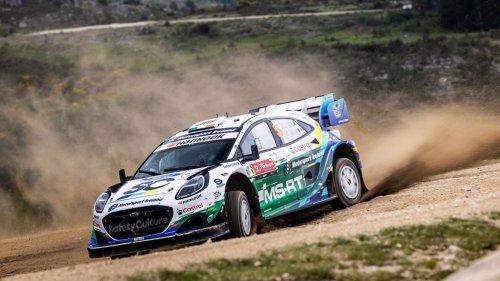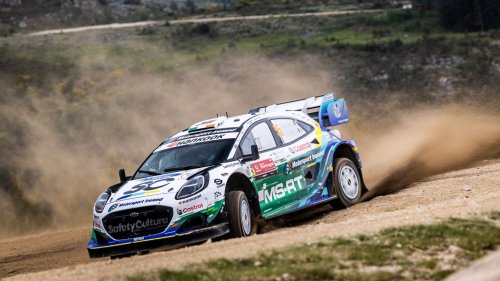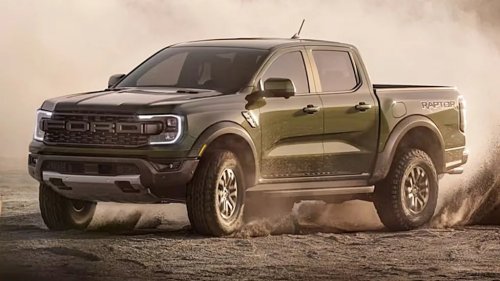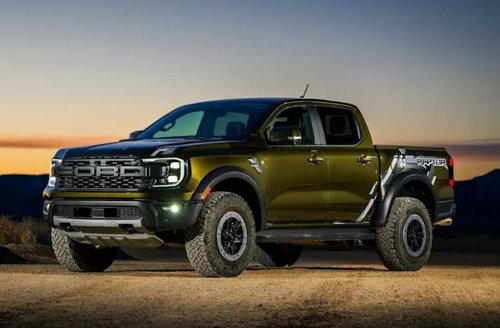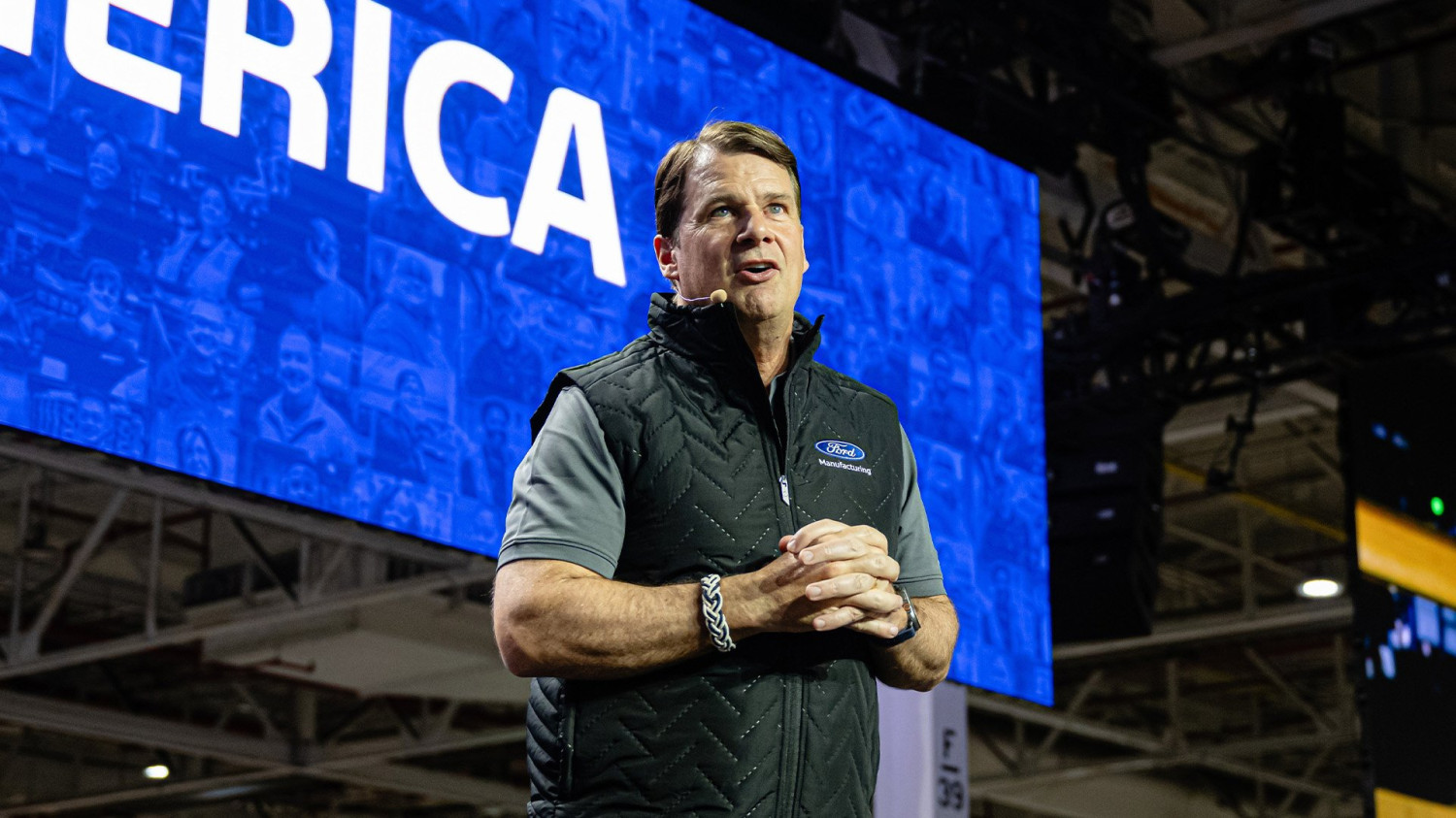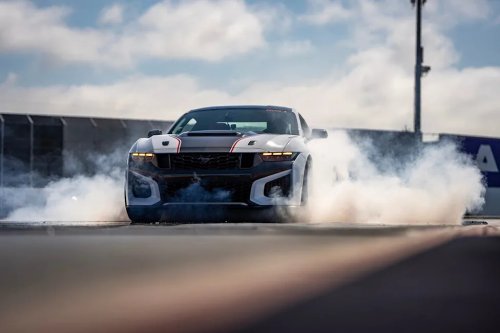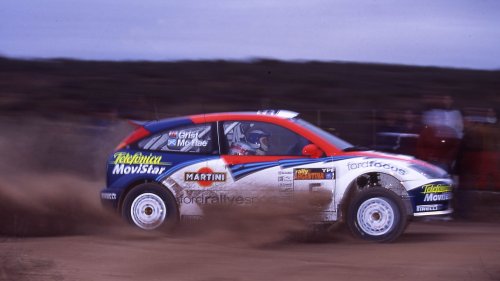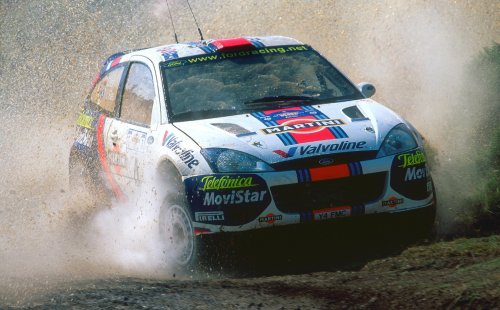
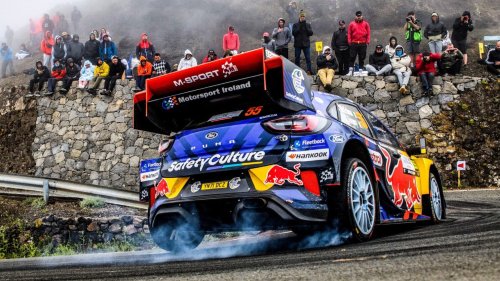
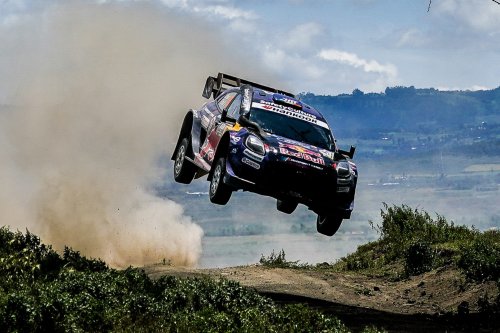
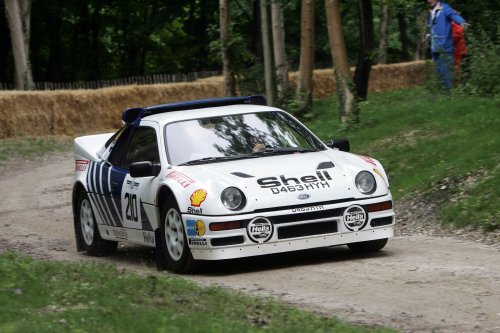
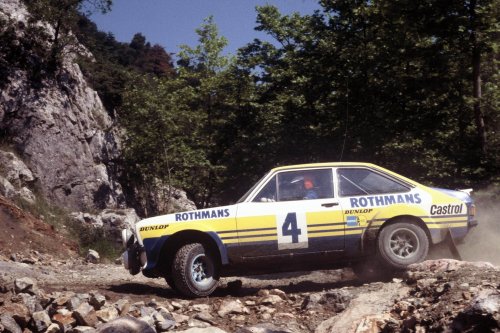
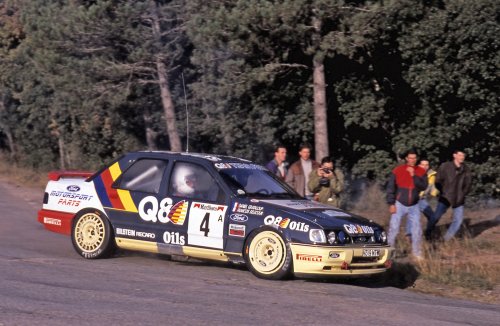
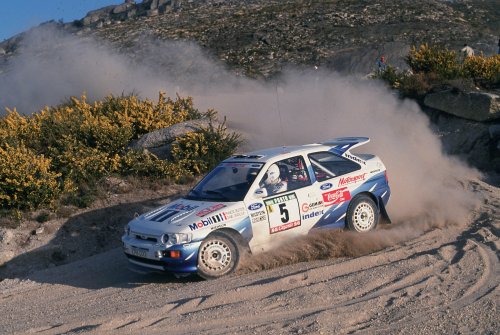
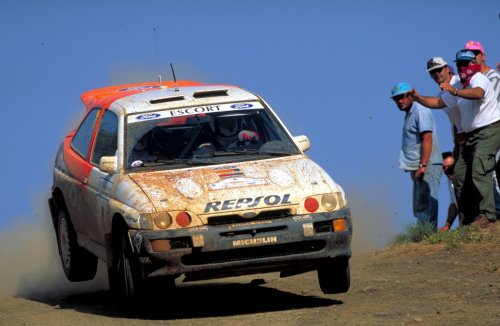
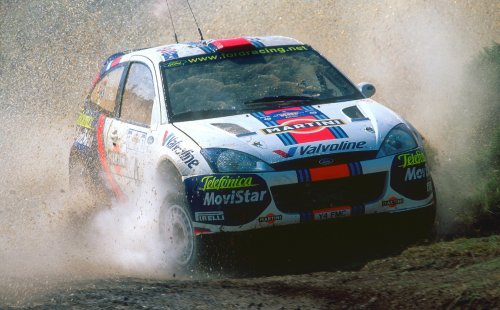
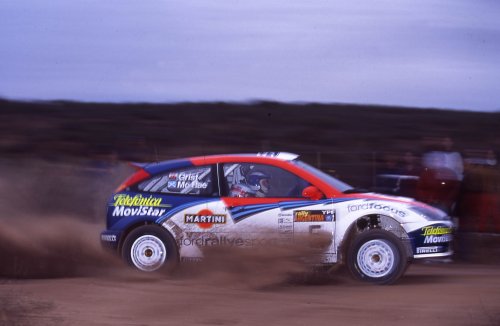
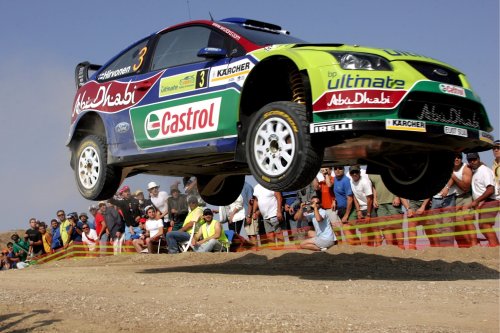
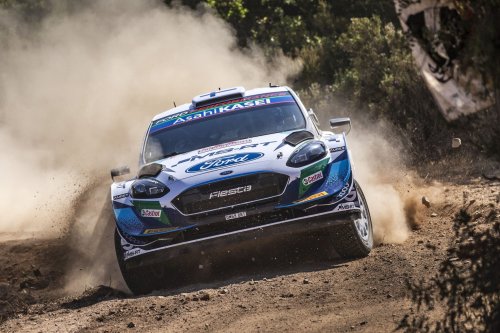
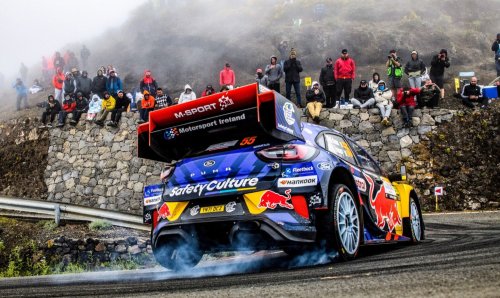
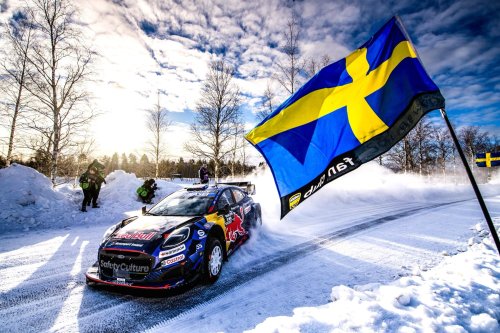
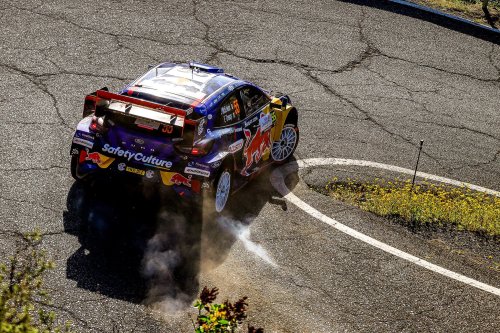
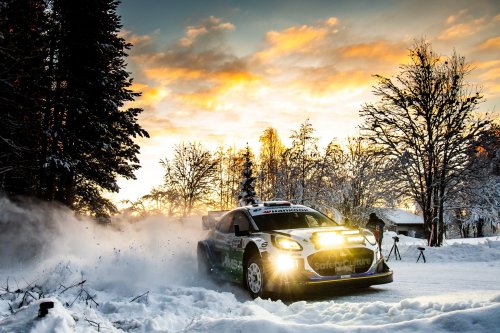
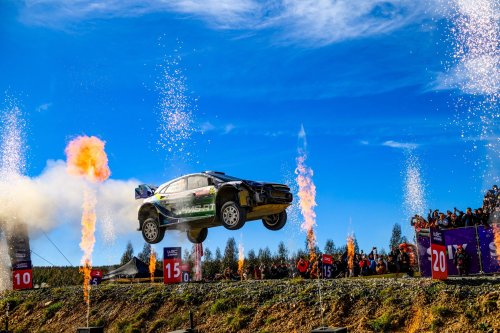
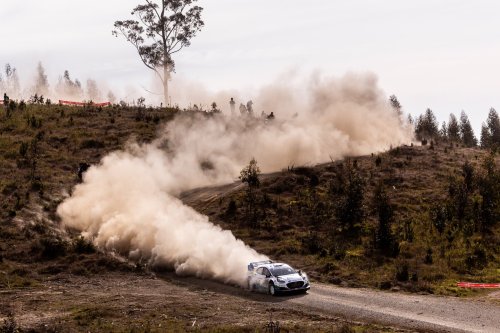
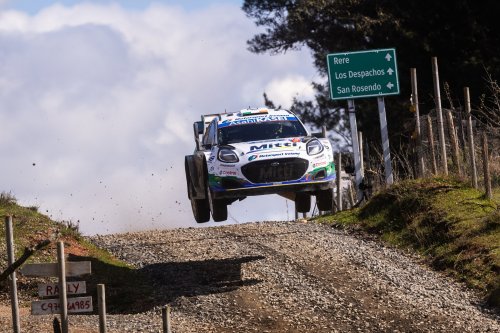
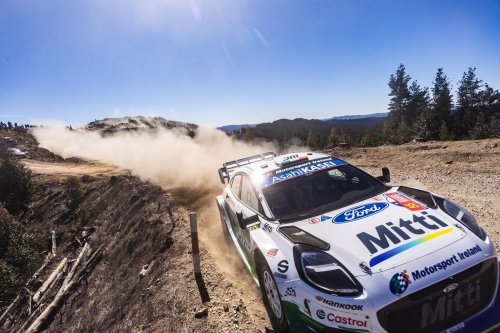
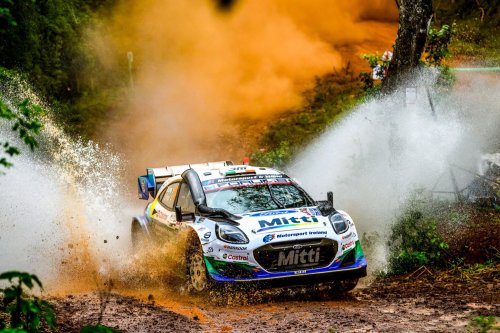
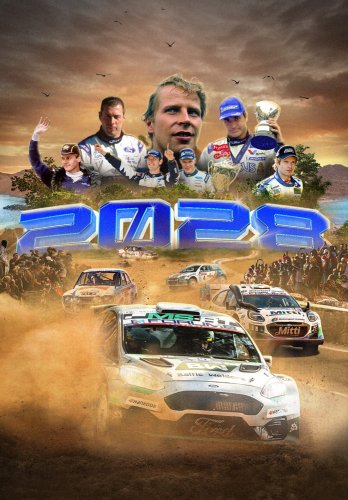
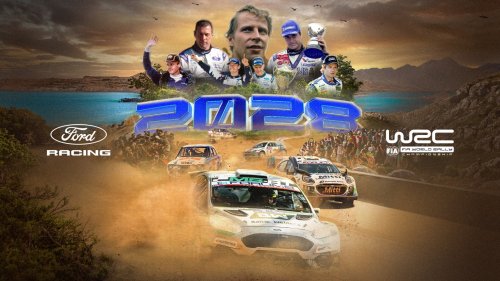
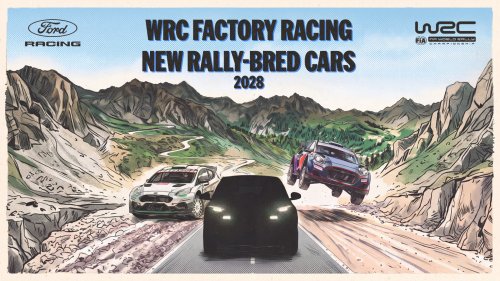


















Ford confirms it is expanding its motorsport program by returning to WRC. WRC is going through major changes that could result in petrol vs EV battles. New-era cars are built around a common safety cell to keep entry costs down. Ford celebrated 125 years of racing activities earlier this week, but it’s already plotting how to get its hands on a new set of trophies. The automaker has confirmed it’s returning to the WRC stage after more than a decade away. Between 1978, the World Rally Championship’s inaugural year, and 2012, Ford was a constant presence in rallying’s top tier. But although privateer teams have operated with Ford support in the years since, Ford hasn’t fielded a full factory effort. Related: Toyota GR Celica Takes Shape As WRC Prototype Shows More SkinThat changes for 2028. Ford will kick off its works effort that year by temporarily resurrecting the Fiesta with its partner, M-Sport. But that’s just a warm up. An all-new WRC machine lands in 2029, probably after a 130 ft (40 m) jump off a dirt-covered crest. We’ve already heard how Ford plans to use motorsport to fire up our passion for the brand and build a bond that we don’t have with Chinese automakers and their cars. It now supplies hybrid engines to the Red Bull F1 team, is readying a World Endurance Championship hypercar and recently debuted a Raptor T1+ Dakar competitor. On top of that it’s running Mustangs in IMSA and GT racing, as well as Nascar, but for some Ford fans there’s been one big gap in its racing strategy, and that’s rallying. Multi-Year Champions Ford won the manufacturers’ and drivers’ WRC titles in 1979 thanks to Bjorn Waldegard’s sideways skills in a Mk2 Escort RS1800, and back-to-back manufacturers’ prizes in 2006 and 2007 with the Focus RS WRC. Most recently, M-Sport’s Fiesta WRC took top honours in both categories with Ford’s help in 2017, though technically M-Sport, and not Ford, was the manufacturer on that occasion. WRC changes radically for 2027, though there is a transition period. New rules introduce a €345,000 ($390,000) cost cap for each car to encourage more entries, and mandate a tubular space fame safety cell. Hybrid tech and even fully electric power is on the menu from 2029, and teams can place anything from a hatchback to a crossover body over the common safety cell. The WRC reboot should bring lots of coverage for Ford. But it wants to do more than simply win on Sunday, sell on Monday. It claims what it learns on the rally stage will genuinely feed into its road cars, making the Fords we buy and drive more fun. Rally-Bred “We want you to feel a spark of that rally-stage emotion on your everyday commute,” says Jim Baumbick, President of Ford Europe, writing on the brand’s From The Road blog-style news site. “That is what we mean by rally-bred. It is not a badge or a body kit. It is a character.” Baumbick concedes that not everyone wants to engage with their car. Some just want a white-goods vehicle that will simply deliver them to work or the store and back. Ford’s built plenty of those cars in its darkest hours, but it doesn’t plan to do it again. “We are done building boring cars, and we refuse to build toasters on wheels,” Jim Baumbick says. “We build vehicles for people who want to be part of the experience — who enjoy a road that changes, a corner that opens up, and a car with the soul to respond as they drive it.”You go ahead, Jim, because your new cars sound like our kind of cars. Ford