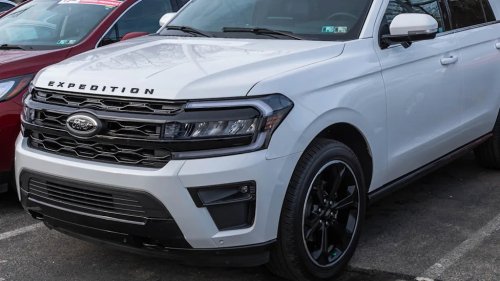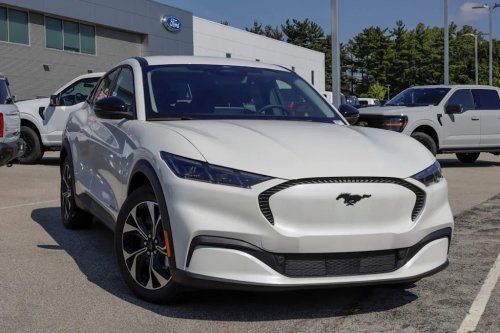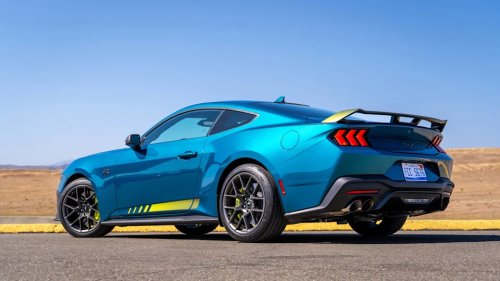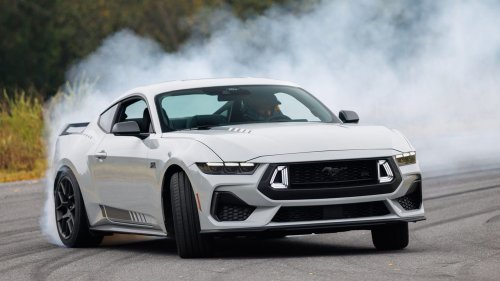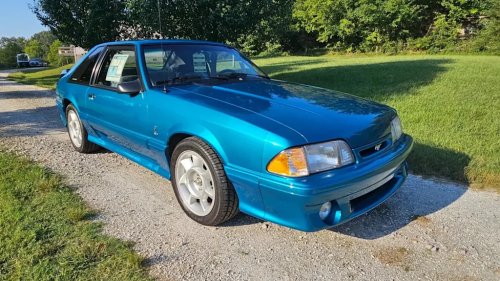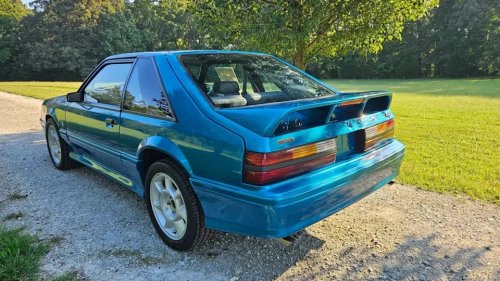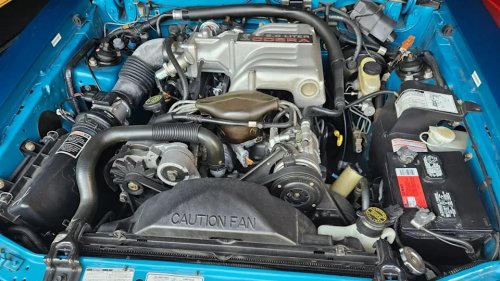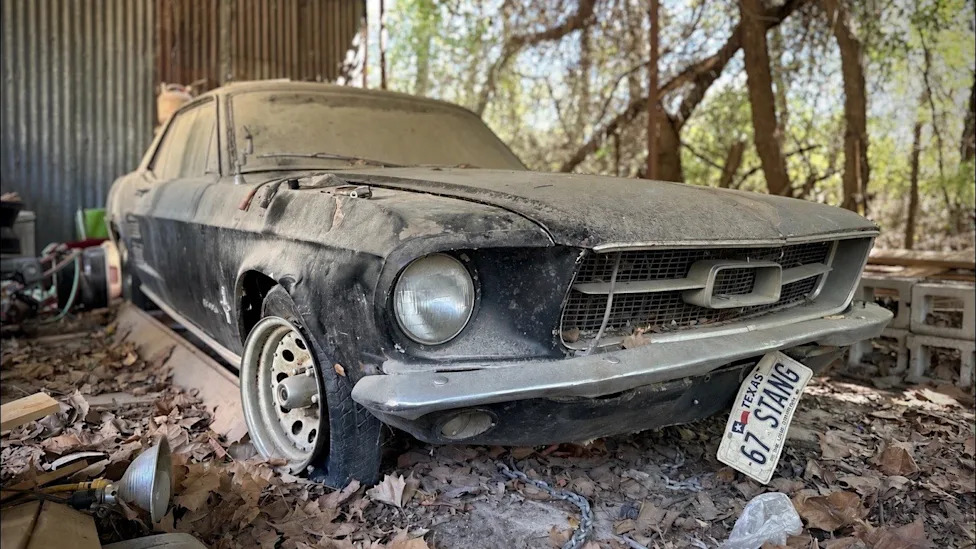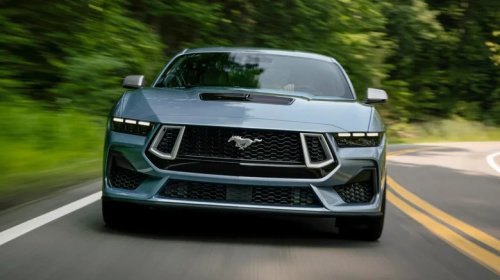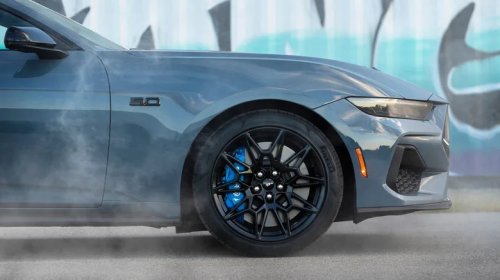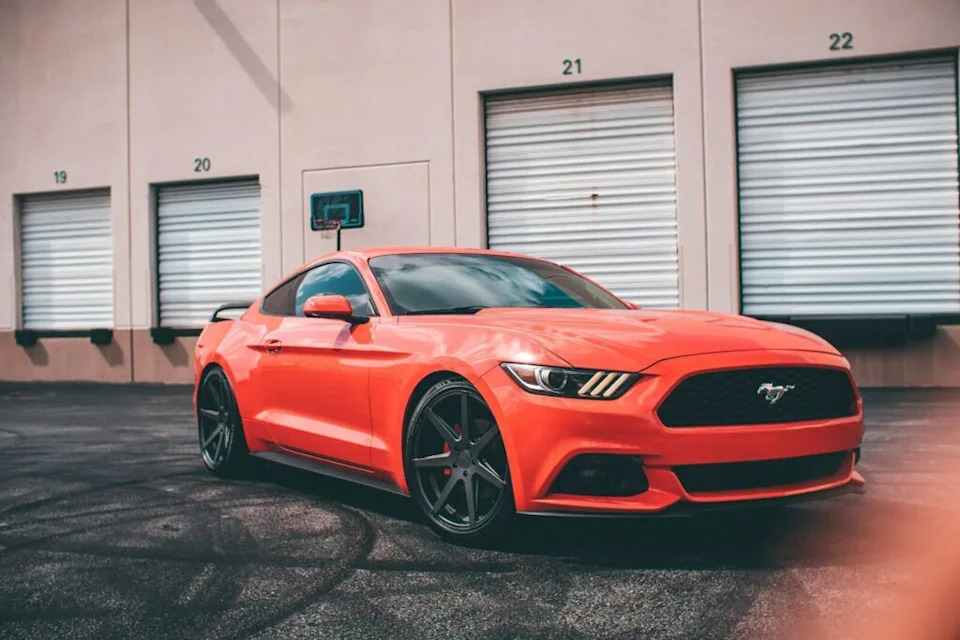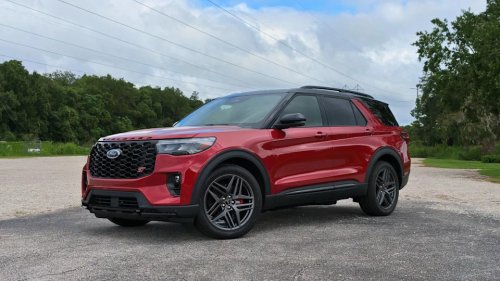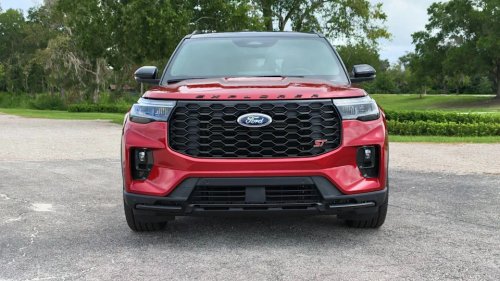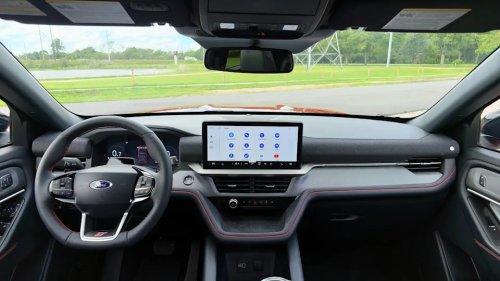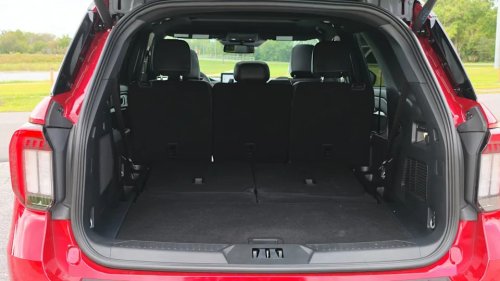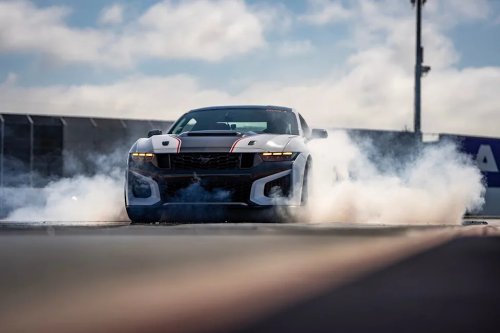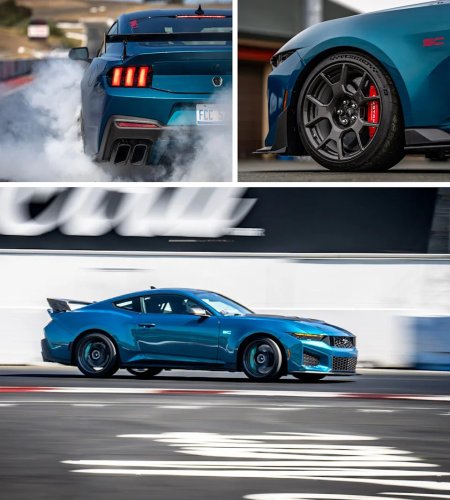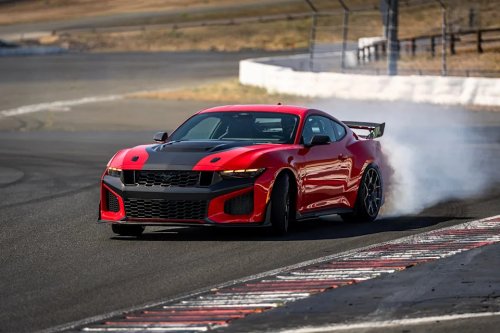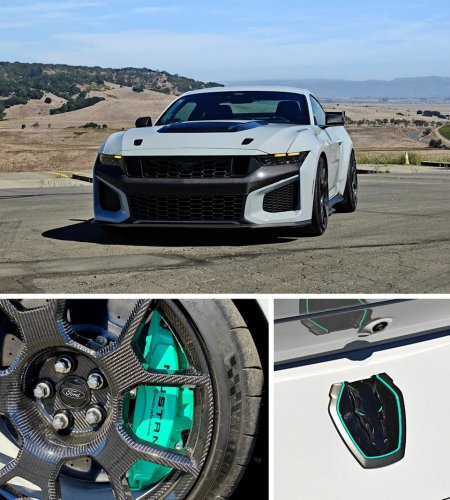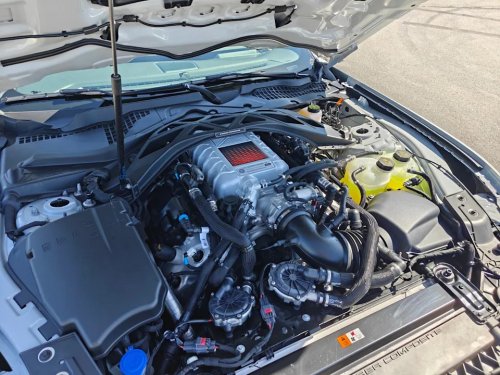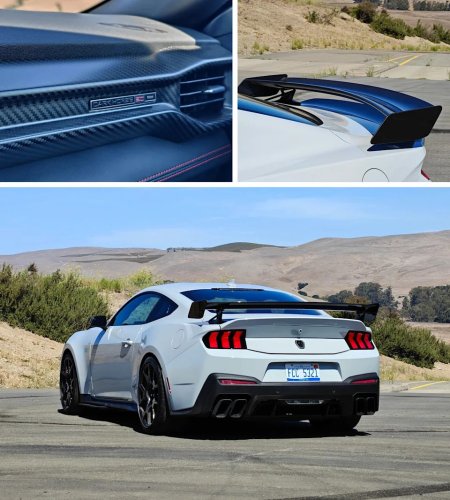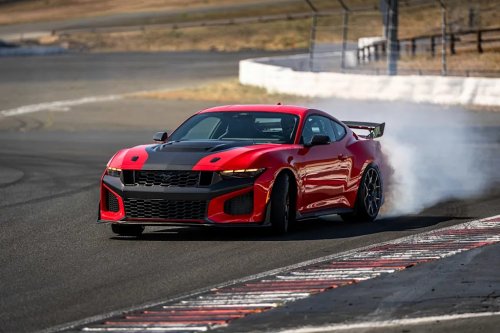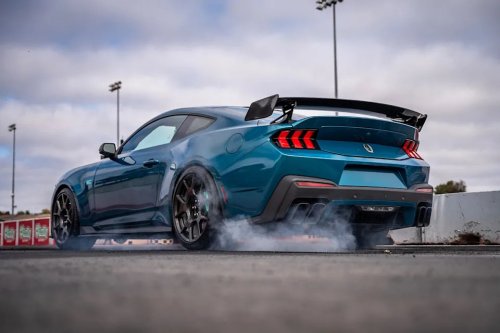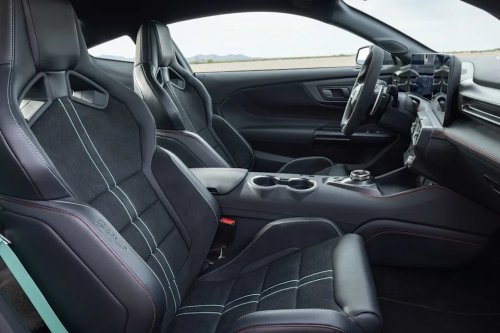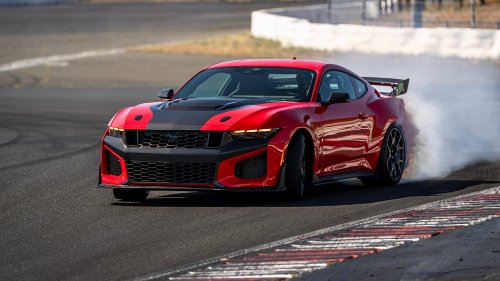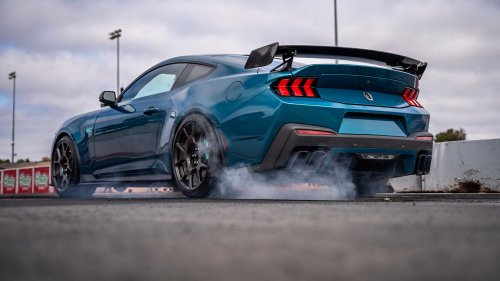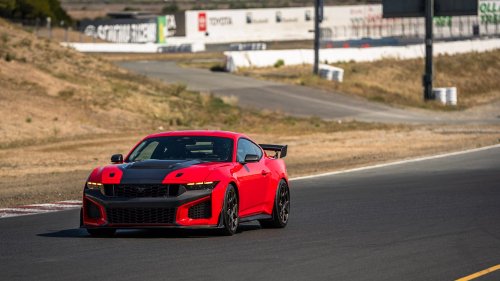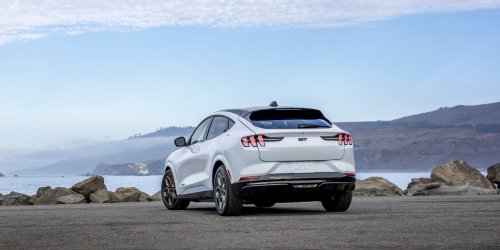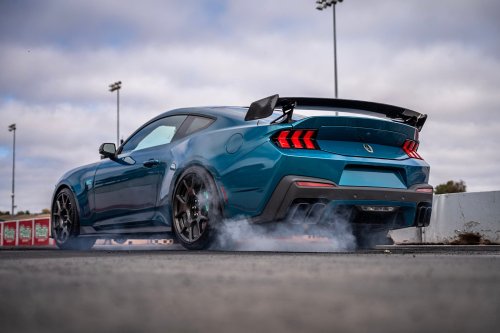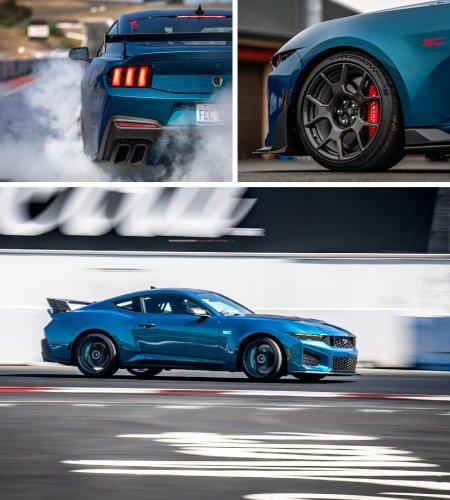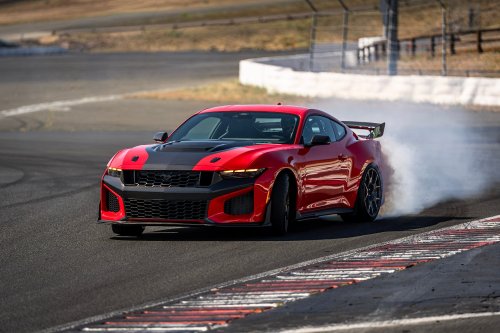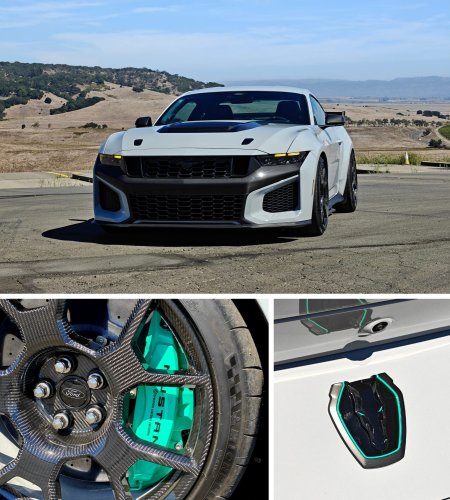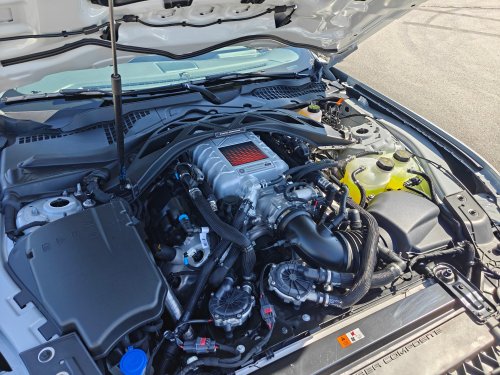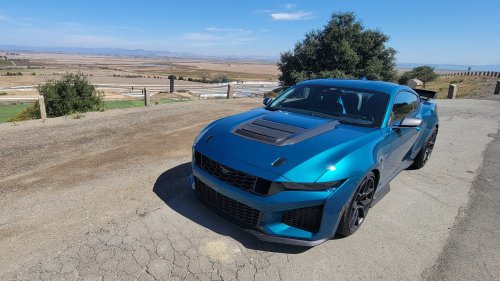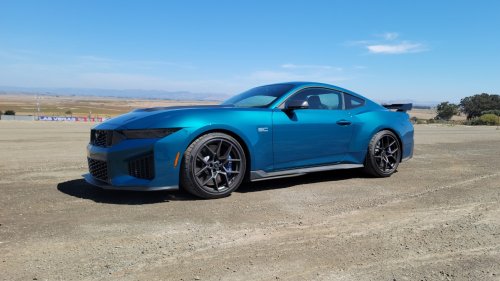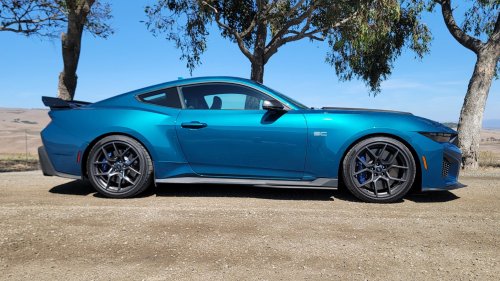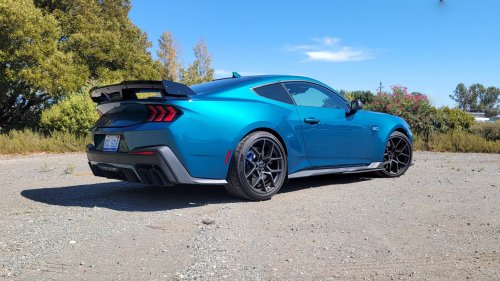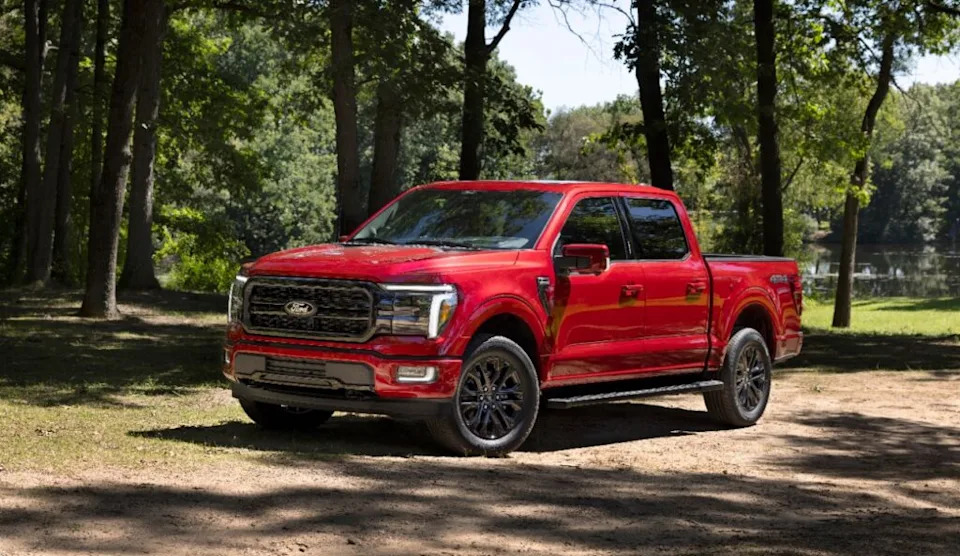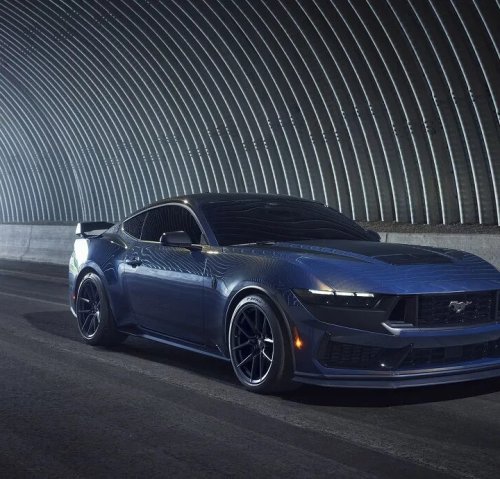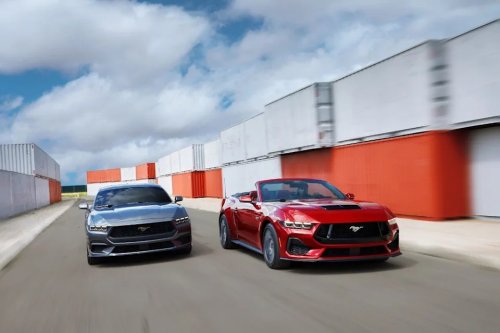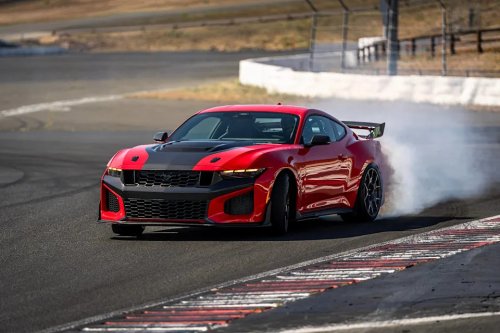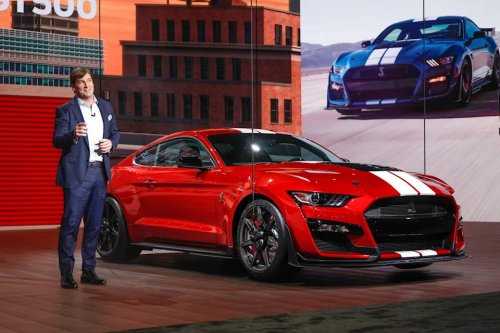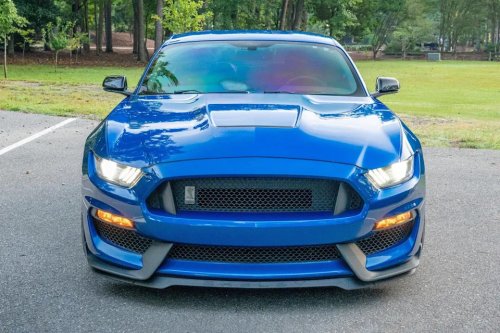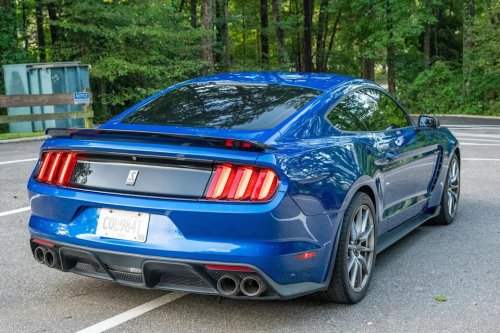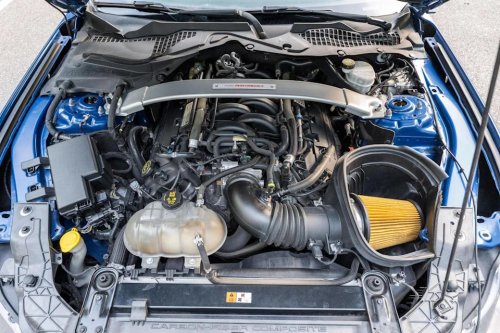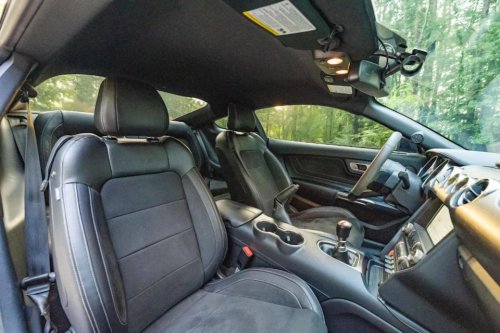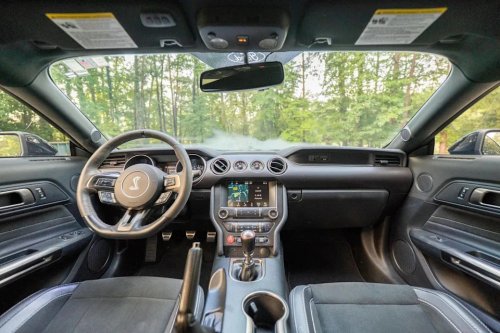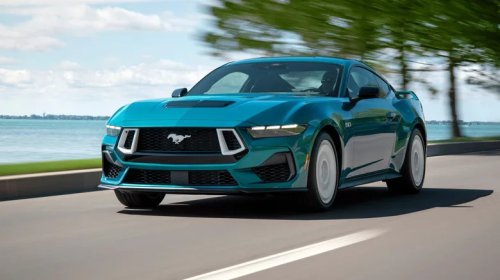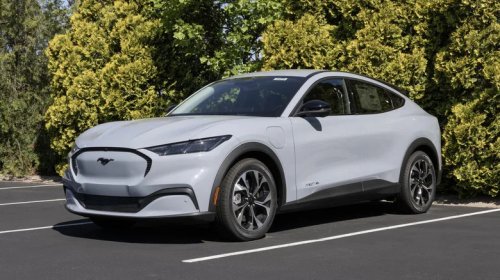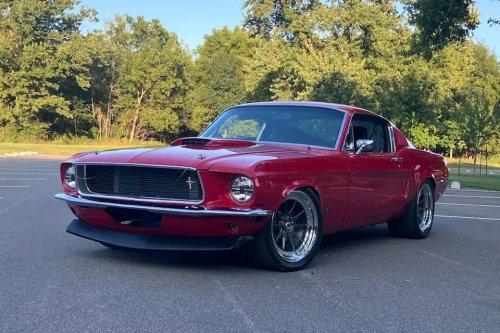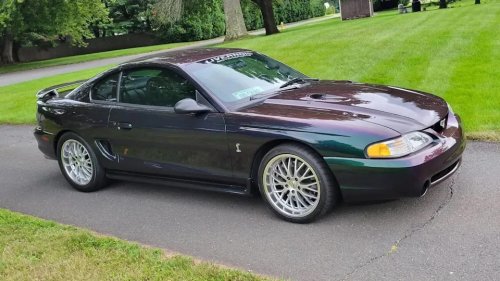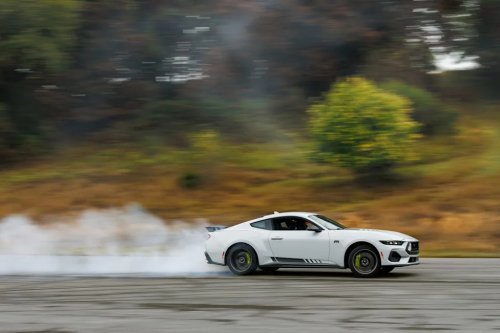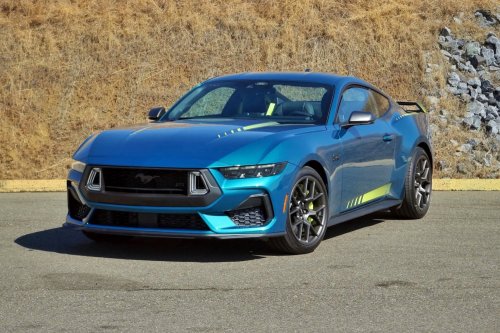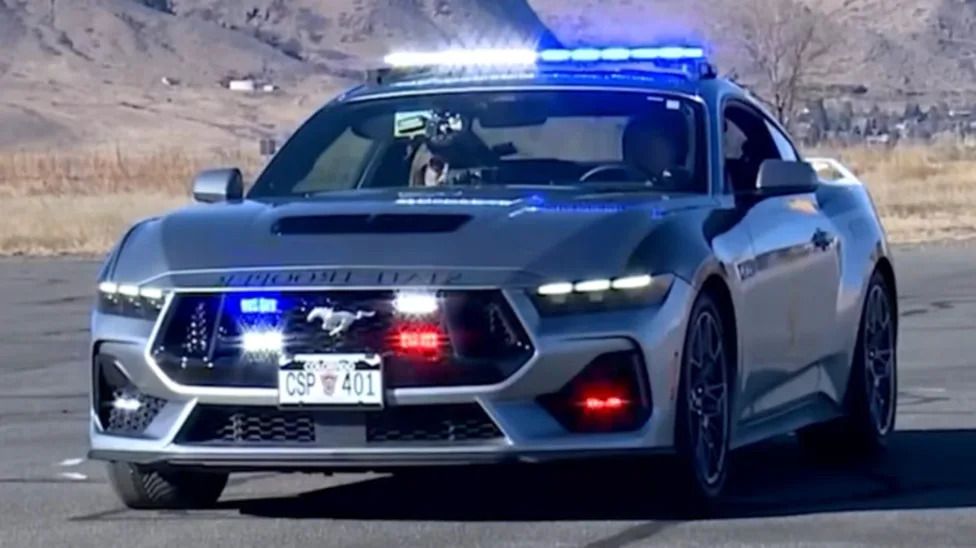
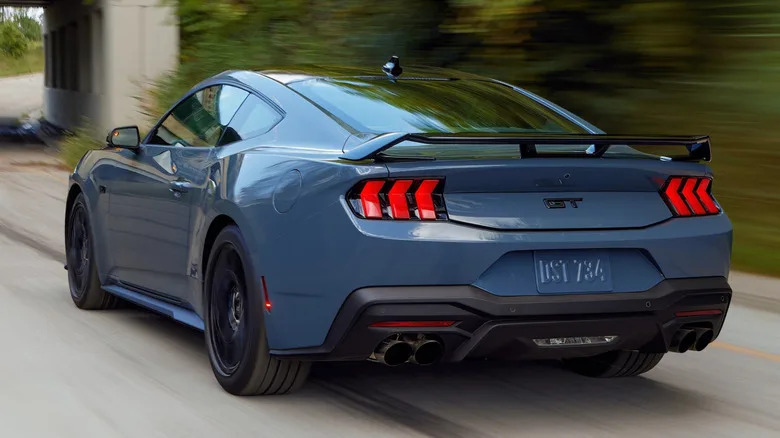
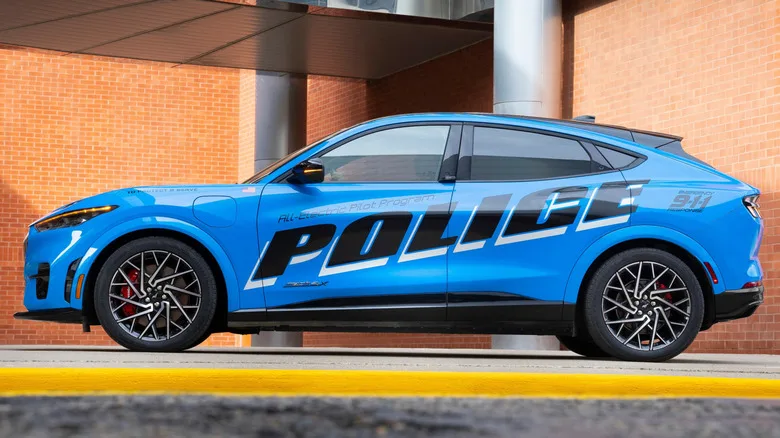


















Fox31 Denver/YouTube The Fox Body Mustang stands out for a number of reasons, as it not only revived the GT nameplate — consider that foreshadowing — it underpinned the only Mustang model to officially serve as a police vehicle. The Ford Mustang SSP, meaning it had the Special Service Package, made a living chasing Porsches from 1982 to 1993. The Blue Oval's focus on police vehicles went from Fox to Panther after that, thanks to the introduction of the Crown Victoria. Ford has offered a number of other cars with police packages since that time, but none have been Mustangs. But that's likely to be little consolation to speeders in a growing number of states. The Missouri State Highway Patrol recently became just the latest jurisdiction to purchase regularly equipped Mustangs and convert them to law-enforcement use. To be exact, the Missouri fleet welcomed 10 Mustang GTs that will be deployed for both routine duties and emergency response. However, since the performance of the Mustang GT is far from routine, drivers chosen for the Mustang program will need to pass an extra round of vehicle-operations training. Other states getting in on the action include both Carolinas, Colorado, Florida, Indiana, New York, and Virginia. Due to a weird set of circumstances in Hawaii, where officers can use their own cars for patrol, multiple Mustangs have been sighted on duty in Honolulu. Elsewhere, though, the current GT is far and away the favorite choice, and it's easy to understand why. Why is the Mustang GT a good cop car? Ford According to the Missouri police department we just mentioned, the Mustang was chosen for its ability to deliver the kind of speed and style they might expect from much more expensive rides. For some context performance-wise, the original Mustang police car, the 1982 Ford Mustang SSP, was based on the LX trim level. But it did welcome GT suspension and steering systems along with a 302-cubic-inch V8 — which had had its displacement rounded up and metricized to an iconic 5.0 liters. To show just how far the Mustang's come, that 1982 V8 featured a two-barrel carburetor to kick out 157 horsepower. The mighty mill beneath the hood of today's GT's shows off direct and port fuel injection to help deliver 480 horses and 415 pound-feet of torque. That's while feeding them 93-octane fuel, and output can be bumped to 486/418 with the Mustang's available active exhaust system. The results are highlighted by 0-60 times of 4.3 seconds with the exhaust upgrade and the also-optional performance package. The same configuration was good for quarter-mile marks of 12.5 seconds at 114.7 mph and a governor-limited top speed of 155 mph. The Mustang GT can more than hold its own in the turns, too, especially with its available MagneRide suspension and Brembo brakes — the same brake brand on which every Formula 1 team relies. Yet the starting price of the Mustang GT is $46,800 plus a destination charge of $1,995. Meanwhile, to beat that kind of acceleration in a 2026 Dodge Charger, you have to be ready to fork over $54,995 for the car and $1,995 for destination. What police vehicles does Ford sell today? Ford Ford hasn't sold a sedan with a police package since the hybrid Fusion — and the Police Responder Hybrid Sedan based on it — left the scene in 2020. With that in mind, the Ford lineup of police vehicles now includes five members, beginning with the Police Interceptor Utility. Based on the Ford Explorer and backed by its 3.0-liter EcoBoost V6, the Interceptor Utility had the highest top speed — 148 mph — at the 2026 edition of the annual Michigan State Police vehicle testing program. Second place? That was the Interceptor Utility Hybrid that achieved 136 mph. Looking at acceleration, the Interceptor was only third, behind two other Ford products. The second-place F-150 Police Responder, the industry's first pursuit-rated pickup, charged from 0 to 60 in 5.68 seconds using its 3.5-liter EcoBoost motor. That was just a few ticks ahead of the Interceptor at 5.95 seconds. Besting both, and all others tested, was the Ford Mustang Mach-E, first pitched to the cops in 2021, and the first EV to pass the Michigan State Police testing regimen. The Mach-E combined its 4.03-second 0-60 run with a top speed of 124 mph. Filling out the lineup are the Ford Expedition Special Service Vehicle, engineered for tactical and off-road support in regular and extended-length wheelbases, and the Transit Prisoner Transport Vehicle. As you'd guess, each has its own advantages built on the benefits of its donor vehicle: The versatile Ford Expedition wants to be drivers' everything — and succeeds – while Ford touts the Transit's durability by claiming 98% of them are still on the road.