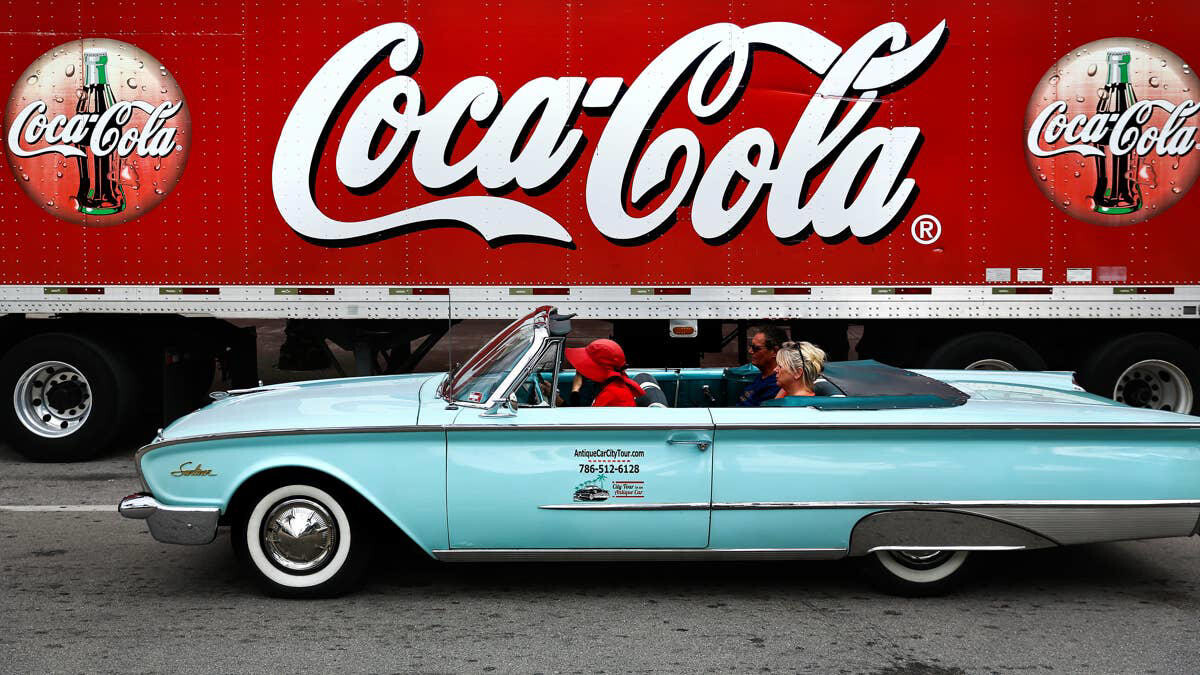
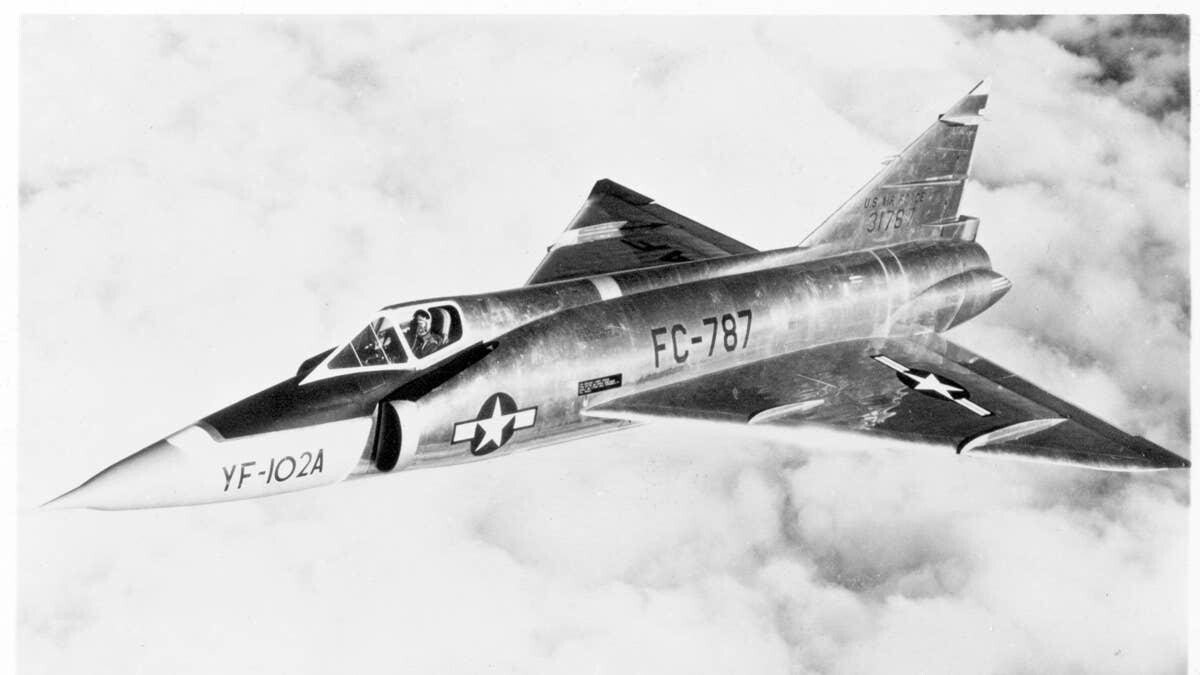
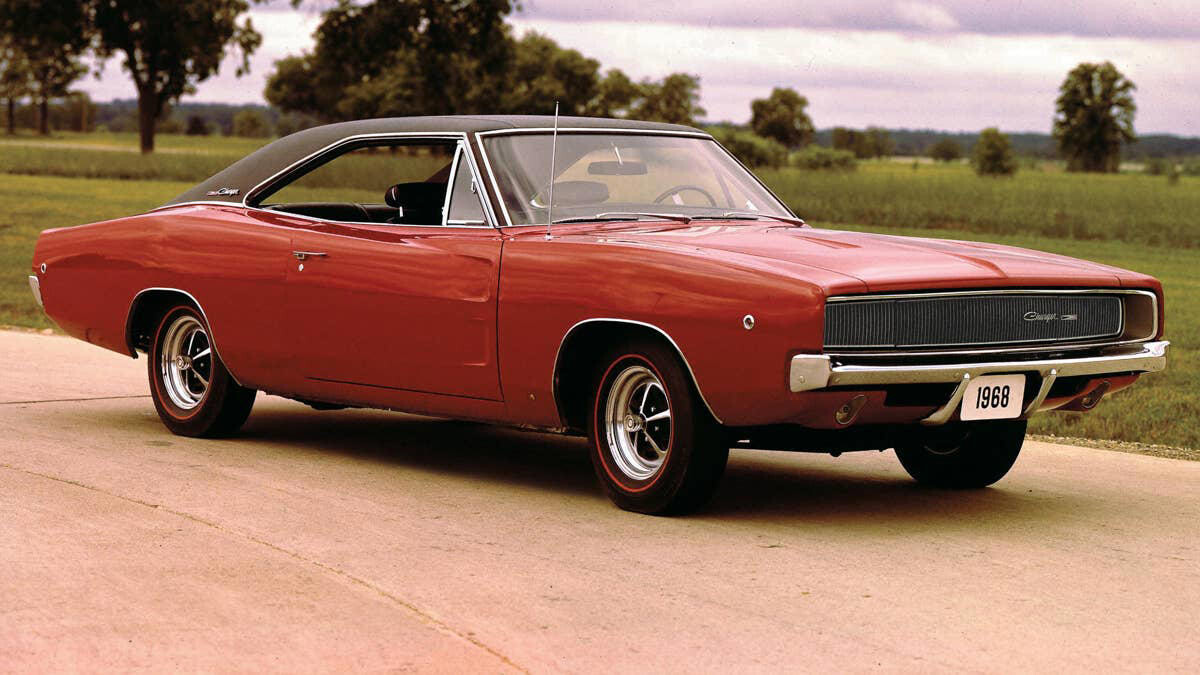
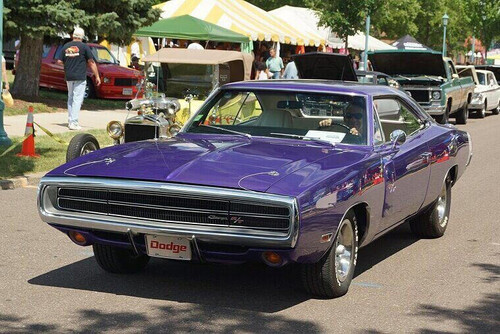
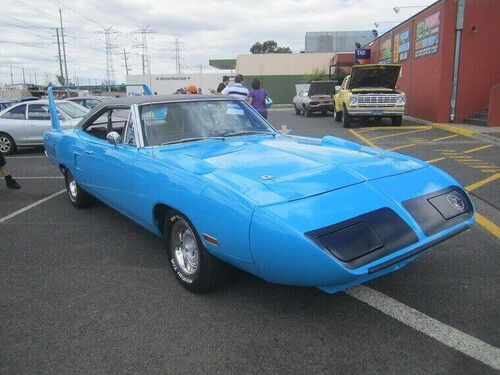
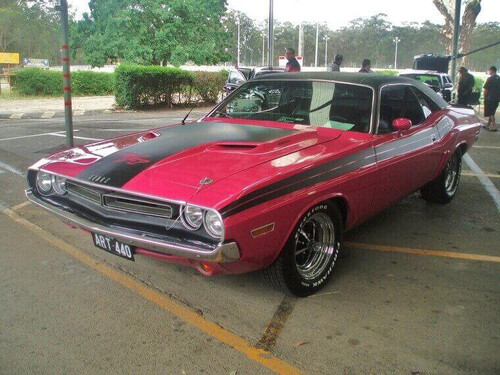
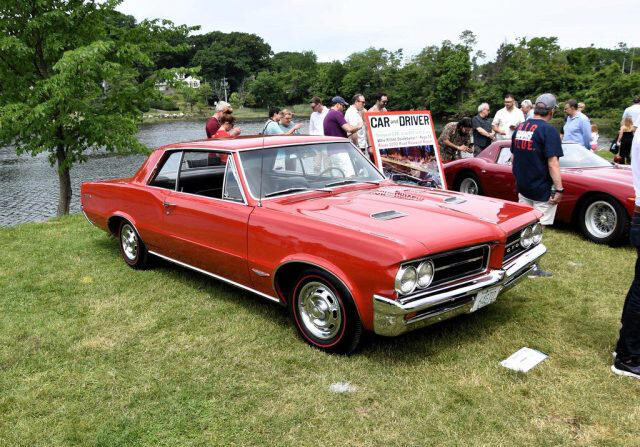
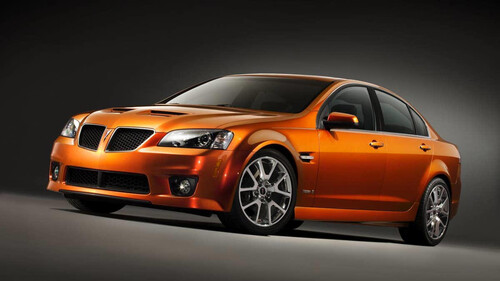
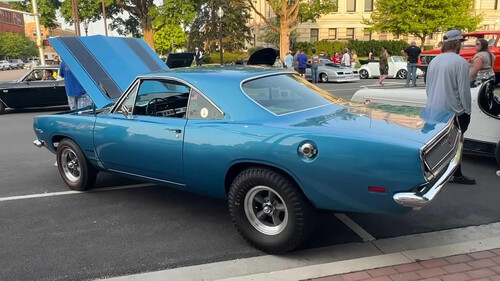
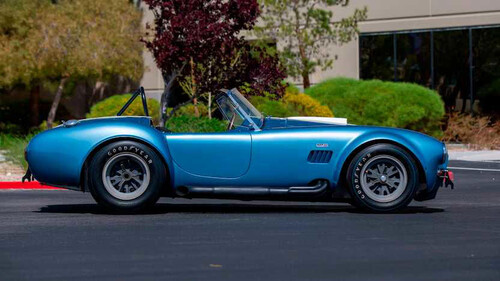
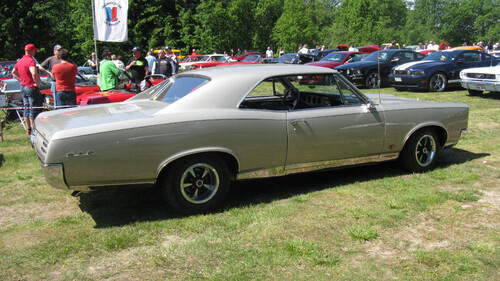
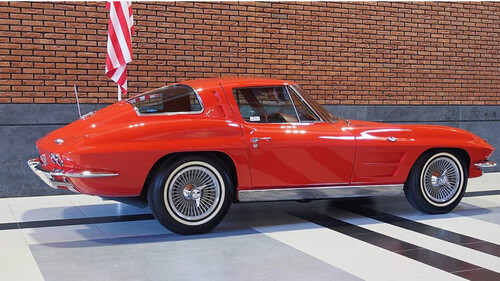
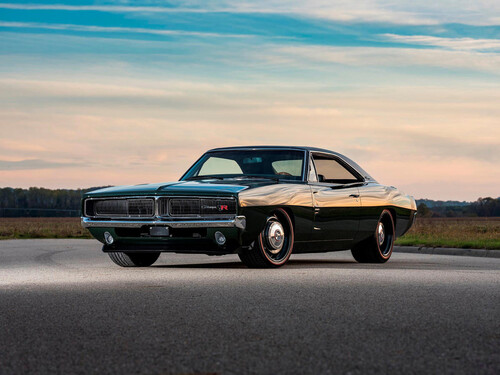
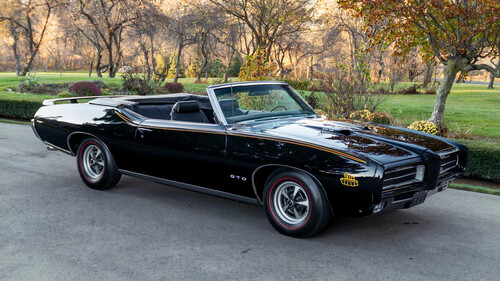
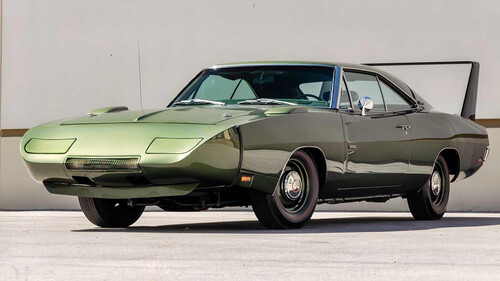
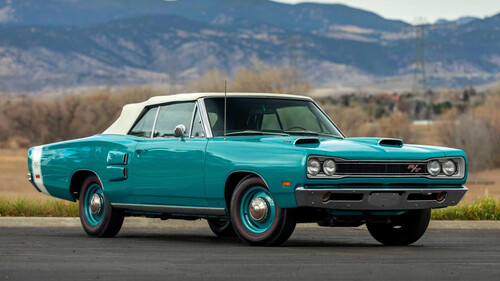
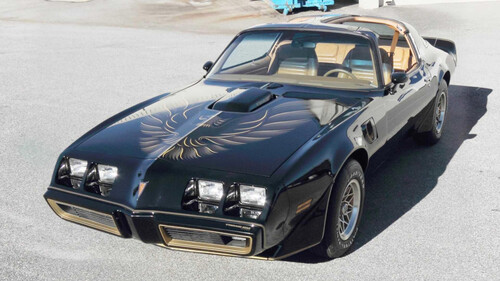
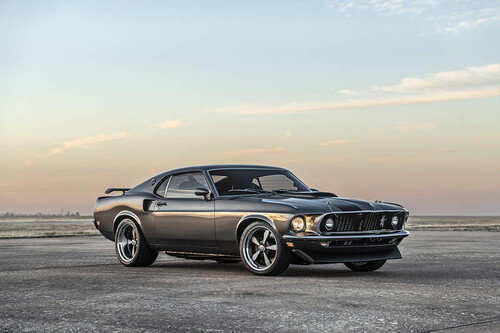
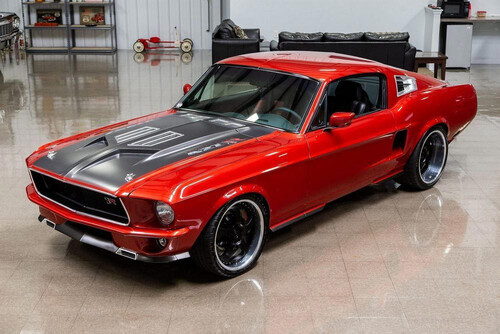
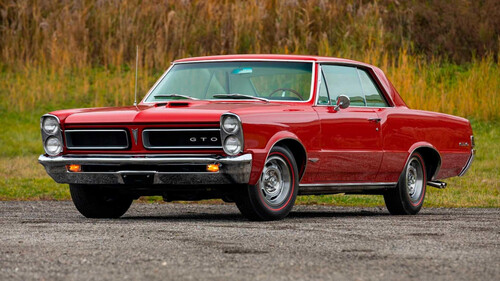
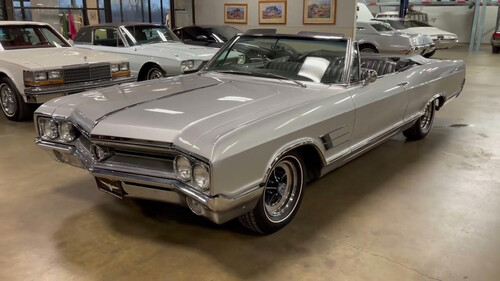
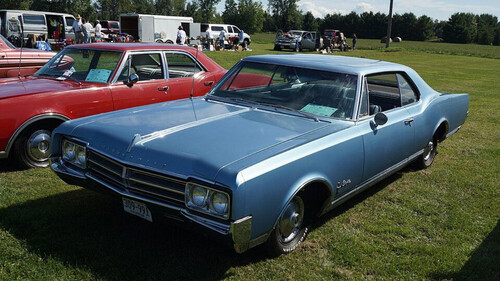
Autoblog and Yahoo may earn commission from links in this article.It’s the real thingIf you spend some time looking intensely at some of the coolest American muscle cars from the late 1960s at a museum, car show or even at your local cars and coffee, you’d probably notice that they share a common design detail. In vehicles like the ‘68 Dodge Charger, the ‘66 Pontiac GTO and even the first-generation Camaro and Firebird, the body lines flow from narrow at the doors to wide towards its rear wheels and fenders in a seamless fashion. That shape is called Coke bottle styling, and it is arguably the single most influential design language in American automotive history. The lineage of Coke bottle styling runs very deep. What became the definitive muscle car shape started in a wind tunnel in the early 1950s before it made it to automotive design studios in Detroit during the 1960s, with a stop at the sound barrier along the way. By the time Larry Shinoda put pencil to paper on what would become the ‘63 Corvette, he was drawing on styling born from aerospace and was about to reshape the automotive world for good.Scott McIntyre/Bloomberg via Getty ImagesView the 2 images of this gallery on the original articleWhat exactly is Coke bottle styling?In a nutshell, Coke bottle styling doesn’t mean that it’s a bottle of Coca-Coca with four wheels stuck to it; it’s a way for designers to refer to a car's side profile. Specifically, it’s used to describe the kind of lines you see on a car when it pinches inward at the doors and flares back out toward the rear fenders. When you stand at the side of a car with this design, the body looks like it's been squeezed, or cinched toward its midsection or “waist,” and wide out towards the back. AdvertisementAdvertisementThis styling effect creates an aggressive stance that really shows, even when parked. It implies power and speed. It suggests that the rear wheels are doing something, even if the car is just sitting in the driveway or in a parking space. All in all, cars with Coke-bottle styling is intended to read as muscular and aerodynamic from any angle, even before you pop the hood and find the fire-breathing V8 that resides inside.Interim Archives/Getty ImagesBefore It Was Car Design, It Was an Aviation ProblemHowever, before it became associated with cars, the story of Coke bottle styling didn’t actually start in Detroit. It actually started in the aerospace field, where engineers in a wind tunnel in the early 1950s were trying to figure out why their jets were getting aerodynamically challenged when their planes approached the speed of sound. In their view, perfectly okay-looking aircraft were bleeding tremendous amounts of energy as they neared Mach 1, and nobody could fully explain why. The answer came from a National Advisory Committee for Aeronautics (NACA) aerodynamicist named Richard Whitcomb, who published what became known as the Area Rule in 1952. The principle was simple but radical: the total cross-sectional area of an aircraft, the fuselage and wings, needed to change gradually along its length to minimize wave drag at speeds approaching Mach 1. The solution was to pinch the fuselage at the point where the wings attached, creating a shape that resembled a Coca-Cola bottle. The first plane to go by these rules was the Convair F-102 Delta Dagger, the first supersonic interceptor and delta-wing fighter jet to be used by the United States Air Force (USAF). In its original form, it failed to break the sound barrier, but after redesigns that tweaked the fuselage to feature the “coke bottle” features, it finally reached Mach 1. This airplane aerodynamic theory doesn't exactly translate to cars that went at much lower speeds, but the visual language absolutely did. By the early 1960s, the jet age was permeating American culture and even spread its influence onto cars. Tailfins, speed creases, and plane cockpit-style interiors were on everyday cars, as Detroit's designers took major inspiration from the aerospace industry. When Shinoda sat down in 1963, that aircraft-derived silhouette would guide a redesign that would influence an industry.FordView the 2 images of this gallery on the original articleThe hot-rodder turned designerLarry Shinoda is a name that doesn't always get the mainstream recognition it deserves, but his language is in design, and his work is best shown in cars like the legendary C2-generation Chevrolet Corvette. Born in Los Angeles to Japanese-American parents and sent to an internment camp shortly after Pearl Harbor, Shinoda’s automotive journey started off as a hot-rodder who built his own machines for drag racing. AdvertisementAdvertisementHowever, his passion turned into a legacy of breakthrough car design. He is most known for his tenure at General Motors, where he worked under design lead Bill Mitchell under his “Studio X” project. Under his direction, Shinoda designed several concept cars, but was also instrumental in adapting the Sting Ray concept into the production 1963 Corvette; one of the first cars to feature a coke bottle silhouette in an actual production car. Other designers took note and the design language began spreading almost immediately. For instance, Coke bottle proportions found its way on the Pontiac GTO; the car many automotive historians credit with launching the muscle car era. When the second generation of the legendary car launched in 1968, it had evolved from a mere trim package on the LeMans to a wholly separate model. At the same time, Ford designers redesigned the 1967 Mustang to have more pronounced rear proportions, and its most bitter competitor, the Chevy Camaro would follow suit.StellantisView the 3 images of this gallery on the original articleAn Entire Era Defined by a Single ShapeBy the late 1960s, Coke bottle styling wasn't just a GM thing anymore, it had become the dominant visual language of American performance cars. One of the most iconic muscle cars ever built, the 1968 Dodge Charger. Like the GTO, the Charger was redesigned to feature boxy, aggressive lines that flowed from a long hood to the flared rear quarters. All in all, cars like the Charger, and others like the Camaro, the Pontiac Firebird, the Plymouth Hemi 'Cuda and the AMC Javelin incorporated Coke bottle styling to look like they were going fast when standing still.AdvertisementAdvertisementThere was also a practical reason for why these details existed. In the late 1960s to early 1970s, Detroit’s automakers got into what is known as the muscle car, or horsepower wars. As GM, Chrysler and Ford increased the cubic inches in their new V8-powered muscle cars, horsepower numbers climbed, and automakers needed space for wider rear tires to actually put the power to the pavement. The flared rear fenders weren't just for design, they were made to accommodate some serious rubber. A Shape That Still Turns Heads TodayThe cool thing about great design is that it doesn't really go away. Since the 60s, the Coke bottle silhouette has been referenced, remixed or reinterpreted in some way; usually in modern American performance cars with heritage nameplates. The modern Dodge Challenger, for example, looked like it had rolled directly off a 1970s assembly line when it launched in 2008, a styling feat that still looked fresh, even as the Hellcats were introduced in the mid-2010s. Coke-bottle styling still has influence on today’s modern machines. The mid-engine C8 Corvette, for instance, features styling that directly traces back to Shinoda.The fact that a shape lifted from a mere everyday object like a bottle of fizzy, sugary Coca-Cola could become one of the most enduring design languages in automotive history says something interesting about how great design has its impact. It's not about copying reality; it's about finding the things that already look cool and translating them into a new context. Shinoda found a shape that communicated power and elegance all at once, and the sixties’ looked the way it did because of it.This story was originally published by Autoblog on Jun 1, 2026, where it first appeared in the Features section. Add Autoblog as a Preferred Source by clicking here.