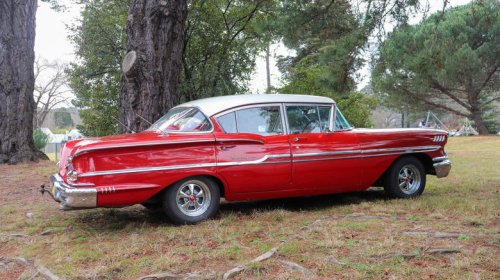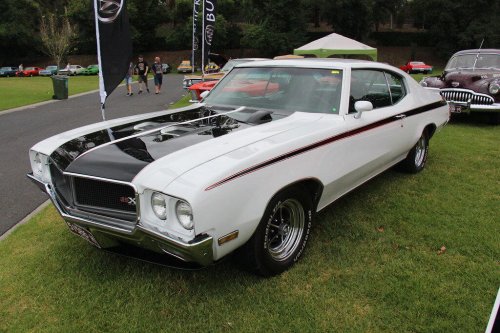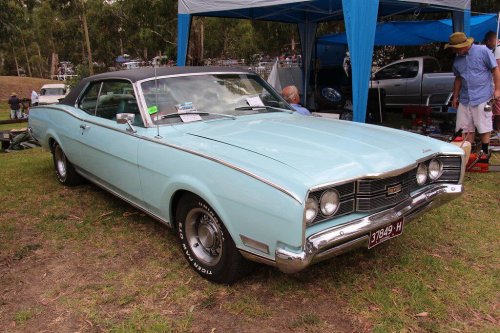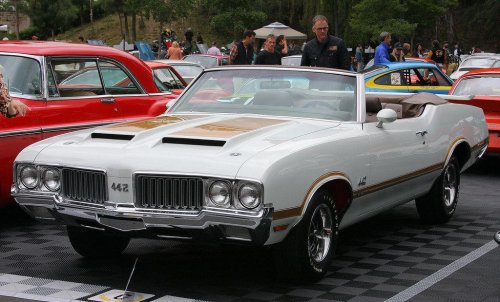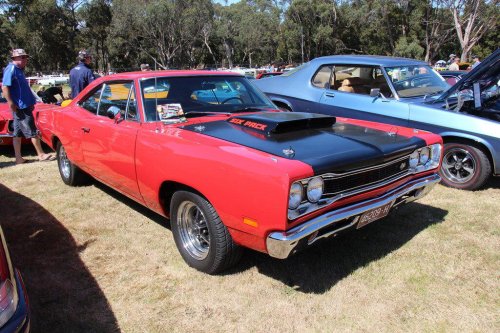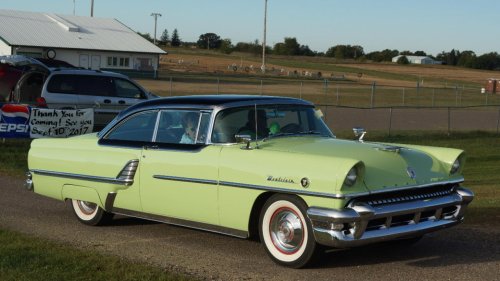
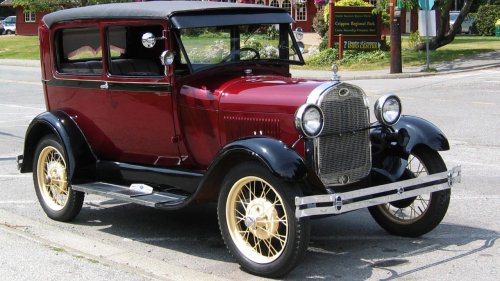
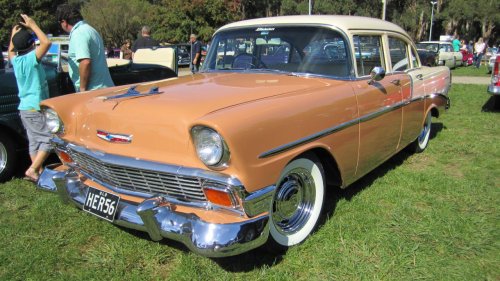
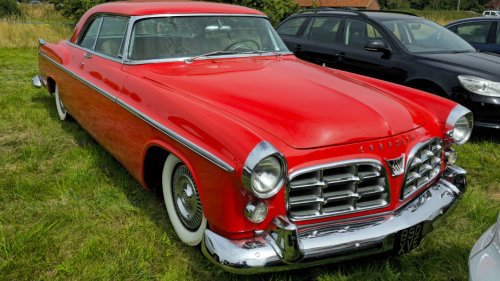
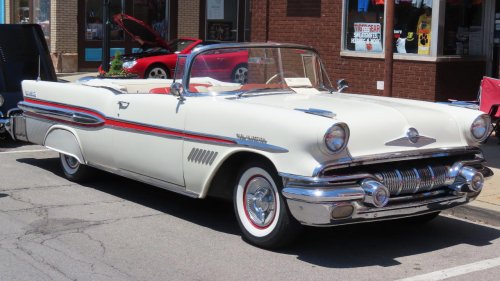
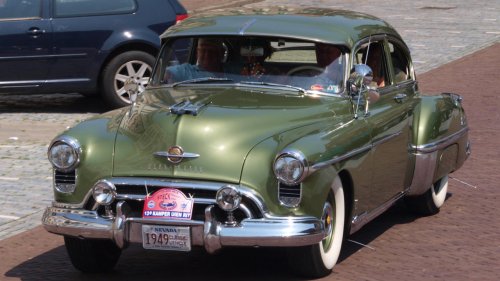
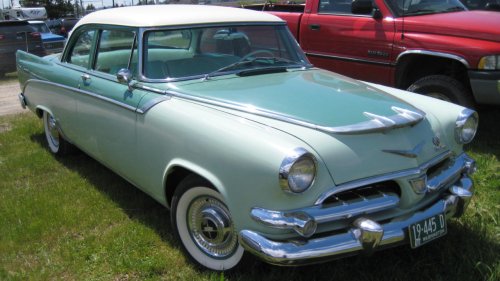
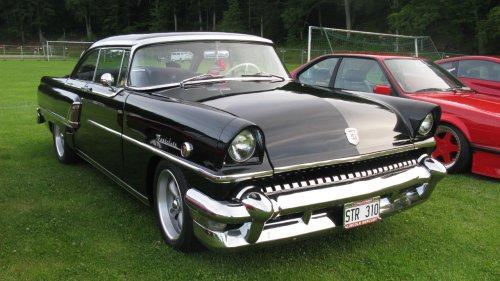
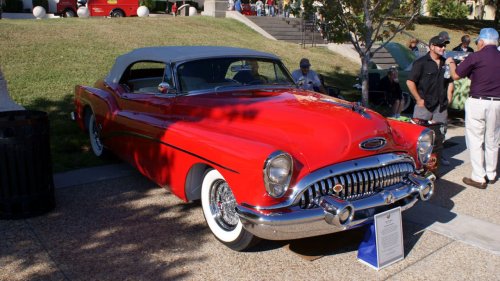
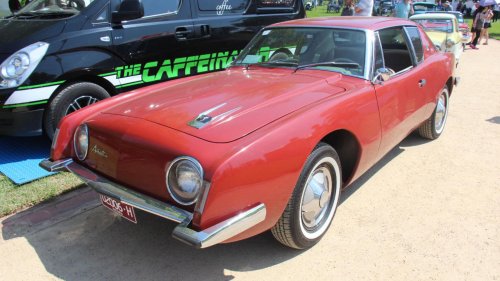



















The muscle car era, characterized by powerful engines and aggressive styling, didn’t just appear out of thin air. It was built upon a foundation of earlier performance cars that showcased the growing desire for speed and style. These vehicles paved the way for the high-performance machines that would dominate the American automotive landscape in the 1960s and 1970s.Ford Model A (1927-1931)The Ford Model A was a groundbreaking vehicle in the late 1920s, representing the shift from the Model T to a more powerful and stylish offering. With its 3.3-liter inline-four engine, this car delivered a zippy performance that was unmatched for its time. The Model A’s design featured a more modern aesthetic, including a stylish radiator grille and various body styles, which appealed to a wider audience. This model not only set sales records but also inspired future generations of performance cars. Its blend of power and practicality laid the groundwork for the muscle cars that would follow, making it a significant player in automotive history.Chevrolet 150/210 (1953-1957)The Chevrolet 150/210 series was a favorite among car enthusiasts in the mid-1950s. These models offered a range of V8 engines, which contributed to their performance reputation. The introduction of the small-block V8 in 1955 revolutionized the segment, providing a substantial power boost that thrilled drivers. Moreover, the stylish design of the 150 and 210, with their distinctive tailfins and chrome accents, made them visually appealing. This combination of performance and aesthetics helped solidify Chevrolet’s place in the muscle car lineage, influencing future designs and engineering choices.Chrysler 300 (1955)The Chrysler 300 debuted in 1955 as a luxury performance car that combined power with elegance. It was equipped with a 5.4-liter Hemi V8 engine, producing 300 horsepower, which was astonishing for its time. This car was not just about speed; it offered a plush interior and advanced features, appealing to a demographic that desired both performance and comfort. The 300 quickly gained a reputation as a “letter series” car, and its performance on the road was unmatched. It set a benchmark for future muscle cars, demonstrating that luxury and high performance could coexist, influencing brands looking to create their own high-powered offerings.Pontiac Bonneville (1957)The Pontiac Bonneville emerged in 1957 as a sporty alternative in the full-size car segment. It featured a powerful V8 engine that provided impressive acceleration, making it a favorite among speed enthusiasts. The Bonneville was known for its distinctive styling, including a sleek body and stylish interior, which appealed to younger buyers. This model helped to establish Pontiac’s reputation as a performance-oriented brand. The Bonneville’s success paved the way for future Pontiac models, particularly the GTO, which would become a hallmark of the muscle car era.Oldsmobile Rocket 88 (1949)The Oldsmobile Rocket 88 is often credited as the first true muscle car. Launched in 1949, it featured a 303 cubic inch V8 engine, which was paired with a lightweight chassis, allowing for remarkable speed and handling. Its performance thrilled drivers who were looking for something more than just a family car. The Rocket 88’s success influenced the industry significantly, prompting other manufacturers to develop their own high-performance vehicles. Its legacy is evident in the muscle cars that followed, as it established the formula of combining powerful engines with stylish designs.Dodge Coronet (1956)The Dodge Coronet of 1956 marked a significant moment in the evolution of performance cars. With a variety of V8 options, including the powerful 354 cubic inch Hemi, this car delivered impressive horsepower and torque. The Coronet was designed to appeal to performance-oriented buyers, featuring a bold design that highlighted its sporty nature. As a result, the Coronet became popular among racing enthusiasts and everyday drivers alike. Its performance capabilities and stylish features helped to shape the direction of future muscle cars, solidifying Dodge’s place in the market.Mercury Montclair (1955)The Mercury Montclair was introduced in 1955 as a premium model in the Mercury lineup. With its elegant design and powerful V8 engine, it offered a unique blend of luxury and performance. The Montclair was known for its smooth ride and spacious interior, making it a favorite among those who appreciated style without sacrificing speed. This model’s success helped Mercury carve out a niche in the performance market, encouraging the brand to produce more sport-oriented vehicles in the following years. The Montclair’s impact on the muscle car scene was subtle yet significant, showing that performance could be integrated into a luxurious package.Buick Skylark (1953)The Buick Skylark debuted in 1953 as a stylish and sporty coupe that captured the essence of the era. It featured a 322 cubic inch V8 engine, which offered a thrilling driving experience. The Skylark’s distinctive design, complete with elegant lines and chrome accents, made it stand out on the road. This model was instrumental in establishing Buick’s reputation for performance and style. The Skylark’s success influenced future models, helping to shift the perception of Buick from a conservative brand to one that embraced speed and sportiness, paving the way for the muscle car movement.Studebaker Avanti (1962)The Studebaker Avanti emerged in 1962 as a revolutionary vehicle that combined advanced design with performance. With its sleek, aerodynamic shape, it was unlike anything else on the market. The Avanti was powered by a supercharged V8, delivering impressive horsepower and a thrilling driving experience. This car was not just about looks; it offered cutting-edge technology for its time, including disc brakes and a unique fiberglass body. The Avanti’s innovative approach and performance capabilities helped to inspire future muscle car designs, making it a notable entry in automotive history.