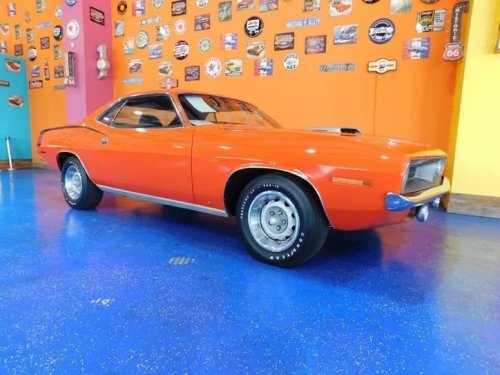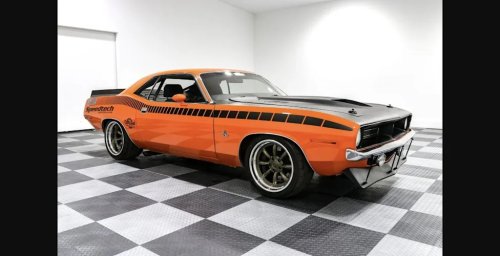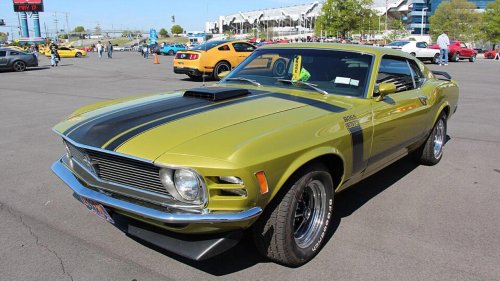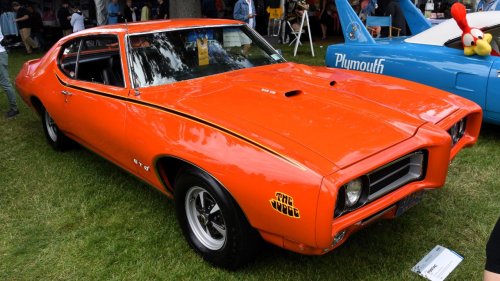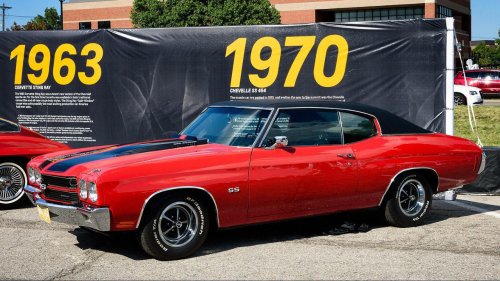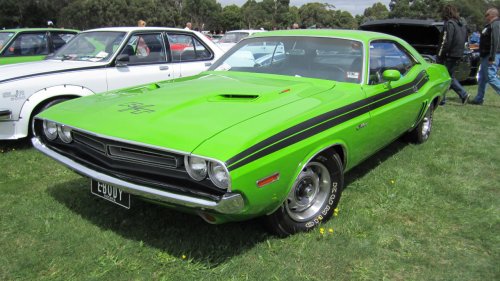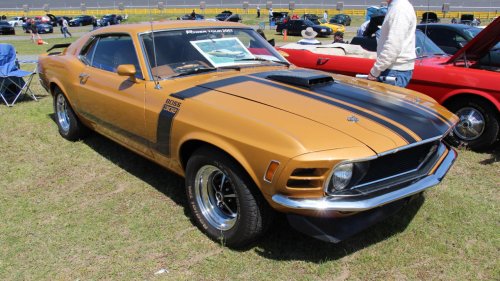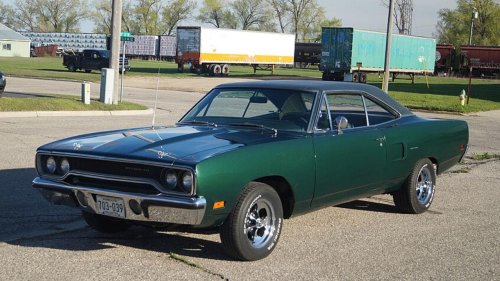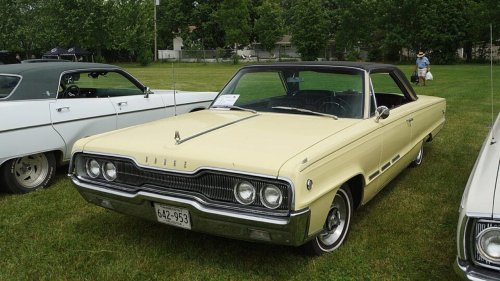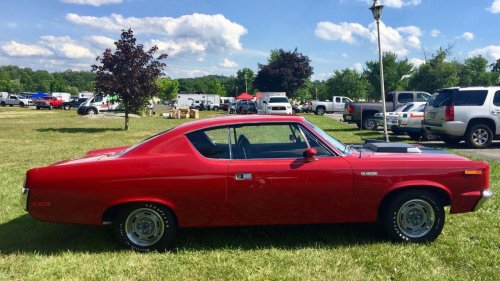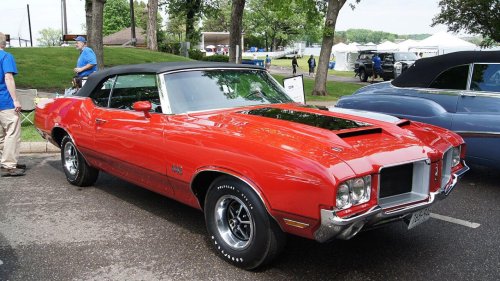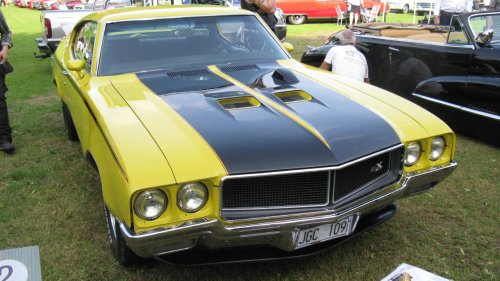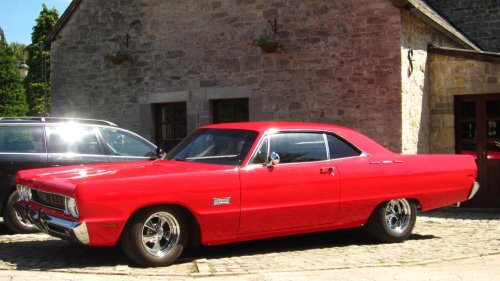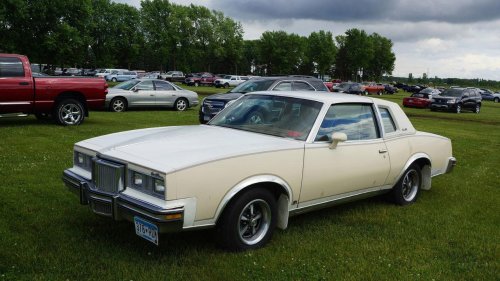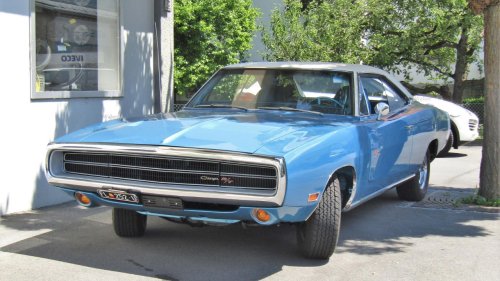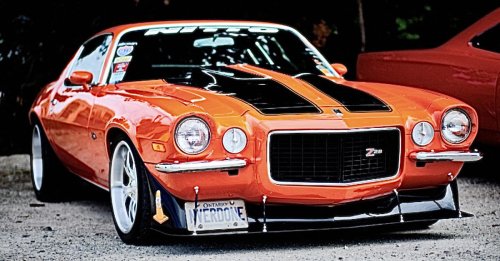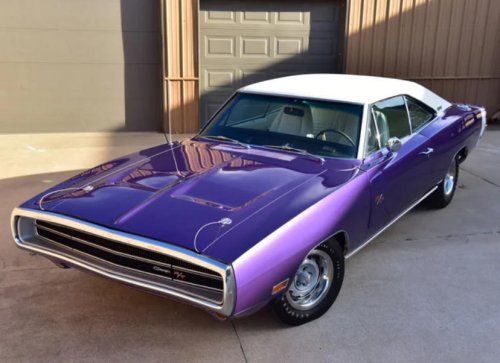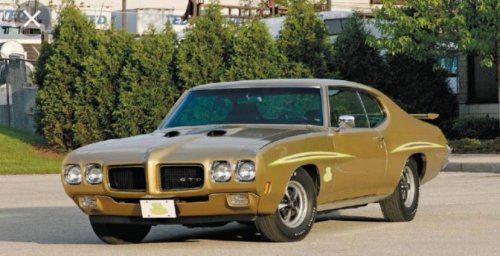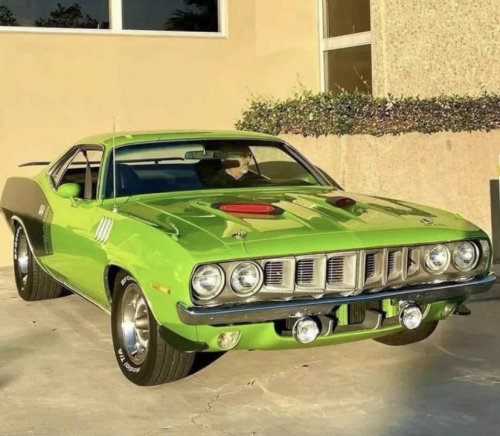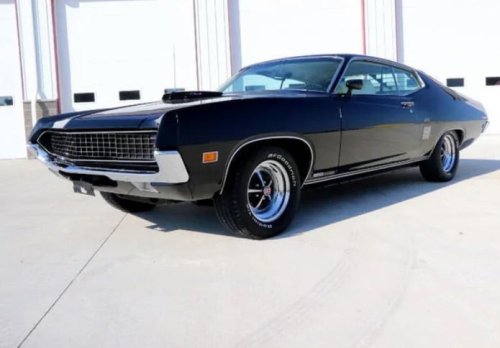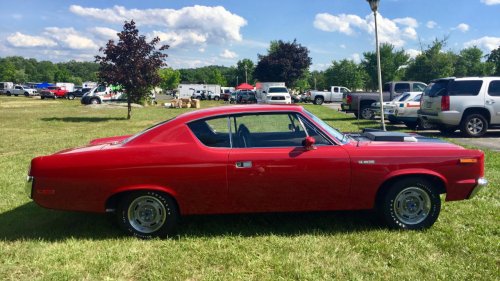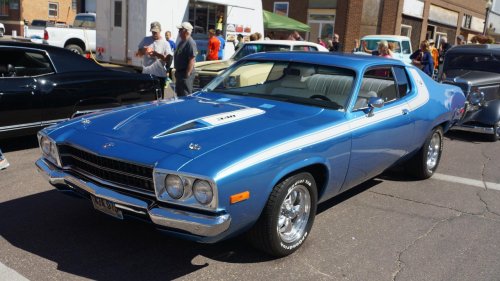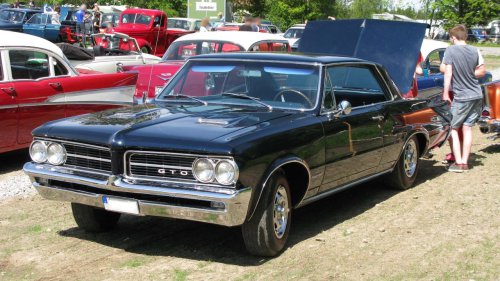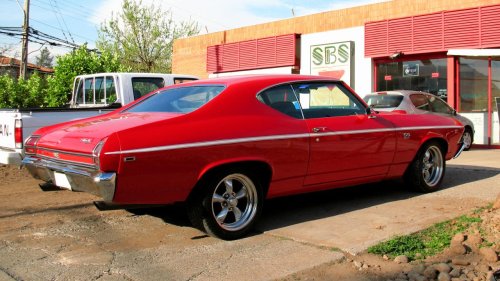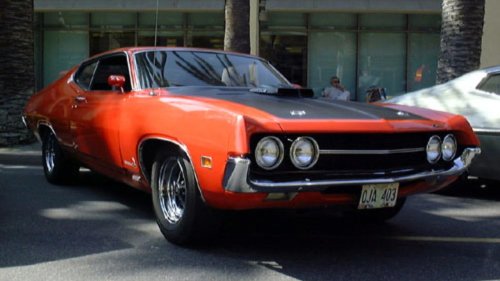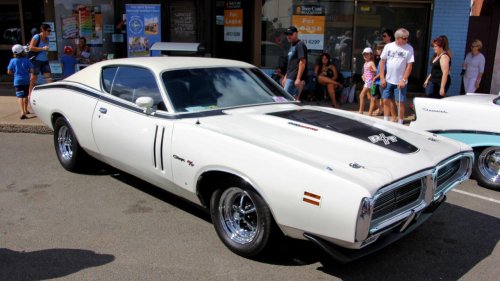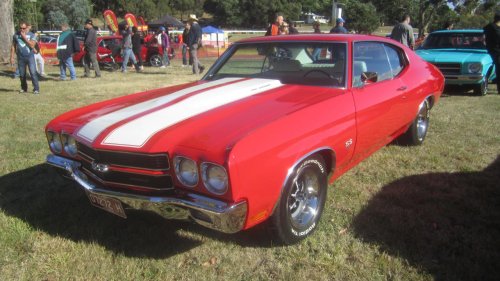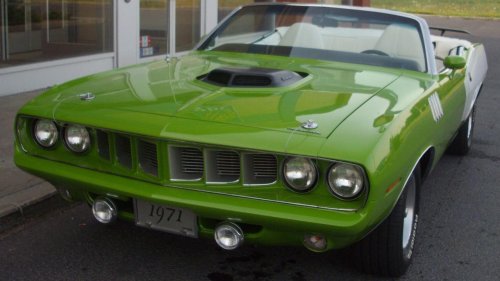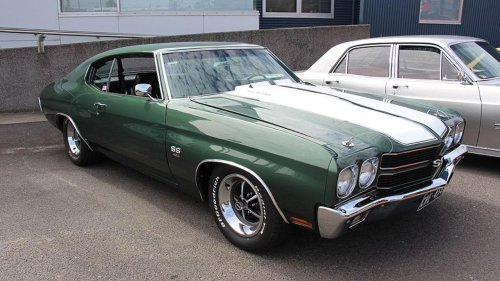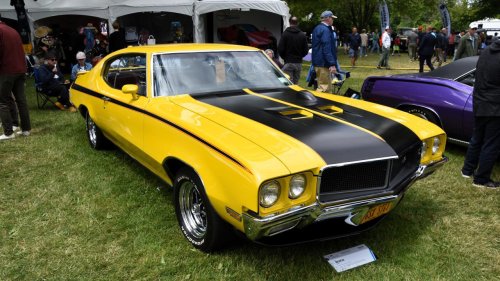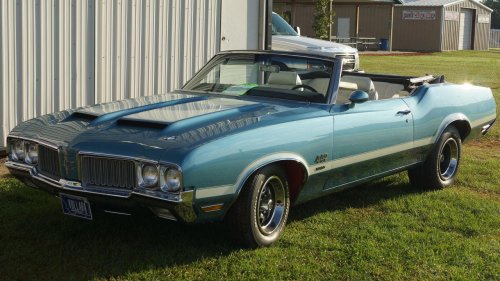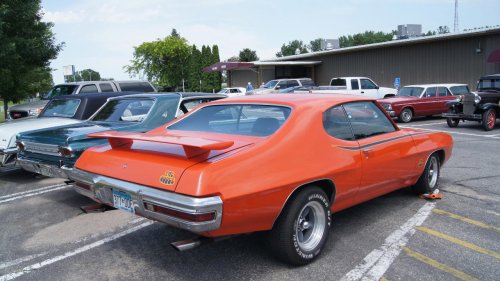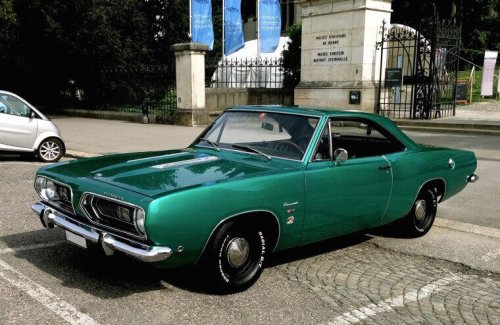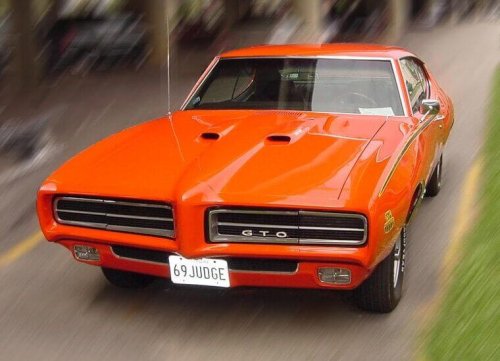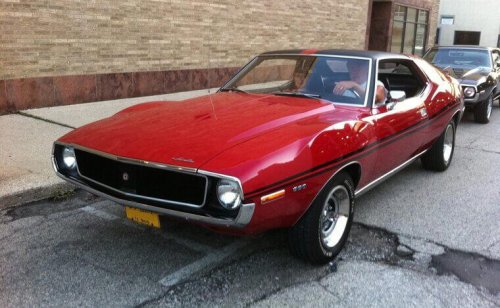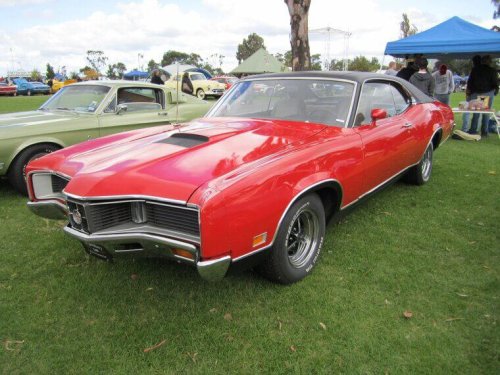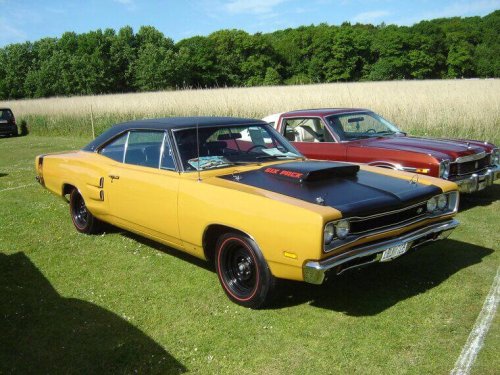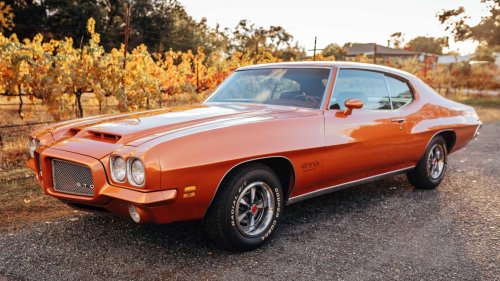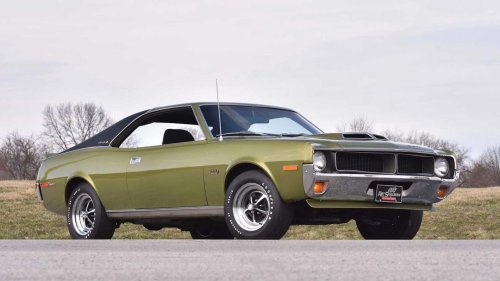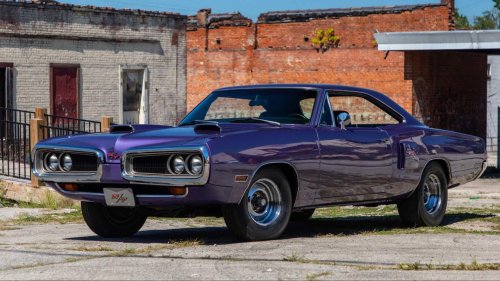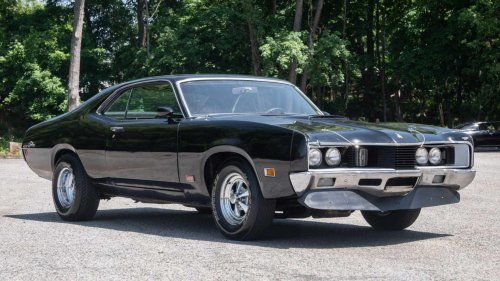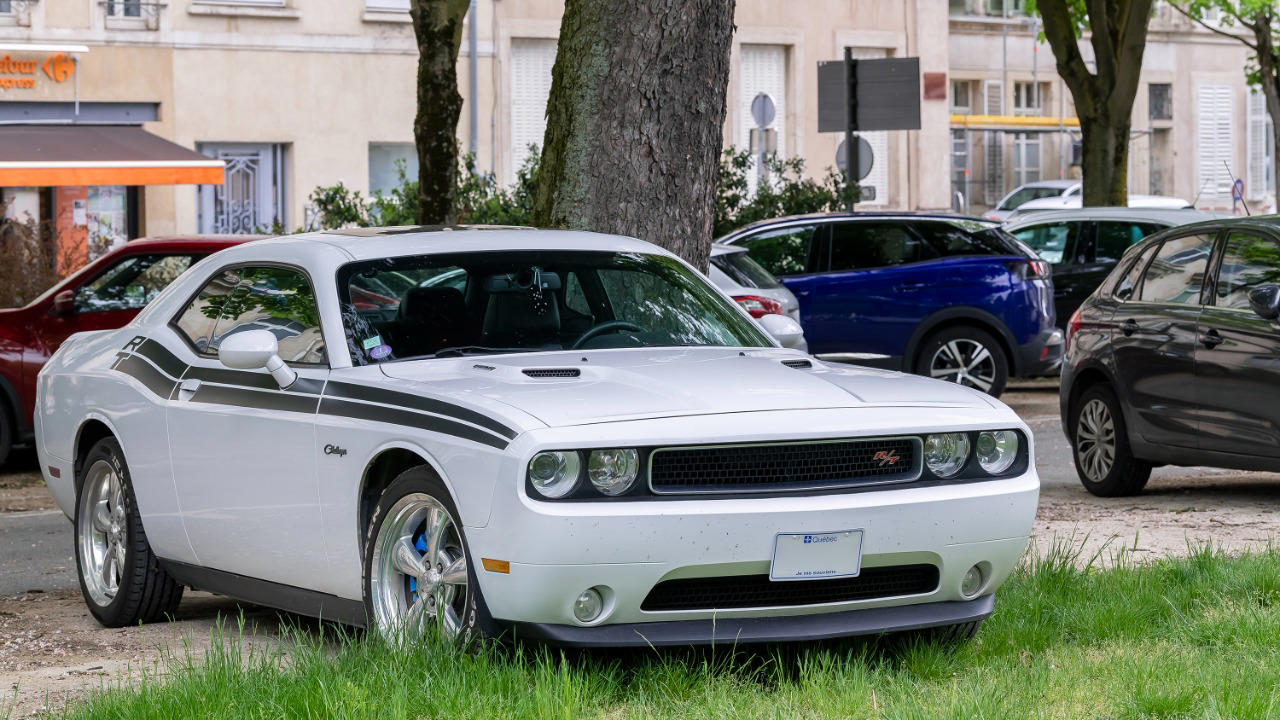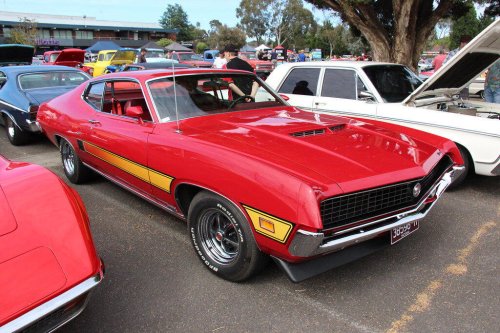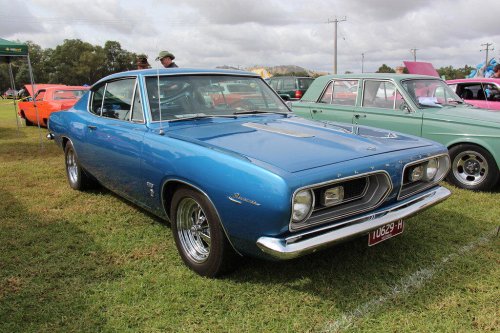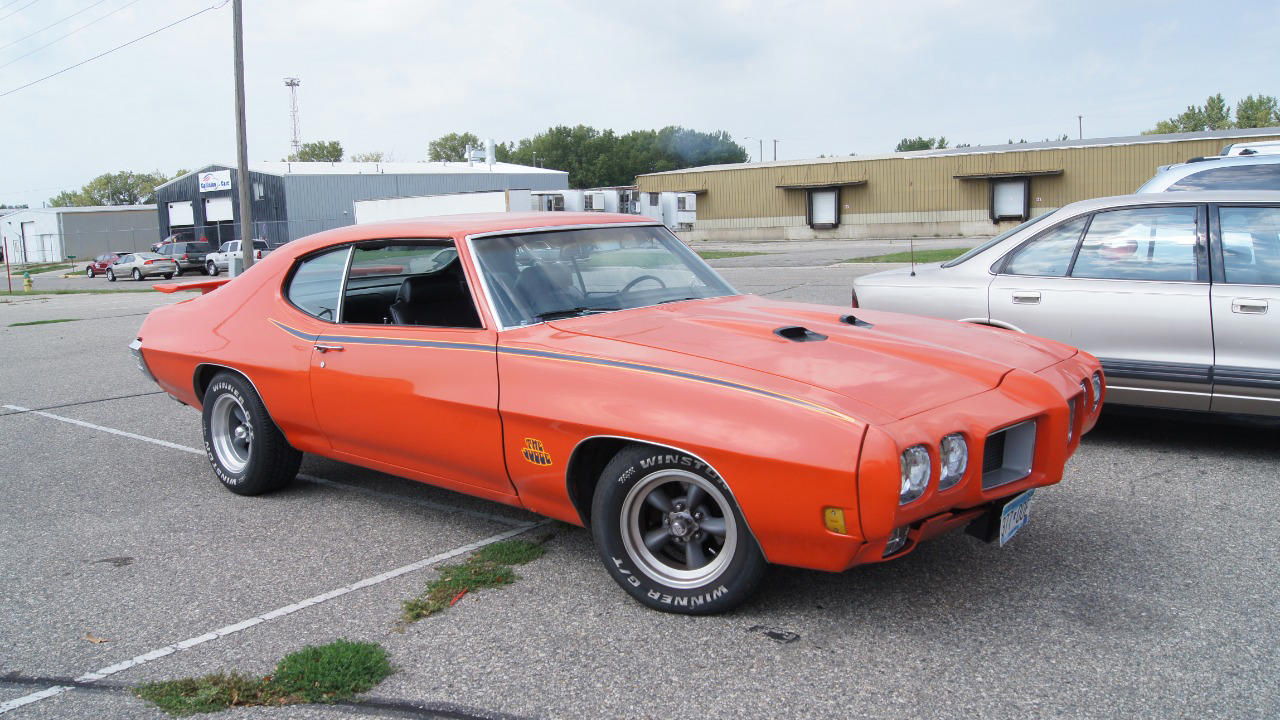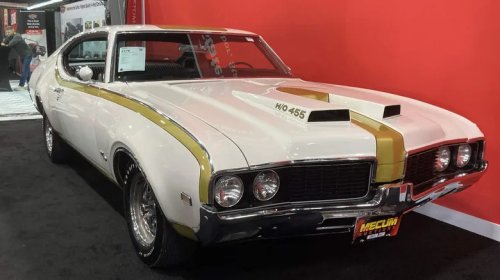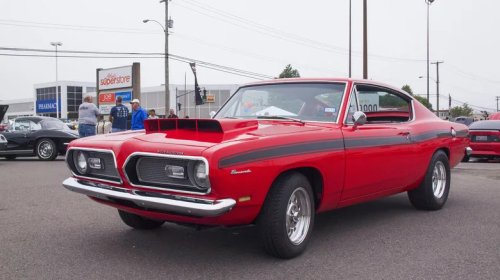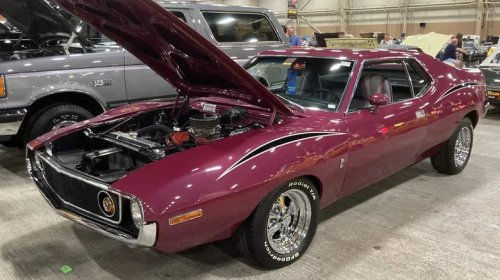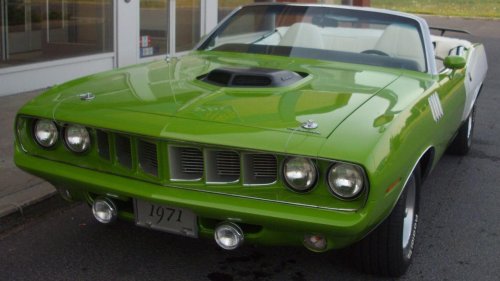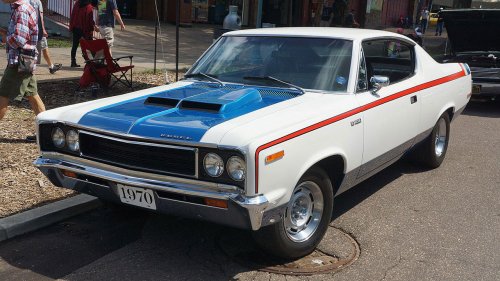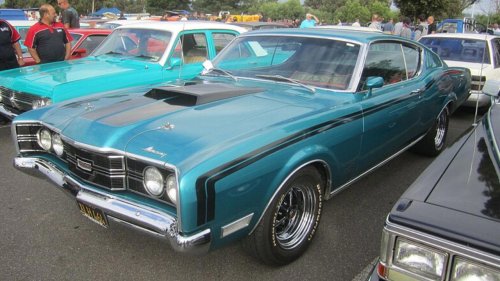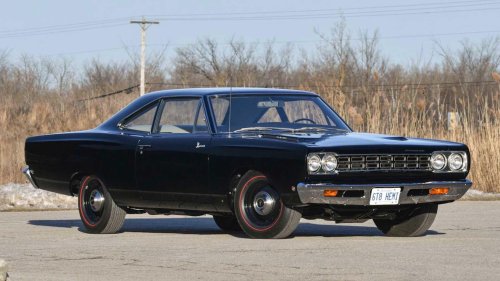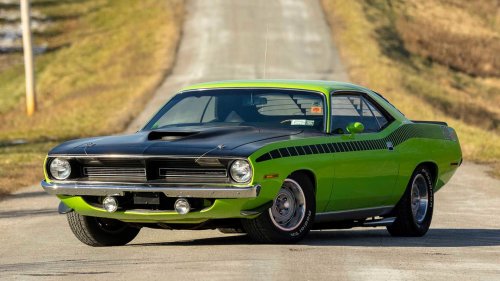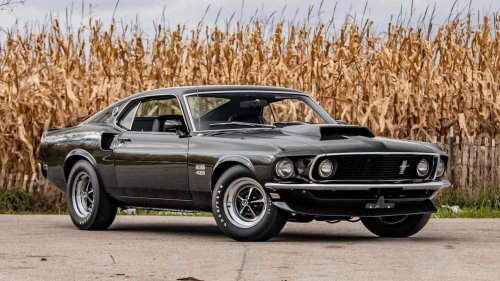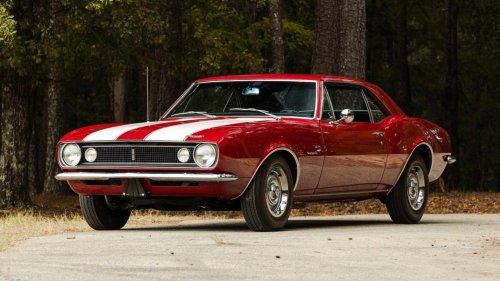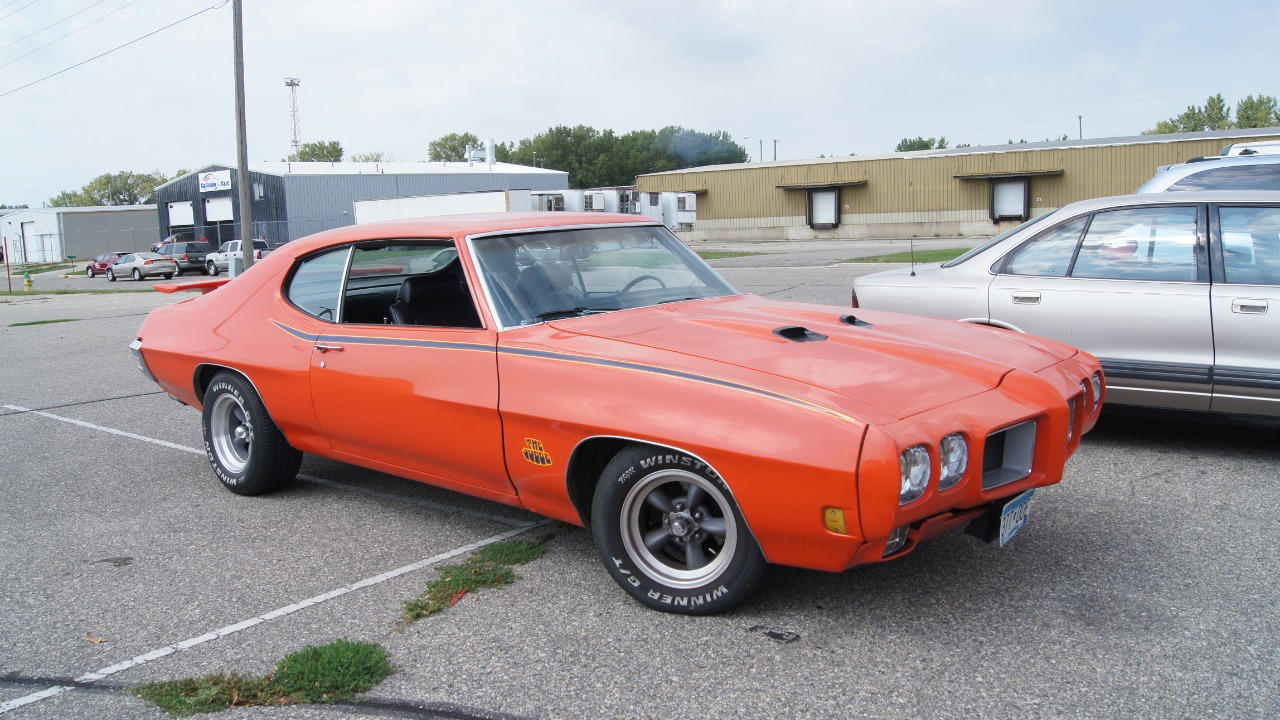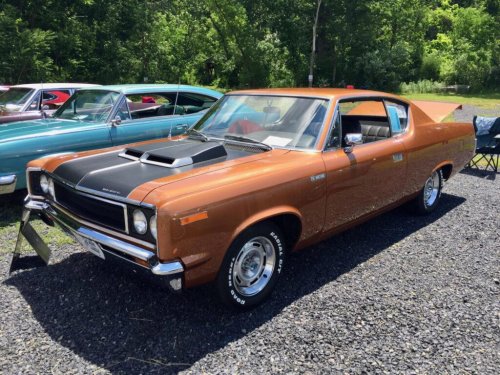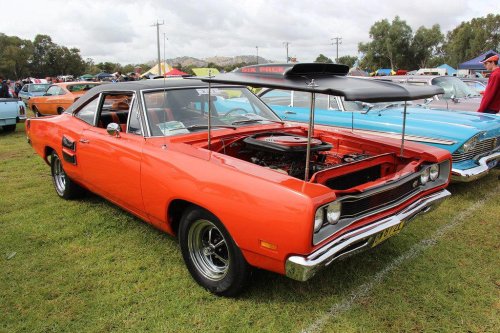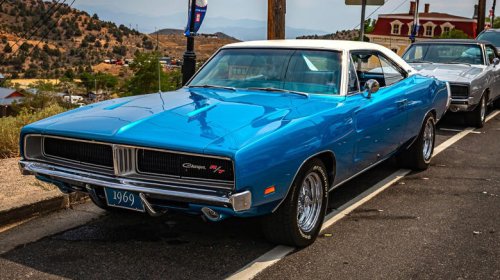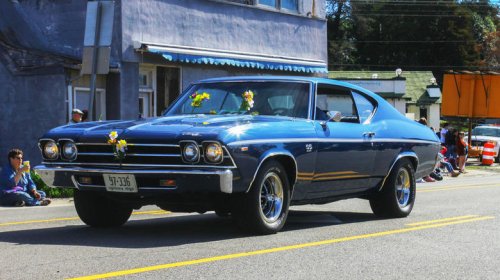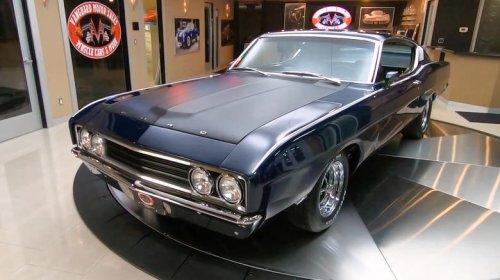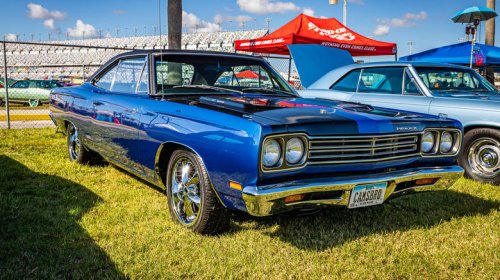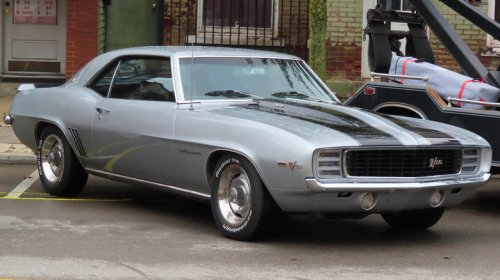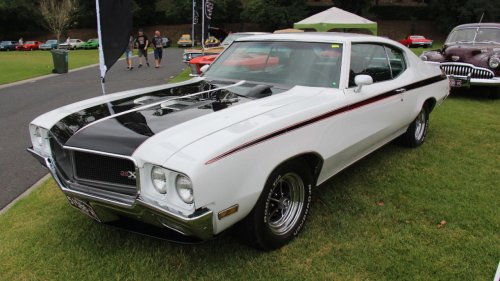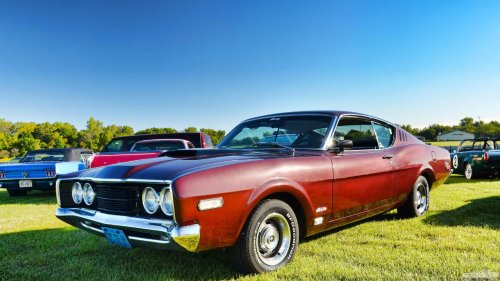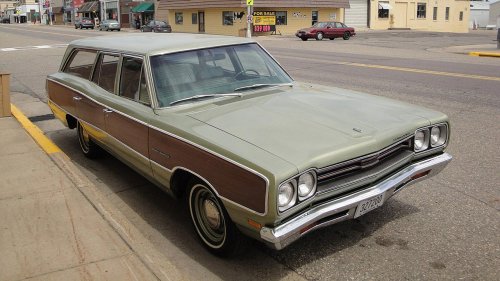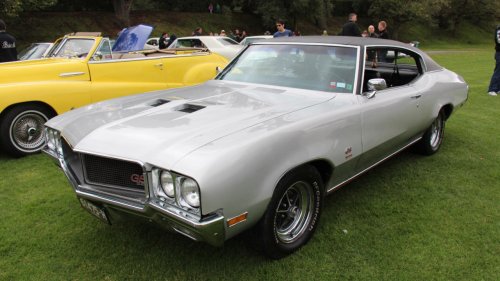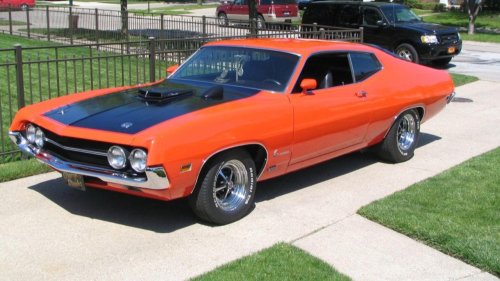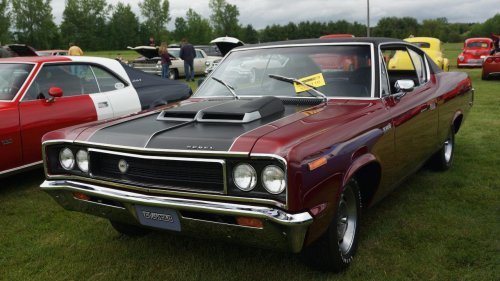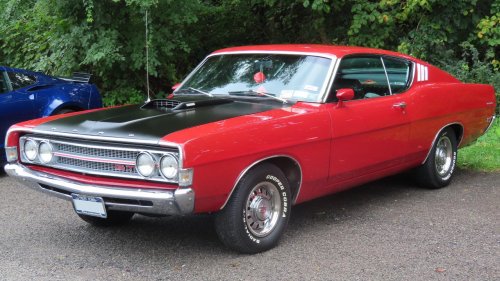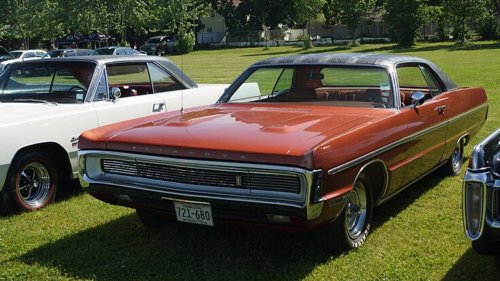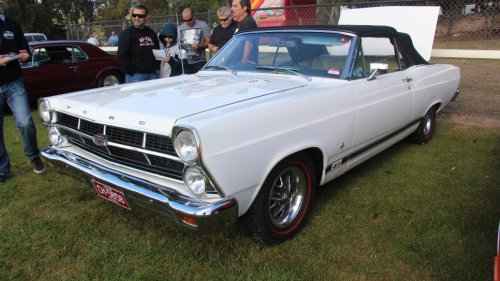
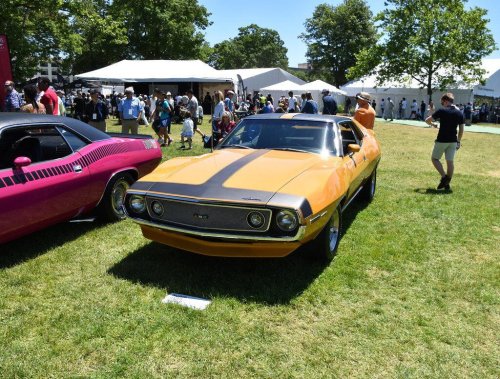
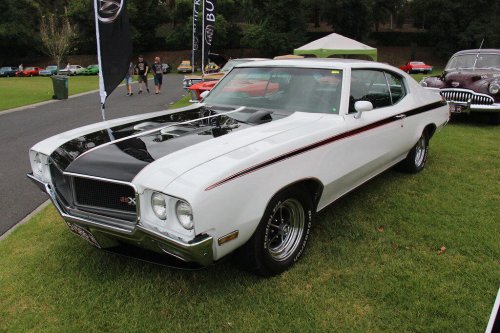
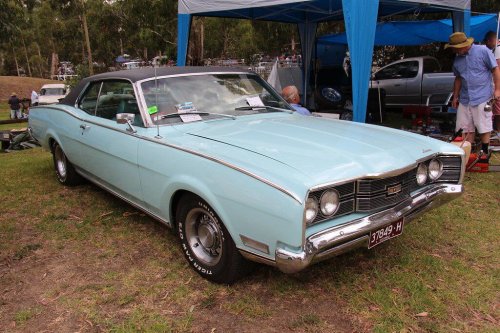
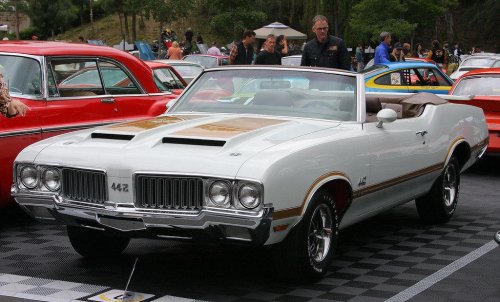
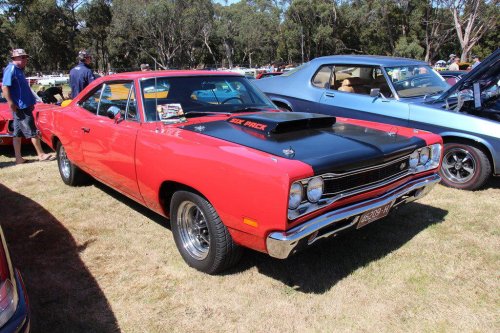
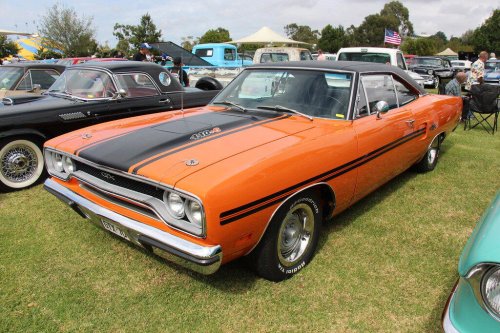
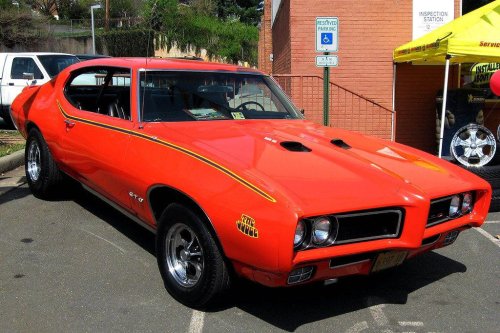


















A parking lot with several cars parked in itYou could easily spend days sorting through the fascinating but all-too-brief story of American muscle cars at best a 10-year sprint from about 1964-74 that sent manufacturers such as the Big Three on an explosive journey toward ever-bigger engines, bigger style and an astounding output of radical body kits, aerodynamic tricks and bespoke factory speed equipment. Though the period generated plenty of names that have become synonymous with the automobile, there wasn’t room in the big tent for all the greats. Lost in the shuffle of the popular Mustangs, Camaros, Challengers and Chargers were quite a few performance cars that could really move and the credit went nowhere near as far. A few of them were built in very low numbers and a couple were just overshadowed by the more prominent performance machines their manufacturers offered. Behind those slick bodies and well-known names hid engineering just as intriguing as those on the poster cars of the day, many of which utilized big-block V-8s, unique suspension solutions and aero-modifications to earn true go-juice credibility. When you think about these cars now you get a sense of just how competitive the market became for American performance cars. Small production runs, low marketing money, corporate image, evolving tastes of customers helped shape which vehicles would become icons and which ones faded to be almost forgotten by many. Here are ten good reasons to bring those car’s memories back. After all, the golden age didn’t just exist around a couple of famous cars.These Muscle Cars Had Serious Performance but Were Overshadowed by Mustangs and Camaros1. AMC Javelin AMX (1971) American Motors Corporation found itself in an odd place throughout the muscle car wars; without the resources and the dealer infrastructure that Detroit's Big Three had to call upon, engineers there were still resolute in their decision to throw down against much larger rivals. The 1971 AMC Javelin AMX was the embodiment of that attitude, boasting its aggressive styling along with a monstrous 401ci V8 engine pushing out a healthy 330 horsepower. AMC Javelin AMX (1971): AMC Entered the Muscle Car War Powerful 401 V8 Engine Performance Strong Acceleration Challenged Famous Rivals Distinctive Styling Created Unique Appeal Limited Resources Reduced Market Visibility The Javelin AMX had some real straight-line speed for its era. Claiming a 0 to 60 mph time of approximately 5.6 seconds, the AMX was able to hang with the much more recognizable Chevrolet and Ford performance vehicles of the day, yet its fairly small size offered a unique personality. When combined with a potent V8 engine and a more unconventional styling package, the Javelin AMX was a compelling choice for the person looking to avoid the commonplace. The disadvantage of AMC, however, had less publicity on Javelins than on competitors like the Mustang, Camaro, etc. Of the day that all saw massive amounts of advertising dollars and the exposure it brings the masses. They simply did not see many potential Buyers who's only means of exposure were from advertising in auto mags and from the above mentioned "show car" of which there was not a big production line of the show model available. While the history seems to show up against the Javelin, this underdog characteristic enhances the allure that today's car lovers are finding the Javelin AMX the first of many era specific, bona fide 8-cylinder powerhouses.2. Buick GSX Stage 1 (1970) The Buick GSX Stage 1 is a rare muscle car which had the capability to ambush somebody just seeing a badge. Buick wasn't generally known for hardcore street burners rather in addition to smooth, almost-plush automobiles, but the Buick GSX Stage 1 had plenty of kick below the relatively conservative shell. Its 455 ci V8's produced a mighty 510 lb-ft (the torque rating was even higher), and a respectable 360 hp. Buick GSX Stage 1 (1970): Buick's Unexpected High-Performance Muscle Massive 455 V8 Delivered Torque Impressive Acceleration Challenged Famous Competitors Sleeper Character Made It Memorable Conservative Brand Image Limited Recognition Those numbers equated to very real performance. Static performance tests put a GSX Stage 1 at 60 miles per hour in about 5.5 seconds, making it one of the fastest American production performance cars for its time, able to give more famous muscle cars a scare thanks to enormous torque and tire-spinning acceleration for what was historically a conservative brand. The sleeper quality, which will be described in another part, became one of the distinguishing marks of the GSX Stage 1. Drivers who met this Buick on the highway had no clue how rapidly the Buic was capable of accelerate and thus, it was unforgettable automobile. It doesn't mean, it became culture element as famous Chevs and Pontiacs did have been, because of rather low, public acknowledgement-it's one of the interesting muscle cars, that was overlooked and that represents year 1970 in its peak.3. Mercury Cyclone Spoiler (1969) The 1969 Mercury Cyclone Spoiler had a much narrower design focus: to create a capable high-speed vehicle. Because aerodynamic stability was such a high priority at NASCAR, Mercury employed the Cyclone body structure and produced a streetable car with a significantly extended nose that behaved with an uncharacteristically stable regard for high speed. Mercury Cyclone Spoiler (1969): Built For High-Speed Performance NASCAR Inspired Aerodynamic Body Design 428 Cobra Jet Delivered Strong Power Limited Production Increased Its Rarity Unusual Styling Attracted Enthusiast Interest Power came by the way of a 428 Cobra Jet V8 that made an output of 335 horsepower (250 kilowatts) which means that the Cyclone Spoiler had plenty of horses under the hood for all the body styling. A zero to sixty mile an hour time estimated to be roughly in the area of 5.5 seconds shows that it wasn’t just a pretty shell of body styling made in order to create some space in the racing paddock for the homologation standards. It featured the racing ready engine along with some slick body styles to keep up in the fast speed lanes. The scarce production run of the Cyclone Spoiler removed it yet further from the general awareness. With a total of only 519 cars built it simply wasn't going to become as common as a Mustang sold via Ford's enormous number of dealerships. Its rarity, its styling and the racing associations have made it particularly collectible in recent times for those seeking out an unfamiliar element within America's performance automotive history.Oldsmobile 442 W-30 (1970)4. Oldsmobile 442 W-30 (1970) Although the Oldsmobile 442 already enjoyed a certain level of popularity among gearheads, the addition of the W-30 package took it up another notch. The initial 442 badge identified a car with a four-barrel carburetor, four-speed gearbox and a dual-exhaust system, but the W-30 was a package of specialised equipment specifically to make the car faster. Oldsmobile 442 W-30 (1970): W-30 Package Increased Performance Significantly Powerful 455 V8 Engine Performance Specialised Hardware Improved Overall Capability Refined Character Distinguished The 442 Strong Performance Remained Slightly Overlooked V8 engine was used in the W-30 it was a 455 cubic-inch unit with a rating of 370 hp. This gave to the forced air induction and a very specific cam profile and uprated parts, that turned the comfort-focused coupe into a street muscle car. It posted a supposed to be around 5.7 sec time for a zero to 60 mph, and thus belongs to quick cars for those times. Oldsmobile's marketing enabled the W-30 to stand a little outside the core of muscle car hysteria. Rather than presenting as only an overtly aggressive street brawler, the 442 was able to offer a more sophisticated driving proposition in a package still capable of producing massive results. It became an interesting alternative to the over-the-top, far more widely promoted cars who grabbed every single magazine and headline.5. Dodge Super Bee (1969) Dodge designed the 1969 Super Bee with simplicity of performance in mind. Rather than packing it with options that one normally wouldn't want in a performance-based car, Dodge placed an emphasis on delivering horsepower in a no-nonsense vehicle. Whether it was the 383 Magnum V8 or the potent 440 Six-Pack, buyers could expect between 335 and 390 horsepower. Dodge Super Bee (1969): Focused On Straight Performance Value Multiple V8 Engines Offered Choices 440 Six-Pack Delivered Serious Acceleration Simple Formula Appealed to Enthusiasts Charger And Challenger Stole Attention 440 Six-Pack versions were no joking matter. With three carbs to take advantage of, the car was capable of delivering the sort of authoritative acceleration that make the Super Bee a drag strip and other straight line performance’s ideal ride. When equipped properly the car could be capable of achieving a 0 to 60 mph time of something like 5.4 seconds. Yet, it still languished somewhat under the shadow of other Dodges. Charger and Challenger drew the eye with their unique stylings and a bigger pop culture presence left Super Bee as the quiet, if speedy, child in the room. Those seeking pure speed rather than the fame, though, still can gleam from the way it shows how much raw speed Dodge was willing to inject into a low-brow muscle car.6. Plymouth Barracuda 440 (1970) Against a highly competitive field, a 440 Barracuda of 1970 had a wealth of muscle but also a bit of unfortunate luck. It, along with the Challenger, utilized the new E-body platform; while the Barracuda was styled uniquely for Plymouth, the Challenger hogged much of the spotlight, making it tough to build an equally large profile for Plymouth's performance coupe. Plymouth Barracuda 440 (1970): Shared Platform with Dodge Challenger Powerful 440 Six-Pack V8 Engine Triple Carburettor Setup Improved Breathing Limited Production Increased Collector Interest Challenger Recognition Overshadowed the Barracuda This wasn’t your typical sports coupe though. Barracuda had 440 cubic inch V8 making a respectable 375 horses, and with triple two-barrel car buretors the engine had plenty of airflow for some exciting acceleration. It had a 0 to 60 mph of a 5.6 seconds which would put this car squarely in the class of all other high-performance vehicles of the time. The production figures certainly contribute to the 440 being comparatively rare today. 1,755 (approx.) produced were with the 440 Six-Pack, and original examples are being sought after with great enthusiasm. The Barracuda, although arguably quite sorted and undeniably fast, did not develop the same following. One more of the period's "most intriguing overlooked" cars.Pontiac GTO7. Pontiac GTO "The Judge" (1969) This 1970 Pontiac GTO “The Judge” pumped up the GTO's winning recipe with a massive splash of attitude. The car was named after the TV show Rowan & Martin’s Laugh-In, and its bright Carousel Red finish and pronounced rear wing guaranteed instant recognition as a muscle machine which had its performance and attitude all sorted out. Pontiac GTO "The Judge" (1969): GTO Received Dramatic Visual Personality Inspired By Popular Television Programme Carousel Red Created Instant Recognition 400 V8 Delivered Strong Performance Changing Market Conditions Hurt Demand Underneath the bold styling was a 400-cubic-inch V8 producing 366 horsepower. The engine provided enough performance to give the GTO "The Judge" genuine credibility beyond its attention-grabbing appearance, with a reported 0-60 mph time of around 5.8 seconds. Pontiac therefore managed to create a vehicle that could attract attention in a showroom while still delivering the performance expected from a serious muscle car. About 6,725 of them were built for the 1969 model year-far better than some of the more collectible cars on this list-so, for that one year anyway, The Judge had much more attention than just about any of the cars on our list. Still, market forces worked against all muscle cars in the end, and cars like The Judge, as the performance side of the industry moved in a new direction, were relics from another age of spectacular styling married with monstrous V8 power in production automobiles.8. Ford Torino Cobra (1970) Ford was making the Torino Cobra from 1970-71, and drivers of the powerful machines always felt that this car truly held its own against Ford's higher image muscles. 429- Cobra Jet was responsible for generating 370 of the finest horses to power the Torino Cobra, capable of making another Ford products blush. Aerodynamic lines, coupled with the car's power made for a high-speed machine. Ford Torino Cobra (1970): Built For Serious High Speed 429 Cobra Jet Delivered Strong Power NASCAR Racing Influenced Aerodynamic Development Large Body Added Distinctive Character Mustang Dominated Ford Performance Attention The shape was particularly crucial for Ford given how actively involved they were in Nascar. Development surrounding the body shape to make the Torino competitive did support the racing program Ford was part of at the time and some of that racing pedigree was shared through the street legal Cobra. This made it a dramatic car both in terms of style and, by implication of this stylish shape, the robustness to accommodate this kind of power. However, the Mustang was far too potent a performance badge for Ford to divert equal publicity to the Torino Cobra. Increasing insurance rates coupled with even tougher emissions standards put high-performance vehicles under fire, and so as the early seventies wore on, another potent performance machine found itself somewhere in between muscle cars peak and the worlds change in automobile requirements.Dodge Demon 340 (1971)9. Dodge Demon 340 (1971) Intended for buyers in search of truly impressive performance without having to be price-wise to step into some of the higher priced muscle cars, the 1971 Dodge Demon 340 relied on a lightweight platform and edgy styling to set itself apart in a class that now seemed filled with too much fluff. When powered with the optional 340cid V8, though, this potent looking automobile proved itself. Dodge Demon 340 (1971): Affordable Muscle Delivered Strong Performance Lightweight Platform Improved Acceleration Potential 340 V8 Balanced Power and Accessibility Drag Strip Performance Boosted Its Appeal Controversial Name Shortened Production Life It's appeal came in the balance of its performance and affordability. Instead of using a big displacement engine, a good value, responsive package enabled it to put up impressive numbers. That's what made this particularly appeal to a younger set who want a fast-driving machine without buying a car from big bucks. However, the model's name would soon make this a far more controversial, and ultimately short-lived, stint as the Satan theme for which the vehicle is notorious is now credited with much of the negative backlash it received. However, the Demon 340's long-standing appeal among muscled-up automobile devotees comes down to its performance.10. Chrysler 300 Hurst (1970) The 1970 Chrysler 300 Hurst took performance car concepts into a strange hybrid of muscle and luxury that many don't consider. The 300 Hurst combined Chrysler's notion of the massive 4 door performance luxury coupe with massive 440 V8 instead of scaling things down. Its recipe resulted in a car with quite a different personality to the conventional street-oriented muscle car. Chrysler 300 Hurst (1970): Luxury And Muscle Combined Together Large Platform Provided Strong Presence 440 V8 Delivered Big Block Performance Comfort Remained Central to Its Character Limited Production Made It Exceptionally Rare Larger, heavier, and more intimidating, but able to provide the same king-size big-block performance that epitomized the muscle car hey-day. It was a car that should have caught the eye of anyone with the desire for go without sacrificing the road presence and luxury that only a full-size Chrysler could provide. So, there weren't exactly masses of these around around 501 in fact. The Chrysler 300 Hurst has therefore been rare for most of its life, and this, coupled with its odd mix of luxury, space and performance, is what makes it one of Detroit's more interesting monuments to muscle car era experimentation.