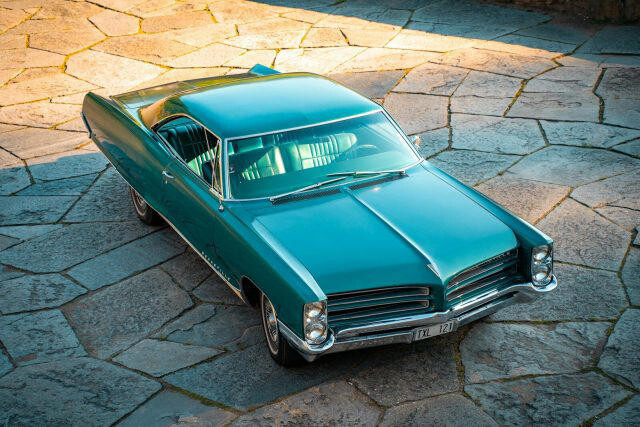
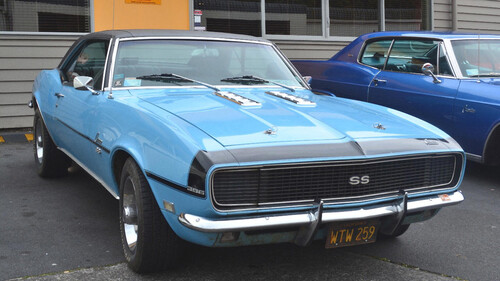
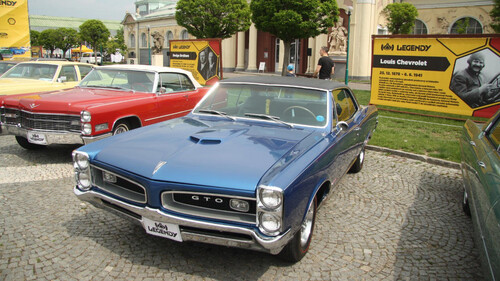
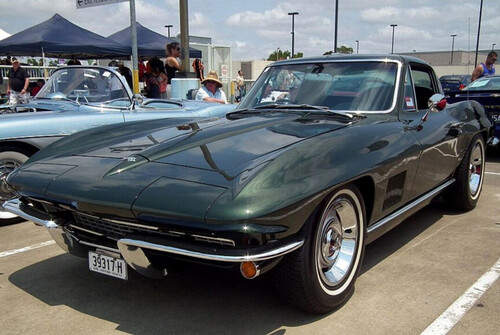
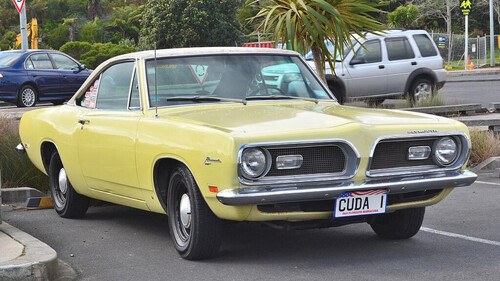
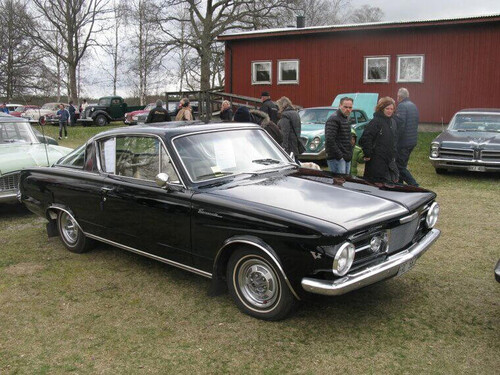
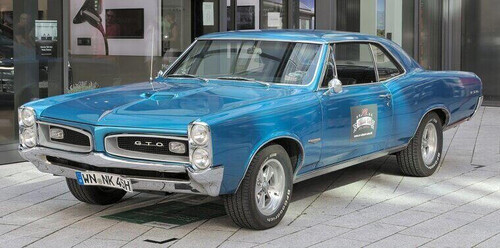
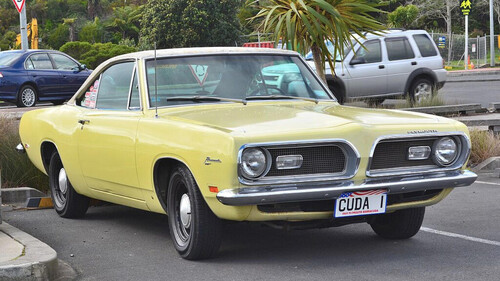
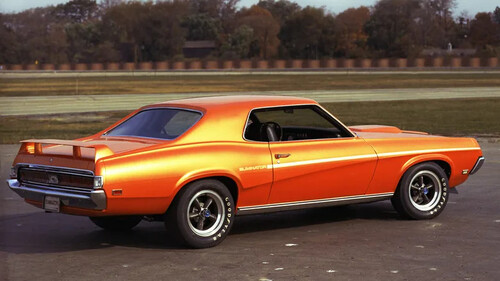
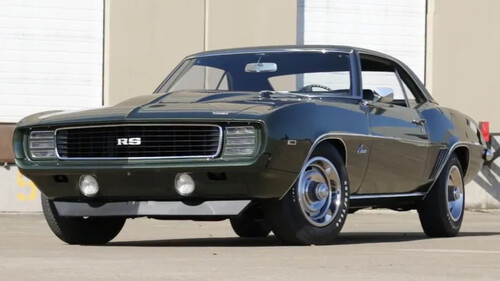
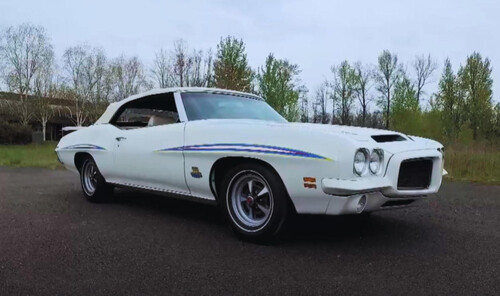
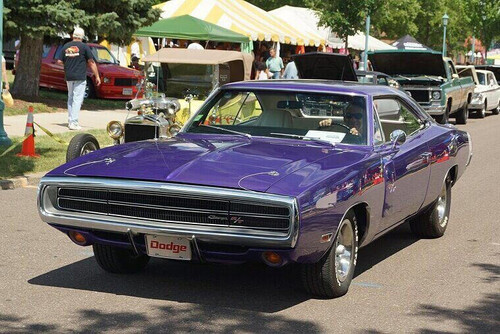
Written by David Traver Rocky Published 07/11/2023 Updated 10/17/23 The 1960s were the most iconic decade for cars in American history with muscle cars, big powerful V8s, and aggressive styling playing a part in defining many cars. Car makers were always striving to make vehicles that could provide serious straight-line speed but also were practical for the road with many vehicles being a generation of cars that are still instantly recognizable. While the famous muscle cars are all anyone can talk about when it comes to collecting the era, many midsize and compact cars were also great vehicles offering solid engineering and street performance but usually went unnoticed. Take a closer look at some of these out-of-the-spotlight cars for yet another side of America’s golden performance days. All of these merit a second look and have a bit of a twist when it comes to engineering innovation, motorsports lineage, restoration efforts, and appearance. A few even used strange chassis configurations, and a few others put lightweight bodies atop the largest and most powerful of V8 engines for a commanding power-to-weight calculation. Many helped to solidify a real connection with racing or drag-strip action. For many today, each of these lesser-known muscle cars could give you the chance to experience real 1960s American muscle performance. Photo by Patrik Storm (Alstra Pictures) on Unsplash 1. Pontiac Tempest: An Unconventional Performance Foundation Pontiac’s Tempest debuted in 1961 as a compact car with an uncharacteristically aggressive engineering design. Pontiac designed the Tempest with an independent suspension and rear transaxle, while most other cars of the era used a straightforward live rear axle. Power was transferred from the engine mounted at the front of the car to the rear transaxle using a “torque tube” with an internal flexible cable, a quirky design that still lost the humps in the middle of the floor. It also yielded a more comfortable interior seating up to six. Pontiac Tempest Key Points: Introduced in 1961 Independent rear suspension Rear-mounted transaxle layout 389-cubic-inch V8 option Up to 360 horsepower The American muscle car legacy was widened in 1964 with the debut of the GTO package. Not content to be just a compact offering, the platform now could be had with a behemoth 389-cubic-inch V8 available in a 360 horsepower iteration. That pairing transformed what was a pretty compact Tempest into a real performance car, and created the springboard for an entire new generation of muscle cars. Despite its historical importance, the Tempest hasn’t ever garnered the sort of acclaim that later muscle cars have, and its experimentation with compactness and new ways of engineering automobiles makes it a particularly cool project for builders and gear heads looking to do something a little different. It also shows that Pontiac was already experimenting with compactness and small-engined cars before the muscle car was ever fully realized. 2. Dodge Dart GT: Lightweight Muscle With Everyday Appeal The Dodge Dart GT entered the compact-performance segment from an unusual angle while staying to a certain extent true to its compact footprint with responsible proportions, a nimble setup, and even V8 power. The 273-cubic-inch V8 in the Dodge Dart GT, for instance, was an appropriate powerplant for the time that helped offset the Dart’s light weight and resulted in a surprisingly quick machine that could handle itself well in the corners, unlike many big blocks that offered wide-open performance only in a straight line. Dodge Dart GT Key Points: Lightweight compact muscle car Available 273-cubic-inch V8 Lively acceleration Responsive cornering characteristics Strong aftermarket support The combination of light weight and V8 performance is quite attractive to many buyers who were looking for more than an average transportation choice. The Dart GT is very practical on the roads and in real life but offers some performance thrills should its owners wish to seek them out on the weekends. As such, it remains a very interesting mid-level muscle car that balances into a mode of transportation that is not quite like the traditional muscle cars and not quite like the full-sized family car either. Today, the Dart GT continues to be an attractive choice for muscle car enthusiasts who might not want to settle for a less well-known and more popular nameplate, as well as for those who want a classic car that is easily custom-built and restored with all of the available options. 3. Mercury Cougar: Luxury Meets High-Output Performance When Mercury debuted the Cougar in 1967, it proved one could offer serious performance in a package that was smarter and sleeker. With a dramatic long hood/short deck design, and hidden headlights that were unlike the typical pony car, the Cougar set itself apart from the rest. Inside, the step up Cougar offered an upscale cabin that gave it a more refined feel and further established that Mercury could produce a serious muscle car that was also easier on the eyes. Beneath its good looks, the Cougar had the capability to go with them. Beneath its good looks, the Cougar had the capability to go with them. Mercury Cougar Key Points: Introduced in 1967 Long hood, short deck Concealed headlight design 390-cubic-inch V8 option 427-cubic-inch V8 option The Cougar could be had with a small-block V8 390 cui V8, or a large-block V8 427 cui V8, granting the car serious performance credentials. The juxtaposition of style and performance made the Cougar a contender for other, more “mainstream” muscle-car offerings. The Cougar also gained lasting fame and a place in pop culture thanks to TV and movie appearances, helping maintain its image for generations. With there being such a market for relatively rare, unusual vintage muscle cars, the Cougar is gaining renewed attention. With style, luxury, and performance, the Cougar has a unique place in the universe of less typical American muscle cars. 4. Chevrolet Nova SS: Understated Street Power Chevrolet Nova SS If you’re after a sedate looking car that’s packing some serious hardware, you’ve found it in the 1969 Chevrolet Nova SS. The Nova was designed as a relatively modest, downmarket family car when it was introduced, but the 1969 Nova SS was a true no-hype muscle car thanks to its optional 396-cubic-inch V8. This combination gave the diminutive body a huge amount of punch and set the package apart from its larger muscle car rivals. Chevrolet Nova SS Key Points: 1969 Nova SS performance model Available 396-cubic-inch V8 Lightweight body design Strong power-to-weight advantage Extensive modification potential Most have nothing to do with its factory specifications. The fact that the Nova was designed as a highly modular platform makes it a good candidate for engine swaps, or drag-racing-style customization, and DIY modifications of the platform. This flexibility, combined with the basic character of the small Chevrolet platform, allows the owner to choose how the car is built and what performance level it is intended to reach. The Nova as a performance car is supported by a dedicated and ever-growing owners community, and its subtle styling with a potent V8 under the hood and modularity makes it a very capable sleeper-style classic. 5. AMC Javelin: A Pony Car With Racing Credentials American Motors Corporation joined the crowded pony-car field in 1968 with the introduction of the AMC Javelin, a fresh alternative to the already fierce performance market. The Javelin. At first glance, this ambitious, competitive-sized model was immediately differentiated by its gutsy and aggressive styling, sporty dimensions and unique appearance. It marked AMC’s official contribution to the relatively new segment of performance-oriented vehicles targeted toward younger buyers. The motorsports aspect of the Javelin’s life became part of the car’s personality. AMC Javelin Key Points: Introduced in 1968 Bold aggressive styling Competitive pony-car design Strong SCCA racing connection Distinctive AMC identity The SCCA road racing experience proved that a Javelin was more than just a sporty-looking car; the project as a whole could be used as an actual competition vehicle, lending the car a further association with track action that helped to bolster its street reputation. That motorsports background goes a long way toward making the Javelin the interesting alternative to the muscle car we see today that it is. Unique styling, as well as native American V-8 power and real-world racing experience makes the Javelin just that much more appealing to those who don’t want a performance car with a familiar name. 6. Plymouth Barracuda: An Early Muscle-Car Pioneer Plymouth Barracuda, 1964 The Plymouth Barracuda’s debut in 1964 represented one of the earliest chapters in the history of American muscle and pony cars. Though its look was eye catching, and its performance options gave drivers significantly more power, the car set itself apart immediately from traditional vehicles, emerging during an era when the major U.S. automakers were moving more and more toward creating exciting small cars. Plymouth Barracuda Key Points: Arrived in 1964 Distinctive fastback design Early muscle-car influence Powerful Hemi package available Increasingly rare early examples This did bring a level of performance and track capability that defined the Barracuda as a performance car to be reckoned with. But it also overshadowed some of the earlier versions that competitors or more powerful versions are overshadowing in the enthusiast spotlight. With the early versions becoming more scarce, they are beginning to regain a level of interest given their historical significance, their fastback profile and the original roots of American muscle cars give them greater collector significance. It shows how some of the most historically significant models can go largely ignored until their rarity and growing interest do them justice. 7. Ford Fairlane 500: The Sleeper Opportunity The Ford Fairlane 500 had an intriguing marriage of refined road manners and deadly track performance. Rather than try to force each buyer to embrace one specific persona, Ford gave the Fairlane 500 an expandable powertrain offering that it could be set up for almost any purpose. The range ran the gamut from an economy-minded six through the 427-cubic-inch V8, offering the Fairlane 500 an exceedingly wide performance range.The performance potential of the Barracuda is further underscored by the legendary Hemi package which was later offered. Ford Fairlane 500 Key Points: Comfortable interior cruising Broad engine selection Six-cylinder option available 427-cubic-inch V8 option Clean understated styling The Fairlane 500’s understated styling also helped play into its sleeper appeal. The car could appear fairly mild-mannered while concealing a fair amount of underlying performance potential. Handsome styling, solid performance potential, and a friendly reputation combine to make the car a compelling option if you’re not interested in a traditional muscle car. Its more attainable market position also plays into its appeal. For enthusiasts looking for a true performance-oriented classic muscle car, there’s a certain level of practicality to be found with the Fairlane 500, an under-the-radar vehicle that can still deliver a seriously big V8 punch without requiring a muscle car’s aggression. 8. AMC AMX: Compact Two-Seat Big-Block Muscle Mildly more svelte, and a little more high on go juice. American Motors’ AMX, 1968. In 1968, AMC applied that lean, American performance approach to a far more extreme performance package; instead of a larger, roomier muscle-car template that they morphed into a Brickyard 400-ready party on wheels, AMC shenannya reduced their Javelin to a considerably more compact 97-inch wheelbase, and filled the body with an express-tunnel V8. The 390ci V8 delivered a muscular 315 horsepower, delivering quick acceleration and solid performance in the compact coupe. AMC AMX Key Points: Introduced in 1968 Two-seat performance coupe 97-inch wheelbase 390-cubic-inch V8 315 horsepower Yet its compact form and relatively short wheelbase also delivered tremendous cornering ability relative to many larger American muscle cars. This makes the AMX a unique performance proposition sitting somewhere between those muscle cars and purpose-built sports cars. Another factor that helps make the AMX such a desirable model is the low number of models built. Fewer than 20,000 were made during the model’s 1968-1970 production run, making this relatively rare classic an interesting part of American muscle car history. Combine this with the two-seat form, outsize V8 power, and the otherwise compact proportions, and it really is a unique classic. 9. Ford Torino GT and Mercury Cougar Eliminator: Race-Inspired Alternatives 1968 Ford Torino GT fastback (see full images gallery below) Ford built out its intermediate performance range in 1968 with the debut of the 1968 Torino GT fastback. The GT fastback delivered a sleek, attractive styling complemented by advanced-for-the-time performance features. The swooping fastback shape of the GT gave the Torino GT a performance image, yet available mechanical options made it much more than just a street-going cruiser. With the optional 428 Cobra Jet V8 a 335-hp fire-breather the Torino GT was both road warrior and track-ready competitor. Torino GT and Cougar Eliminator: 1968 Torino GT fastback 428 Cobra Jet V8 335 horsepower Torino output 1969 Cougar Eliminator Bold performance-focused styling Mercury also introduced its own high-performance, small-block shot in 1969 with the Cougar Eliminator. With aggressive graphics, front and rear spoilers, and optional 428 Cobra Jet power, the Eliminator had its performance indicator front and center, while still retaining the spirit of the original Cougar. These examples, though, show how Ford and Mercury both adapted performance cars of this era to incorporate the track-oriented bits needed to make these cars competitive on the road course or dragstrip, but also were still capable of providing customers with relatively more comfortable, stylish, and practical cars that still packed a punch in the performance department. 10. Forgotten Speed Machines of the Golden Era The underappreciated muscle cars of the 1960s are truly an integral chapter in American muscle-car history. As those collecting cars go, the most popular and well known models usually get the most attention but with that, models like the Tempest, Dart GT, Javelin, Barracuda, Fairlane 500, AMX, Nova SS, Cougar, Torino GT, and Cougar Eliminator show just how wide the performance market really was. These performance cars of the 60s tried different mixes of light weight, big block V8s, extreme engineering, cruisability, racing tech, and all the while, lots of room for your family. Forgotten Muscle Car Highlights: Unconventional engineering solutions Powerful V8 performance Strong motorsport connections Distinctive classic styling Significant restoration potential The others also have one more feature the most iconic muscle cars don’t always have: the feeling of discovery. Although they don’t all have the big-production muscle cars’ high-profile glamour, the era’s second-tier cars allow a participant to dig into even more obscure chunks of the story, while still capturing the mechanical essence that made the 1960s American sport-sedans so iconic. Several of them have huge aftermarket support, while some shine due to sheer scarcity or impressive competition-car history. The formula-taking the mechanical rawness, racing provenance and performance on the street and track, and a hint of understated styling-makes them stand out in automotive history. While there is no denying the appeal of the game-changing muscle machines, their underappreciated and overlooked counterparts proved to be wellsprings of new engineering creativity, new performance benchmarks and new ways to experience speed.