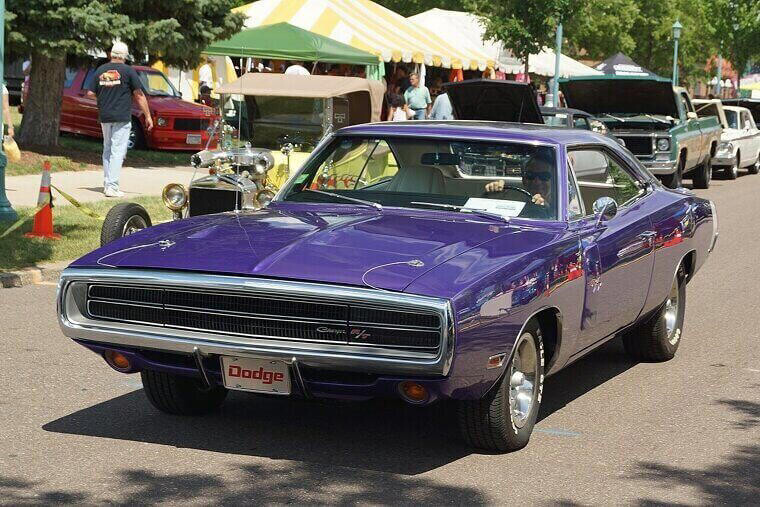
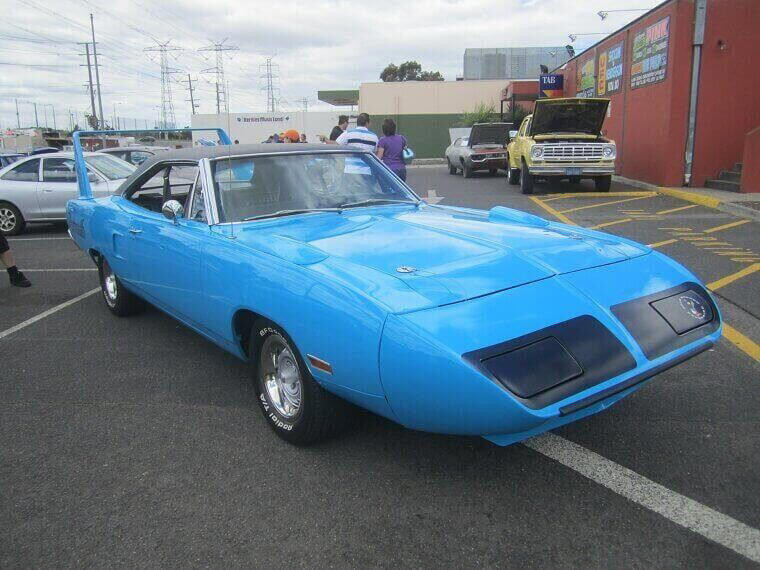
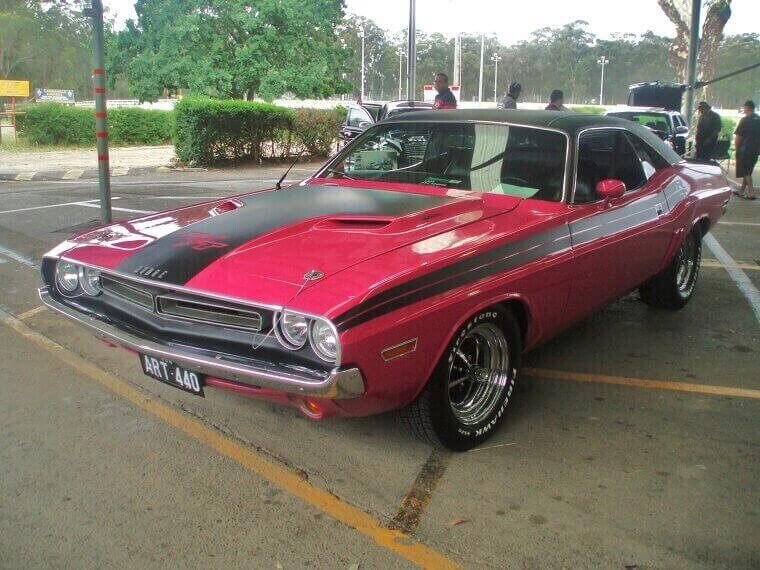
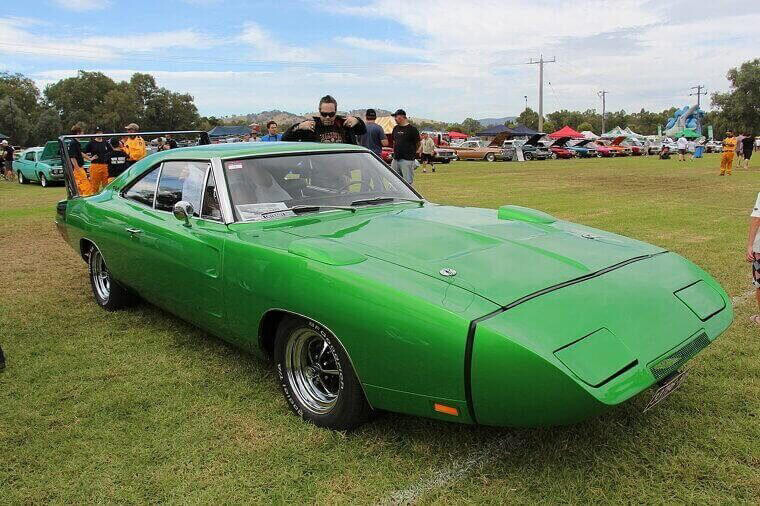
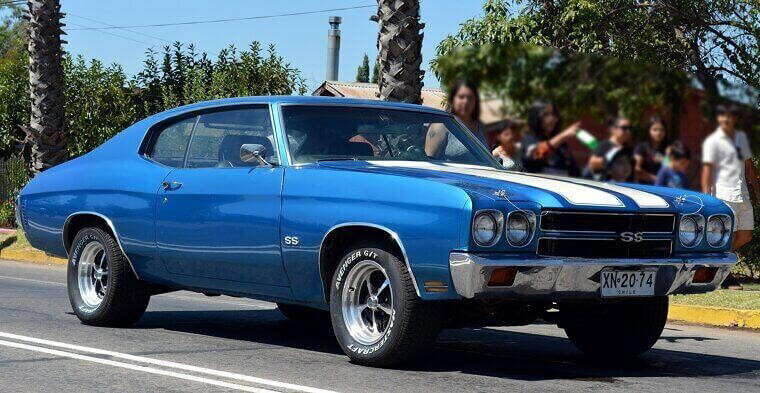
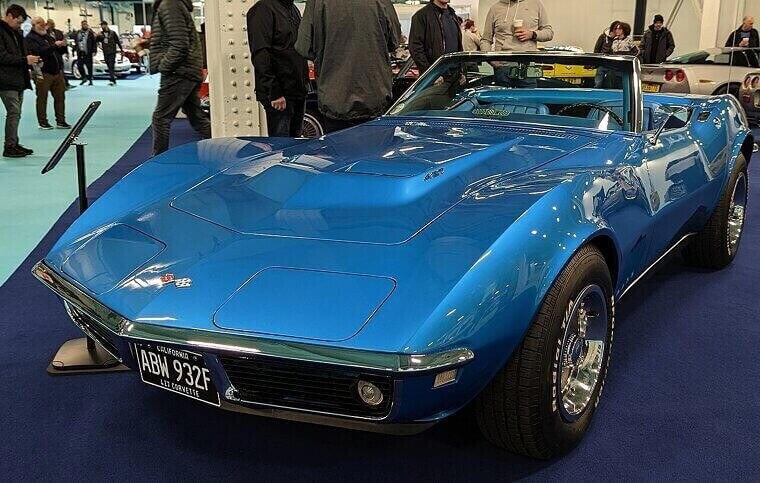
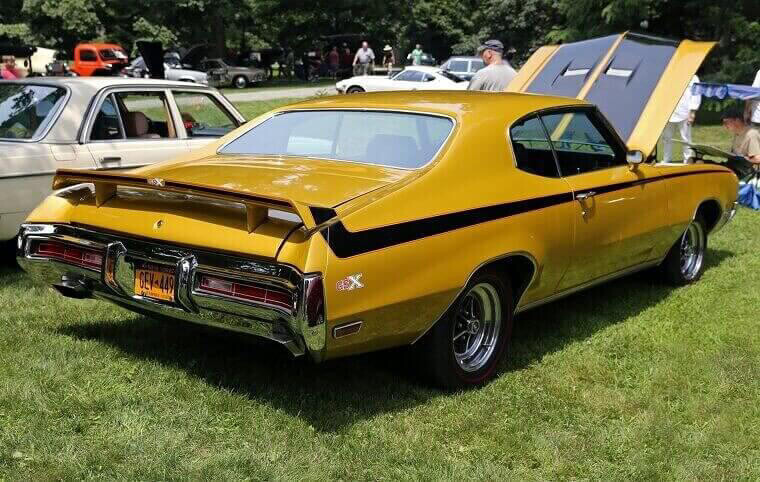
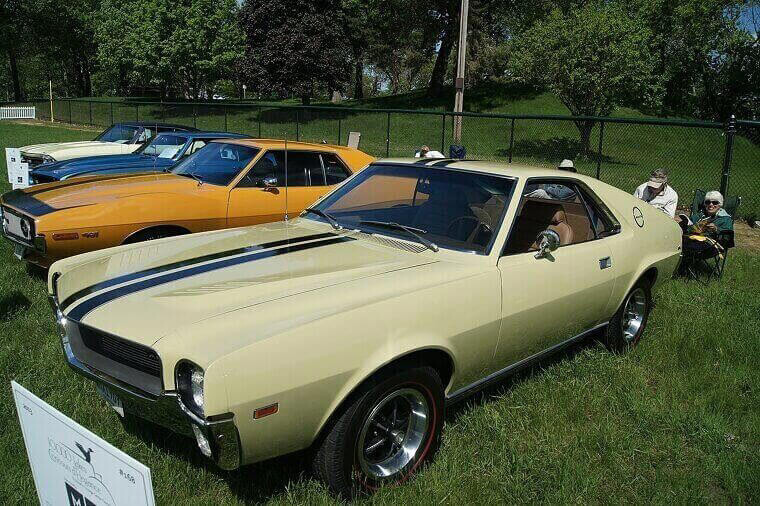
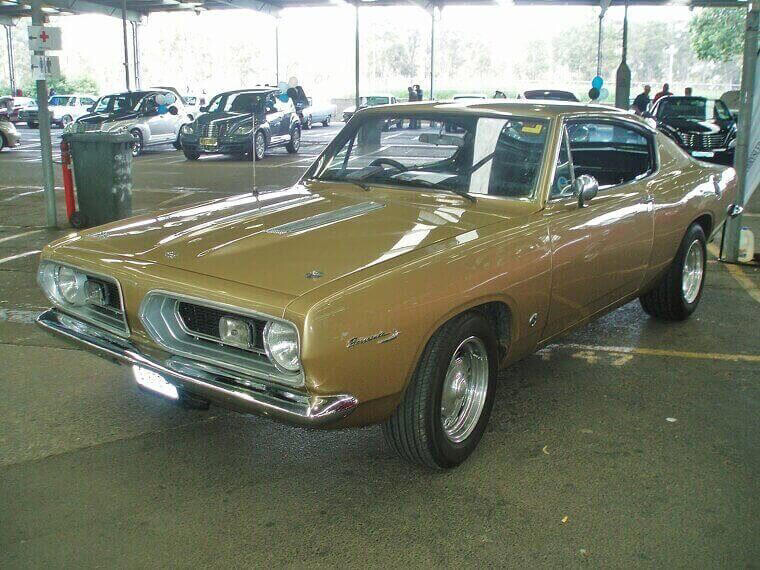
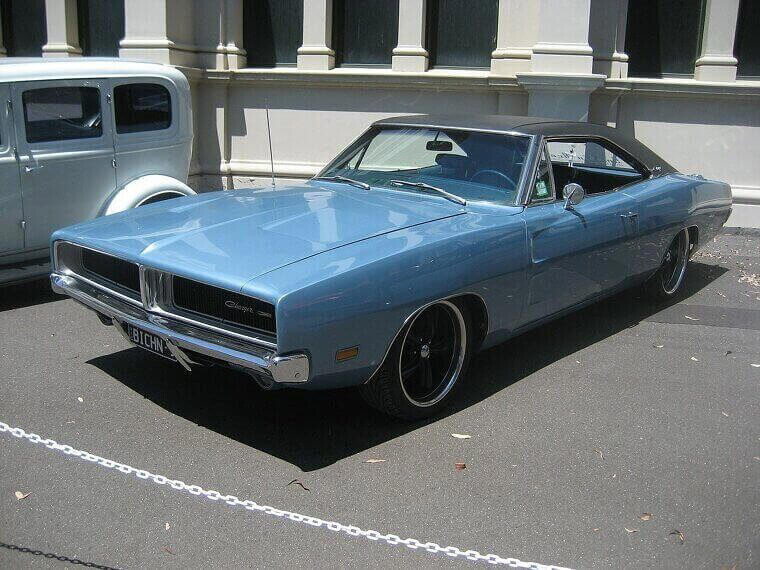
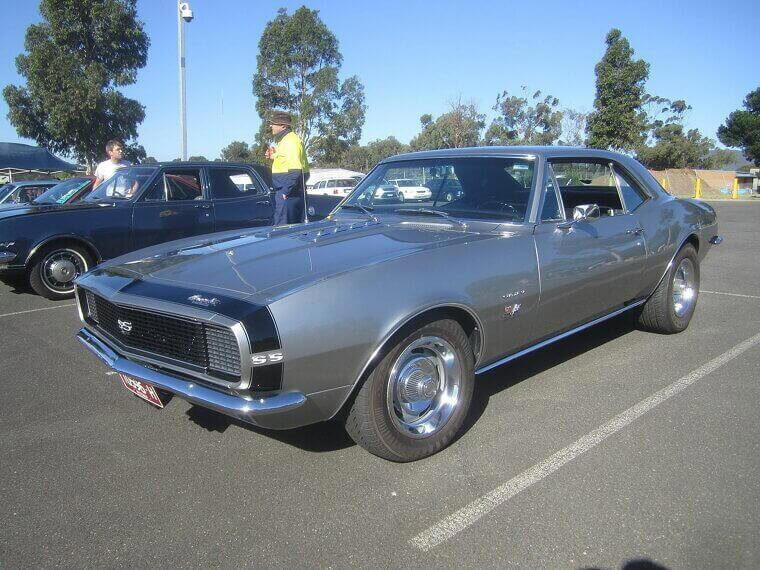
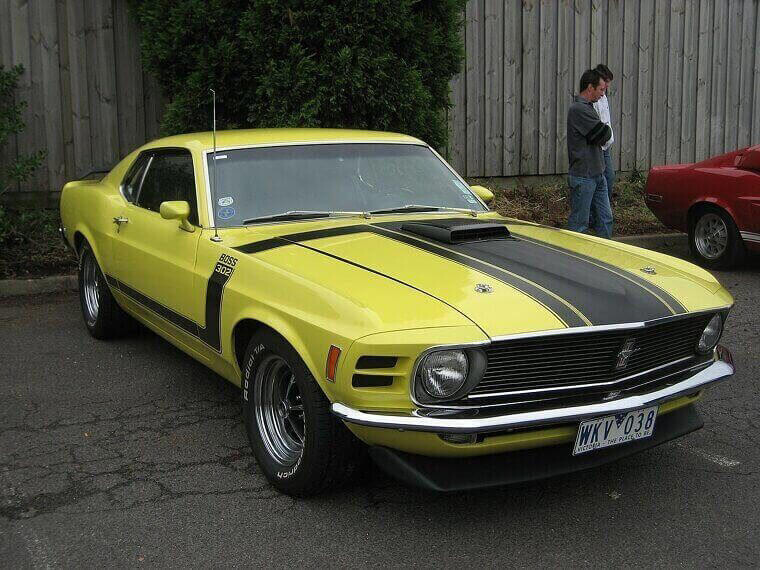
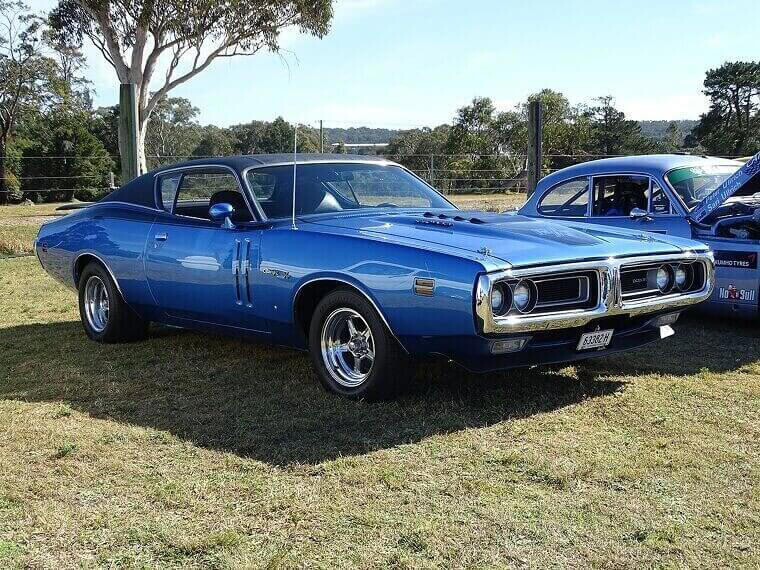
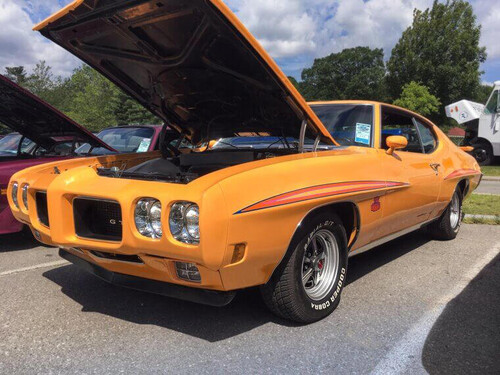
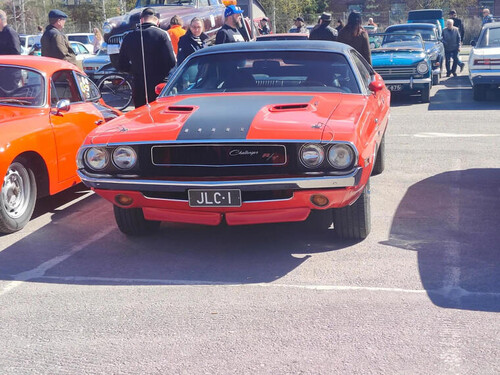
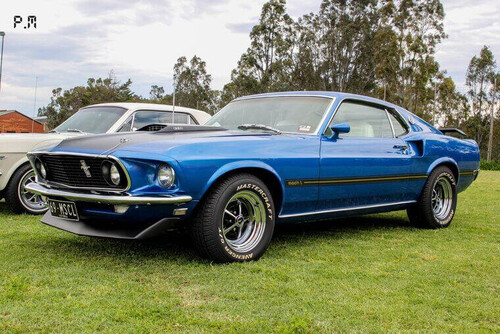
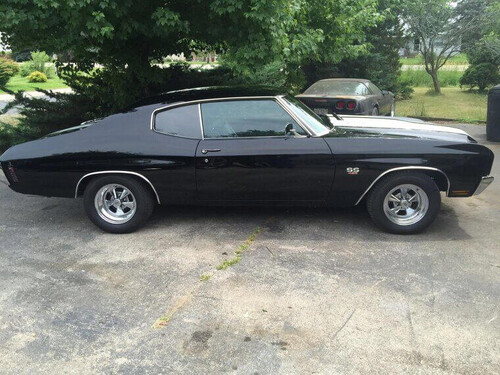
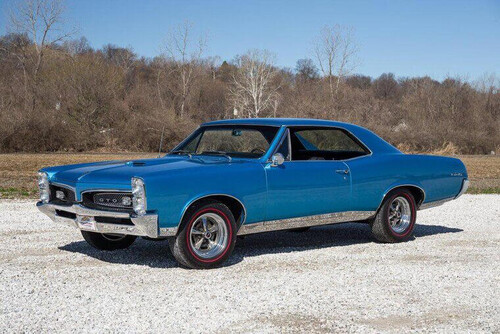
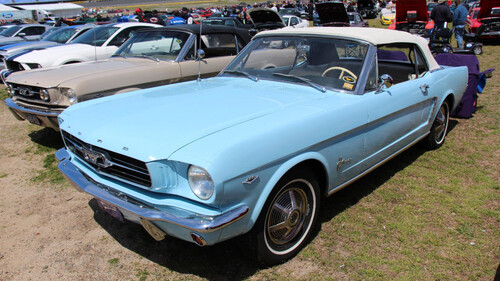
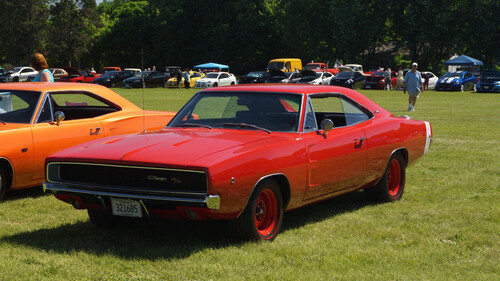
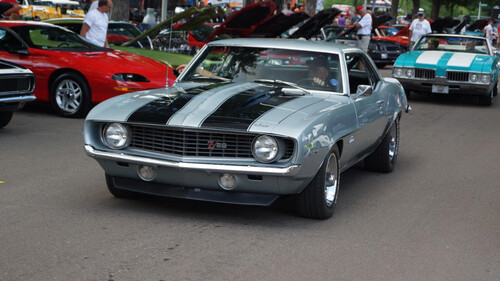
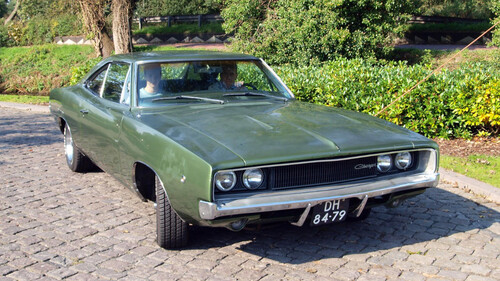
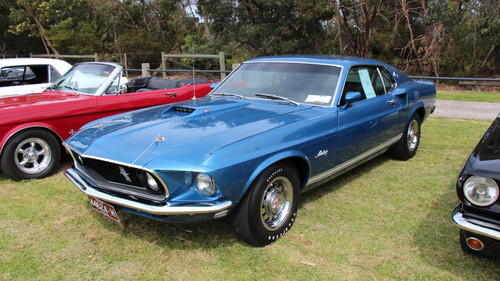
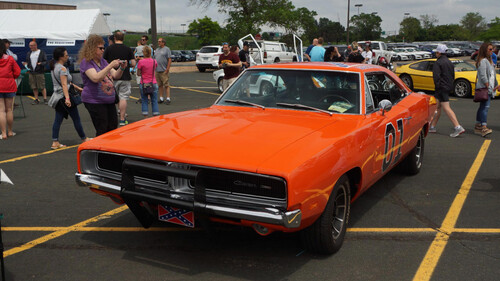
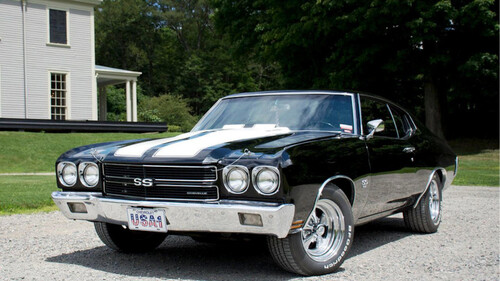
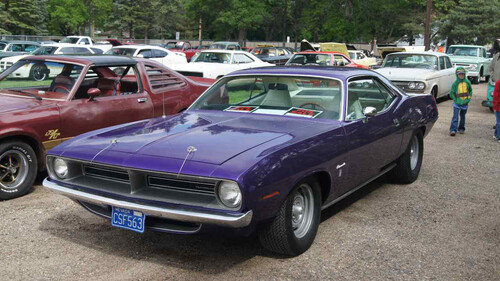
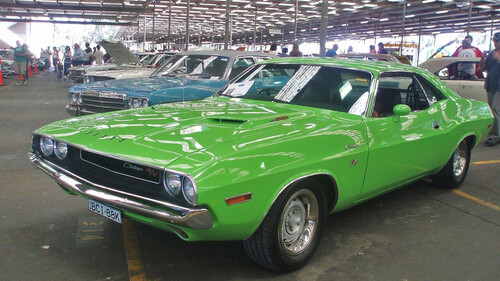
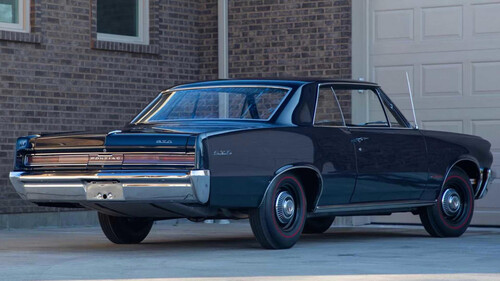
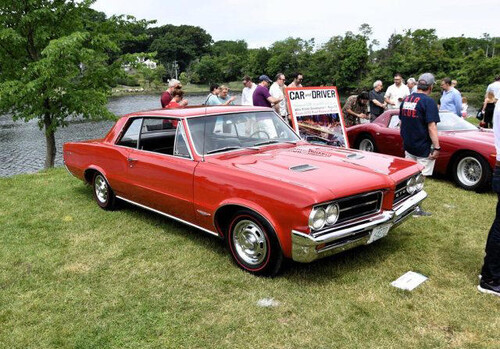
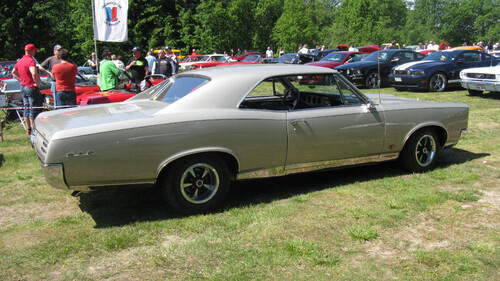
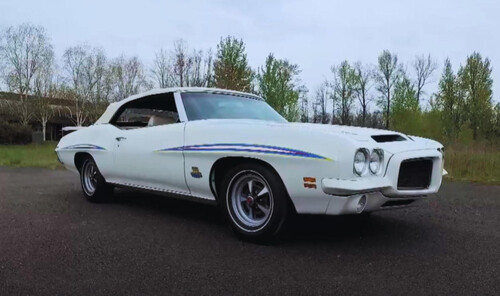
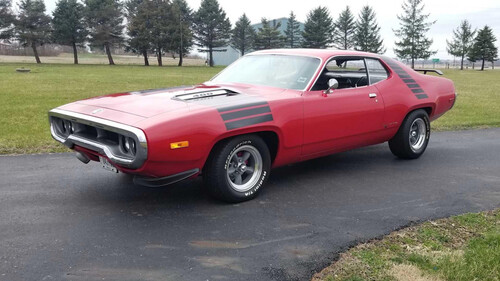
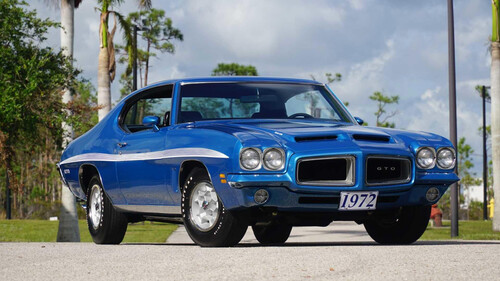
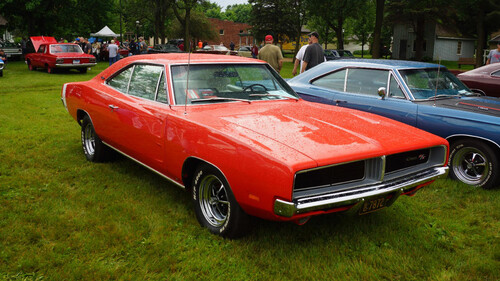
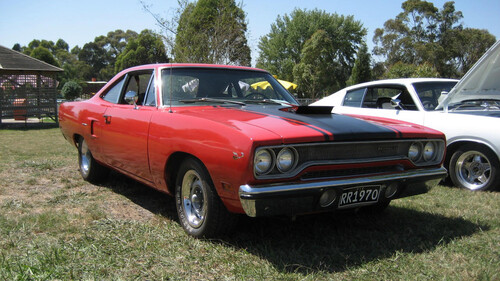
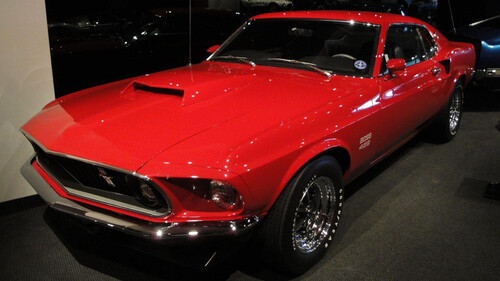
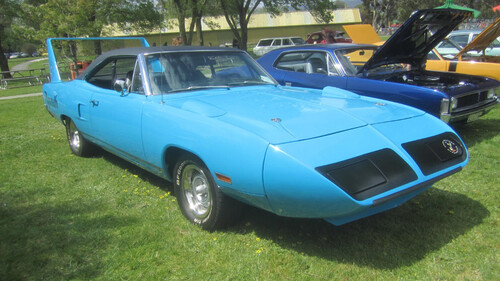
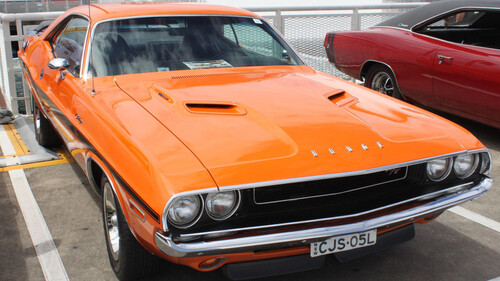
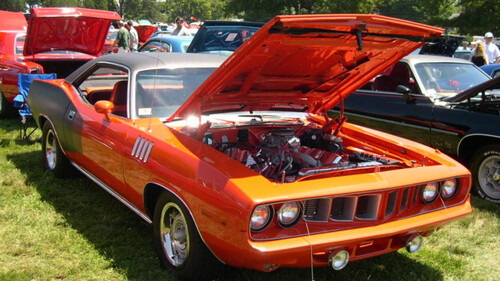
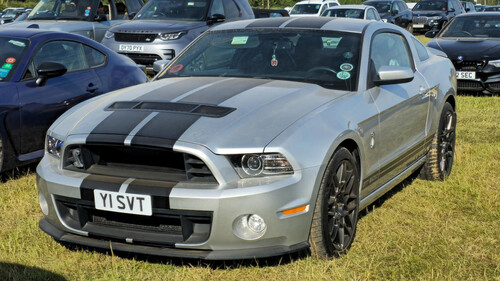
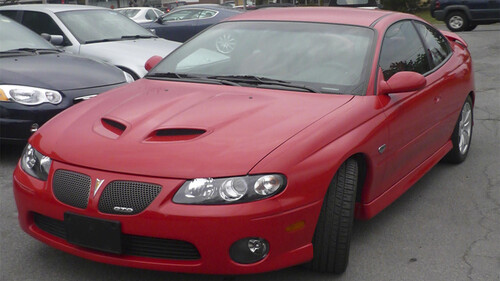
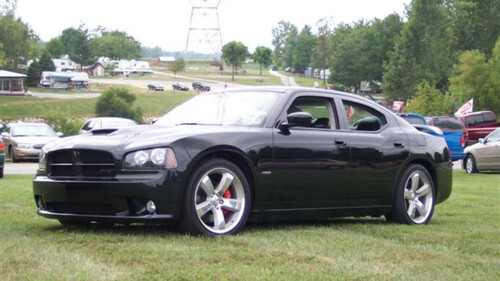
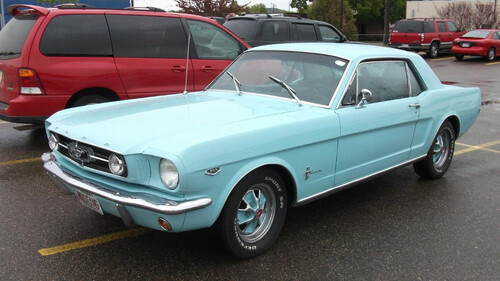
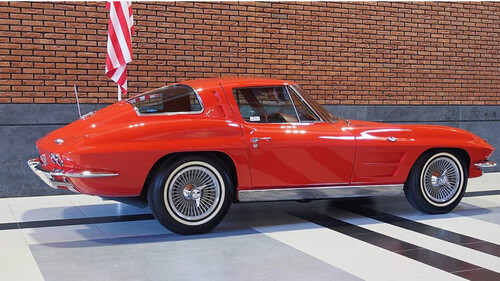
1964-1965 Pontiac GTOFolks called it "The Goat," and that nickname stuck because the 1964-1965 GTO earned every bit of its reputation as the car that kicked off the whole muscle car craze. Pontiac's engineers borrowed a trick from Ferrari, naming their Tempest-based creation after the Gran Turismo Omologato racing designation, giving it instant credibility with anyone who read car magazines. You'd see these lined up outside drive-in restaurants on Friday nights, their distinctive hood scoops and twin exhaust tips catching the glow of neon signs. Local dealerships ran ads bragging about the "Tiger" theme, complete with tiger-striped seatbelts as an option. Your local drag strip probably had at least one GTO owner who showed up every weekend, ready to prove that Pontiac's gamble on breaking corporate rules had paid off in spades.1967 Shelby GT500Carroll Shelby took the already-potent Mustang GT350 and gave it real teeth for 1967, dropping in a 428 cubic-inch police interceptor engine that pushed out 355 horsepower. That big-block V8 needed a longer nose to fit under the hood, giving the GT500 its unmistakable stretched fastback profile with dual headlights and that wide-mouth grille. Word around town was you could hear one coming three blocks away, that deep rumble bouncing off garage doors and storefront windows. Ford marketed it as "The Road Car" for good reason, since it handled corners as well as it ate up straightaways. Finished in colors like Brittany Blue with those iconic racing stripes, the GT500 turned every trip to the drive-in into an event. Original sticker price hovered around $4,200, a figure that seems almost impossible given what these Shelbys command at auction today.1970 Dodge Charger R/TThat coke-bottle body still turns heads at every cruise night and car show parking lot across the country, and back in 1970 it turned just as many on Main Street. The Charger R/T came standard with a 440 Magnum churning out 375 horsepower, while the legendary 426 Hemi sat waiting on the options list for anyone brave enough to check that box. Hidden headlights flipped up like something out of a spy movie, and the full-width taillight glowed like a warning to anyone thinking about racing you off the line. Dodge built this one for drivers who wanted attention and performance in equal measure. Bench seat or buckets, column shift or console, every Charger R/T rolling off the line felt like a statement. Decades later, that statement still holds up every time one rumbles past at a local show.1970 Plymouth SuperbirdThat towering rear wing and pointed nose cone made the Superbird look like it drove straight off a race track and onto your street, and that's because it practically did. Plymouth built this wild machine to dominate NASCAR, where Richard Petty piloted one to victory lane, and the company had to sell street versions just to make the car legal for racing. Dealers struggled to move them at first, with some sitting on lots for months since folks weren't sure what to make of that aerodynamic body. Underneath the outrageous styling sat serious muscle, including available 440 and 426 Hemi engines that could push the car past 200 miles per hour on the high banks. Nowadays collectors pay small fortunes for these once-unwanted oddities, proving that yesterday's showroom leftovers can become tomorrow's most treasured classics.1968 Ford Mustang GT500KRCarroll Shelby's crew called it the "King of the Road," and that badge wasn't just bragging rights. Under the hood sat a 428 Cobra Jet V8 that Ford rated at 335 horsepower, though anyone who spent time behind the wheel knew that number was modest at best. Wrap that engine in Shelby's sharper body lines, add the signature side scoops and unique grille, and you had a Mustang that stood apart from anything rolling off a regular dealer lot. Convertibles were rare, and finding one with the factory Shaker hood is like striking gold at a swap meet. Cruise nights back then always had a crowd gathering when a GT500KR pulled in, engine ticking as it cooled, chrome catching the last bit of evening sun.1971 Dodge Challenger R/TThe 1971 Dodge Challenger R/T stood out on any street, with its wide stance and that unmistakable grille giving it a look nothing else could match. Under the hood, you could find anything from a 340 up to the mighty 426 Hemi, and when that engine roared to life, neighbors knew exactly what had just rolled by. Dodge only built the Challenger for a handful of years in this body style, which makes the 1971 model especially special among collectors today. Options like the shaker hood scoop and high-impact paint colors, with names like Hemi Orange and Plum Crazy, gave owners a chance to really make their car stand out. For a lot of guys who grew up in that era, seeing an R/T idling at a stoplight was enough to make an afternoon memorable.1969 Dodge DaytonaThat nosecone alone made grown men stop in their tracks at the local drive-in. Dodge built the Daytona for one reason: to dominate NASCAR superspeedways, and that wind-tunnel-tested nose combined with the towering rear wing turned heads whether it was screaming down a straightaway or just idling at a stoplight on Main Street. Only about 500 were built for the street, which meant spotting one back then felt like winning a small lottery. Under the hood, buyers could get the 440 Magnum or the mighty 426 Hemi, both ready to push this winged warrior past 200 mph territory on the track. Neighbors talked about the Daytona for weeks after one rolled through town, and honestly, who could blame them for staring?1970 Chevrolet Chevelle SS 454Few muscle cars ever commanded a stoplight quite like the 1970 Chevelle SS 454. Chevrolet dropped its biggest engine option into a mid-size body that year, and the LS6 version delivered 450 horsepower along with a thunderous 500 lb-ft of torque, numbers that made grown men whistle under their breath at the drag strip. That cowl induction hood wasn't just for looks either, it fed cold air straight into the carburetor for extra punch off the line. You didn't need a stopwatch to know this car meant business; the exhaust note alone rattled storefront windows on Main Street. Neighbors still talk about the day one rumbled through town, and honestly, who could blame them for staring? This Chevelle wasn't just fast, it was a rolling reminder that Detroit knew exactly how to build something unforgettable.1969 Pontiac Firebird Trans AmOnly 697 examples of the 1969 Trans Am ever left the factory, making it one of the rarest birds to roll down your street back in the day. Painted in Cameo White with those unmistakable blue racing stripes, this Pontiac announced its arrival before you even heard the engine. Under the hood sat a 335-horsepower 400 cubic inch V8, borrowed from the Firebird's performance lineup and tuned for serious street presence. Ram Air III induction pulled cool air through functional hood scoops, giving the car both looks and legitimate punch off the line. Pontiac built the Trans Am to answer Chevrolet's Camaro Z/28, and gearheads noticed immediately. Finding one parked outside the local drive-in turned an ordinary evening into something folks talked about for weeks. Rarity and performance combined to make this Firebird a genuine legend among muscle car faithful.1966 Chevrolet Nova SSThe 1966 Chevrolet Nova SS proved that good things really do come in smaller packages. Chevy took its compact Nova platform and dropped in a 327 cubic inch V8 that pushed out 350 horsepower, giving this modest-looking car serious bite. Neighbors who underestimated the Nova SS at a stoplight often regretted it once the light turned green. The car's tidy dimensions made it a favorite for drivers who wanted muscle without the bulk of a full-size Chevelle or Impala. Bucket seats, a floor-mounted shifter, and SS badges on the grille and rear panel let everyone know this wasn't your average grocery-getter. For plenty of young drivers back then, a Nova SS in the driveway meant instant status among friends and rivals alike.1968-1969 Chevrolet Corvette L88The Corvette L88 wasn't built for cruising to the diner on a Friday night, though a few brave owners tried anyway. Chevrolet barely advertised the option, and dealers often talked customers out of ordering it. The solid-lifter 427 carried a laughably conservative rating of 430 horsepower, a number everyone at the track knew was fiction meant to fool insurance companies. Real output climbed well past that once you opened up the aluminum-head engine. No radio, no heater, and no listing in regular sales literature. You had to know someone or know exactly what to order. Only a small batch left the factory each year, making every sighting at a local car show or street corner something folks still talk about, that solid-lifter idle and open-chamber roar burned into memory as pure racing heritage wearing a license plate.1970 Oldsmobile 442 W-30The 1970 Oldsmobile 442 W-30 brought serious muscle to a brand better known for grandpa's sensible sedan, and that contrast made it all the more satisfying when it roared past on Main Street. Under the hood sat a 455 cubic inch V8 pumping out 370 horsepower, with the famous fiberglass hood scoops feeding cool air straight to the carburetor. That Sherwood Green or Cameo White paint with the contrasting stripes turned heads at every drive-in. Oldsmobile engineers weren't playing around, either. They tuned this thing for real performance, not just show, and quarter-mile times backed up every bit of that swagger. Remember when your neighbor's dad traded his boring Cutlass for one of these and suddenly became the coolest guy on the block? That's the kind of transformation the W-30 delivered.1969 Mercury Cougar EliminatorThe 1969 Mercury Cougar Eliminator brought serious muscle to a brand better known for comfort and chrome trim. Mercury dropped in engines ranging from the 351 Windsor up to the mighty 428 Cobra Jet, and suddenly the Cougar had teeth to match its badge. Bold stripes, a functional hood scoop, and a spoiler kit gave it a look that stood apart from the softer Cougars parked in dealership lots that same year. Drivers who wanted Mustang muscle with a touch more class found exactly what they were after. On a summer cruise night, that distinctive grille and those side stripes turned heads just as fast as any Boss 302. The Eliminator proved you didn't have to sacrifice style for straight-line performance, and plenty of small-town main streets remember the sound of that Cobra Jet coming through.1970 Ford Torino CobraThat swooping fastback roofline turned heads the moment Ford rolled out the redesigned Torino for 1970, and the Cobra trim meant business from the start. Under that long hood sat the 429 Cobra Jet V8, pumping out 370 horsepower and enough torque to press you back into the bench seat when you buried the throttle. A functional hood scoop and optional shaker hood weren't just for show either, since they fed cold air straight to the carburetor for real performance gains. Ford built the Torino Cobra to compete directly with Chevelle SS and GTX models, and on any given Saturday night cruise, you'd catch one lined up at a stoplight, ready to prove itself. Drum brakes up front were standard, though plenty of buyers upgraded to discs once they realized just how much power they were working with.1970-71 Buick GSX Stage 1Buick wasn't exactly known as a street brawler, which made the GSX such a surprise to Chevelle and GTO owners who figured Buick built cars for golf outings. Painted in Saturn Yellow or Apollo White with bold black stripes, the GSX made a statement without shouting quite as loudly as its rivals. Under that long hood sat a 455 cubic-inch V8, and the 1970 model's 510 lb-ft of torque beat out the Corvette and nearly everything else on the market that year. The 1971 Stage 1 package added a hotter cam and better carburetion, pushing quarter-mile times into the low 13s. Buick built these in small numbers both years, so spotting one cruising through town meant you were looking at something genuinely special, a gentleman's muscle car with the torque to back up its polished manners.1969 AMC AMXAMC never had the budget that Ford, Chevy, or Chrysler threw around, yet the AMX proved a smaller company could still build something with real teeth. This was the only true two-seat American sports car of the muscle era besides the Corvette, riding on a shortened Javelin platform that made it feel tight and eager on winding backroads. Under the hood, buyers could order the 390 cubic-inch V8, pushing 315 horsepower through a car that weighed barely over 3,200 pounds. That combination made for genuinely quick acceleration, and the handling held its own against bigger names. Folks who drove one back then remember how it felt different from anything else on the lot, a scrappy underdog with a chip on its shoulder and the performance to back it up.1970 Dodge Super BeeThat coiled bee logo on the fender told everyone exactly what they were dealing with, and Dodge backed up the attitude with real muscle underneath the hood. The 1970 Super Bee could be ordered with the mighty 440 Six Pack, three two-barrel carburetors stacked together, or the legendary 426 Hemi for those who wanted the ultimate street weapon. Base models still packed a 383 that ran plenty hard for the money, making the Super Bee accessible to younger buyers without the Charger's higher price tag. That bold "bumblebee" stripe wrapping around the tail became an instant visual signature. Parked outside the drive-in on a Saturday night, few cars turned heads faster or sparked more debate about horsepower numbers among the gearheads gathered there.1967 Chevrolet Impala SS 427Picture cruising down Main Street with 385 horsepower waiting under your right foot, and you've got the essence of the 1967 Impala SS 427. Chevrolet stuffed its biggest big-block into a full-size body that already looked sharp with those clean lines and hidden headlights, then let buyers decide just how much muscle they wanted. Order the L36 or step up to the L72, and suddenly your family cruiser could embarrass sports cars at the stoplight. This wasn't a stripped-down econobox pretending to be tough. You got genuine comfort, real trunk space, and enough torque to press you back into that bench seat. Neighbors who saw one parked in the driveway knew the owner meant business, even if the car looked ready for church on Sunday morning.1967 Plymouth Barracuda Formula SPlymouth gave the Barracuda a fresh face for 1967, and the Formula S package turned that sporty fastback into a genuine street performer that could hang with bigger names on Saturday night cruises. Under the hood, a 273 or optional 383 V8 delivered the kind of torque that pressed you back into the bucket seat when you rolled onto the throttle, while heavy-duty suspension and wider tires kept things planted through the corners. Neighbors who dismissed the Barracuda as just a Valiant with a fancy roofline learned otherwise once they heard that exhaust note echo down Main Street. It never quite got the fame of its Mopar cousins, but folks who owned one knew exactly what they had. That fastback silhouette still turns heads at car shows today, proof that Plymouth built something special back then.1969 Dodge Charger 500Aerodynamics won NASCAR races before most folks even knew the word, and the 1969 Dodge Charger 500 proved it on every high-speed oval in the country. Dodge flattened the recessed grille and swapped in a flush rear window borrowed from the Coronet, all in the name of cutting through the air just a little cleaner than the competition. Under the hood, buyers could order the 440 Magnum or the fearsome 426 Hemi, both ready to turn a Sunday cruise into something a lot more memorable. Only about 392 of these were built, making them rare even when they were brand new. Spotting one rumble down Main Street back then meant something special was happening, and gearheads still get a little wide-eyed talking about it today.1971 Plymouth GTX 440The 1971 Plymouth GTX 440 rolled into the final chapter of the muscle car golden era with a swagger all its own, wearing that bold Fuselage body style that made every other car on the block look plain by comparison. Under the hood sat the 440 cubic inch V8, a workhorse engine pumping out serious torque that could pin you back in the seat when you mashed the throttle at a stoplight. Plymouth buyers who wanted an even harder punch could order the 440 Six Pack, with its trio of two-barrel carburetors feeding raw power straight to the rear wheels. This was a car built for stoplight bragging rights, and plenty of small-town main streets echoed with the sound of that big block breathing deep. Insurance companies were already starting to take notice, and rightfully so.1969 Chevrolet Chevelle SS 396Few cars captured that late-1960s sweet spot between muscle and manners quite like the 1969 Chevelle SS 396. Chevrolet dropped a 396 cubic-inch V8 under that sculpted hood, pumping out up to 375 horsepower depending on which engine option you checked off at the dealership. That combination of raw power and everyday drivability made the Chevelle a favorite for guys who wanted to haul groceries on Saturday and dominate a stoplight showdown on Saturday night. The SS package added stripes, badges, and a stance that told everyone on the block you meant business. Ask anyone who owned one, and they'll tell you about the rumble at idle and the way the rear end would squat down when you buried the throttle. That sound still gives longtime gearheads goosebumps today.1966 Ford Mustang GT350Carroll Shelby didn't just tune the Mustang, he transformed it into something that belonged on a racetrack, and the 1966 GT350 proved it every time the throttle opened up. Under that hood sat a 306-horsepower 289 V8, breathing through a high-rise intake and a four-barrel Holley carburetor, sending power through a close-ratio transmission built for real driving, not just cruising the drive-in. You'd hear it before you saw it, that unmistakable side-exit exhaust growling as it passed. Shelby stripped away the back seat in early versions, reminding everyone this was no ordinary pony car. Painted in Wimbledon White with those iconic blue Le Mans stripes, it looked like a race car that wandered onto public roads by accident. Owning one back then meant you understood the difference between fast and Shelby-fast.1967 Chevrolet Camaro SS 396Chevrolet knew Ford's Mustang needed an answer, and the 1967 Camaro SS 396 delivered one with real teeth. That big-block engine sent 375 horsepower through the rear wheels, and the hood scoop wasn't just for looks. Dealerships couldn't keep them on the lot, and it's easy to understand why once you heard that engine come alive at a stoplight. The SS badge on the grille meant business, and the twin racing stripes running over the hood told everyone exactly what they were dealing with. You could option one with a four-speed manual and bench seats, keeping things simple and focused on performance. Neighborhood kids would stop their bikes just to watch one roll by, and honestly, who could blame them? This was Detroit throwing down a gauntlet, and every gearhead on the block took notice.1970 AMC Javelin SSTAMC never had the budget that Ford or Chevy threw around, but the 1970 Javelin SST proved you didn't need deep pockets to build something memorable. That "flying buttress" roofline and pronounced fender bulges gave it a look nothing else on the road could match, and the SST trim brought real muscle to back it up, including the available 390 cubic inch V8 pumping out 325 horsepower. Folks who cross-shopped Camaros and Mustangs sometimes walked into an AMC dealer almost by accident, then drove home in a Javelin instead. It ran the SCCA Trans-Am circuit against the big names and held its own, which said plenty about what Kenosha engineers could accomplish. Spotting one at a car show today still turns heads, mostly from people trying to remember exactly what it was called.1970 Ford Mustang Boss 302Ford built the 1970 Boss 302 for one reason: to win the Trans-Am racing series, and that mission shaped every inch of this Mustang. Under the hood sat a high-revving 302 cubic-inch V8 pumping out 290 horsepower, engineered for track corners rather than straight-line drag racing like some of its muscle car cousins. You'd spot one by its bold reflective side stripes, front spoiler, and that rear window slats that turned heads at every stoplight. Larry Shinoda, the designer who also worked on the Corvette, gave this car its aggressive stance. Drivers who pushed one through mountain curves still talk about how it handled unlike anything else from Detroit that year. For a brief moment, Ford proved American muscle could out-corner the imports too.1969 Ford Mustang Mach 1The 1969 Mustang Mach 1 gave you all the show-car looks with the muscle to back it up, and that combination made it an instant favorite on local streets. That matte black hood, complete with functional NACA scoops on some trims, told everyone paying attention that this Mustang meant business. Under that hood, buyers could option up to the 428 Cobra Jet, a genuine powerhouse that turned red lights into personal contests you rarely lost. Reflective C-stripe graphics ran down the sides, catching sunlight and turning heads at every stoplight and drive-in. Inside, the deluxe interior with its high-back bucket seats and woodgrain accents felt like a genuine step up from a standard Mustang. Ford built the Mach 1 to bridge everyday driving and serious performance, and for a lot of folks, it hit that mark perfectly.1968 Dodge Charger R/T 440That long, sculpted body with hidden headlights and a tunneled grille turned heads long before Hollywood made it a household name, and the 1968 Dodge Charger R/T 440 backed up its looks with serious muscle. Under the hood sat the Magnum 440, a big-block V8 pumping out 375 horsepower and a wall of torque that pinned you back in the bucket seat. Dodge nailed the coke-bottle styling that year, giving the Charger a shape unlike anything else on the boulevard. You'd hear that dual exhaust rumble from a block away, and neighbors would step outside just to watch it roll past. Add a Hemi option for the truly serious buyers, and you had a car that could handle Sunday cruising and stoplight showdowns with equal confidence. Few cars captured that late-60s swagger quite like this one.1969 Buick Gran Sport 400The 1969 Buick Gran Sport 400 never chased attention the way some muscle cars did, but every gearhead on the block knew exactly what it could do. Buick built its reputation on comfort and quiet luxury, so slipping a 400-cubic-inch V8 under that hood surprised plenty of folks who thought GS badges meant just trim packages. That engine pushed out serious torque, letting the GS 400 pull hard off the line without the drama some rivals needed. Inside, you still got Buick's plush seats and clean dashboard, proving you didn't have to sacrifice comfort for speed. Drivers who wanted a sleeper that could embarrass louder cars at stoplights found their answer here. The Gran Sport 400 offered a rare blend of refinement and muscle, and anyone who owned one remembers how satisfying it felt to prove doubters wrong.1971 Dodge Charger 440 MagnumThat distinctive fuselage body style set the 1971 Charger apart from its boxier predecessors, with curves that made every other car at the drive-in look flat-sided and outdated. Under the hood, the 440 Magnum pushed out 370 horsepower, backed by a torque figure that could pin you against the seat when the light turned green. Dual exhaust burbled at idle like it meant business, and the split grille gave the front end a menacing look that dared anyone to challenge it at a stoplight. Neighbors still talk about hearing one rumble down Main Street on a Friday night. This wasn't just a car people admired from a distance; it was one they wanted to own, race, and show off to anyone willing to stand still long enough to listen to that engine breathe.