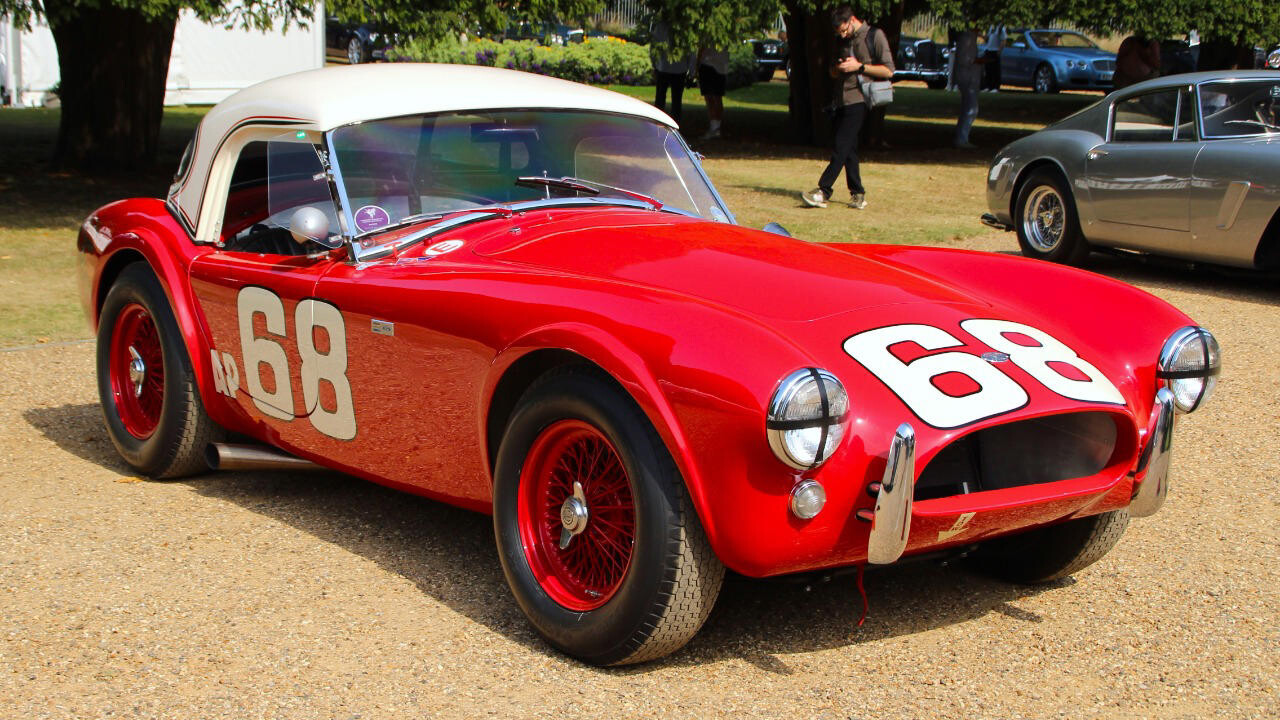
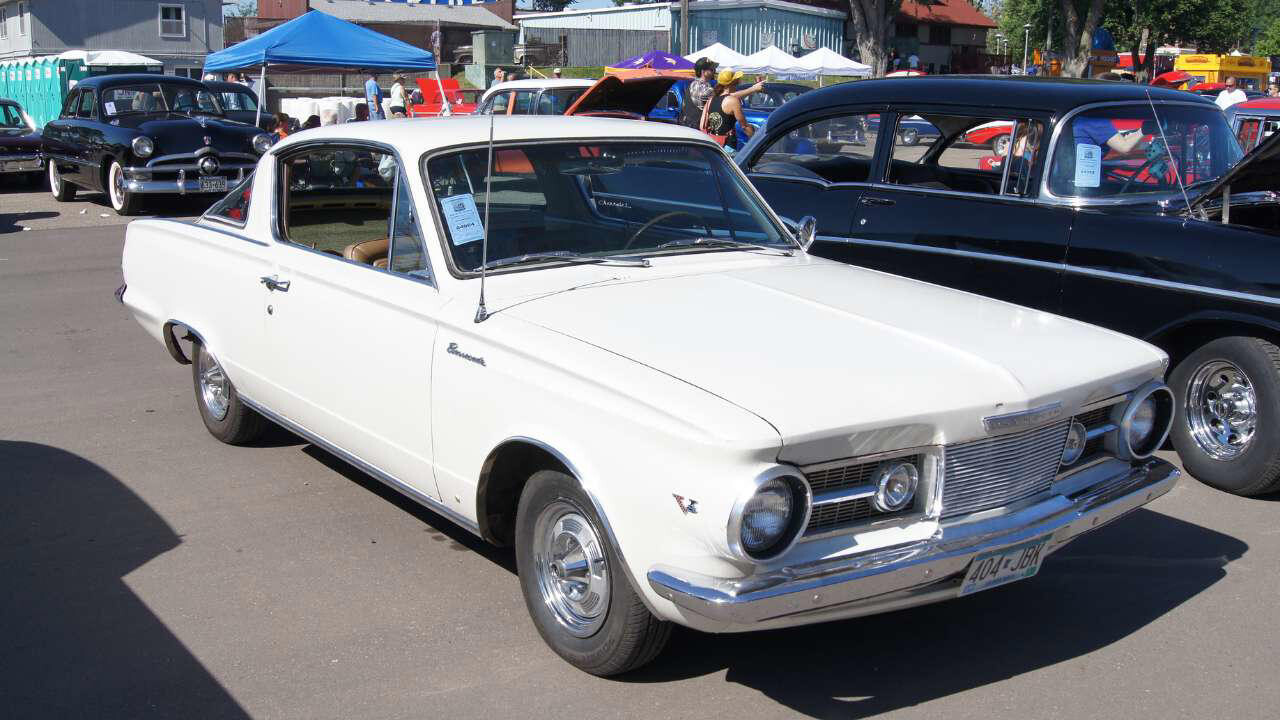
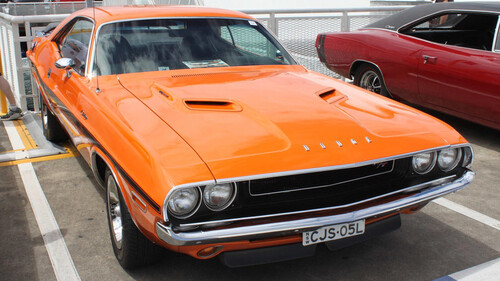
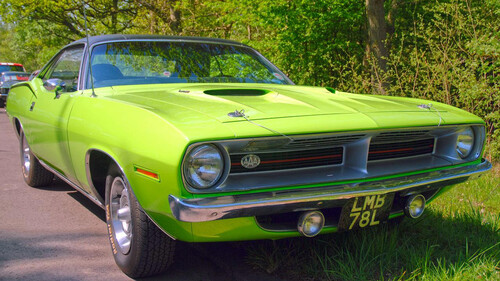
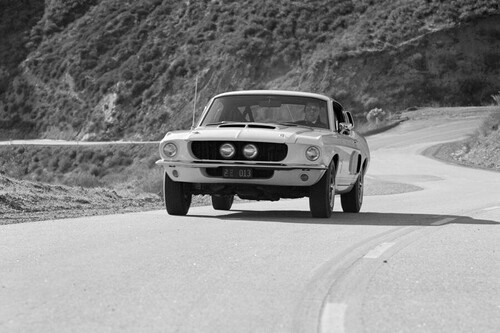
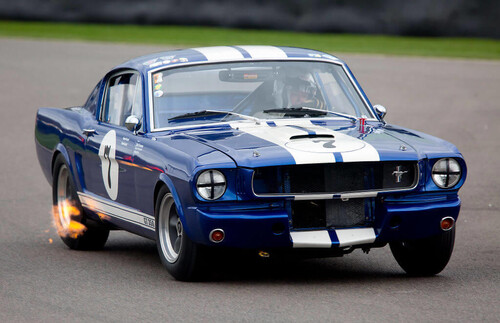
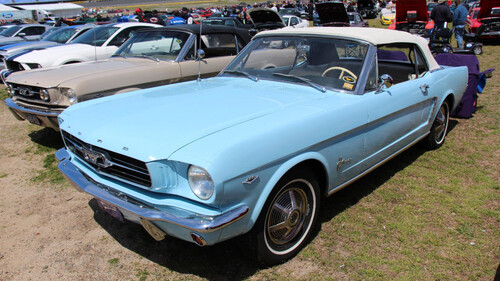
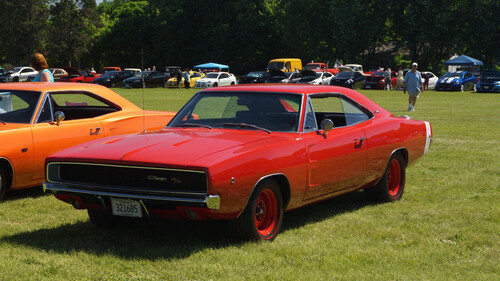
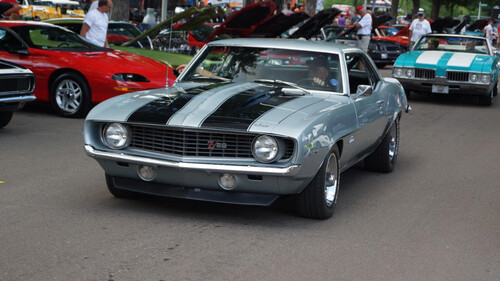
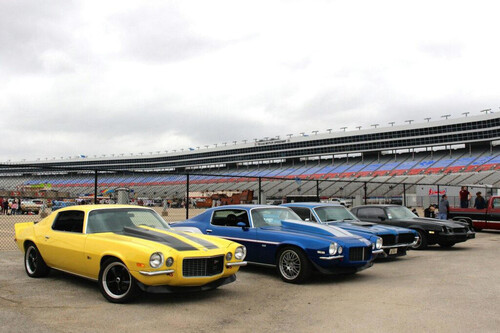
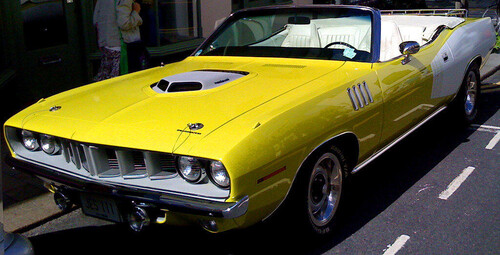
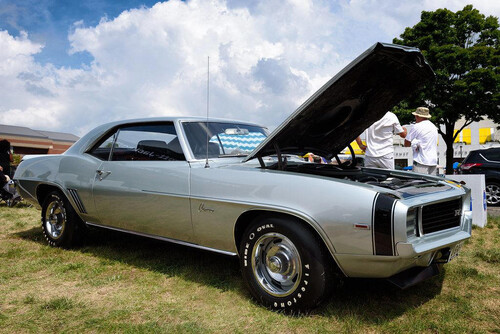
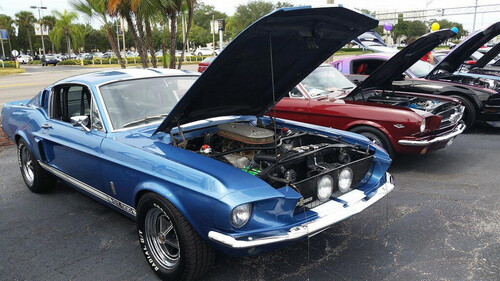
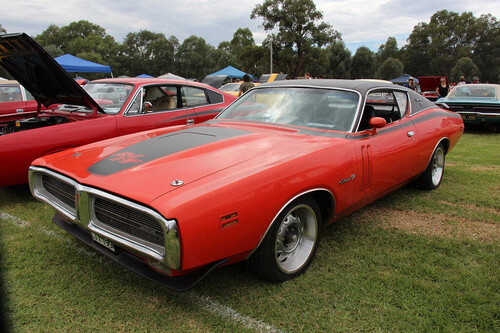
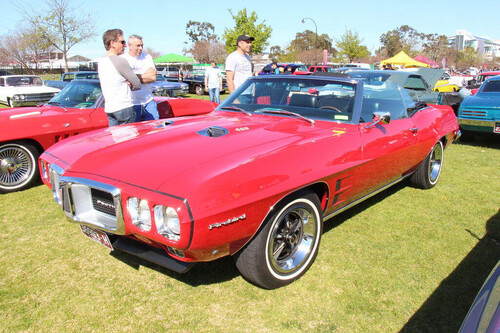
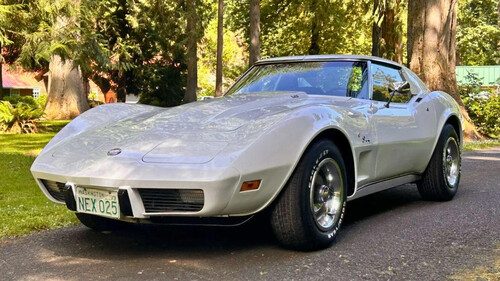
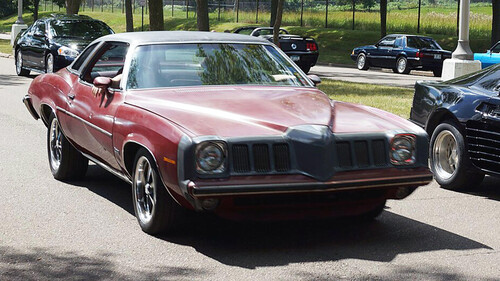
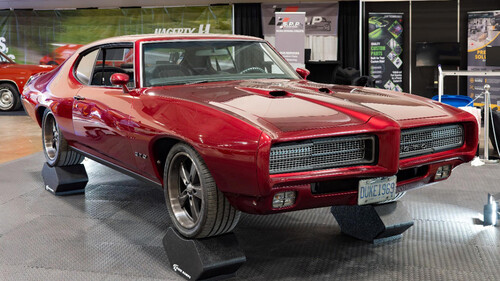
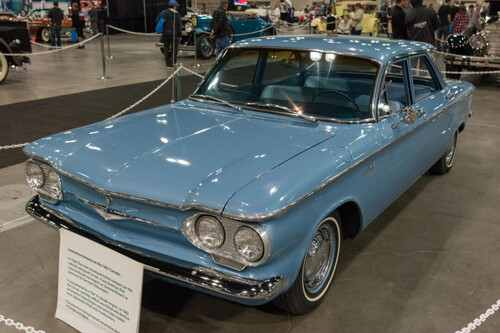
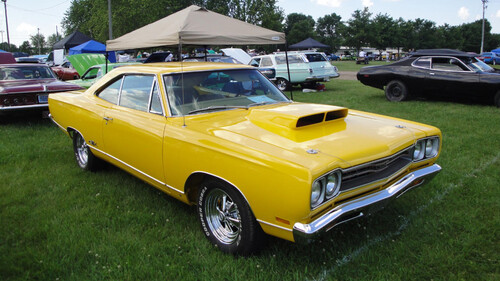
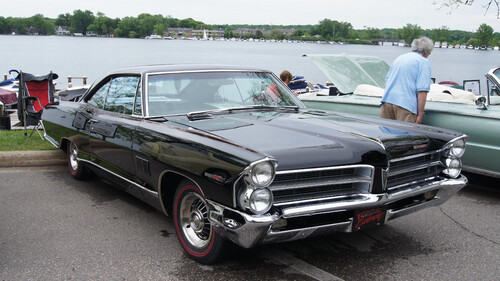
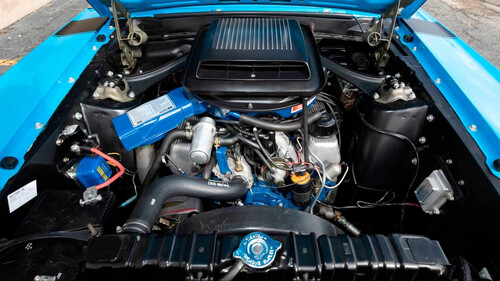
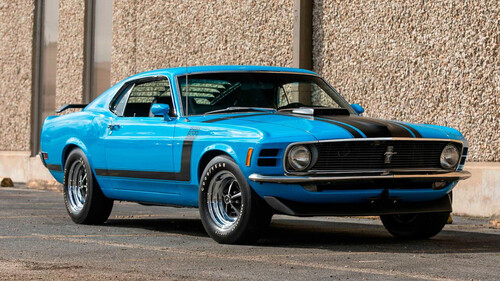
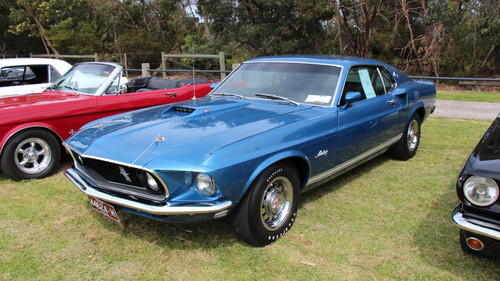
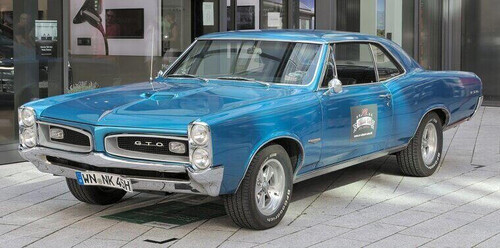
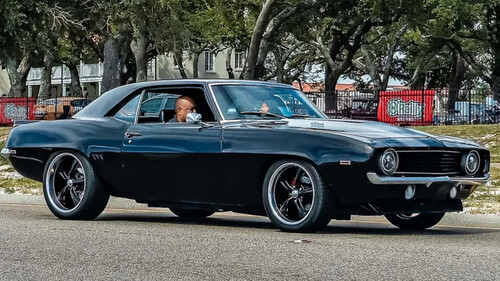
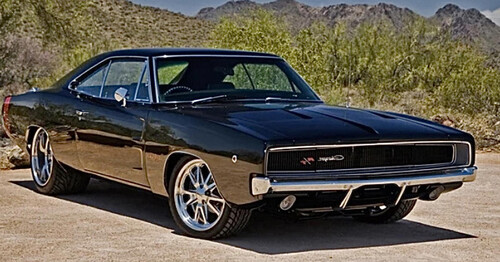
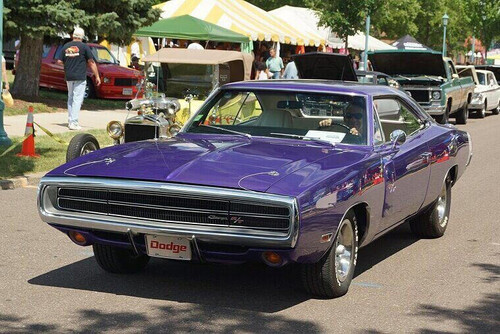
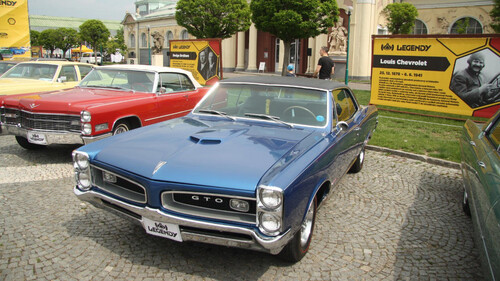
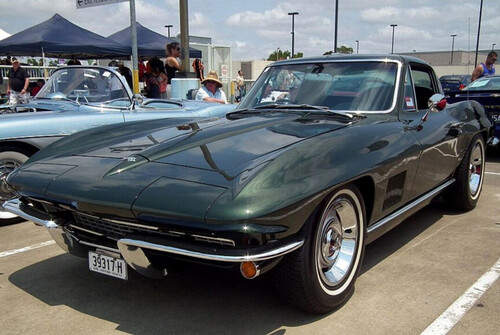
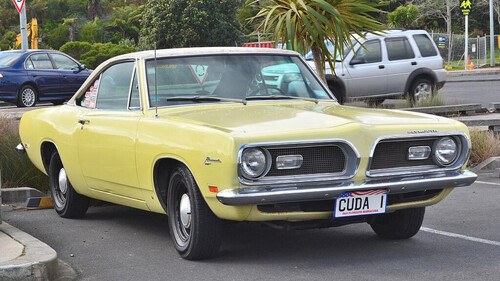
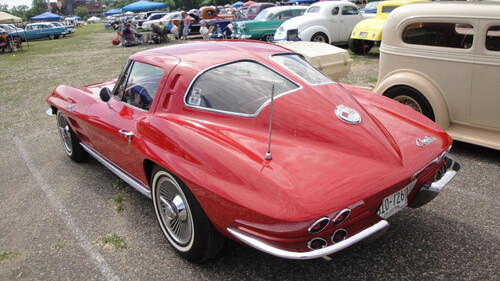
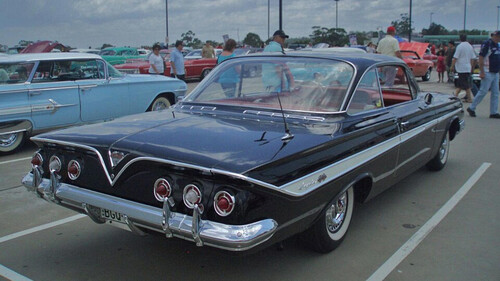
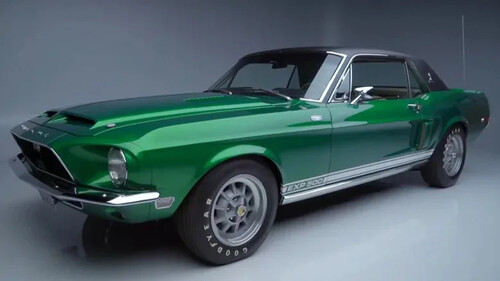
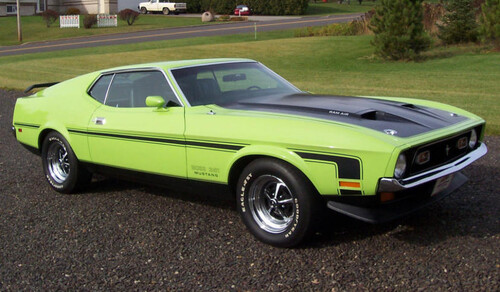
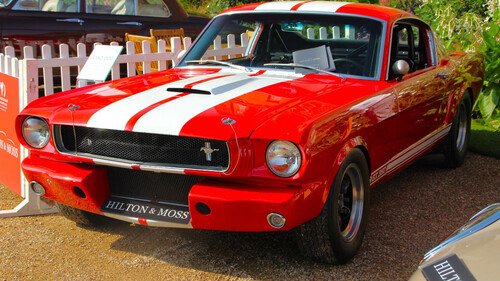
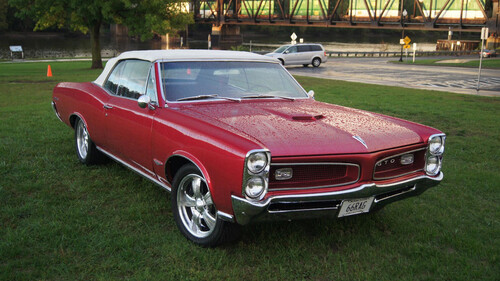
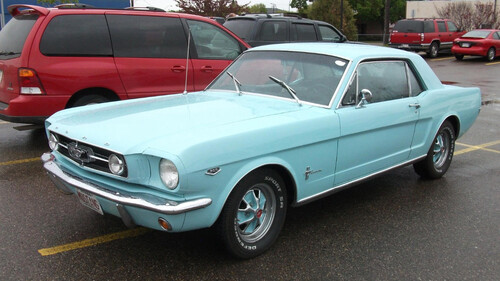
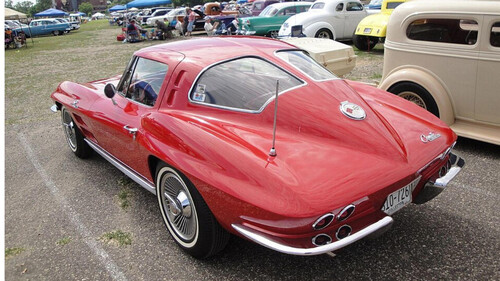
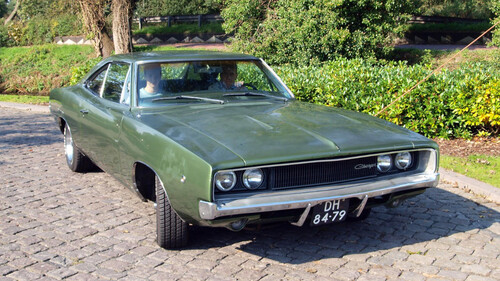
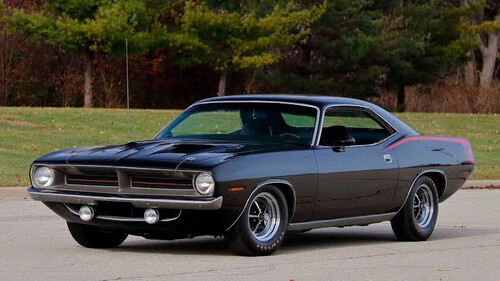
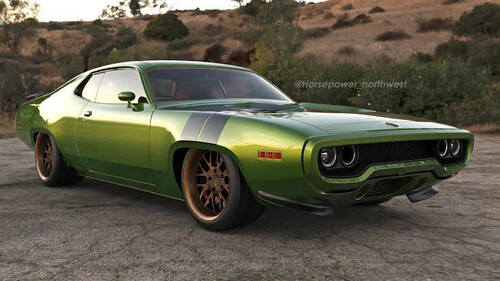
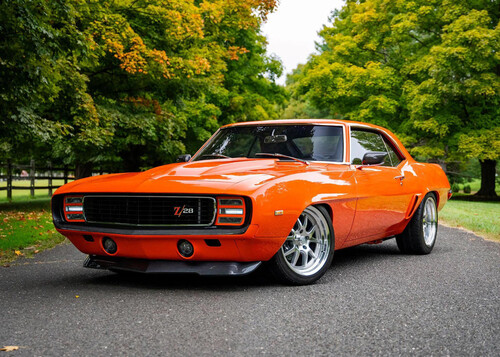
The muscle car revolution of the 1960s and 1970s was heralded by a series of powerful vehicles that redefined American automotive culture. These cars not only showcased impressive performance but also captured the imagination of a generation. Here are eight iconic models that hinted at the booming muscle car trend.Ford Mustang (1964)When the Ford Mustang debuted in 1964, it instantly became a symbol of youthful rebellion and automotive excitement. With its sleek lines and a range of powerful engine options, the Mustang appealed to a broad audience. The introduction of the “pony car” category created a new market segment that emphasized performance, style, and affordability. The Mustang’s success paved the way for competitors, and its influence is still felt today. With various models over the years, including the Shelby GT350 and the Boss 302, the Mustang remains a benchmark in the muscle car arena. It was a clear signal that the era of high-performance vehicles was just beginning.Chevrolet Corvette (1953)The Chevrolet Corvette made its debut in 1953 as America’s first true sports car. While it may not fit the classic muscle car mold, its powerful V8 engine and lightweight design set the stage for what was to come. From its early years, the Corvette demonstrated that American cars could compete with European sports cars in terms of performance and style. The Corvette’s evolution over the years, particularly in the 1960s, showcased increased horsepower and performance enhancements that hinted at the muscle car revolution. The introduction of the big-block engines in the late 1960s propelled the Corvette into the realm of high-performance vehicles, influencing the muscle car landscape significantly.Plymouth Barracuda (1964)Unveiled just weeks before the Mustang, the Plymouth Barracuda was one of the first cars to capitalize on the growing demand for performance-oriented vehicles. With its distinctive fastback design and powerful engine options, the Barracuda quickly garnered attention. The 1964 model featured a 273 cubic-inch V8 engine, which was a game-changer in terms of performance. The Barracuda’s unique styling and performance made it a worthy competitor in the muscle car segment. Although it is often overshadowed by its contemporaries, the Barracuda laid the groundwork for future muscle cars, proving that smaller, more agile vehicles could deliver thrilling performance.Dodge Charger (1966)The Dodge Charger arrived on the scene in 1966, and it quickly established itself as a powerful player in the muscle car market. With its long hood and short rear deck, the Charger exuded an aggressive stance that appealed to many enthusiasts. The introduction of the 426 HEMI engine in 1968 solidified its place in muscle car history. The Charger became synonymous with raw power and performance, both on the street and the racetrack. Its success in motorsports further fueled its popularity, making it a lasting symbol of the muscle car era. The combination of style, power, and versatility made the Charger a staple for muscle car fans.Pontiac GTO (1964)Often credited with starting the muscle car craze, the Pontiac GTO was introduced in 1964 as part of the Pontiac Tempest. This car featured a powerful 389 cubic-inch V8 engine, making it one of the fastest vehicles of its time. The GTO’s blend of performance, style, and affordability made it an instant classic. The GTO’s success inspired countless imitators and helped solidify the muscle car genre as a significant segment of the automotive market. With its iconic design and performance capabilities, the GTO is often revered as the original muscle car, setting the standard for what would follow.Mercury Cougar (1967)The Mercury Cougar was launched in 1967 as a more upscale alternative to the Mustang. While it shared many components with its Ford counterpart, the Cougar aimed for a more refined market. It featured a range of powerful V8 engines and sporty styling that appealed to a different kind of muscle car enthusiast. The Cougar’s unique features, including its concealed headlights and luxurious interior, distinguished it from other muscle cars of the time. While it may not have garnered the same level of attention as the Mustang or GTO, the Cougar played an essential role in expanding the muscle car market and attracting buyers seeking a blend of performance and sophistication.Shelby Cobra (1962)The Shelby Cobra emerged in 1962 as a collaboration between Carroll Shelby and AC Cars. With a lightweight body and a powerful Ford V8 engine, the Cobra quickly became a favorite among performance enthusiasts. Its incredible power-to-weight ratio allowed it to dominate both the street and racetrack. Although not a traditional muscle car, the Cobra’s influence on the genre is undeniable. It showcased the potential of American engineering and performance, paving the way for future muscle cars that would prioritize power and speed. The Shelby Cobra remains an iconic symbol of American performance in automotive history.