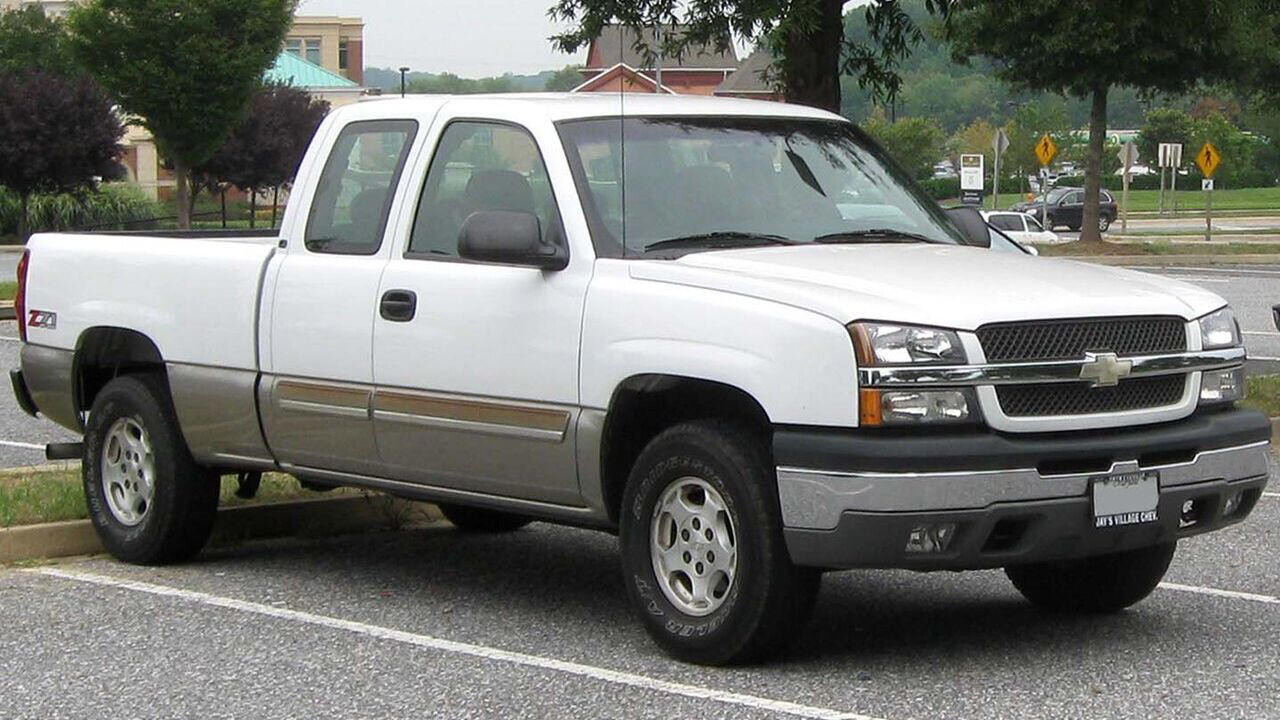
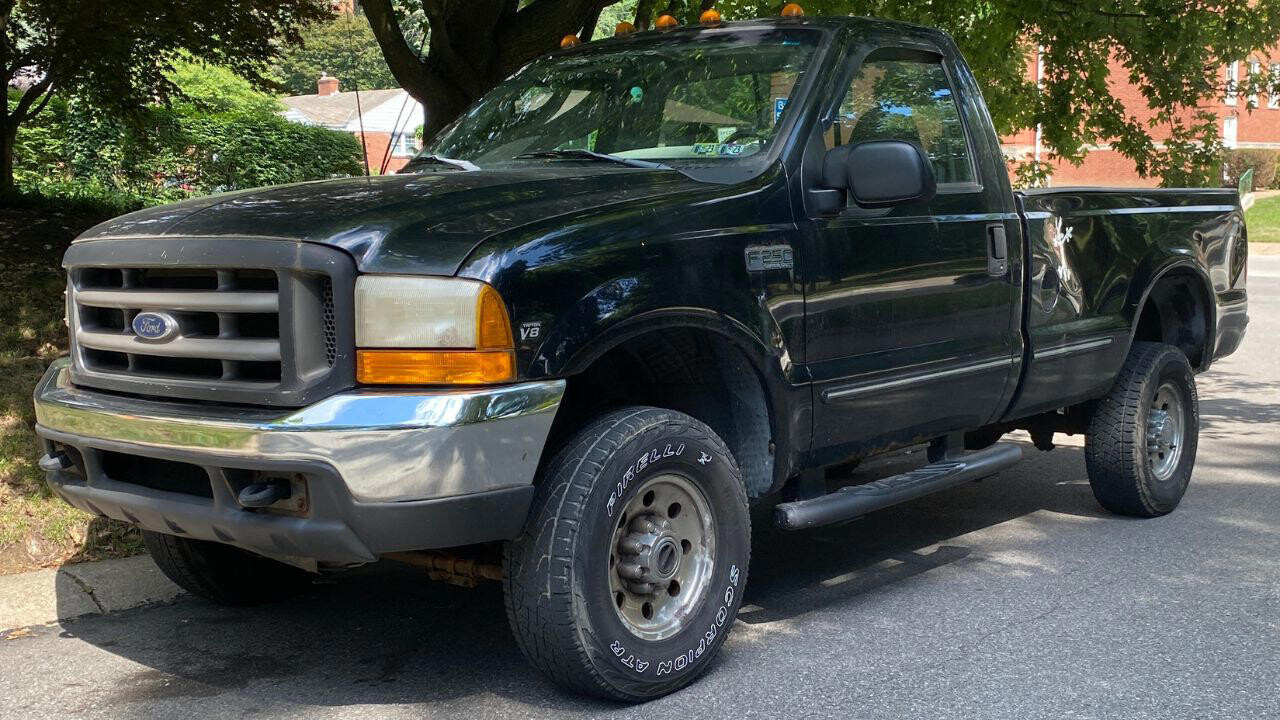
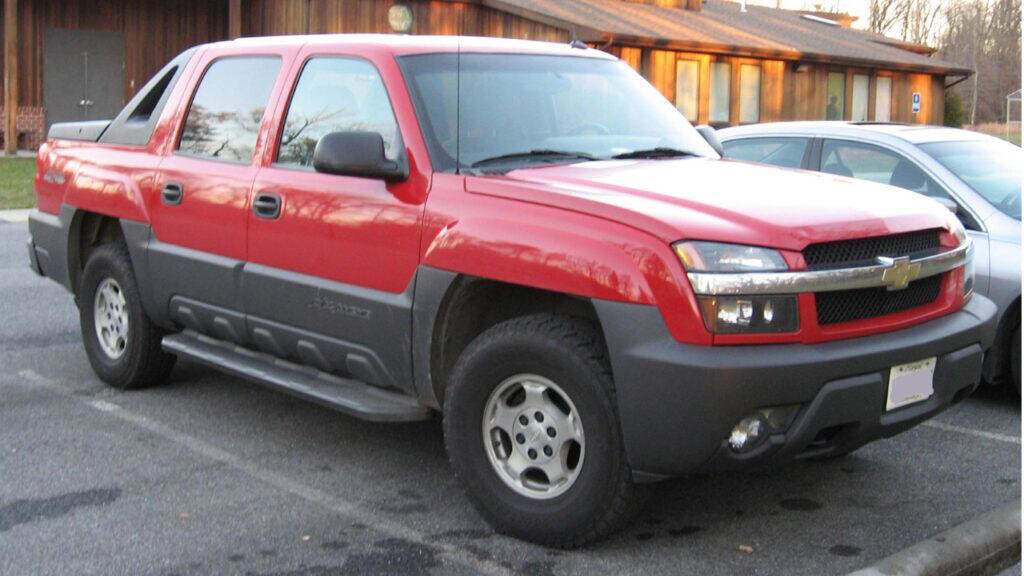
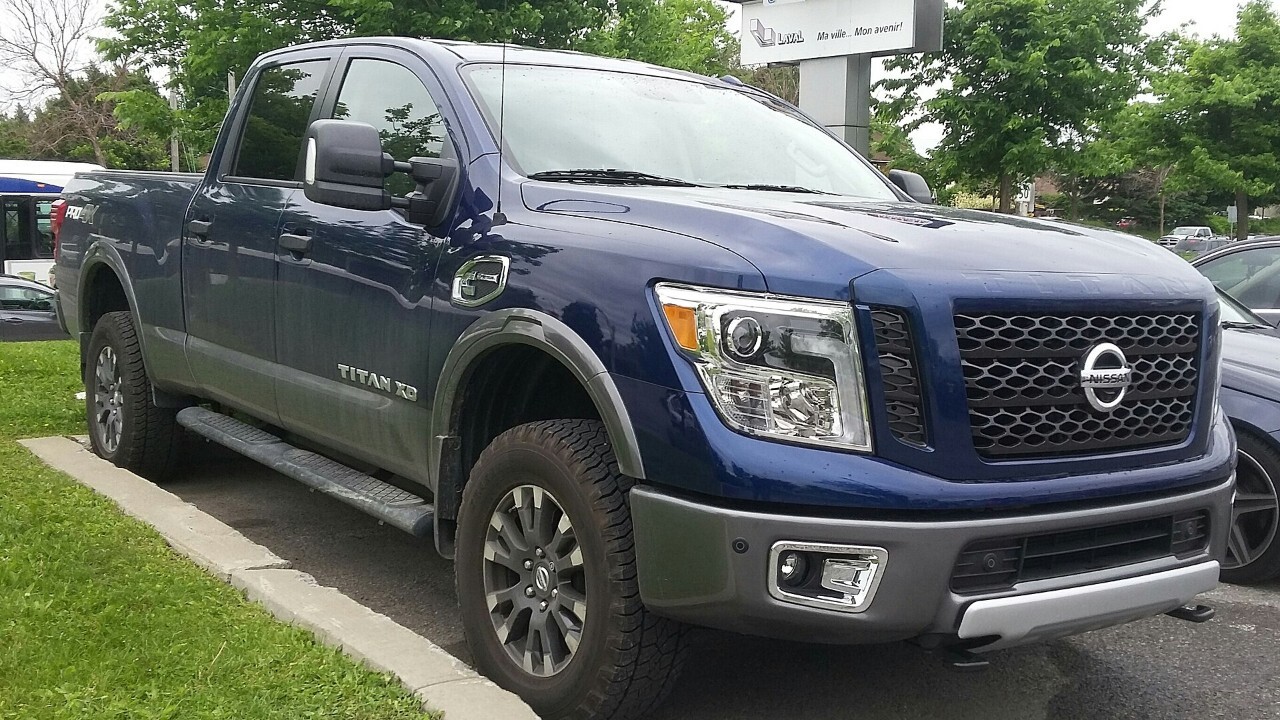
The International Travelette arrived for 1957 as the first factory crew-cab pickup from an American maker, and nobody at the job site had seen anything like it. Heavy-duty trucks have drawn eyes ever since, because size, stance and purpose make a strong first impression. In fact, a big pickup tells you what it does before the engine even starts. Not every workhorse wins hearts, however. Plenty of tough trucks blend into the parking lot and vanish from memory. Others pull a crowd at the fuel pump decades after they left the factory, whether they wear a flat fender, a farm-equipment badge or a modern aluminum body. These are our picks, ten heavy-duty pickups that we think turn heads wherever they park. The list runs from a postwar Dodge with military roots to a modern Ford that wears a six-figure price in top trim. The years, engines and figures come from our sources. However, the verdicts are our own opinion, so feel free to argue with them. 1. 1946 Dodge Power Wagon WDX Dodge introduced the civilian Power Wagon in February 1946, and its military roots showed everywhere. Underneath sat the chassis of the wartime three-quarter-ton weapons carrier, with the same 126-inch wheelbase. Power came from a 230-cubic-inch flathead six, which Cars.com’s history of the 1946–68 Power Wagon describes as somewhat underpowered. The price told its own story. At about $1,600, a new Power Wagon cost more than twice as much as a conventional half-ton pickup. Even so, Dodge built 2,890 civilian trucks in the first year. The truck carried a nominal one-ton rating, an 8,700-pound gross vehicle weight rating and a maximum payload of 3,000 pounds. It also used a four-speed manual and a two-speed transfer case. Our take: few trucks look this purposeful next to a modern pickup. The flat fenders, tall grille and exposed running gear make people stop and ask questions. In our view, the WDX turns heads because nothing about it pretends to be a car. If you want one, plan on patience at highway speeds and plenty of conversations at every fuel stop. 2. 1967 International Travelette crew cab International Harvester got to the crew cab first. The Travelette arrived for 1957 with two rows of seats for up to six people, so the whole bed stayed free for tools and cargo. As Jalopnik’s look at the first crew-cab truck explains, the first version had three doors, one for the driver and two for the crew. A full four-door body followed in 1961. Rivals took years to answer. Dodge offered its own crew cab in 1963, Ford followed in 1965, and Chevrolet waited until 1973. By then, the Travelette had spent more than a decade hauling work crews to job sites. Early sales were weak, though. Jalopnik counts only about 17 Travelettes among roughly 8,873 trucks built on that chassis for 1957. We think a 1967 Travelette turns heads because it looks familiar and odd at once. Today every pickup lot is full of four-door trucks, yet this boxy International did it first. Park one at a cruise night and you will likely spend the evening explaining the badge. In our opinion, that makes the International Travelette one of the most rewarding old trucks to own. 3. 1973 International 1210 pickup International launched its Light Line pickups in early 1969, and the square-rigged body shared its look with the Scout. For 1971, the company dropped the “D” from its model names and added a “10.” As a result, the range ran from 1010 to 1510 by weight rating, and the 1210 sits in the middle of that range. The 1971 trucks got a plastic grille, and a metal one replaced it the next year, so a 1973 truck like this one wears the metal grille. Under the hood, buyers could pick from International’s own V8s of 266, 304, 345 and 392 cubic inches. An AMC 258 six joined the list later in 1971. Late that year, International even offered a Bendix rear-wheel anti-lock system called the Adaptive Braking System. Few buyers paid for it, since the option was expensive. Also, in this generation only the 1210 series offered the International Travelette crew cab. Our take is simple: these trucks look like nothing from Detroit. The flat sides and upright cab give a 1210 a tough, almost industrial presence. International left the pickup business when Light Line production ended in 1975, and that adds to the appeal for us. If you find a solid one, you own a piece of farm-belt history that most people have never seen up close. 4. 1976 Dodge W200 Power Wagon From the 1957 model year, Dodge sold factory four-wheel-drive versions of its conventional pickups as the W-series, with Power Wagon badges on the fenders. The W-200 was the three-quarter-ton model. By 1976, it wore the newer body that Dodge introduced for 1972, which ran with different grilles and paint schemes through 1980. The 1970s brought real changes underneath. Dodge released the extended Club Cab in 1974, and it boosted sales. Then, for 1975, the four-wheel-drive system became full-time with a two-speed transfer case. That setup lasted until 1980, when the energy crisis pushed Dodge back to part-time four-wheel drive. A year later, Dodge dropped the Power Wagon name and switched to Power Ram. We like the 1976 W200 because it carries a famous name on an honest, everyday truck. It never had the military look of the original. Instead, it has a broad, confident face that fits a mid-1970s parking lot perfectly. In our view, a clean example with its fender badges intact gets more looks than most restored half-tons. Check the cab corners and the transfer case before you buy. 5. 1999 Ford F-350 Lariat FX4 Super Duty Ford split its heavy-duty pickups from the F-150 when Super Duty production began in January 1998. The trucks went on sale as 1999 models, and they looked much bigger than the light-duty F-Series beside them. In 1999 and 2000, the optional 7.3-liter Power Stroke turbo-diesel V8 made 235 horsepower and 500 lb-ft of torque. The Lariat was the top trim at the time. It added leather upholstery, a power front bench seat, wood interior trim, electronic climate controls and a chrome grille. Meanwhile, the FX4 package gave four-wheel-drive trucks upgraded Rancho shocks plus skid plates for the fuel tank and transfer case. It also swapped the usual “4×4” bedside decals for “FX4” lettering. Our take: the first Super Duty has aged into a classic shape. The tall hood and big chrome grille look bold even beside newer trucks. We think the Lariat FX4 combination is the one to find, because it pairs real off-road hardware with a cabin that felt upscale for its day. If you shop for one, a service record for the 7.3 diesel matters more than the mileage. 6. 2003 Chevrolet Silverado 2500HD regular cab 4×4 Chevrolet’s heavy-duty GMT800 trucks arrived for 2001, two model years after the Silverado name replaced the C/K line. The big news was the Duramax LB7 diesel V8, rated at 300 horsepower and 520 lb-ft of torque. Driving Line’s history of GM’s 2001–2007 HD trucks calls it the first diesel in the class to reach 300 horsepower. It also used aluminum cylinder heads, a first for diesels in the segment. Behind it sat the Allison 1000 automatic, a five-speed in these years, with adaptive shift logic and a Tow/Haul mode. Up front, the HD trucks used torsion bars and an independent front suspension. Four-wheel antilock disc brakes came standard on every 2500 and 3500 HD. Chevrolet also gave the whole line a light refresh for the 2003 model year. We think the regular-cab 4×4 is the sleeper of the group. Without the extra doors, the truck looks short, tall and all business, almost like a work truck from an earlier age. In our opinion, that clean profile turns more heads at a truck meet than another crew cab ever could. A regular-cab Duramax with a straight body is worth grabbing when you see one. 7. 2004 GMC Sierra 3500 SLT Dually GM added a 3500 model to its heavy-duty GMT800 trucks for 2001. The dual-rear-wheel version even had a nickname inside the company, since GM called it the “dooley.” Out back sat an AAM rear axle with an 11.5-inch ring gear and a choice of 3.73:1 or 4.10:1 gearing. The numbers made the case for it. According to archived 2003 figures in the same Driving Line history, a GM 3500 dually could haul up to 5,559 pounds. By comparison, the Dodge Ram 3500 dually managed 5,133 pounds and the Ford F-350 dually 5,455 pounds. GM’s 2002 brochure also rated fifth-wheel towing at up to 16,200 pounds. Our take: the SLT trim makes this GMC look dressed for dinner, while those wide rear hips say it can work all day. Few shapes on the road are as easy to recognize from behind as a dually. We think the 2004 Sierra 3500 SLT hits a sweet spot between comfort and capability. If you plan to tow with one, check the hitch area and frame for signs of a hard life. 8. 2011 GMC Sierra 2500HD Denali For 2011, GMC brought its Denali line to a heavy-duty pickup for the first time, according to GMC’s March 2010 announcement. The Sierra Denali HD came only as a four-wheel-drive crew cab with a standard box on the 2500HD chassis. It also rolled on polished forged aluminum wheels in 18- or 20-inch sizes. The hardware matched the polish. The 6.6-liter Duramax diesel made 397 horsepower and 765 lb-ft of torque, and it worked through a six-speed Allison 1000 automatic. GMC also put its 2011 heavy-duty trucks on new, fully boxed high-strength steel frames. With the diesel, GMC quoted a driving range of up to 680 miles between fill-ups. Meanwhile, buyers who skipped the diesel got a Vortec 6.0-liter V8 with a six-speed automatic. In our view, this is the truck that proved a heavy-duty pickup could feel like a luxury car. The chrome grille and big wheels give it real presence in a hotel parking lot or at the boat ramp. We would look for one with a documented service history and an untouched interior. Find that, and you get a truck that looks expensive and works hard. 9. 2016 Nissan Titan XD Nissan revealed the Titan XD at the Detroit auto show on January 12, 2015, and it did not fit neatly into any existing class. Nissan’s debut release promised the towing and hauling of a heavy-duty pickup with the fuel efficiency and affordability of a half-ton. To back up that claim, Nissan fitted a Cummins 5.0-liter turbo-diesel V8. That engine made 310 horsepower and 555 lb-ft of torque. Properly equipped, the truck could tow more than 12,000 pounds. Nissan also engineered an integrated gooseneck hitch into the frame. Assembly took place in Mississippi, with engines coming from Tennessee and Indiana. Later, Nissan also planned a gasoline V8 and its first V6 for this class, according to the same release. Our take: the Titan XD turns heads because people rarely expect a Nissan this big. The massive grille and tall hood give it a heavy-duty stance, even though it sits between classes. We think the Cummins diesel is the version to find, because that engine is the reason the truck exists. A well-kept 2016 crew cab makes an interesting alternative to the usual domestic choices. 10. 2019 Ford F-450 Super Duty Ford unveiled the fourth-generation Super Duty on September 24, 2015, at the State Fair of Texas. It was the first all-new Super Duty since 1998. The body used 6000-series aluminum alloy, while the frame was about 95 percent high-strength steel. As a result, Ford said the new trucks weighed up to 350 pounds less than comparable 2016 models. When this generation arrived for 2017, the 6.7-liter Power Stroke diesel made 440 horsepower and 925 lb-ft of torque. Meanwhile, the F-450 pickup came only as a crew cab until a regular cab joined for 2019. The F-450 also set a price record, because the 2018 model in Limited trim became the first factory pickup with a $100,000 sticker price. We think the F-450 earns its place because it looks like a commercial truck that learned good manners. The tall hood and huge grille make almost everything around it look small. In our opinion, no modern heavy-duty pickup draws more stares in a parking lot. That $100,000 Limited sticker also shows how far these trucks have come since the $1,600 Power Wagon of 1946.

 Liked by Alexander King, Carter Lewis














 Liked by Alexander King, Carter Lewis