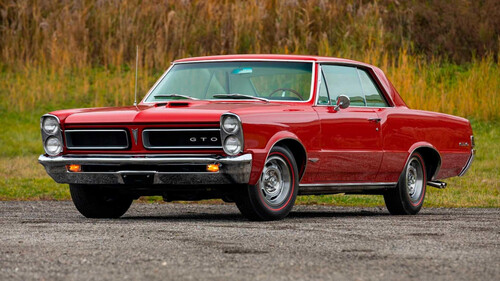
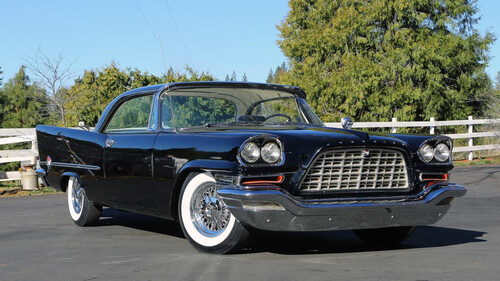
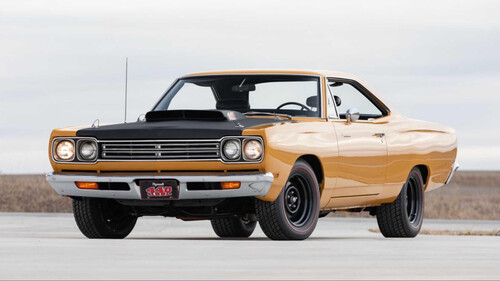
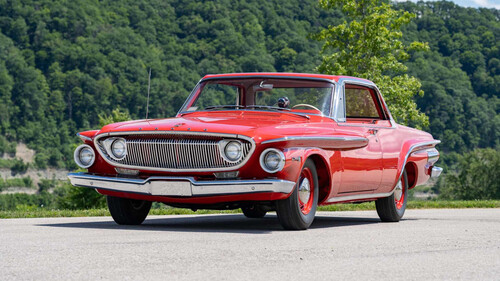
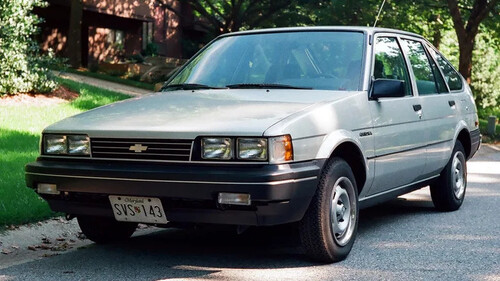
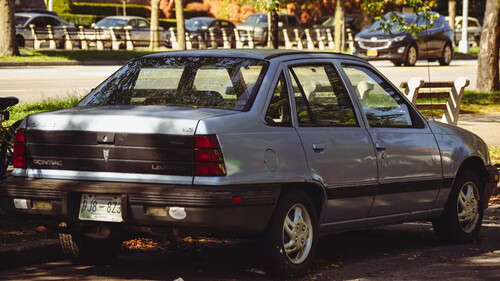
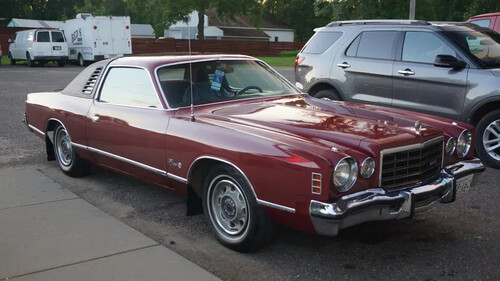
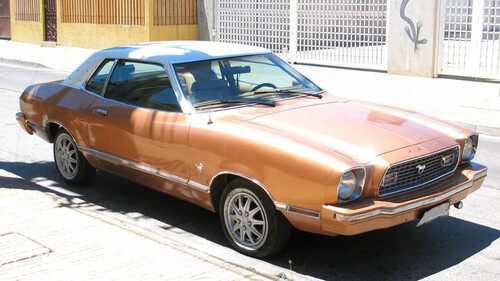
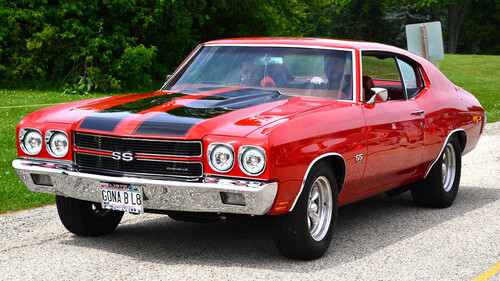
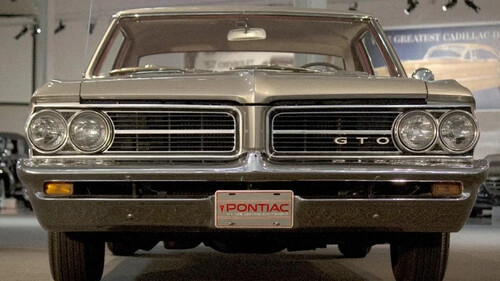
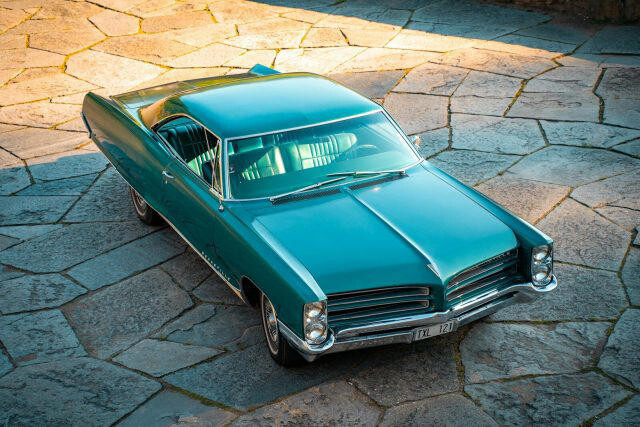
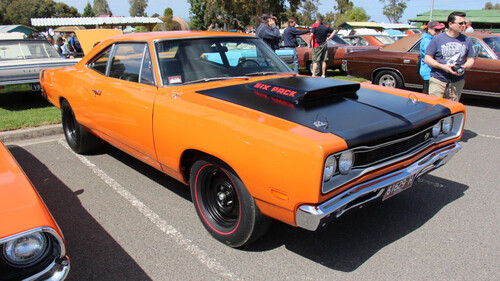
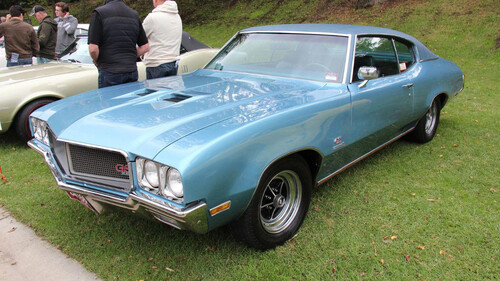
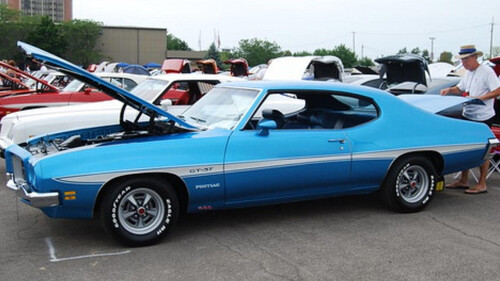
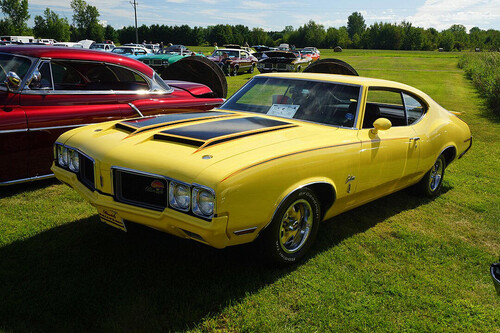
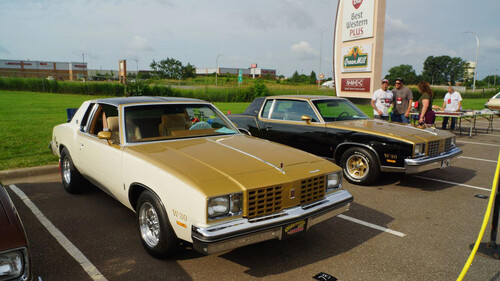
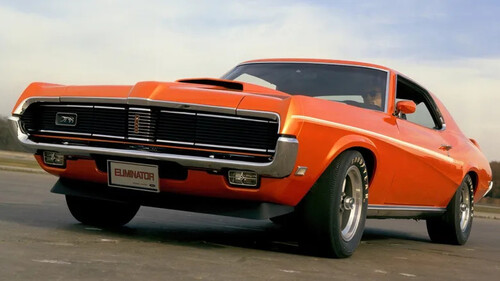
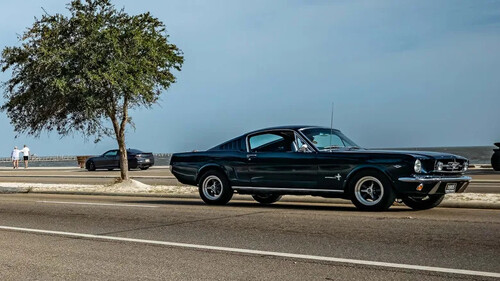
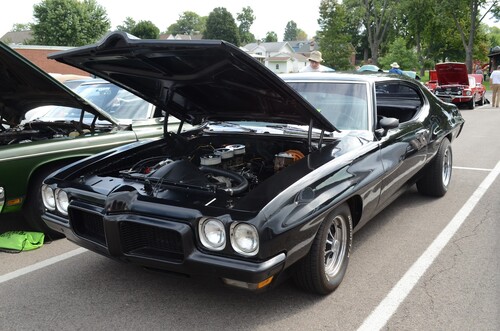
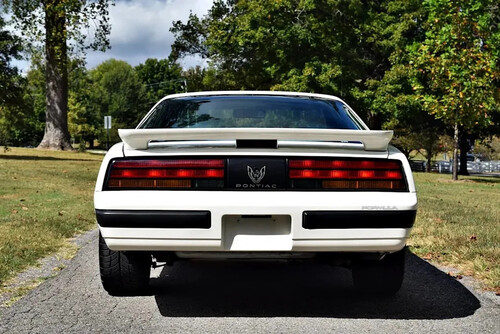
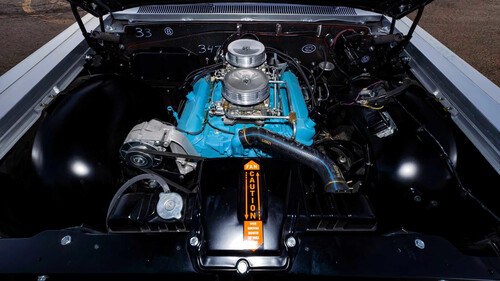
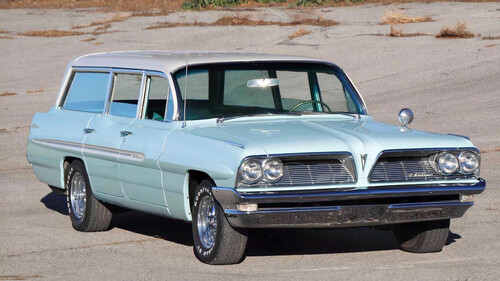
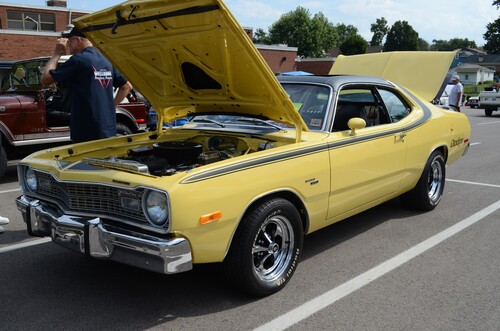
Charlotte Côté · 7 months ago@charlottecote155 of the most underappreciated Pontiac muscle cars Liked byPost commentRelated Posts10 baddest multi-carb classics of all timeJacob Walker · 18 days agoInside One of the World’s Greatest Collections of GM Dream CarsMia Hall · 21 days agoWhy In The World Did Pontiac Create A GTO Trim Called 'The Judge' In 1969?Jacob White · 18 days agoHere's Why James Garner Wouldn't Use '79 Firebirds On 'The Rockford Files'Charlotte Brown · 22 days agoWith This Ferrari GTO Re-Creation on BaT, You Don’t Need a Million to Look Like a MillionJacob Côté · 19 days agoTwo 1967 Firebirds, One Driveway: The Grammy Winner Who Wrenches Before Sunrise 47 · Sarah Wright · 23 days ago5 Muscle Car Redesigns That Totally Missed The MarkJacob Rogers · 20 days ago3 Things To Look For When Buying A Classic Car 15 · Henry Wilson · 23 days agoEvery V8 Engine That Powered The Pontiac GTOLily Campbell · 20 days agoToday in Collector Car History: The 1967 Chevrolet Camaro Went on Sale 60 Years Ago 22 · Oliver Lavoie · 24 days agoNissan Cedric, Range Rover Limousine, Hyundai Elantra TCR: The Dopest Cars I Found For Sale OnlineOliver Turner · 20 days agoThe V8 that changed muscle cars forever 11 · Liam Anderson · 24 days agoThis Numbers-Matching 1967 Pontiac GTO Spent 35 Years in a Museum. Now It's Headed to Vicari's Biloxi Sale 42 · William Macdonald · 23 days ago1978 Pontiac Trans Am For Sale With 94,000 Miles And Gold Finish Is Here For Your Rockford Files Fantasy 69 · Gabriel Moreau · 24 days ago10 classic muscle cars that made it to the movies 69 · Gabriel Labelle · 23 days agoMecum Nashville 2026 Results: Inaugural Sale Hits $66 Million, Led by Paul Newman's $935,000 Mustang 61 · Carter Lavoie · 25 days agoPontiac LeMans Vs GTO: Are They Really Just The Same Car? 95 · Audrey Anderson · 23 days agoUnsung V8 performance: Exploring underrated American muscle cars of the 1960s 94 · Henry Roy · 25 days ago19 muscle cars that only true fans fully understand 23 · Samuel Macdonald · 26 days agoBarrett-Jackson's Founders Just Made the Automotive Hall of Fame, 63 Years After a Cadillac Ad Introduced Them 82 · Mia Wilson · 27 days ago