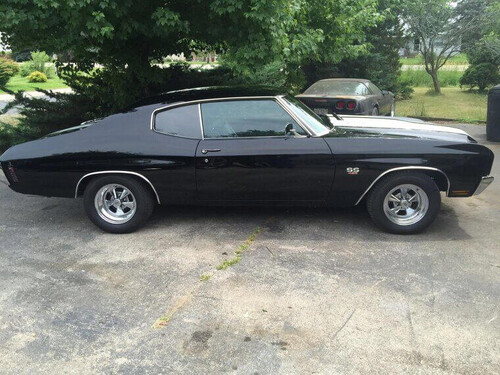
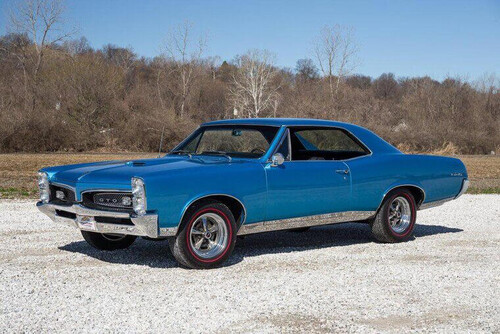
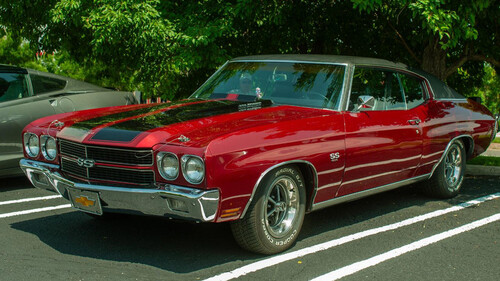
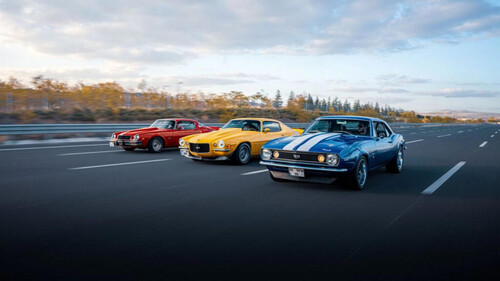
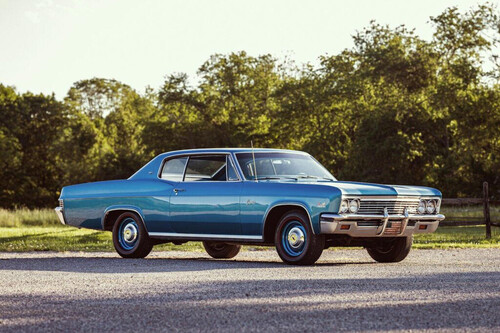
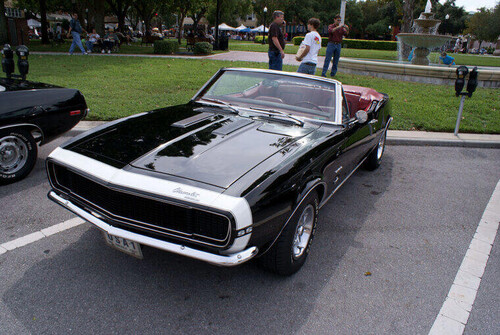
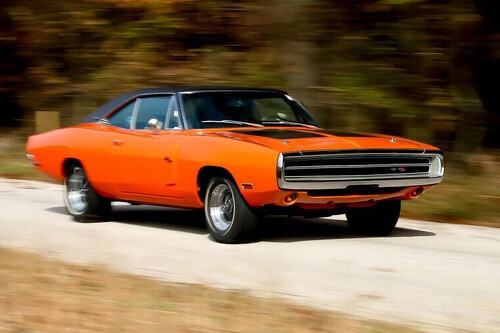
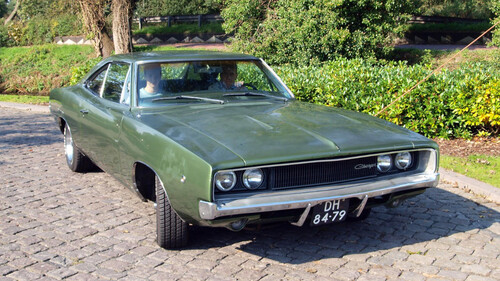
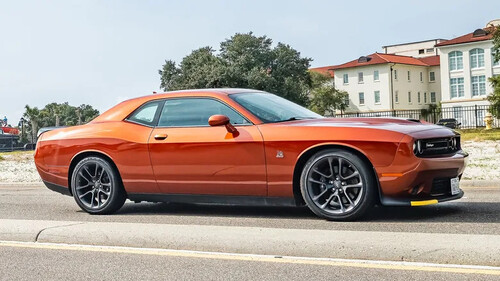
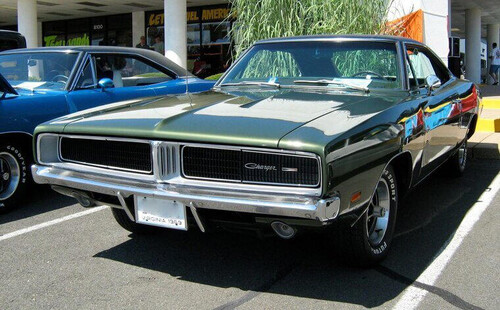
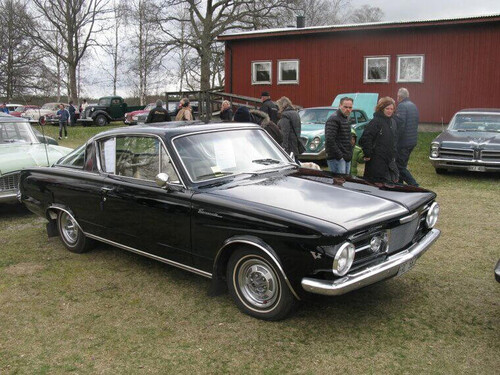
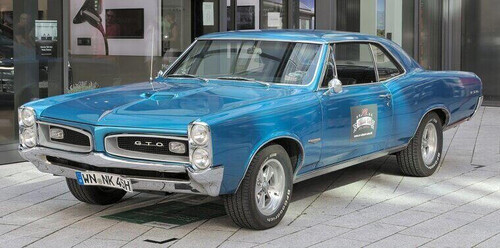
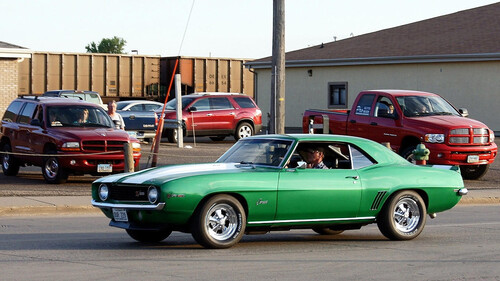
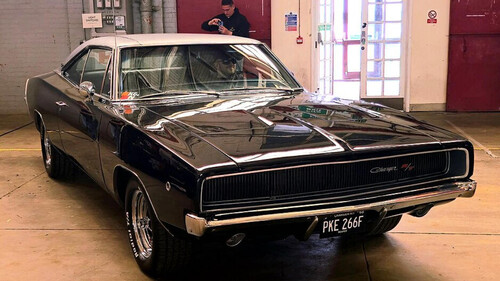
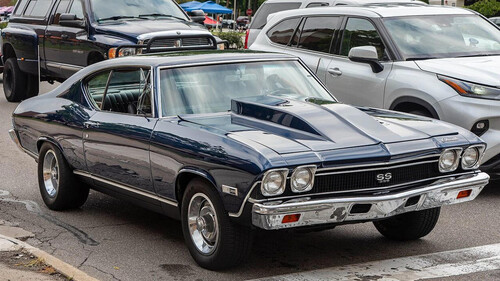
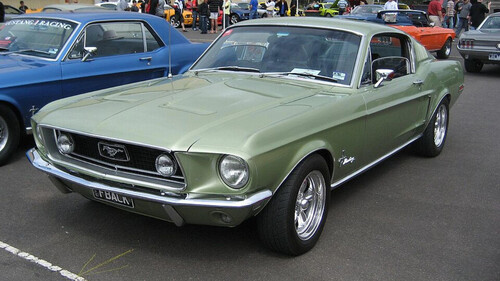
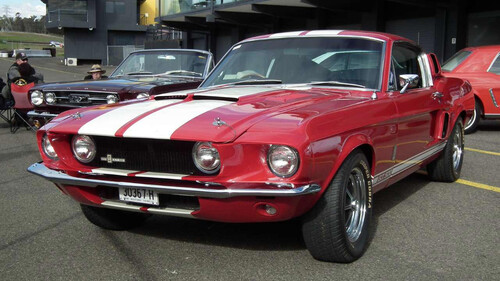
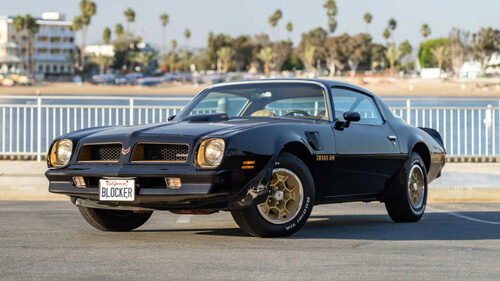
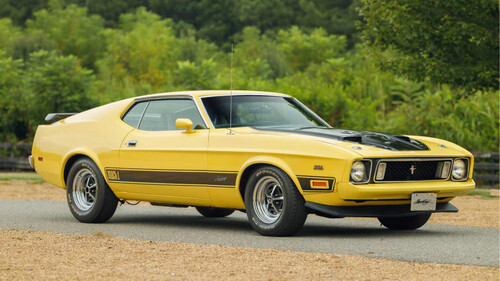
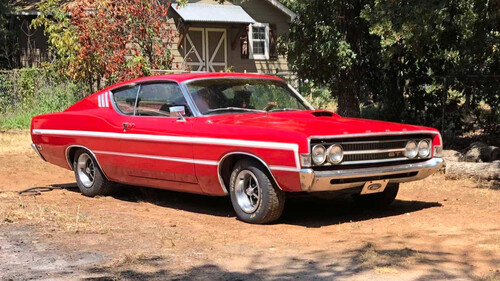
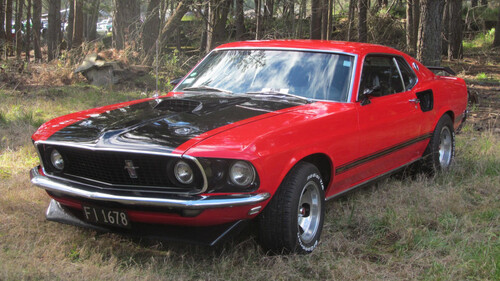
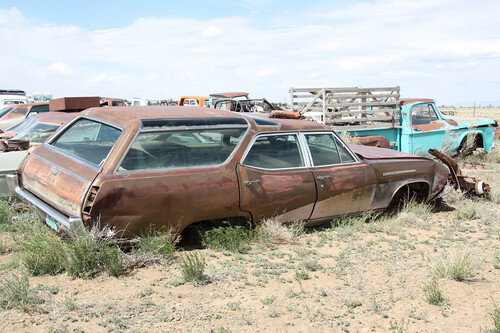
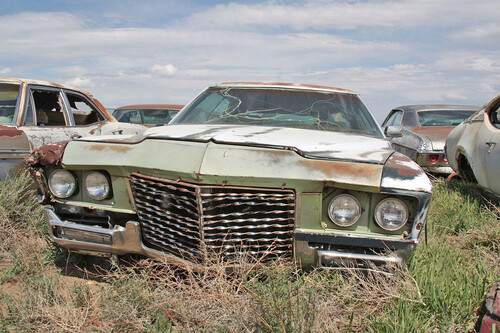
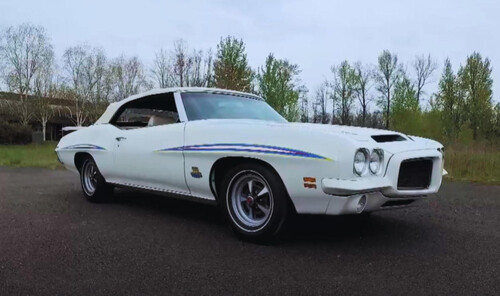
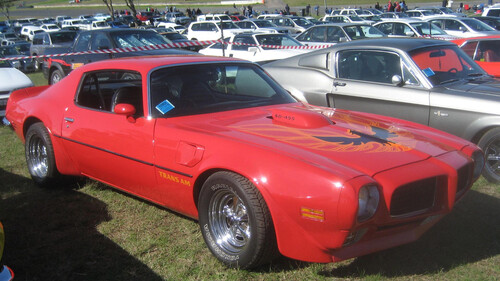
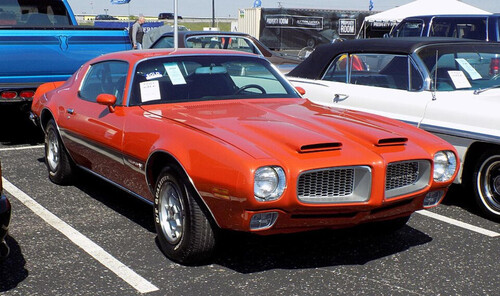
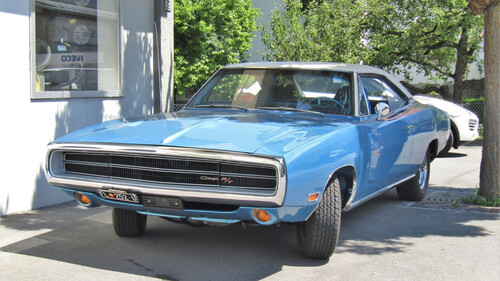
three red, blue, and teal classic carsThe allure of the American muscle car has always centered on the tough looks, rowdy V8s, throaty exhausts and the ties to car-culture lore in the USA, but also, on the steep prices of high profile, Hemi ‘Cuda, Shelby Mustang, and big-block Charger models. It’s true that most of them have prices that go beyond what most people can afford, though, it doesn't necessarily mean that no coveted muscle car is out there to be had. Luckily, several classic 1960 and 1970's American makes and models can still be found at a reasonable amount if someone is willing to look beyond the top tier engine, accept a later year model, and don't need their car to be absolutely perfect. Relative Affordability Of The Classic Car Market The affordability in the world of classic cars, however, is and always has been subjective. Differences in condition, originality, factory fitted options, paperwork, gearbox preference, quality of any restoration performed and the local demand can put quite a different valuation on two otherwise similar machines. The prices shown below are, therefore, indicative market-value price guides and not guaranteed buying or selling prices. Special engines or pristine, untouched vehicles can, as expected, be a lot more and 'project' cars may look cheaper until work starts. No, these ten vehicles all have actual connections to the golden age of American performance without an automatic jump to collector car pricing at $100,000+. There are intermediate coupes and pony cars, a big Chevy, and even a couple of weird choices from car makers that went up against the most famous Detroit muscle-car muscle. Each has a unique compromise on speed, looks, comfort, collectibility and maintenance hassle, but with proper examination, even a base model or rare variation can give you great classic V-8 character, pleasingmechanical purity, and real road authority for not a ton of money.10 Classic Muscle Cars That Offer Performance and Style for Budget Collectors1. 1973 Dodge Charger Rallye Perhaps the most inexpensive way to own a piece of Mopar history is this 1973 Dodge Charger Rallye an average example has been listed in some guides for around $15,000. In reality, the muscle-car boom has long since run its course, partially thanks to increasing insurance premiums, the federal emissions standards, and buyer demand for something more in line with their personal-luxury needs. But you can't argue this long hood, wide body, rear-drive, rear-wheel-drive V-8 powered Dodge in Rallye trim. Key Features of the Charger Rallye: Affordable entry into classic Mopar ownership Retained imposing long-hood body proportions Offered traditional rear-wheel-drive V8 performance Rallye package added sportier styling Combined performance with personal luxury The 340 V-8 was among the more desirable engine options, and generally produced around 240 horsepower and 290 pound-feet of torque, not as potent as the top high-performance late-‘60s Chargers but still provided the appropriate soundtrack and feel expected from an old small-block Mopar. The rallye package provided a number of options to help distinguish itself from more sedate Charger versions of the era, including front and rear sway bars, special stripe packages, unique badging, hood treatments and more. But it is the 1973 Rallye’s lower price tag compared to the earlier models that appeals, though prospective buyers should examine any vehicle very thoroughly. Corrosion can arise in the area of the quarter panels, floors, trunk, associated framework elements and window openings. Correct original Rallye equipment and identifying codes on the fender tag and paperwork will significantly influence value, as regular Chargers will sometimes be made over to resemble their higher-valued siblings. An honest and properly maintained car might represent better value to the ownership experience than one that looks shiny but conceals bad repairs, corrosion, or misrepresented factory equipment.1971 Chevrolet Chevelle SS2. 1971 Chevrolet Chevelle SS Of Chevrolet’s muscle-car era cars of the 1971 Chevrolet Chevelle SS represents one of the most commonly seen silhouettes from the period. Driver quality examples could fall into the mid-$20k mark if you’re really lucky on the market, with highly original, numbers-matching big blocks demanding significantly higher figures. Redesigned front and rear styling let the ’71 stand apart from previous Chevelles, while it still retains that signature second generation wide shoulder line, long hood and muscle body proportions. It’s got old-school attitude but also a practical passenger cabin that can accommodate weekend cruises. Important Qualities of the Chevelle SS: Features recognizable classic muscle-car styling Offers several powerful V8 configurations Provides spacious and practical cabin Benefits from extensive parts availability Requires careful factory SS authentication Chevrolet presented several choices of V8 engines, and engine options significantly altered performance and desirability. Depending on what engine you selected in period trim, a 350 ci small-block might produce about 270 HP and 360 torques, while bigger displacement engines offered more power and would command higher collectible prices today. Chevrolet's body style, layout (front engine, RWD) and straightforward engineering are readily understood by many domestic restoration businesses and aftermarket suppliers make it easy to find replacement mechanical components that enable engine, transmission, steering, brakes, suspension, and so forth to be refurbished. Authentication is essential as the desirability of the SS has driven many normal Chevelles into fake forms. Before dropping the additional cash on purported “factory” SS models look over VIN, build sheet, trim tag, engine stamping, transmission, and history of ownership. Maintenance items typically found to be in need of attention are steering components, wheel bearings, suspension bushings, power steering pumps, brakes, and the cooling system. Engine frame areas and past body damage also warrants close investigation as doing bodywork right often costs far more than mechanically fixing.3. 1971 Ford Torino GT A 1971 Ford Torino GT can also offer fastback styling, options like a V8 motor, and easy mile-crunching ability, and you can often get the Mustang equivalent for a lot less than this Ford can be purchased for. Most market guides have driver quality vehicles close to $25,000 but body style, motor/tranny choice, originality and condition have very different effects on values. The Torino was Ford's intermediate workhorse, the GT turned it into a sporty package for customers, and customers could have a SportsRoof or a convertible that offer dramatic styling and still had usability on the inside. Major Advantages of the Torino GT: Costs less than comparable Mustangs Offers dramatic SportsRoof fastback styling Provides strong available V8 performance Delivers comfortable long-distance cruising ability Includes useful passenger and cargo space The frequently cited setup employs a Ford 351ci V8, putting out around 285 hp and 370 lb-ft of torque in factory guise, good for sub seven-second 0-60 capability when conditions are right. Ford did have bigger (and more powerful 429-cu in.) engines for those with a preference for straight-line speeds. Because of strong production numbers, the Torino GT can generally be had for less money than many of its contemporaries (especially those with far smaller numbers built), and its long wheelbase and considerable body mass don’t suit it to being a weight-wrestling performance machine as much as a comfortable touring ride. An inspection by a prospective buyer must include an thorough check of lower body and floors, trunk, rear quarters, cowl, frame-related sections and the edges of the roof for corrosion. Fastback glass, trim components,interior parts, and body components that were unique to a specific model can be harder to locate than generic parts. Engine and trans should also be evaluated, as poorly maintained fuel, lue or cooling systems can lead to large repair bills. A neglected Torino GT still offers the distinct mid-seventies Ford styling and comfort of V-8 highway traveling; a much less expensive choice than comparably designed Ford muscle cars of that decade.4. 1969 Plymouth Barracuda Formula S 383 The 1969 Plymouth Barracuda Formula S 383 represents a highly desirable combination of compact dimensions and serious big-block power. General value estimates near $25,000 may apply only to certain conditions or configurations, as authentic and correctly restored 383 cars can command considerably higher prices. The model belongs to the second-generation Barracuda range, which was offered in fastback, notchback, and convertible forms. Its lighter A-body platform gave the 383 engine less mass to move than many larger intermediate muscle cars carried. Defining Features of Formula S 383: Combines compact size with big-block power Uses Plymouth’s lightweight A-body platform Offers three distinctive body styles Produces strong period acceleration performance Requires detailed originality and documentation checks The 383-cubic-inch, or approximately 6.3-liter, V8 was commonly rated at 330 horsepower and 425 pound-feet of torque. Period performance estimates suggest that a properly equipped Formula S 383 could reach 60 mph in the mid-five-second range, making it genuinely quick by late-1960s standards. The Formula S package also brought performance-oriented suspension and appearance equipment. Inside, buyers received a cabin featuring bucket seats and period trim, combining Plymouth’s practical compact-car origins with the stronger personality expected from an increasingly serious performance model. Big-block Barracudas require careful inspection because their rarity and value have encouraged conversions and incorrect restorations. Buyers should verify the fender tag, broadcast sheet, VIN, engine stampings, transmission, axle, and original option codes whenever possible. The confined engine bay can also make cooling and maintenance more demanding than on a larger car. Rust commonly affects floors, torsion-bar mounting areas, quarter panels, frame rails, trunk sections, and window surrounds. A properly authenticated example offers exceptional Mopar character, but purchasing without documentation can expose buyers to expensive surprises.5. 1967 Chevrolet Impala SS The 1967 Chevrolet Impala SS delivers a different kind of muscle-car experience by combining V8 performance with the comfort and scale of a full-size Chevrolet. Selected examples may appear around the mid-$20,000 range, although original big-block cars, convertibles, and exceptionally restored vehicles often cost substantially more. Its broad body, sweeping roofline, long wheelbase, and spacious interior create a commanding road presence. Unlike smaller pony cars, the Impala SS can comfortably carry several passengers while still providing classic rear-wheel-drive character. Principal Strengths of the Impala SS: Combines performance with full-size comfort Provides generous space for passengers Features commanding classic Chevrolet styling Offers multiple available V8 engines Delivers relaxed long-distance highway cruising A 327-cubic-inch, or approximately 5.4-liter, V8 could produce around 275 horsepower and 355 pound-feet of torque, depending on its exact specification. In this configuration, the Impala offered respectable rather than brutal acceleration, reaching 60 mph in roughly the upper-seven-second range. More powerful engine choices were available for buyers seeking stronger performance. SS equipment added visual and interior distinctions that could include bucket seats, special trim, unique wheel treatments, upgraded instrumentation, a blacked-out grille, and other details reinforcing its sporty full-size identity. The Impala’s size contributes to its comfortable highway behavior, but it also means restoration can involve large quantities of sheet metal, trim, upholstery, and weather sealing. Buyers should examine the frame, body mounts, floors, trunk, rear quarters, lower fenders, roof channels, and window surrounds for corrosion. Missing SS-specific trim and interior equipment can be expensive to replace. A sound, accurately represented example remains an appealing choice for enthusiasts who value smooth cruising, passenger space, and unmistakable Chevrolet styling as much as maximum acceleration.6. 1968 Chevrolet Camaro The 1968 Chevrolet Camaro provides one of the most recognizable entry points into first-generation pony-car ownership. Some driver-quality V8 examples may be found around the upper-$20,000 range, although authentic SS, Z/28, big-block, and highly original cars can command far higher prices. The 1968 model refined the design introduced a year earlier while removing the side vent windows and adding revised exterior details. Its compact proportions, long hood, short rear deck, and broad engine selection helped establish the Camaro as Ford Mustang’s strongest direct competitor. Notable Qualities of the 1968 Camaro: Offers iconic first-generation pony-car styling Includes broad selection of engines Maintains compact rear-wheel-drive proportions Benefits from excellent aftermarket support Requires extensive structural rust inspection Engine output depends heavily on configuration because Chevrolet offered several inline-six and V8 choices. A 327-cubic-inch V8 could range from relatively modest output to approximately 275 horsepower in stronger versions. More powerful small-block and big-block engines were also available. Durable manual transmissions, including versions from the Muncie family, contributed to the Camaro’s performance reputation. Even less powerful models can feel engaging because of their mechanical controls, rear-wheel-drive balance, compact body, and the strong aftermarket support available for nearly every major system. Rust remains one of the most serious concerns when evaluating a first-generation Camaro. Buyers should inspect the floor pans, trunk, rocker panels, quarter panels, wheel arches, cowl, front subframe mounting points, and areas around the windscreen and rear window. Poorly completed restorations may hide corrosion beneath fresh paint or body filler. Documentation is essential when a seller claims rare factory equipment. A standard V8 Camaro with honest specifications and sound bodywork may provide better value than an inaccurately represented clone carrying a premium price.A classic turquoise convertible car driving on a road7. 1967 Pontiac GTO The 1967 Pontiac GTO represents one of the foundational models of the American muscle-car movement. Approximate values near $27,000 may reflect selected driver-quality vehicles, but genuine GTOs with desirable engines, factory options, excellent documentation, or concours restorations can be significantly more expensive. The model received refined styling for 1967, including updated grille treatments and revised rear lighting. Its combination of an intermediate body, powerful V8, distinctive design, and aggressive marketing helped define the formula that rival manufacturers followed throughout the decade. Key Attributes of the Pontiac GTO: Helped establish the muscle-car formula Features powerful 400-cubic-inch V8 engines Offers manual and automatic transmissions Combines performance with comfortable equipment Requires verification against common replicas Pontiac’s standard 400-cubic-inch V8 produced approximately 335 horsepower when equipped with a four-barrel carburetor. A higher-output version offered around 360 horsepower, while the rare Ram Air package added functional breathing equipment and stronger performance intent. Buyers could select manual transmissions with Hurst shifters or the Turbo Hydra-Matic automatic. The cabin combined sport and comfort through bucket seating, a woodgrain-style dashboard, optional instrumentation, and the memorable hood-mounted tachometer available on suitably equipped examples. Because the GTO is valuable and widely admired, converted Pontiac LeMans and Tempest models are common. A clone can still be an enjoyable car, but it should never be priced or represented as an authentic factory GTO. Verification should include the VIN, data plate, Pontiac Historical Services documentation, engine codes, transmission details, axle information, and original option records. Rust, worn suspension, inadequate brakes, overheating, and deteriorated wiring are also important concerns. A genuine, carefully maintained example provides one of the purest experiences from the classic muscle-car era.8. 1969 Ford Mustang GT The 1969 Ford Mustang GT offers strong performance and rarity within one of America’s most recognizable vehicle families. Some market references place selected examples near $27,000, although documented factory GTs can sell for much more depending on engine, body style, transmission, and restoration quality. Ford expanded the Mustang substantially for 1969, giving it a wider body and more aggressive appearance. The GT package competed for attention with the new Mach 1, which ultimately became the more widely recognized performance trim during that model year. Distinguishing Features of the Mustang GT: Combines rarity with recognizable styling Features widened and aggressive bodywork Offers strong 351-cubic-inch V8 performance Includes several performance-focused equipment choices Requires accurate factory GT verification A 351-cubic-inch V8 could produce approximately 290 horsepower and 355 pound-feet of torque, providing acceleration to 60 mph in just over six seconds under suitable conditions. Buyers could pair the engine with a four-speed manual or automatic transmission, while a Traction-Lok nine-inch rear axle improved power delivery. Only a limited number of GT-package Mustangs were produced in 1969, making correct identification important. Styled steel wheels, sport-related trim, and optional aerodynamic accessories helped create an appearance similar to other high-performance Mustangs. Rust can affect the floors, cowl, frame rails, torque boxes, trunk, quarter panels, shock towers, and window channels. A leaking cowl may allow water into the cabin and require extensive disassembly to repair correctly. Buyers should also verify factory GT equipment through original documentation because standard Mustangs are frequently modified with reproduction badges and trim. A properly authenticated car provides rarity and strong collector appeal, while an accurately represented tribute can offer similar visual enjoyment at a lower price when originality is not the purchaser’s main priority.9. 1969 AMC AMX The 1969 AMC AMX stands apart from conventional muscle cars because it used a two-seat body on a wheelbase 12 inches shorter than the related Javelin. Approximate driver-quality values may begin around the upper-$20,000 range, although rare colors, engines, options, and highly original examples can command more. AMC developed the car to demonstrate that the company could compete with larger Detroit manufacturers in performance and design. Its compact proportions gave it a distinctive identity within a market dominated by four-seat coupes and larger intermediate models. Unique Characteristics of the AMC AMX: Features unusual two-seat muscle-car layout Uses shortened AMC Javelin platform Delivers strong performance through low weight Demonstrated impressive speed and durability Remains rarer than mainstream competitors A 343-cubic-inch, or approximately 5.6-liter, V8 produced around 280 horsepower and 365 pound-feet of torque. Combined with the AMX’s relatively low weight, this output could deliver a 60-mph time slightly above six seconds. Buyers could select a four-speed manual or Shift-Command automatic transmission, along with power front disc brakes and other performance equipment. Prepared AMXs also demonstrated remarkable endurance, with Craig Breedlove’s team using modified cars to establish numerous speed and durability records that supported AMC’s performance credibility. AMC produced just over 8,000 two-seat AMXs for the 1969 model year, making surviving examples less common than many contemporary Mustangs or Camaros. That rarity can complicate restoration because model-specific body, trim, glass, and interior pieces may be difficult to locate. Buyers should inspect the floors, rocker areas, quarter panels, suspension mounting points, frame-related structure, and previous fiberglass or filler repairs. A complete, structurally sound example offers unusual styling, strong performance, and an important alternative perspective on America’s muscle-car competition.10. 1973 Pontiac Firebird Trans Am The 1973 Pontiac Firebird Trans Am combines one of the decade’s most recognizable designs with the continued availability of a large-displacement V8. Prices vary dramatically because ordinary 455-powered cars, rare Super Duty examples, restorations, and modified vehicles occupy completely different market levels. The model’s bold front end, flared bodywork, functional appearance details, and large hood bird created an unmistakable identity. It preserved serious performance character during a period when emissions requirements and changing fuel concerns were reducing horsepower throughout the industry. Defining Features of the Trans Am: Features instantly recognizable exterior styling Retains large-displacement 455 V8 power Provides substantial low-speed engine torque Preserved performance during declining horsepower Standard versions remain relatively accessible A standard 455-cubic-inch, or approximately 7.5-liter, V8 produced around 250 net horsepower and 370 pound-feet of torque, depending on the exact configuration. Although the number appears modest compared with earlier gross-horsepower ratings, the engine’s displacement and torque still gave the Trans Am strong road performance. Period estimates placed acceleration to 60 mph in approximately the upper-six-second range. The exceptionally rare Super Duty 455 delivered greater capability and is now far too valuable to qualify as an inexpensive collector car. Buyers should inspect the rear frame rails, floors, trunk, quarter panels, spring mounting areas, roof, cowl, window channels, and any T-top openings for corrosion or water damage. Age can also affect wiring, gauges, interior plastics, cooling systems, suspension bushings, steering components, and vacuum-operated equipment. Correct engines, transmissions, body panels, spoilers, shaker assemblies, and trim can materially influence value. A well-maintained standard Trans Am provides dramatic styling and substantial V8 character without requiring the enormous budget associated with a documented Super Duty model.