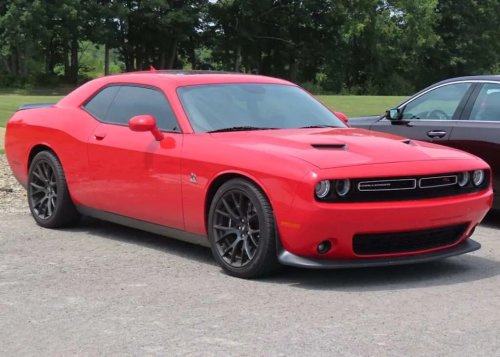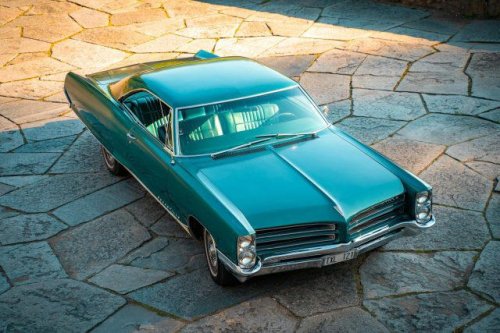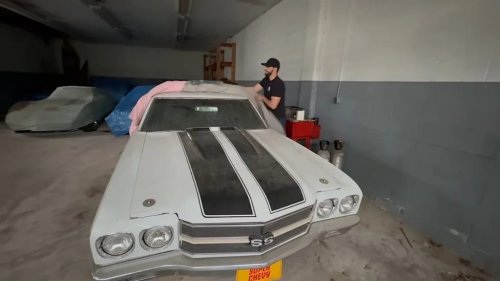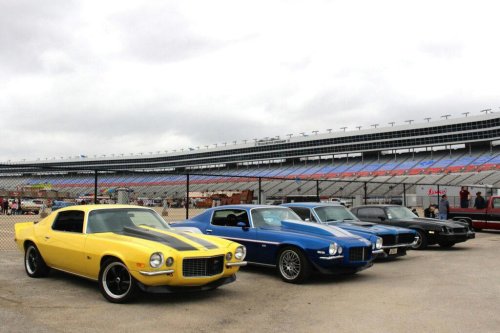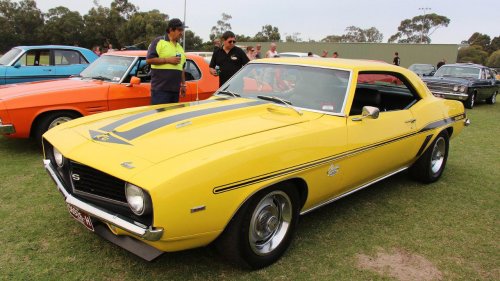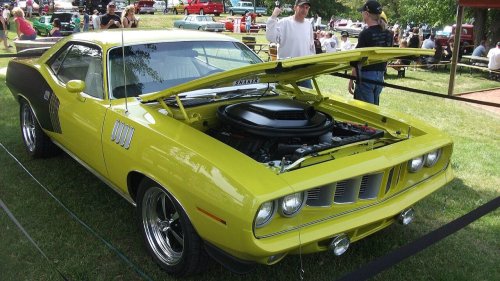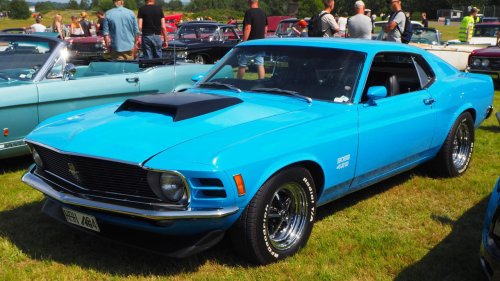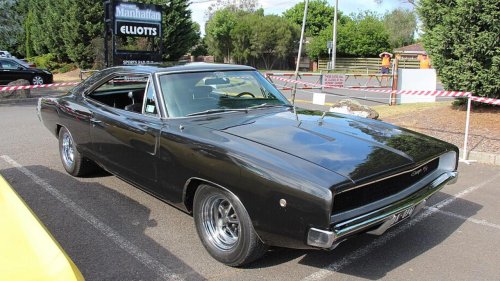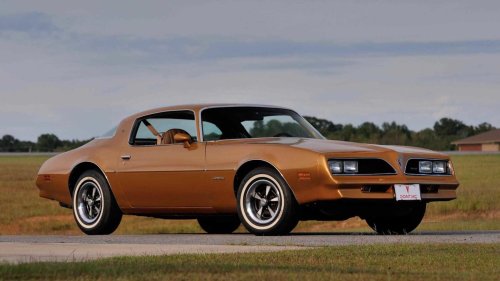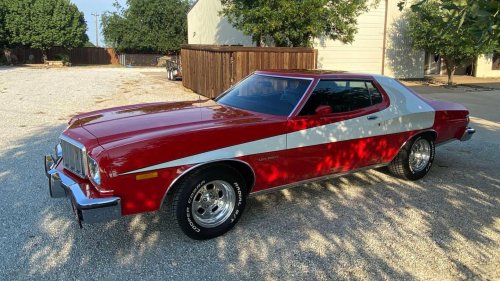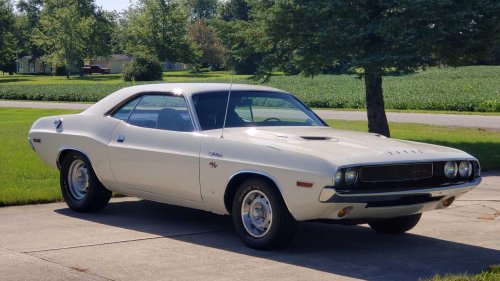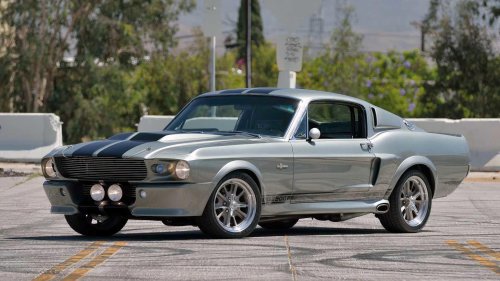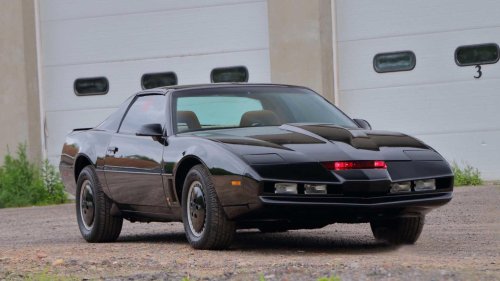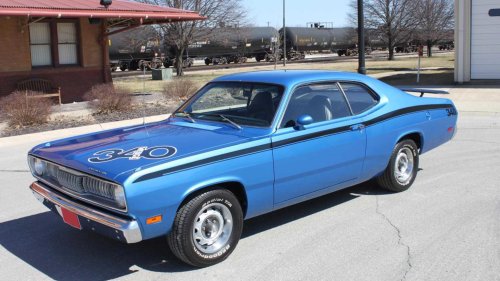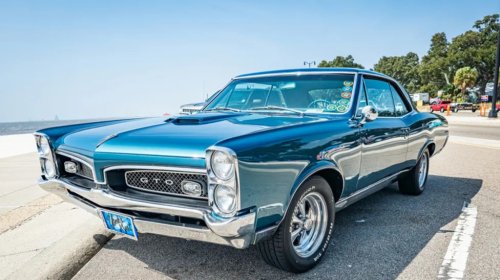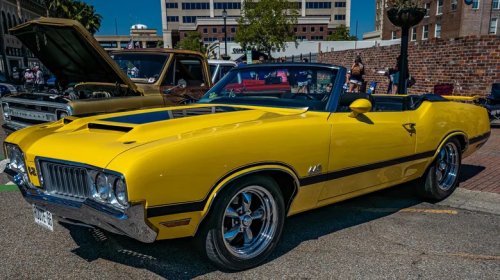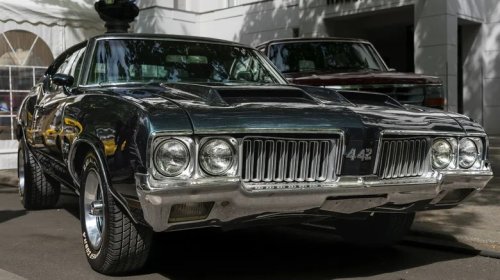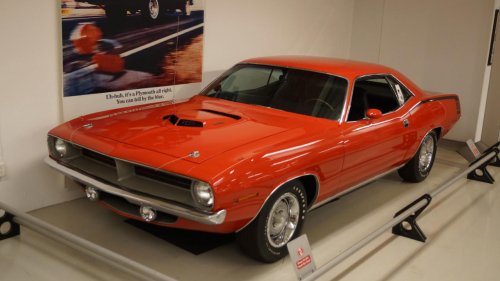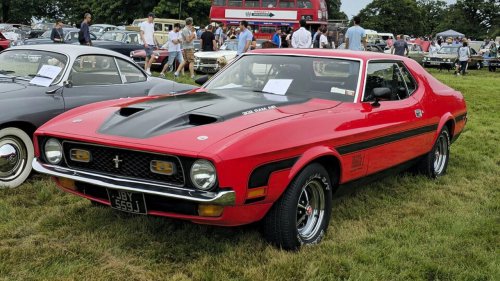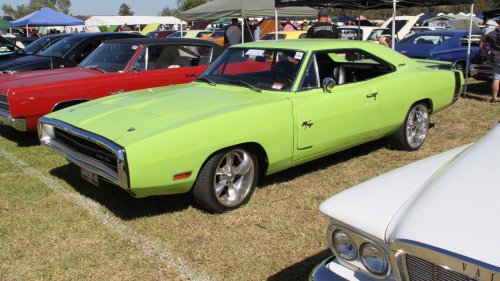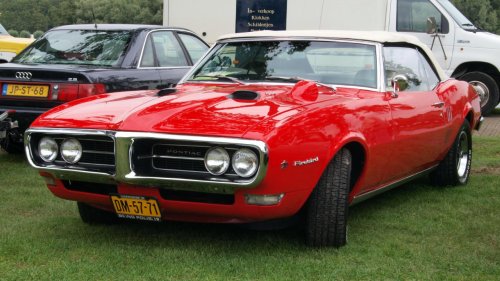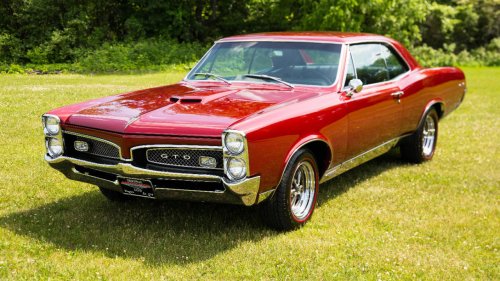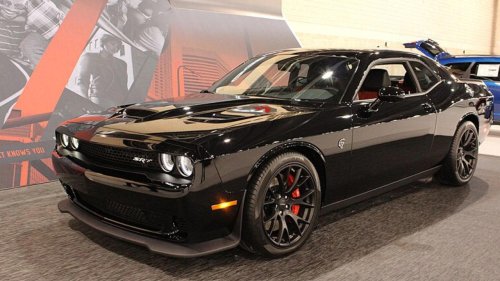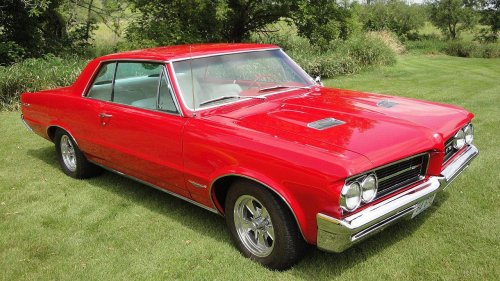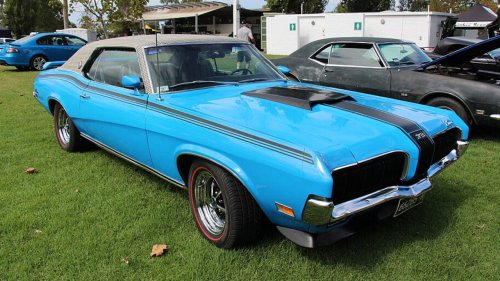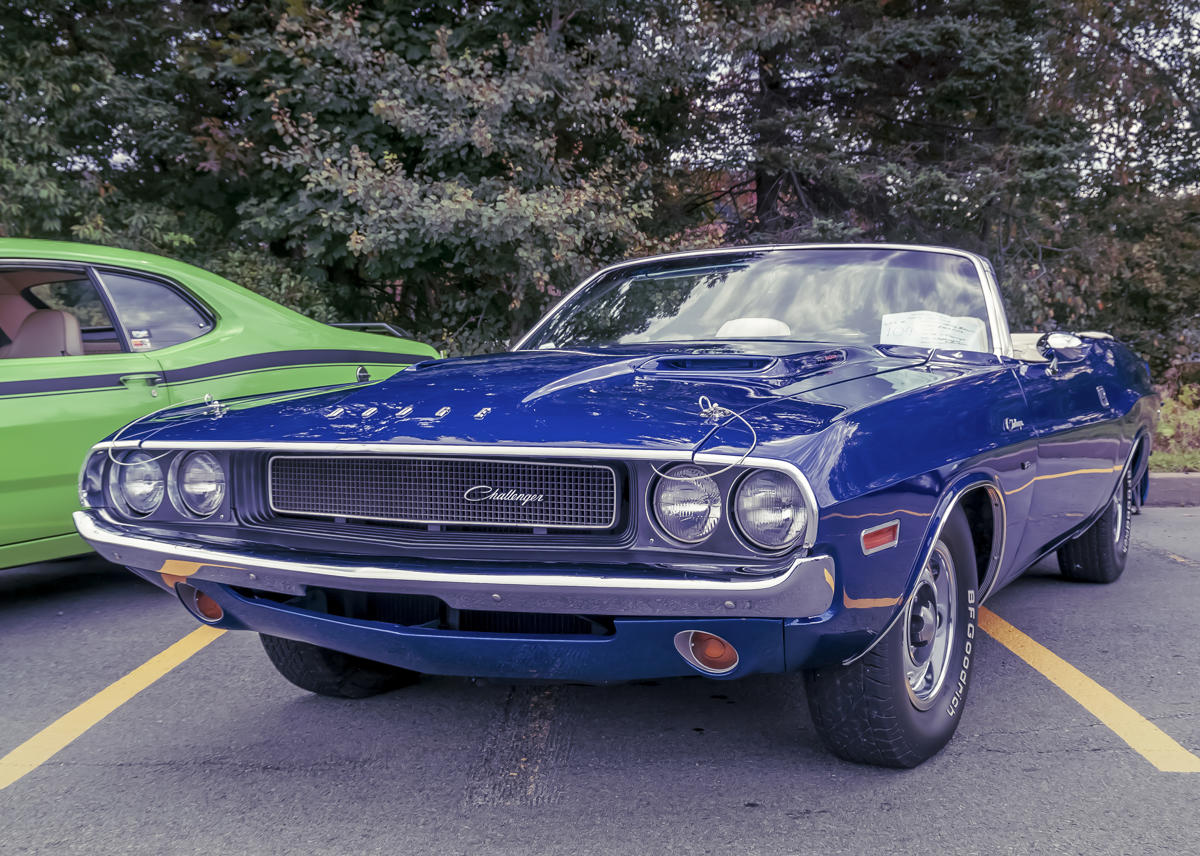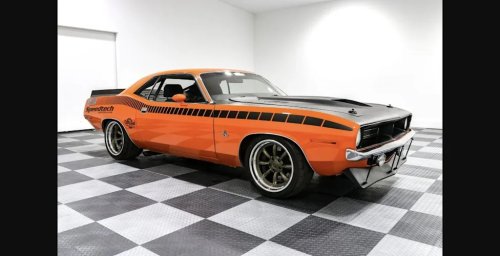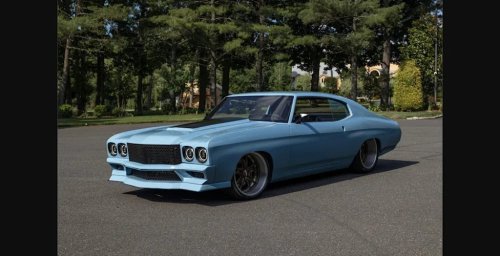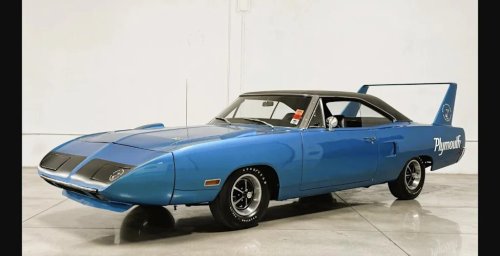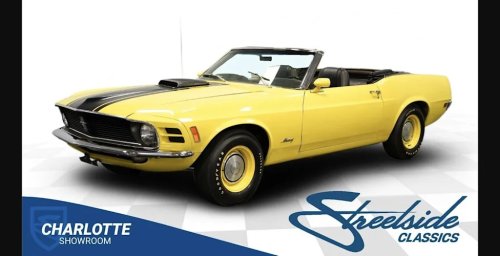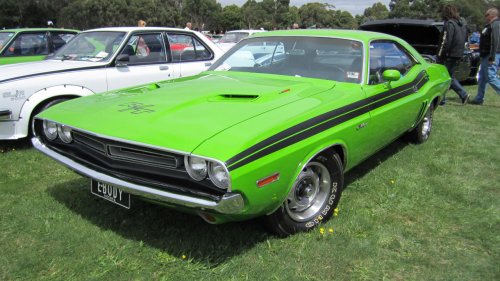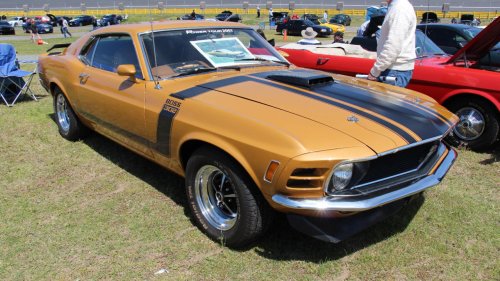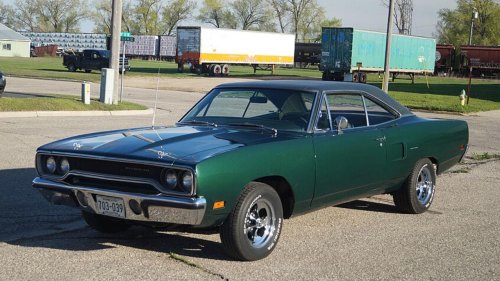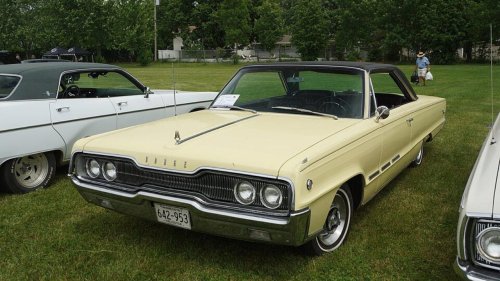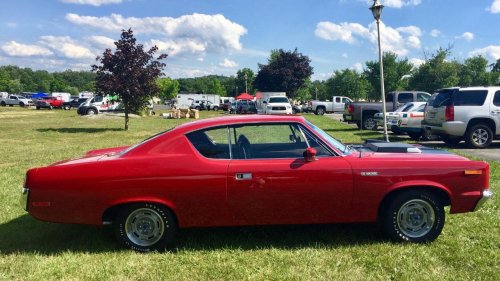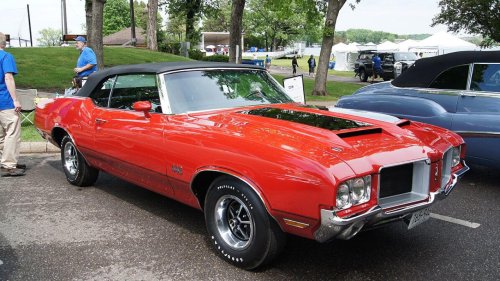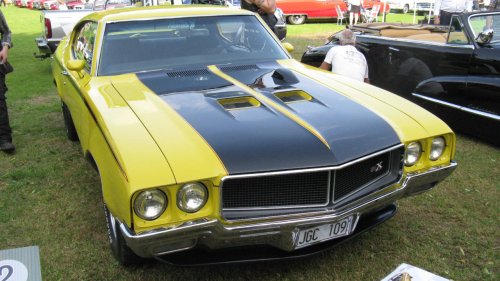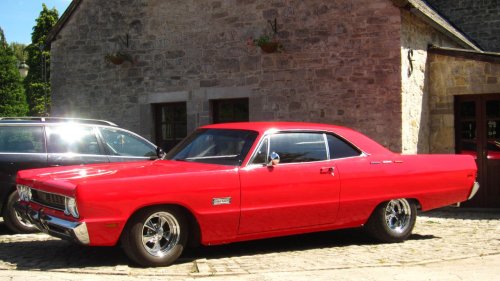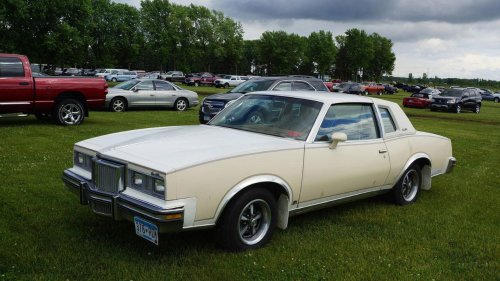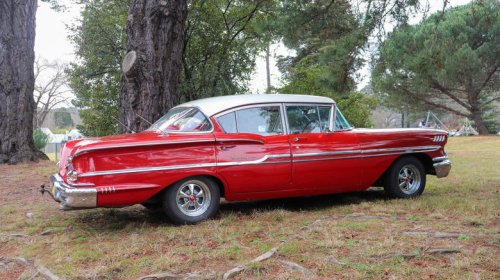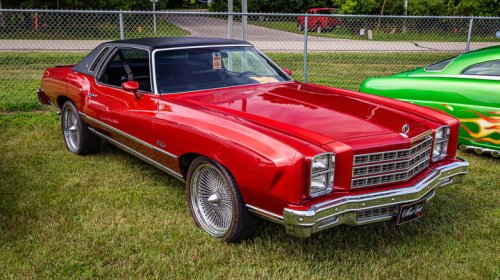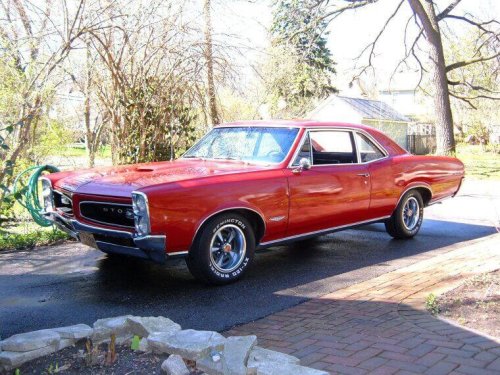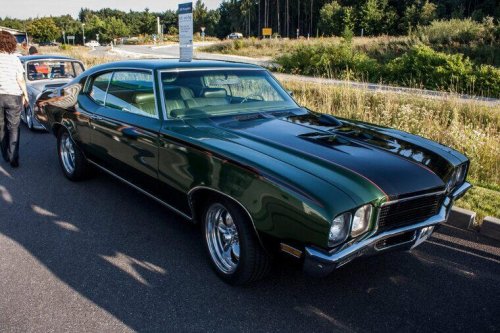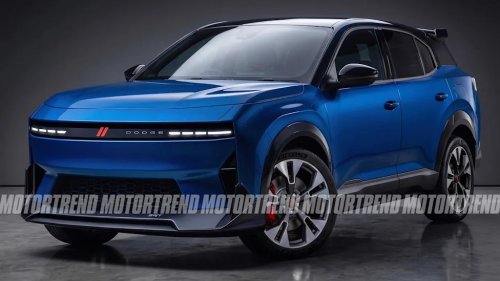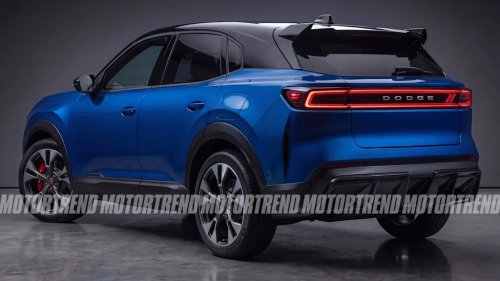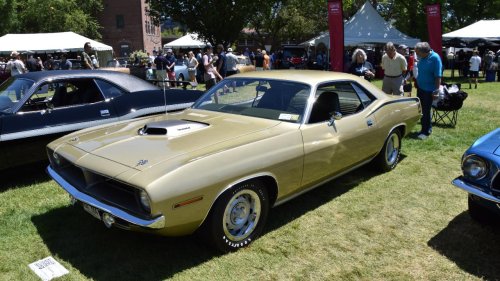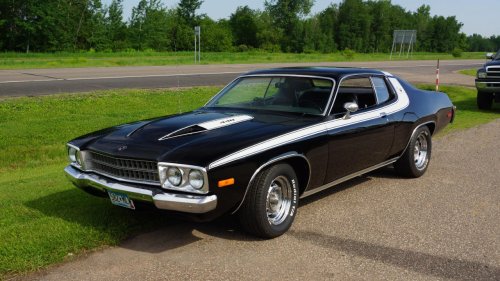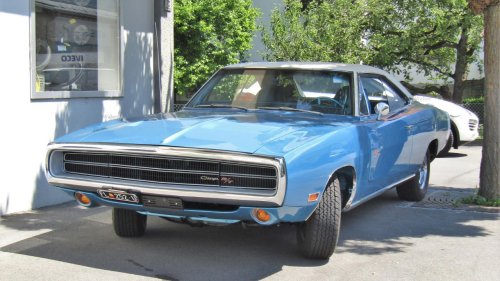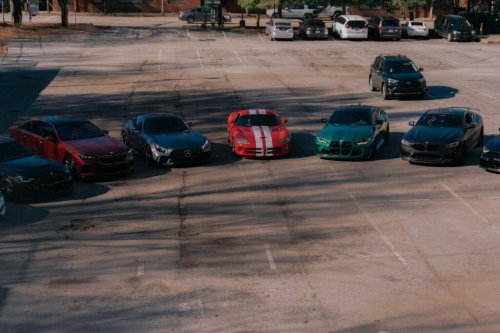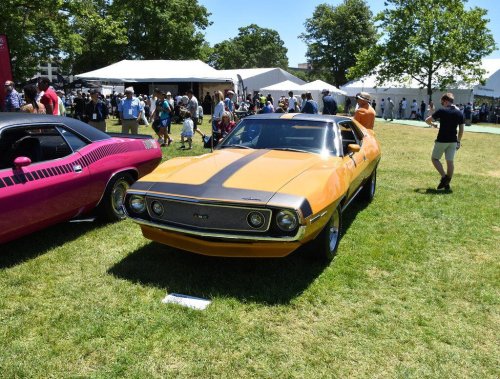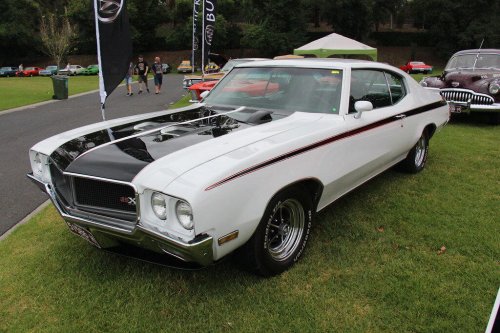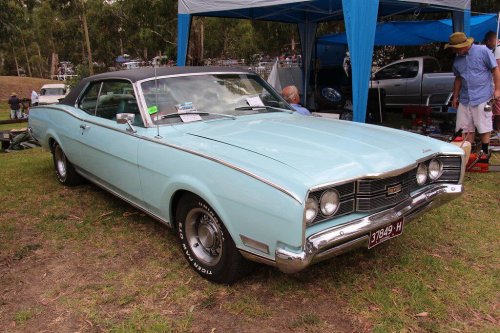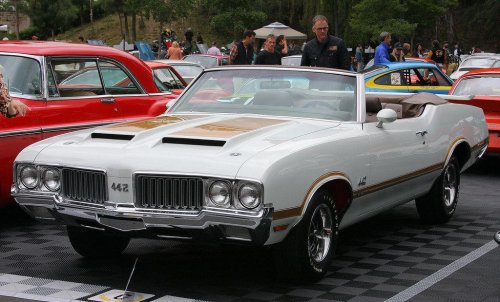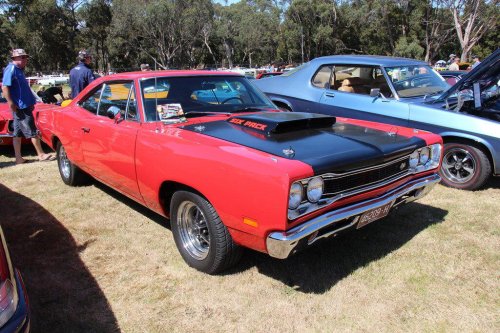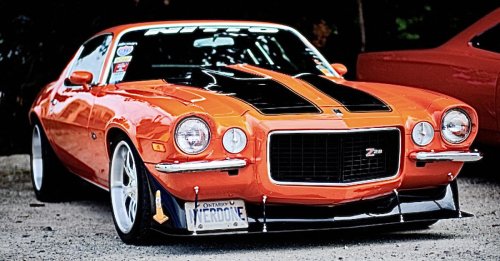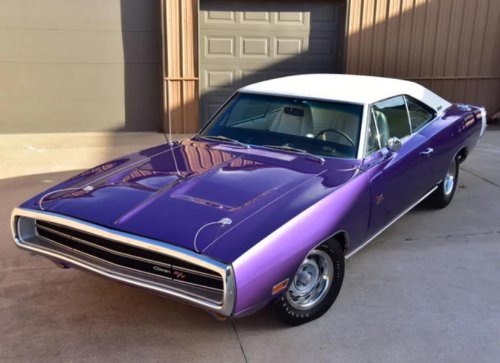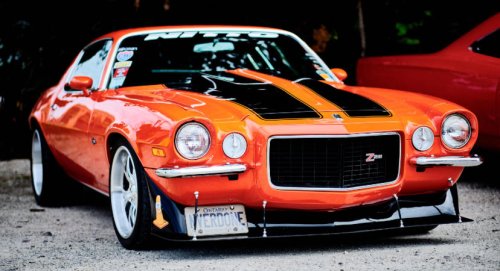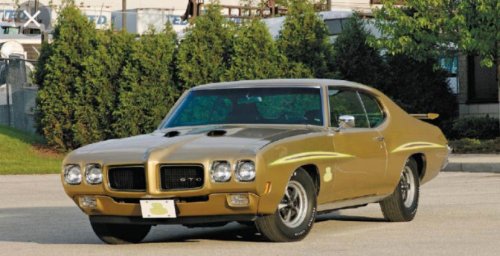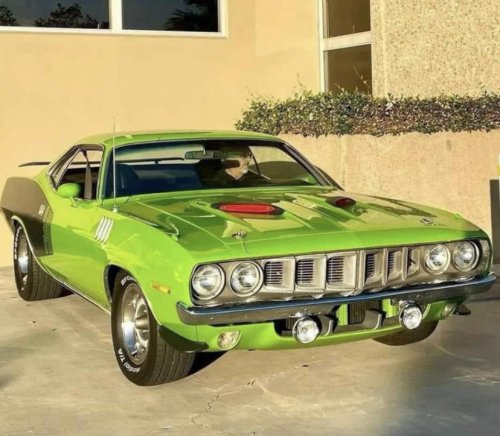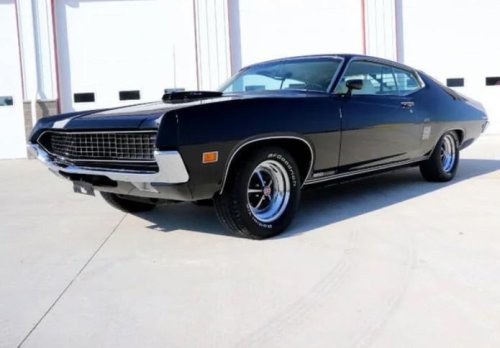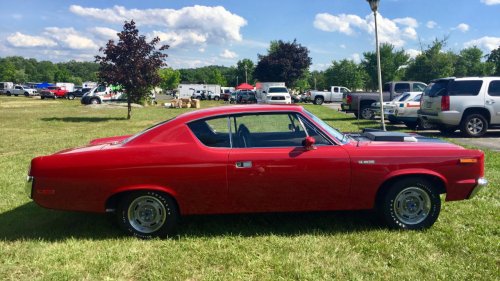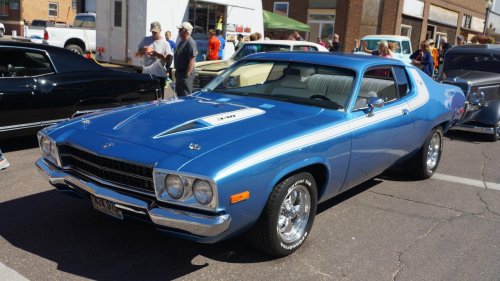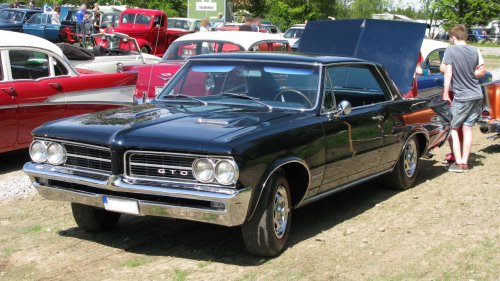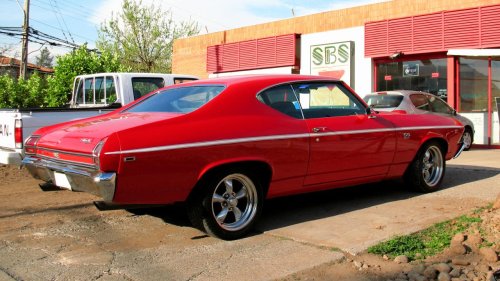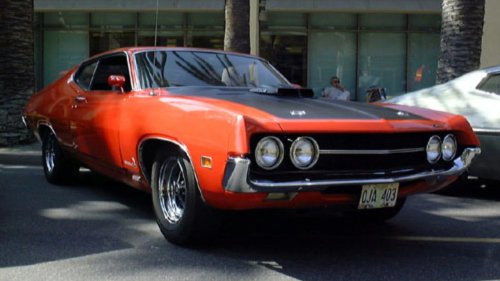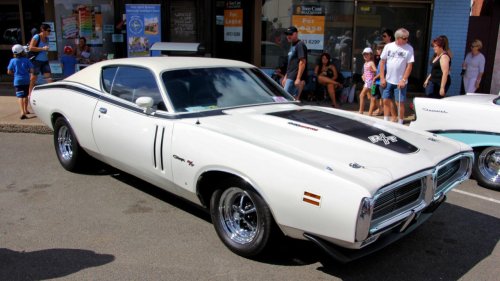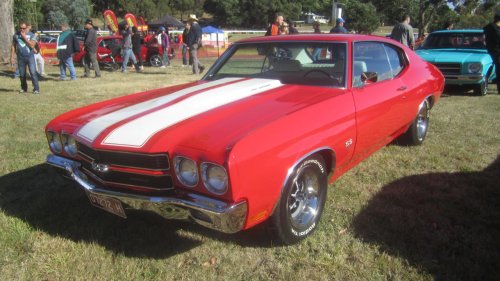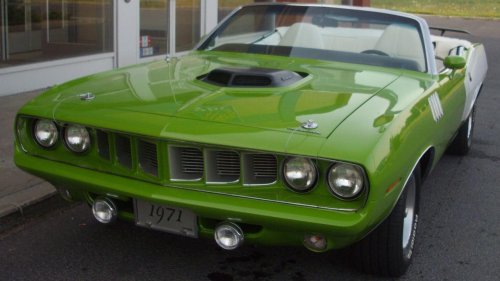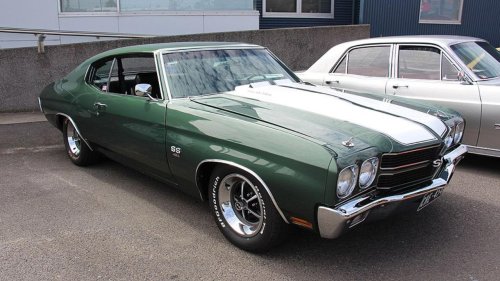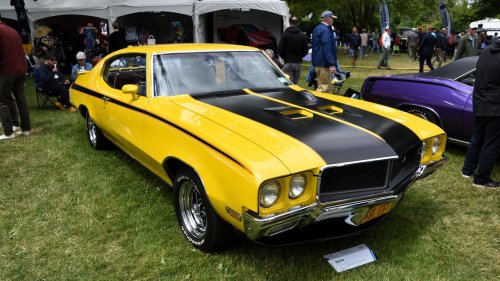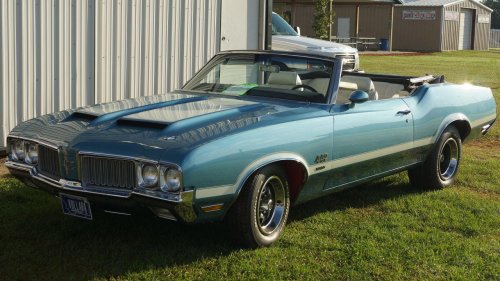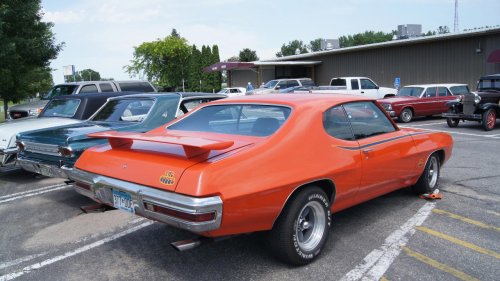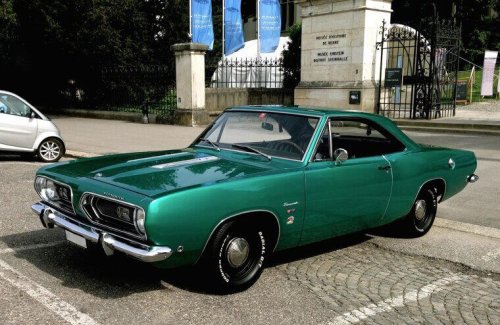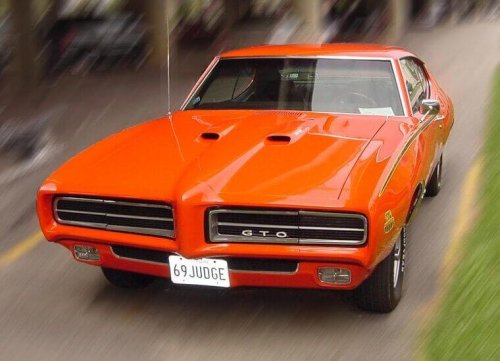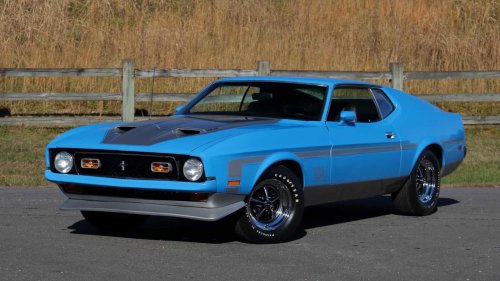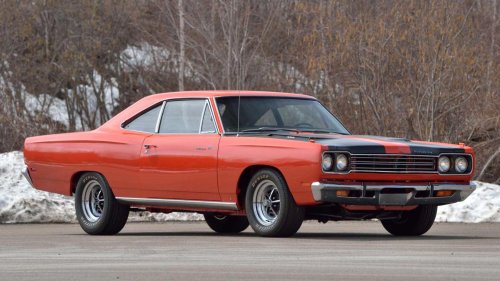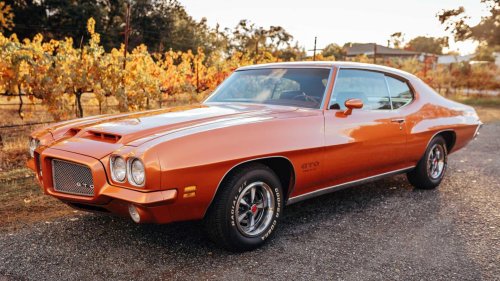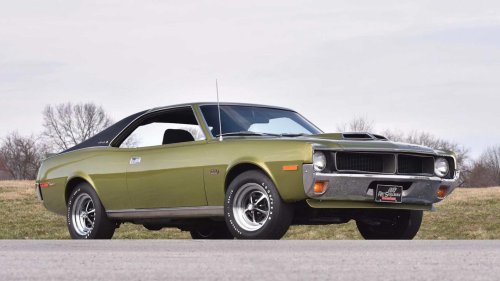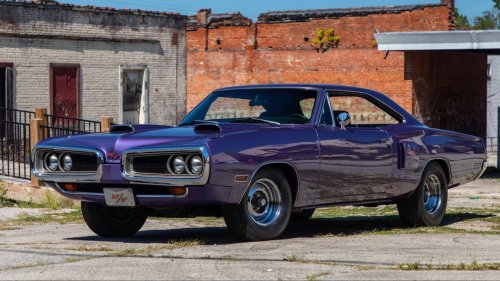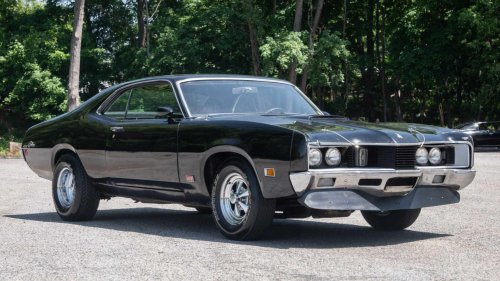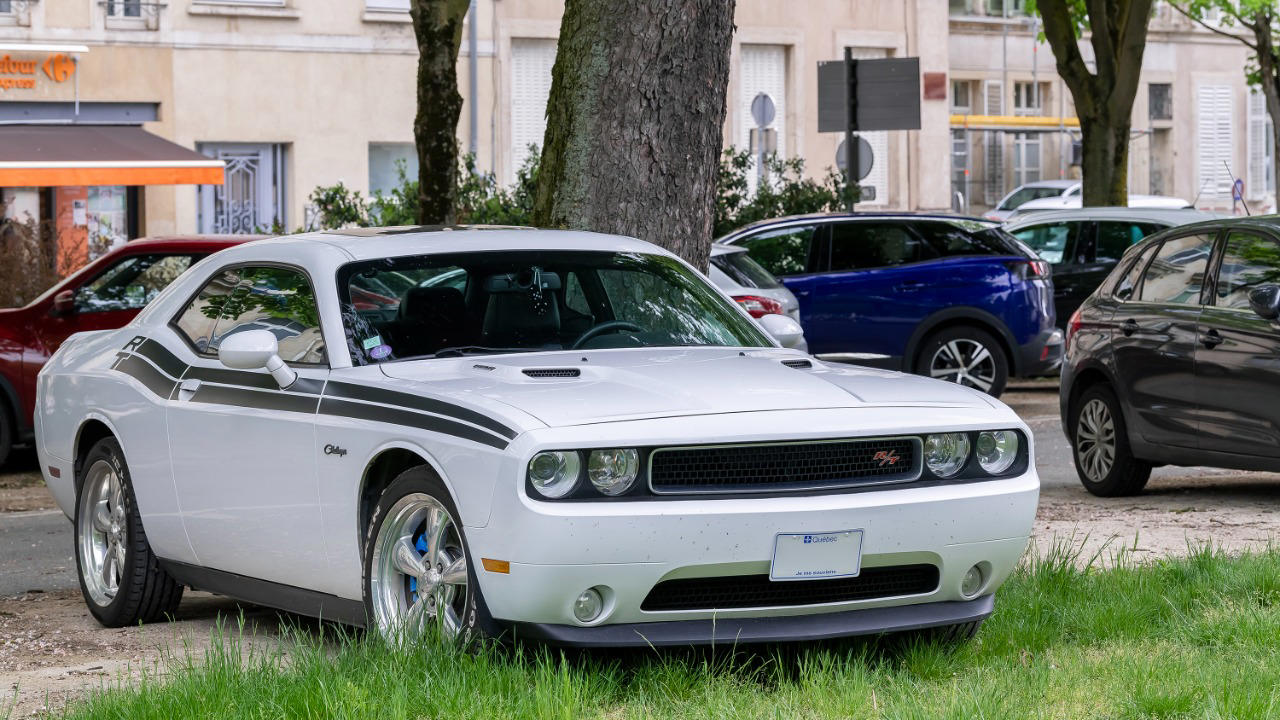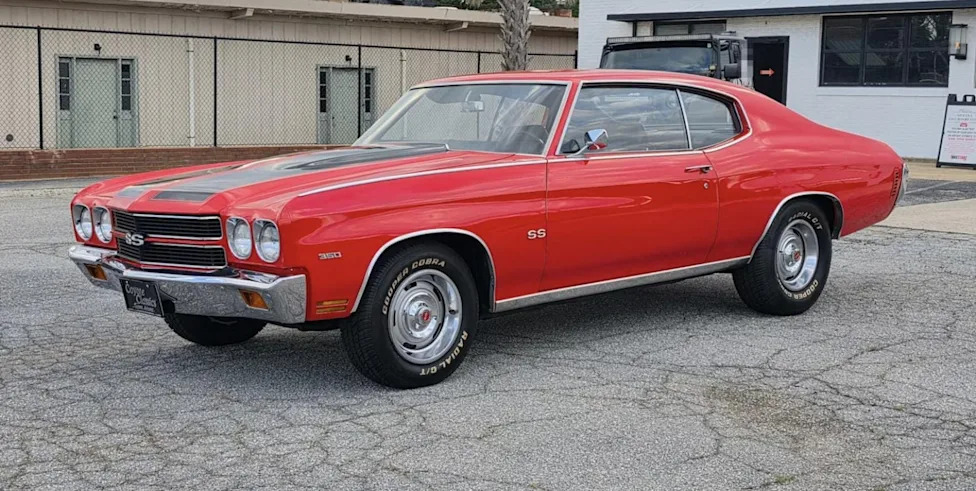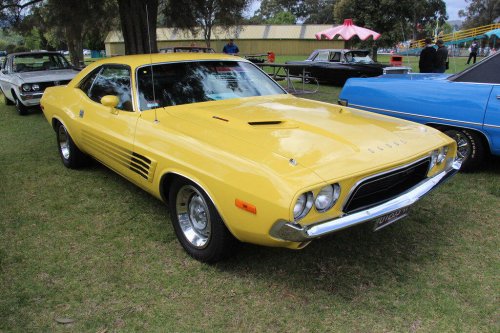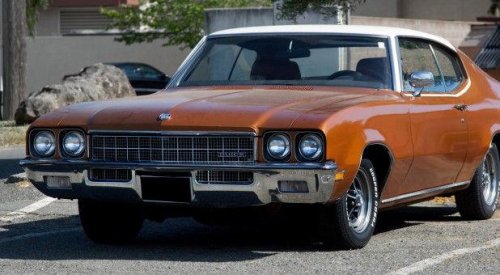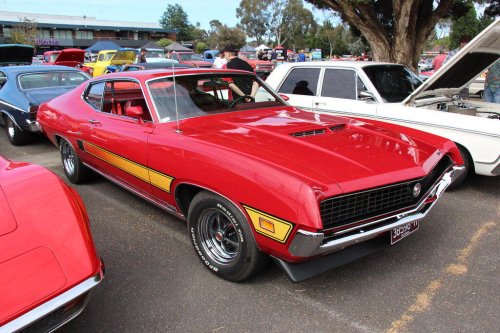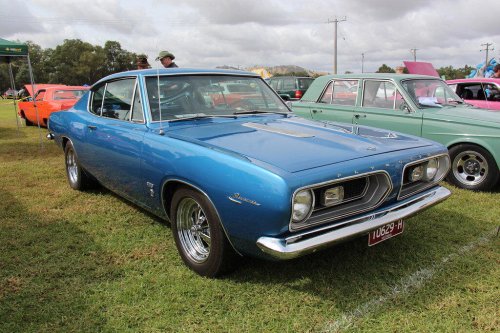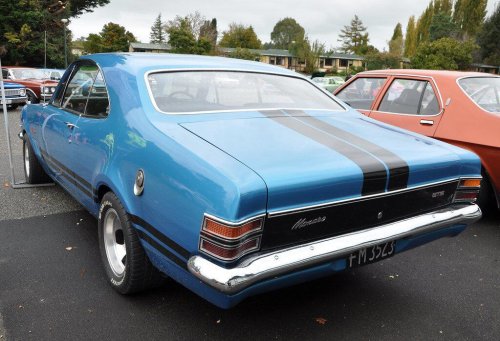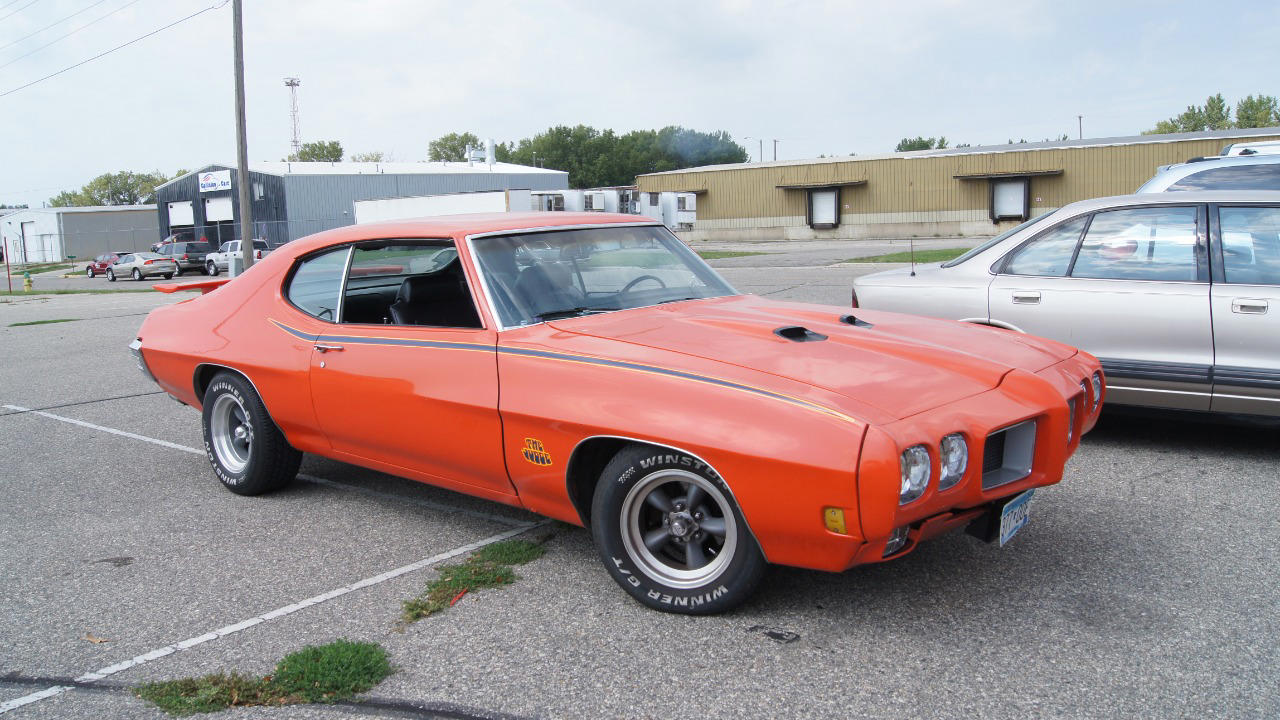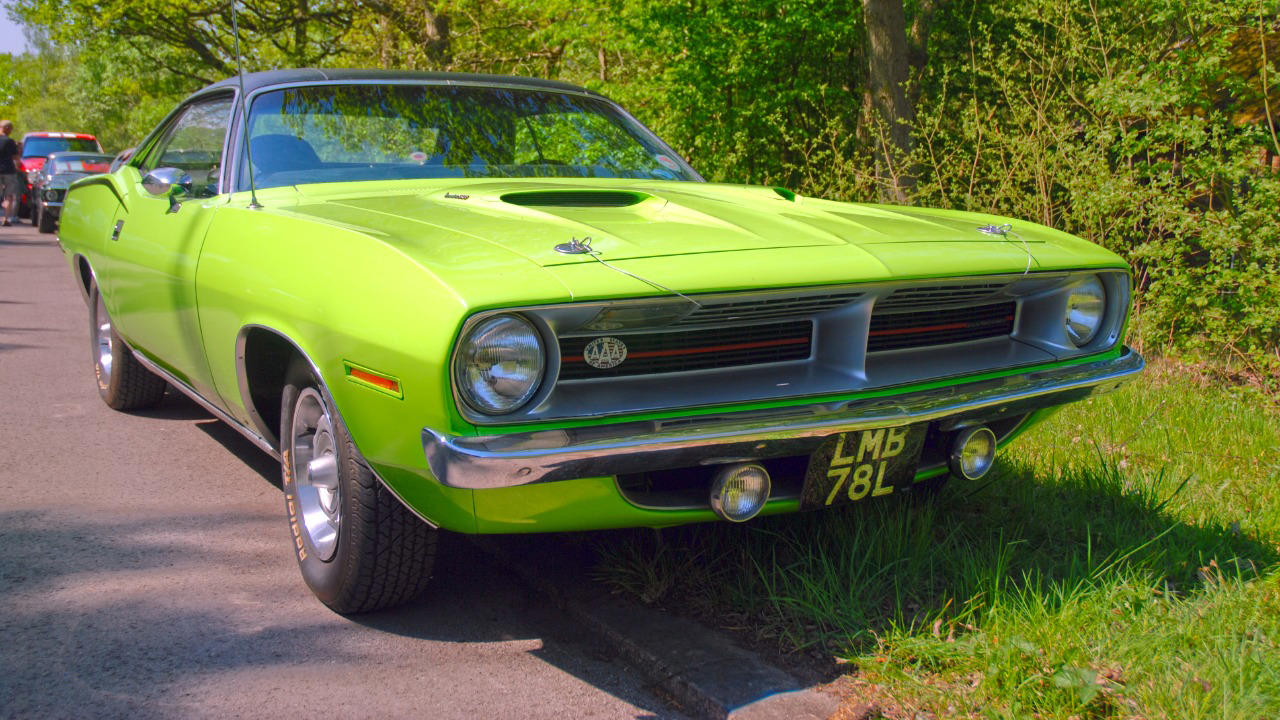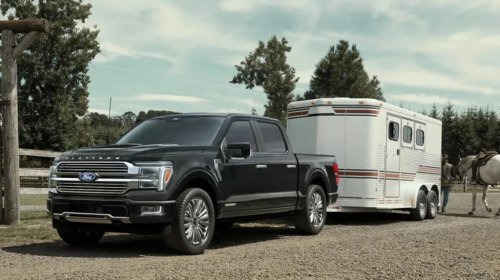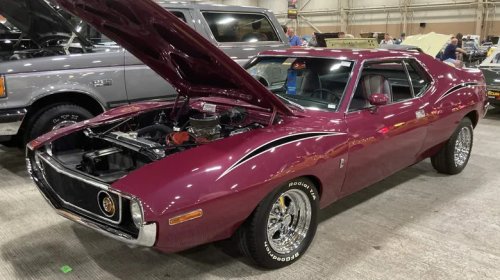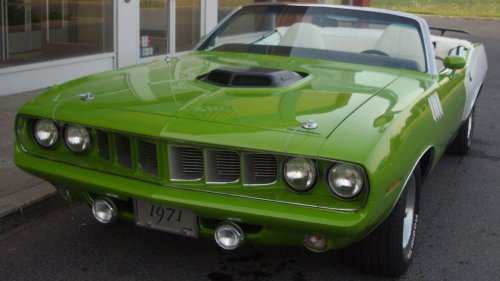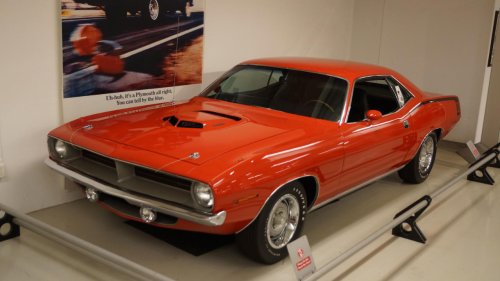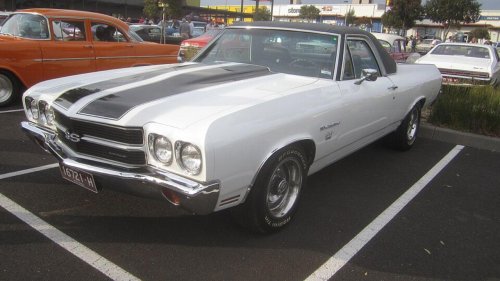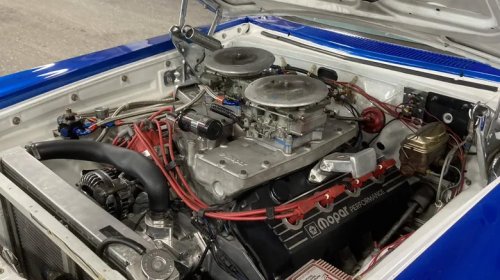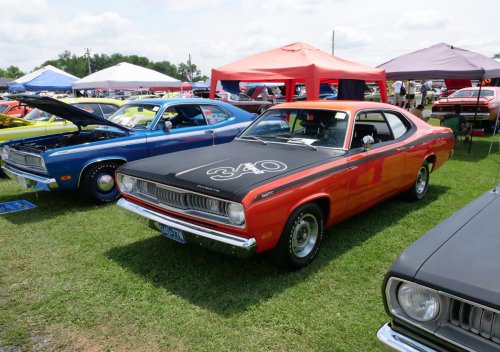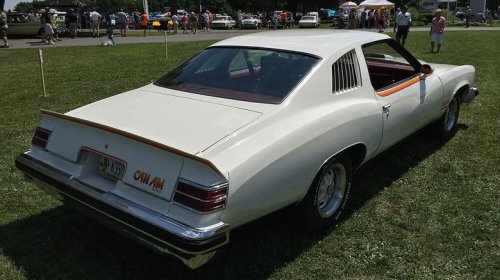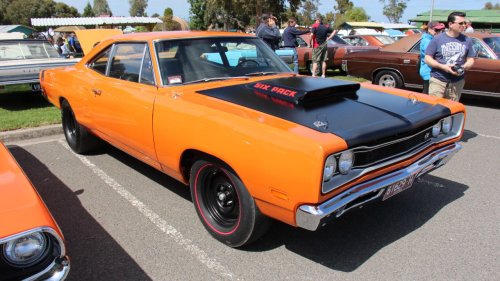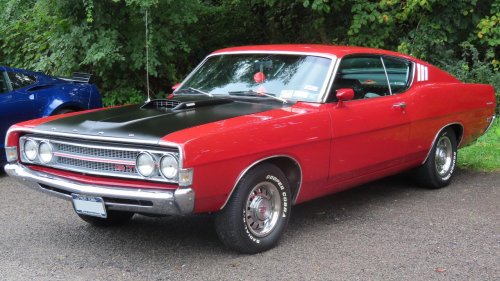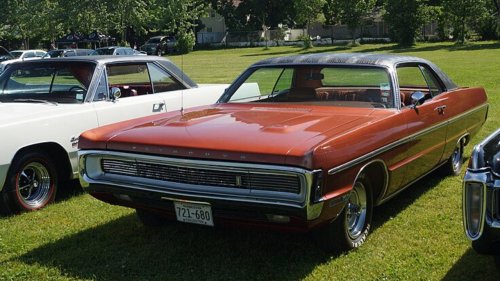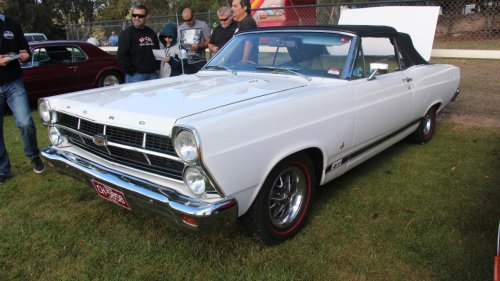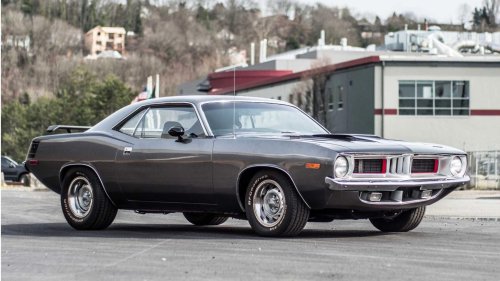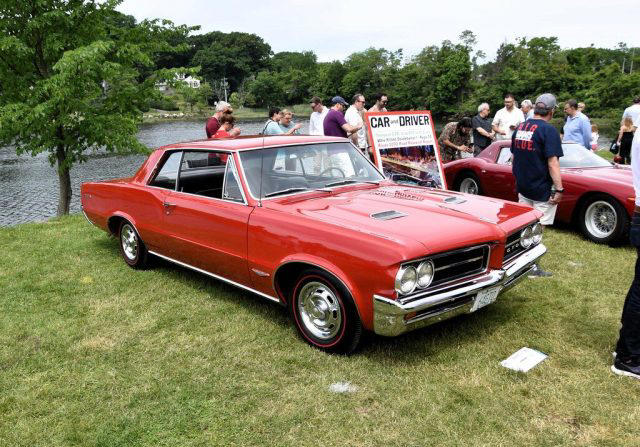



















It appears American muscle car culture is divided between generations. Current generations still revere the classic coupe with the long hood/short deck, big V-8, manual transmission, and “mechanical personality.” Original trim codes, original type wheels, and a “4-speed on the floor” are often features that make the car a must for old time muscle car people. Younger generations like gen-Z often finds muscle car information and appreciation through social media, and show greater interest in turbocharged hatchbacks, imports, the current wave of Korean power cars, and EVs. Again, Gen Z isn’t necessarily against classic cars. Studies have shown that Gen Z would prefer an average classic car over a Tesla, by a 60-40 split, and a recent Hagerty 2024 future-of-driving study has revealed that 60% of Gen Z drivers want an owner of classic cars. The problem is more likely that many awesome muscle cars simply haven’t found their way into the public-facing, digital communities that many of young drivers grow to discover the car culture. 1. Classic Muscle Cars Remain Powerful Symbols for Purists For a traditional muscle car buff, the era of classic American performance cars was about far more than simply getting from Point A to Point B. Styling, mechanical purity, the “right” motor sound, and fond memories all work together and make these cars desirable. True old hands often seem interested in keeping trim codes correct, using “exactly” factory-built features, original style wheels, stick shifts preferred, over how fast they might go when equipped differently. Stories of buying from that dealership, that drag strip (with that friend, over a beer and a sandwich) over the years, reinforce the emotional link. Classic Muscle Culture Highlights: Long hoods and short decks Raw V8 engine sounds Factory four-speed transmissions Original trim-code preservation Drag-strip memories and stories This passion ensures classics are widely celebrated on the old boy circuit, with these legends remaining heroes amongst those whose formative years were accompanied by muscle cars or grew to admire them through more classic forms of automotive enthusiast circles. Interestingly, most of the aforementioned cars are completely unknown by your younger driver who has no experience of most car influences with the help of digital media opposed to traditional cars clubs and magazines. 2. Baby Boomers Still Favor Traditional Muscle Icons That difference can be traced through market interest and wish list data, and how stark that can be between age groups. Baby Boomers still show high interest for cars of the late-60’s and early-70’s, particularly vehicles like the 1967-1969 Chevrolet Camaro and 1974-1982 Chevrolet Corvette; interest in the cars register an interest value as high as 5,000 in a few trackers. Nostalgic badges and lines, or performance nomenclature for these customers, brings them right back to an era before a larger automotive culture. Boomer Muscle Favourites: 1967-1969 Chevrolet Camaro 1974-1982 Chevrolet Corvette Big-block engine badges SS performance stripes Classic showroom memories Even beyond aesthetics to the younger generation an ‘SS’ stripe or a big block badge represents something more than simply some badges stuck on the sides of the car, it also links the car with all the cars, coverage and sales at a local dealer that actually made the younger generation develop a taste for motoring. The love of this muscle car is probably another reason the older buyer will cherish a good old muscle car and why youngsters are less worried about performance. 3. Gen Z Looks at Performance Cars Differently Performance and the types of cars Gen Z fans buy into are approached through an altogether different automotive culture; from aspiration car lists, there seems to be an overwhelming level of support for Japanese and Korean performance platforms from Nissan, Toyota and Hyundai. Rather than the number one determining factor, engine size, and performance times, today’s drivers can be attracted to the turbo four-cylinder, engine tuning and modifying as well as drifts and good aesthetics which look well on the camera. Gen Z Performance Preferences: Japanese performance platforms Korean performance cars Turbocharged four-cylinders Aftermarket tuning culture Drift-focused digital content This helps explain why traditional muscle icons may struggle to appear on Gen Z wish lists. The Chevrolet Camaro and other classic American coupes can have enormous reputations among longtime enthusiasts while receiving much less attention from younger audiences. Their lower digital visibility can make them seem less relevant even when the underlying performance and personality remain attractive. 4. Gen Z Still Shows Strong Interest in Classic Cars It’s more than just young people despising old machinery. Research indicates that young people (Gen Z) are not as anti-classic cars as many would believe. The numbers people often quote; 60% of Gen Z would want to own a classic than a Tesla, so young people would twice as likely to ‘want’ a classic car in their future garages as Baby Boomers. This seems to be supported by Hagerty’s 2024 future-of-driving study which stated 60% would be interested in owning a classic car. Gen Z Classic-Car Interest: 60% prefer classics Strong interest in vintage vehicles Classic ownership remains aspirational Reaction against modern sameness Tesla comparison favors classics The appeal might also have to do with the increasing homogeneity of modern cars. Young people may perceive classics as more personal and unique; a “statement” in comparison to the near-uniformity of most modern vehicles. It appears that the raw emotional appeal has not entirely vanished; young people just haven’t yet acquired the taste for the select cars that their elders deem essential. 5. Digital Visibility Is the Real Generational Gap I’ve seen there may be a lack of online searches for or attention on social media toward traditional American muscles, but not all of Gen Z hates them. Those traditional performance American cars were not on the screens young people pay more attention to. A lot of times when an old carb’d V8 comes to young person, especially when they actually encounter the car for the first time, it’s quite an amazing moment. They may stop for recording, or ask me some questions, even demand a cold start, for the unique mechanical sound can easily strike anyone for its coolness. Digital Muscle-Car Challenges: Limited social media exposure Traditional enthusiast communities Fewer digital discoveries Strong reactions to V8s Classic cars need visibility This establishes a major difference between knowing about something and being drawn to something in the real sense. A young driver can’t feel a connection to a specific model muscle car if they hardly see it on the web and if they never see it in real life either. The desire is there but the bond hasn’t yet been made. Classic muscle has the chance to gain a new generation of followers with the ability to share the vehicles via the web, and its owners and drivers just have to bring these cars onto the internet and build upon their appeal and heritage through a new platform in a popular new location for automotive interest. 6. The Ford Mustang Shows How Legacy Can Stay Relevant The Ford Mustang is a good case where a long-standing nameplate known for its performance stays in the younger conversation. Being an entry-level car with performance, the Mustang has always been and is currently in the conversations for high school and 20 something buyers via the power of social media. It proves a legacy doesn’t have to lead to an outdated feeling when the model is consistently a point of modern car discussion. Mustang Relevance Factors: Strong legacy performance badge Active social media presence Attainable performance image Younger enthusiast visibility Modern storytelling approach Perhaps the great lesson for classic muscle culture to learn here is that “merely preserving the automobile” in storage isn’t always the best approach. To keep his beloved rides alive for the next generation of enthusiasts (including car-obsessed kids just coming of driving age), classic muscle culture has to do two things in the eyes of video, social media, the track, and more: tell these vehicles’ stories using any media available, and in so doing, the new and different may actually preserve the fundamental elements that made the original and now-classic objects awesome. “ Pontiac GTO (1964) ” by usf1fan2 is licensed under CC BY 2.0 7. The Pontiac GTO Helped Create the Muscle Car Era This iconic musclecar, the 1964 Pontiac GTO, was definitely a big factor in the heyday of American Muscle. Initially, Pontiac only thought about producing around 5,000 and in fact came up with 32,450. It ran the front mounted, water-cooled cast iron, 348 horsepower, 580ft-lbs torque, 389 cubic inches, V8 backed up by a 4-speed manual that got it from 0-60 mph in 6.6 seconds and could knock out a 14.8 quarter-mile at a decent speed. GTO Performance Highlights: 6.4-liter V8 engine 348 horsepower output 580 lb-ft torque Four-speed manual transmission 32,450 units sold What the GTO represents is the mechanical equation from which much of traditional musclecar culture has spawned. Big engines, tremendous torque, manual transmissions and high style created a performance signature indelibly tied to the times. For the purists, classics like the GTO are much more than just an “old car” or “musclecar era relics”-they signify the exact time that American engineers transformed sheer straight-line ability into an increasingly relevant part of the mainstream automotive culture. 8. Charger R/T and Camaro ZL1 Raised the Performance Stakes This horsepower race rapidly spread through Detroit. The 1968 Dodge Charger R/T came standard with the 375-hp 440 Magnum, or optionally with the famed 426 Street Hemi which produced roughly 425 hp and 490 lb-ft of torque. At 135 inches from bumper to bumper, the charger R/T hit 0-60 mph in roughly 5.5 seconds reaching about 140 mph top speed. Detroit Muscle Highlights: 375-hp 440 Magnum Legendary 426 Street Hemi Approximately 425 horsepower 490 lb-ft torque 5.5-second 0-60 time Chevrolet pushed rarity and engineering even further with the 1969 Camaro ZL1. Only 69 examples were produced, featuring GM’s first production aluminium block, open-chamber aluminium heads, and a forged crank. Officially rated at 430 horsepower, test drivers reportedly found the engine capable of much more, with figures approaching 550 horsepower. One 1969 ZL1 later sold for $1 million at auction in 2020, demonstrating how highly the car is valued by collectors. 9. Boss 429 and GNX Proved Muscle Was More Than V8 Tradition Ford added another legendary name to the muscle car story with the 1970 Mustang Boss 429. Only 1,359 units were produced, making it a rare performance machine. Its V8 used an aluminum intake manifold, a single four-barrel carburetor, and a four-speed manual transmission. The engine produced 375 horsepower and 450 lb-ft of torque, while the car could reach a top speed of 147 mph. Boss 429 Performance Highlights: 1,359 examples produced 375 horsepower 450 lb-ft torque Four-speed manual gearbox 147 mph top speed The 1987 Buick Grand National GNX later showed that American performance did not always require a traditional V8. Developed with ASC and McLaren Performance Technologies, the GNX used a 3.8-liter intercooled turbocharged V6 producing a factory-rated 276 horsepower and 360 lb-ft of torque. Only 547 were built. Its ability to outperform contemporary V8 rivals helped make the GNX an instant collectible and showed that engineering creativity could preserve the spirit of muscle even as regulations changed. 10. Passing Muscle Car Culture to the Next Generation It’s clear that what’s needed for classic muscle’s long-term future isn’t just about horsepower numbers or what a given example is worth at auction. Family ties, in-depth garage projects and purely hands-on mechanical activities forge emotional connections to cars in ways that purely digital media struggle to do perfectly. The act of a father and son together taking an old coupe back through the restoration process together, for example, or even handing an admired vehicle from parent to child, directly imbues a modern enthusiast with automotive history through experience. Keeping Muscle Culture Alive: Family garage projects Shared restoration experiences Social media storytelling Digital automotive events Cross-generational enthusiasm Classic muscle cars already have the personality to attract younger enthusiasts, but they need to remain visible and accessible to a new generation. While purists remain attached to traditional American performance, Gen Z has developed interests in Japanese and Korean cars, turbocharged engines, tuning, drifting, and digital culture. Yet their interest in classic ownership shows that the emotional appeal of older cars remains strong. By combining family experiences, authentic mechanical stories, social media, and classic-car events, the industry can connect old-school tradition with modern culture and keep classic muscle cars an active part of automotive history.