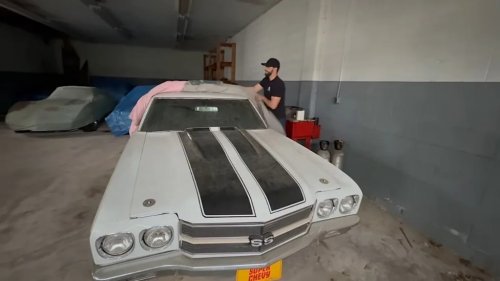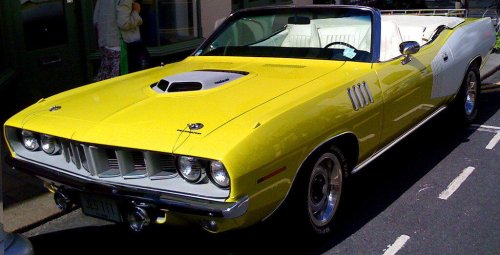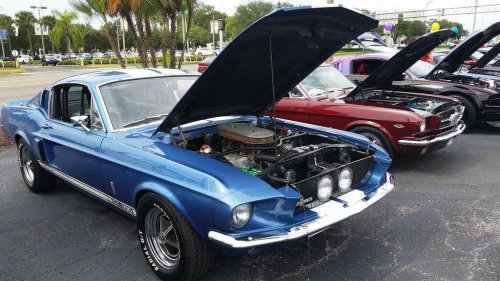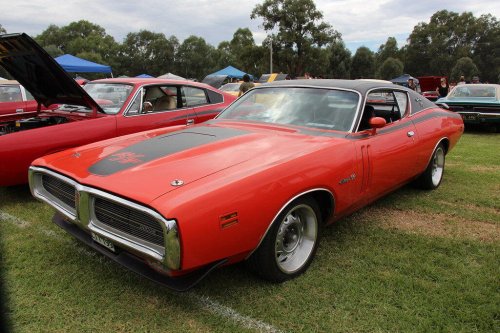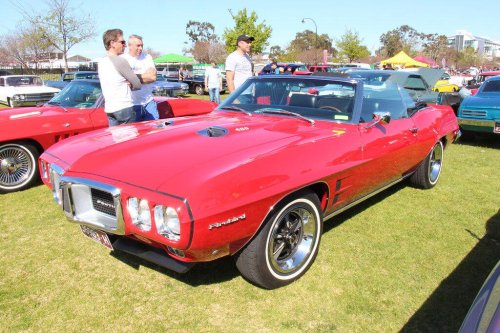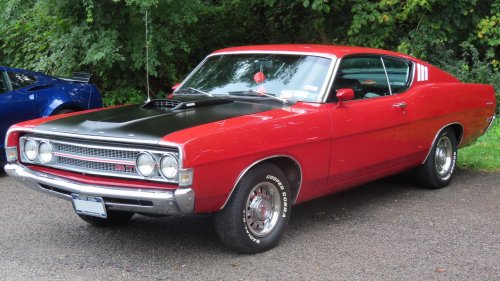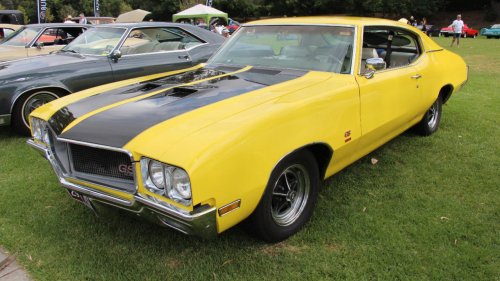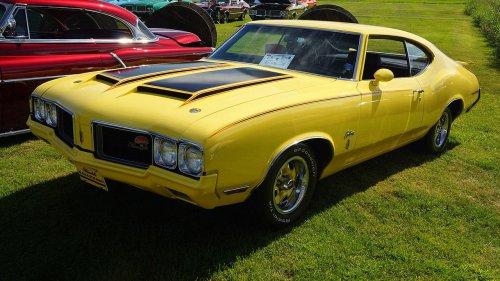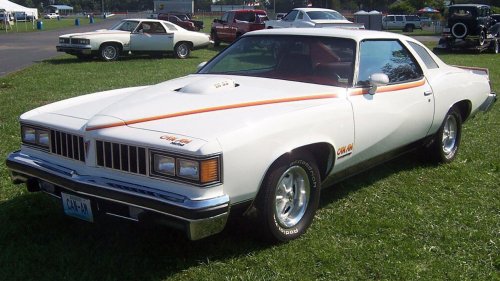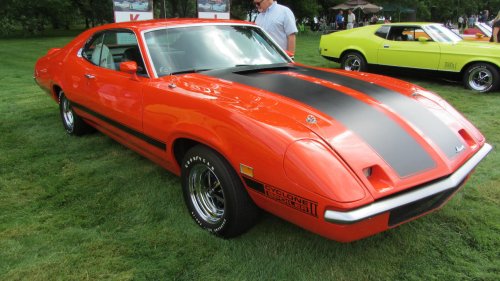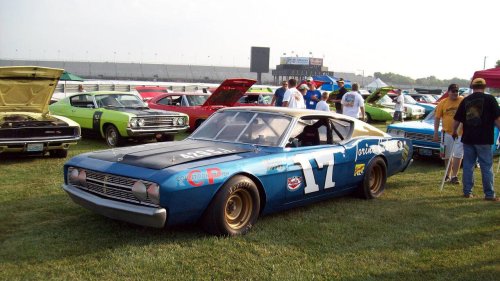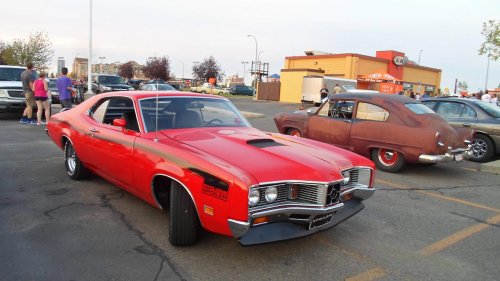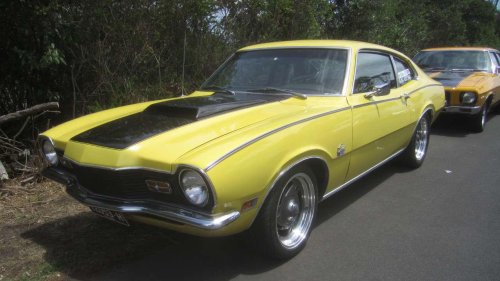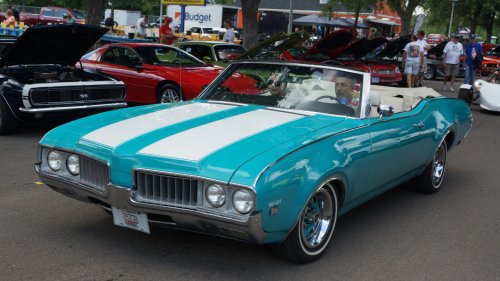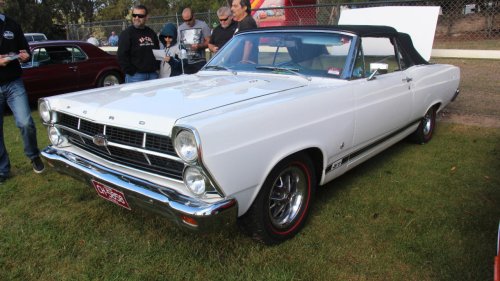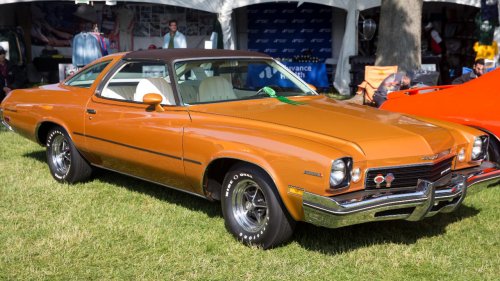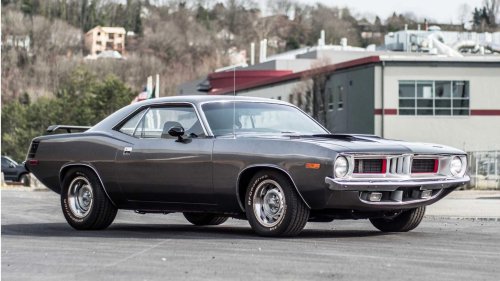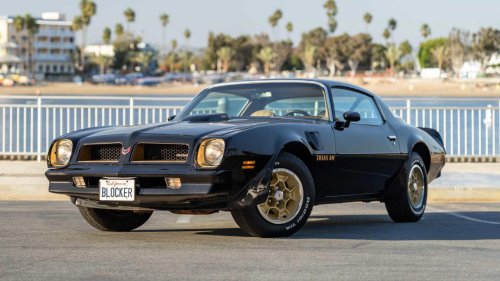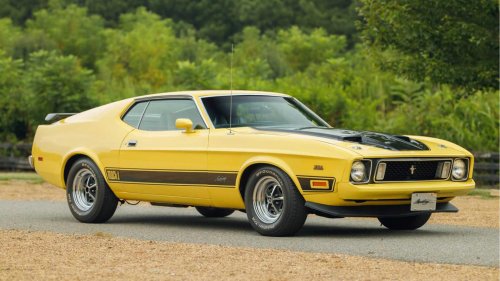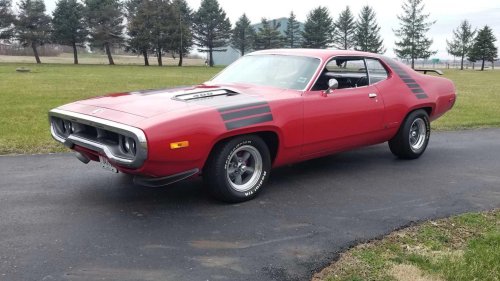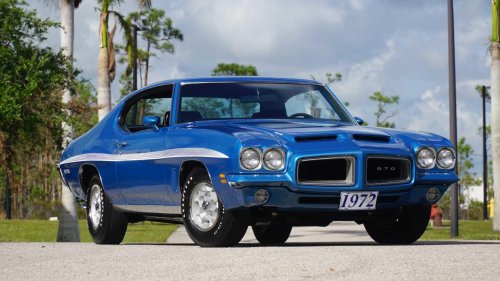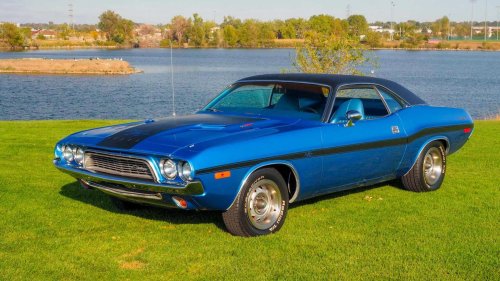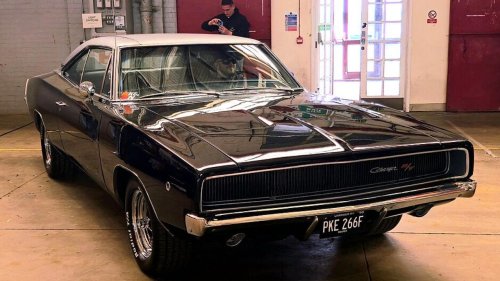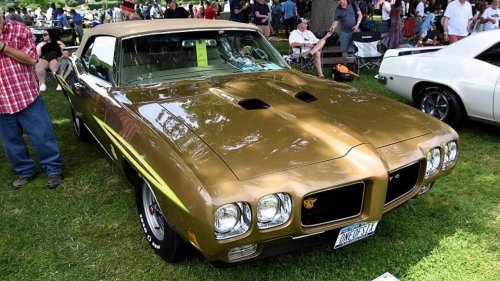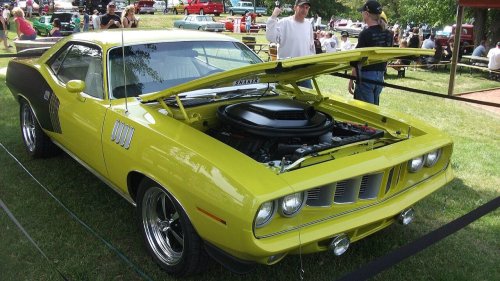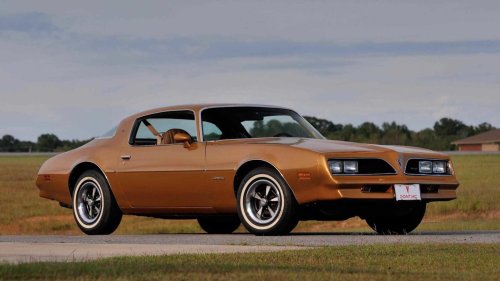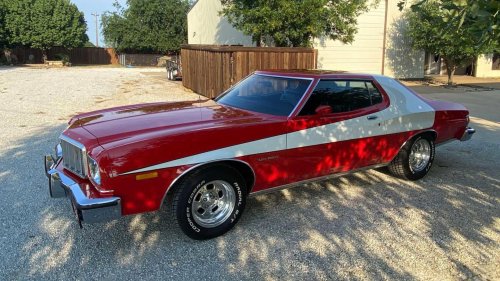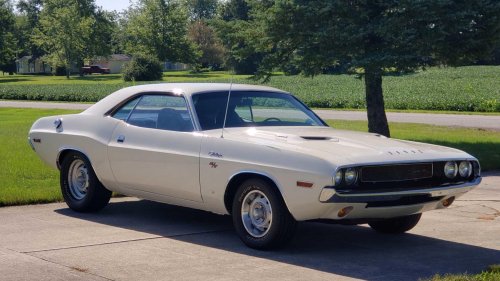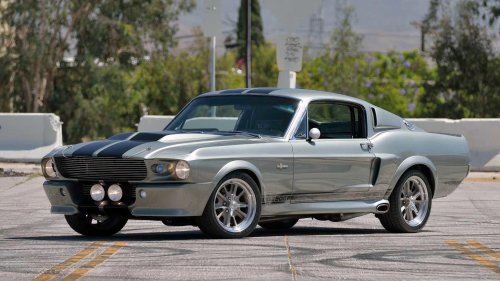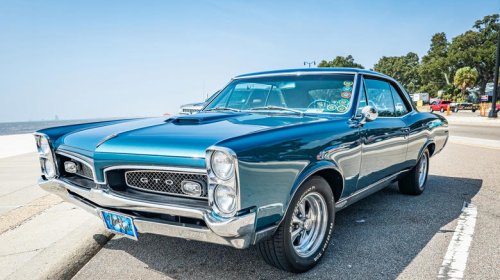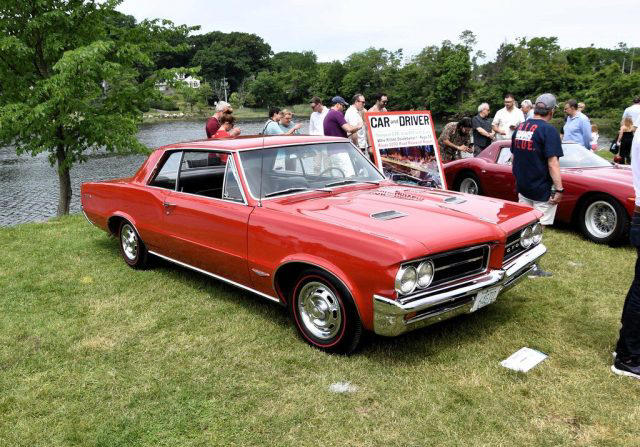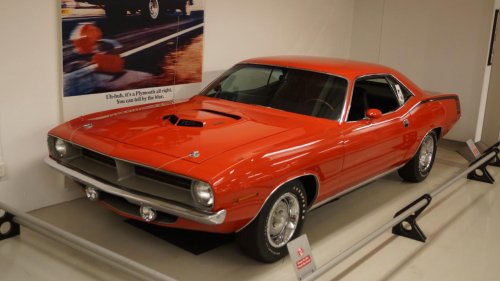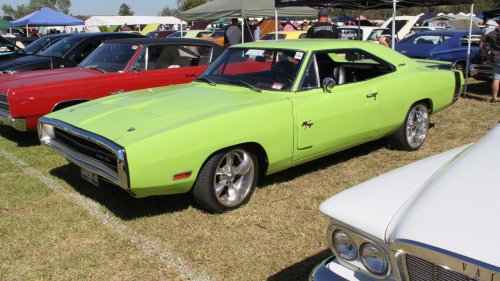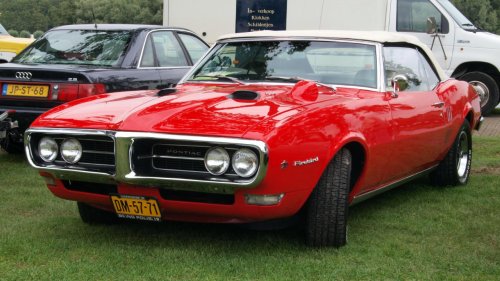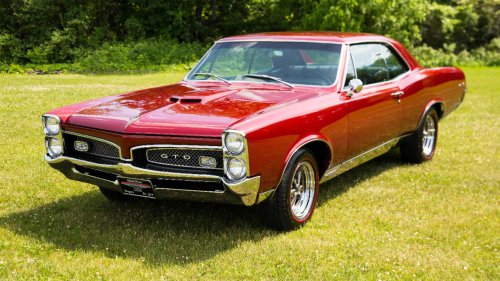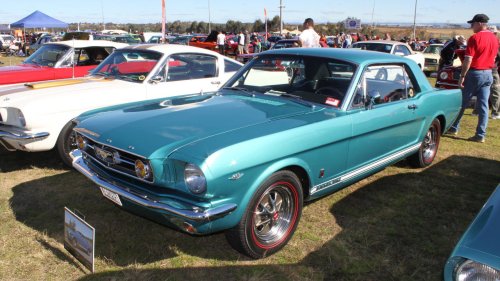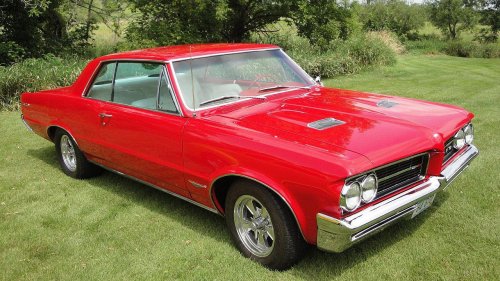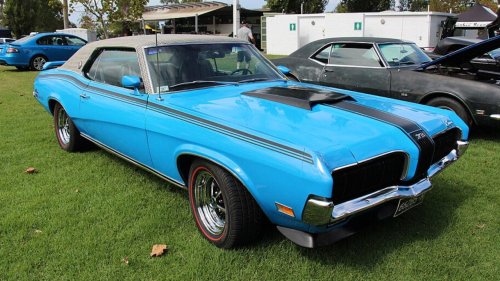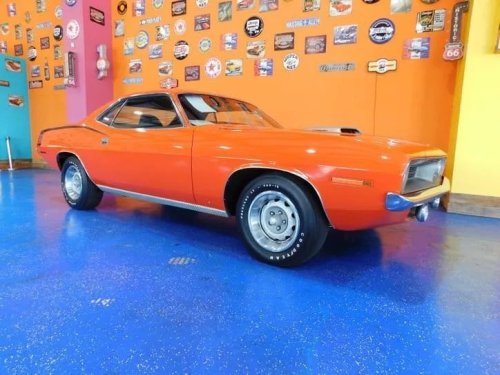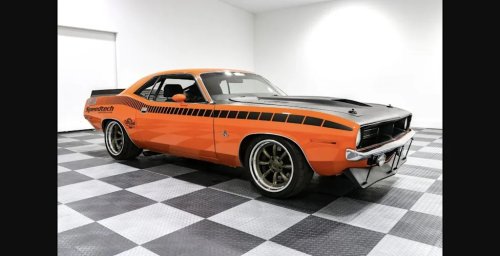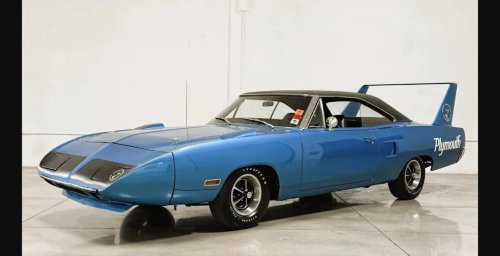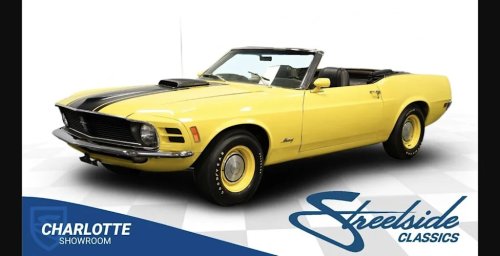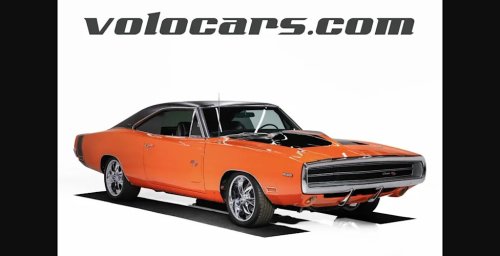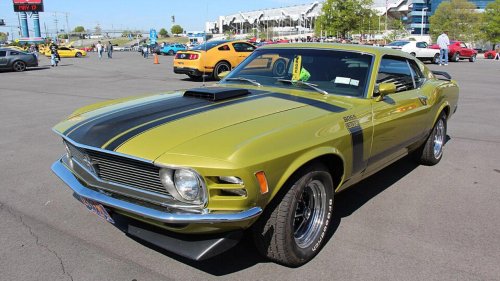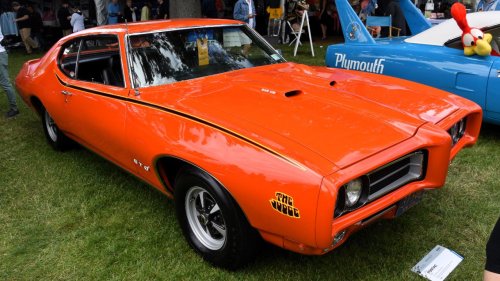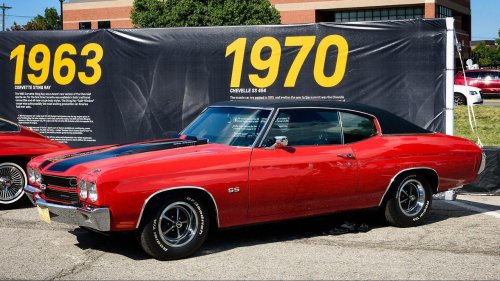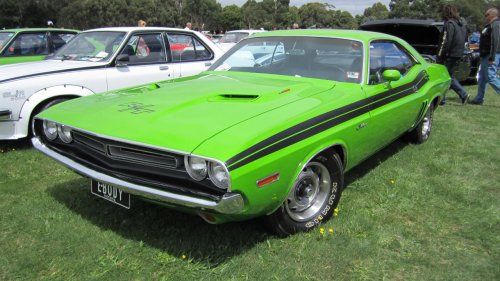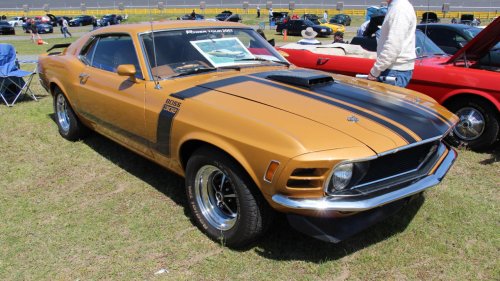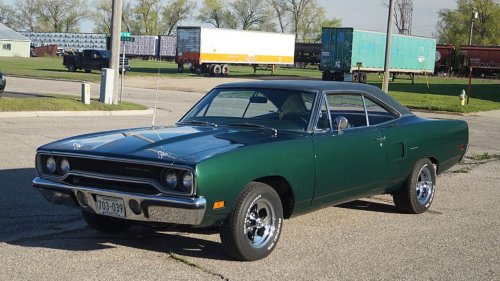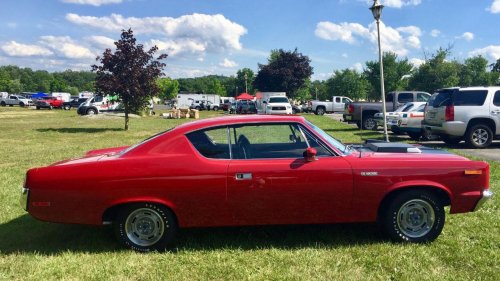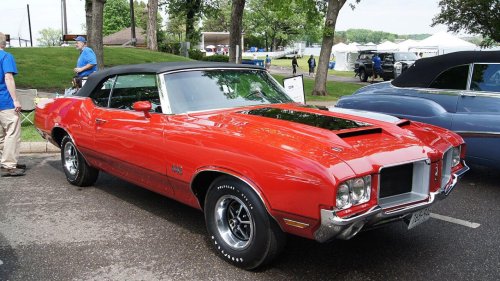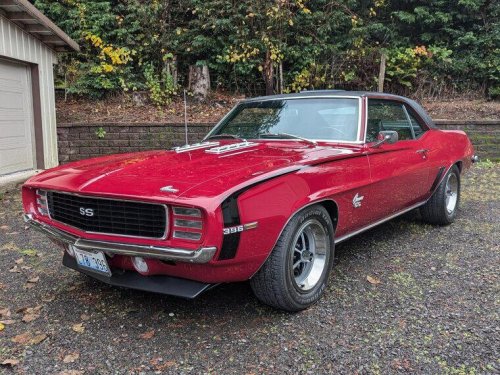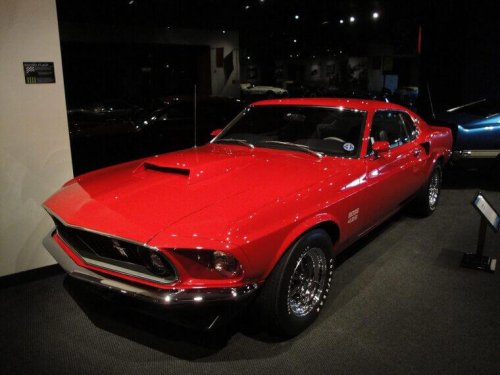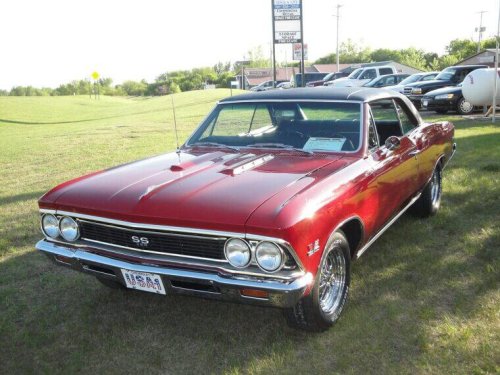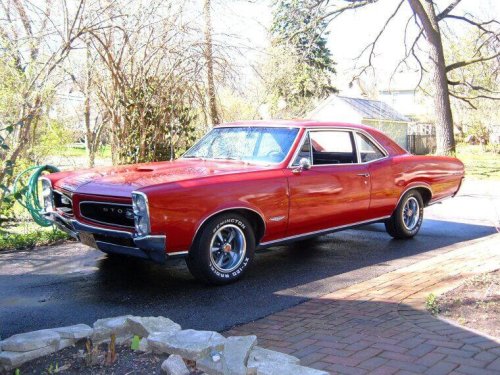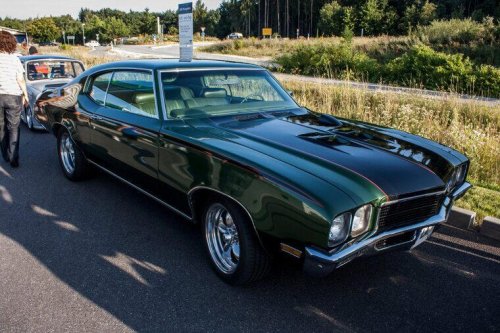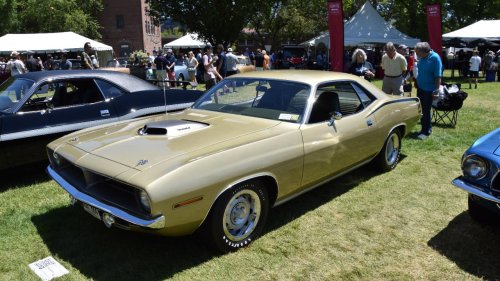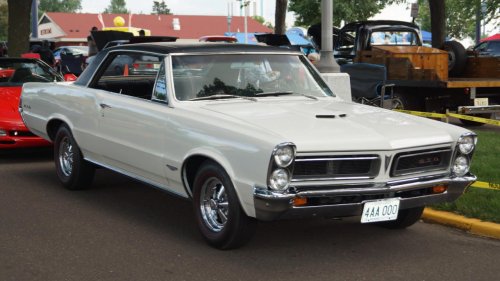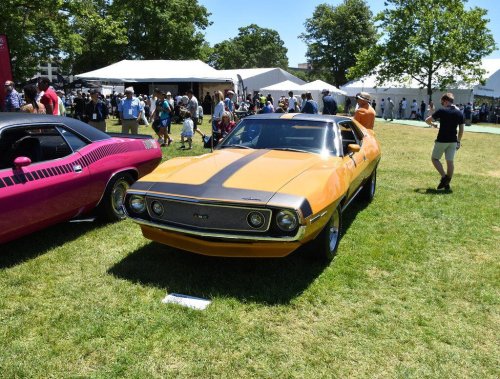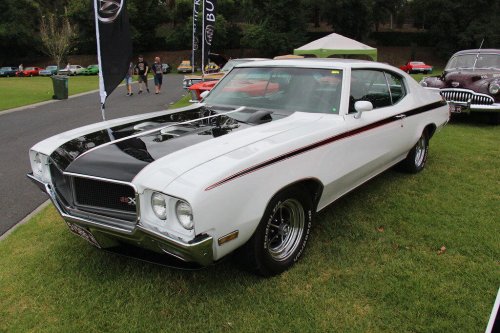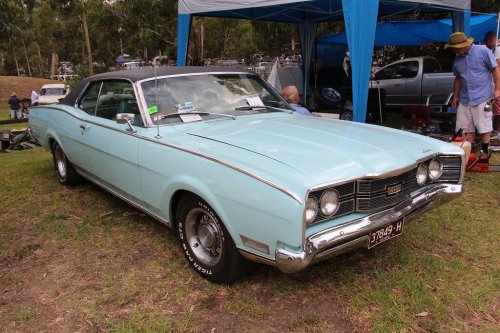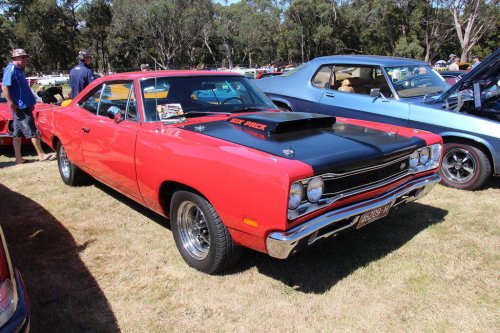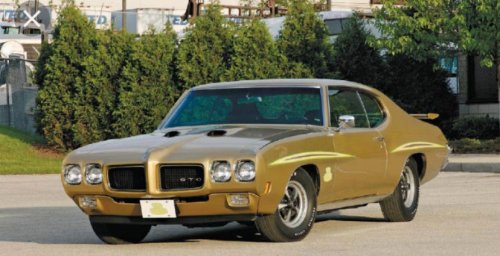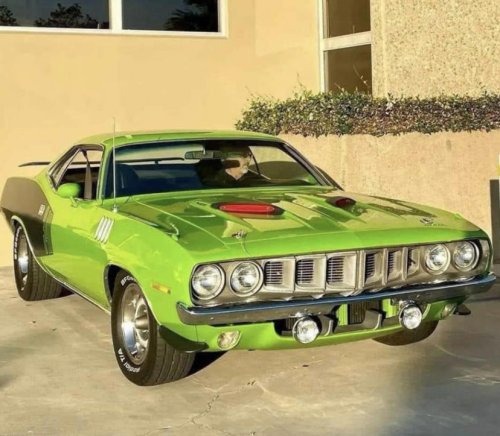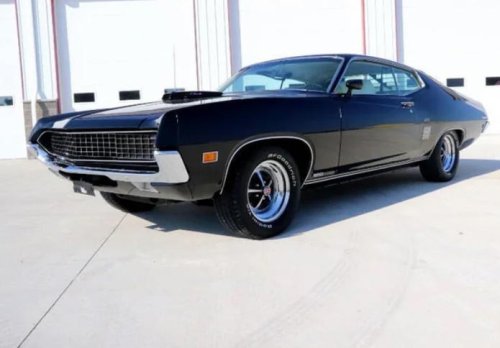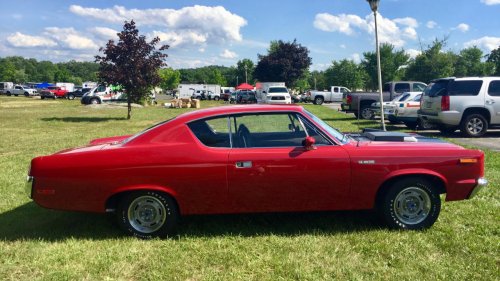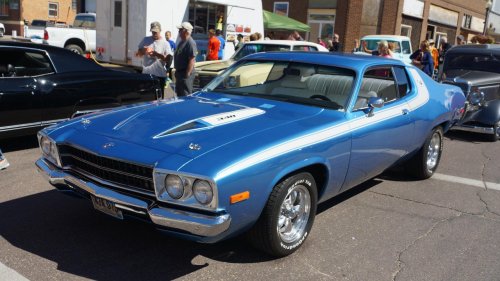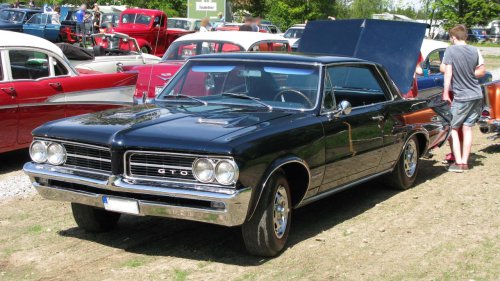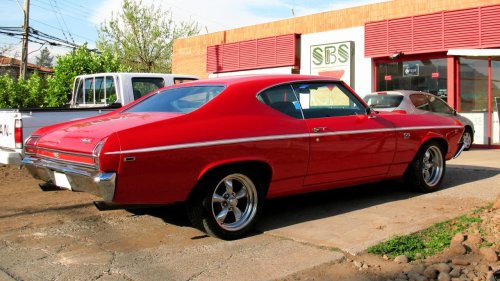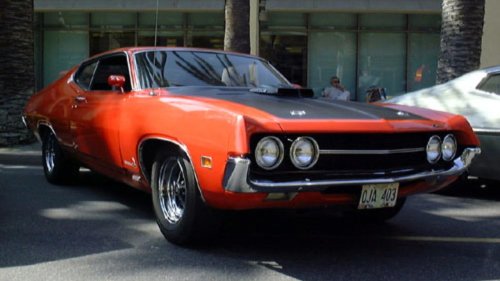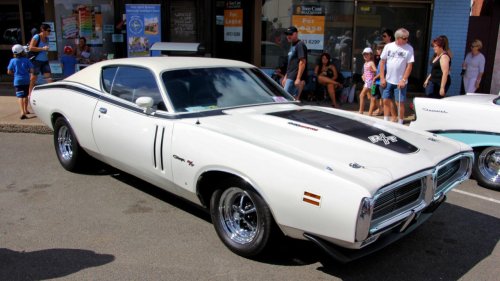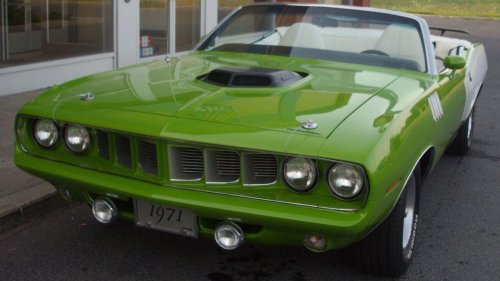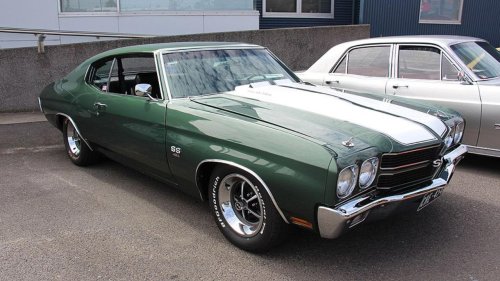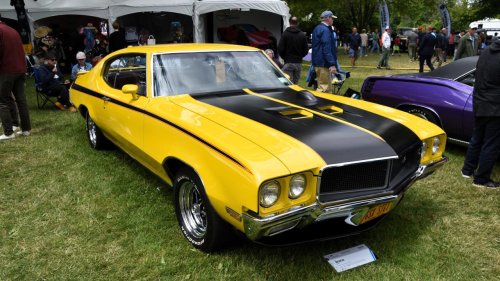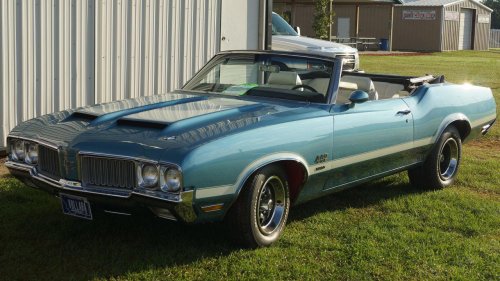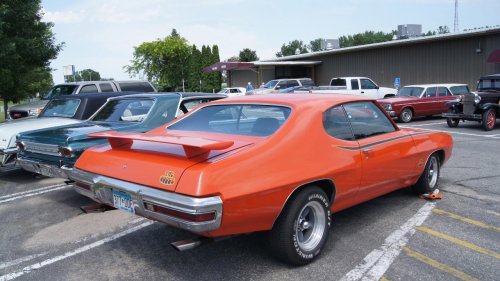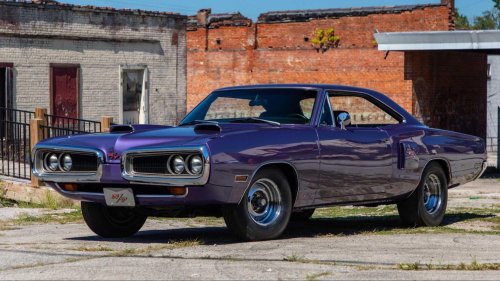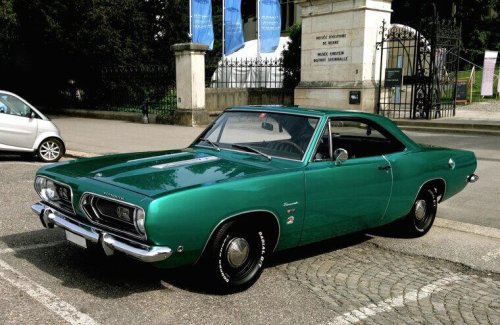
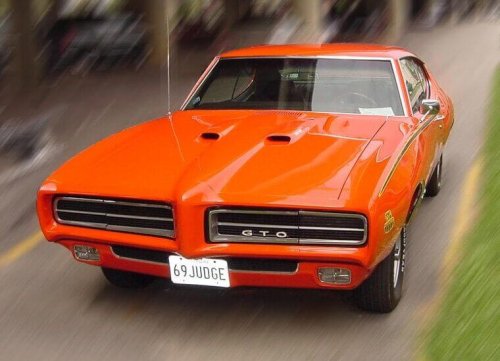
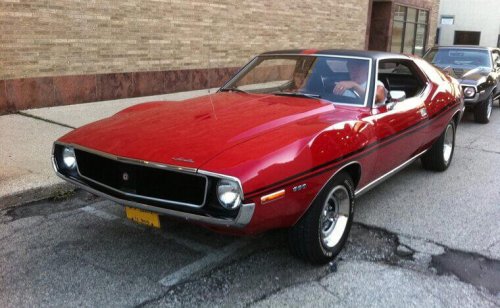
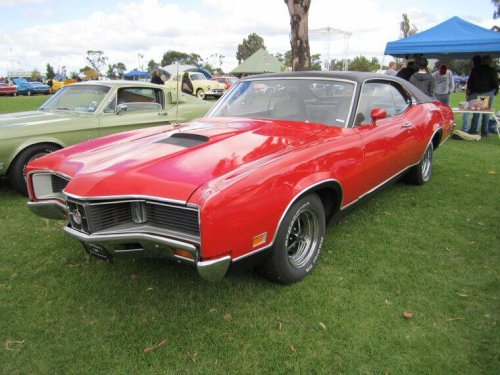
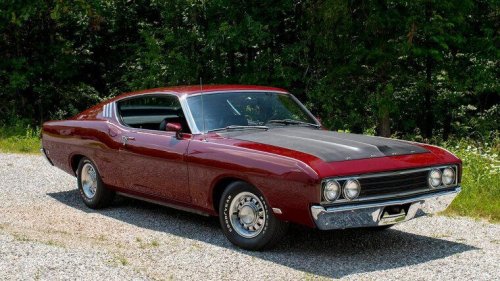
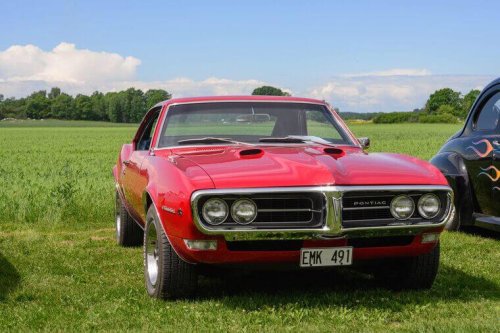
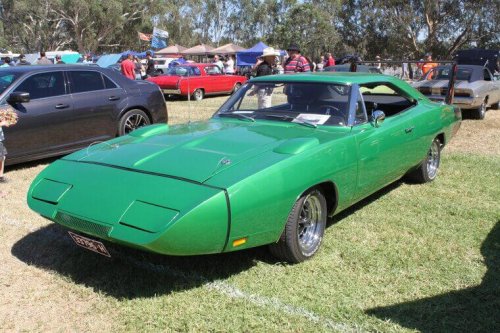
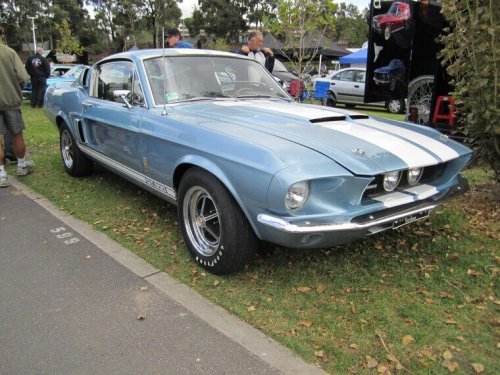
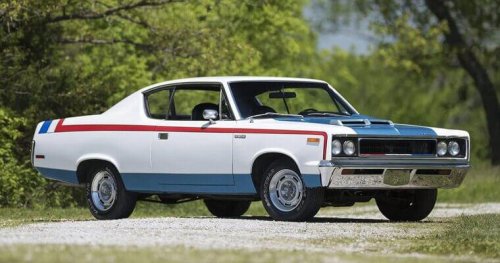

















The Plymouth Hemi Cuda's Roaring DebutIn 1970, Plymouth unleashed something almost unreasonable: a 426 cubic-inch Hemi engine stuffed into the Barracuda's compact body. Nearly 425 horsepower met a car that weighed barely more than a family sedan. The result terrified insurance companies and thrilled everyone else. At drive-ins across America, the Hemi Cuda didn't need to rev its engine to draw a crowd — the shaker hood scoop and elephant-motor reputation did the talking. Fewer than 700 hardtops were built that year, making sightings rare even then. Today, surviving examples fetch millions at auction. It wasn't just fast; it was a declaration that Detroit had officially lost its mind in the best possible way.Pontiac GTO Sparked the Muscle Car EraNobody planned to invent a genre. Pontiac engineers simply dropped a 389 V8 into the midsize Tempest, technically breaking GM's own displacement rules, and called it the GTO. John DeLorean's gamble paid off spectacularly — sales projections of 5,000 units ballooned past 32,000 in the first year alone. Suddenly every automaker scrambled to build their own version of controlled chaos. The GTO's twin-scoop hood and aggressive stance became shorthand for rebellion on wheels. It ruled parking lots not through subtlety but sheer audacity, proving that a mid-size car could outrun expectations, outsell forecasts, and outlast trends. Every muscle car that followed owes its existence to this one bold experiment.AMC Javelin Brought Style to the StripSleek where others were brutish, the AMC Javelin carved its own lane in a crowded field. American Motors, always the scrappy underdog, gave it flowing fastback lines and a wide stance that looked ready to pounce even parked motionless. Under the hood, buyers could opt for a 401 cubic-inch V8 that punched well above its weight class. The Javelin also proved itself on the SCCA Trans-Am circuit, racing against Mustangs and Camaros with genuine credibility. At drive-ins, it stood out precisely because it wasn't trying to imitate the Big Three's formula. It offered something different: European-inspired styling wrapped around unmistakably American muscle, and audiences noticed immediately.Mercury Cyclone Raced Under Neon LightsMercury rarely gets credit in muscle car conversations, but the Cyclone earned its place among the era's fiercest machines. Built on the Montego platform, it offered a 429 Cobra Jet engine option that rivaled anything from Ford's own lineup. Under those neon marquee lights, the Cyclone's long hood and hidden headlights gave it a menacing profile that photographed beautifully and performed even better. Mercury leaned into NASCAR success too, with the Cyclone Spoiler variant honoring drivers like Cale Yarborough. Despite genuine performance credentials, low production numbers meant the Cyclone never achieved the fame of its Ford siblings. That obscurity, ironically, makes surviving examples feel like discovering a secret the mainstream missed entirely.Dodge Super Bee Buzzed Past the CompetitionDodge wanted a budget-friendly muscle car that didn't feel like a compromise, so they built the Super Bee atop the Coronet platform. The formula worked: a standard 383 Magnum V8 delivered real performance without the premium price tag of pricier siblings. Bright graphics and a cartoon bee emblem gave it undeniable personality, standing out against more serious-looking competitors parked nearby. For younger buyers stretching their budgets, the Super Bee represented accessible speed rather than aspirational fantasy. It buzzed through intersections and drag strips alike, embodying a scrappy, blue-collar spirit that resonated with an entire generation. Few cars balanced affordability and attitude so effectively, which explains why enthusiasts still chase them today.Chevrolet Chevelle SS Owned Saturday NightsFew silhouettes are as instantly recognizable as the 1970 Chevelle SS, its SS 396 badge promising exactly what it delivered. Chevrolet refined the formula across multiple generations, but that particular model year hit a sweet spot of aggressive styling and genuine capability. Optional LS6 versions pushed output to a factory-rated 450 horsepower, numbers that seemed almost fictional at the time. Saturday nights belonged to cars like this — lined up under drive-in marquees, engines idling with barely contained menace. The Chevelle SS wasn't chasing anyone's approval; it simply arrived, dominated conversation, and left everyone else measuring their own cars against it. That confidence still radiates from surviving examples decades later.Buick GSX Blended Muscle with ClassBuick occupied unusual territory in the muscle car world — respected for comfort, not typically speed. The GSX shattered that reputation instantly. Built on the Skylark platform with a 455 cubic-inch V8 producing a then-massive 510 lb-ft of torque, it out-muscled nearly everything else on the road. Yet Buick refused to abandon refinement entirely, giving the GSX a more sophisticated interior and smoother ride than rougher competitors offered. This combination attracted a different buyer: someone who wanted devastating acceleration without sacrificing daily comfort entirely. Painted in striking Apollo White or Saturn Yellow with bold black stripes, it looked as confident as its performance numbers suggested. Few cars balanced luxury and violence so gracefully.Plymouth Road Runner Answered the Call for SpeedPlymouth built the Road Runner around a simple, almost rebellious idea: strip away unnecessary luxury and focus purely on speed at an affordable price. Named after the Warner Bros. cartoon character, complete with a horn that actually beeped like the animated bird, it embraced fun without pretense. Base models came with a 383 V8, but the legendary 426 Hemi option transformed it into something genuinely fearsome. Marketing leaned into humor and accessibility rather than exclusivity, and buyers responded enthusiastically — over 44,000 units sold in its debut year alone. At drive-ins, the Road Runner's playful branding masked serious performance credentials underneath, catching unsuspecting challengers completely off guard when the light turned green.Ford Torino Talladega Chased Down NASCAR GloryAerodynamics rarely mattered to muscle car buyers until NASCAR forced everyone's hand. Ford's answer was the Torino Talladega, a homologation special built specifically to dominate high-speed oval racing. Engineers extended the nose, smoothed the front fascia, and flush-mounted the grille, sacrificing conventional styling entirely for slipperiness at 180 mph. Only about 750 examples reached civilian hands, making it exceptionally rare even among enthusiasts. On the track, it delivered exactly what Ford needed, helping secure championship victories against Dodge's own aero warriors. Off the track, its unusual proportions confused casual onlookers unfamiliar with its racing pedigree. The Talladega proved that sometimes chasing pure function creates its own strange, compelling form of beauty.Pontiac Firebird Trans Am Ruled the HighwayThat screaming chicken hood decal became instantly iconic, but the Trans Am backed up its bold graphics with genuine substance. Pontiac engineers focused on handling as much as raw power, giving the Trans Am a sharper, more balanced feel than many straight-line-only competitors. The 1970s brought the WS6 suspension package and Turbo 6.6 engine, keeping performance credible even as emissions regulations strangled other muscle cars into submission. Burt Reynolds' Smokey and the Bandit only amplified its cultural footprint further, cementing black-and-gold Trans Ams in popular imagination permanently. Highway cruising felt different behind that wheel — part fighter jet, part outlaw statement. Few cars aged into legend status quite as smoothly as this one.Dodge Charger Daytona Broke Speed BarriersSpeed alone wasn't enough anymore by 1969, so Dodge engineers essentially strapped a spaceship nose onto the Charger and called it Daytona. That towering rear wing and elongated front end looked absurd parked next to conventional cars, but wind tunnel data justified every strange curve. The result: Buddy Baker piloted a Daytona to over 200 mph on a closed track, a genuine milestone for stock-bodied vehicles at the time. NASCAR homologation rules required limited street production, meaning ordinary buyers could technically purchase this rolling aerodynamic experiment. Few understood exactly what they were looking at when a Daytona pulled into a drive-in lot. Fewer still forgot the sight afterward.Shelby GT500 Roared with Racing HeritageCarroll Shelby's fingerprints transformed the Mustang into something considerably more menacing with the GT500. Racing heritage wasn't marketing fluff here — Shelby's motorsport background genuinely informed suspension tuning, brake upgrades, and overall chassis balance beyond what standard Mustangs offered. The 428 Cobra Jet engine provided serious muscle, while aggressive styling cues signaled exactly what lurked beneath that long hood. Unlike some competitors focused purely on straight-line bragging rights, the GT500 handled corners with genuine composure, reflecting Shelby's road-racing philosophy throughout. Parked among ordinary Mustangs at any drive-in, it looked like a wolf among housecats. That authentic competition pedigree separated it from purely cosmetic muscle car pretenders trying to borrow credibility they hadn't earned.AMC Rebel Machine Made a Bold StatementSubtlety never interested American Motors when they built the Rebel Machine. Painted in patriotic red, white, and blue with a functional hood scoop and tachometer mounted prominently on that scoop, it practically shouted its intentions before the 390 V8 even fired up. AMC, perpetually the smallest of Detroit's manufacturers, used bold visual statements to compensate for smaller marketing budgets and dealer networks. Performance backed up the theatrics too, with the Machine capable of low 14-second quarter miles, respectable numbers against far more established competitors. Production remained limited, roughly 2,326 units built for the 1970 model year alone, making surviving examples genuinely scarce today. AMC never lacked ambition, even when resources fell short.