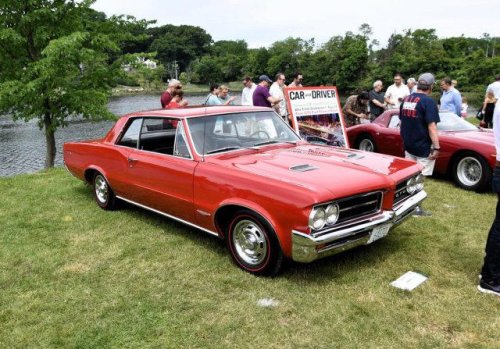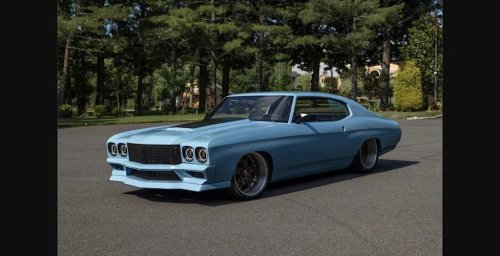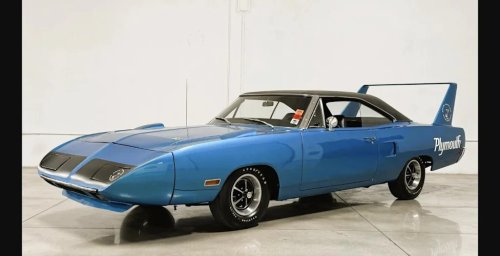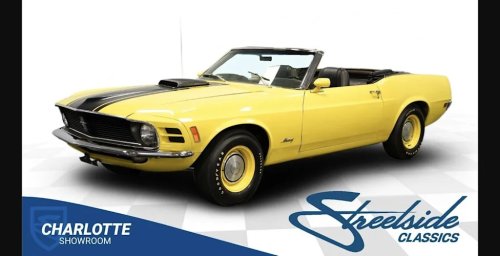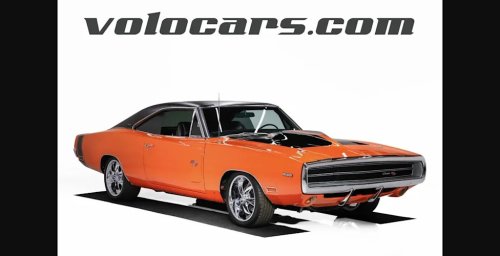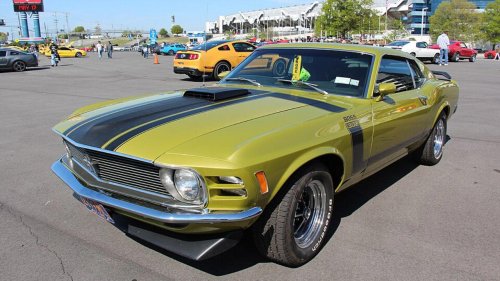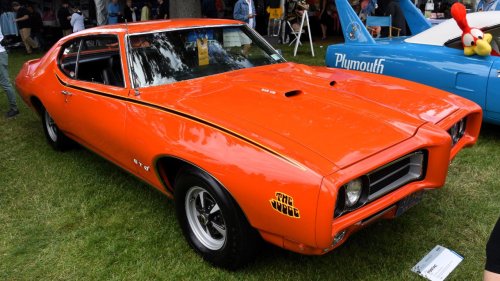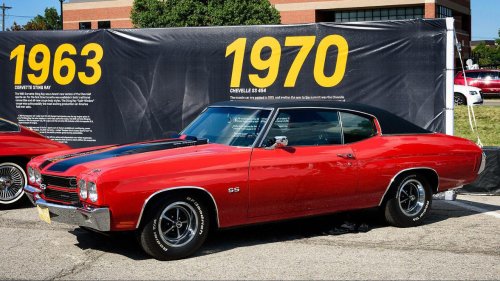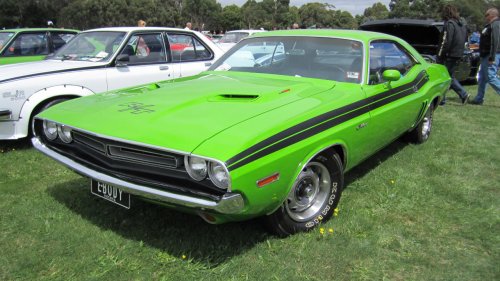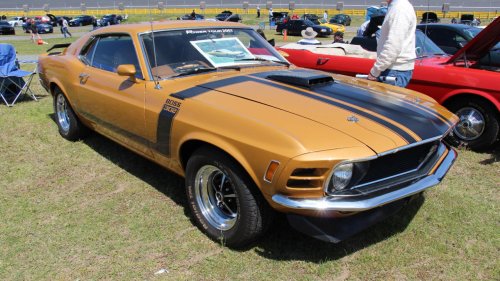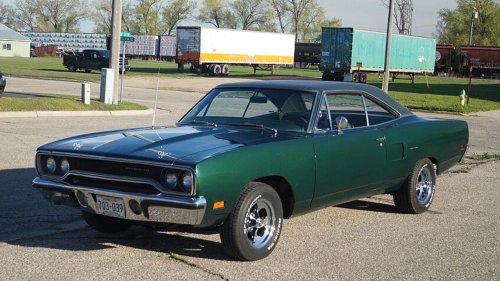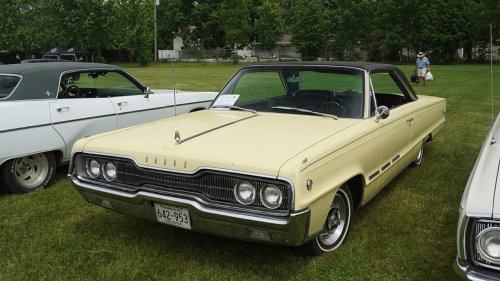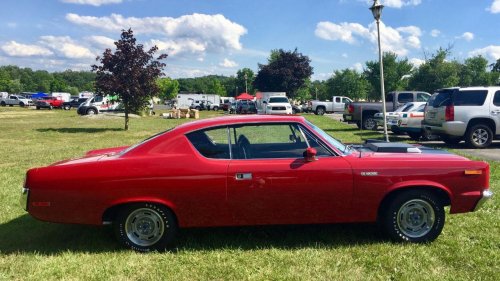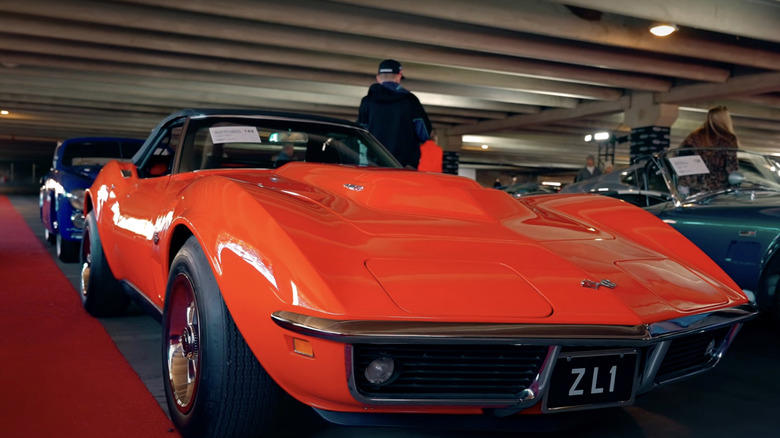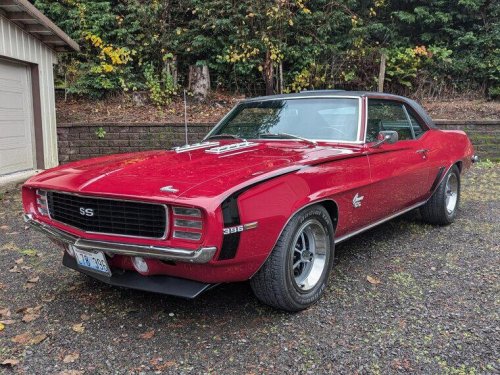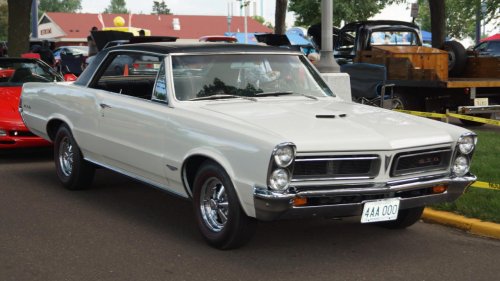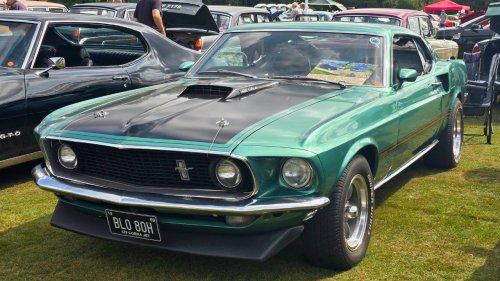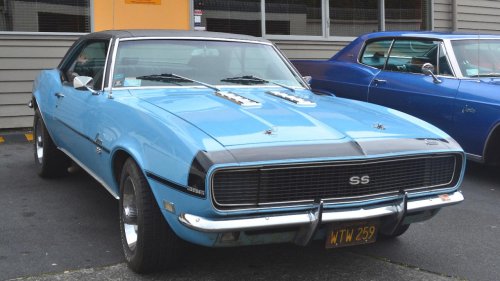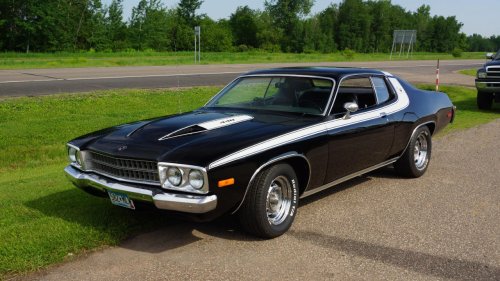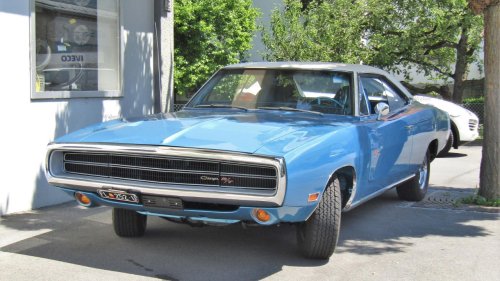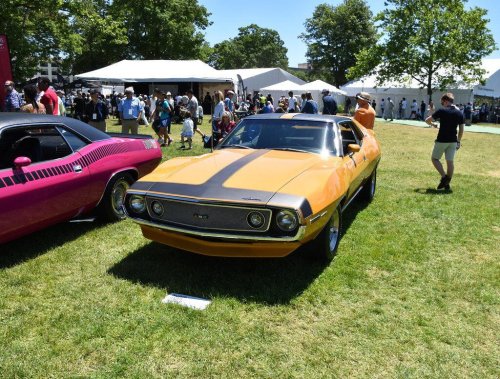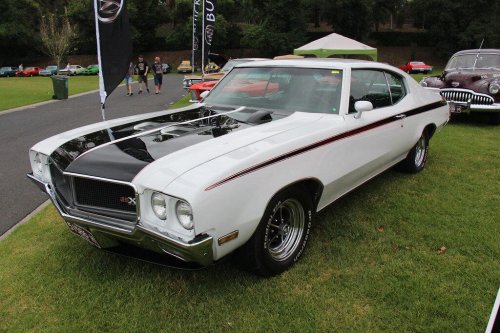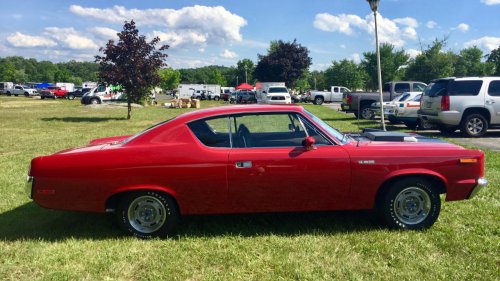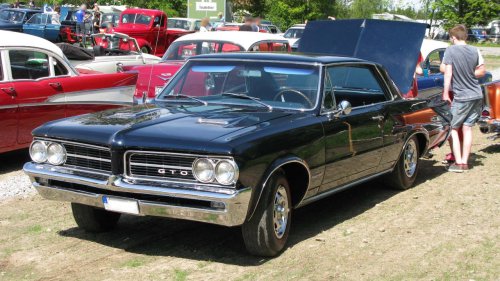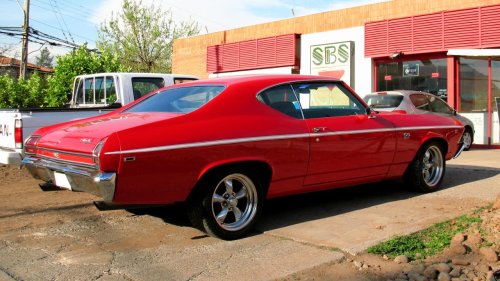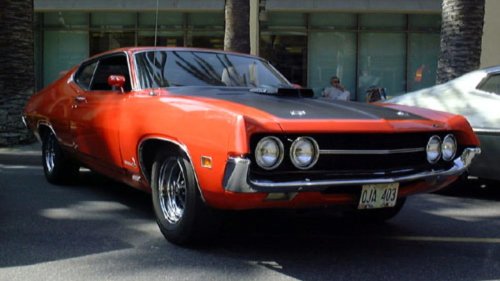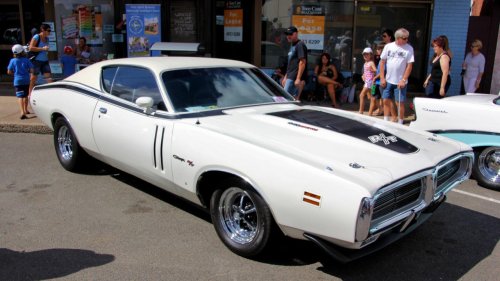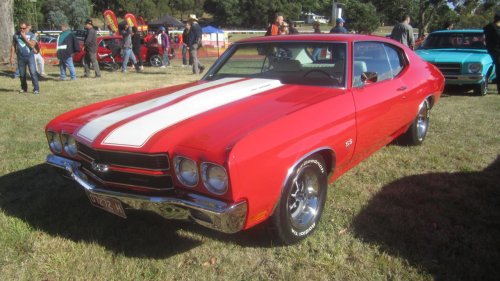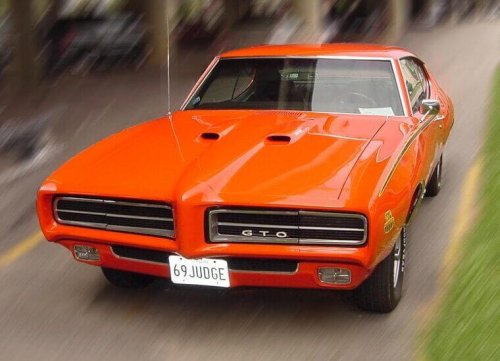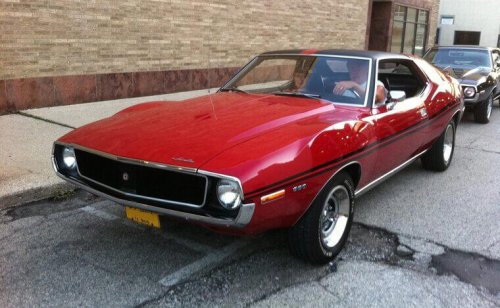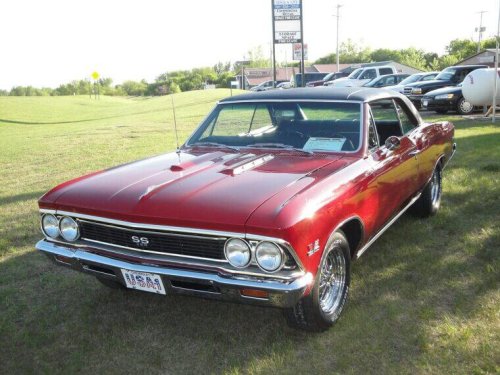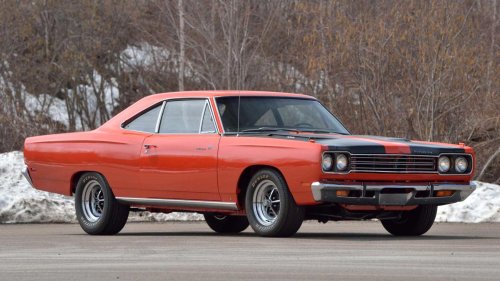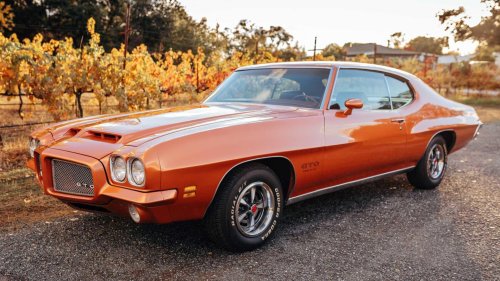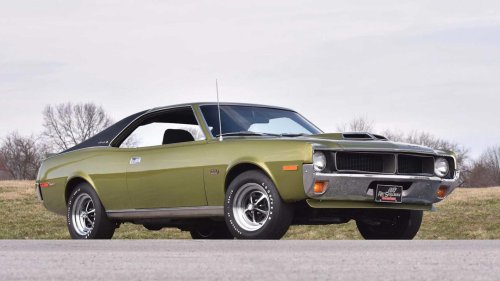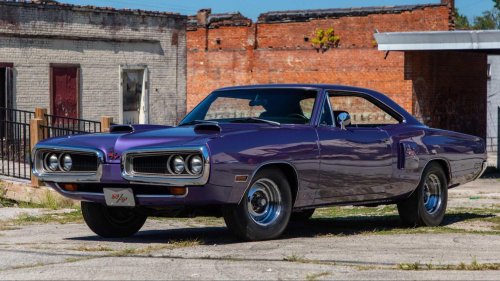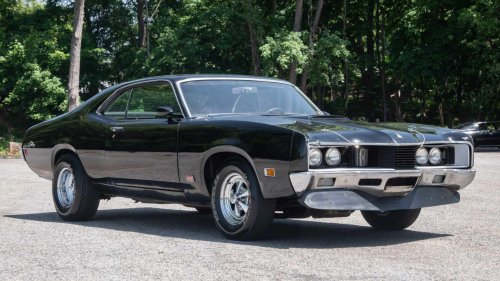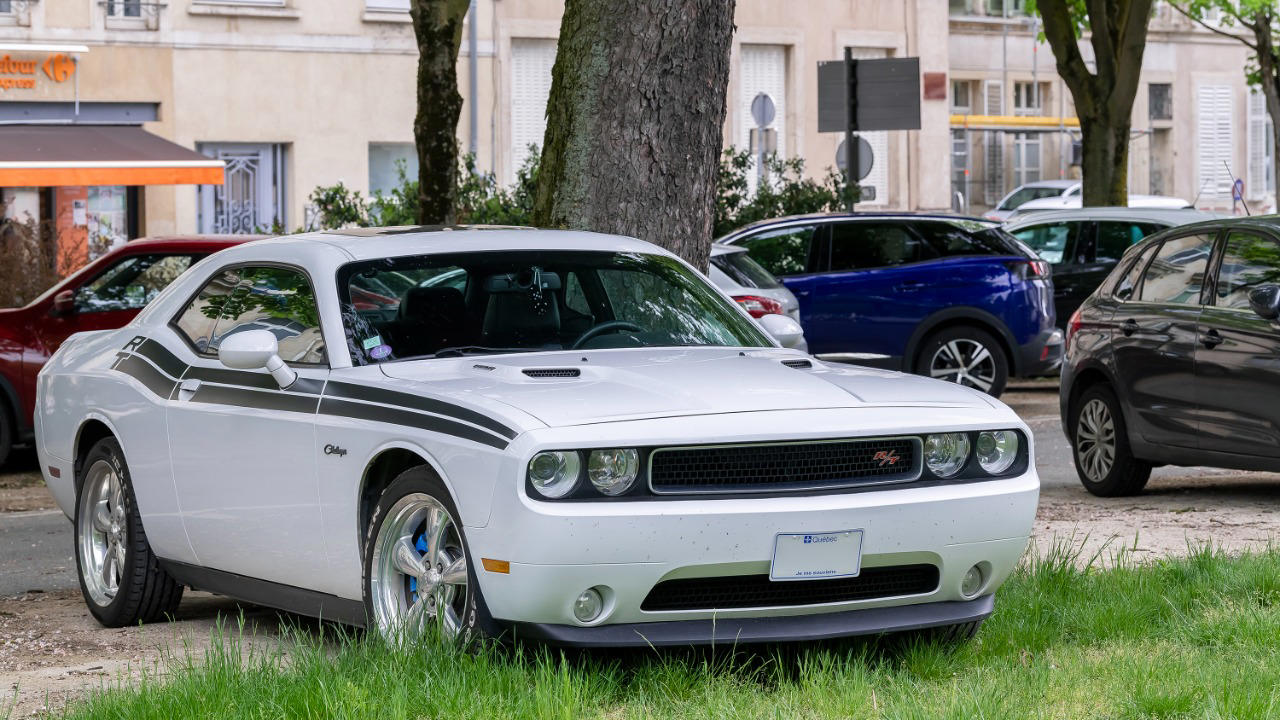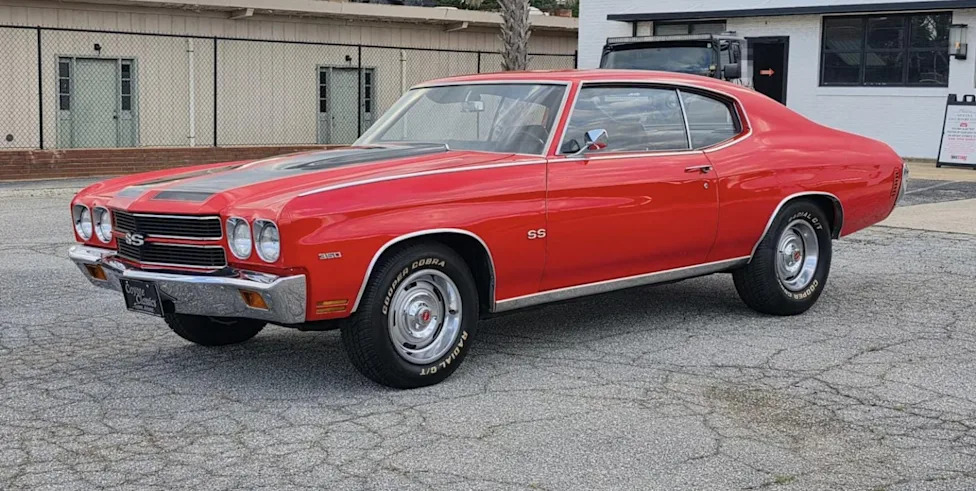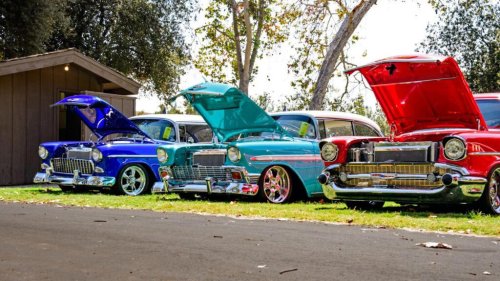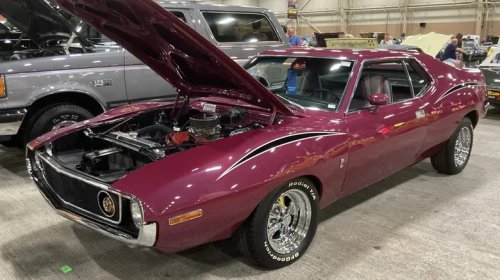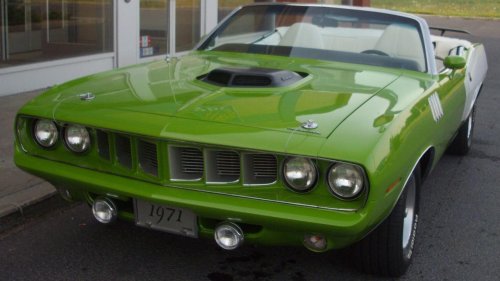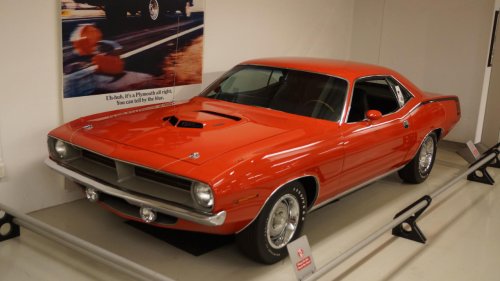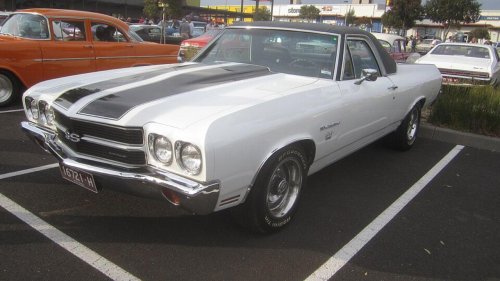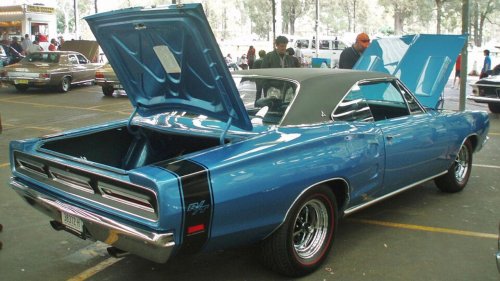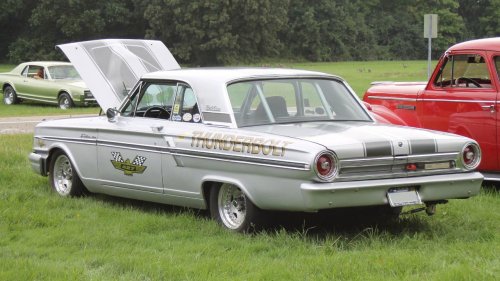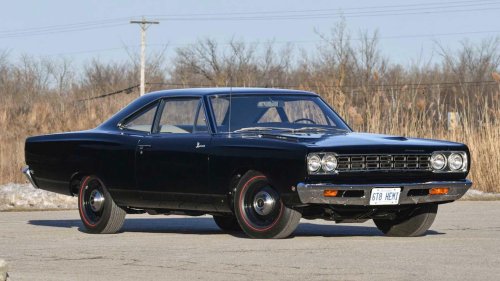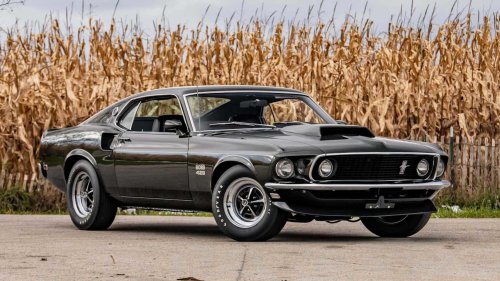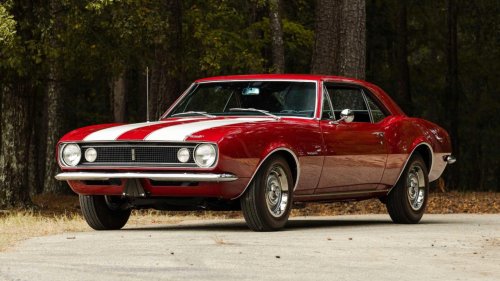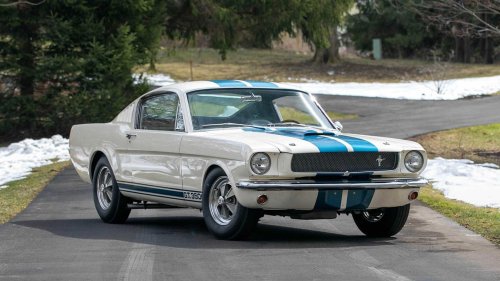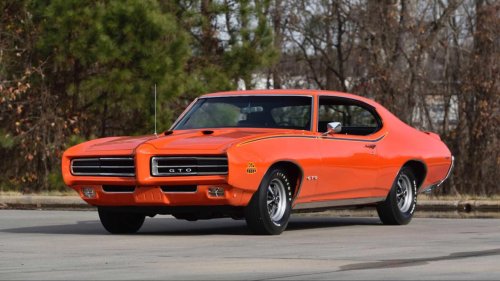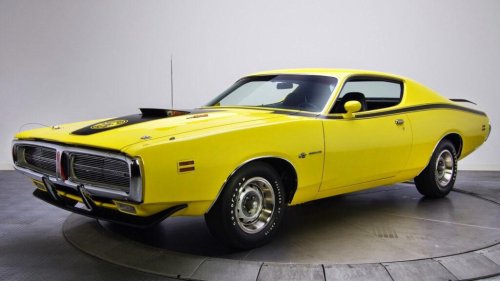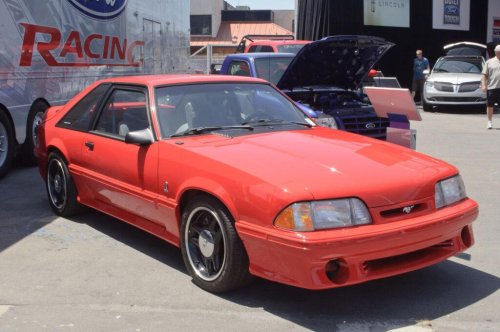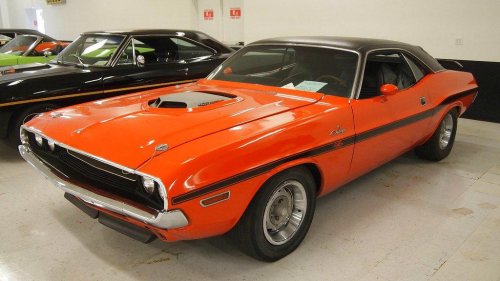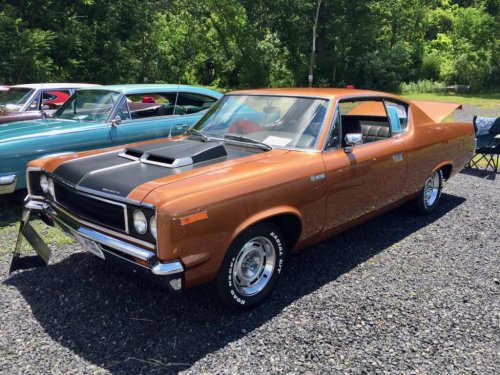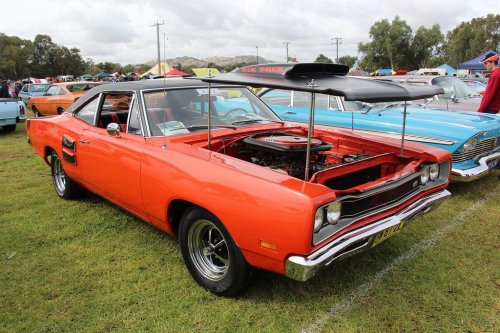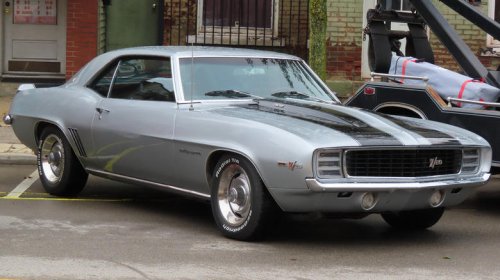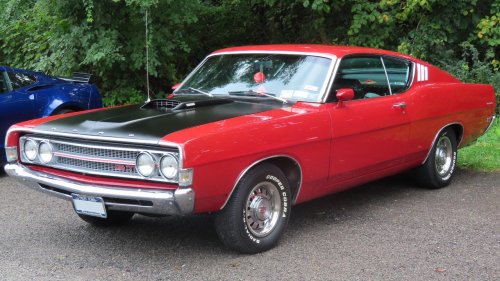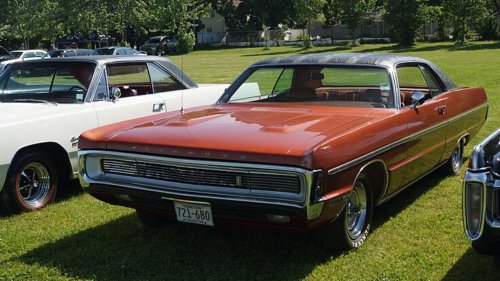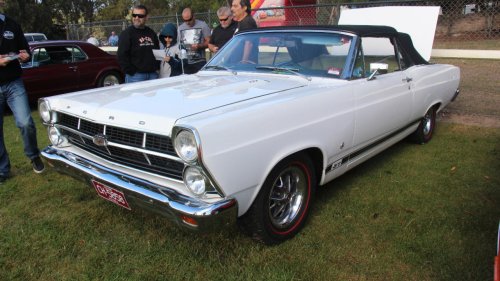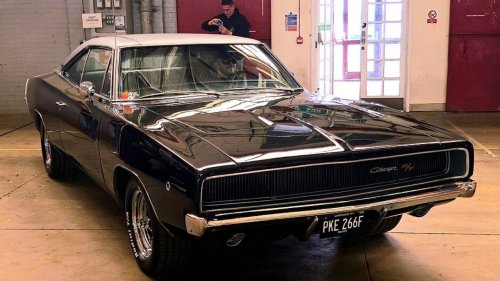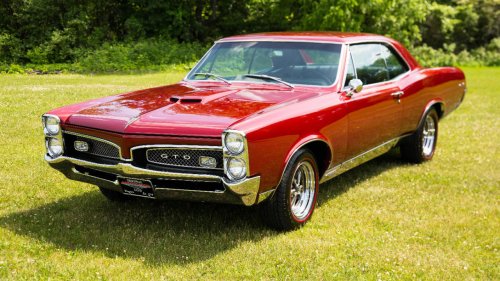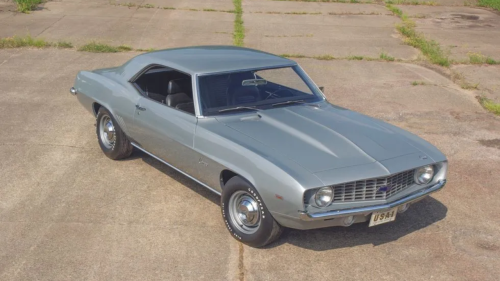
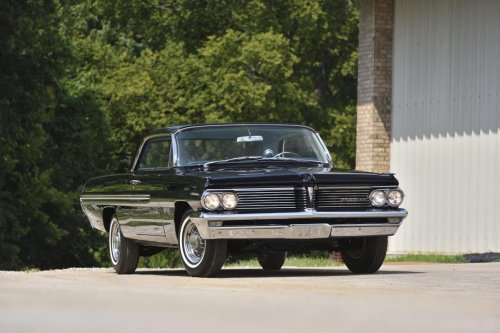
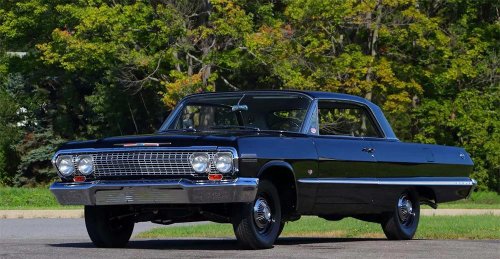
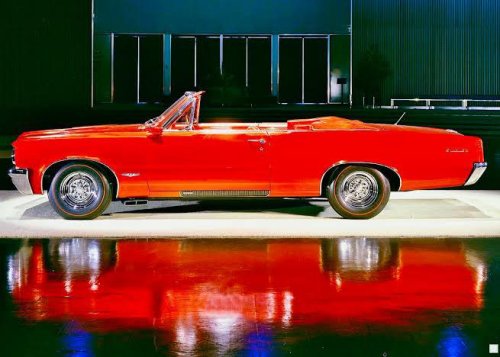
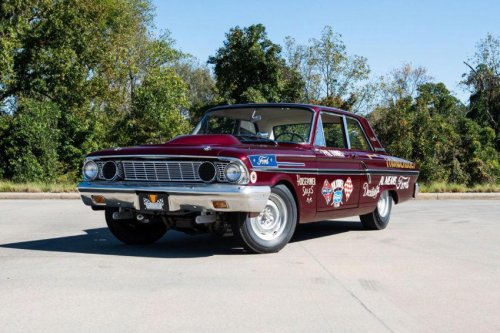
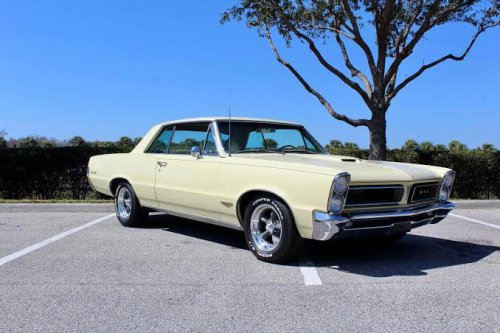
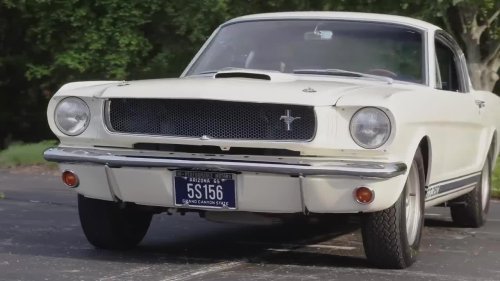
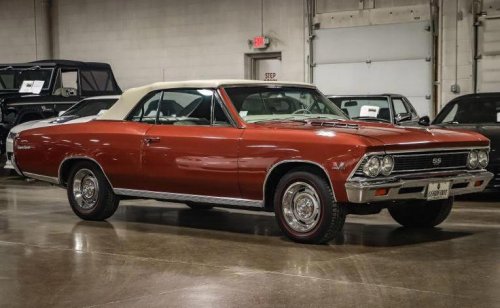
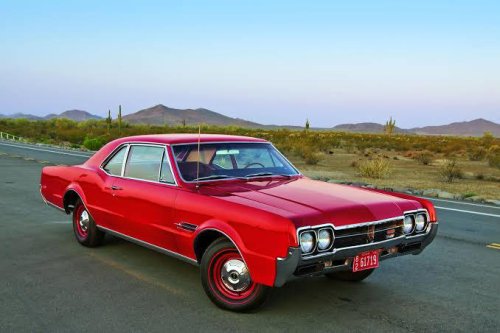
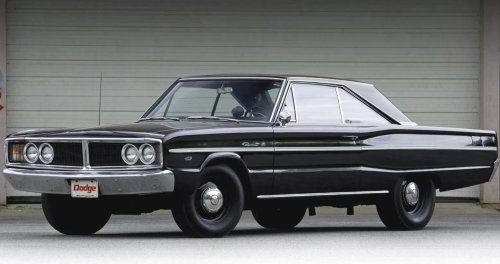
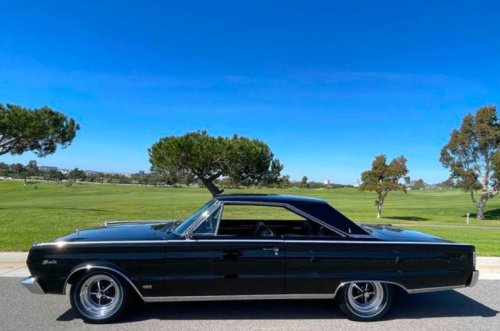
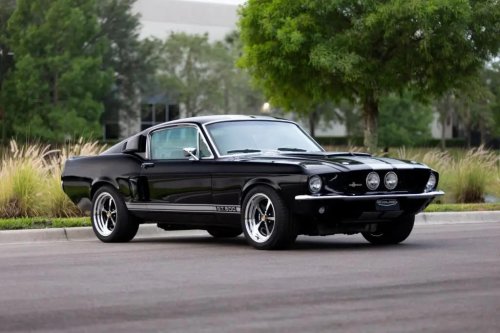
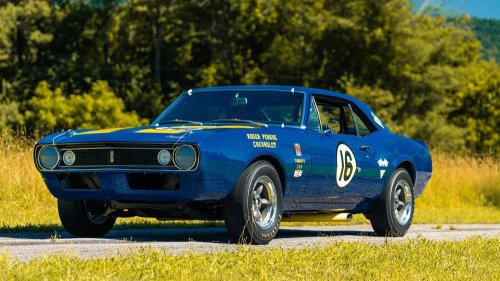
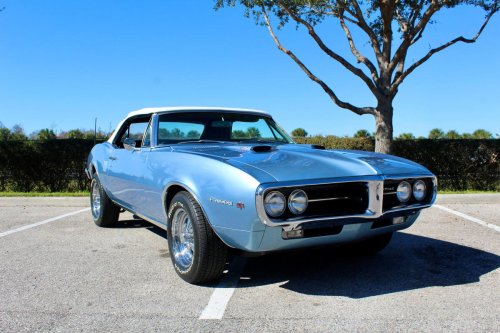
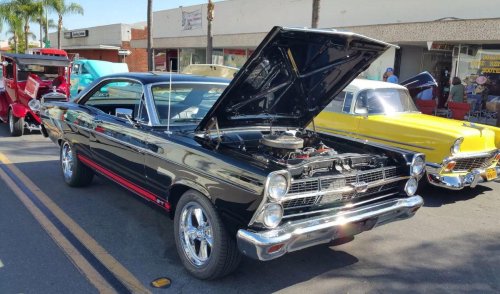
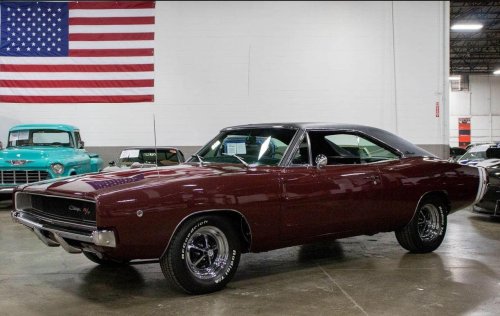
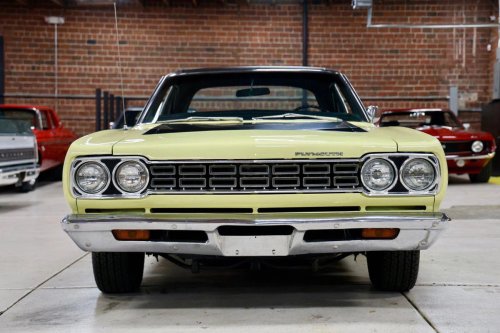
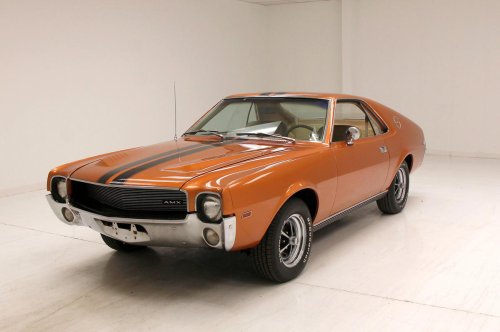
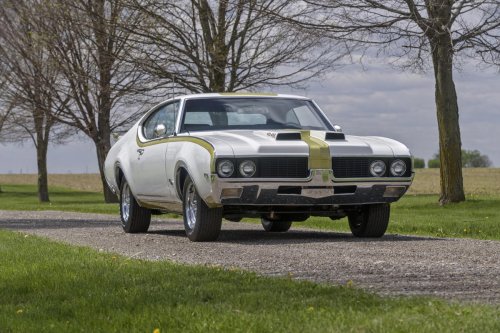
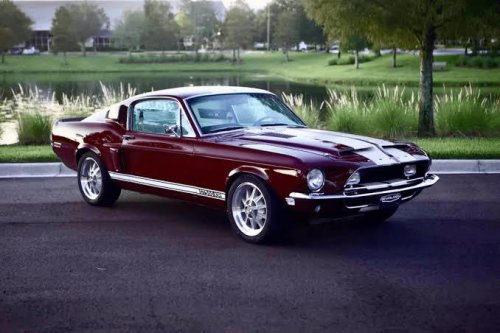
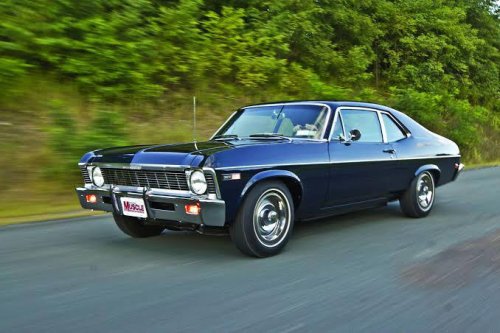
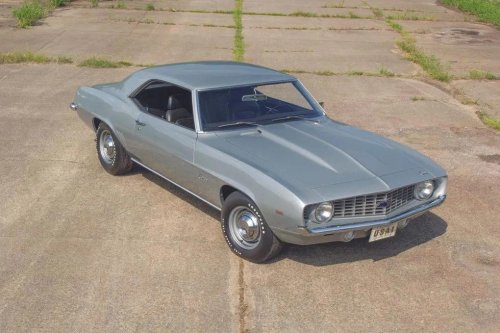
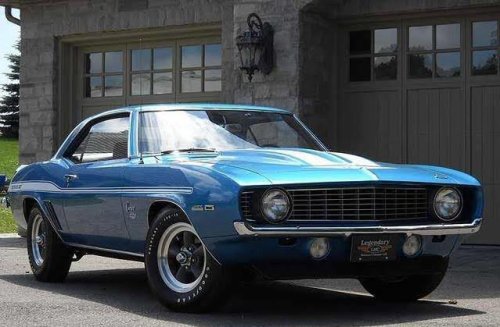
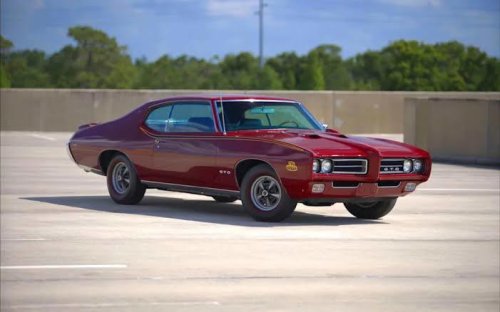
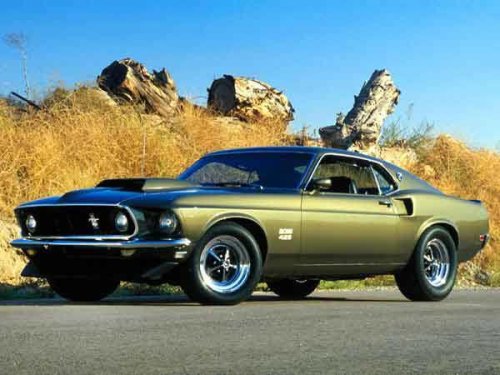
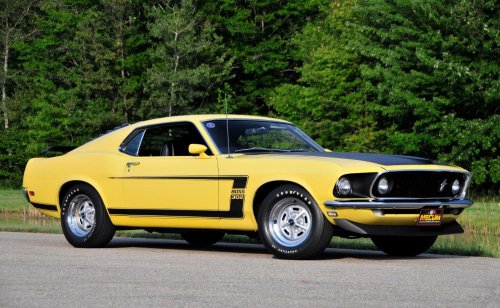
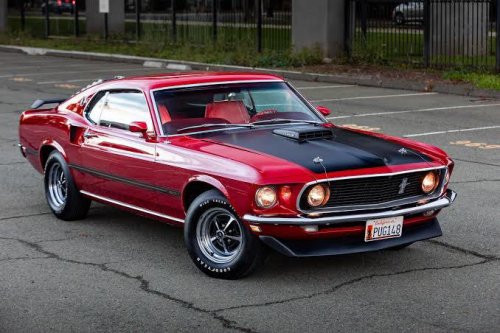
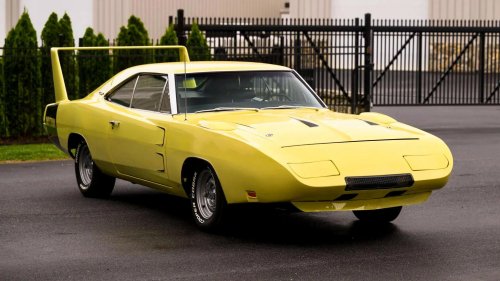
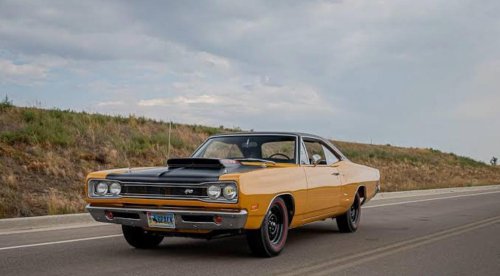
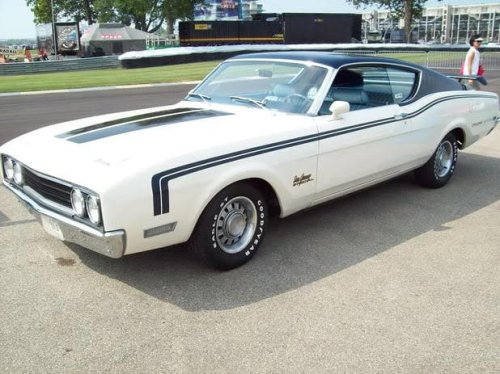
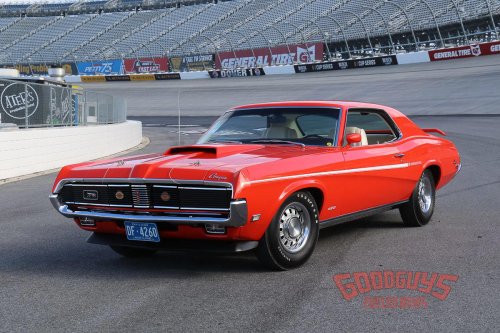



















30 Classic Muscle Cars From the Golden Age of American HorsepowerFew cars capture American automotive culture quite like the muscle machines of the 1960s. Built around big engines, bold styling, and an obsession with straight-line speed, these classics turned ordinary streets into showcases of horsepower.1962 Pontiac Catalina Super Duty — The Muscle Car Before Muscle CarsBefore the muscle-car formula had a name, Pontiac was already putting serious performance hardware into full-size cars like the Catalina. The lightweight Super Duty versions helped establish Pontiac as one of Detroit’s most aggressive performance brands.1963 Chevrolet Impala Z11 — A Full-Size Drag Strip MonsterThe Z11 package transformed the familiar Impala into a factory-built drag racer with a special 427-cubic-inch V8 and extensive weight-saving measures. Only a tiny number were produced, making surviving examples exceptionally rare.1964 Pontiac GTO — The Car That Started a RevolutionPontiac created a new kind of performance car by offering its intermediate Tempest-based GTO with a 389-cubic-inch V8. Its combination of power, relatively affordable pricing, and youthful marketing helped ignite the classic muscle-car era.1964 Ford Fairlane Thunderbolt — Built to Dominate the Drag StripThe Fairlane Thunderbolt was less about comfortable cruising and more about winning races. Ford stripped weight from the Fairlane and equipped it with serious big-block power, creating one of the most outrageous factory drag cars of the decade.1965 Pontiac GTO Tri-Power — Three Carburetors, One Legendary NameThe GTO became even more desirable when equipped with Pontiac’s famous Tri-Power setup using three two-barrel carburetors. By the middle of the decade, it had become one of the defining symbols of the rapidly growing muscle-car movement.1965 Shelby GT350 — The Mustang Gets SeriousCarroll Shelby transformed Ford’s new Mustang into something much more focused with the GT350. Lighter, louder, and tuned for performance, it helped prove that the Mustang platform could be much more than a stylish commuter.1966 Chevrolet Chevelle SS 396 — Chevrolet Joins the Horsepower WarThe Chevelle SS 396 combined Chevrolet’s midsize body with big-block power and instantly became one of the company’s signature muscle cars. Its understated shape made the performance hiding underneath even more appealing.1966 Oldsmobile 4-4-2 — Muscle With a Touch of ClassOldsmobile entered the performance battle with the 4-4-2, originally developed as a package for the Cutlass. It offered buyers the speed of a muscle car without abandoning the more refined image associated with Oldsmobile.1966 Dodge Coronet Street Hemi — NASCAR Power for the RoadInstalling Chrysler’s legendary 426 Street Hemi into the Coronet produced one of the most intimidating sleepers of the era. From the outside it could look surprisingly ordinary, but its engine came directly from Chrysler’s racing obsession.1966 Plymouth Satellite Hemi — A Family Coupe With a Wild SideThe Satellite looked like a conventional midsize Plymouth, but ordering one with the 426 Hemi changed everything. That combination of restrained styling and enormous performance made it a classic example of Detroit’s early muscle-car philosophy.1967 Shelby GT500 — Shelby Adds Big-Block PowerThe GT500 pushed the Shelby Mustang formula toward brute-force muscle with a 428-cubic-inch V8. Its aggressive fastback shape and Shelby modifications turned it into one of the most recognizable high-performance Mustangs ever produced.1967 Chevrolet Camaro Z/28 — Born for Trans-Am RacingChevrolet introduced the Camaro Z/28 with road racing in mind, pairing the new pony car with a high-revving small-block V8 and upgraded handling hardware. It quickly became one of the most respected performance versions of the first-generation Camaro.1967 Pontiac Firebird 400 — Pontiac’s Pony Car Gets MuscleThe Firebird gave Pontiac an answer to the Mustang and Camaro, while the 400 version added the kind of V8 performance expected from the brand behind the GTO. Its long hood and distinctive Pontiac styling made it instantly recognizable.1967 Ford Fairlane GT — Big Power in a Midsize FordThe Fairlane GT represented Ford’s straightforward approach to the muscle-car formula: take an ordinary midsize coupe and give it considerably more performance. It remains one of the less flashy but quintessential Ford muscle cars of the decade.1968 Dodge Charger R/T — One of Detroit’s Greatest ShapesThe second-generation Charger combined its now-famous Coke-bottle body with available 440 Magnum and 426 Hemi power. Hidden headlights and its dramatic fastback-inspired roofline helped make the 1968 Charger an enduring icon.1968 Plymouth Road Runner — Muscle Without the LuxuryPlymouth designed the Road Runner around a simple idea: give younger buyers serious performance without loading the car with expensive extras. Even its cartoon-inspired name and horn helped give the affordable muscle car a personality unlike anything else on the road.1968 AMC AMX — The Underdog Takes on DetroitAMC proved that the Big Three did not have a monopoly on performance when it introduced the compact two-seat AMX. Its short proportions and available V8 power gave American Motors a legitimate performance flagship.1968 Hurst/Olds — Oldsmobile Turns Up the HeatThe Hurst/Olds combined Oldsmobile engineering with Hurst performance expertise to create something considerably more aggressive than the average Cutlass. The special editions became some of the most collectible Oldsmobile muscle cars ever produced.1968 Shelby GT500KR — The Mustang’s “King of the Road”The GT500KR added Ford’s formidable 428 Cobra Jet to Shelby’s already aggressive Mustang. Even its “King of the Road” name made it clear that subtlety was not part of the plan.1968 Chevrolet Nova SS 396 — Small Car, Big-Block AttitudeThe compact Nova became a completely different machine when Chevrolet offered the SS with big-block power. Its plain body made it a favorite among drivers who wanted serious performance without attracting attention before the light turned green.1969 Chevrolet Camaro ZL1 — An Aluminum-Block LegendUsing Chevrolet’s special-order COPO system, buyers could obtain a Camaro with the exotic all-aluminum ZL1 427 V8. Only 69 ZL1 Camaros were produced, helping make it one of the most legendary first-generation Camaros.1969 Chevrolet Camaro COPO 427 — The Camaro Chevrolet Barely AdvertisedThe COPO ordering system allowed knowledgeable dealers to bypass normal Camaro restrictions and order cars with Chevrolet’s 427 big-block. What had been designed largely for special fleet orders became a loophole for creating some of the fiercest Camaros ever sold.1969 Pontiac GTO Judge — Muscle Cars Get Even LouderThe Judge package added bright colors, graphics, spoilers, and plenty of attitude to the already established GTO formula. Its name came from contemporary pop culture, helping Pontiac market performance with a sense of humor.1969 Ford Mustang Boss 429 — NASCAR Engineering Hits the StreetFord created the Boss 429 Mustang largely so its enormous 429 engine could qualify for NASCAR competition. Fitting the massive engine required extensive modifications, turning the resulting Mustang into one of Ford’s most sought-after performance cars.1969 Ford Mustang Boss 302 — Built to Battle the CamaroThe Boss 302 was Ford’s answer to Chevrolet’s Camaro Z/28 and was developed around Trans-Am racing requirements. Its racing connection, graphics, spoilers, and high-revving small-block gave it a character very different from the big-block Boss 429.1969 Ford Mustang Mach 1 — The Mustang Embraces MuscleThe Mach 1 brought aggressive styling, upgraded suspension, bold graphics, and several powerful engine options to the Mustang lineup. It quickly became one of the most recognizable performance versions of Ford’s pony car.1969 Dodge Charger Daytona — The Winged WarriorDodge reshaped the Charger for high-speed NASCAR competition by giving the Daytona an aerodynamic nose cone and an enormous rear wing. The outrageous design made perfect sense on superspeedways and looked almost alien on public roads.1969 Dodge Super Bee 440 Six Pack — Mopar’s Budget BruiserThe Super Bee was Dodge’s straightforward, lower-cost muscle car, and the available 440 Six Pack turned it into a serious drag-strip threat. Its combination of relatively simple equipment and big-block performance captured the original spirit of the muscle-car formula.1969 Mercury Cyclone Spoiler II — Built for NASCAR AerodynamicsMercury transformed the Cyclone into the Spoiler II to compete in NASCAR’s increasingly aerodynamic battles. Its elongated front end made it one of several unusual homologation specials created during Detroit’s obsession with stock-car racing.1969 Mercury Cougar Eliminator — The Cougar Shows Its ClawsMercury gave the upscale Cougar a serious performance makeover with the Eliminator package. Spoilers, bold graphics, a blacked-out grille, and engines ranging up to the 428 Cobra Jet helped it compete directly with the era’s hottest pony cars.