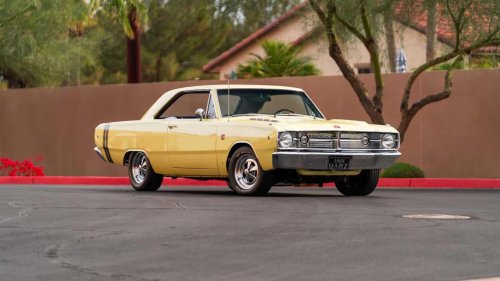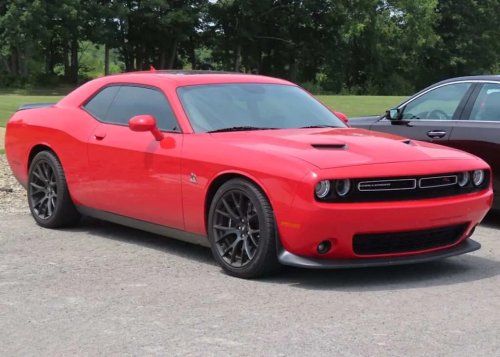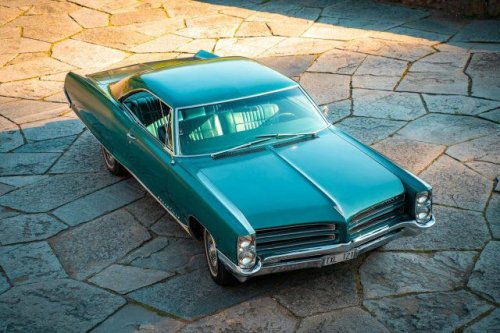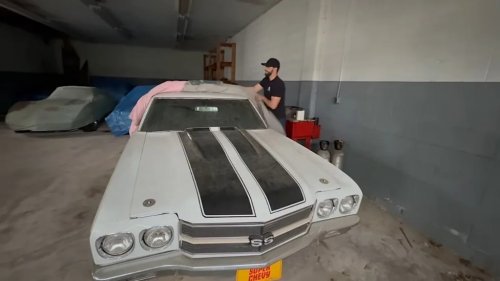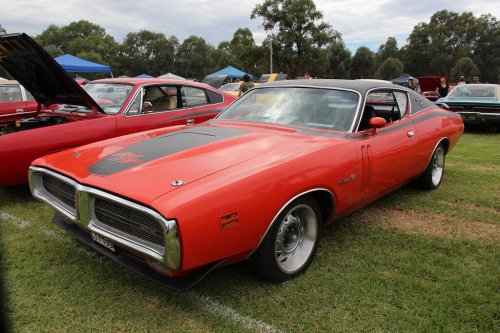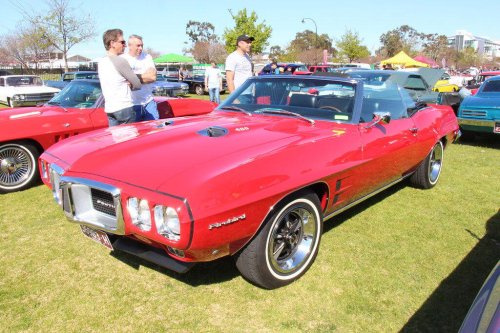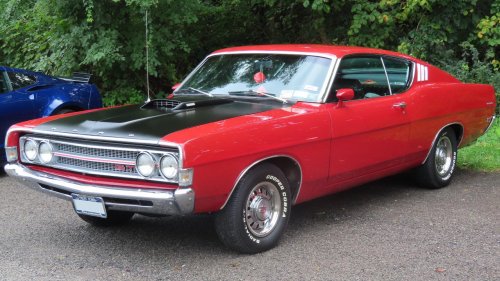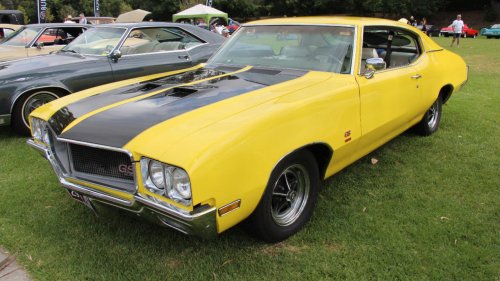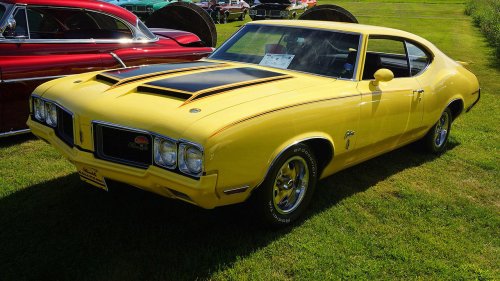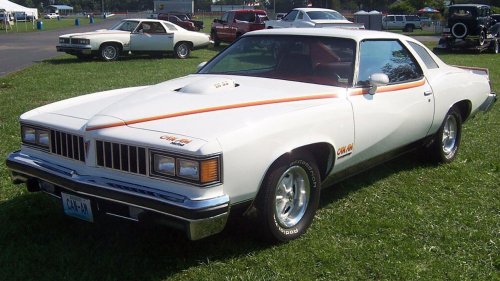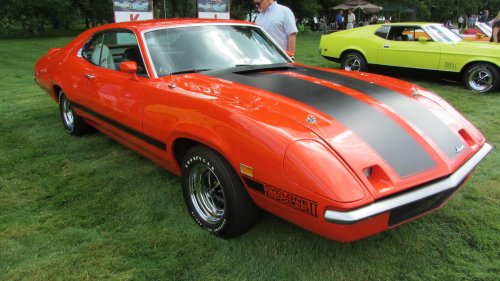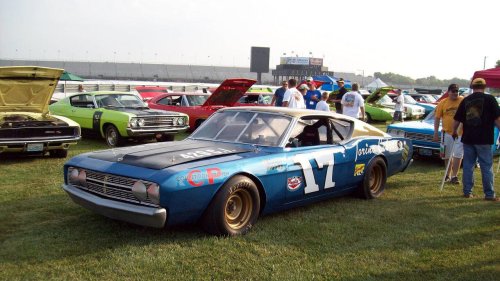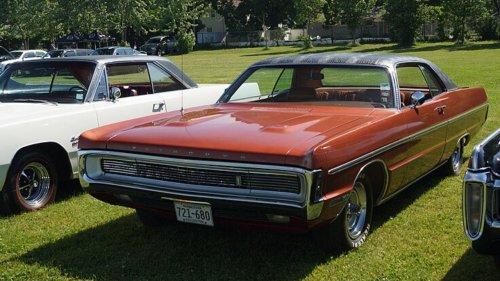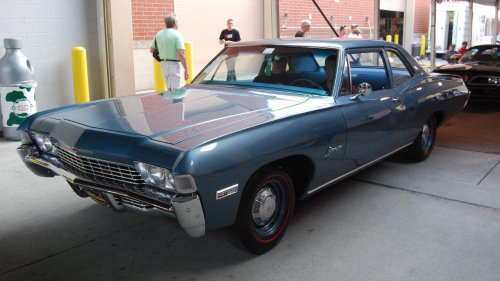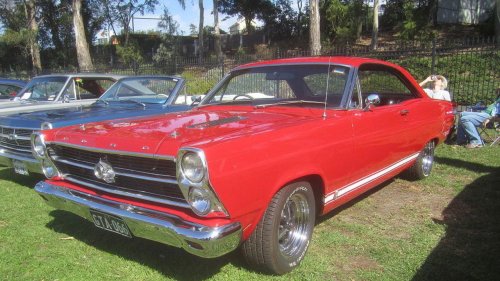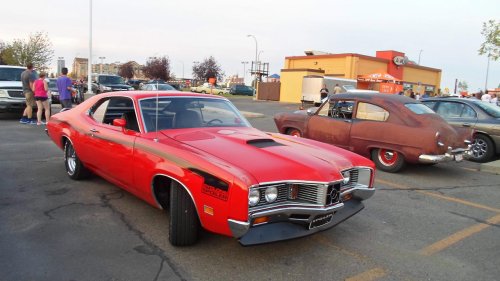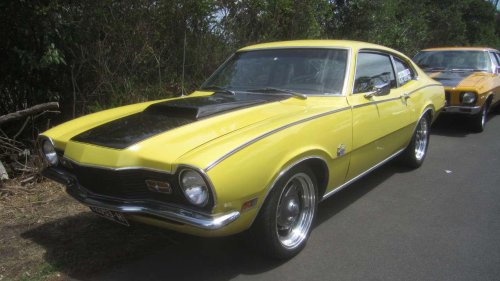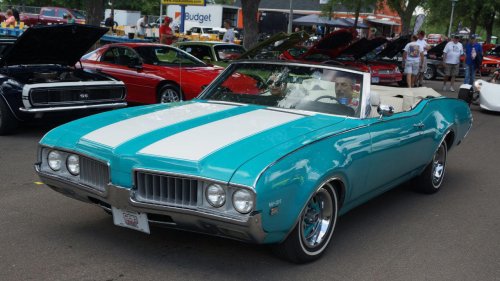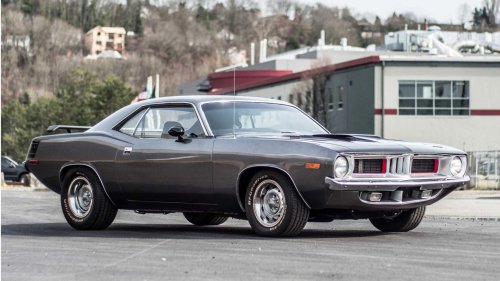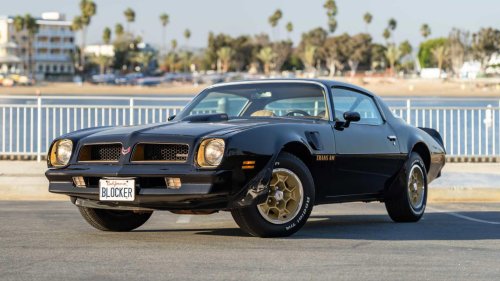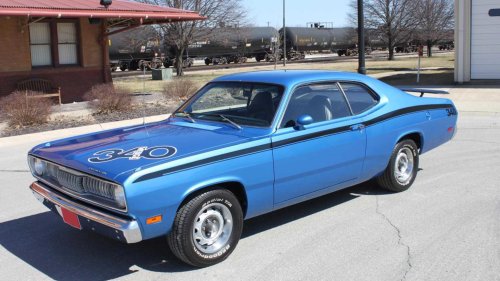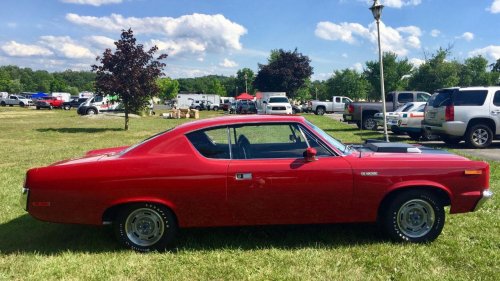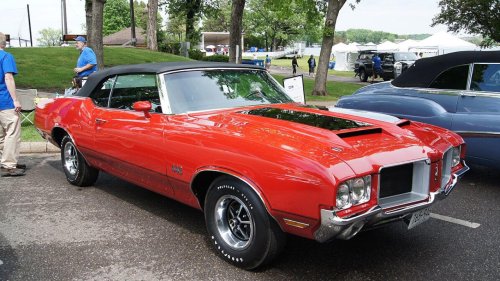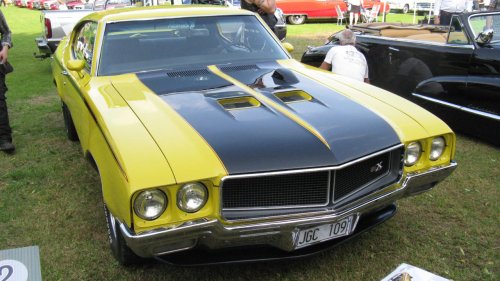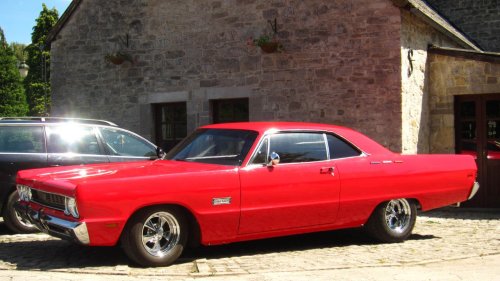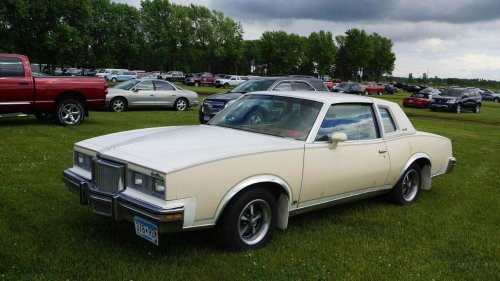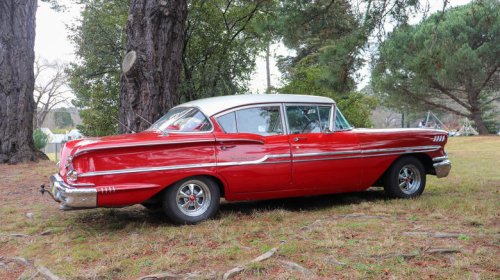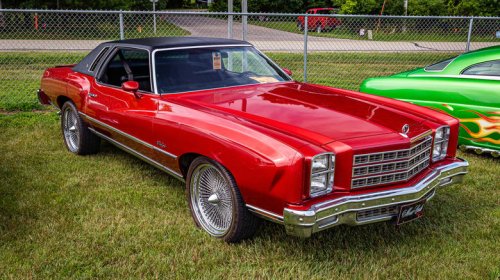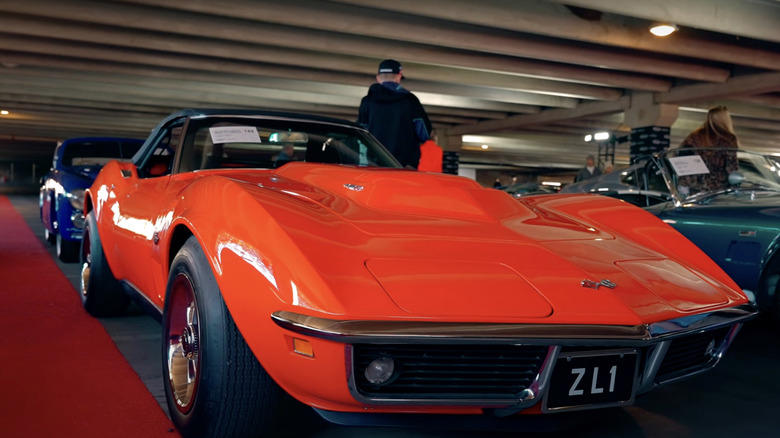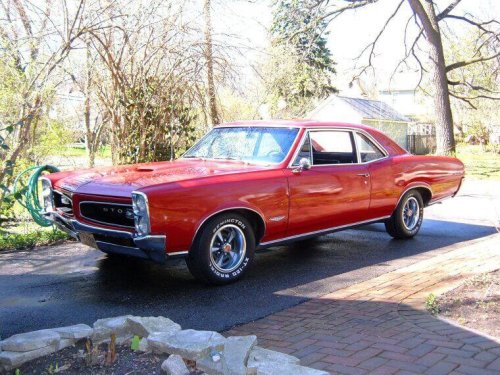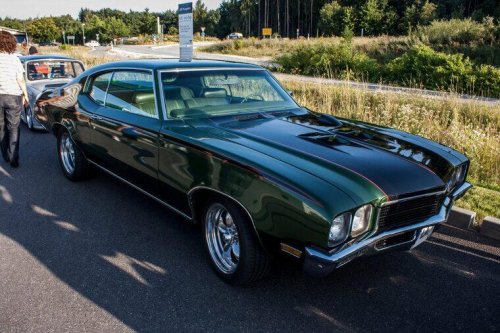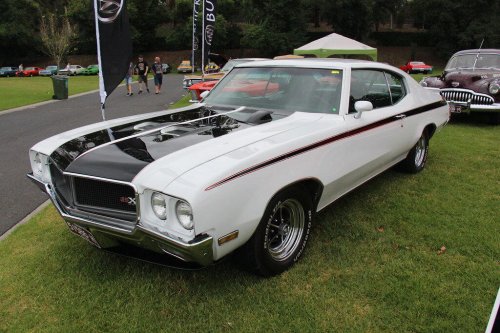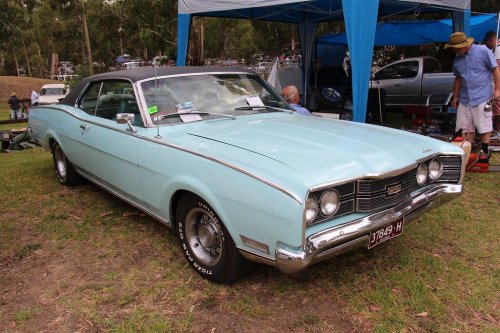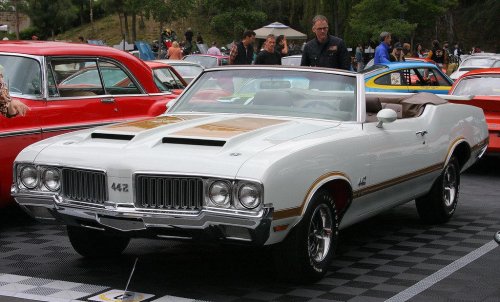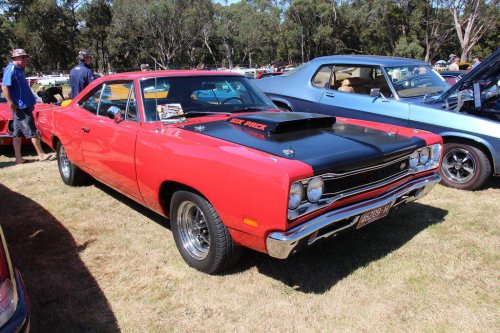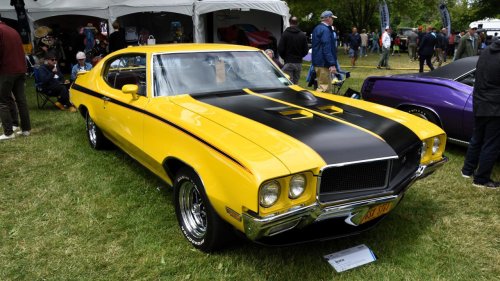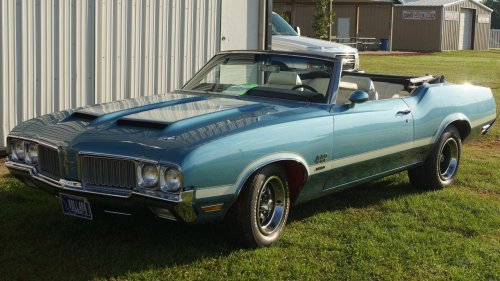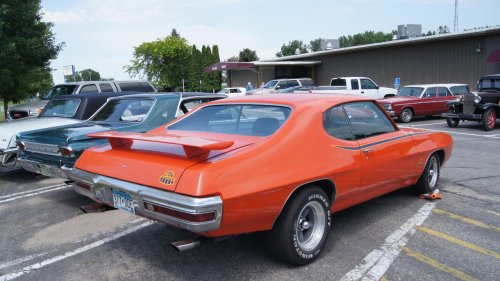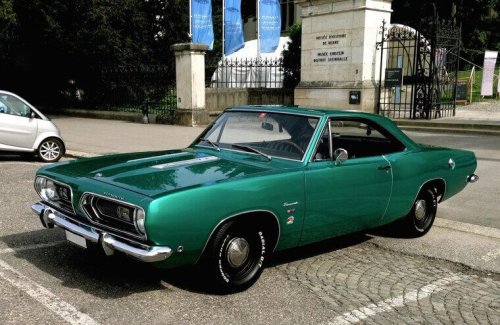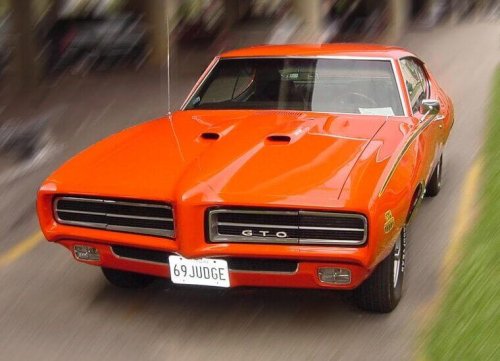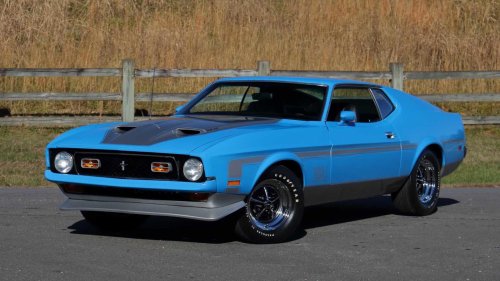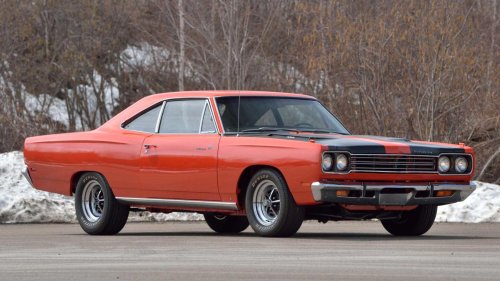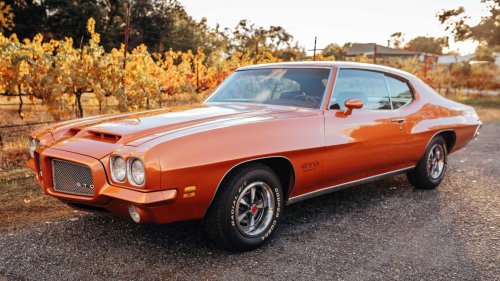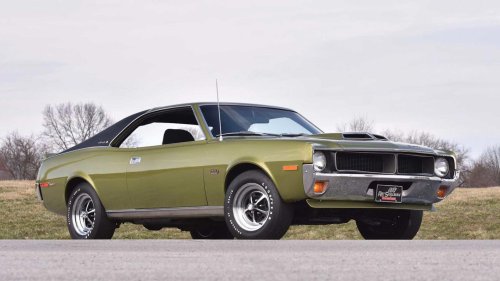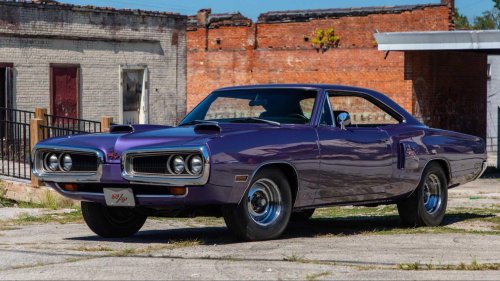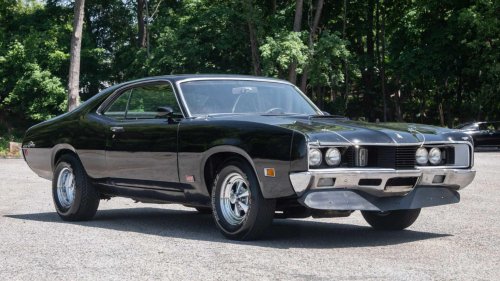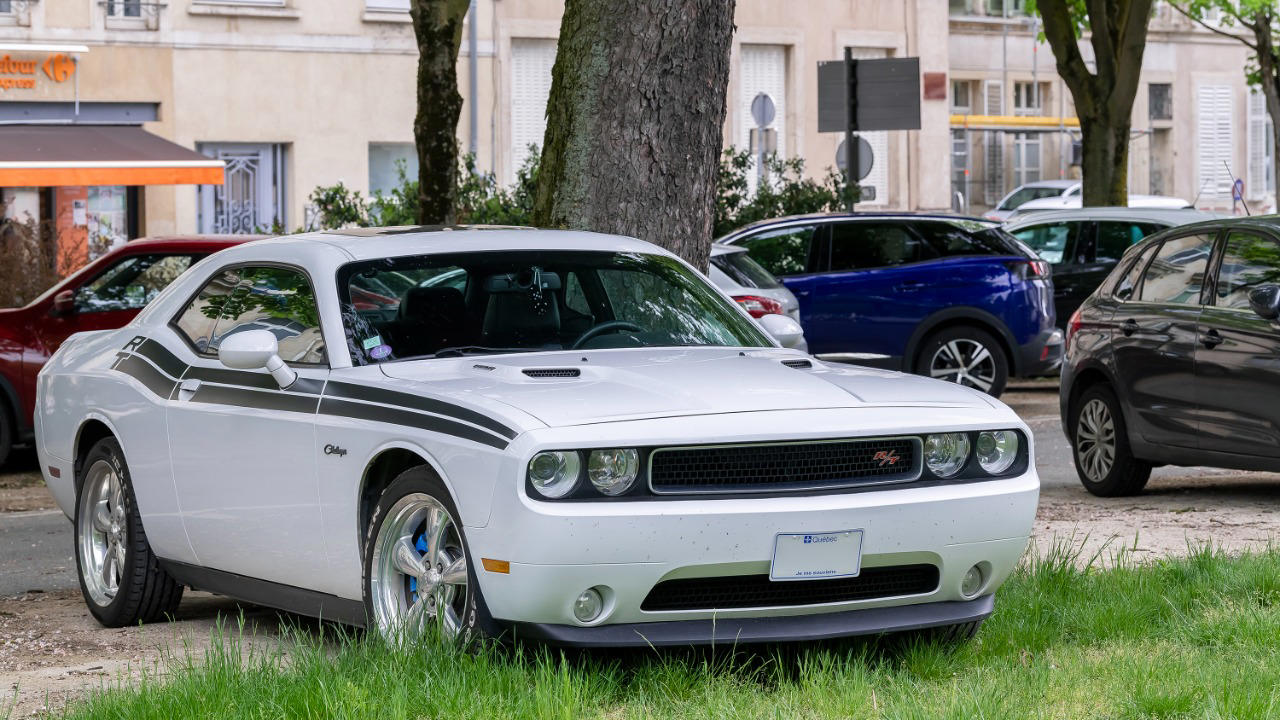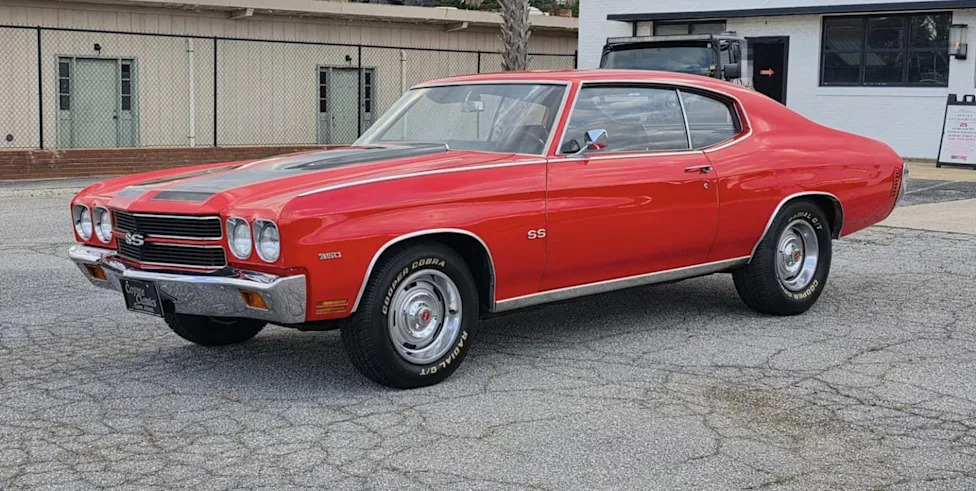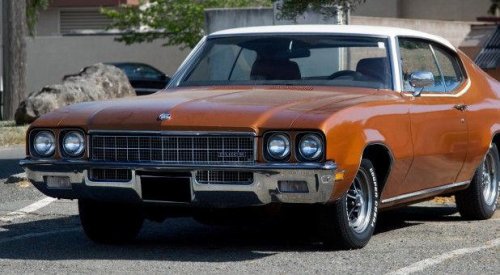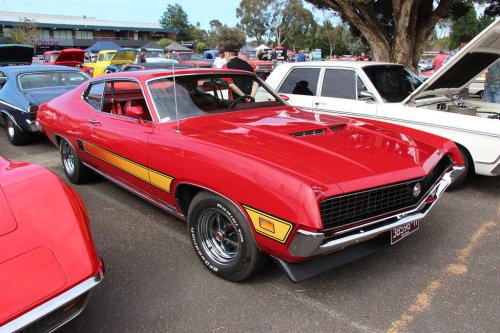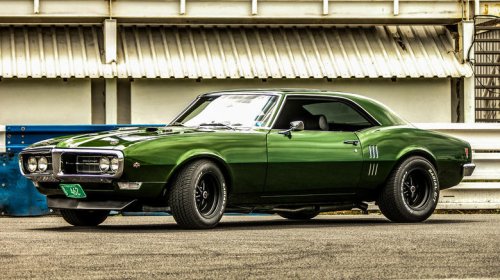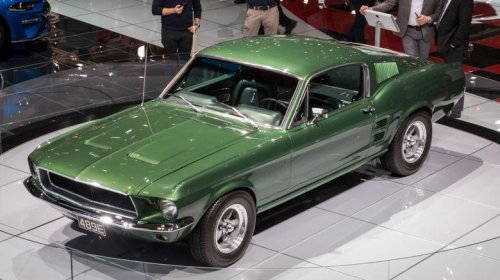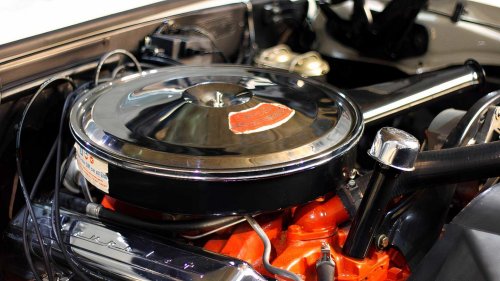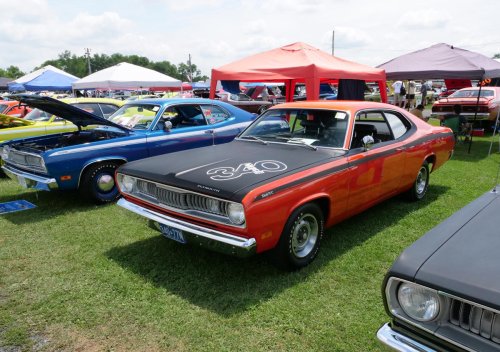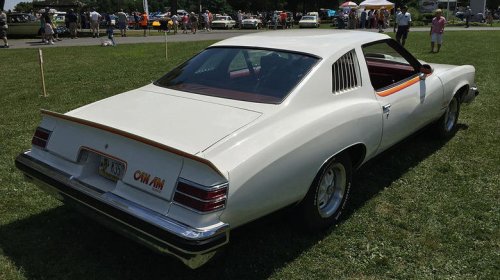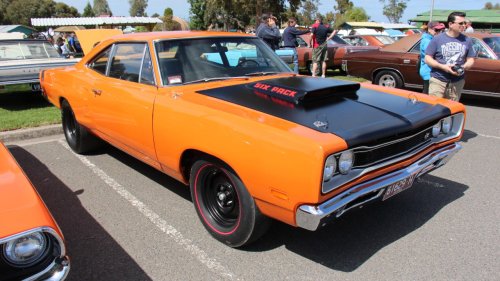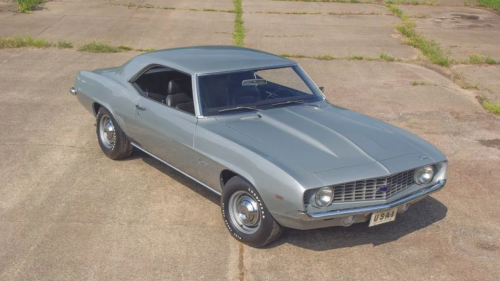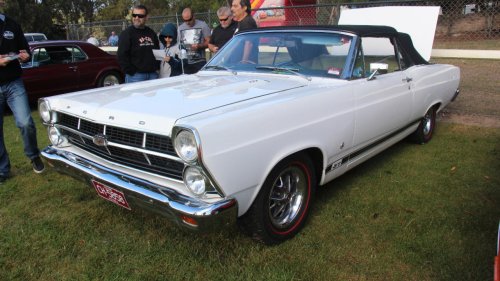
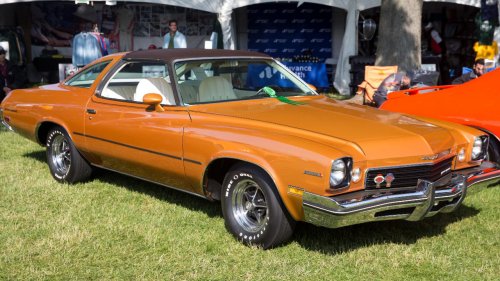
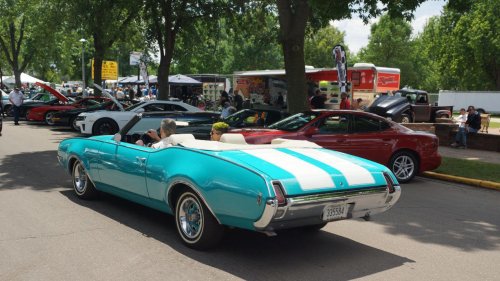
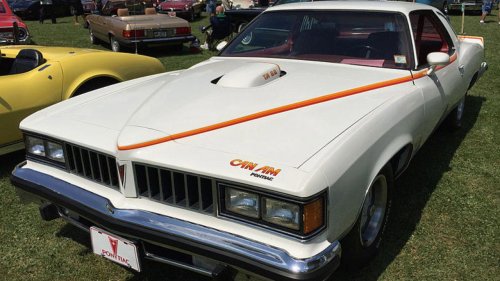
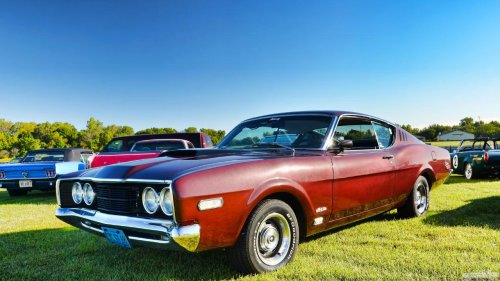
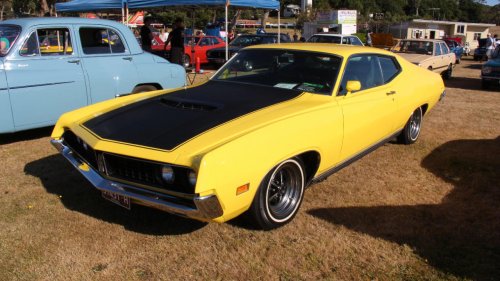
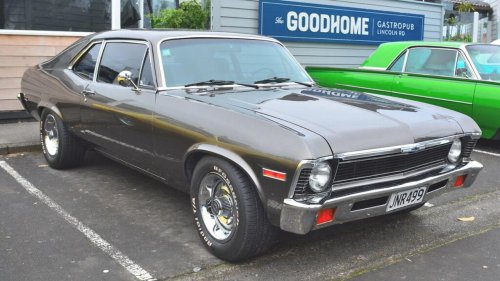
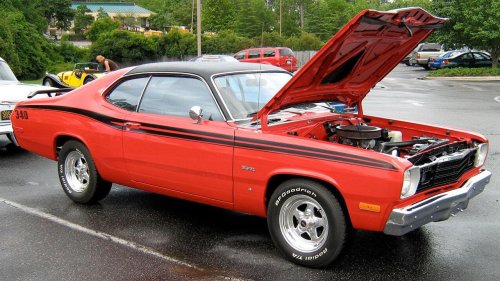
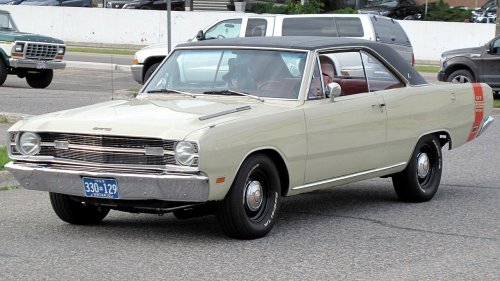
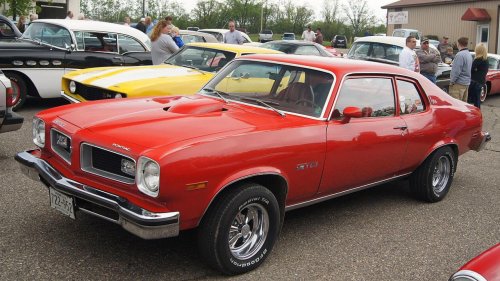
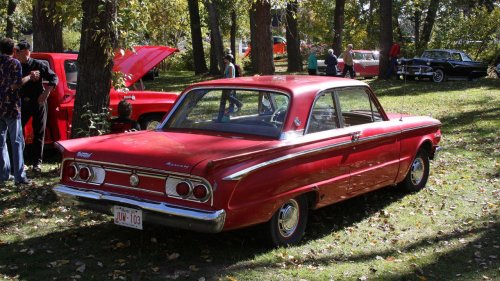
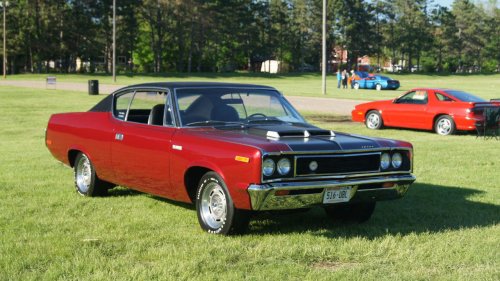
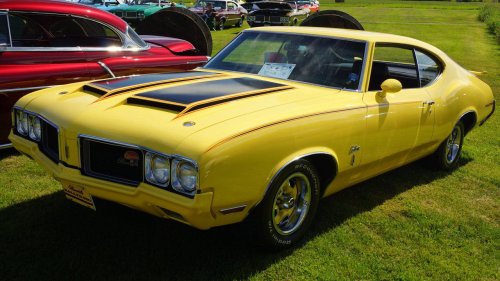
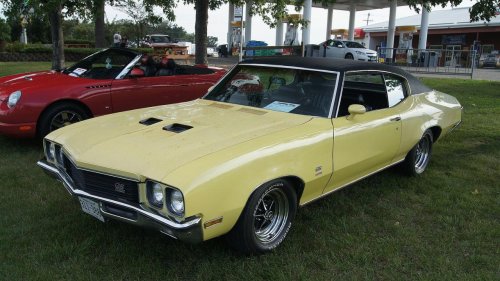
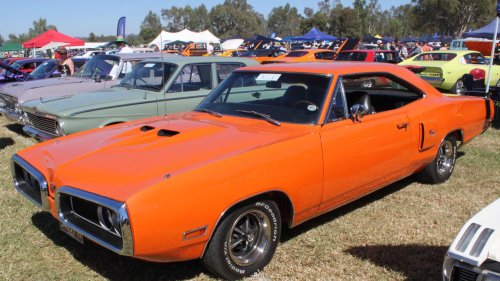
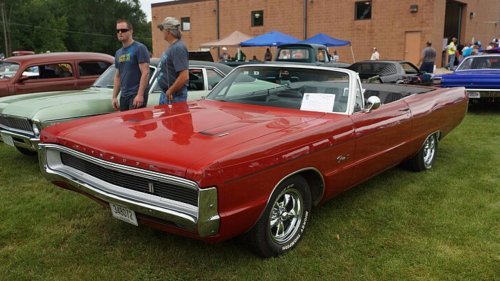
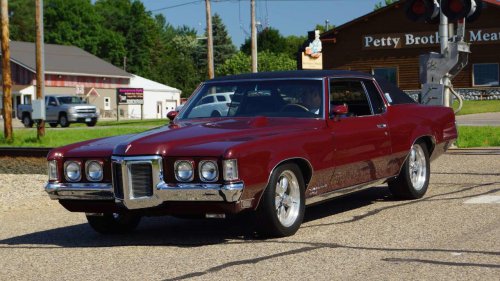
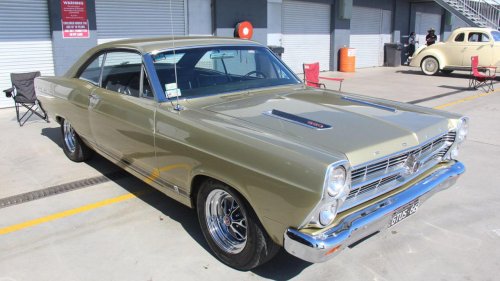
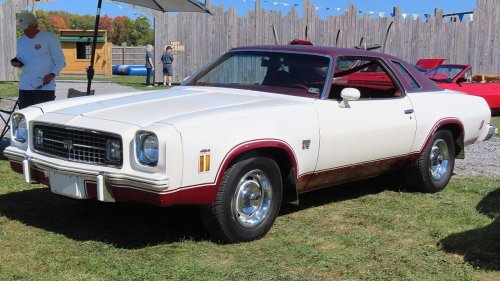



















The most famous muscle cars get all the attention, but some of the most interesting ones sit just outside the spotlight. These cars may not command the same instant recognition as the biggest names, yet they offered serious engines, distinctive styling, or unusual combinations that knowledgeable enthusiasts still appreciate. For those who know the history, these overlooked machines can be just as fascinating.Buick GS 455The Buick GS 455 had the kind of effortless power that could easily be overlooked beside more famous muscle cars. Its big-block V8 produced enormous torque, making the car particularly strong in straight-line acceleration. Buick also gave the GS a more upscale character than many rivals, so it could combine serious performance with a comfortable interior. Enthusiasts appreciate that balance today. It was not simply a stripped-down bruiser, but a substantial car with genuine muscle under the hood.Oldsmobile W-31The Oldsmobile W-31 is one of those cars that knowledgeable collectors tend to get excited about. Based on the Cutlass platform, it used a high-output 350 V8 and performance-oriented equipment that gave it a much more serious character than its understated appearance suggested. It lacked the widespread recognition of an Oldsmobile 442, which helped keep it below the radar for years. Today, its combination of rarity and performance makes it particularly interesting to enthusiasts who know what they are looking at.Pontiac Can AmThe Pontiac Can Am took the familiar LeMans platform and gave it a distinctive performance-oriented identity. Its sporty appearance, practical hatchback body, and available V8 power made it unusual even within Pontiac’s lineup. Production was limited, which meant the model never became nearly as familiar as the Firebird or GTO. Enthusiasts appreciate the Can Am because it represents a fascinating period when American manufacturers were still finding creative ways to keep performance cars relevant during a changing market.Mercury Cyclone GTThe Mercury Cyclone GT delivered plenty of performance while remaining overshadowed by Ford’s better-known muscle cars. Its fastback styling gave it a strong visual presence, while available V8 engines made it a legitimate performer. Mercury positioned the Cyclone as a more stylish alternative within the Ford family, giving it an identity of its own. Enthusiasts who know the model recognize that it offered much of what buyers wanted from a muscle car without carrying the same level of mainstream attention.Ford Torino GTThe Ford Torino GT combined an attractive body with a wide selection of performance engines. Buyers could choose from several V8s, allowing the car to range from a comfortable cruiser to a serious street performer. Its long hood and fastback styling gave it an unmistakable presence without making it as obvious as some competitors. Enthusiasts appreciate the Torino because it sits at the intersection of muscle car and full-size American performance coupe, offering plenty of character without relying solely on its reputation.Chevrolet Nova SSThe Chevrolet Nova SS was smaller and less glamorous than Chevrolet’s flagship muscle cars, but that was part of its appeal. Its compact body could be paired with serious V8 power, creating a lightweight package with strong straight-line performance. The Nova also retained a relatively simple design that made it easy to understand and modify. Enthusiasts often appreciate these qualities more than flashy styling, and well-preserved SS examples have become increasingly desirable among collectors.Plymouth Duster 340The Plymouth Duster 340 proved that a muscle car did not need a huge body or massive engine to be entertaining. Its compact dimensions and high-output 340 V8 created a strong power-to-weight combination. The Duster also offered a less expensive route into performance than some of Plymouth’s larger muscle cars. That affordability helped make it popular when new, while its relatively straightforward construction has kept it appealing to enthusiasts who prefer lightweight American performance.Dodge Dart GTSThe Dodge Dart GTS combined compact dimensions with serious V8 power, giving it the ingredients of an excellent street muscle car. It could be ordered with engines that transformed the small Dart into a surprisingly formidable performer. The car’s understated appearance also made its capabilities less obvious than those of more dramatic muscle cars. Enthusiasts appreciate the Dart GTS because it demonstrates how manufacturers could create genuinely quick cars by putting substantial power into relatively small packages.Pontiac VenturaThe Pontiac Ventura often gets overlooked because it shared attention with better-known Pontiac performance models. Yet certain versions could be equipped with strong V8 engines and sporty equipment that gave them plenty of muscle-car character. Its relatively compact dimensions also helped keep the driving experience lively. The Ventura is exactly the type of car that rewards deeper knowledge of Pontiac’s lineup. Enthusiasts who look beyond the GTO and Firebird often discover that the brand had several other interesting performance cars.Mercury CometThe Mercury Comet began life as a compact, practical car, but its lightweight body made it an excellent foundation for performance versions. Larger V8 engines transformed some examples into surprisingly quick street machines. The Comet’s understated styling also helped it avoid the attention directed toward more famous muscle cars. Enthusiasts appreciate how effectively the platform responded to additional power. It is a good example of why experienced collectors often look beyond badges and focus on the engineering underneath.AMC Rebel MachineThe AMC Rebel Machine was AMC’s bold answer to the growing muscle-car competition. Its high-output V8, distinctive graphics, and performance-oriented equipment gave it plenty of attitude. AMC did not have the production scale of Detroit’s largest manufacturers, but that made the Rebel Machine even more interesting. It was an unmistakable expression of AMC’s independent personality. Today, enthusiasts value the car because it represents one of the company’s most ambitious attempts to compete directly in the performance market.Oldsmobile Rallye 350The Oldsmobile Rallye 350 took a smaller-engine approach to the muscle-car formula. Instead of relying on a giant V8, it used a 350 paired with a performance-focused package that included distinctive styling and chassis upgrades. The result was a car that could deliver an entertaining driving experience without the weight and cost of the largest engines. Because it never became as famous as the 442, the Rallye 350 remains a favorite among enthusiasts who enjoy discovering overlooked Oldsmobiles.Buick GS 350The Buick GS 350 offered a different interpretation of muscle-car performance. Its smaller V8 kept the car somewhat more manageable while still delivering enough power to make it genuinely quick. Buick combined that performance with a more refined interior and comfortable ride, creating a car that could serve as both a cruiser and a street performer. Its relative lack of fame today makes it particularly interesting to collectors who prefer cars that reward knowledge rather than simply following the most recognizable names.Dodge Coronet R/TThe Dodge Coronet R/T was a serious performance car that often gets overshadowed by the Charger and Challenger. It offered big-block power, aggressive styling, and rear-wheel-drive muscle in a more conventional body. That gave buyers plenty of performance without requiring one of Dodge’s headline models. Enthusiasts appreciate the Coronet R/T because it demonstrates how broad Dodge’s muscle-car lineup really was. A clean example can still attract plenty of attention from people who recognize its significance.Plymouth Sport Fury GTThe Plymouth Sport Fury GT brought muscle-car ingredients into a larger personal-luxury coupe. Its big V8 options and substantial dimensions gave it serious straight-line presence, while the body styling made it feel more like a stylish cruiser than a traditional muscle car. That combination is exactly what makes it interesting. Enthusiasts understand that American performance was not limited to compact coupes. Cars such as the Sport Fury GT offered another interpretation of speed during the golden age of big-engine automobiles.Pontiac Grand Prix SJThe Pontiac Grand Prix SJ combined a large luxury coupe with strong V8 performance. Its long body and comfortable interior made it suitable for highway cruising, but its available engines gave it enough muscle to satisfy performance-minded buyers. It was not as lightweight or focused as smaller muscle cars, yet that was never the point. Enthusiasts appreciate the Grand Prix SJ because it shows how Pontiac could blend performance and personal luxury into one substantial package.Ford Fairlane GTThe Ford Fairlane GT was a strong performer that arrived before the Torino became Ford’s main intermediate performance name. Its compact dimensions and available V8 engines gave it plenty of straight-line ability, while its styling kept it distinct from the Mustang. The Fairlane GT is especially interesting to enthusiasts because it represents an important transition in Ford’s muscle-car development. It also offered buyers a practical alternative to a pony car without sacrificing the fun of V8 power.Chevrolet Chevelle Laguna S-3The Chevrolet Chevelle Laguna S-3 came from a later period when the traditional muscle-car formula was changing dramatically. Its sporty bodywork and available V8 power gave it more performance character than its era might suggest. It was never as famous as earlier Chevelle SS models, but that is part of its appeal today. Enthusiasts who study the later years of American performance recognize it as an interesting example of Chevrolet adapting the muscle-car idea to a very different market.