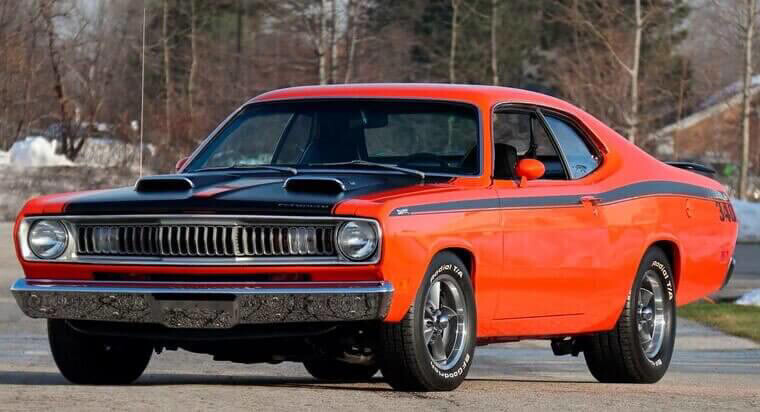
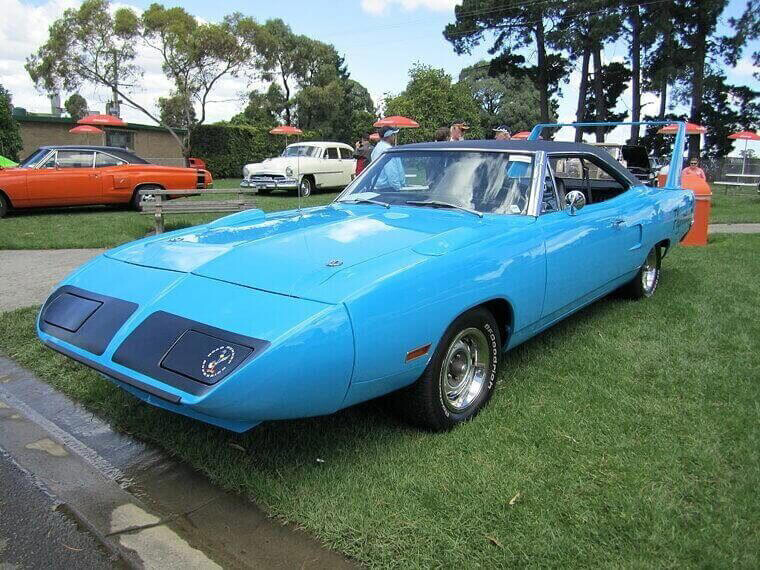
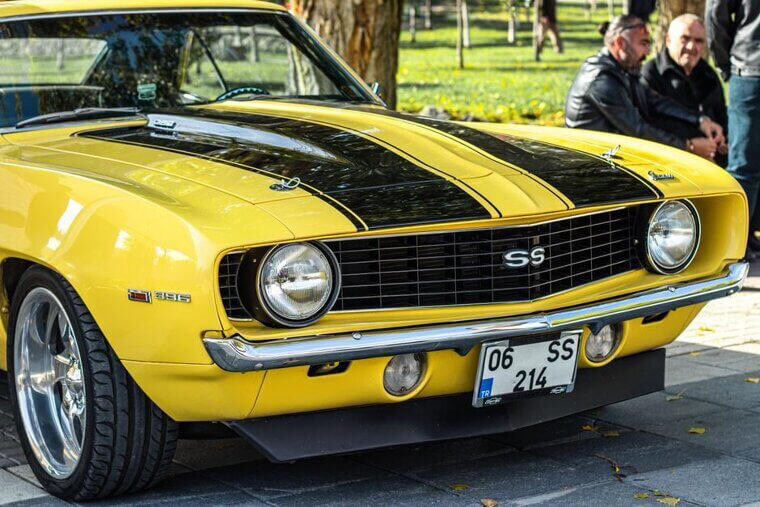
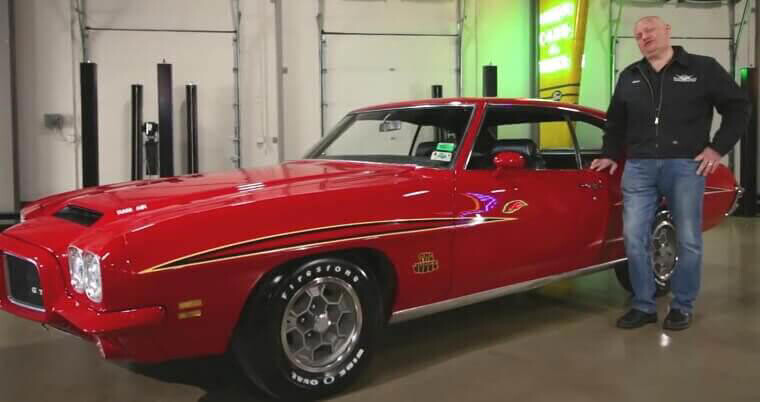
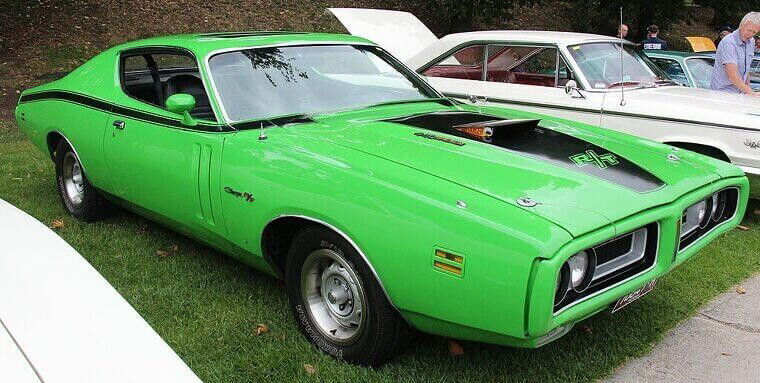
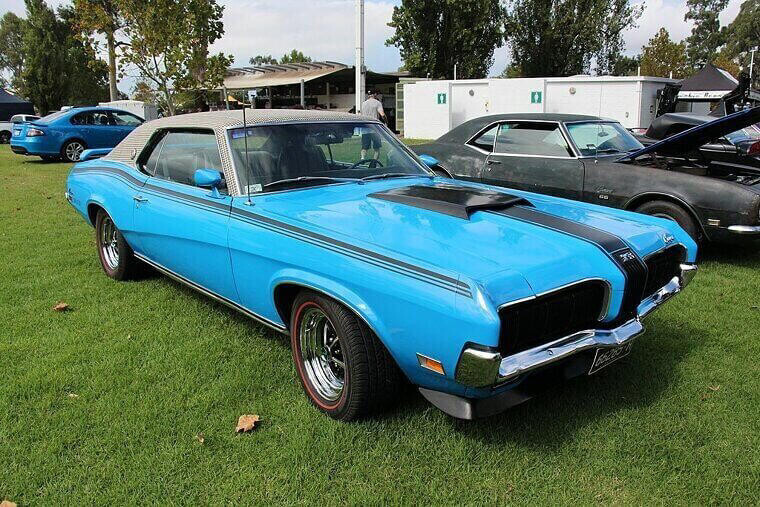
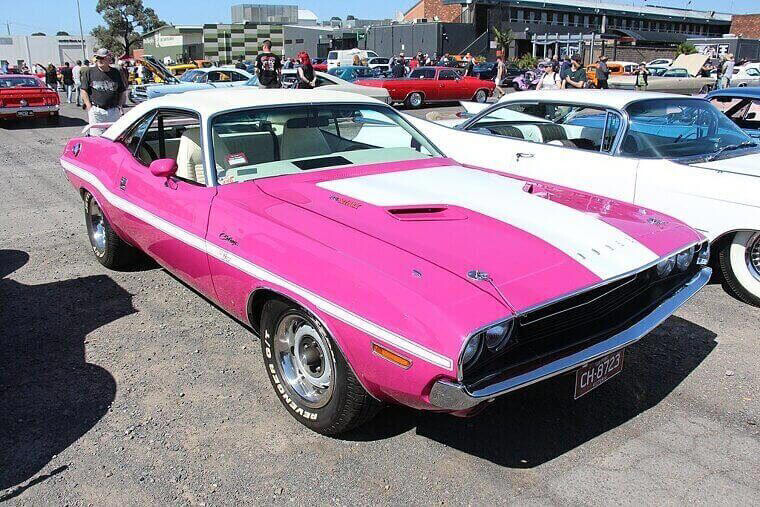
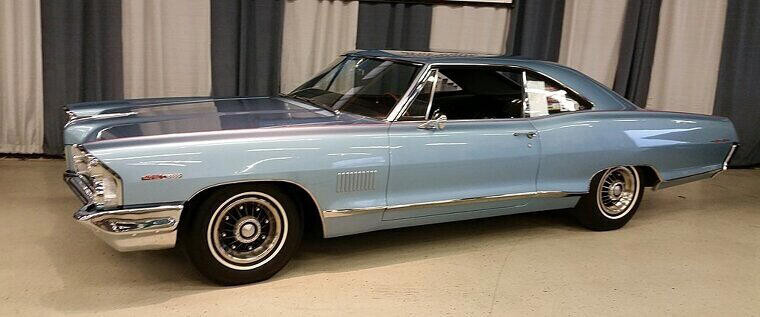
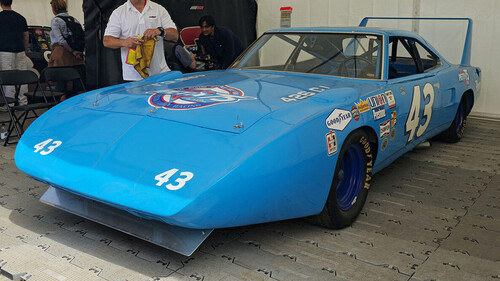
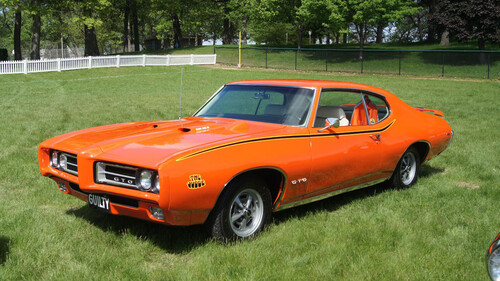
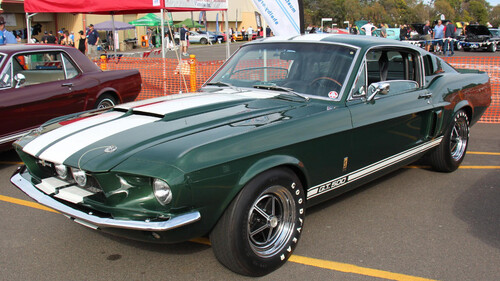
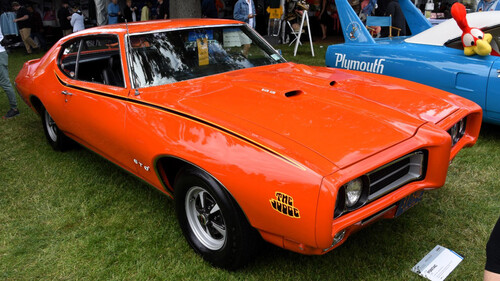
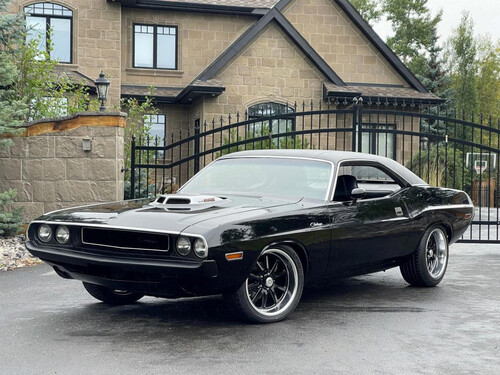
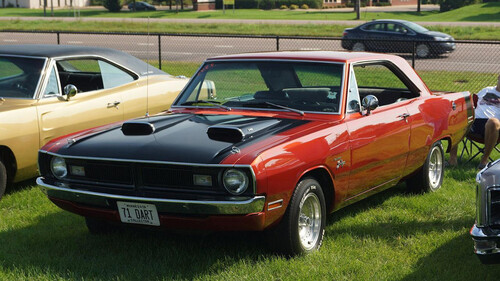
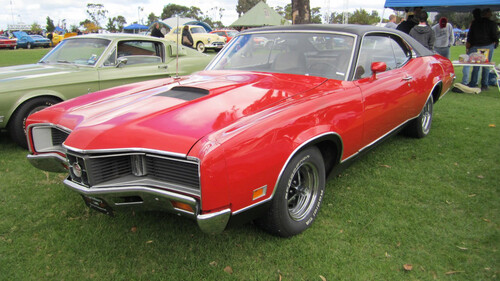
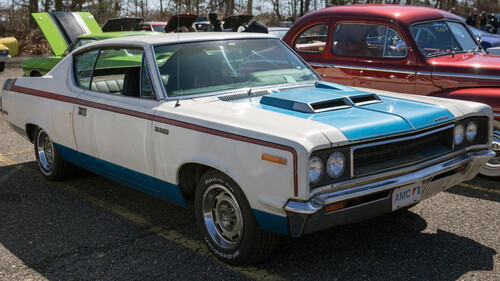
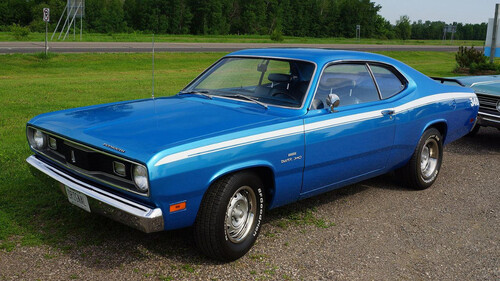
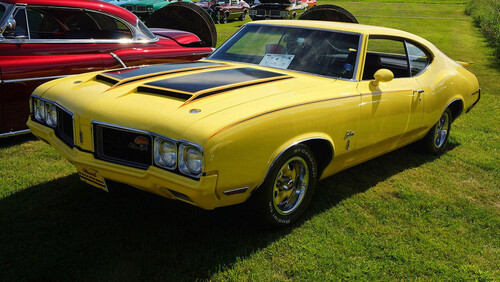
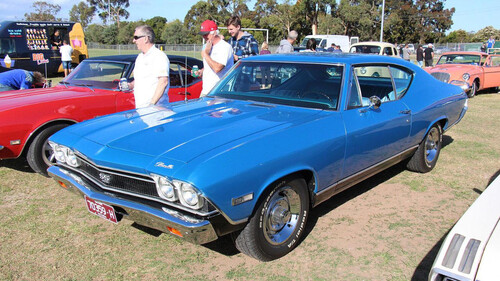
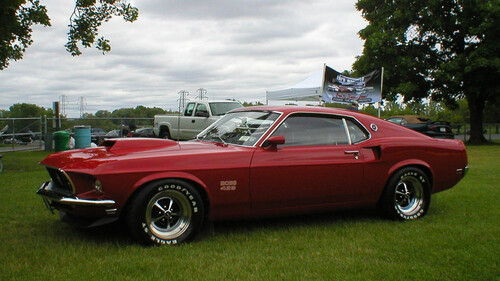
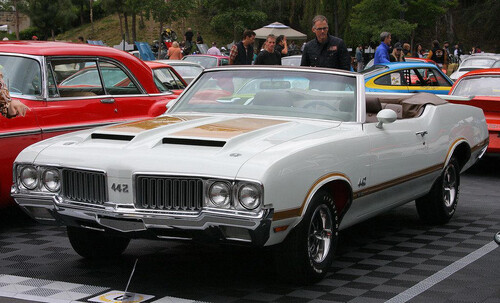
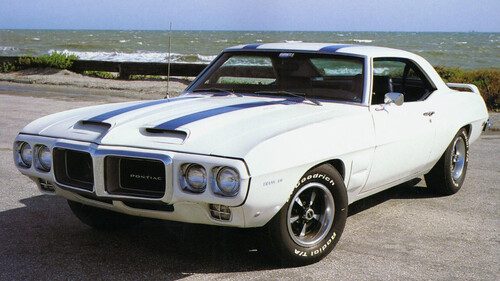
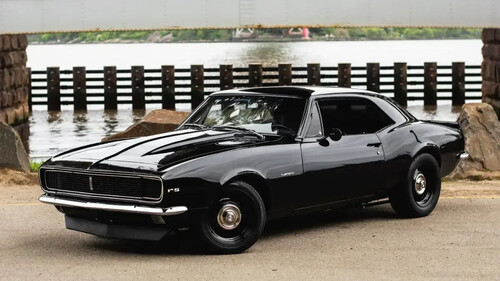
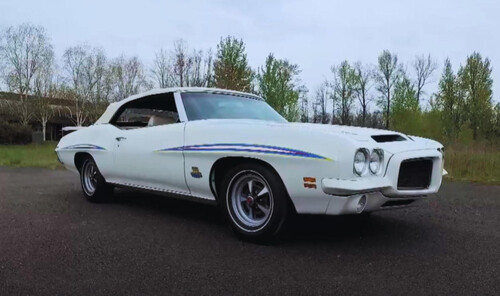
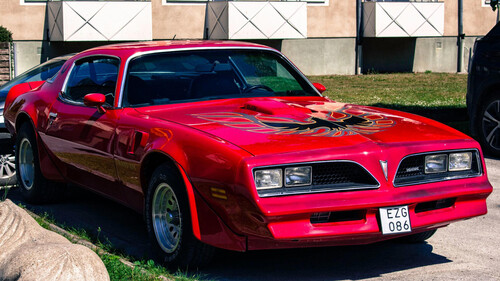
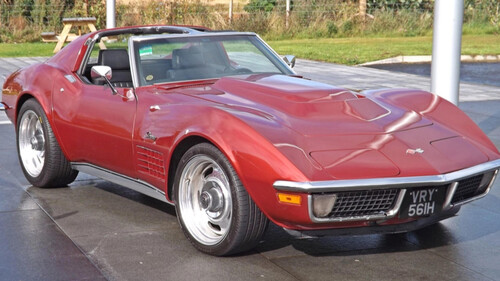
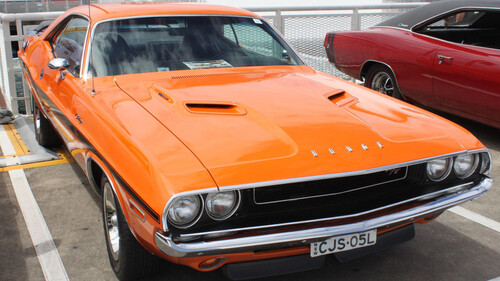
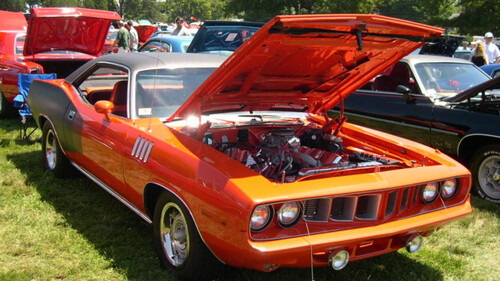
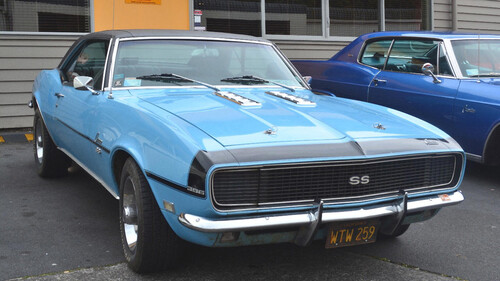
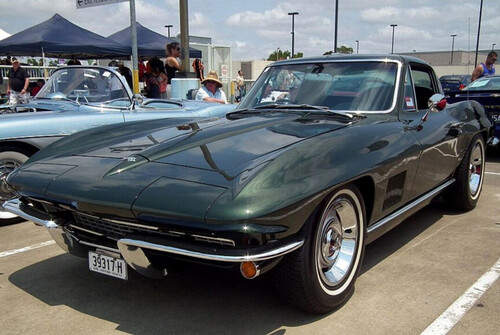
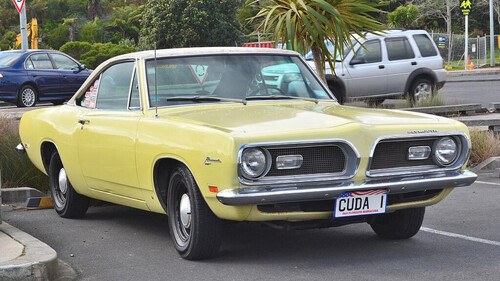
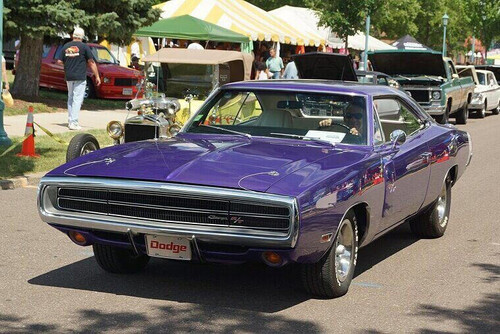
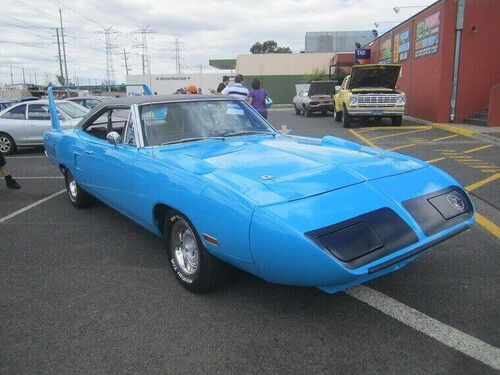
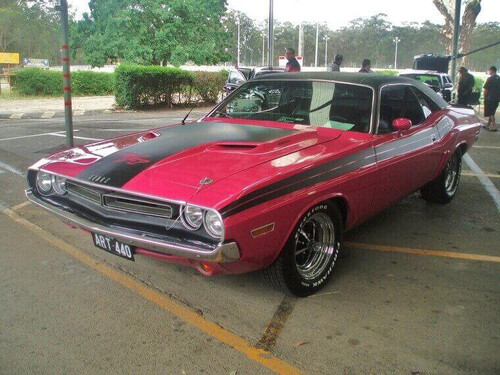
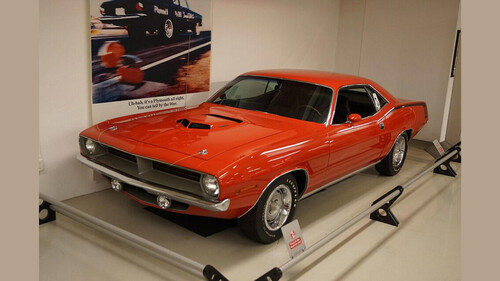
1971 Plymouth Duster 340 Twister – $150K+Back in 1971, Plymouth wanted a car that could embarrass bigger, more expensive machines at every stoplight in America, and the Duster 340 Twister did exactly that. Under that unassuming hood sat a 275-horsepower 340 cubic-inch V8, paired with a lightweight A-body chassis that made the whole package feel like a slingshot. You could buy one for grocery money compared to a Hemi Cuda, and plenty of guys did just that, using them as daily drivers that happened to run quarter-miles in the low 14s. Today, a clean Twister with the right options routinely cracks six figures at auction. If your dad or your buddy's older brother had one sitting in the garage back then, you probably remember exactly what that exhaust note sounded like.1971 Plymouth Hemi ‘Cuda Convertible – $3.5M+Picture this: back in 1971, you could walk onto a Plymouth dealer's lot and drive home a brand-new Hemi 'Cuda convertible for around five grand. Today, that same car commands more than $3.5 million at auction, making it one of the most valuable American muscle cars ever sold. Only a handful were built with the 426 Hemi and drop-top combination, and fewer still survive in original condition. That thunderous V8 rumble and the wind in your hair made this convertible a showstopper on any boulevard cruise. Plenty of these Mopar legends got sold off cheap in the seventies and eighties when gas prices climbed and muscle cars fell out of favor. Anyone who let one slip through their fingers back then has spent decades kicking themselves ever since.1967 Chevrolet Corvette L88 – $3.85MPicture walking into a Chevy dealer back in 1967 and quietly checking the box for L88. That single option code turned an ordinary Corvette into something closer to a race car with license plates, thanks to an aluminum-head 427 rated at a laughably low 430 horsepower on paper. Nobody believed that number then, and nobody believes it now. Chevrolet even discouraged buyers from ordering one, pulling the radio and heater to keep weight down and hint that this wasn't meant for grocery runs. Only a handful left showrooms that year, and most got raced hard, wrecked, or modified beyond recognition. The rare survivors now command prices that would buy a small neighborhood, proving that the best-kept secrets in Detroit's muscle car era often wore the plainest advertising and hid the wildest performance underneath.1969 Dodge Charger Daytona HEMI – $1.3M+Picture that nose cone slicing through the air at Talladega, that towering rear wing catching the sunlight, and you start to understand why the Dodge Charger Daytona HEMI stopped traffic back in 1969. Chrysler built these winged warriors to dominate NASCAR, and only about 70 rolled off the line with the mighty 426 HEMI engine tucked under the hood. Your neighbor down the street might have had one parked in the driveway, completely unaware he owned a piece of racing history worth over a million dollars today. These days, a genuine HEMI Daytona commands $1.3 million or more at auction, making it one of the most valuable muscle cars Detroit ever produced. If you passed one up at a used car lot in the seventies, you're probably still thinking about it.1970 Plymouth Superbird 426 HEMI – $1M+That towering rear wing and pointed nose cone weren't just for show—Plymouth built the Superbird to dominate NASCAR superspeedways, and Richard Petty's success on the track turned this wild-looking Mopar into an overnight legend. Under the hood, the 426 HEMI packed 425 horsepower of raw American muscle, the kind that rattled windows and turned heads at every stoplight. Back in 1970, dealers actually struggled to move these things—folks thought the aerodynamic styling looked downright strange parked next to a Barracuda. Fast forward to today, and a HEMI-equipped Superbird in solid condition commands seven figures at auction. Somewhere out there, a fellow who traded his for a station wagon back in '75 is still kicking himself. If you ever had the chance to grab one of these off a dealer lot and passed, you're definitely not alone in that regret.1969 Chevrolet Camaro ZL1 – $1M+Picture this: you walk into your Chevy dealer in 1969 and order an all-aluminum 427 engine under the hood of your Camaro, all through a special COPO order code most salesmen didn't even know existed. That was the ZL1, and Chevrolet built barely 69 of them because the engine alone cost nearly as much as the car itself. These were meant for drag strips, not daily driving, packing over 500 horsepower in a package that looked just like the Camaro your neighbor drove to work every day. Today, finding one means writing a check for over a million dollars, assuming you can find an owner willing to sell. Back then, dealers practically begged customers to take standard Camaros instead, since the ZL1's price tag scared off most buyers who didn't understand what they were looking at.1965 Shelby GT350R – $3.85MCarroll Shelby only built 34 of these R-model race cars, and each one left the factory ready to compete straight off the trailer. Under that fiberglass hood sat a 306-horsepower V8, tuned specifically for road course duty rather than street driving. Back in period, these cars ran at tracks like Sebring and Daytona, taking home championship titles against much bigger competition. When one crossed the auction block for $3.85 million, it confirmed what enthusiasts always suspected about these machines. A base Mustang cost around $2,500 new in 1965, and the R-model added roughly $1,500 to that price tag. Somebody sold theirs decades ago thinking they'd made a smart trade, never imagining what that fiberglass body and race-tuned engine would eventually mean to collectors worldwide.1971 Pontiac GTO Judge Convertible 455 HO – $1M+Picture pulling up to a stoplight in a Cardinal Red convertible with "The Judge" decals running down the side and that shaker scoop trembling on the hood. That was the 1971 GTO Judge experience, and it was already a fading one, since Pontiac built fewer than twenty ragtop Judges that year before the whole package got discontinued. Under the hood sat the 455 HO, churning out 335 horsepower and a stump-pulling 480 lb-ft of torque, enough to make the rear tires chirp just easing off the line. Convertible Judges combined the rarest body style with the biggest engine option, which is exactly why collectors chase them so hard today. Find a documented, numbers-matching example and you are looking at seven-figure territory, a staggering climb for a car that once sat on dealer lots waiting for buyers willing to pay the premium over a standard GTO.1970 Buick GSX Stage 1 – $250K+Picture a Saturn Yellow Buick with black stripes rumbling up to a stoplight, and you can bet every muscle car fan on the block turned to look. The 1970 GSX Stage 1 wasn't just a Skylark with a bow tie of trim pieces slapped on. Buick engineers built it to embarrass Chevelles and Road Runners, stuffing a 455 cubic-inch V8 under the hood that produced a genuine 360 horsepower and a staggering 510 lb-ft of torque, numbers that made it one of the strongest-pulling engines Detroit ever built. Fewer than 700 Stage 1 cars left the factory that year. Find one in original condition today, and you're looking at a car worth well over a quarter million dollars, proof that grandpa's "boring" Buick had teeth nobody saw coming.1966 Shelby Cobra 427 Super Snake – $5.5MOnly two Super Snakes ever came off the line, and Carroll Shelby kept this one for himself before selling it to comedian Bill Cosby, who reportedly returned it within days because the raw power scared him. That story alone tells you everything about what this Cobra could do. Under that lightweight body sat two 427 side-oiler engines worth of muscle, though only one made it into each car, tuned to produce somewhere around 800 horsepower with the right setup. Back in the day, a car this fast wasn't just quick off the line, it was downright dangerous in untrained hands. Today it holds the record as the most expensive American car ever sold at auction, fetching $5.5 million. Imagine parking that in your garage back in 1967 for a fraction of that price, then watching its value climb into the stratosphere decades later.1970 Oldsmobile 442 W-30 Convertible – $400K+Picture this: a droptop muscle car with the W-30 package, meaning a 455 cubic inch V8 breathing through a fiberglass hood scoop and functional cold-air induction. Oldsmobile only built a handful of these convertibles that year, and finding one with the original Force-Air setup intact is like finding a needle in a haystack. Back in the day, you could order one from your local Olds dealer for a few thousand dollars over sticker. Today, pristine W-30 convertibles cross the auction block north of $400,000. That's the kind of number that makes you wonder whatever happened to the one your neighbor drove to the drive-in every Friday night. Somewhere out there, someone's garage-kept treasure just became a small fortune on wheels.1969 Pontiac Firebird Trans Am Convertible – $1.5MOnly eight of these convertibles ever left the factory in 1969, and finding one today feels about as likely as stumbling across a genuine treasure map. The Trans Am package added functional hood scoops, a rear spoiler, and that unmistakable blue-and-white paint scheme that turned heads on every boulevard from Detroit to Daytona. Under the hood sat a 335-horsepower 400 cubic inch V8, hooked up to either a three-speed automatic or four-speed manual. Back then, dealers practically had to talk buyers into the Trans Am option since most folks didn't understand what they were looking at. Fast forward to today, and one of these rare drop-tops sold for a jaw-dropping $1.5 million. Somewhere out there, a former owner is probably still kicking themselves for trading it in for something "more practical."1964 Ford Fairlane Thunderbolt – $500K+Ford built the 1964 Fairlane Thunderbolt for one reason: to win at the drag strip on Sunday and sell a few cars on Monday. Only around 100 rolled out of Dearborn Steel Tubing, each stuffed with a 427 cubic-inch V8 shoehorned under a fiberglass hood that barely closed. Lightweight doors, no sound-deadening, and a stripped interior meant these cars weighed almost nothing, and with 425-plus horsepower on tap, they ran the quarter mile in the 11-second range straight from the factory. That kind of performance was unheard of for a production car back then. Plenty of original buyers used theirs hard at the local strip, never dreaming that decades later a genuine Thunderbolt would command six figures at auction, with pristine examples now crossing well past $500,000.1969 Dodge HEMI Coronet R/T Convertible – $1M+Picture a Coronet R/T with the top down, a 426 HEMI rumbling under the hood, and the open road stretching out ahead of you. That combination made this convertible one of the rarest muscle cars Dodge ever built. Only a handful left the factory with the HEMI option in a droptop configuration, and fewer still survive in original condition today. Back in the day, a young buyer might have paid sticker price and thought nothing of it, trading it in a few years later for something newer. Now that same car commands seven figures at auction. The HEMI's dual quads and 425 horsepower rating turned heads on any boulevard cruise. Finding one parked in a driveway used to be common in certain neighborhoods. Selling it back then feels like giving away a piece of American performance history for pocket change.1970 Chevrolet El Camino SS 454 LS6 – $200K+Picture this: a pickup bed with a big-block heart that could embarrass sports cars twice its price. The 1970 El Camino SS 454 with the LS6 option wasn't just a work truck with attitude—it packed 450 horsepower and 500 lb-ft of torque, numbers that still turn heads decades later. Chevy built this thing for folks who wanted hauling capability without giving up stoplight bragging rights, and it delivered on both fronts. You could load up lumber on Saturday morning and outrun your buddy's Camaro that afternoon. Today, clean LS6 El Caminos command well over $200,000 at auction, proving that Detroit's wild idea of a muscle truck aged into something collectors can't resist. Back then, plenty of owners traded these in without a second thought, never imagining what that torque-monster utility vehicle would become.1967 Chevrolet Yenko Camaro – $500K+Don Yenko saw something Chevrolet wouldn't officially build, and he decided to fix that himself. Working out of his Pennsylvania dealership, Yenko pulled the modest 396 out of the Camaro SS and dropped in a genuine 427 big-block, creating a factory-legal monster that could embarrass Corvettes at every stoplight in town. Only a handful of these cars rolled off his lot in 1967, each one hand-built and barely street-legal by any reasonable definition. Back then, a Yenko Camaro cost maybe a few hundred dollars more than a standard SS, pocket change for that kind of firepower. Nobody thought twice about trading one in a decade later for something with air conditioning. Today, surviving examples with documented Yenko heritage cross auction blocks well north of $500,000, turning that old trade-in decision into one of the more painful automotive regrets of the muscle car era.1969 Ford Mustang Boss 429 – $500K+Ford built the Boss 429 for one reason: NASCAR homologation rules demanded the semi-hemi engine appear in a production car before it could race. That meant stuffing a massive 429 cubic-inch big block into a Mustang chassis never designed to hold it, and Kar Kraft in Brighton, Michigan handled the modifications since Ford's own assembly line couldn't manage the fit. Fewer than 1,400 were built across 1969 and 1970, and finding one sitting in a driveway back then meant your neighbor had connections or deep pockets. Today, clean examples cross auction blocks well past $500,000, with numbers-matching cars climbing even higher. That thumping idle you remember from down the street? That was serious money making noise, even when nobody knew it yet.1969 AMC AMX/3 – $1M+Only six prototypes of the AMC AMX/3 ever left the factory, and that scarcity alone explains why one can fetch more than a million dollars today. American Motors had big dreams with this one, pairing a mid-mounted V8 with Italian styling from Giotto Bizzarrini and a chassis built for genuine European-style handling. Picture a Wisconsin-built engine sitting behind the driver instead of up front, something almost unheard of from an American manufacturer in that era. Financial troubles at AMC killed the production plans before they truly began, leaving behind a handful of cars that now represent one of the boldest "what if" moments in Detroit history. Anyone who owned one of these six and let it go missed out on holding a rolling piece of automotive daring.1971 Dodge Charger R/T HEMI – $500K+Picture a Charger R/T rumbling out of a Dodge showroom in 1971, its hidden headlamps and coke-bottle curves turning heads on Main Street. Add the legendary 426 HEMI under that long hood, and you had 425 horsepower ready to shred rear tires at a moment's notice. Back then, plenty of guys traded these beasts in after a few years, chasing whatever new model caught their eye at the local dealership. Nobody thought twice about letting one go for a few thousand bucks. Fast forward to today, and a numbers-matching HEMI Charger R/T can fetch over $500,000 at auction. That's the kind of number that makes you want to check your old garage twice, just in case you forgot something special was parked in the corner.1970 Mercury Cougar Eliminator Boss 302 – $250K+Picture a Cougar with claws sharpened by Boss 302 muscle, and you've got the Eliminator that dealers used to lure Mustang buyers over to the Mercury side of the showroom. That high-winding small-block screamed to 6,000 RPM with a Rev Limiter designed for real track duty, not just bragging rights at the drive-in. The Eliminator package added the hood scoop, spoiler, and reflective stripes that made it impossible to miss, even parked next to a Boss 302 Mustang. Fewer than 2,400 rolled off the line for 1970, and the Boss 302 versions were the rarest of the bunch. Today, clean survivors climb past $250,000, which stings if you remember trading yours toward a family wagon back when gas mileage suddenly mattered more than quarter-mile times.1971 Ford Mustang Mach 1 429 Super Cobra Jet – $200K+That 429 Super Cobra Jet badge under the hood wasn't just for show—it meant Ford dropped in a genuine big-block monster rated at 375 horsepower, though most gearheads knew the real number was higher once you got it on the strip. Pair that engine with the Mach 1's shaker hood scoop rattling away at idle, and you had a car that announced itself before you even saw it coming down Main Street. Original owners who ordered the Drag Pack option got stronger connecting rods and an oil cooler, turning an already fierce machine into something built for Saturday night quarter-mile bragging rights. Finding one today with its original 429 SCJ intact pushes values well past $200,000, and honestly, that seems like a bargain when you remember these were regular showroom cars back in 1971, sitting next to family sedans on the dealer lot.1968 Plymouth Road Runner HEMI – $300K+Plymouth built the Road Runner for regular folks who wanted real muscle without the fancy trim, and the base price barely cracked $3,000 back in 1968. Order one with the 426 HEMI, though, and you had yourself something special that could humble far pricier machines at the stoplight. That cartoon bird decal and horn that actually went "beep-beep" made it fun, but the twin-carb HEMI underneath made it serious business. Today, a documented HEMI Road Runner from that first model year commands well over $300,000 at auction. Back then, plenty of guys drag raced these on weekends, then drove them to work Monday morning. Nobody thought twice about running a car worth a fortune now through the quarter-mile on a Saturday night, chasing bragging rights instead of investment returns.1969 Baldwin-Motion Phase III Camaro – $500K+Baldwin Chevrolet in Long Island teamed up with Motion Performance to build something the factory would never dare offer, and the result was a Camaro that could embarrass Ferraris at stoplights across America. Baldwin-Motion took a stock Camaro and dropped in a 427 big block, sometimes pushing past 500 horsepower with the right options checked. Joel Rosen, the man behind Motion Performance, wasn't interested in subtlety. These cars ran quarter miles in the low 12s right off the showroom floor, which was unheard of for anything with a warranty. Today, a documented Phase III commands prices that would make your jaw drop, often crossing the half-million mark at serious auctions. Back then, you could drive one home for around $7,000. That kind of appreciation makes you wonder how many sat forgotten in garages before their true worth became clear.1970 Dodge Challenger R/T SE HEMI – $400K+Picture this: a 1970 Dodge Challenger R/T SE, the special edition trim with the leather bucket seats and overhead console, powered by the legendary 426 HEMI. That combination alone made it rare the day it rolled off the line, since most buyers chose the small-block options to save money on insurance and fuel. Today, a documented HEMI SE like this one can bring well over $400,000 at auction, and that number keeps climbing every year. Back in the day, you could special-order one straight from your local Dodge dealer for a few thousand dollars, no waiting list required. Some guys drag-raced them on weekends, then drove them to work Monday morning like nothing happened. Try explaining that kind of casual horsepower to anyone under forty and watch their jaw hit the floor.1965 Pontiac Catalina 2+2 421 Super Duty – $300K+Picture rolling up to a stoplight in 1965 with 421 cubic inches of Super Duty muscle humming under your hood, and every other driver on the road suddenly finding somewhere else to be. Pontiac only built a handful of these Catalina 2+2s with the 421 Super Duty package, and the ones fitted with the rare aluminum body panels and factory Tri-Power carburetion are the stuff of legend today. Back then, you could order one straight off the showroom floor for a few thousand dollars, drop it at the drag strip that same weekend, and still drive it to church on Sunday. Try finding that kind of factory-built racer now for anywhere close to what your dad paid. Values north of $300,000 tell you everything about how special these Catalinas really were, and how foolish it feels to remember the ones that got away.1967 Dodge Coronet WO23 – $400K+Ask any Mopar collector about the WO23, and you'll watch their eyes light up like a Christmas tree. Dodge built these Coronets strictly for drag racing, stuffing a 426 Hemi into a lightweight body and skipping most of the creature comforts that added weight. Only a small handful ever rolled off the assembly line, making them rarer than a quiet Saturday at the drag strip. Back in the day, these cars terrorized the tracks, and their scarcity today means values north of $400,000 for surviving examples. If you owned one and let it go for pocket change decades ago, you probably still think about it every time a Hemi rumbles past. Some cars you sell without a second thought. This one haunts you for life.1969 Mercury Cyclone Spoiler II – $200K+Ford built the Mercury Cyclone Spoiler II to homologate NASCAR bodies, and Dan Gurney and Cale Yarborough editions turned it into something special for the street. Under that long, sloped nose sat a 428 Cobra Jet V8, delivering serious muscle wrapped in a body designed for aerodynamics long before spoilers became a marketing gimmick. Mercury only built a limited number of these cars, and fewer still survive with their original drivetrains intact. Back in the day, you could pick one up for the price of a decent used truck, but nobody was thinking about NASCAR history at the time. Today, a genuine Spoiler II with documentation can cross the auction block north of $200,000. If your family had one collecting dust in a barn, you're probably still kicking yourself.1970 AMC Rebel Machine – $150K+AMC never had a reputation for building muscle cars, but the Rebel Machine proved the underdog could bite hard. Painted in that unmistakable red, white, and blue scheme, this car turned heads at every stoplight, and the 390 cubic-inch V8 backed up the bold looks with 340 horsepower. Only about 2,300 were built for 1970, making it rare even when it was new. A functional hood scoop with a tachometer built right into it let you watch your RPMs without glancing down at the dash. Today, clean examples push past $150,000, proving that AMC's one-hit wonder in the muscle car world aged into something collectors fight over. Selling one of these back in the day for a few thousand dollars stings just thinking about it.1971 Chevrolet Monte Carlo SS 454 – $125K+The 1971 Monte Carlo SS 454 proved you could have your cake and eat it too, wrapping big-block muscle inside a genuinely comfortable personal luxury coupe. That 454 cubic inch V8 pumped out 365 horsepower and a stump-pulling 465 lb-ft of torque, enough grunt to embarrass plenty of dedicated muscle cars at the stoplight. Inside, buyers got plush bench seating, wood-grain trim, and a ride quality that made long highway cruises feel effortless. Chevrolet marketed it as sophisticated transportation, and it was, but underneath that dignified sheet metal sat serious horsepower. Nobody expected a car this refined to pull away like it did. Today, clean SS 454 Monte Carlos push past $125,000, and honestly, the combination of comfort and muscle still feels ahead of its time. Anyone who traded theirs for a practical sedan back in the seventies probably still thinks about that torque every single day.1970 Ford Torino Cobra 429 – $250K+Picture pulling into the drive-in back in 1970 with a Torino Cobra rumbling under your hood, that 429 Super Cobra Jet engine growling like it meant business. Ford built this muscle car to take on the Chevelles and Road Runners of the world, and with 370 horsepower on tap, it held its own on any stretch of blacktop. The Cobra Jet package meant serious performance, not just badges and stripes. Today, a clean 1970 Torino Cobra 429 commands well over $250,000 at auction, especially with the Drag Pack option and a four-speed manual. Back then, dealers practically gave these away compared to their Mustang cousins. Folks who traded theirs in for something "practical" in the 1980s probably wince every time a Torino crosses the auction block now. Some deals just age like fine bourbon.1969 Dodge Dart GTS 440 – $300K+Dodge shoehorned a 440 into the compact Dart for one wild model year, and the results still boggle the mind today. Picture a lightweight A-body with a big-block engine that most folks expected to see under the hood of a Charger or Coronet, not a car built for grocery runs and church parking lots. Only a handful of GTS 440s rolled off the line, making this one of the rarest muscle Mopars you could find back then. Original owners often had no idea what they were sitting on, treating these Darts like any other daily driver. Now collectors chase surviving examples with real money, and prices north of $300,000 aren't unusual. If your uncle traded his in for something "practical" in 1975, that decision probably still stings every time the subject comes up at family gatherings.1969 Shelby GT500 Convertible – $500K+Picture cruising down Main Street with the top down and 428 cubic inches of Cobra Jet muscle rumbling behind you, sunlight glinting off that long hood scoop. That was the reality for anyone lucky enough to order a 1969 Shelby GT500 Convertible, one of the rarest drop-top muscle cars Ford ever built alongside Carroll Shelby's outfit. Fewer than 335 were made that year, which explains why finding one today feels like spotting a unicorn at a car show. Back then, dealers struggled to move them at sticker price, and plenty of owners eventually traded theirs in for something more practical. Now, pristine examples cross auction blocks for well over $500,000. If your dad or uncle passed on one because the payments seemed steep, you understand exactly the kind of regret that still stings decades later.1968 COPO Chevrolet Nova 427 – $300K+Chevrolet built fewer than ten COPO Novas with the 427 engine in 1968, making this one of the rarest muscle cars to ever roll off an assembly line, and most folks back then had no idea what they were looking at when one pulled up next to them at a stoplight. Central Office Production Order paperwork let dealers order special combinations Chevy didn't officially advertise, and this particular loophole stuffed a big-block 427 into a compact Nova body that weighed barely over 3,000 pounds. The result felt like strapping a rocket engine to a go-kart. Drivers who got their hands on one remember the way the front end would get light under hard acceleration, and how the exhaust note rattled storefront windows downtown. Today, surviving examples pull well over $300,000 at auction, proving that rarity and raw power never really go out of style.