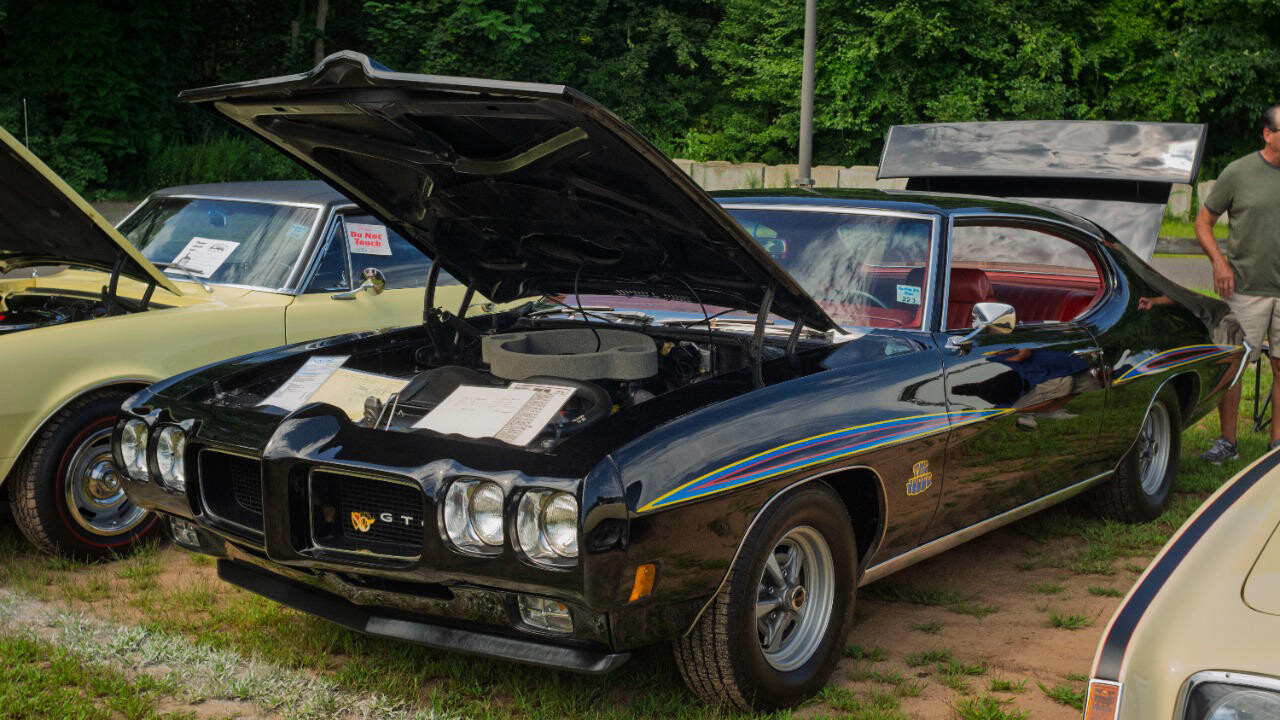
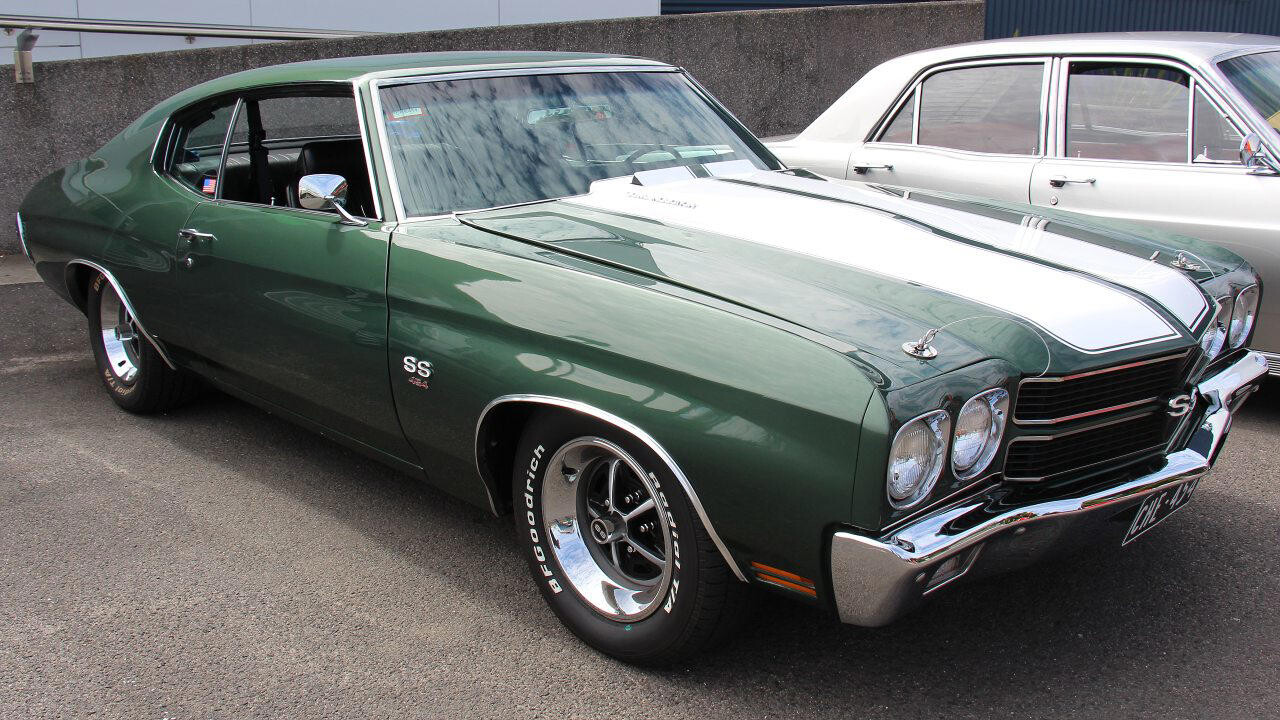
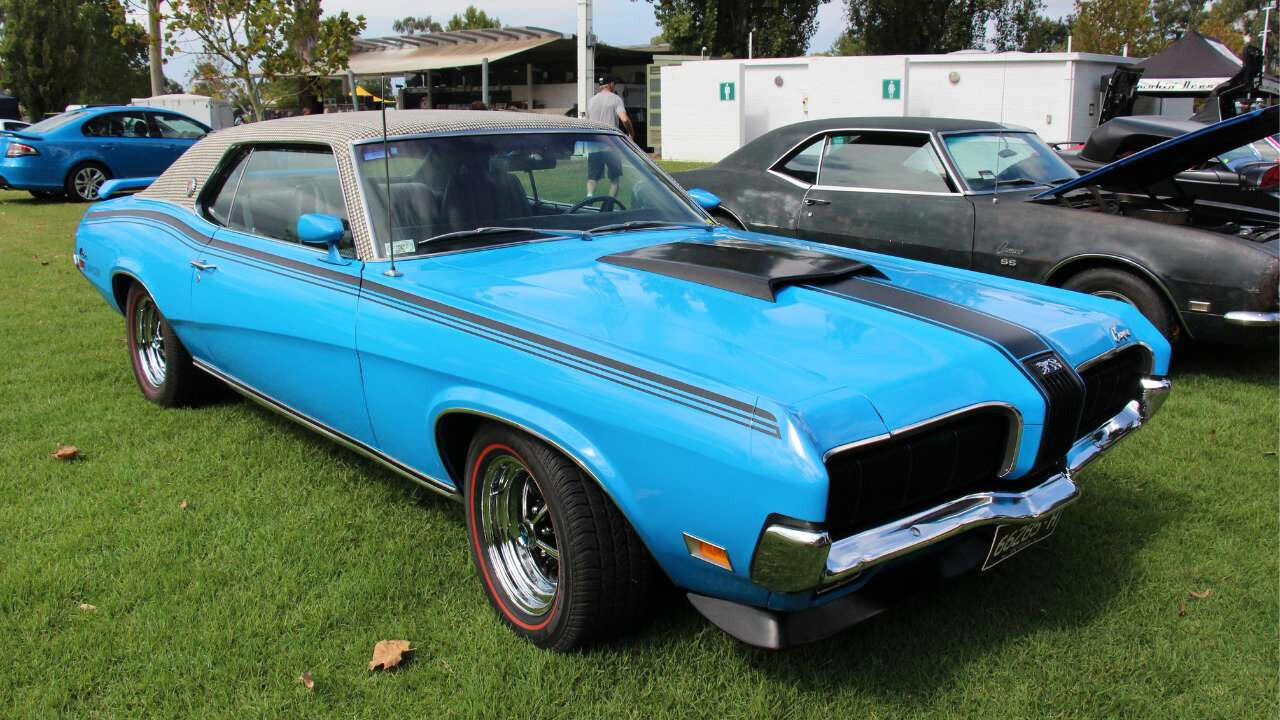
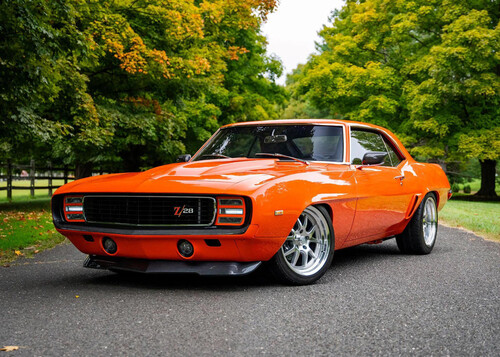
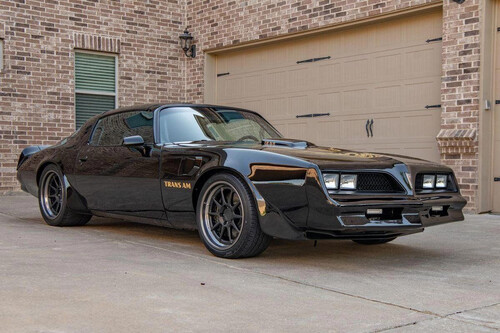
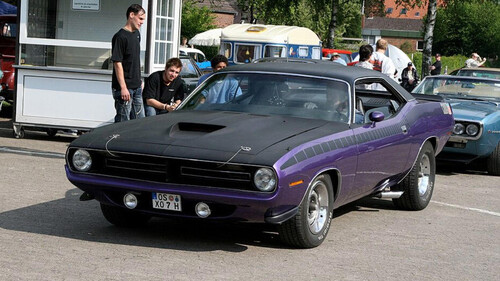
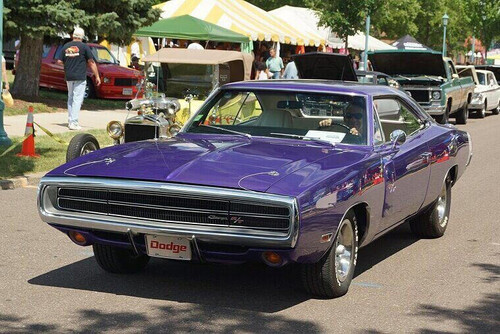
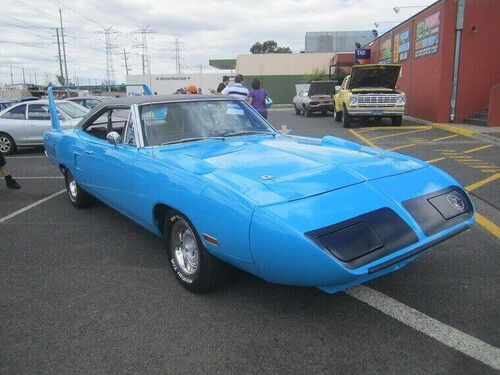
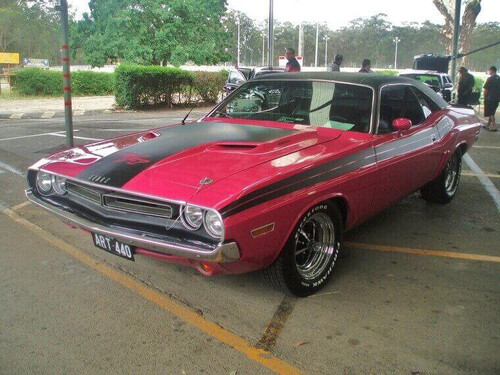
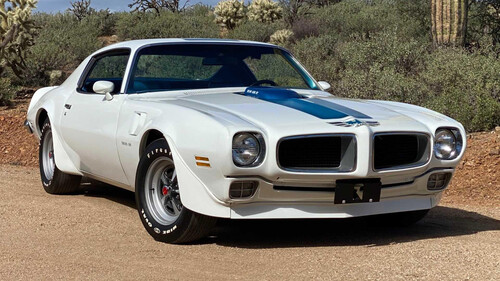
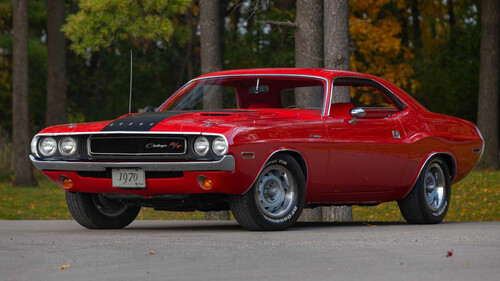
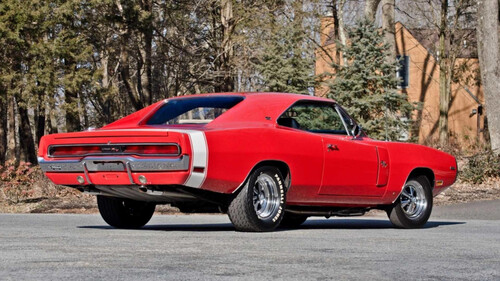
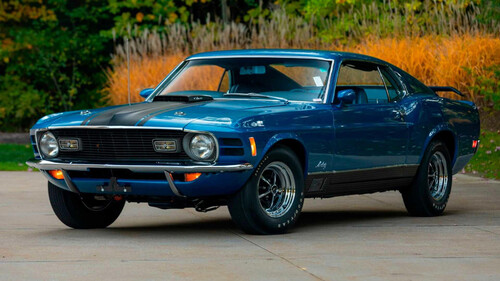
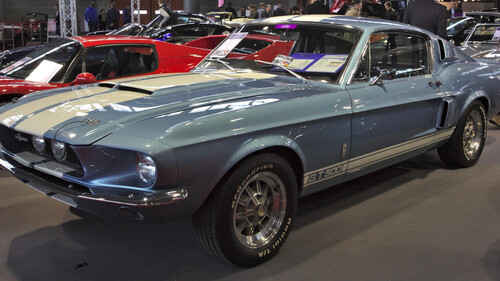
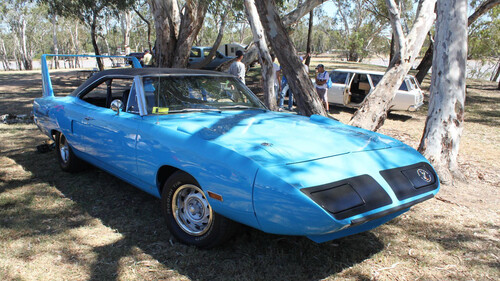
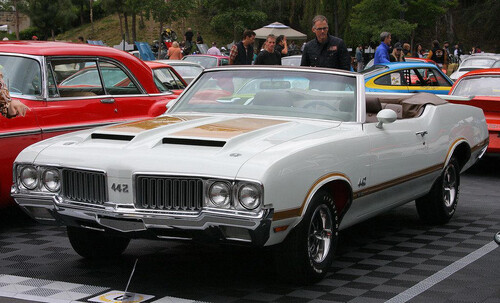
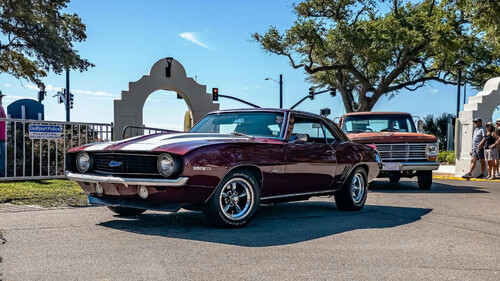
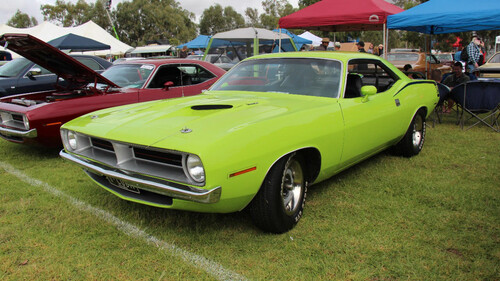
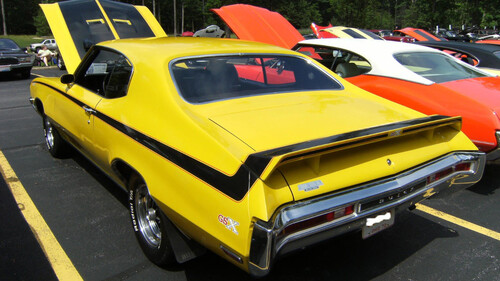
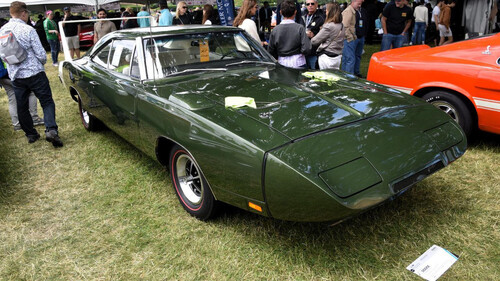
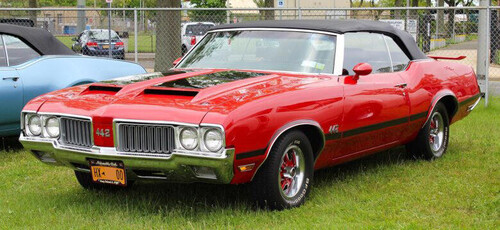
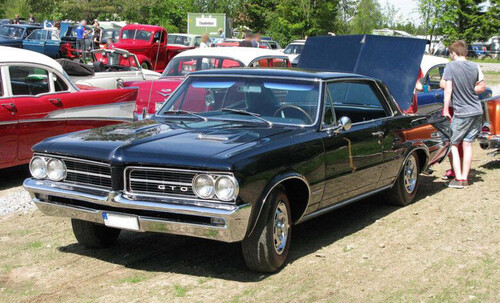
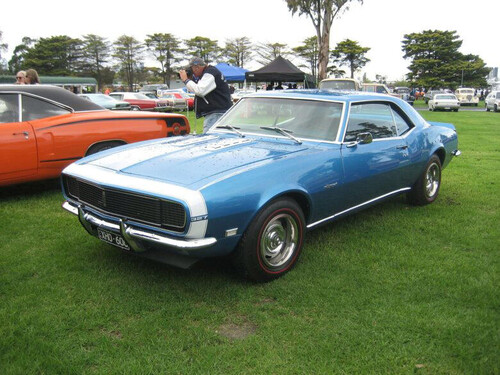
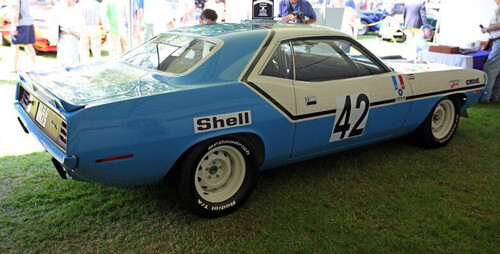
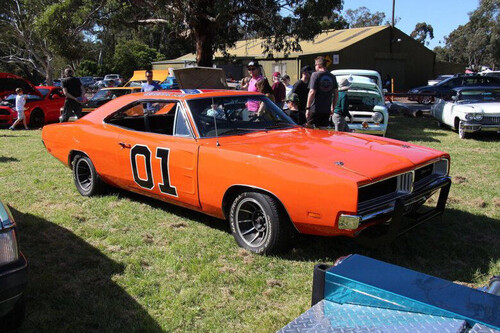
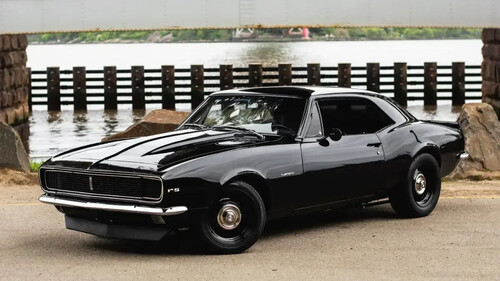
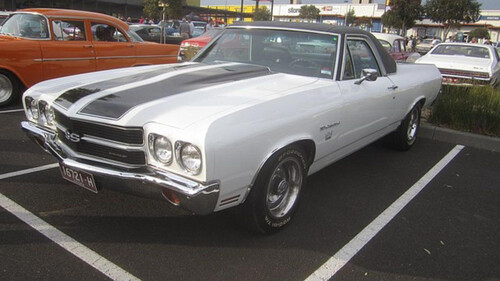
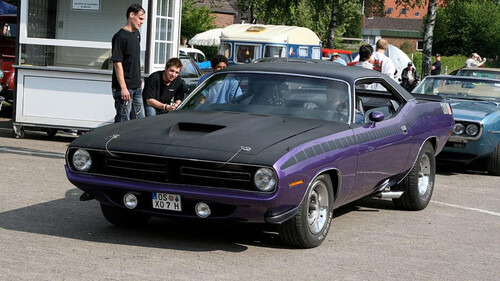
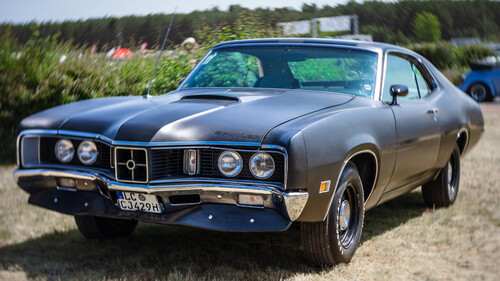
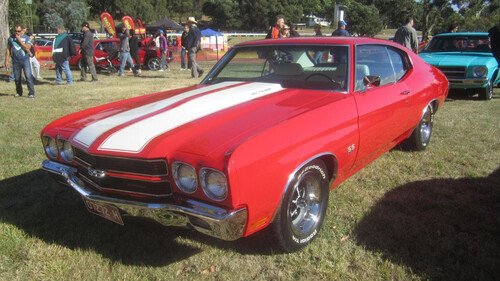
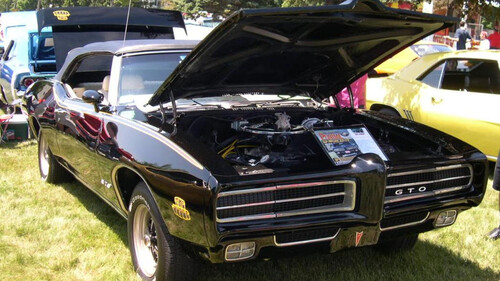
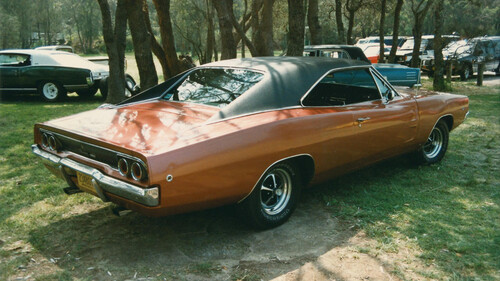
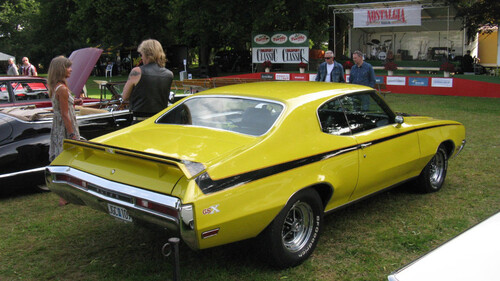
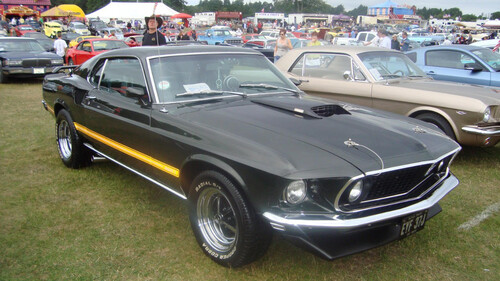
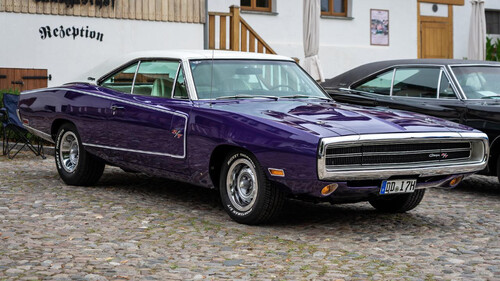
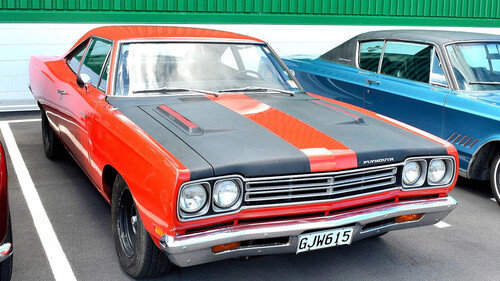
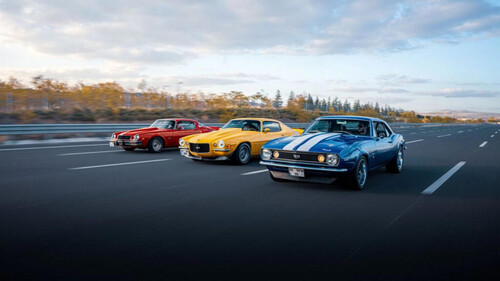
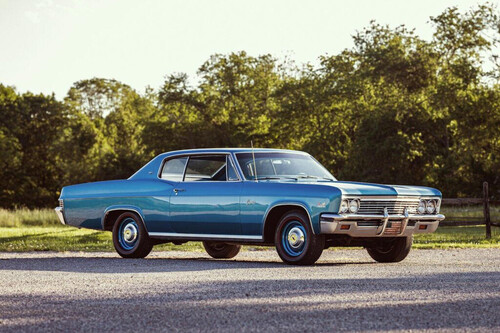
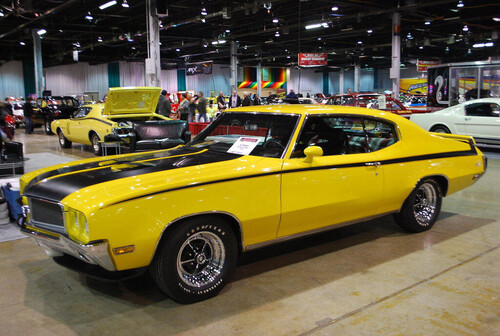
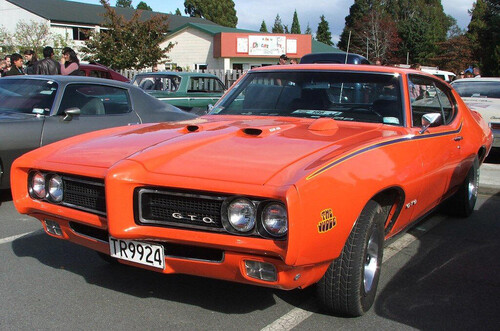
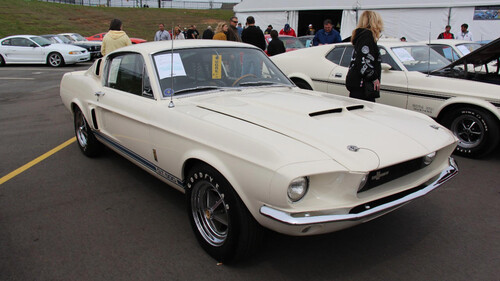
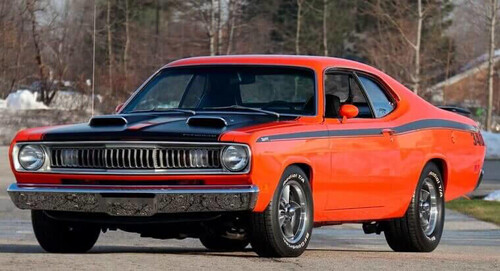
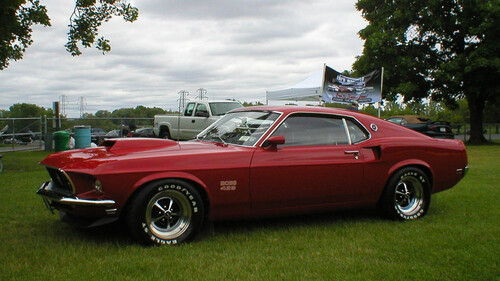
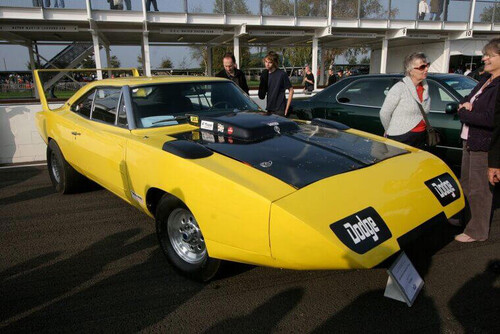
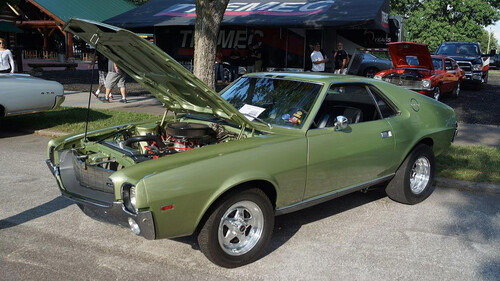
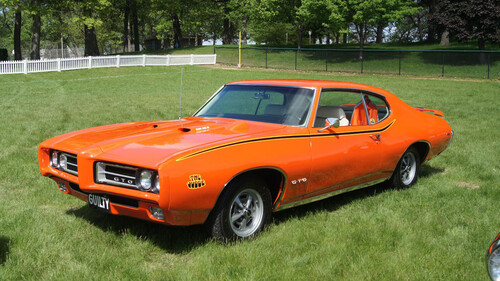
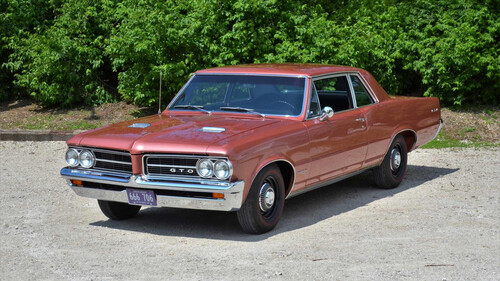
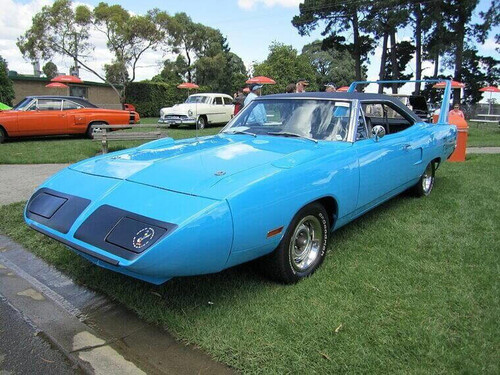
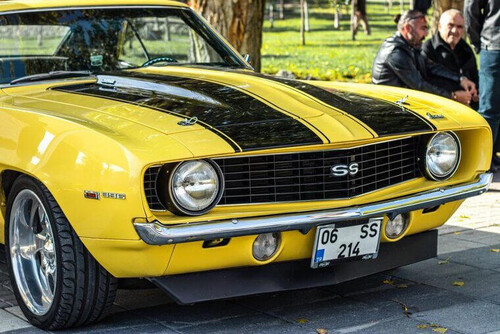
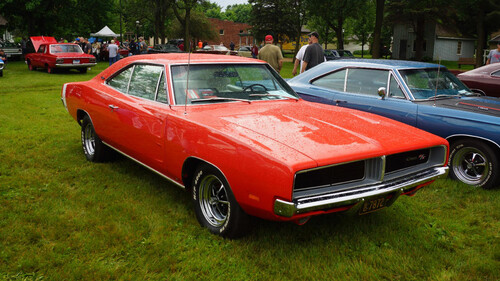
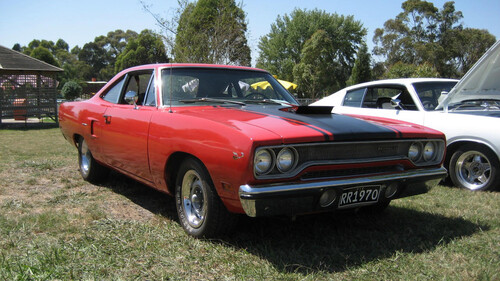
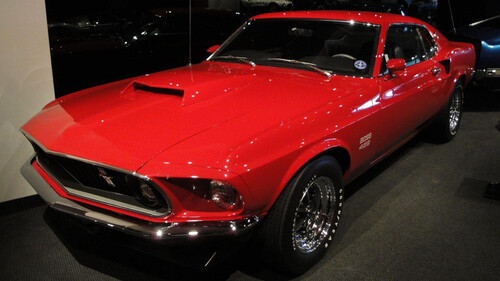
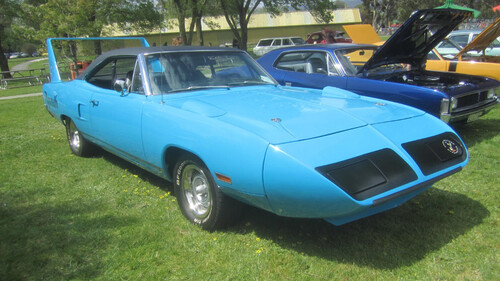
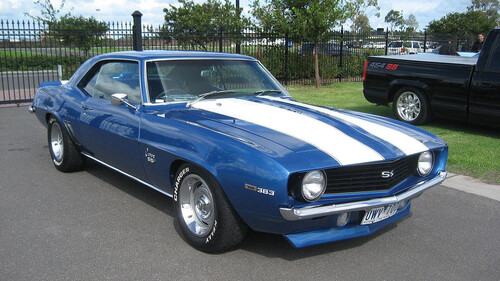
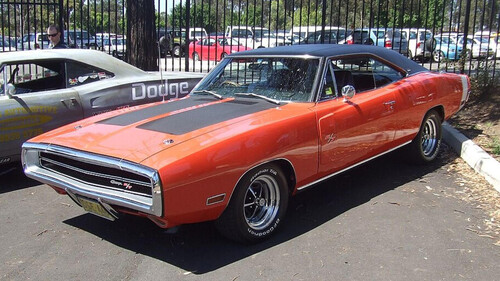
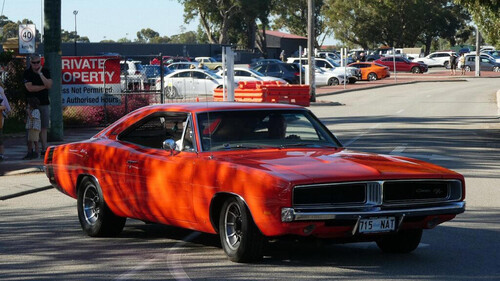
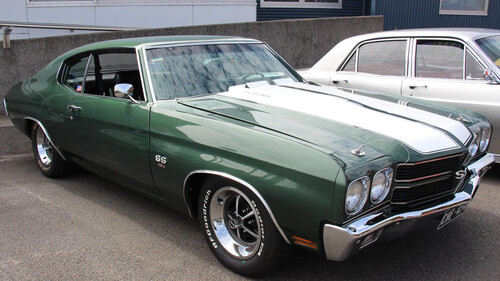
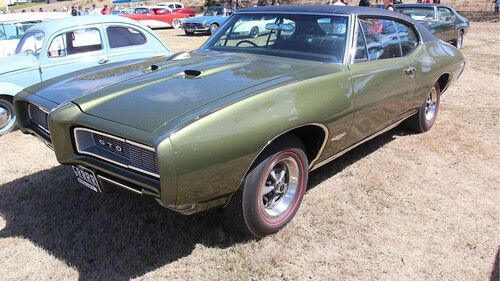
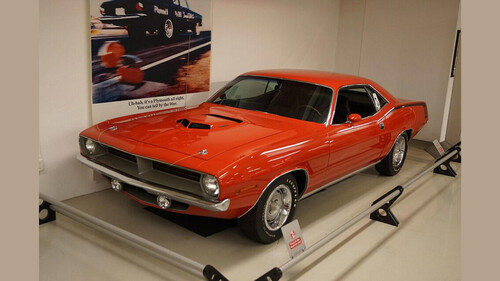
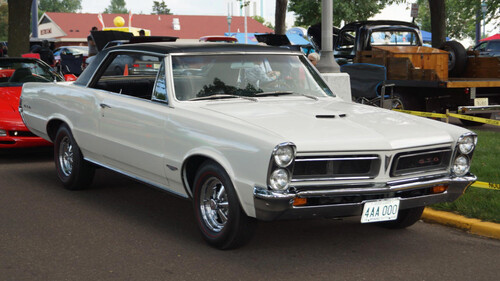
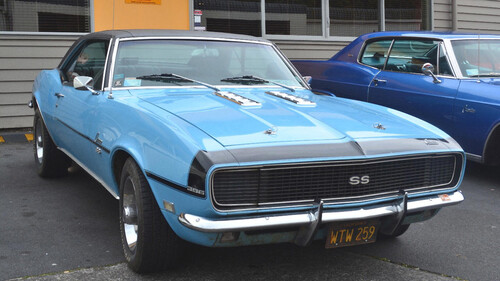
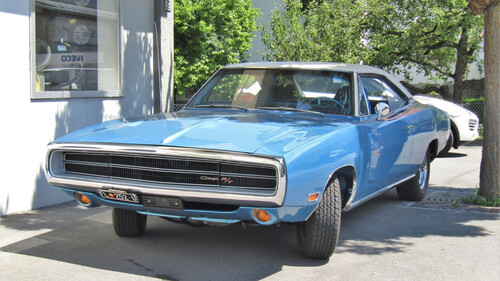
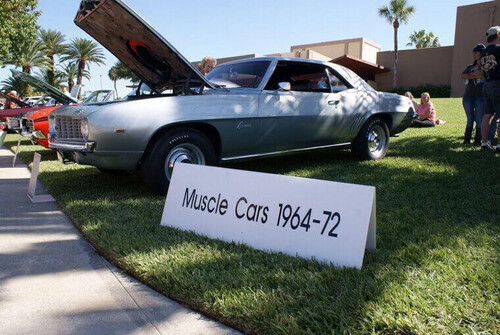
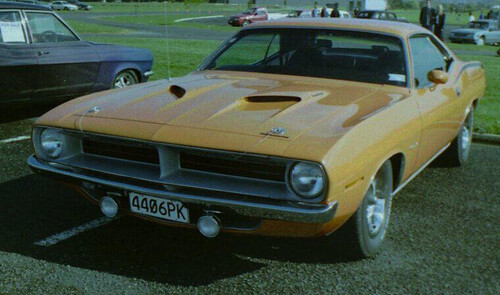
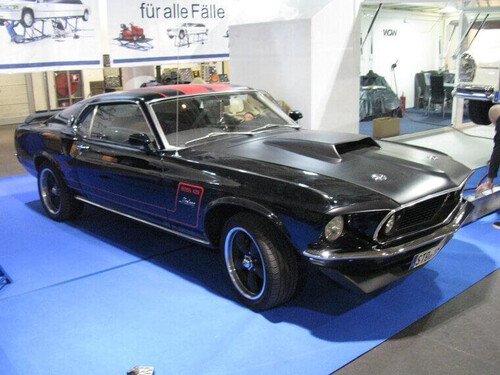
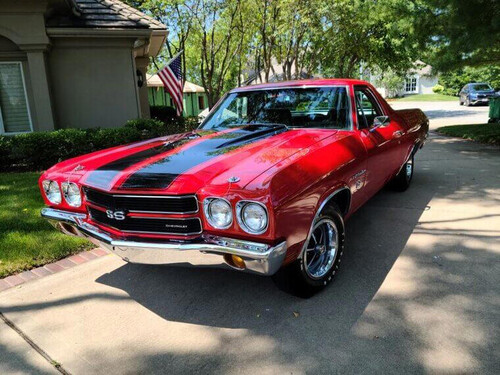
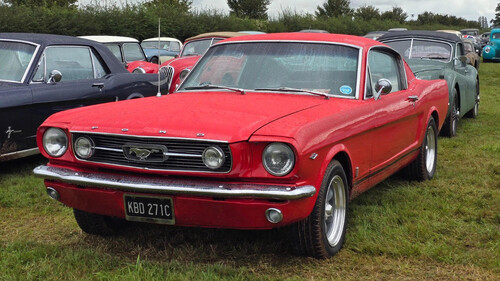
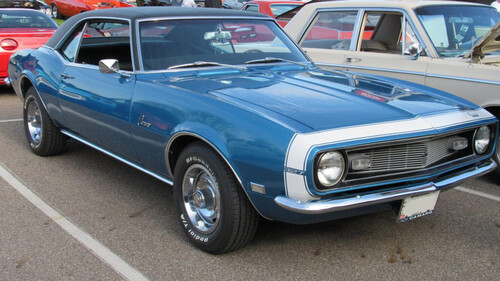
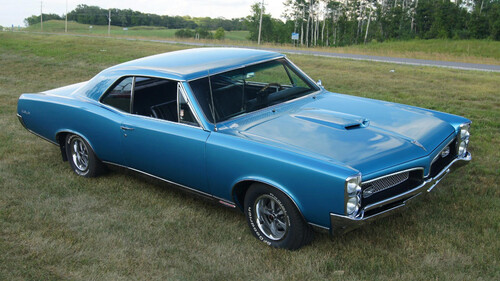
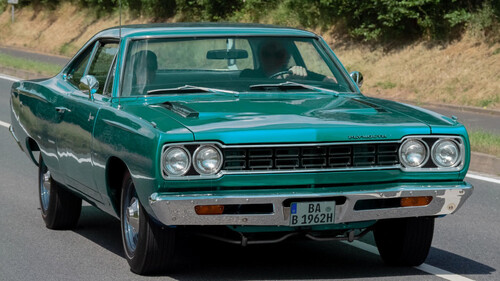
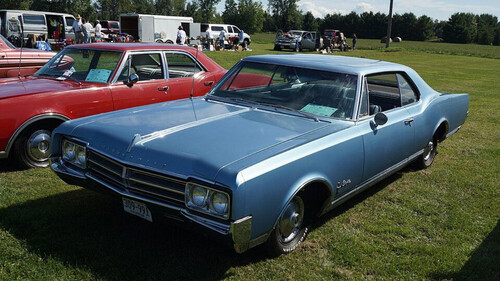
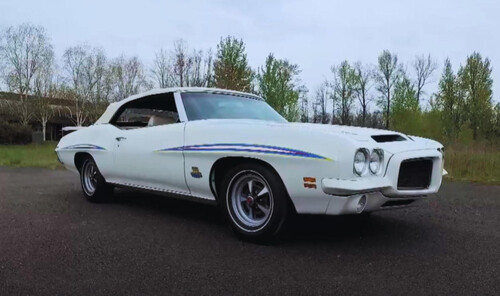
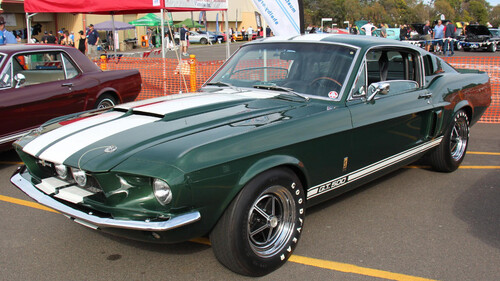
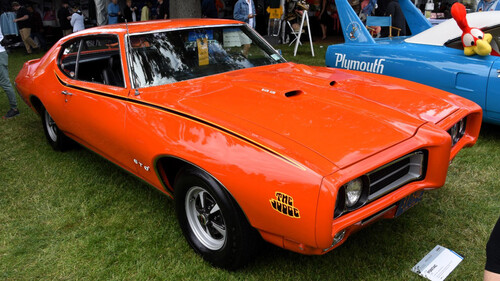
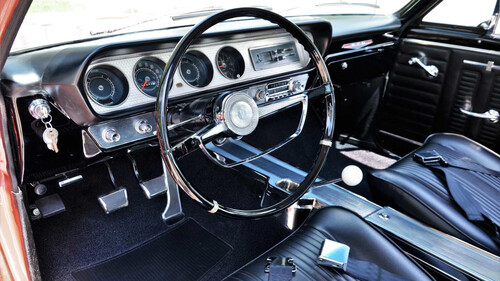
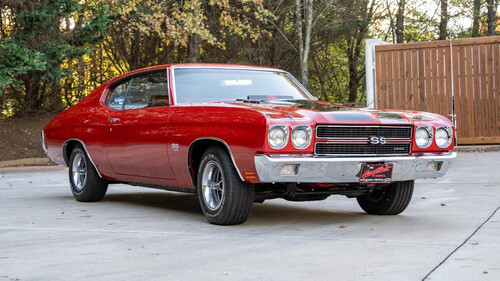
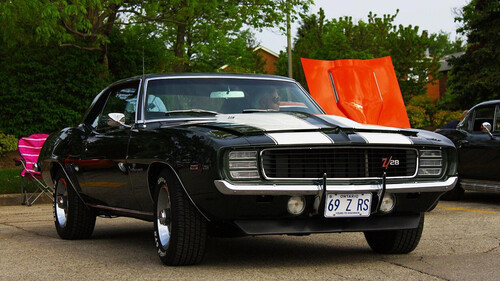
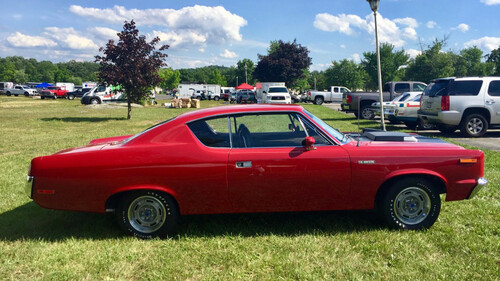
There’s something undeniably thrilling about classic muscle cars. They bring a raw, unfiltered driving experience that modern vehicles can seldom replicate. These machines were built for power and speed, creating an adrenaline rush that’s tough to beat. Let’s take a look at some classic muscle cars that still deliver that raw driving feel. Chevrolet Camaro Z/28 Image Credit: Matt Morgan from Alameda – CC BY-SA 2.0/Wiki Commons The Chevrolet Camaro Z/28, especially the 1969 model, is a beloved icon in the muscle car world. Known for its nimble handling and robust performance, it was designed as a street-legal race car. The Z/28 was equipped with a high-revving 302 V8 engine paired with a four-speed manual transmission, offering a driving experience filled with power and precision. This car wasn’t just about straight-line speed; it was also built for the track. With its heavy-duty suspension and front disc brakes, the Z/28 could corner like a dream. The thrill of shifting through gears while feeling every nuance of the road made it a favorite among driving enthusiasts who craved that visceral connection with the vehicle. Ford Mustang Boss 302 Image Credit: GTHO, via Wikimedia Commons, CC BY-SA 4.0 Introduced in 1969, the Ford Mustang Boss 302 was designed to compete in the Trans-Am racing series. It boasted a specially engineered 302 cubic inch V8 engine that provided a perfect blend of power and agility. The Boss 302 wasn’t just about raw power; it was about balance, making it a formidable competitor both on the track and the street. What made this Mustang special was its ability to handle like a sports car while still delivering the muscle car punch. The combination of a close-ratio four-speed manual transmission and track-tuned suspension made each drive an exhilarating experience. The Boss 302 remains a symbol of Ford’s commitment to performance-oriented engineering. Dodge Charger R/T Image by Freepik The Dodge Charger R/T, particularly from 1968 to 1970, is often celebrated for its aggressive styling and potent engine options. These models could be equipped with the legendary 440 Magnum or the monstrous 426 Hemi, providing ample horsepower to satisfy any speed enthusiast. Beyond its powertrain, the Charger R/T’s design was equally captivating. With its sleek lines and hidden headlights, it was a car that demanded attention. Behind the wheel, drivers experienced a sense of raw power and control, making every journey an adventure in itself. Pontiac GTO Judge Image Credit: Ethan Long – CC BY-SA 2.0/Wiki Commons The Pontiac GTO Judge, first appearing in 1969, took the muscle car scene by storm with its bold styling and impressive performance. The Judge package added a Ram Air III or optional Ram Air IV engine, making it a beast on the road. It wasn’t just about show; the Judge was built to perform. With its eye-catching “The Judge” decals and flamboyant colors, this car epitomized the spirit of the late ’60s and early ’70s. Driving a GTO Judge meant feeling the roar of the engine and the thrill of its acceleration, offering a pure and exhilarating driving experience. Plymouth Road Runner Superbird Image Credit: Calreyn88 – Own work / Wikimedia Commons / CC BY-SA 4.0 The 1970 Plymouth Road Runner Superbird is one of the most iconic muscle cars ever made, thanks to its distinctive aerodynamic nose and massive rear wing. This car was designed for NASCAR, and it’s no surprise that it delivered exceptional high-speed stability and performance. Under the hood, the Superbird offered the choice of a powerful 440 Super Commando or the legendary 426 Hemi engine. The combination of its outrageous design and potent engine made it a standout on both the street and the track. Driving a Superbird is like piloting a piece of automotive history. Chevrolet Chevelle SS 454 Image Credit: Sicnag, via Wikimedia Commons, CC BY 2.0 The Chevrolet Chevelle SS 454, particularly the 1970 model, is often considered the epitome of the muscle car era. With its 454 cubic inch V8 engine, this car was built to deliver jaw-dropping performance. The LS6 version produced a staggering 450 horsepower, making it one of the most powerful muscle cars of its time. The Chevelle SS 454 offered more than just sheer horsepower. It combined that power with a well-balanced chassis and comfortable ride, making it a favorite among muscle car enthusiasts. The experience of driving this car is raw and unfiltered, a true testament to the era’s focus on performance. Dodge Challenger T/A Image Credit: HJUdall – CC0/Wiki Commons The Dodge Challenger T/A, introduced in 1970, was another car designed with racing in mind. The T/A, which stood for Trans Am, was equipped with a 340 cubic inch V8 engine and a six-barrel carburetor setup. It was a blend of speed and style that captured the hearts of car lovers everywhere. The T/A was known for its unique exhaust system that exited before the rear wheels, giving it a distinctive sound that announced its presence long before it was seen. The driving experience was nothing short of electrifying, with every throttle punch delivering a surge of power that made the T/A a joy to drive. Oldsmobile 442 W-30 Image Credit: Sicnag – Flickr / Wikimedia Commons / CC BY 2.0 The Oldsmobile 442 W-30, especially the 1970 model, was a performance package that transformed the 442 into a street-legal racing machine. The W-30 package added features like a fiberglass hood, functional air scoops, and a cold air induction system, making it a formidable vehicle on the road. Under the hood, the W-30 was powered by a 455 cubic inch V8 engine that delivered incredible torque and acceleration. The 442 W-30 wasn’t just about straight-line speed; it also offered a well-tuned suspension that made it a surprisingly agile performer. It was a car that demanded respect and delivered an unforgettable driving experience. Mercury Cougar Eliminator Image Credit: Sicnag, via Wikimedia Commons, CC BY 2.0 The Mercury Cougar Eliminator, particularly the 1969 and 1970 models, took the Cougar to a whole new level of performance. As Mercury’s answer to the muscle car craze, the Eliminator came equipped with powerful engine options, including the Boss 302 and the 428 Cobra Jet. With its aggressive styling, bold graphics, and performance-oriented features, the Cougar Eliminator was built for those who craved speed and style. The driving experience was all about connecting the driver to the road, with every curve and straightaway offering a chance to feel the raw power under the hood. Buick GSX Stage 1 Image Credit: artistmac / Flickr / CC BY-SA 2.0 The Buick GSX Stage 1, especially the 1970 model, was Buick’s entry into the muscle car wars, and it packed quite a punch. With its 455 cubic inch V8 engine, the GSX Stage 1 was capable of producing 360 horsepower and a massive 510 lb-ft of torque. The GSX Stage 1 was more than just a powerful engine; it was a complete performance package that included upgraded suspension, brakes, and a functional hood tachometer. This car offered a thrilling driving experience that combined brute force with refined handling, making it a standout among muscle cars of its time. AMC Javelin AMX Image Credit: CZmarlin — Christopher Ziemnowicz — a photo credit is required if this image is used anywhere other than Wikipedia. – CC BY-SA 4.0/Wiki Commons The AMC Javelin AMX, particularly the models from 1968 to 1970, was AMC’s answer to the pony car segment. The AMX was a shorter wheelbase version of the Javelin and offered a unique blend of performance and style. It came with a variety of engine options, with the 390 V8 being the most desirable. The Javelin AMX was known for its aggressive styling and sporty performance. It was a car that could hold its own against its bigger-name competitors, offering a driving experience that was both exciting and engaging. The AMX remains a testament to AMC’s innovative spirit in the muscle car era. More from Fast Lane Only Unboxing the WWII Jeep in a Crate 15 rare Chevys collectors are quietly buying 10 underrated V8s still worth hunting down Police notice this before you even roll window down