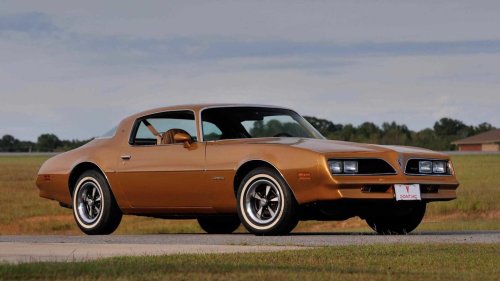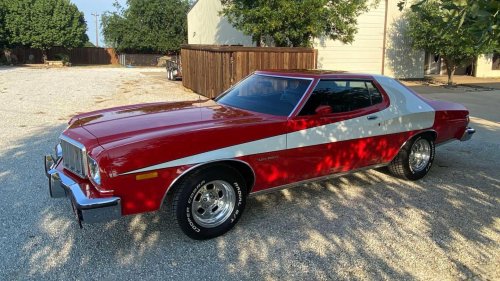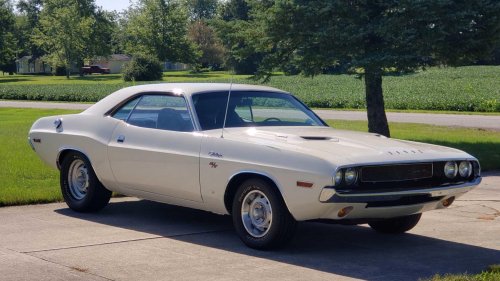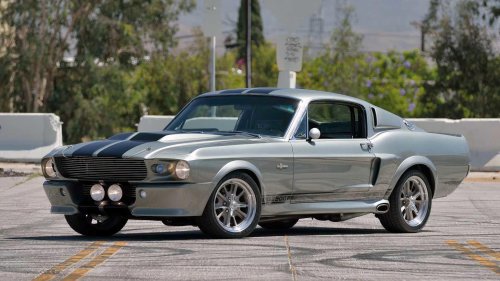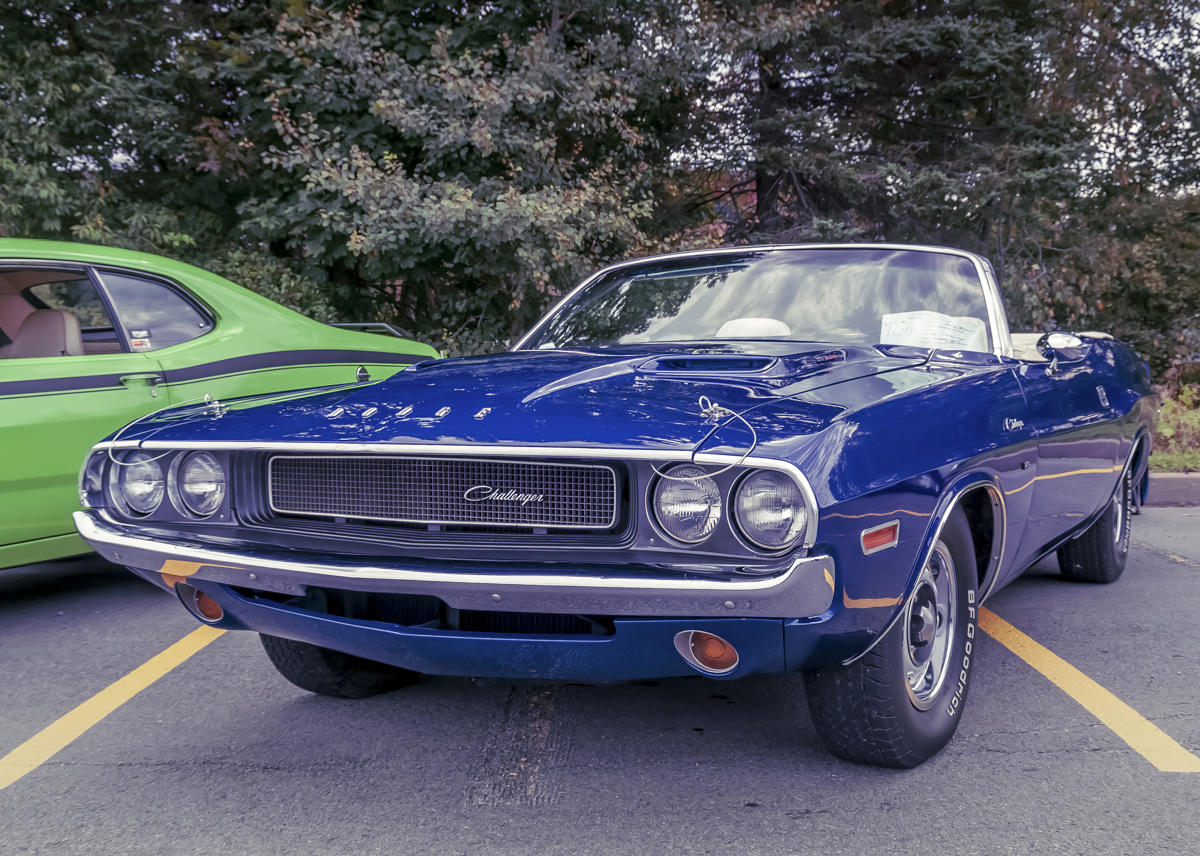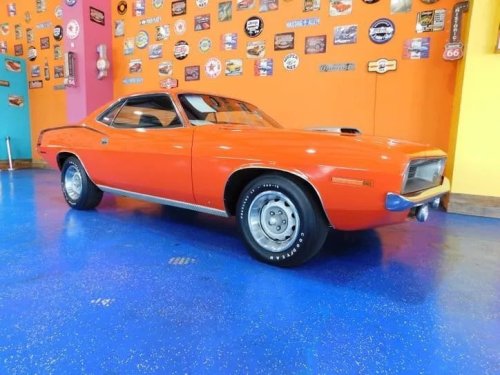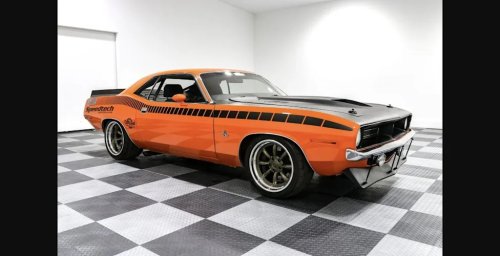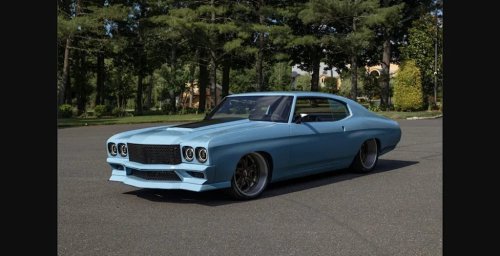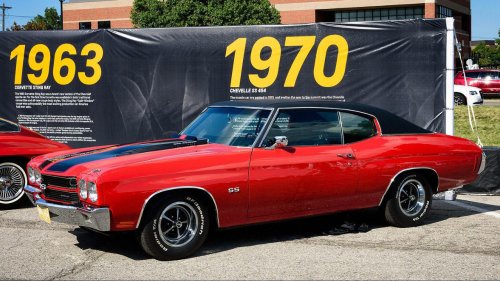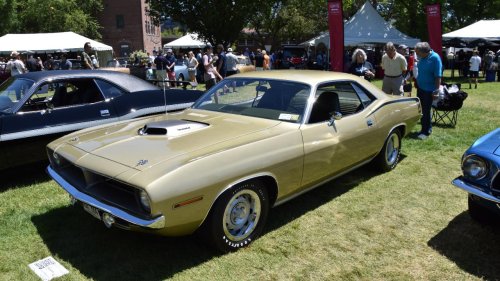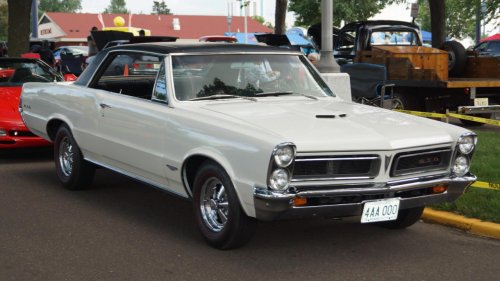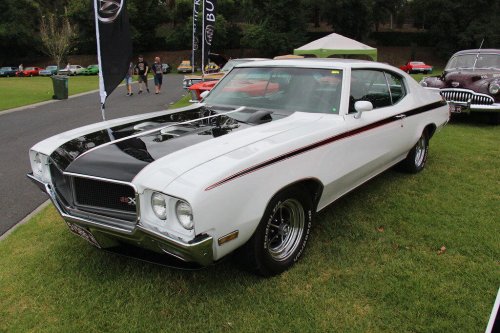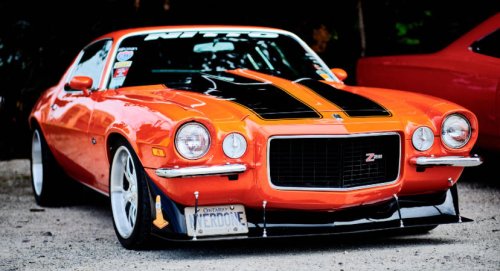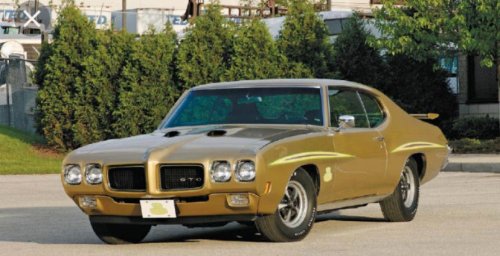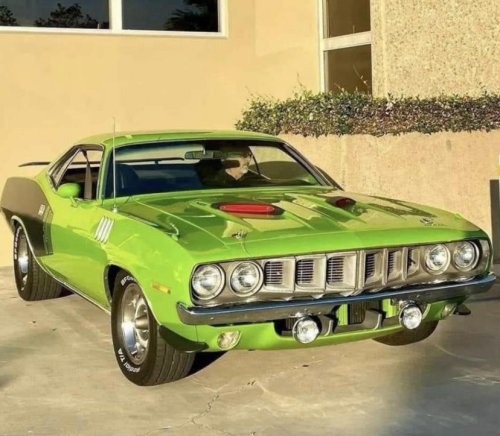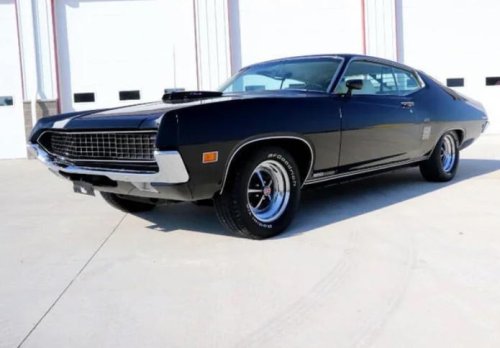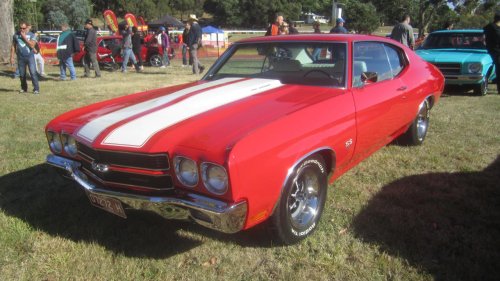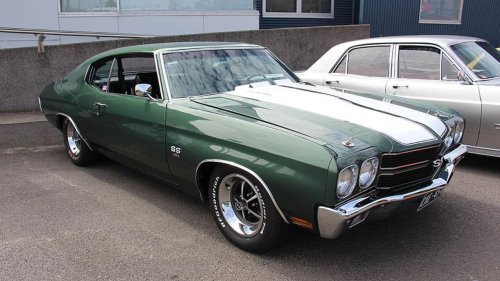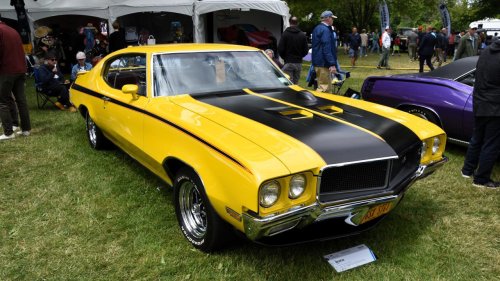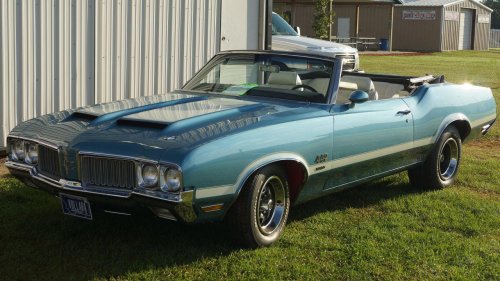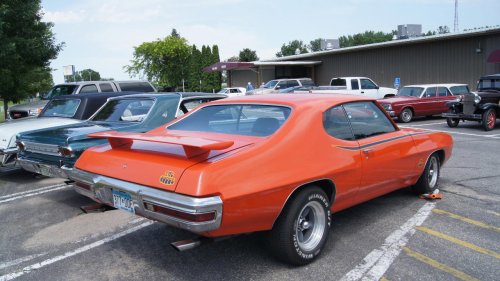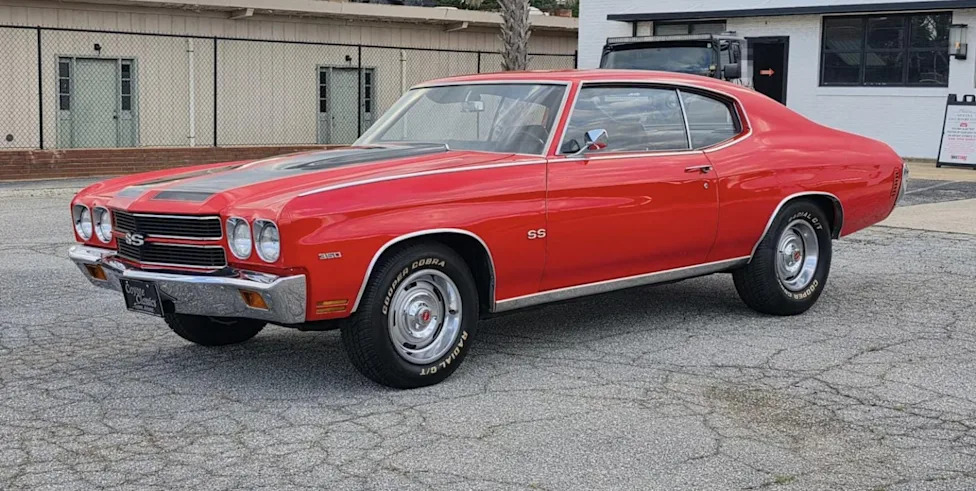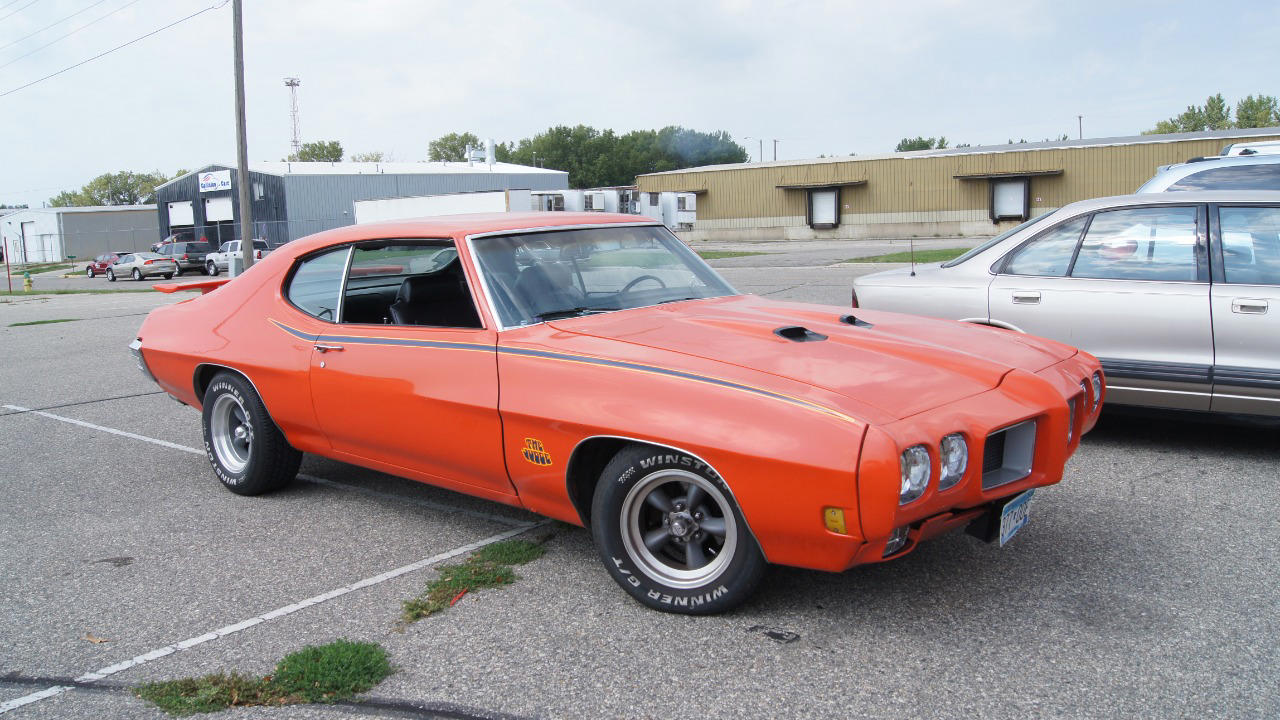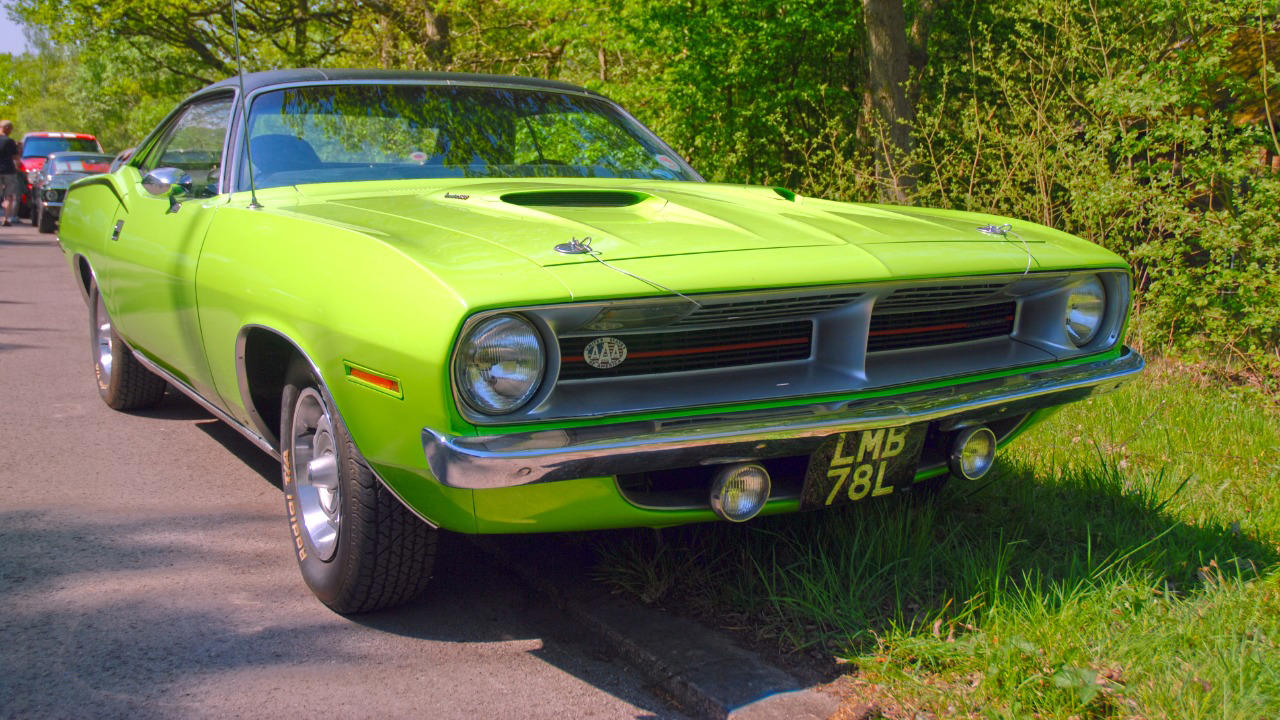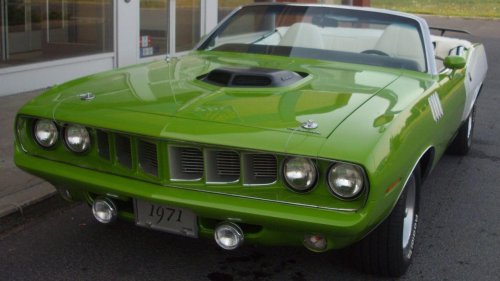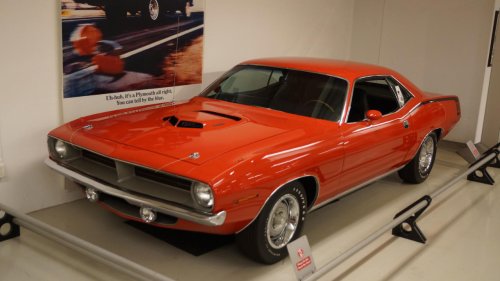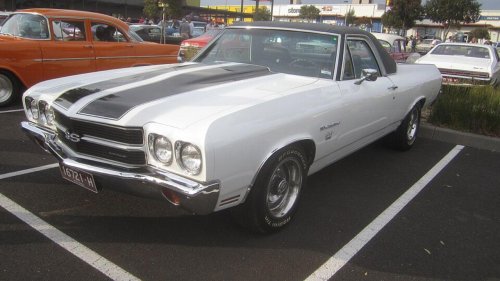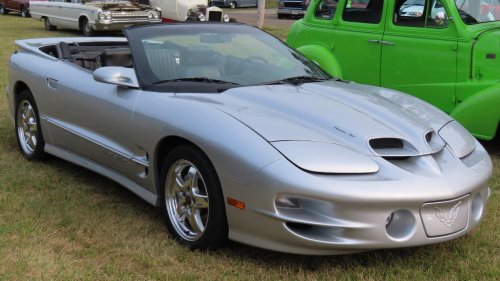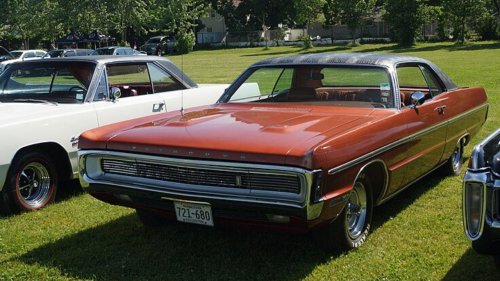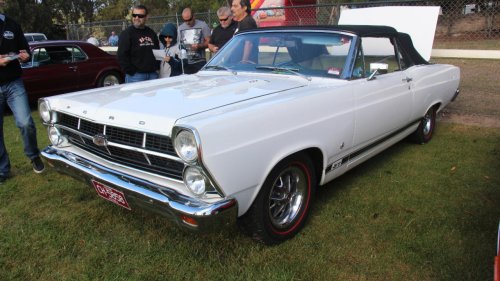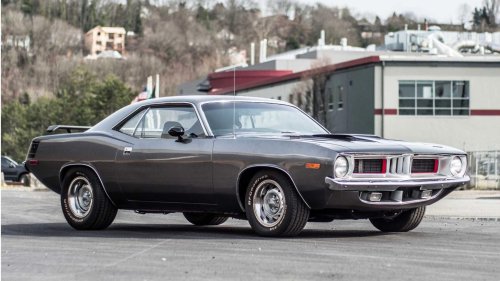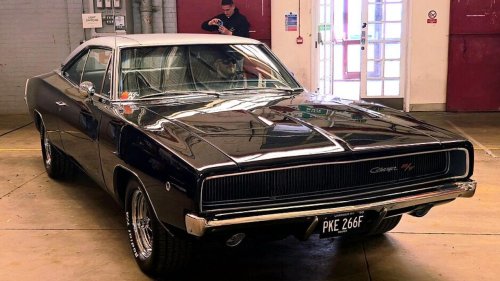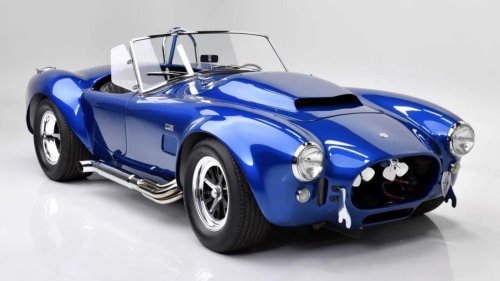
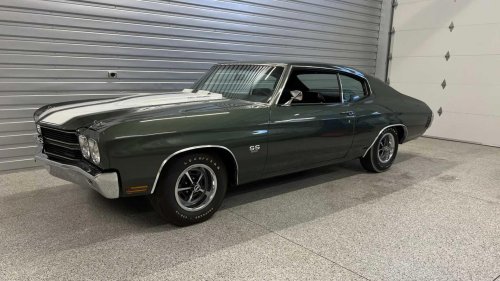
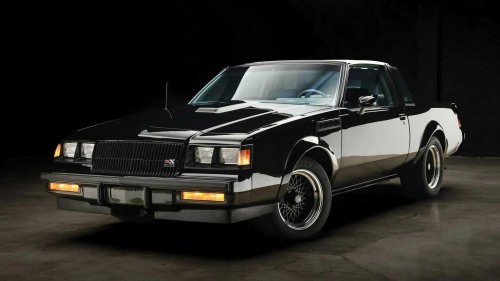
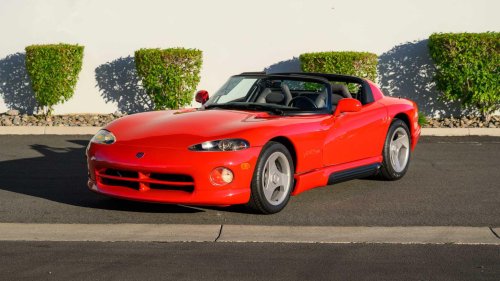
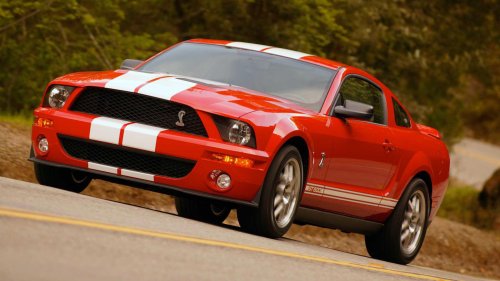
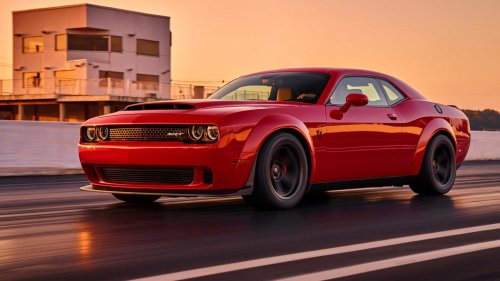
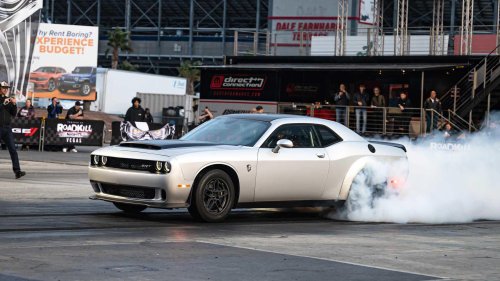


















America's obsession with muscle cars began as far back as the 1960s, when many of the country's top manufacturers released models with huge engines that made as much power as their rumbling exhaust suggested. The era of classic muscle cars, including the original ChevroletCorvette or the Plymouth Hemi 'Cuda, for example, lasted from the early sixties to the early seventies, but the urge for power didn't end there. Despite the '80s seeing a slump in horsepower, there were still some great models for sale from many of the same brands.Before we get too far into this, there's an important note to be aware of: we're using officially-advertised horsepower numbers. Many of the muscle cars of the '60s through the '80s advertised lower horsepower than they actually produced. Some brands had lower outputs on paper to save customers' insurance money, while others wanted to slip their models into races with strict horsepower limits. Our list uses the power outputs as claimed by the manufacturer, while discussing true horsepower figures where applicable.Only models generally agreed upon as fitting "muscle car" characteristics were considered for this article. We use manufacturer-provided power outputs, even if real-world power levels are higher. This list is organized in chronological order by decade. 1960s: 1966 Shelby Cobra 427 Super Snake Horsepower: 800 hp Cobra Super SnakeWhile there were surely some powerful, fast cars before then, we're starting this list off with the 1960s, since that's when the era of classic muscle really got moving. The definition of what makes a muscle car shifts — it's not purely American cars, and doesn't have to have a V8 engine. However, the first car we'll talk about today happens to be both.The most powerful muscle car of the 1960s was the Shelby Cobra 427 Super Snake. While the Cobra may have started out as an English sports car, dubbed the AC Ace, heaving great V8 engines — courtesy of Shelby — saw it mature into a thoroughly American muscle car in the eyes of many.At the time, Shelby was an independent tuner of Ford cars, and this Super Snake came in limited production numbers. However, we didn't impose any strict rules or guidelines to exclude it. It was powered by a seven-liter V8 with an insane dual-supercharger setup that boosted horsepower up to 800. According to independent testing, this car can drive to around 200 miles per hour or more. 1970s: 1970 Chevrolet Chevelle SS 454 Horsepower: 450 hp 1970 Chevrolet Chevelle SS 454The 1970s had more than its fair share of powerful muscle cars. Like we mentioned in the introduction, it's hard to put a number on most of these cars' true horsepower numbers, so many automakers at the time chose to lie about how much power their cars really made. As far as advertised horsepower numbers go, the most powerful car of the '70s came in the form of a Chevrolet Chevelle SS 454.This model could be bought with either an LS5 or LS6, but the LS6 was the powertrain with the most horsepower. On paper, it made 450 hp and 500 lb-ft of torque, and it wasn't even that expensive by '70s standards. Today, on the other hand, examples in good condition have appreciated to being worth hundreds of thousands of dollars. 1980s: 1987 Buick GNX Horsepower: 276 hp 1987 Buick GNXAfter the muscle car craze of the '60s and '70s, things seem to have calmed down a bit. In our research for this article, we found plenty of high-horsepower sports cars that would knock your socks off. However, there aren't many high-horsepower models that we would call "muscle cars" without an angry mob in the comments.There are some similar stories about manufacturers lying, though. One example, the model we found to be the most powerful muscle car of the 1980s, is the Buick GNX (or Grand National Experimental). The GNX was advertised to have 276 horsepower, but quarter-mile times being faster than a Porsche 911 Turbo from the same year told a different story. Independent testing shows true horsepower figures to reach over 300 hp in the GNX, despite what Buick put on paper. There weren't many examples produced, 547 to be precise, so those that remain in good condition fetch high prices today. 1990s: 1992 Dodge Viper Horsepower: 400 hp 1992 Dodge ViperThe 1990s saw a massive return to high-horsepower muscle cars. Some versions of the Mustang reached about 300 horsepower, and one of the fastest models of its day, the Pontiac Firebird Trans Am, only made 320 horsepower even though it could reach 150 mph and had a 0–60 mph time of around five seconds.The most powerful muscle car of the 1990s, though, was the first-generation Dodge Viper. Equipped with a naturally-aspirated eight-liter ten-cylinder engine shoved under an obnoxiously large hood, the Viper made 400 horsepower and 450 lb-ft of torque. Top speed figures vary depending on the source, with some independent tests claiming nearly 200 mph, while other, more official sources claim speeds between 155 and 170 mph.Sure, it blurs the lines a little between muscle, sports, and supercar, but being all-American, rear-wheel-drive, and sporting an engine that significant under the hood, many would argue it fits the definition of muscle the sweetest. Most of you have probably heard about how dangerous these cars are, and we'll let you know that the rumors are mostly true. Use good judgment when driving any generation of Viper. 2000s: 2007 Ford Mustang Shelby GT500 Horsepower: 500 hp 2007 Ford Mustang Shelby GT500Superchargers and turbochargers had been around for decades by the time the 2000s rolled around, but most muscle cars tended to avoid them. There used to be some validity to the phrase "no replacement for displacement," but these are different times. As far as cars between 2000 and 2009 go, there are some great examples that combined large displacement with forced induction.The muscle car with the highest horsepower of the 2000s is the Ford Mustang Shelby GT500 from 2007. It also happens to be the first 500-horsepower Mustang ever sold. This one is powered by a 5.4-liter supercharged V8, rather than the typical 5.0-liter found in the GT variant. It was electronically limited to 155 miles per hour, but this Mustang's 0-60 time came in at a quick 4.5 seconds. The most recent Shelby GT500 is still supercharged, and makes 760 horsepower. 2010s: 2018 Dodge Challenger SRT Demon Horsepower: 840 hp 2018 Dodge Challenger SRT DemonDodge returns for the second time (and it won't be the last time), which isn't surprising since the brand has long been a pioneer of horsepower. As one of the biggest names in muscle car history, it only makes sense that the most powerful muscle car of the 2010s is also a Dodge. The Charger and Challenger both have SRT trims that burn rubber like no other — many examples from the 2010s are still doing donuts at intersections, peeling out of neighborhoods, and running the quarter mile with ease.With that being said, the muscle car with the most horsepower from the 2010s isn't any run-of-the-mill SRT: it's the Challenger SRT Demon. This model still uses a 6.2-liter supercharged V8 like the Hellcat, but it's tuned for 840 horsepower and 770 lb-ft of torque. Some people have achieved top speeds of over 200 mph, making it one of the fastest Dodge cars ever produced. 2020s: 2023 Dodge Challenger SRT Demon 170 Horsepower: 1,025 hp 2023 Dodge Challenger SRT Demon 170These days, we've seen horsepower numbers like no other decade so far. With the rise of electric cars, it's becoming increasingly clear that horsepower isn't actually what makes a car cool or fun (although it can help). When you have Teslas with over 1,000 silent horsepower, and other luxury sports cars reaching similar standards, it's about time for some enthusiasts to reevaluate what makes a car fun.Nevertheless, the engineers at Dodge keep a grin on their faces as they continue to equip cars with the Hellcat V8. The Challenger might be discontinued now, but it wasn't without a proper sendoff. The Dodge Challenger SRT Demon 170 is the most powerful muscle car of the 2020s so far, at 1,025 horsepower when running on E85. Even when it's filled with E10, it can still make 900 hp. It's built for drag racing, not top speed. While it can finish the quarter mile in under ten seconds at 151 mph, the Demon 170 launches to sixty mph from a standstill in just 1.66 seconds, making it one of the quickest production cars ever.Sources: Ford, Chevrolet, Buick, Dodge.