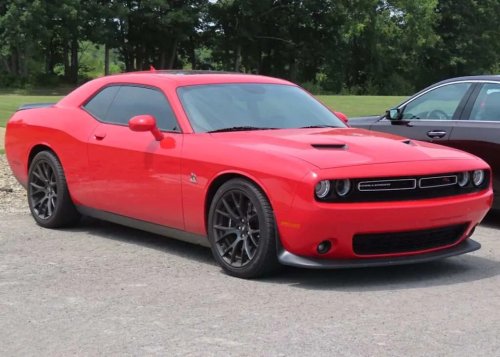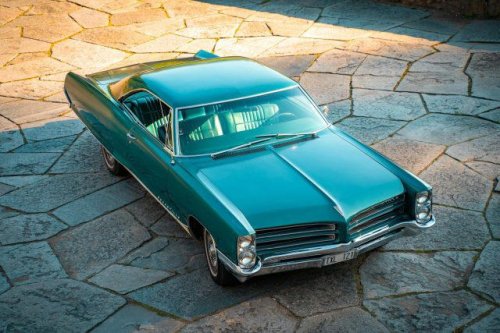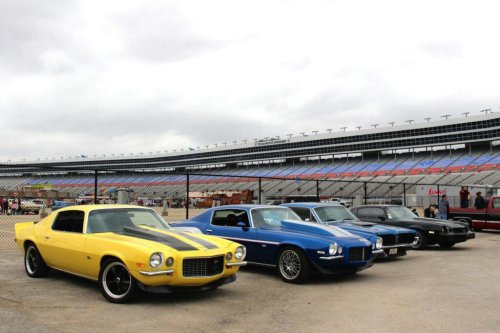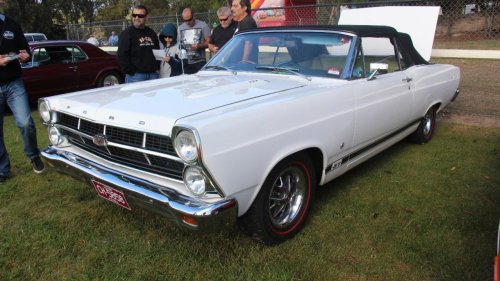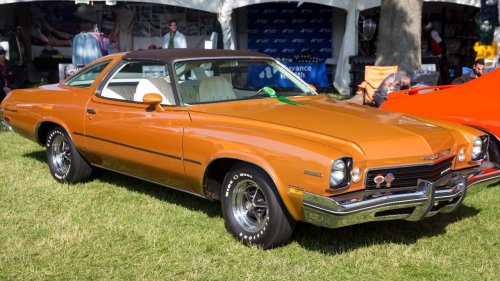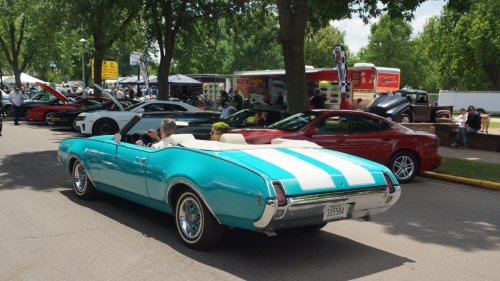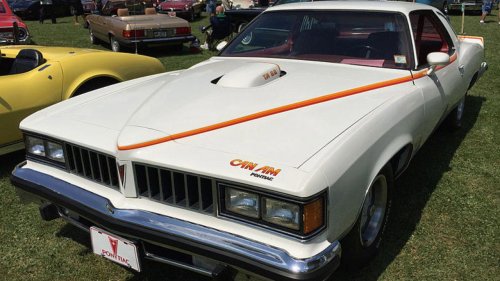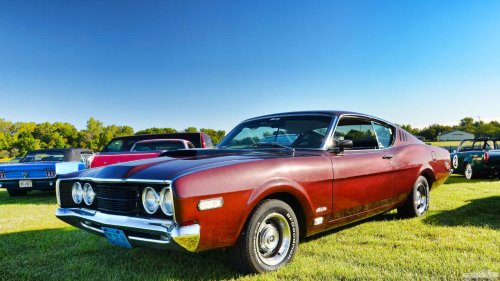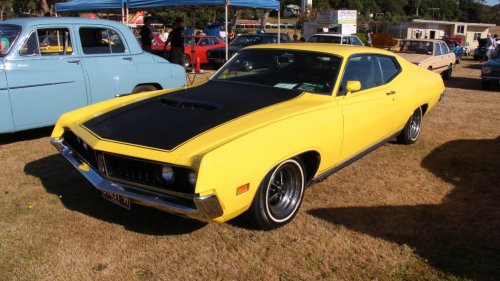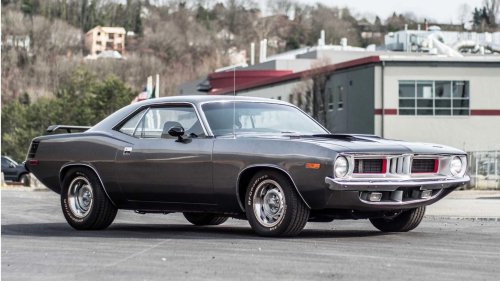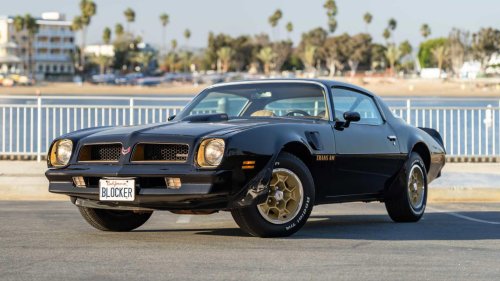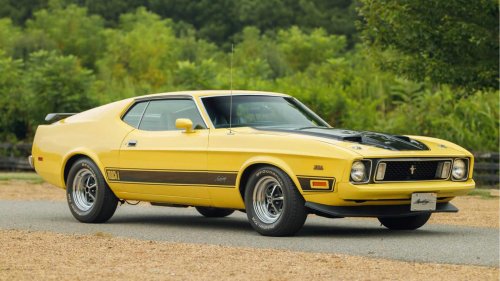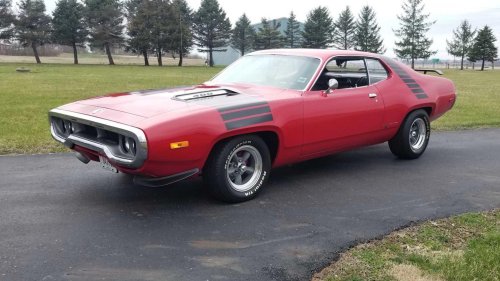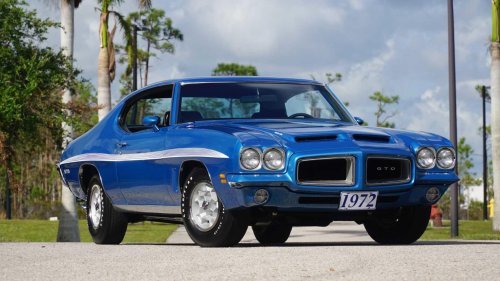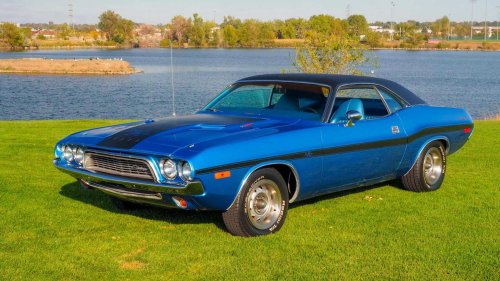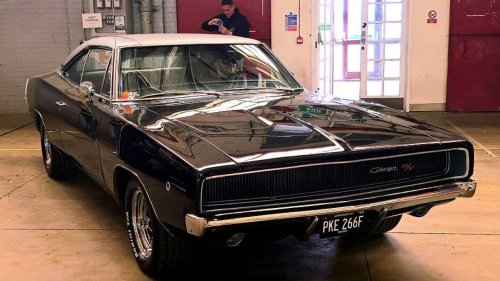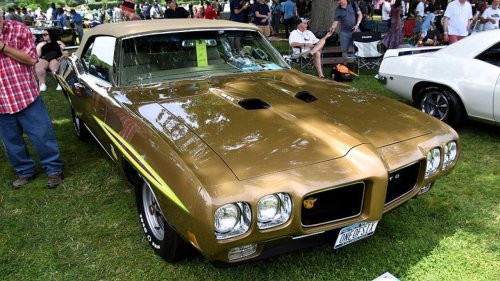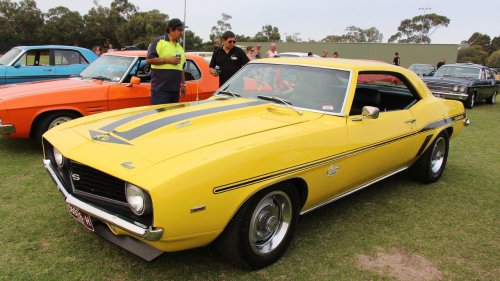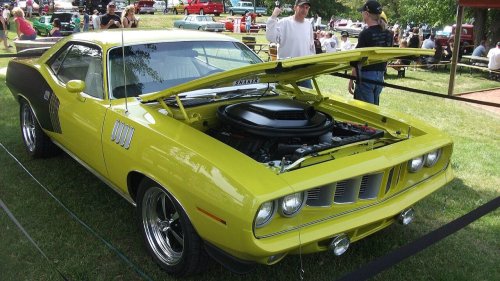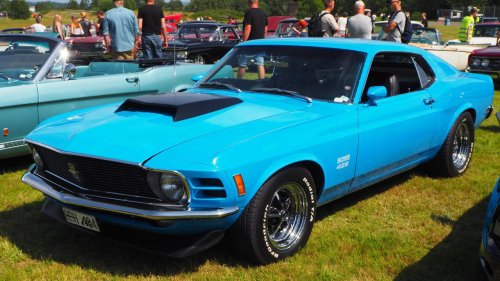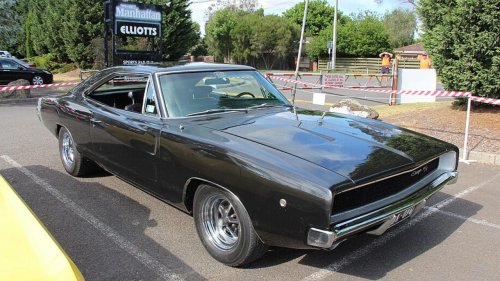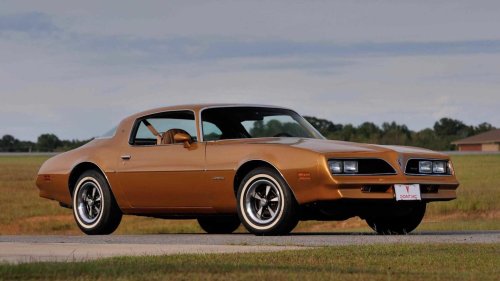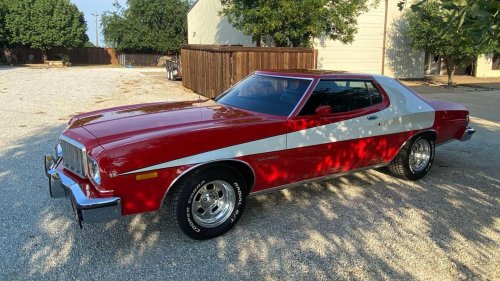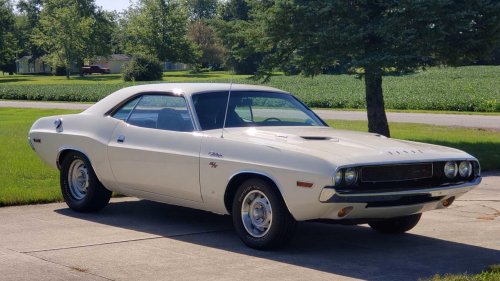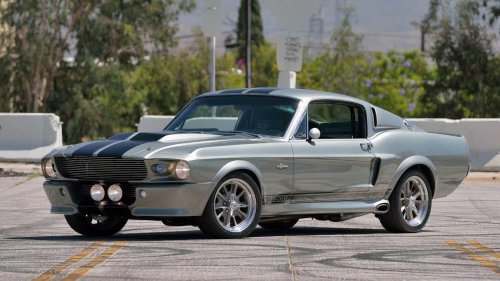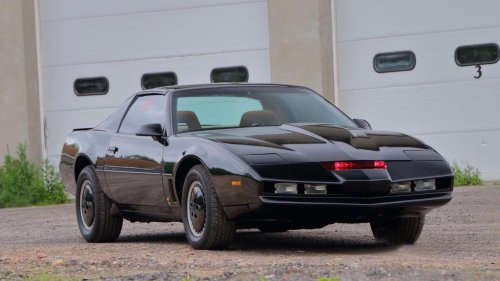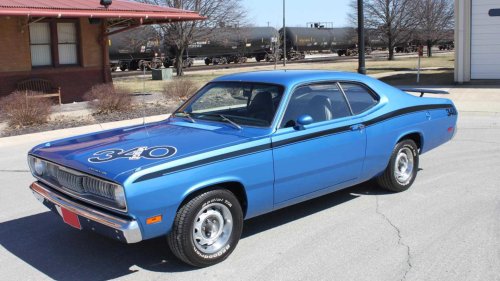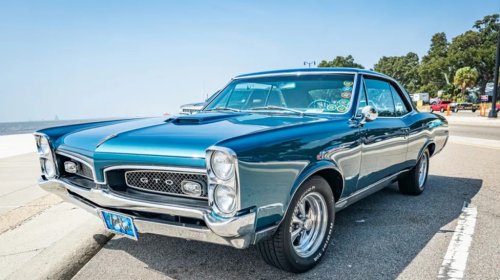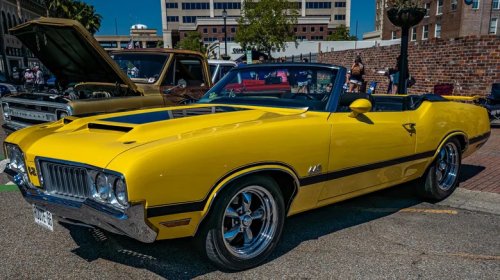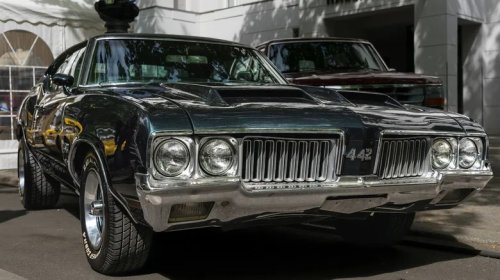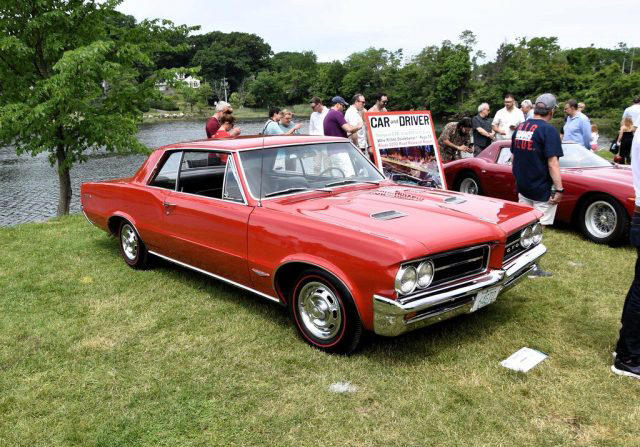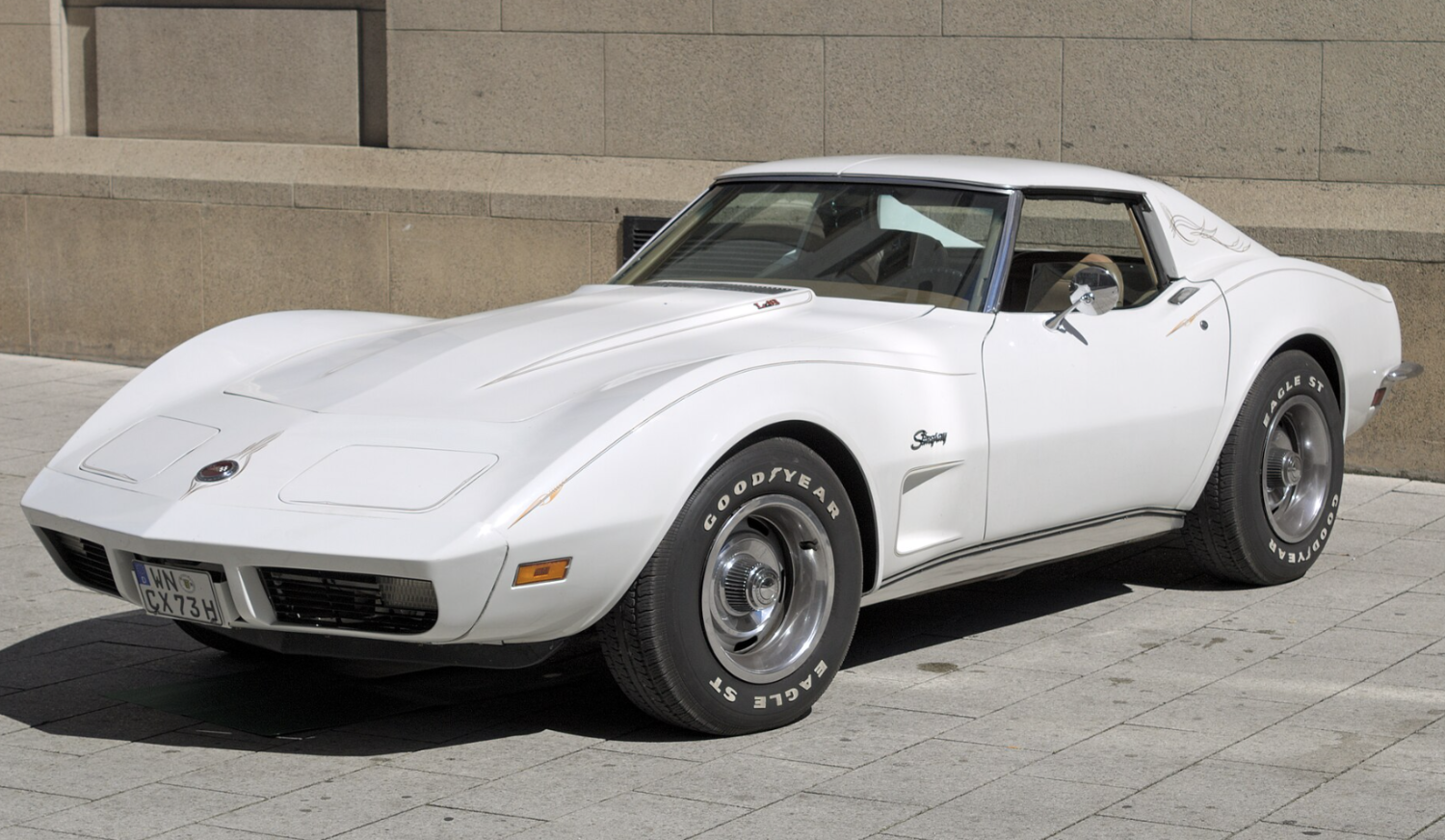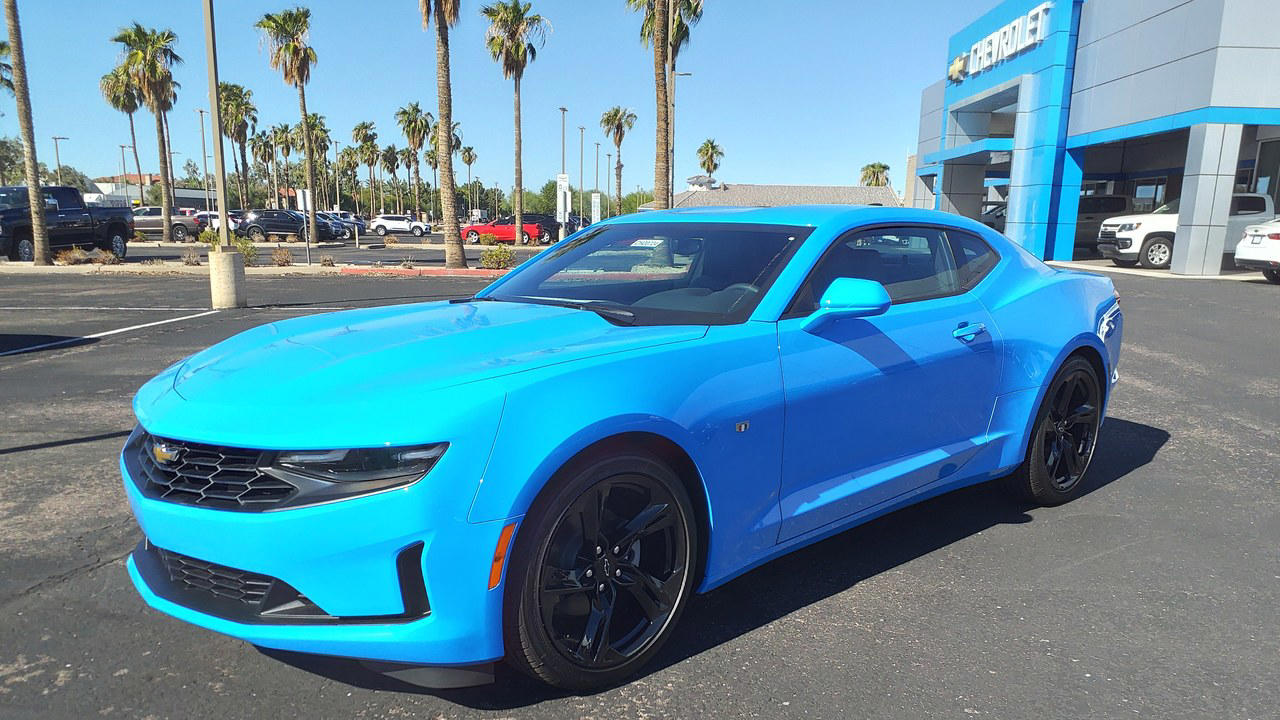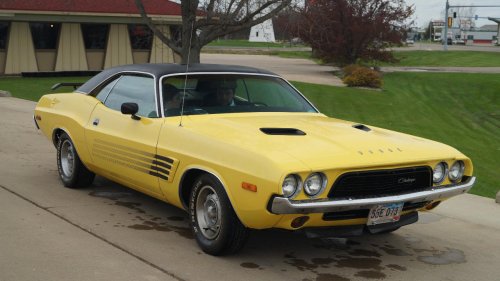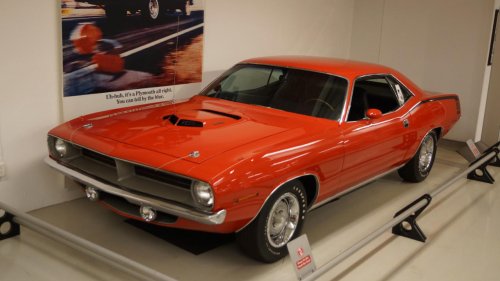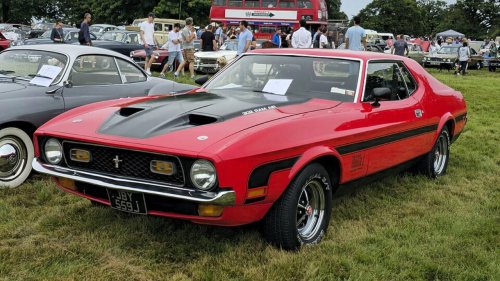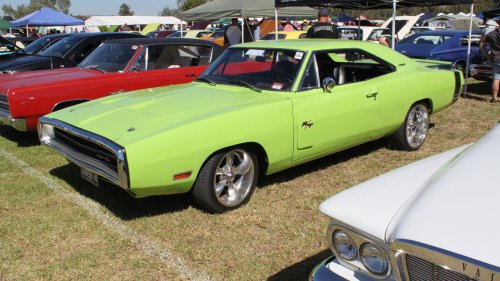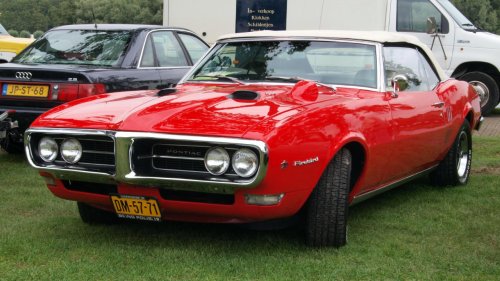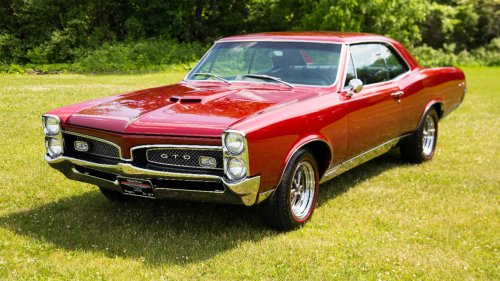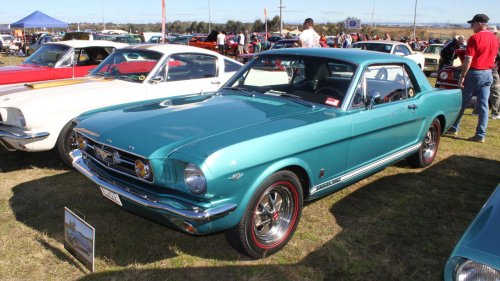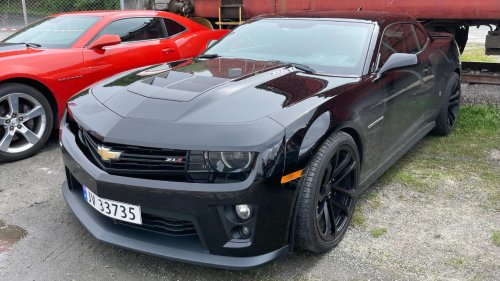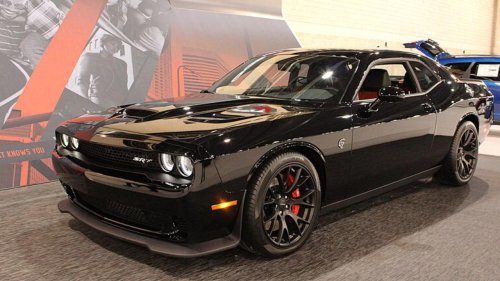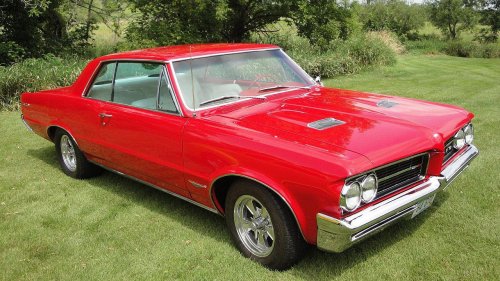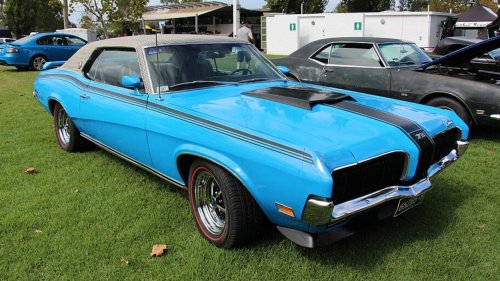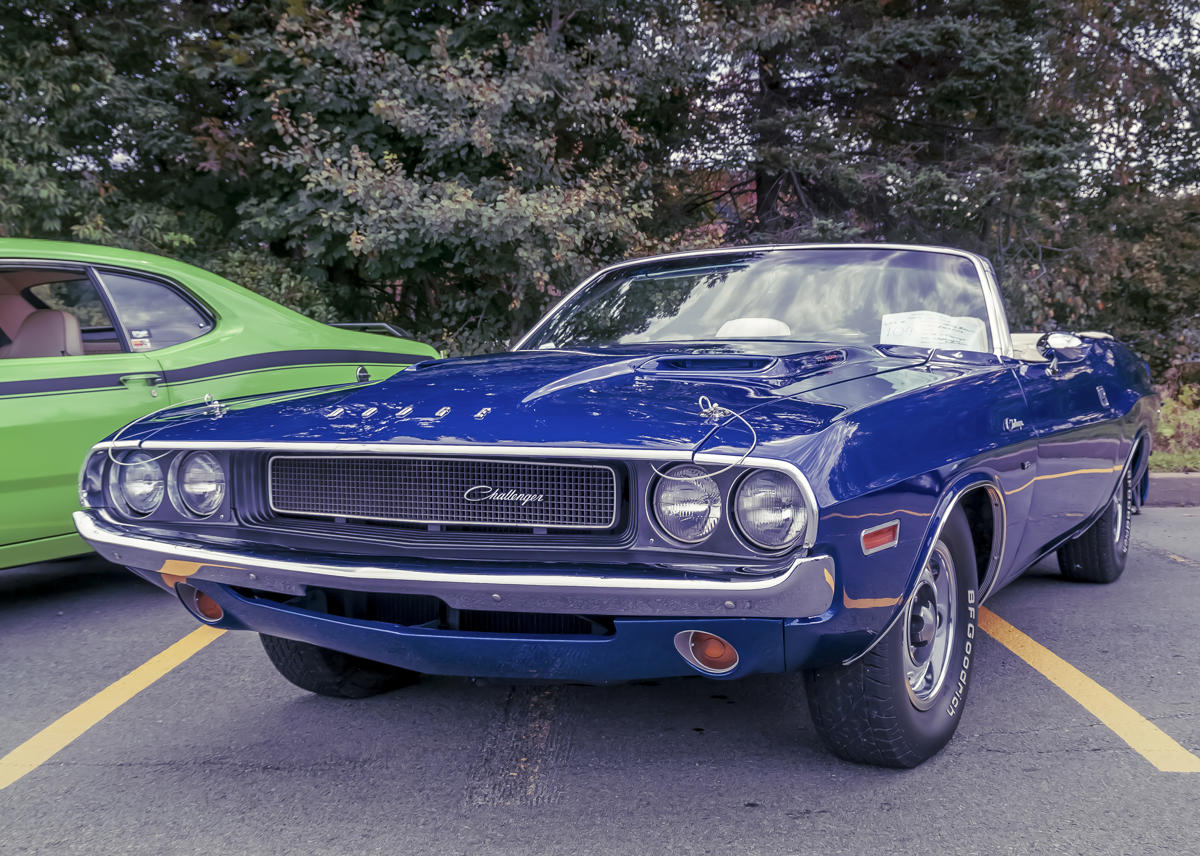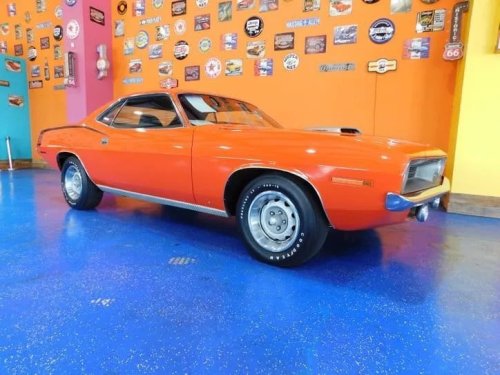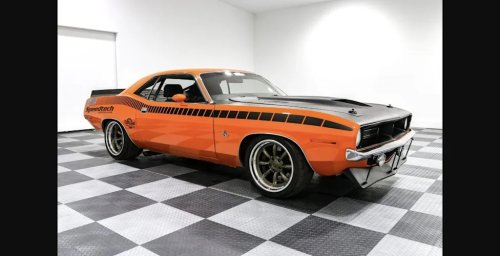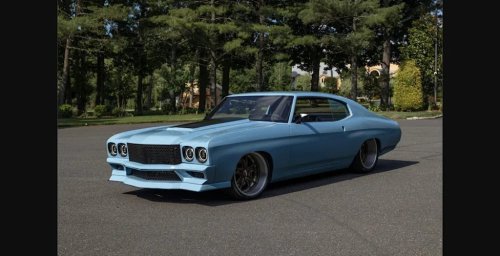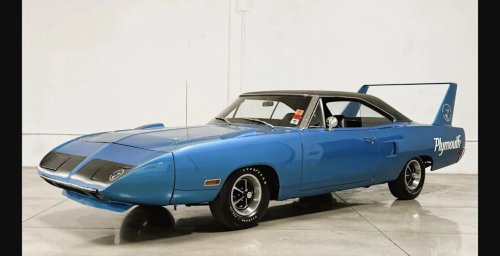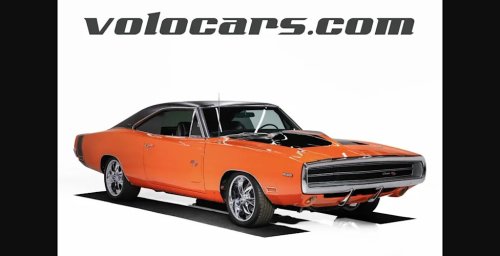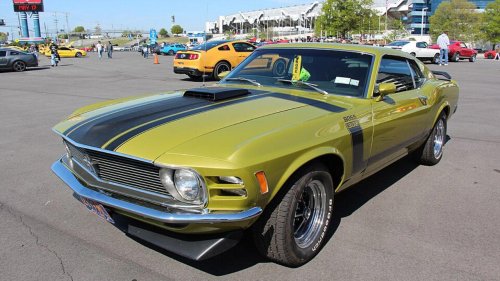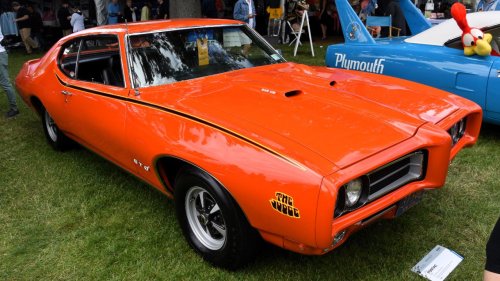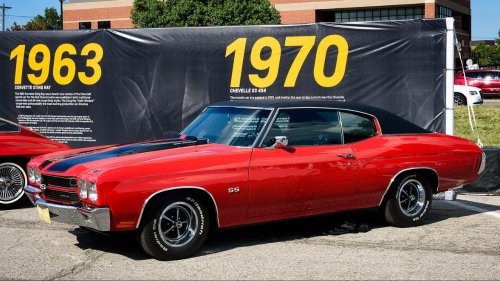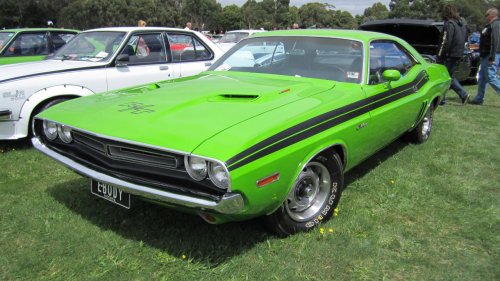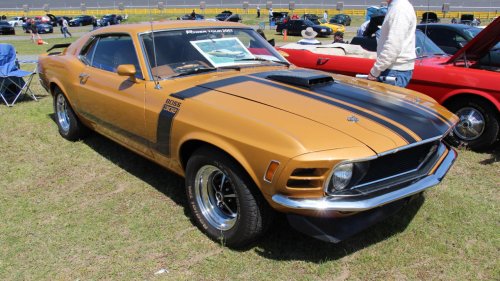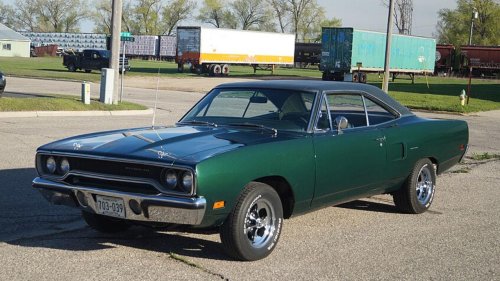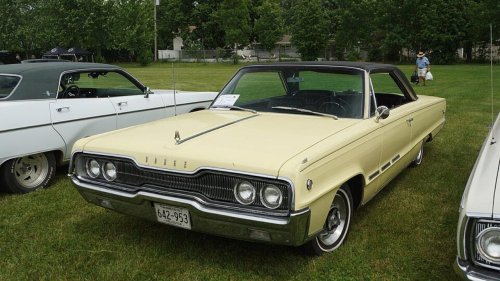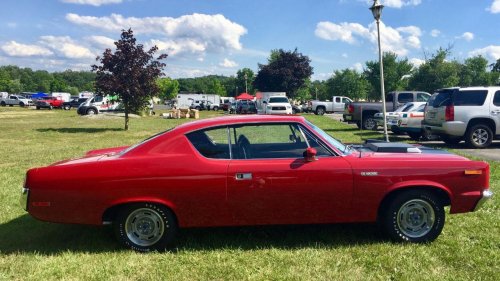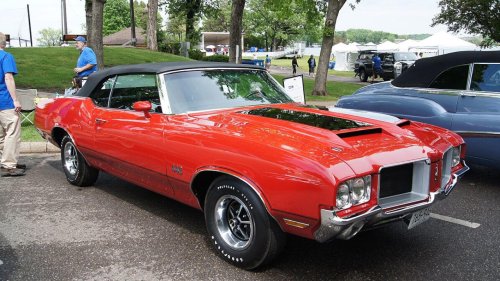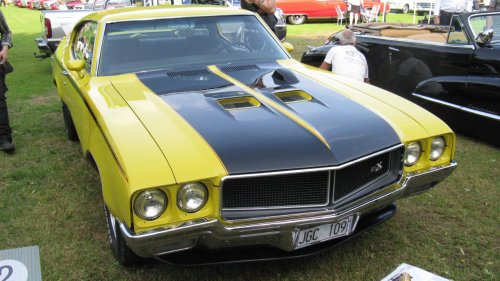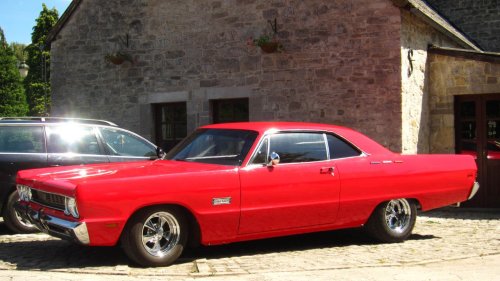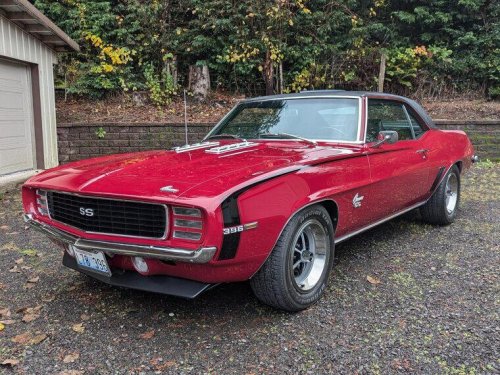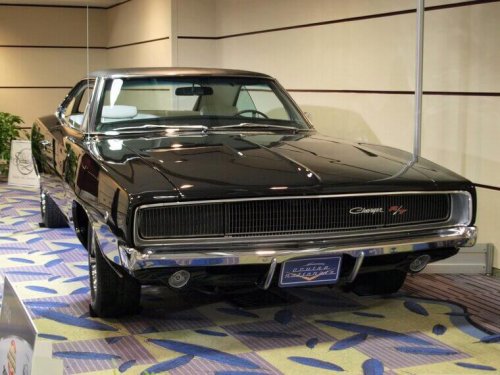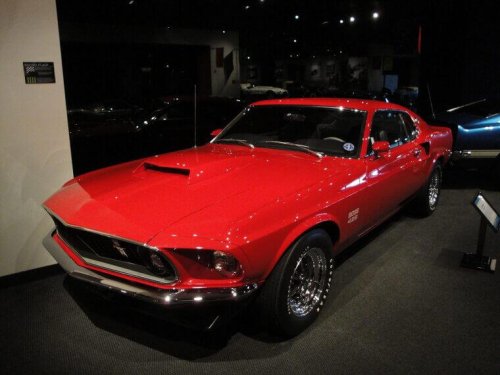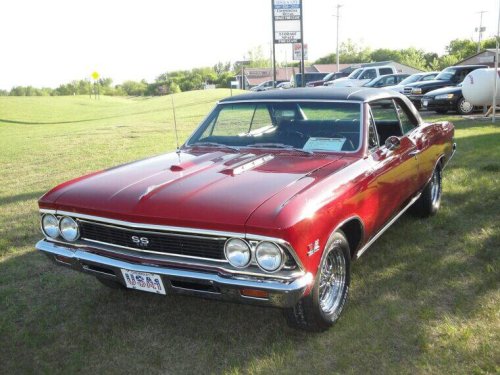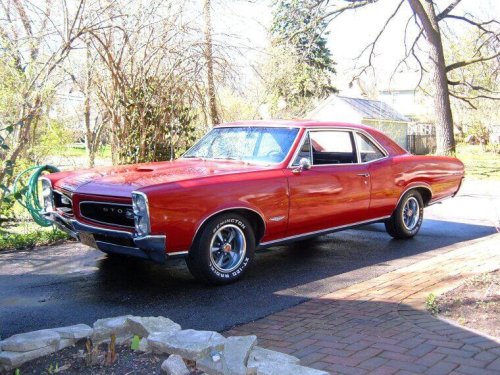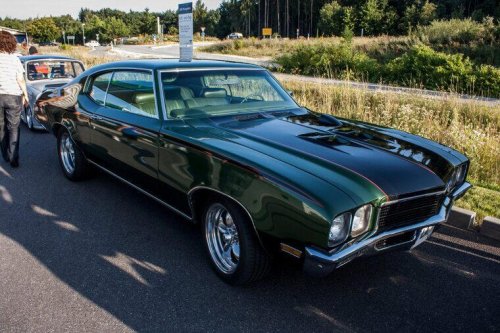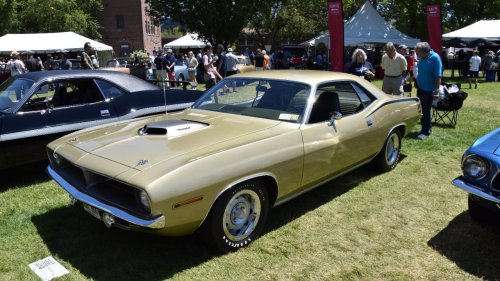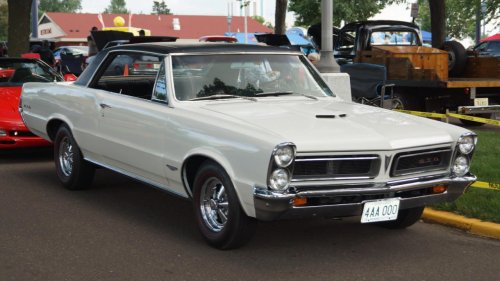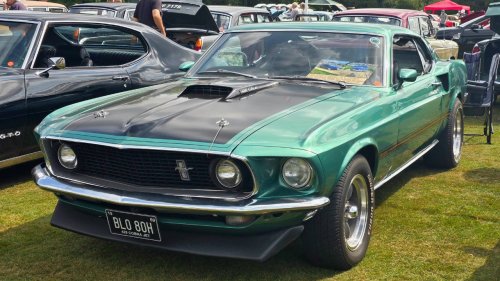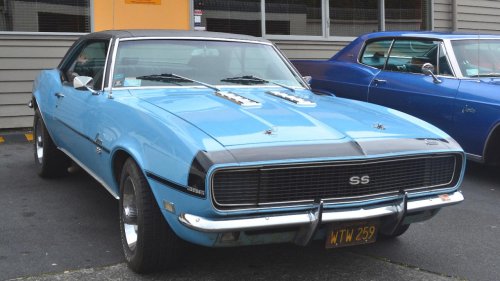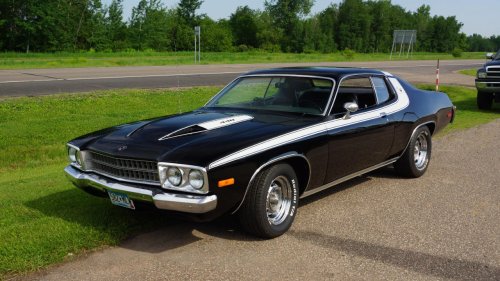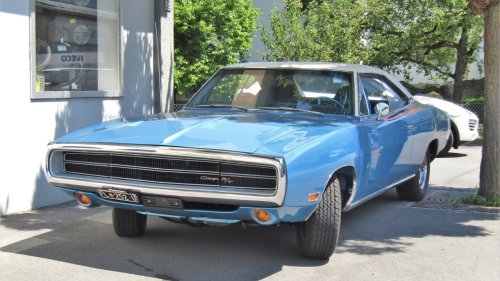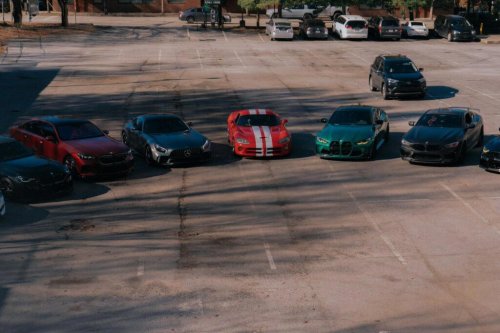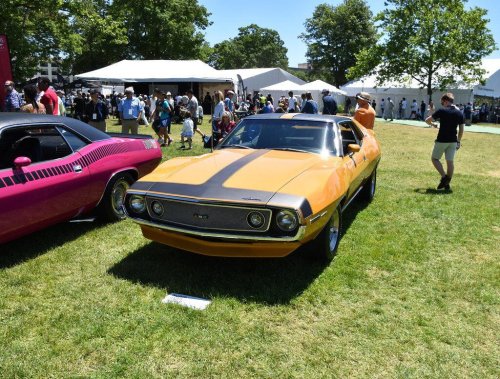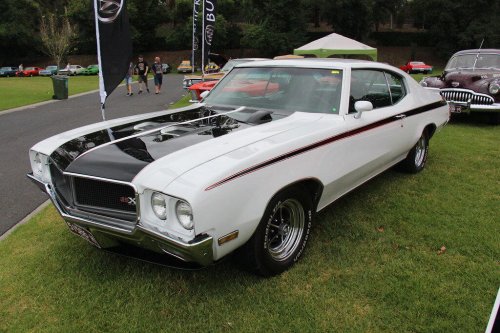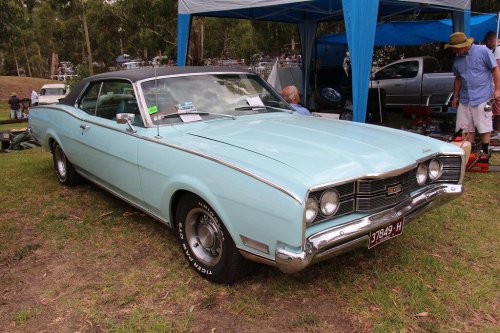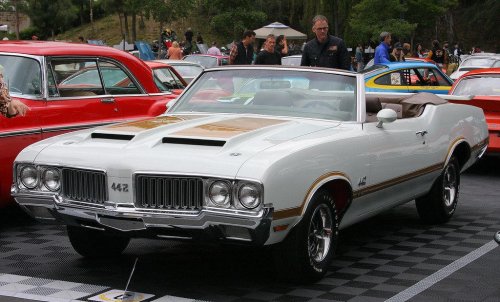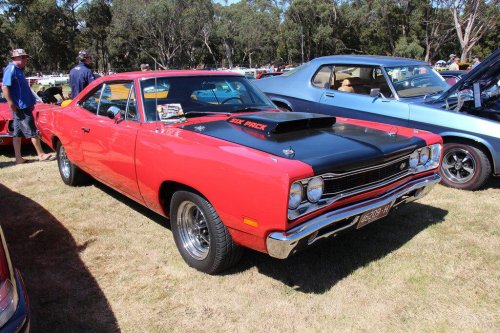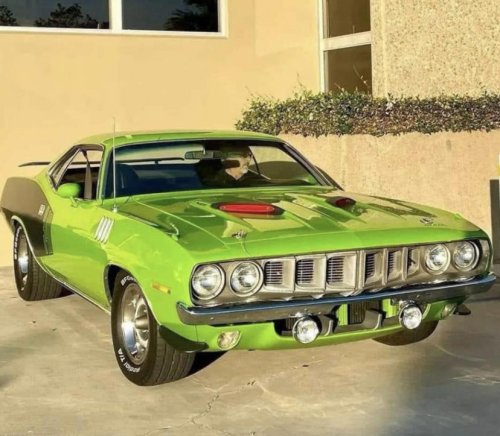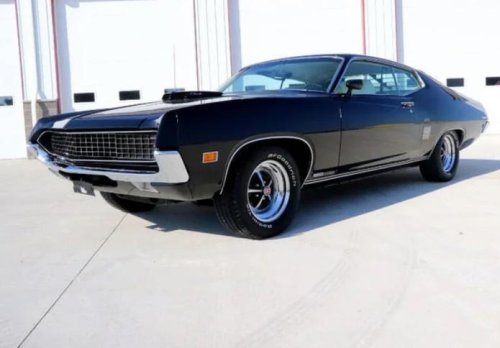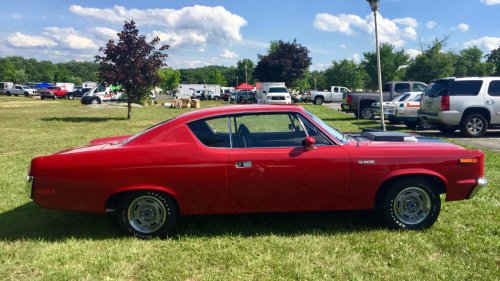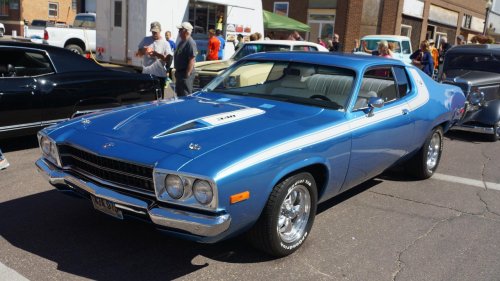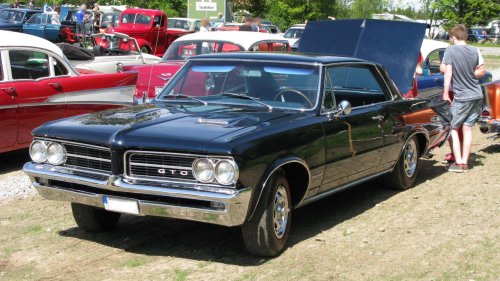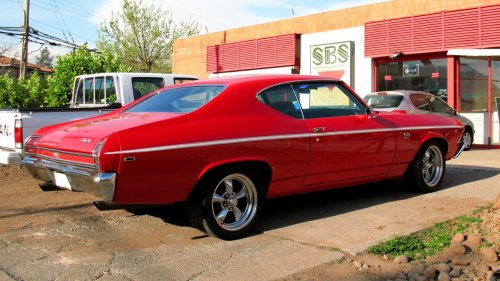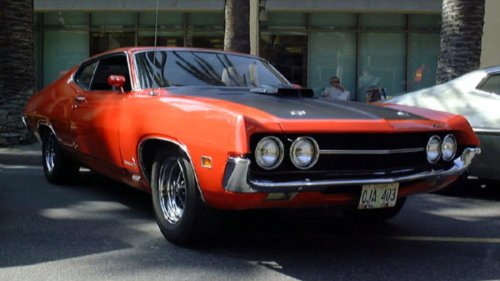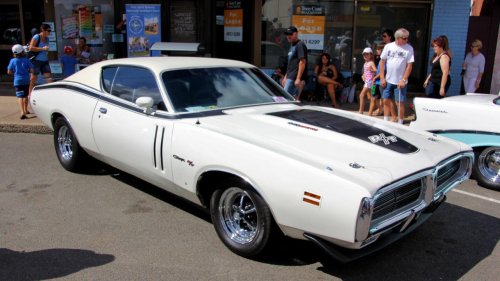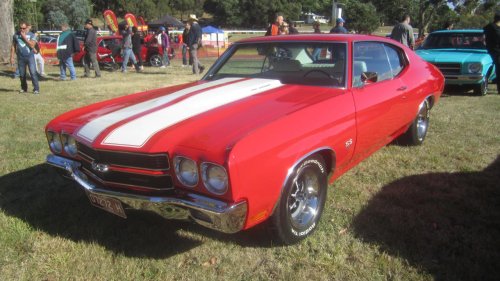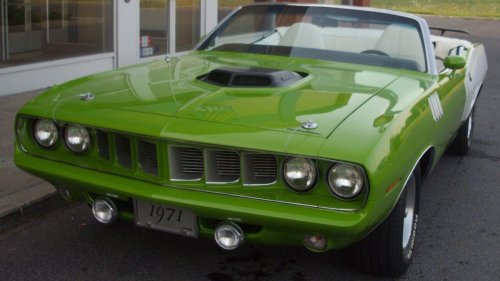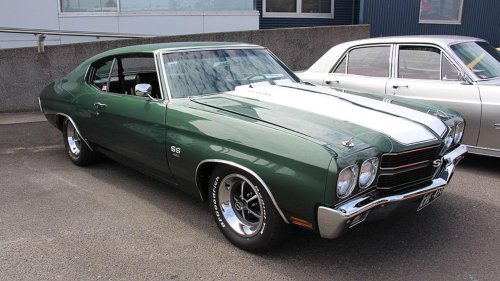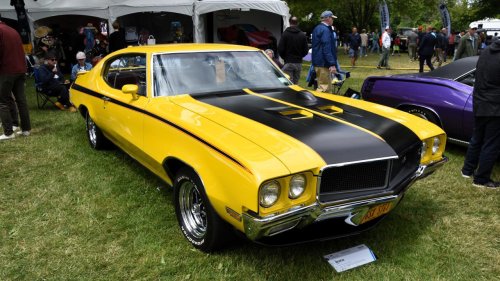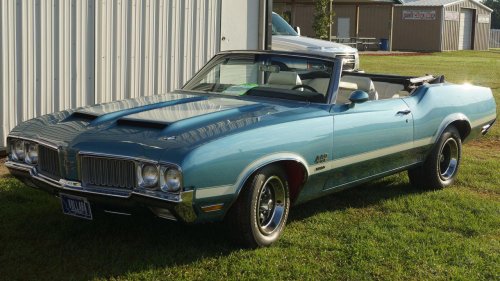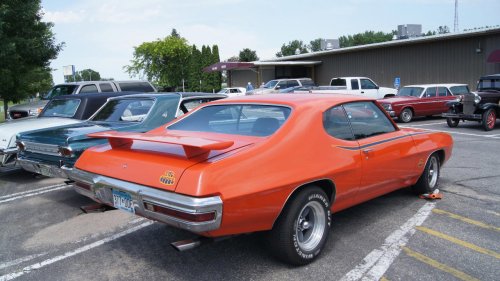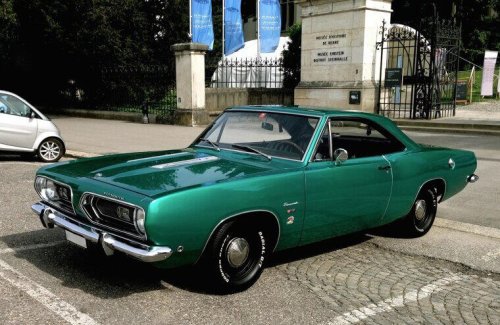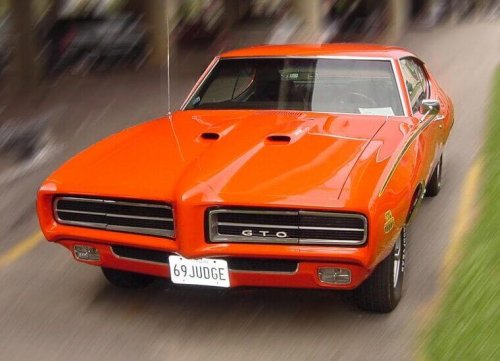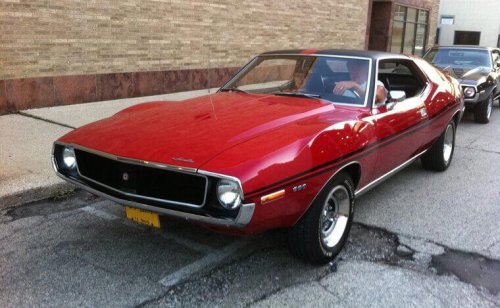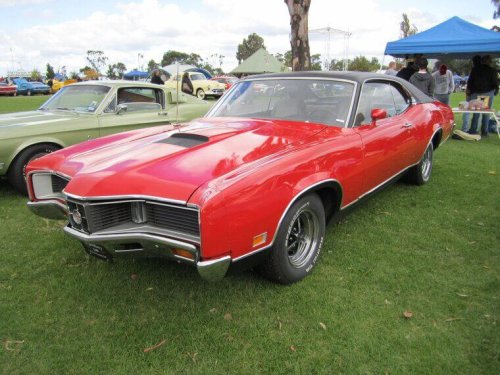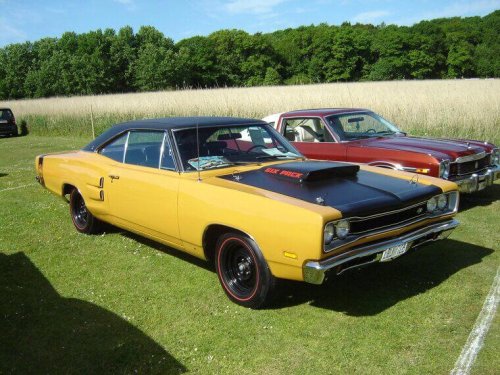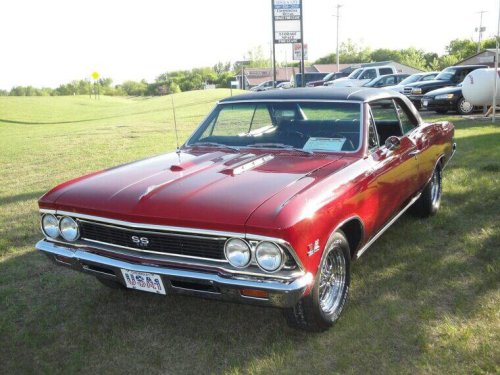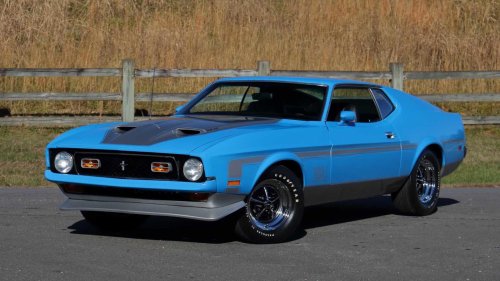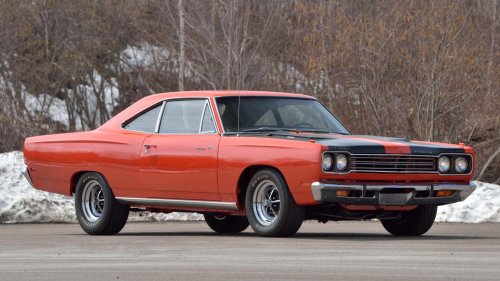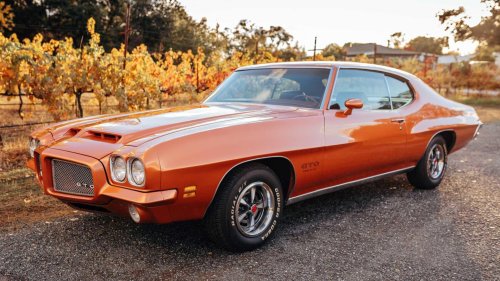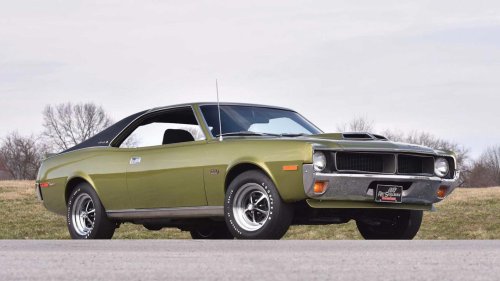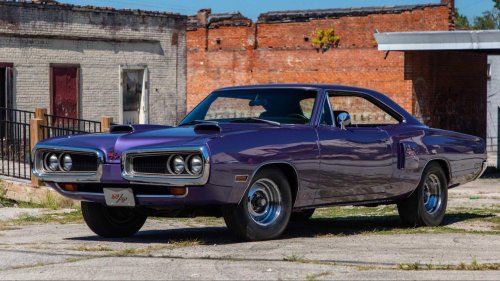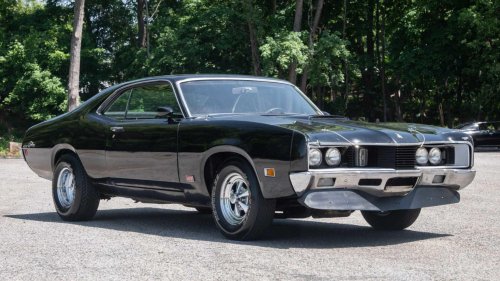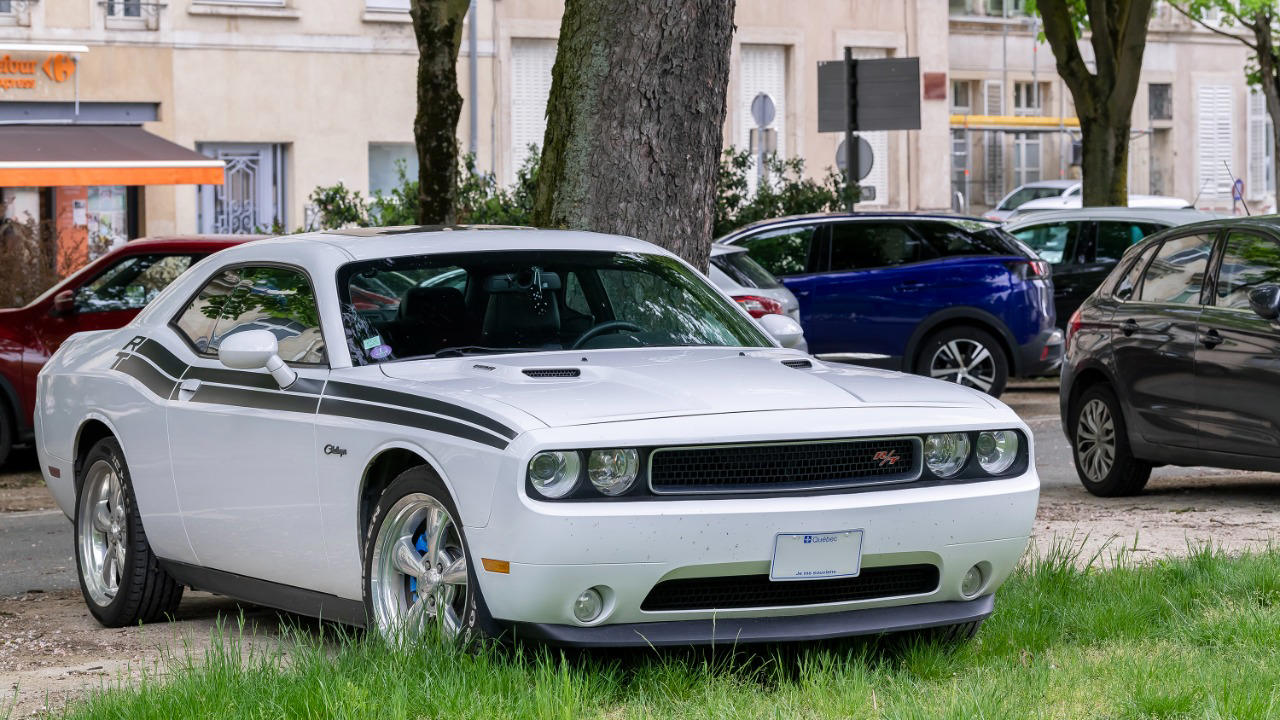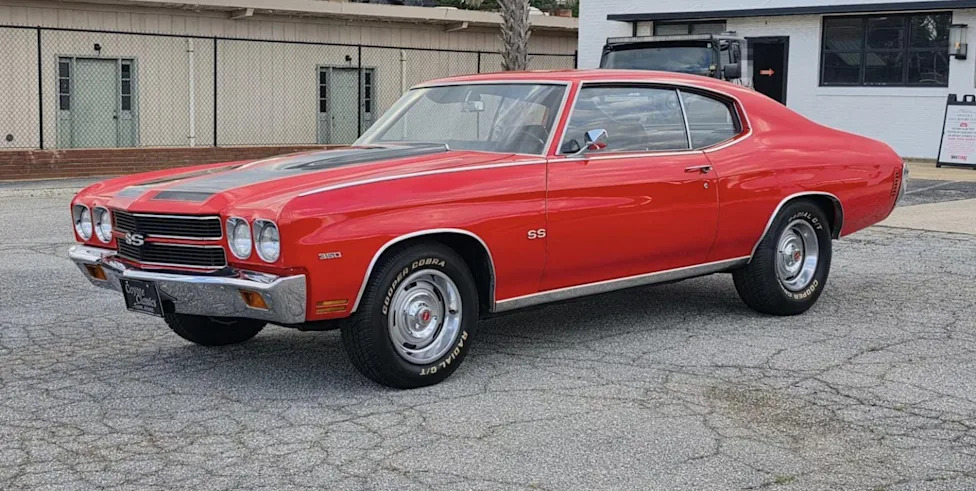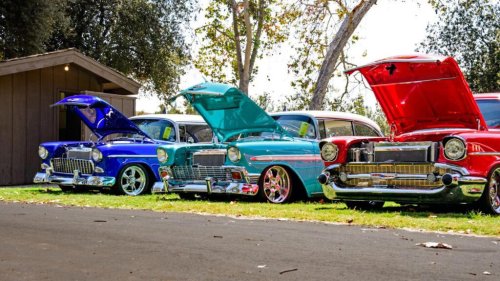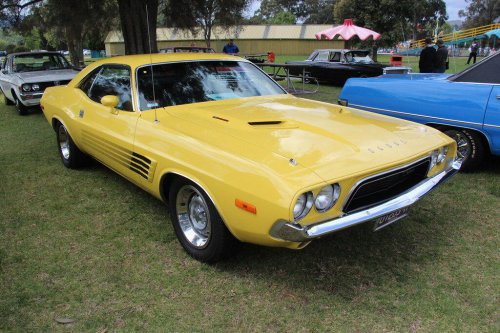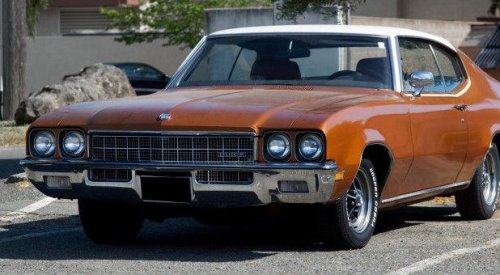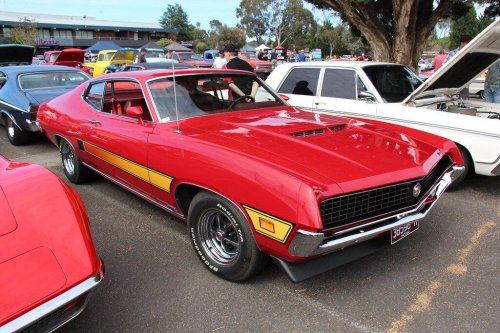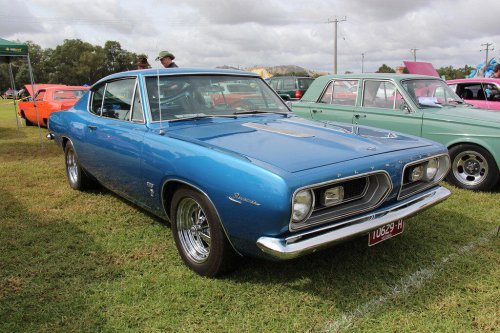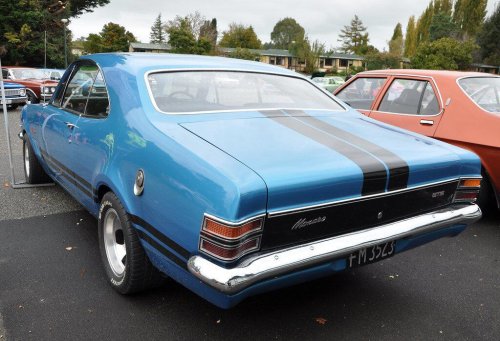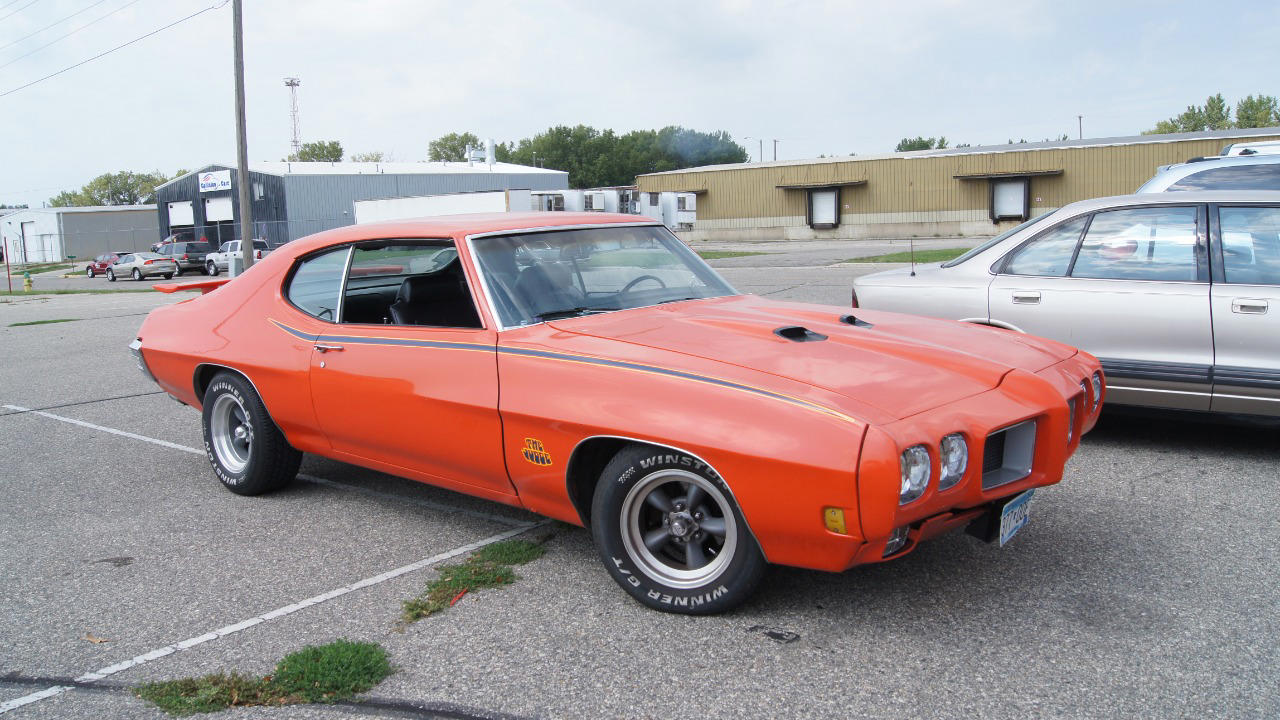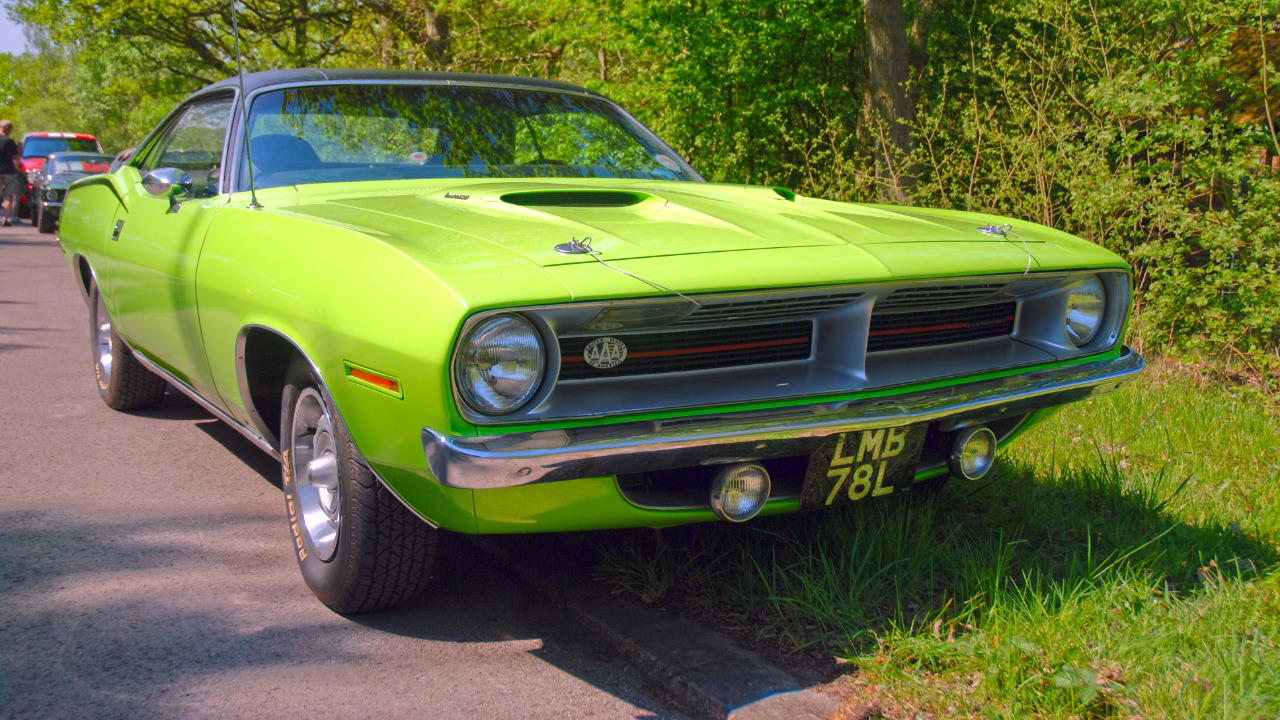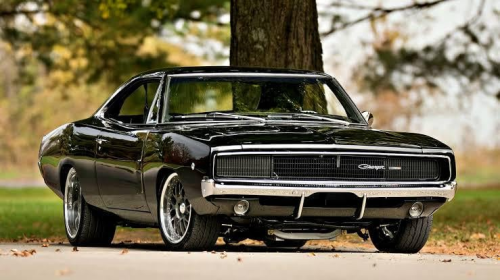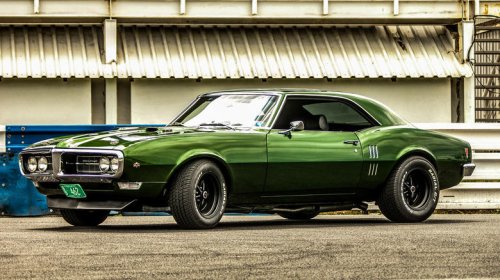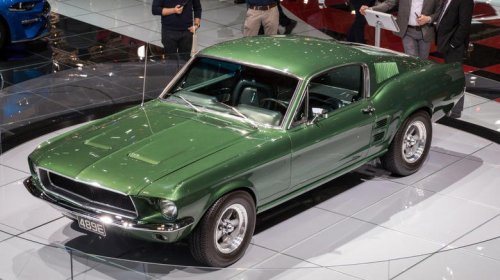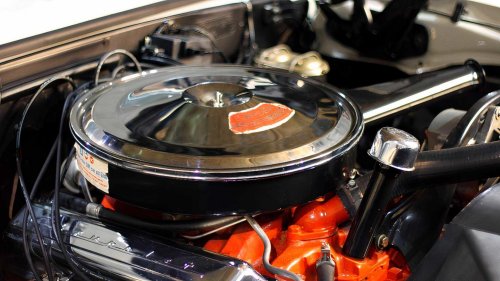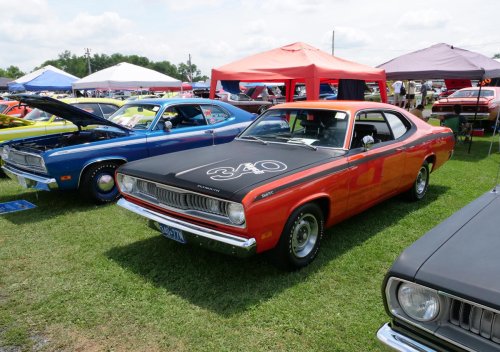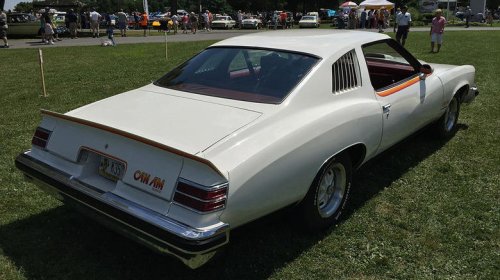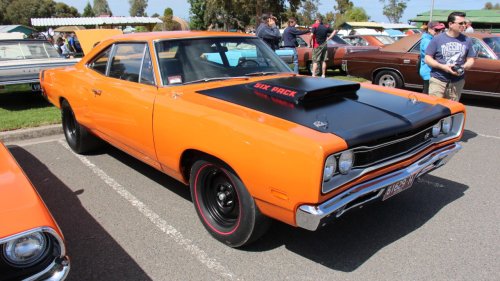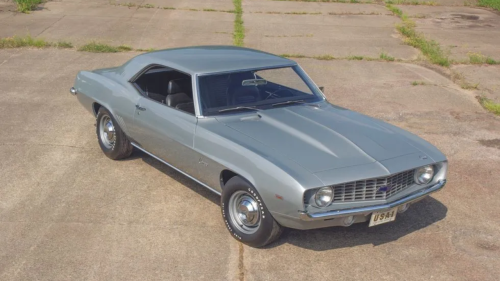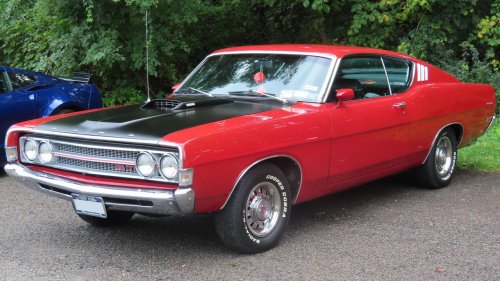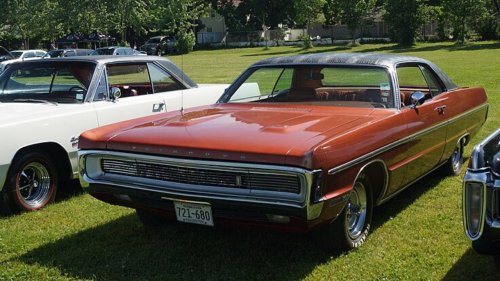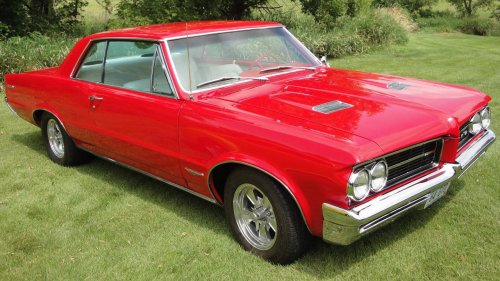
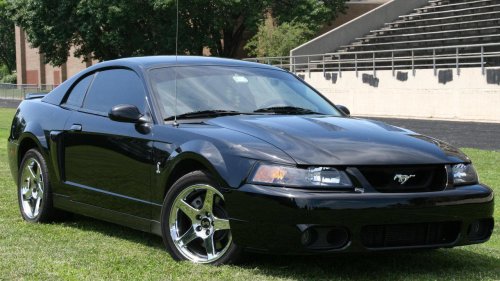
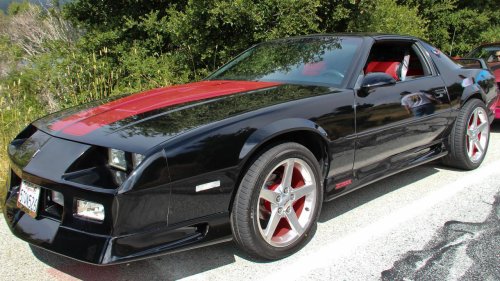
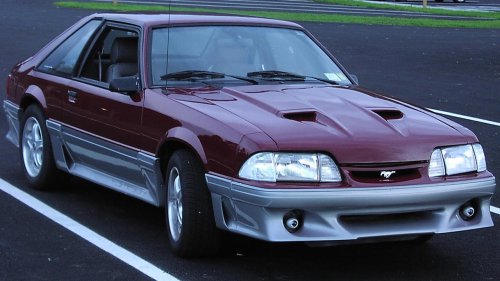
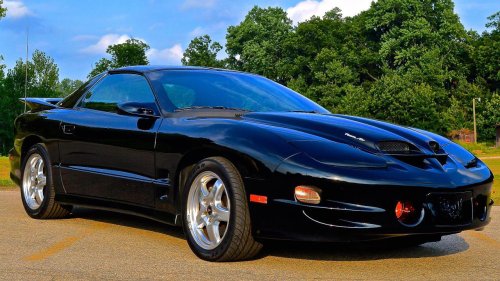
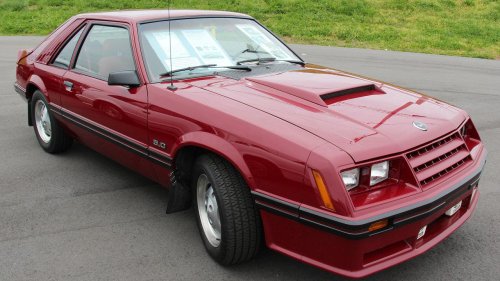
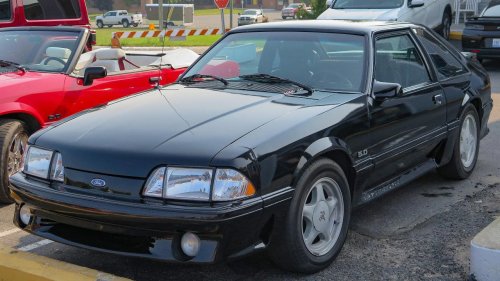



















Muscle cars have long captured the imagination of car enthusiasts, blending raw power with sleek designs and a sense of nostalgia. While some classic models have become prohibitively expensive, there are still budget-friendly options with rising potential that are worth considering. Let’s explore a few of these hidden gems that offer both driving excitement and investment promise. The Appeal of Muscle Cars Image Credit: Greg Gjerdingen from Willmar, USA, via Wikimedia Commons, CC BY 2.0 The origins of muscle cars can be traced back to the 1960s when American automakers began equipping mid-sized cars with large V8 engines to create powerful, high-performance vehicles. This era saw the birth of iconic models like the 1964 Pontiac GTO and the 1969 Dodge Charger. These vehicles not only dominated the streets but also left an indelible mark on automotive culture, symbolizing freedom, speed, and rebellion. Muscle cars are celebrated for their combination of performance and style. Their powerful engines deliver exhilarating acceleration, while their bold and aggressive designs command attention on the road. The road presence of a muscle car is unmistakable, from the throaty roar of the exhaust to the sleek lines of the bodywork. This blend of power and aesthetics makes them highly desirable among car enthusiasts. In the collector’s market, certain muscle car models have appreciated significantly in value, turning them into coveted collectibles. For instance, a well-preserved 1970 Plymouth Barracuda can fetch a premium price today. Budget-friendly muscle cars might follow a similar path, offering enthusiasts a chance to own a slice of automotive history with the potential for future appreciation. Criteria for Selection Image Credit: Marylandstater, via Wikimedia Commons, CC BY-SA 3.0 When considering a budget-friendly muscle car, affordability is a key factor. Typically, a car is considered budget-friendly if it falls within the price range of $5,000 to $30,000, depending on its condition and rarity. This range makes these cars accessible to a wider audience without compromising the thrill of owning a classic muscle car. Potential for appreciation depends on several factors, including the model’s historical significance, rarity, and condition. Cars with limited production runs or unique features, like the 1993 Ford Mustang SVT Cobra, often have a higher potential to increase in value. Additionally, well-documented service history and originality contribute to a car’s desirability and future market value. Maintenance and parts availability are crucial considerations for budget-conscious buyers. Opting for models with a strong aftermarket support, such as the Chevrolet Camaro, ensures that parts are readily available and affordable. This accessibility allows owners to maintain and restore their vehicles without exorbitant costs, preserving their investment for years to come. Top Budget-Friendly Muscle Cars Chevrolet Camaro (Third Generation) Image Credit: Nick Ares from Auburn, CA, United States, via Wikimedia Commons, CC BY-SA 2.0 The third-generation Chevrolet Camaro, produced from 1982 to 1992, is gaining traction as a budget-friendly muscle car with potential for appreciation. Known for its aerodynamic design and improved handling, this generation of Camaro offered several performance options, including the IROC-Z model. With its affordable price point and a burgeoning enthusiast community, the third-gen Camaro is a solid choice for those seeking a blend of style and performance. Ford Mustang (Fox Body) Image Credit: Sicnag, via Wikimedia Commons, CC BY 2.0 Produced from 1979 to 1993, the Fox Body Ford Mustang is a popular choice among muscle car enthusiasts and investors. Its lightweight platform and versatile engine options, ranging from fuel-efficient four-cylinders to robust V8s, make it appealing to a wide audience. The 1987 Mustang GT, for example, is particularly sought after for its performance capabilities and classic styling. With a strong aftermarket scene, parts are readily available, making it an attractive option for those looking to customize their ride. Pontiac Firebird (Fourth Generation) Image Credit: WMrapids, via Wikimedia Commons, CC BY-SA 4.0 The fourth-generation Pontiac Firebird, produced from 1993 to 2002, offers a unique blend of performance and style. The Trans Am variant, equipped with the LT1 and later the LS1 V8 engines, provides impressive power and acceleration. Its futuristic design and relative affordability make it a compelling option for budget-conscious buyers. As interest in these models continues to grow, the fourth-gen Firebird is poised to become a future classic. Tips for Buying and Owning a Budget Muscle Car Conducting thorough research and vehicle inspections is essential when purchasing a budget muscle car. It’s important to verify the car’s history, check for any signs of rust or damage, and ensure that all mechanical components are in working order. Websites like Hagerty and Hemmings offer valuable resources and market insights to help make informed decisions. For those interested in restoration and upgrades, focusing on affordability is key. Simple performance enhancements, such as upgrading the exhaust or suspension, can increase both driving enjoyment and the car’s value. Restoring the interior and exterior to its original condition can also enhance the car’s appeal to potential buyers down the line. Insurance and proper storage are crucial for protecting a muscle car investment. Classic car insurance policies often offer agreed value coverage, ensuring that the car is insured for its full worth. Additionally, storing the vehicle in a climate-controlled environment helps prevent deterioration and maintains its condition over time. The Future of Budget Muscle Cars Image Credit: Elise240SX, via Wikimedia Commons, CC BY-SA 4.0 The market for budget-friendly muscle cars is evolving, with increasing interest from younger generations and collectors alike. As classic models from the 1960s and 70s become more scarce and expensive, enthusiasts are turning to later models, recognizing their potential for appreciation and enjoyment. The shift towards electric vehicles is also impacting the classic muscle car market. While electrification poses challenges, it also presents opportunities for innovation. Companies are exploring electric conversion kits for classic muscle cars, allowing owners to enjoy the performance benefits of electric power while preserving the iconic styling of their vehicles. Car clubs and online communities play a significant role in fostering the enduring appeal of muscle cars. Platforms like Reddit, Facebook groups, and dedicated forums provide enthusiasts with spaces to share knowledge, experiences, and resources. These communities not only keep the passion for muscle cars alive but also contribute to the vehicles’ ongoing popularity and cultural significance. Like Fast Lane Only’s content? Be sure to follow us. Here’s more from us: Unboxing the WWII Jeep in a Crate The Fastest Farm Truck Ever Built *Created with AI assistance and editor review.