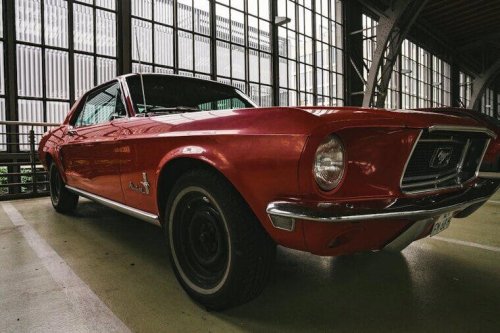
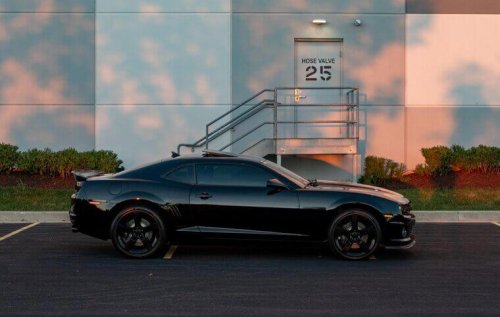
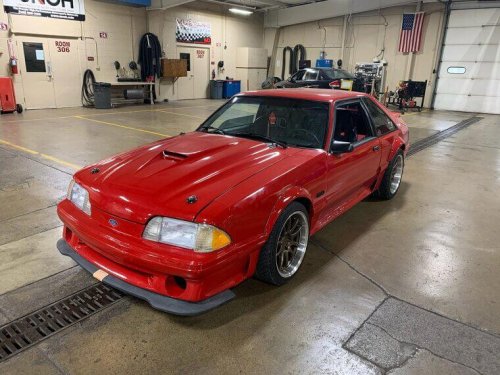
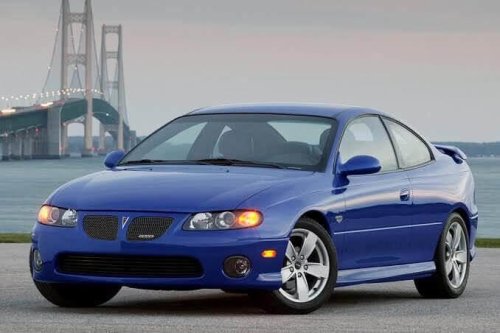
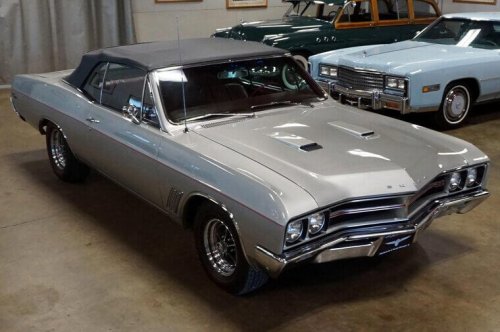
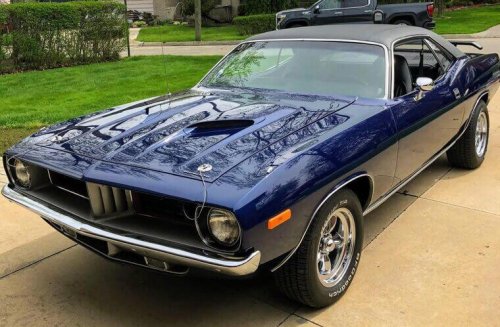
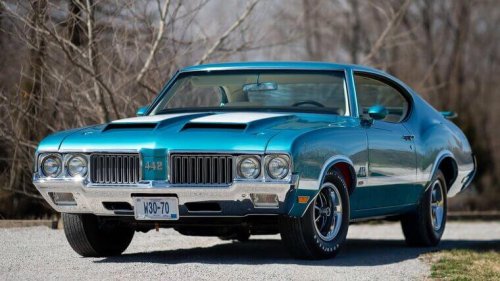
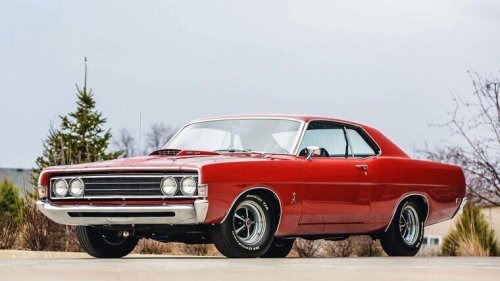
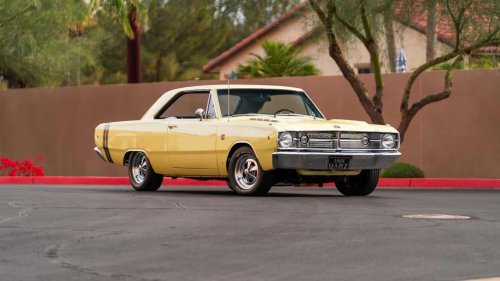
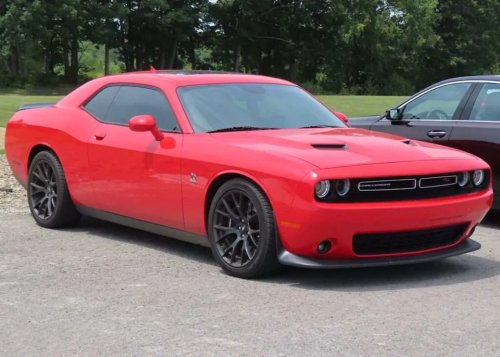
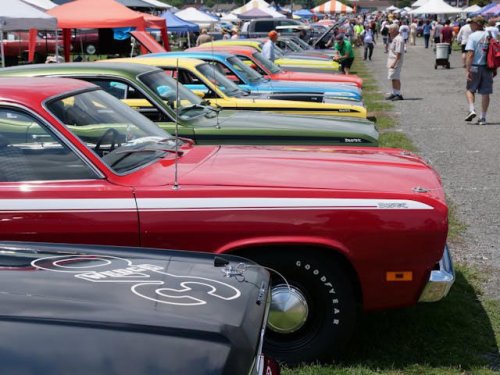
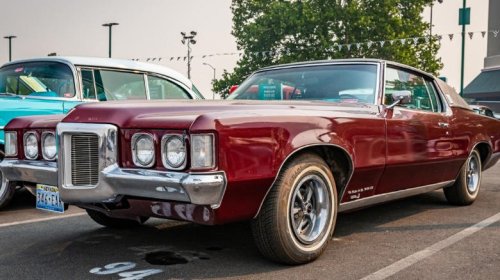
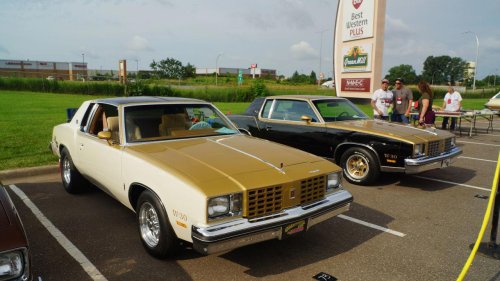
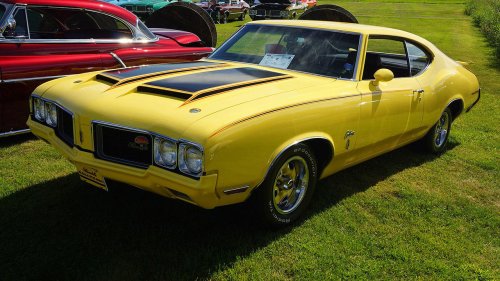
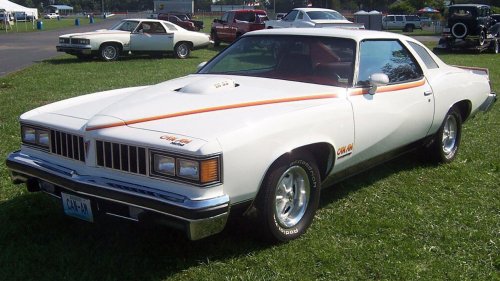
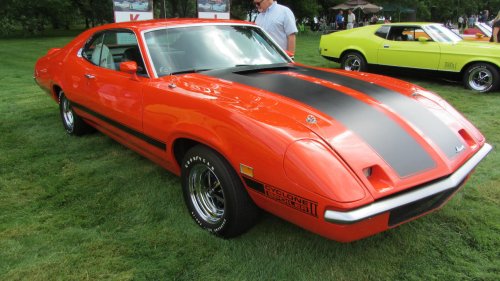
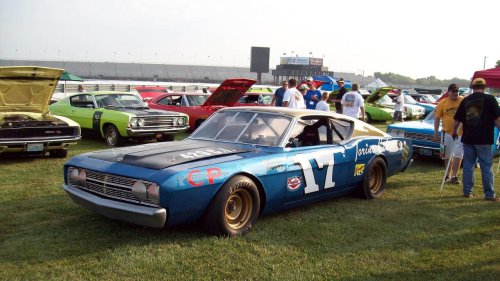
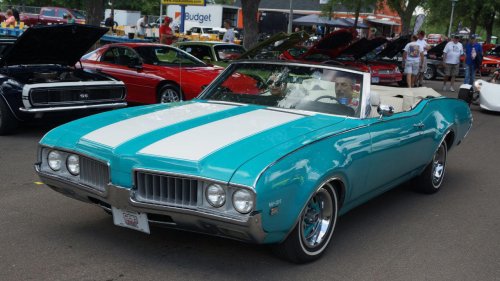
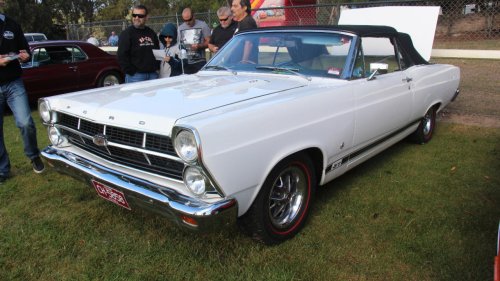
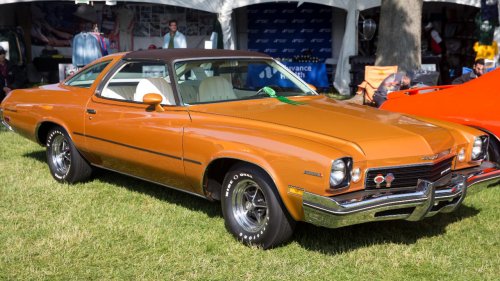
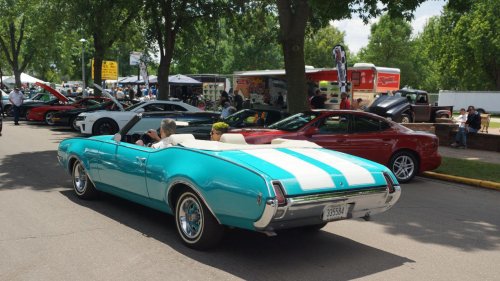
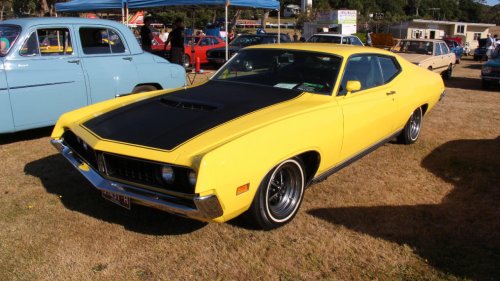
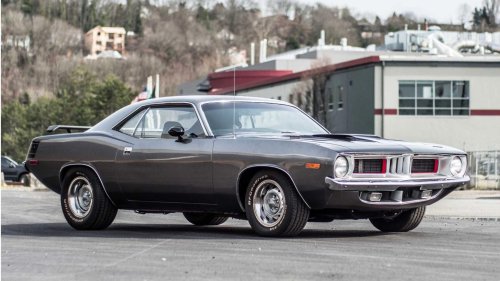
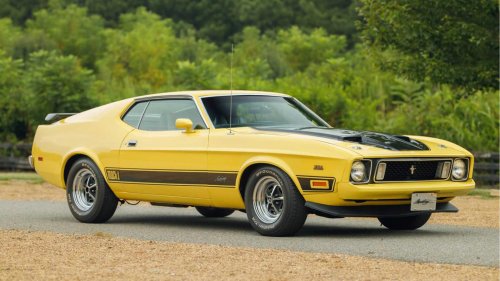
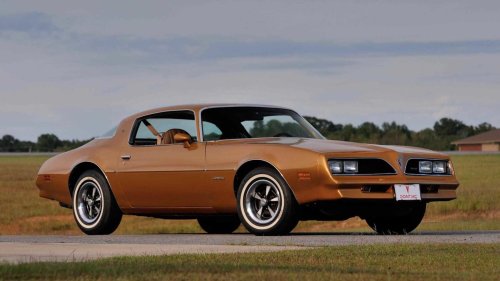
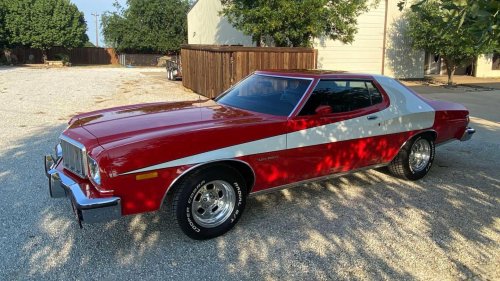
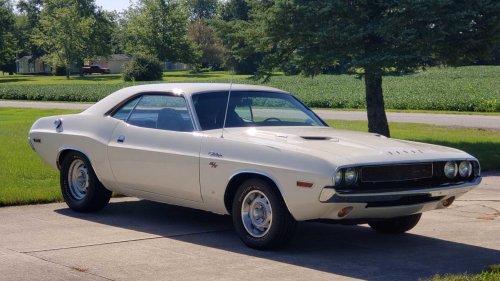
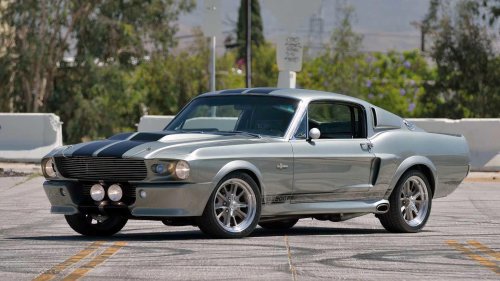
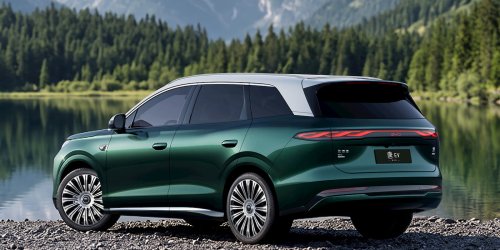
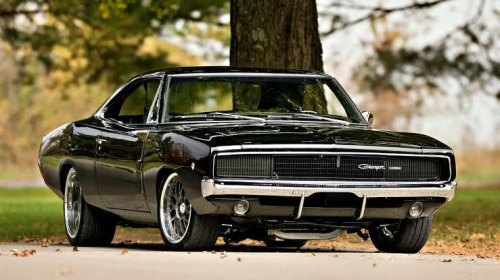
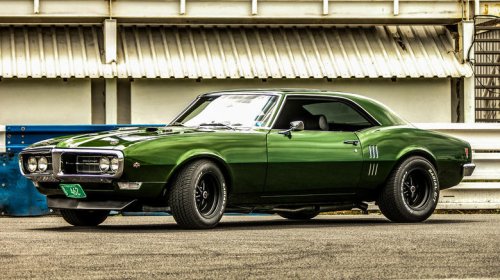
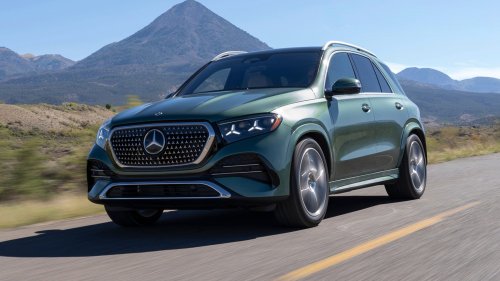
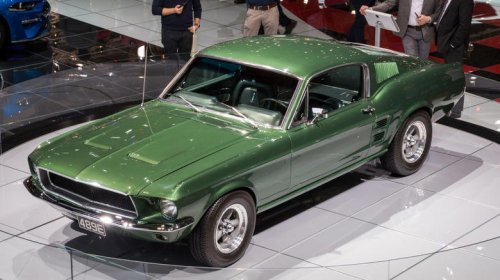
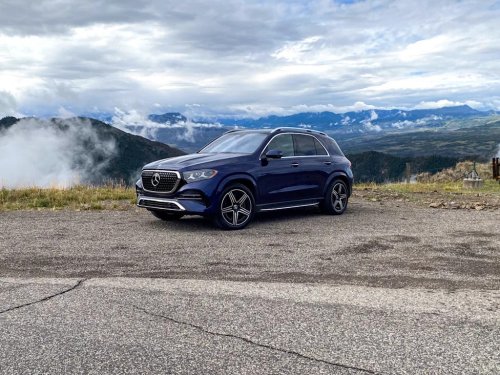
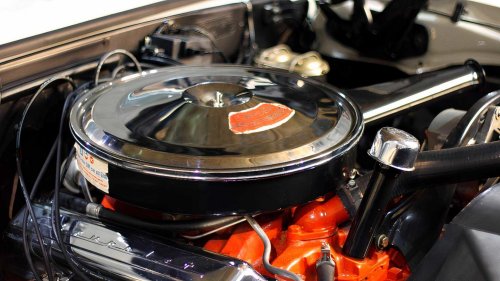
Why Muscle Cars Are Affordable Right NowSomething shifted in the collector car market after 2022. Rising interest rates cooled speculative buying, insurance costs pushed some owners to sell, and a wave of baby boomers downsizing their garages flooded listings with cars they'd held for decades. The result? Genuine American muscle sitting at prices that would have seemed impossible five years ago. Meanwhile, used SUV prices remain stubbornly high due to family demand and dealer inventory games. That gap between what a muscle car costs and what a three-row crossover costs has never been wider. For buyers willing to do a little homework, this moment is a rare window that automotive historians will likely talk about for years.Chevrolet Camaro Models Under Twenty ThousandThe fifth-generation Camaro, built from 2010 to 2015, is quietly becoming one of the best performance bargains on the American used market. V6 models frequently dip below fifteen thousand dollars, and even some V8 SS trims can be found under twenty grand with reasonable mileage. These aren't slow cars — the base V6 produces over three hundred horsepower. What makes this generation particularly compelling is how modern it feels compared to true classics. You get traction control, a proper infotainment system, and airbags. Daily driving one isn't a compromise. Buyers who missed the Camaro's 2019 production pause are now circling back to these fifth-gen examples, and smart shoppers are getting ahead of the price increases before nostalgia fully sets in.The Classic Ford Mustang on a BudgetFew cars carry as much cultural weight per dollar as an early Ford Mustang. Third and fourth generation models — the Fox Body era from 1979 through 1993 — regularly appear on private listings and auction sites between eight and fifteen thousand dollars. A clean 1988 LX 5.0 with honest miles can still be found under twelve grand if you look in the right places. Parts availability is exceptional. Ford produced these cars in enormous numbers, and the aftermarket support is virtually unmatched in the muscle car world. Restoration costs stay predictable because nothing is genuinely rare. For a first-time muscle car buyer, the Fox Body Mustang offers the most forgiving entry point into the hobby without sacrificing the driving experience that made this nameplate legendary.Pontiac GTO Values That Surprise BuyersAsk most people about the Pontiac GTO and they picture the 1960s legend. But the 2004-2006 GTO reboot — built on an Australian Holden platform and powered by a 400-horsepower LS2 V8 — offers something genuinely rare: serious performance at prices most buyers don't expect. These cars sold poorly when new because they looked too subtle. No scoops, no wings, just a clean coupe that happened to run the quarter mile in the low thirteens. That understated styling is exactly why prices stayed modest. Today, a well-maintained 2006 GTO can be found between fourteen and twenty-two thousand dollars depending on condition. Given the LS engine's legendary reliability and parts availability, that price represents extraordinary value for anyone who actually knows what they're looking at.The Buick Gran Sport as a Bargain FindMost buyers scroll right past the Buick Gran Sport without a second glance, and that's a mistake worth exploiting. Produced from 1965 through 1972, the Gran Sport was Buick's answer to the muscle car wars — a full-size or mid-size platform stuffed with a big-block engine and given a slightly more refined character than its Pontiac and Chevrolet siblings. Because Buick doesn't carry the same collector cachet as GTO or Chevelle, prices have lagged. A 1967 Gran Sport 400 in driver-quality condition can still be acquired in the twenty to thirty thousand dollar range — territory where comparable Chevelles would cost twice as much. For buyers who want genuine 1960s muscle without paying the premium that badge recognition demands, the Gran Sport remains one of the most overlooked opportunities in the entire classic car market right now.Plymouth Barracuda Prices in Today's MarketEarly Barracudas — the 1964 to 1966 fastback models — were essentially Valiants with a dramatic roofline, not the fire-breathing machines the name later became. That distinction matters enormously for buyers, because those early cars carry the Barracuda name at a fraction of the cost a 1970 'Cuda commands. Even second-generation cars from 1967 to 1969, which offered genuine performance options, remain more accessible than their E-Body successors. A 383-powered 1968 Barracuda in restorable condition regularly surfaces between eighteen and thirty-five thousand dollars. The third-generation E-Body cars — the ones with the iconic 1970-1974 styling — have climbed sharply in value and now sit firmly in collector territory. But for buyers who care more about driving than displaying, the earlier generations offer authentic Plymouth muscle without the six-figure price tags that dominate auction headlines.Oldsmobile 442 Still Available at Low CostOldsmobile built the 442 as a performance package starting in 1964, and for a decade it competed directly with the GTO and Chevelle SS. Today, it competes directly with your wallet — and often wins. The name itself told you everything: four-barrel carburetor, four-speed transmission, dual exhaust. Later years moved to an option package rather than a separate model, but the performance intent never wavered. A 1970 442 with the W-30 forced-air induction package was factory-rated at 370 horsepower, though most enthusiasts believe the true figure was considerably higher. Driver-quality examples without matching numbers — the kind of car you'd actually enjoy on weekends rather than trailer to shows — can still be found in the twenty to forty thousand dollar range. That's a legitimate piece of American automotive history at prices a used three-row SUV would match without offering a fraction of the experience.Ford Torino as an Underrated Muscle BuyHere's a name that deserves far more attention than it gets: Ford Torino. Built from 1968 through 1976, the Torino competed in NASCAR, starred in Starsky and Hutch, and offered some genuinely potent engine options including the 428 Cobra Jet. Yet prices have never reflected that history the way Mustang and Chevelle prices have. A 1969 Torino GT fastback in solid driver condition can be acquired for fifteen to twenty-five thousand dollars — sometimes less if the seller is motivated and the car needs cosmetic work rather than mechanical attention. The Torino's relative obscurity is the buyer's advantage. Parts availability through Ford's massive network remains reasonable, and the cars are structurally straightforward to work on. Anyone willing to champion an underdog gets a striking, historically significant muscle car that starts conversations at every gas station stop.