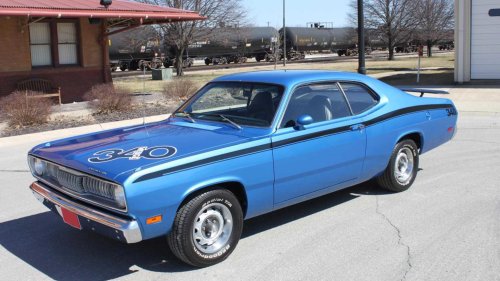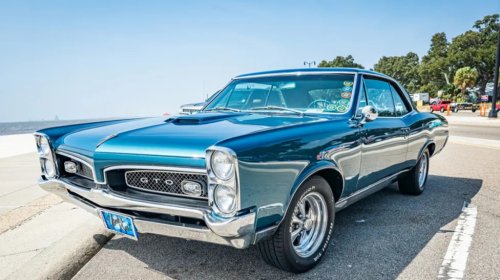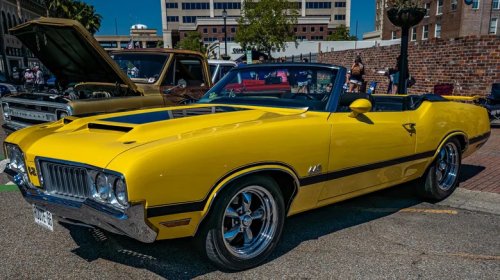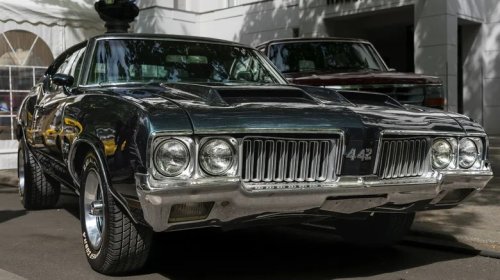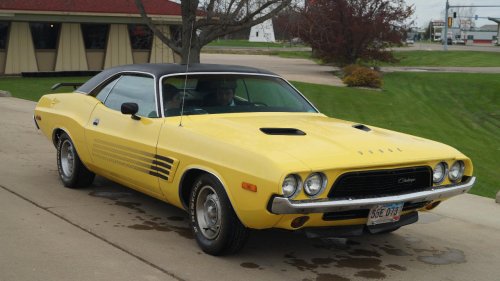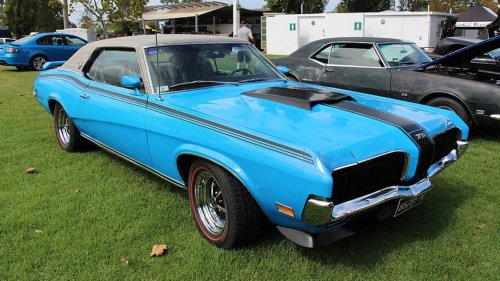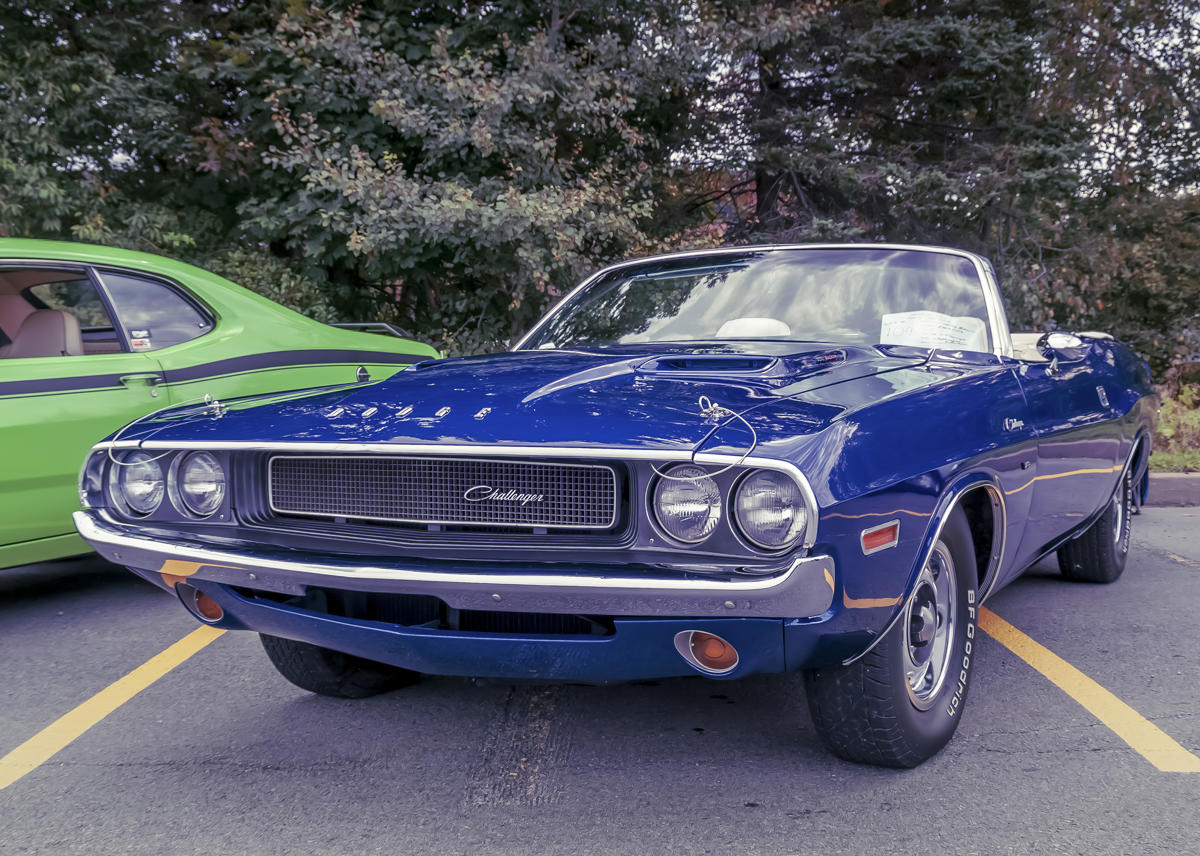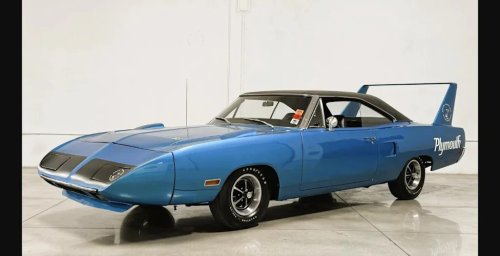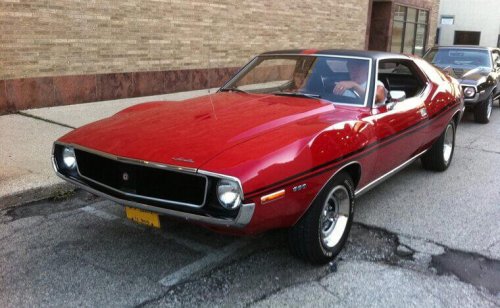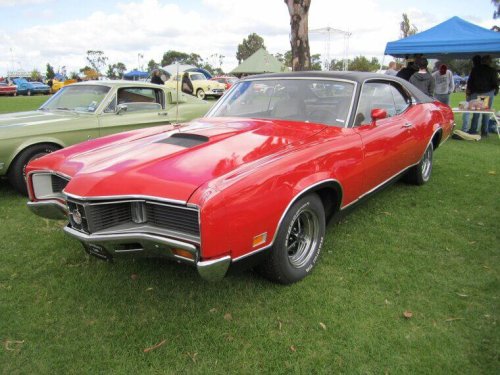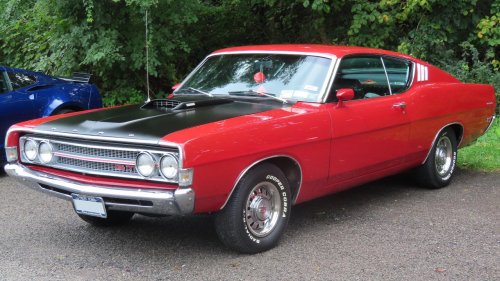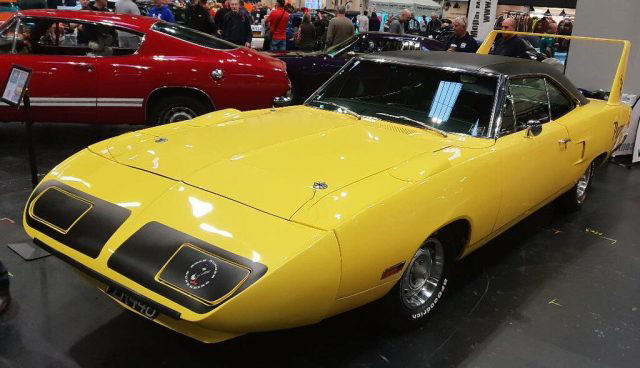
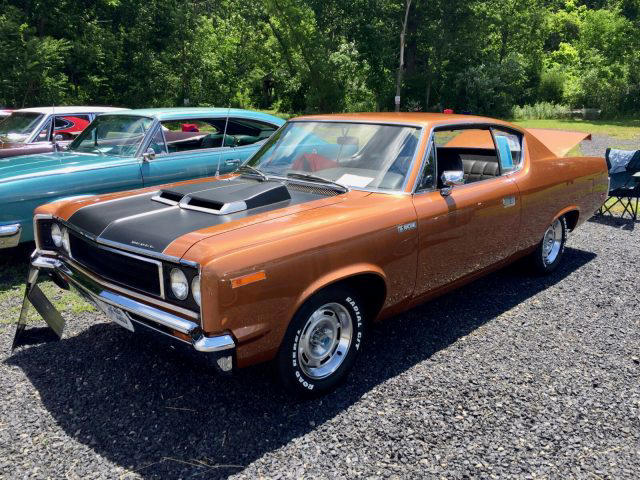
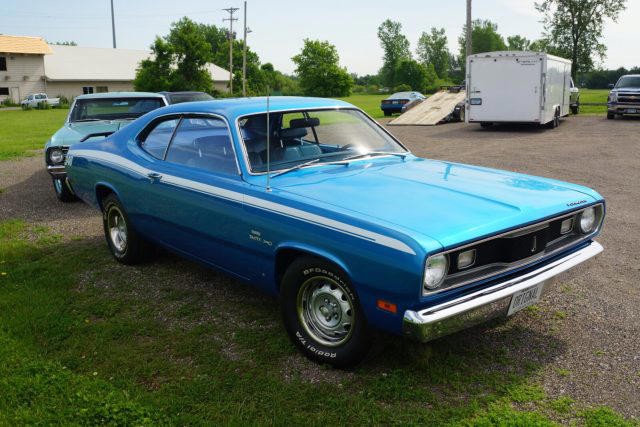



















The 1970s marked one of the most fascinating chapters in American muscle car history. Following the horsepower boom of the late 1960s, manufacturers continued producing powerful, stylish vehicles that reflected the era’s passion for performance. However, rising fuel prices, stricter emissions regulations, increasing insurance costs, and changing consumer preferences forced automakers to rethink their approach. While iconic models such as the Chevrolet Camaro, Ford Mustang, Dodge Charger, and Pontiac GTO continued to dominate headlines, many equally impressive performance cars quietly faded into the background. Several overlooked muscle cars offered remarkable combinations of power, engineering, and distinctive styling but never achieved the lasting recognition they deserved. Some were produced in limited numbers, while others were overshadowed by more famous rivals despite offering competitive performance. Many of these forgotten machines demonstrated that muscle cars came in many forms, from full-size station wagons and luxury coupes to homologation specials built for NASCAR competition. Looking back at these hidden gems reveals an era filled with creativity and engineering ambition. These vehicles showcased powerful V8 engines, bold styling, racing-inspired technology, and innovative designs that reflected the changing landscape of American performance cars. Although many have become overlooked by history, they continue to hold a special place among collectors and enthusiasts who appreciate the unique character of 1970s muscle. 1. Chevrolet Kingswood Estate 454 When it comes to the best performance station wagons, the Chevrolet Kingswood Estate 454 is one of the most interesting examples. The Estate proved big cars could be sporty by combining the space of a full-size wagon with the power of a giant V8 engine. With its long wheelbase and two-tone paint, the Estate had the style of the 1970s, while its wood side panels gave it a camper-like feel. The Kingswood Estate had more than enough power to satisfy any buyer and performed surprisingly well in acceleration tests. Wagon Performance Highlights: Massive 454 V8 engine Strong acceleration Spacious family hauler Traditional wood-grain styling Performance combined with practicality Under a hood of the Kingswood Estate, there is a 454 cubic-inch V8 engine, which produces 345 horsepower and 500 pound-feet of torque. A three-speed automatic transmission handles the power from the engine. Despite the Estate’s weight of nearly 4,700 pounds, it has great acceleration and managed to reach a quarter-mile distance in just 16.4 seconds at 87 mph. Another highlight of this performance wagon is its custom design, which includes its signature rear passenger doors and front end that somewhat resembles a Mercury. While the Estate is not as well-known as some of GM’s other performance cars, it was a fantastic combination of luxury, space, and power. 2. Dodge Monaco Few cars represent the combination of toughness and style as well as the Dodge Monaco. This full-size car was popular with everyday drivers and law enforcement alike throughout its long production run from 1965 to 1978. Before it became an icon of pop culture, the Monaco was driven by police officers who needed a car that could protect them while keeping occupants comfortable during long drives. This car was also powerful enough to provide thrilling performance on the highways, making it one of the most popular full-size vehicles of the 1970s. Full-Size Muscle Features: Big-power 440 V8 Police and driver popularity Comfortable cruiser Great highway performance Sturdy construction The Dodge Monaco was available with a powerful 440 cubic-inch V8 engine rated at 350 horsepower and 400 pound-feet of torque. The engine was paired with either a three-speed automatic or a two-speed manual transmission. The combination of power and the solid, heavy-duty drivetrain allows the Monaco to handle various tasks with ease. As mentioned above, the car was popular with ordinary drivers who needed a reliable full-size car with enough power to keep them entertained on the open road. Police departments also praised the Monaco for its durability and outstanding performance. The Monaco’s image became cemented in popular culture after its appearance in The Blues Brothers. However, this full-size car was much more than just a movie prop; it was one of the toughest and most capable cars of the 1970s. 3. Chevrolet Laguna The Chevrolet Laguna was one of the most unique cars of the early 1970s. It was a mid-size offering from Chevrolet that had a striking design featuring a two-door Colonnade body style and distinctive rear-quarter windows. However, the car’s real strength was its performance. This sports car offered buyers an alternative to the more prominent Chevelle lineup. The Laguna had powerful engines and unique styling that made it a sought-after car. Racing and Performance Legacy: Unique two-door Colonnade design Big-block V8 power Multiple engine options NASCAR success Chevrolet performance icon Powering the Laguna was a 454 cubic-inch V8 engine with a three-speed automatic transmission. The drivetrain managed to produce 235 horsepower and 360 pound-feet of torque. With such power on tap, the car was quick enough to reach a speed of 60 mph in just 11 seconds and had a quarter-mile run time of 18.1 seconds at 87 mph. Buyers could also choose from a variety of V8 engines, including a 400 cubic-inch V8 with manual or automatic transmissions. As far as performance is concerned, the Chevrolet Laguna was much more than just a pretty face. The development team also focused on creating a car with special aerodynamic features, which made the Laguna one of the fastest production cars of the 1970s. The highlight of the Chevrolet Laguna’s performance story is its success on the racetrack. The car was so competitive that it managed to win several races and place on the podium multiple times during the 1970s. 4. Ford Torino Cobra The Ford Torino Cobra was one of the most compelling mid-size muscle cars of the 1970s. Combining the practicality of the large family-friendly Torino with the performance of a true muscle car made the Cobra one of the most popular vehicles in the Torino lineup. Available in two-door, four-door, and five-door configurations, the Torino Cobra was bigger and heavier than its contemporary Ford Mustang competitors. However, the Cobra’s powerful engines and standard comfort-equipped interiors more than compensated for its lack of agility. Balanced Muscle Performance: Big V8 engines Spacious mid-size car Sporty suspension and brakes Excellent comfort features Distinctive 1970s muscle styling The Ford Torino Cobra could be equipped to have a 429 or 460 cubic-inch V8 motor with enough power to satisfy even the most demanding performance-oriented drivers. The Torino Cobra’s engine options were complemented by the car’s sport-tuned suspension and braking systems, as well as the standard comfort features like bucket seats and wood trim. In short, the Torino Cobra had it all, offering buyers the chance to enjoy both performance and comfort. While the Torino was a highly popular model, the Cobra version of the mid-size Torino was forgotten by many. The Torino Cobra may not have had the same following as the Ford Mustang, but it was an incredibly well-rounded car that could offer outstanding performance figures while still delivering a comfortable driving experience. 5. Mercury Cyclone Spoiler 2 When it comes to the most unique muscle cars of the 1970s, the Mercury Cyclone Spoiler 2 is right up there at the top of the list. This car was built exclusively for racing, which made it one of the most special performance cars of the era. The Spoiler 2 was very similar to its close cousin Ford Talladega, but it had a unique set of aerodynamic features that made it even more competitive during NASCAR races. However, the production volume of these cars was relatively small, which makes the Spoiler 2 one of the rarest American performance cars. NASCAR Homologation Features: Unique aerodynamic design Racing-focused development Limited production Heavy-duty hardware Specialized performance car The Mercury Cyclone Spoiler 2 was based on the regular Cyclone model but received special aerodynamic modifications that improved the car’s stability at high speeds. The modified front bumper, roof, and quarter panels allowed the Spoiler 2 to have a longer front overhang and a lower roofline. Under the hood, the Spoiler 2 was powered by a 352 cubic-inch V8 engine with a four-barrel carburetor that produced 290 horsepower. The rest of the car’s equipment was minimal, as Mercury engineers wanted to keep the weight as low as possible and make the Spoiler 2 as competitive as possible on the racetrack. Spoiler 2 buyers could only choose between a radio and other minimal options. Although the Mercury Cyclone Spoiler 2 may seem like just another muscle car, its legacy is deeply connected with the world of racing. The Spoiler 2 was built to be one of the fastest NASCAR racers of its time, and the special engineering touches made the car one of the most unique performance cars of the 1970s. “ Plymouth Road Runner Superbird (1970) ” by Anders Bot is licensed under CC BY 2.0 6. Plymouth Road Runner Superbird The Plymouth Road Runner Superbird is one of the most iconic muscle cars ever made, combining outrageous styling with high-performance credentials. As one of the most popular homologation specials, the Superbird was built with racing in mind. The most recognizable feature of the Superbird was its long nose cone and the massive rear wing, which made the car instantly identifiable. The Superbird’s aerodynamic enhancements were not just stylistic updates; they provided downforce that helped the car handle high-speed turns on NASCAR tracks. These modifications made the Superbird one of the most fearsome muscle cars of the 1970s. Aerodynamic Racing Heritage: NASCAR homologation special Distinctive rear wing High-performance V8 engines Specialized racing features Highly desirable muscle car The driver could choose from a wide range of high-output V8 engines, including the legendary 426 HEMI. In terms of performance, the combination of power and special features made the Superbird one of the fastest production cars of the 1970s. Superbird’s competition-focused design also meant that the car was fairly light and very quick. However, despite being a racing machine, the Superbird was still very usable on the street, as the Superbird’s practical cabin could accommodate all passengers comfortably. In the short time since its debut, the Superbird became one of the most recognizable muscle cars in automotive history. Its unique styling, high-performance credentials, and competition success made the Superbird a sought-after car even decades after its introduction. “1970 AMC Rebel ‘Machine’ all-original in Bittersweet Orange at 2017 AMO meet 1of7” by CZmarlin — Christopher Ziemnowicz, a photo credit would be appreciated if this image is used anywhere other than Wikipedia. is licensed under CC CC0 1.0 7. AMC Rebel Machine When it comes to AMC performance cars, the AMC Rebel Machine is one of the most noteworthy models. Available in red, white, and blue colors, the Rebel Machine was created to appeal to patriotism. The special trim and unique exterior design made the car extremely striking, while the powerful engine and handling improvements made it one of the most desirable muscle cars of the era. In short, the AMC Rebel Machine was a true representation of high-performance American automobiles. Distinctive Muscle Car Identity: Patriotic exterior theme Powerful 390 V8 engine Special handling upgrades Lightweight construction Rare and desirable classic The AMC Rebel Machine was powered by a stout 390 cubic-inch V8 engine that produced excellent power-to-weight figures and allowed the car to accelerate quickly. The special suspension upgrades, combined with the car’s light weight, improved the Rebel Machine’s performance on both the street and the track. The Rebel Machine was fast, and not a lot of cars could match its thrilling driving dynamics. With its unique style and powerful engine, the AMC Rebel Machine was one of the most desirable muscle cars of the 1970s. The Rebel Machine received fantastic reviews from critics and car fans around the country. However, because of its low production volume, this special model is now one of the rarest and most sought-after collector’s items. 8. Buick GSX Stage 1 Buick’s entry into the high-performance market was the GSX Stage 1, a powerful car with luxury features. Announced in 1970, the Buick GSX Stage 1 combined the comfort of a premium sports car with the performance of one of the most potent V8 engines of the time. The powerful engine, combined with the special graphics and the prominent rear spoiler, made the GSX Stage 1 one of a kind. Luxury Meets Performance: Maximum performance V8 Excellent torque Premium vehicle interior Sporty exterior treatment Powerful muscle car The Stage 1 version of the GSX was powered by Buick’s legendary 455 cubic-inch V8 engine, which generated an astonishing amount of torque. The engine was optimized to provide maximum power without compromising the luxurious feel of the cabin. The powerful V8 engine was matched to a four-speed manual transmission, which allowed the driver to enjoy the full powerband of the engine. The Buick GSX Stage 1 was one of the most unique performance cars of the 1970s, as it combined luxury and maximum performance in one vehicle. Even though it was overshadowed by some of the more famous performance cars, the GSX Stage 1 managed to carve its place in muscle car history. 9. Dodge Challenger R/T SE One of the highlights of Dodge’s performance car lineup was the Challenger R/T SE, a special version of the popular muscle car, offering luxury and power in one vehicle. Featuring premium interior equipment, supportive bucket seats, optional vinyl roof, and sporty exterior treatments, the Challenger R/T SE was a special blend of power and luxury. The SE’s elegant bodywork and the luxurious interior made it one of the most unique muscle cars of the 1970s. However, under the hood, the Challenger R/T SE possessed the power and agility that defined the muscle car segment. Grand Touring Muscle Appeal: Premium vehicle interior Maximum performance V8 Sport-tuned suspension Stylish exterior appearance Balanced performance and luxury As expected from a muscle car, the Challenger R/T SE offered exceptional performance. Drivers could choose from a variety of V8 engines, including the powerful 426 HEMI. The R/T SE’s handling characteristics were superb, as the special tuning of the suspension system provided excellent response without sacrificing driver comfort. These features made the R/T SE one of the most desirable performance cars of the 1970s. While the Challenger name became synonymous with high-performance muscle cars, the R/T SE managed to deliver an experience second to none and build a strong following among car fans. Dodge Challenger R/T SE offered buyers a unique blend of luxury and performance in one vehicle. “ 1970 Plymouth Valiant Duster 340 (26758674924) ” by Greg Gjerdingen from Willmar, USA is licensed under CC BY 2.0 10. Plymouth Duster 340, AMC Javelin AMX, and Holden Torana Not every memorable muscle car relied on massive dimensions or oversized engines to deliver exciting performance. The Plymouth Duster 340 proved that a lightweight body paired with a responsive 340 cubic-inch V8 engine could provide impressive acceleration at an affordable price. Built on a modified Valiant platform, it offered an accessible entry into the muscle car world without sacrificing driving enjoyment. Alongside it, the AMC Javelin AMX and Holden Torana demonstrated that compact performance cars could successfully challenge larger and more powerful competitors. Compact Muscle Car Legends: Lightweight design enhanced performance Powerful V8 engines available Agile handling inspired confidence Racing heritage strengthened reputation Global muscle car influence The AMC Javelin AMX embraced a similar philosophy by combining strong V8 performance with agile handling characteristics. Developed with Trans-Am competition in mind, it featured sharp suspension tuning and a powerful 390 cubic-inch engine that allowed it to compete effectively against more established rivals. Its balanced driving dynamics made it especially attractive to enthusiasts who valued responsive cornering as much as straight-line acceleration. Across the Pacific, General Motors’ Australian division introduced the Holden Torana, another lightweight performance car that challenged traditional muscle car expectations. Early versions demonstrated impressive capability with high-performance six-cylinder engines, while later models adopted powerful V8s to satisfy increasing demand for greater horsepower. The Torana became an important part of Australian motorsport history, proving that the spirit of the muscle car extended well beyond North America. Together, these three vehicles showed that intelligent engineering, balanced performance, and lighter construction could create memorable muscle cars without relying solely on size or displacement.