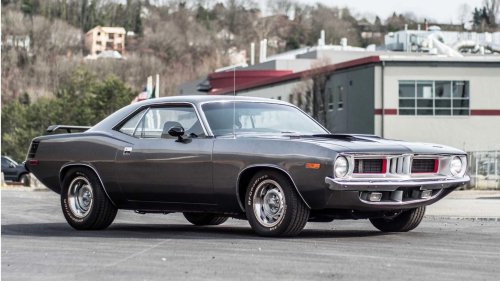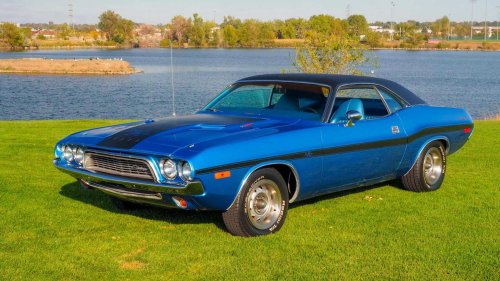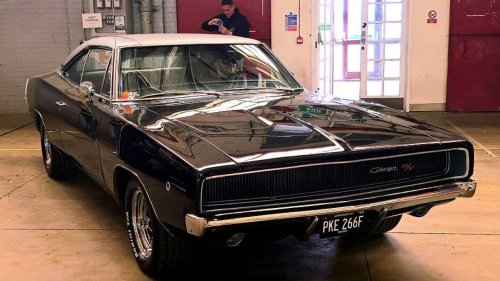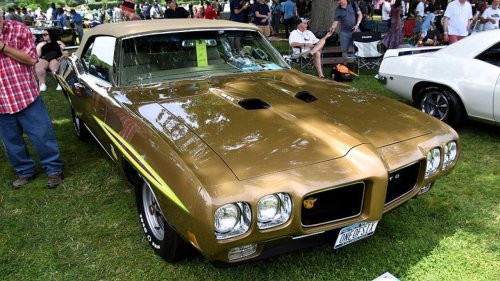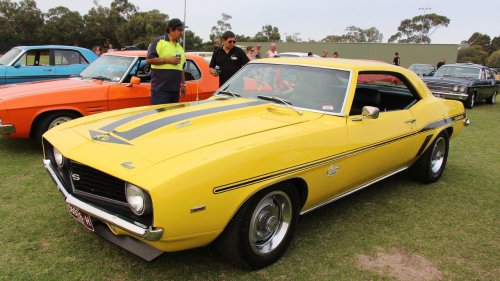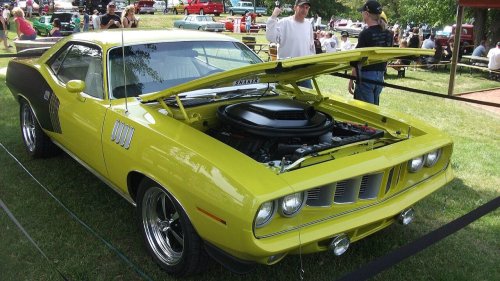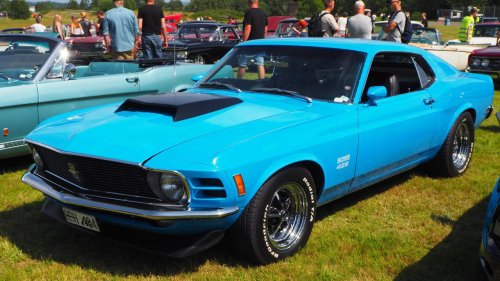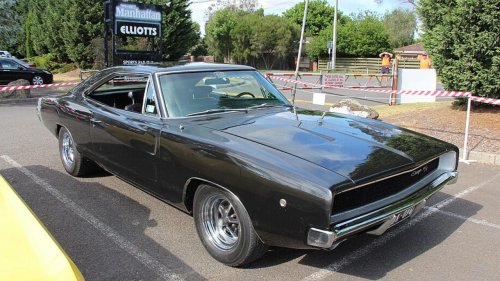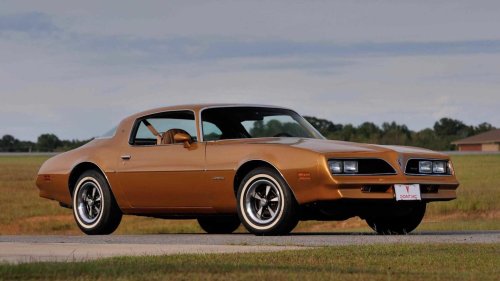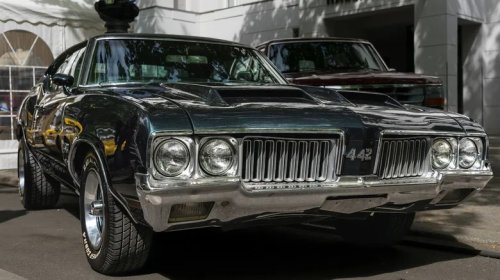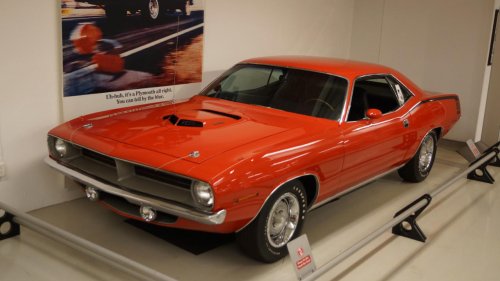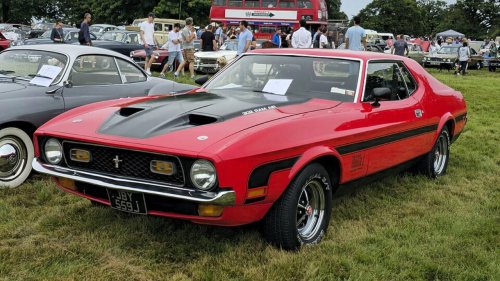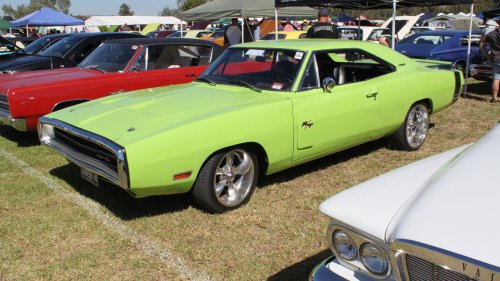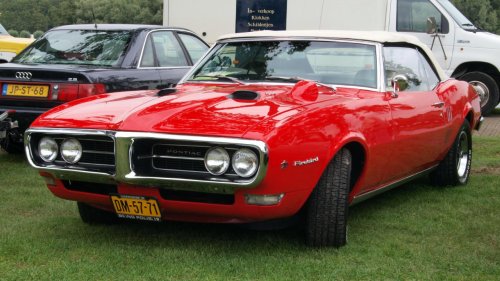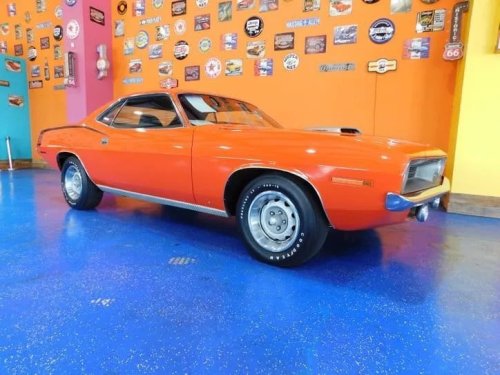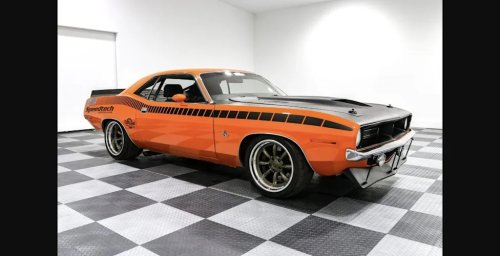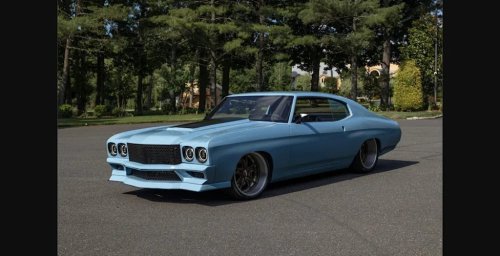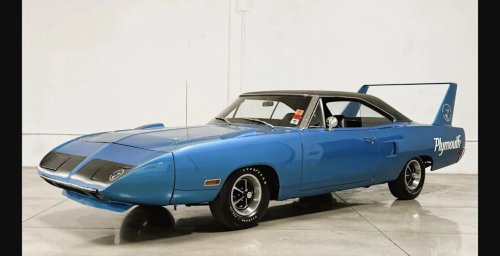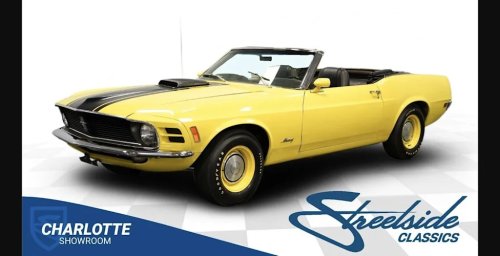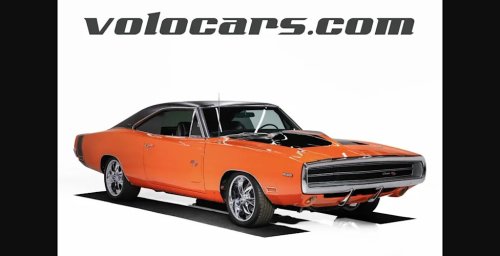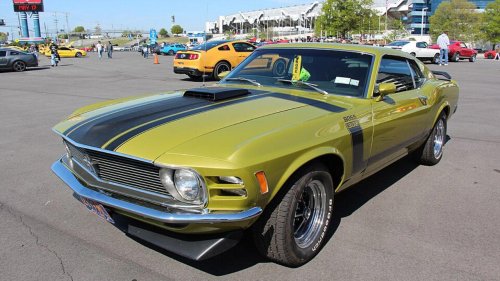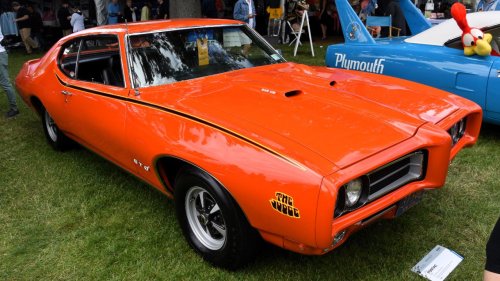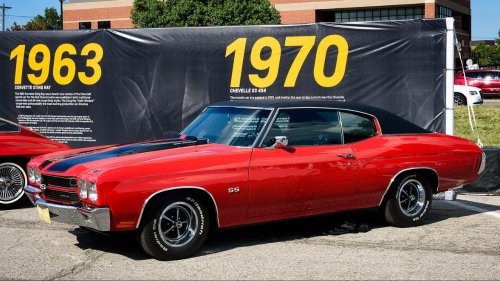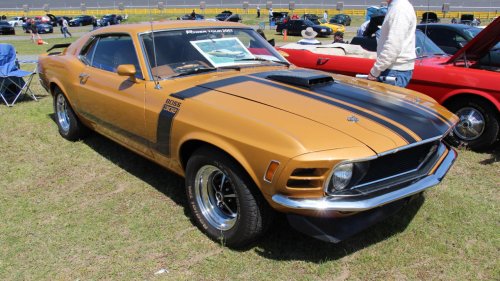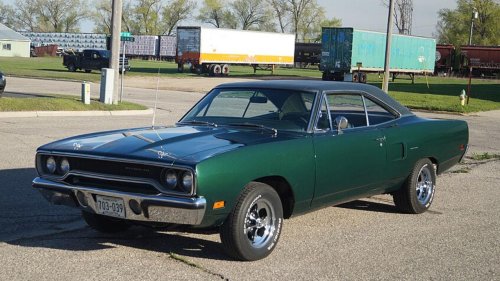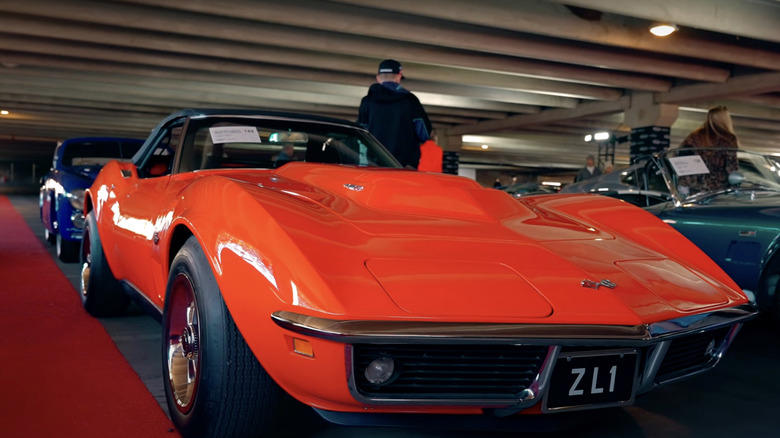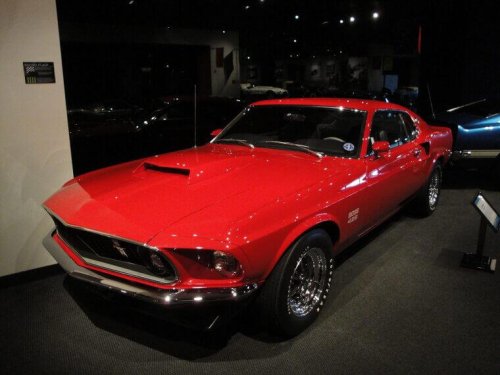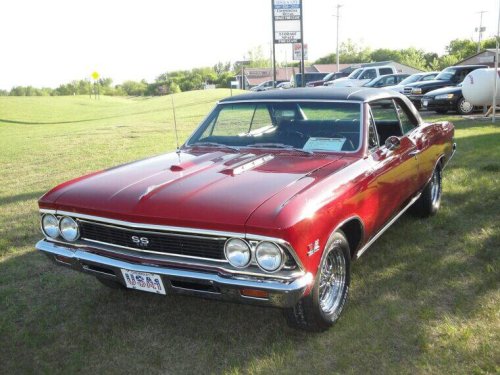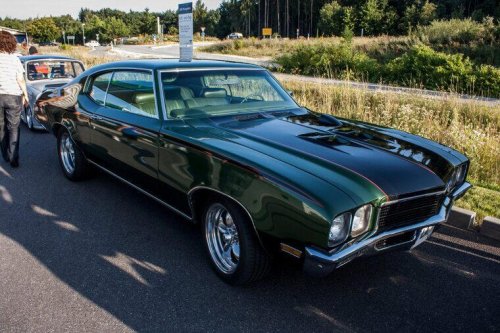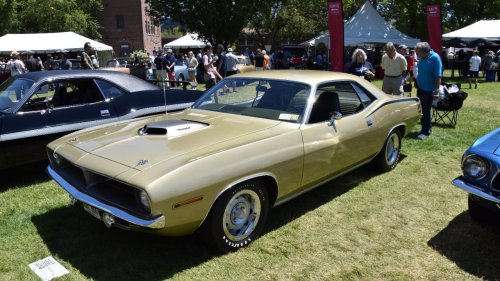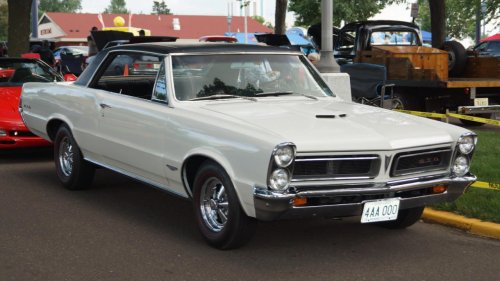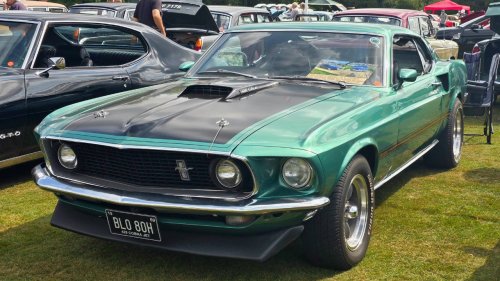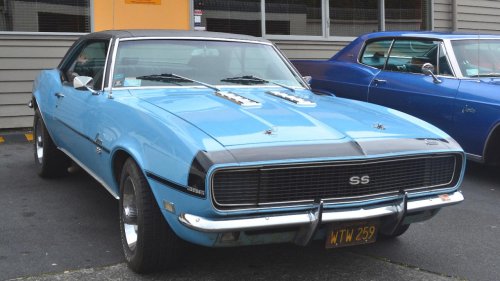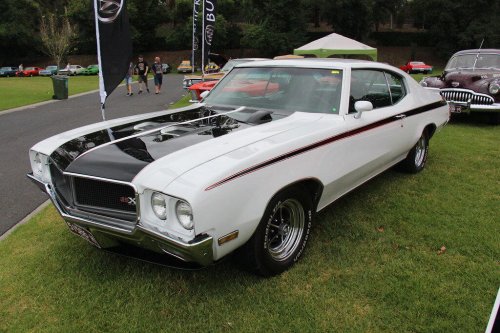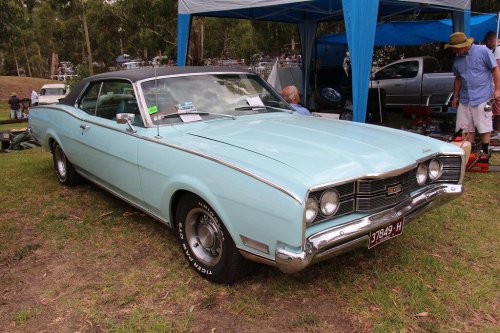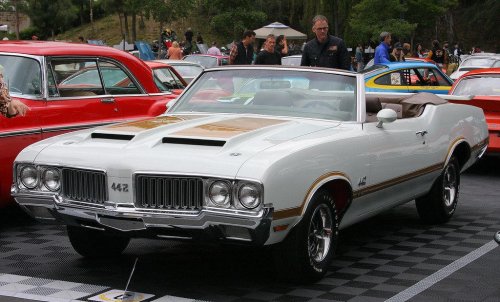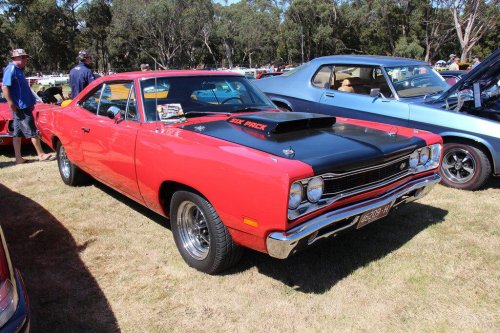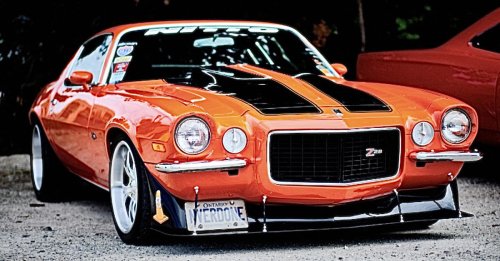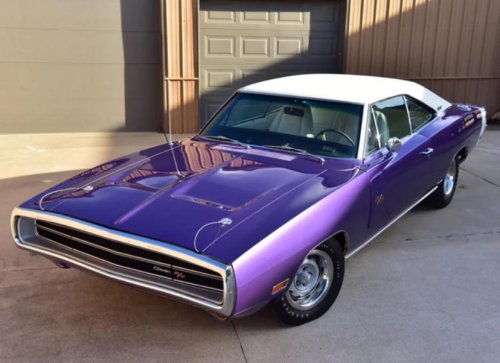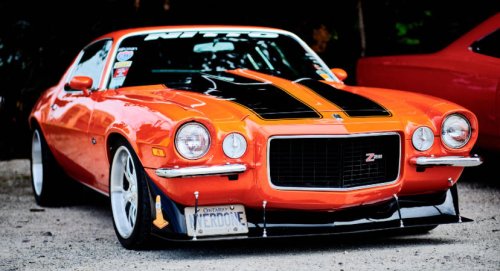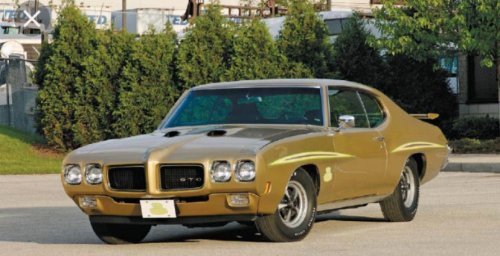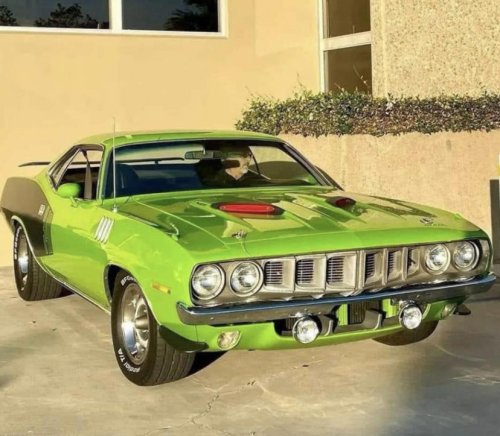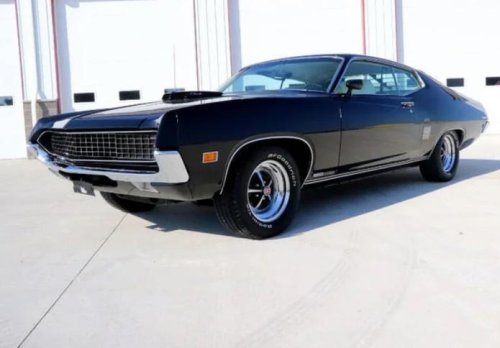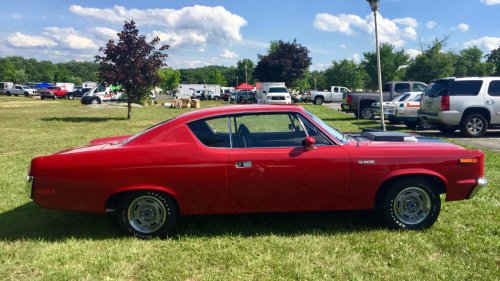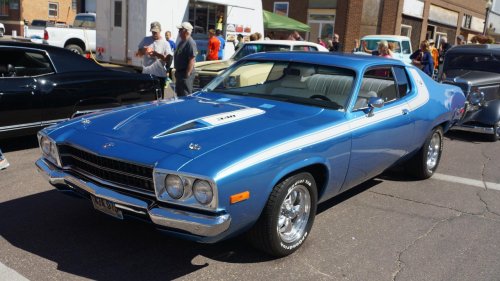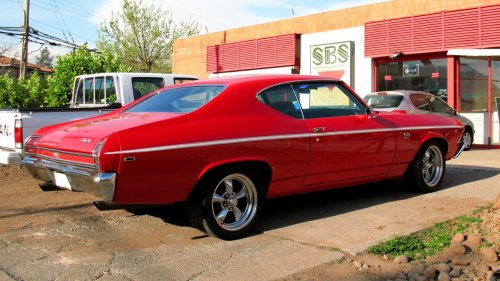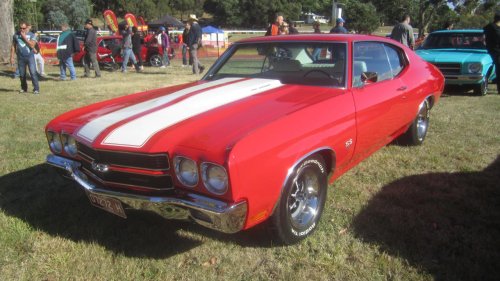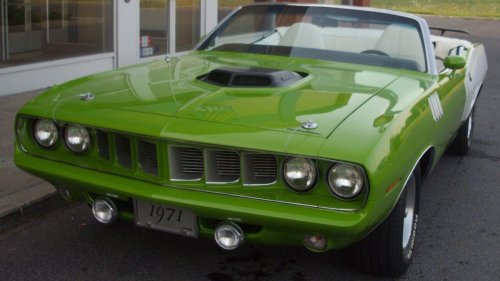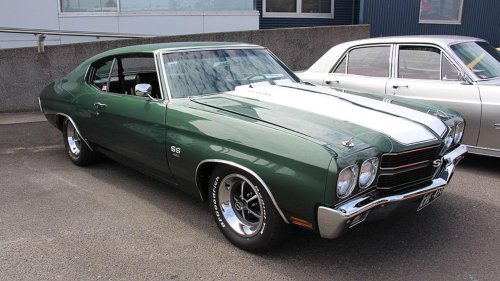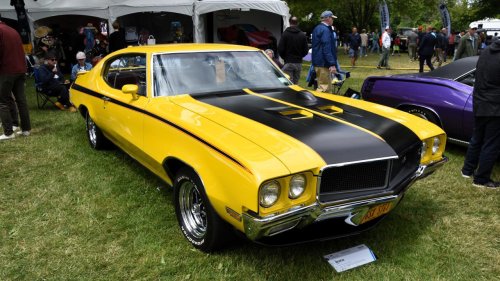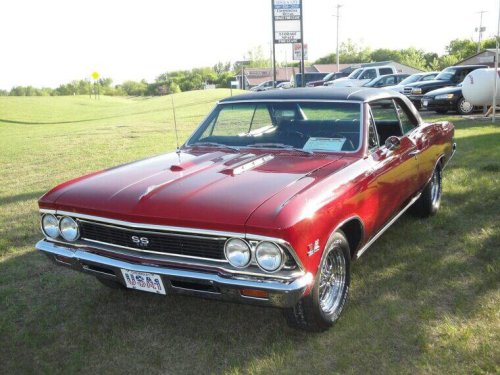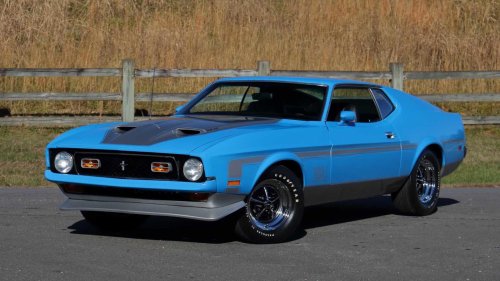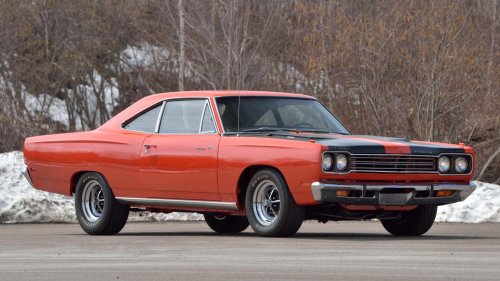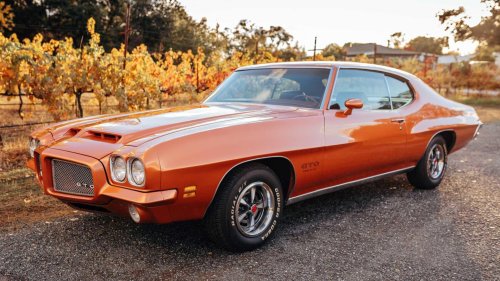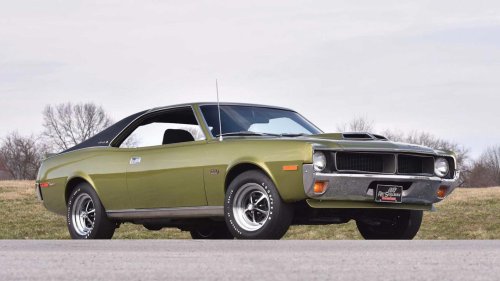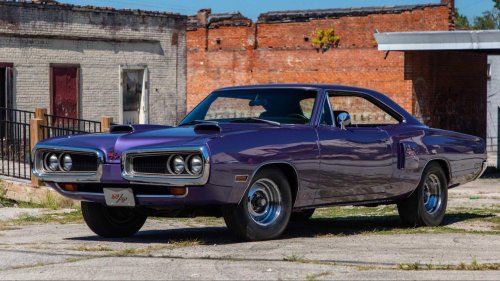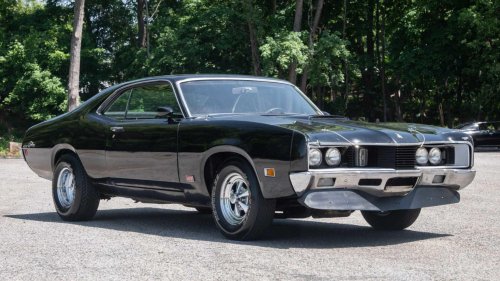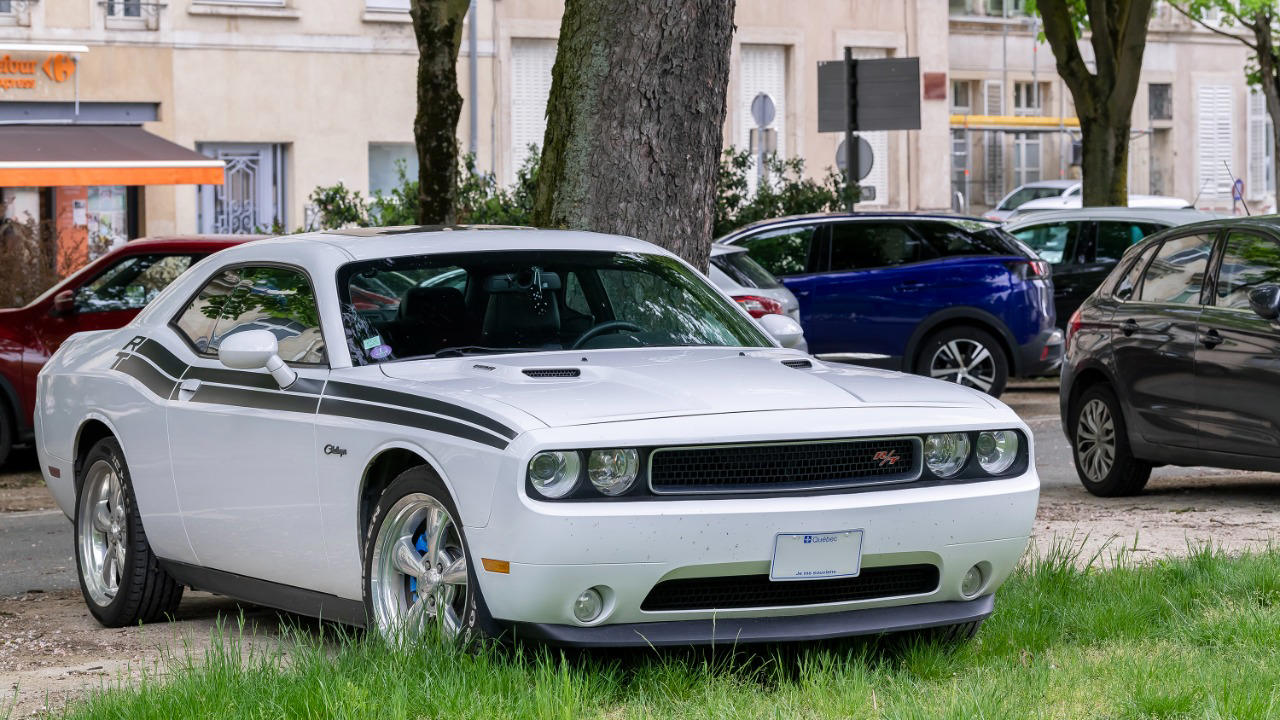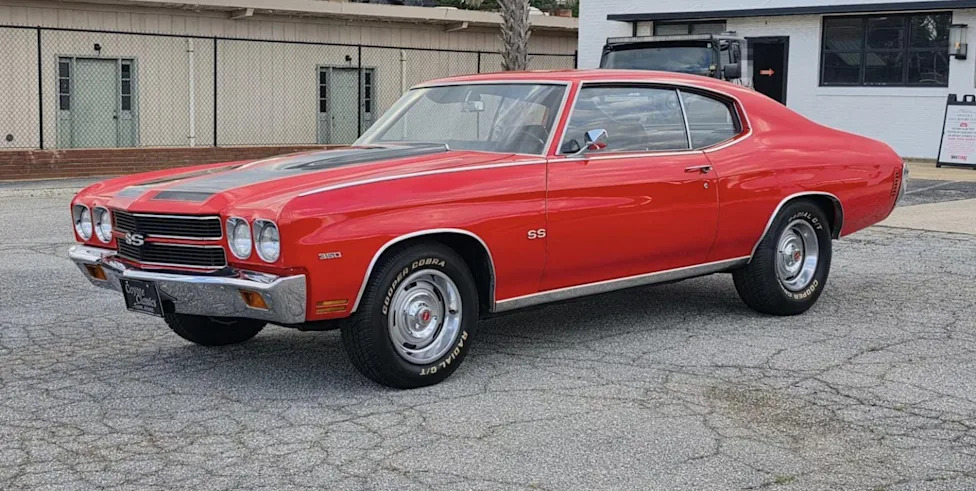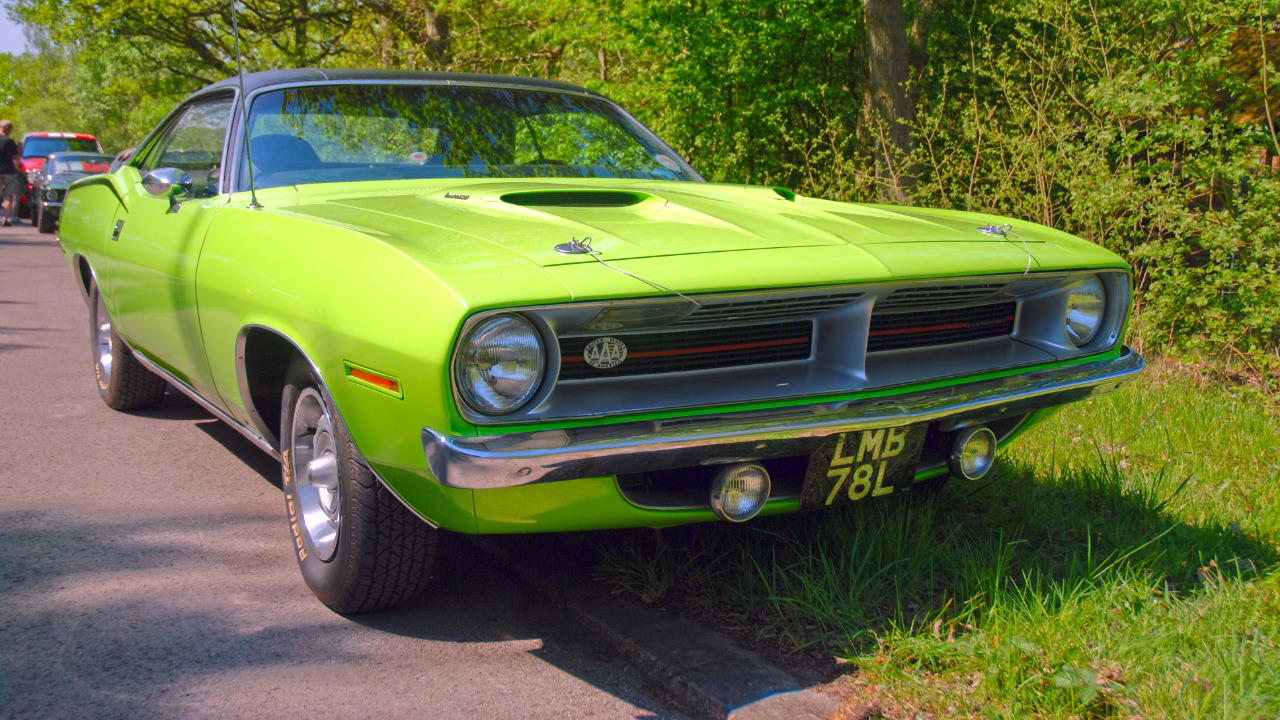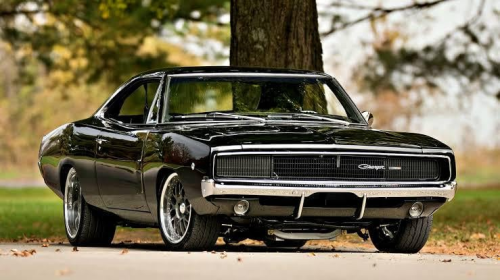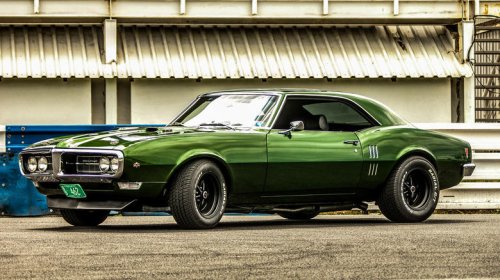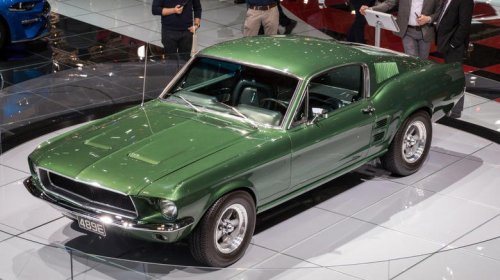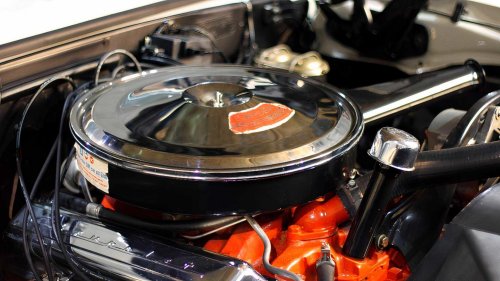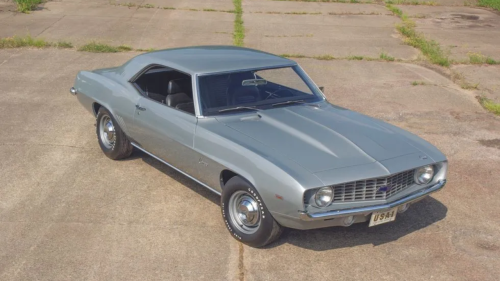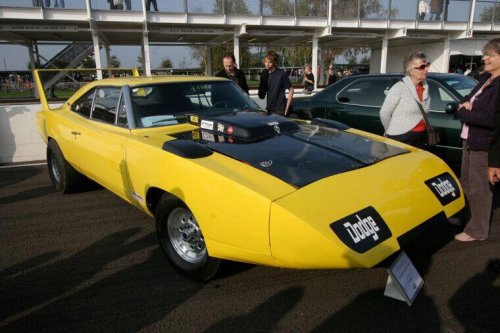
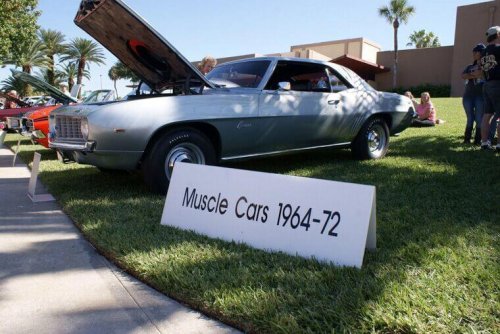
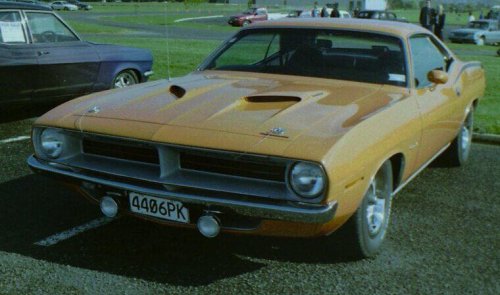
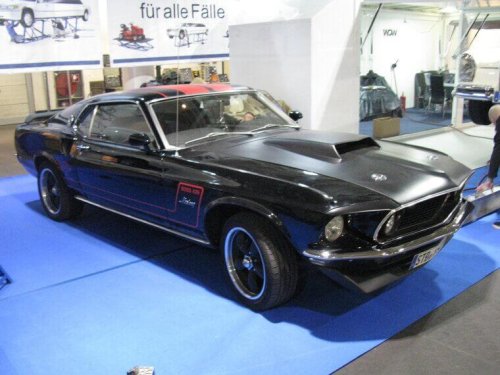
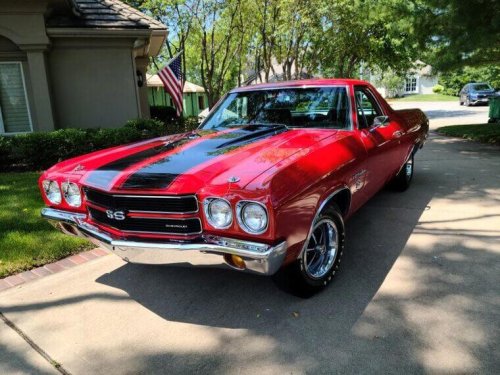
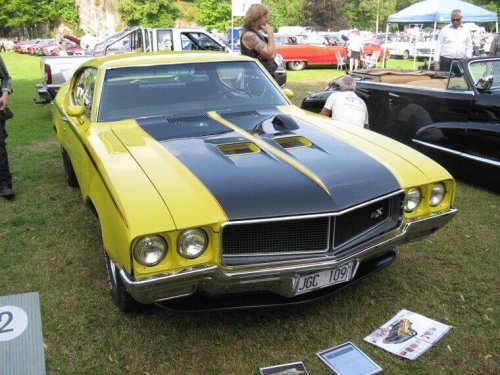
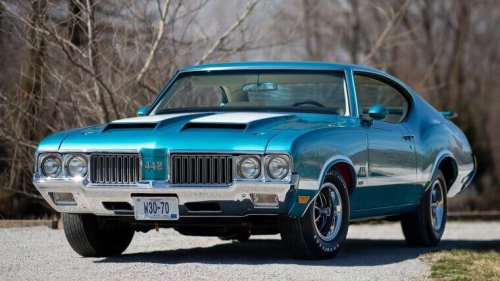



















The 1969 Dodge Charger DaytonaThat nose cone stretching eighteen inches beyond the front bumper wasn't there for looks, and neither was the towering rear wing bolted to the trunk. Chrysler engineers built the Daytona for one purpose: breaking 200 miles per hour on NASCAR superspeedways, and it worked when Buddy Baker hit that mark in March 1970. Under the hood sat either a 440 Magnum or the legendary 426 Hemi, both feeding raw power through a car shaped by wind tunnel testing rather than showroom appeal. Only 503 Daytonas ever rolled off the line, making surviving examples something close to rolling museum pieces today. Slide behind the wheel of one now, and you'll find that aerodynamic bodywork still slices through air better than plenty of modern sports cars claim to. Some engineering breakthroughs simply don't need updating.Chevrolet Camaro ZL1 Big Block PowerChevrolet built exactly 69 examples of the 1969 Camaro ZL1, and each one carried a secret weapon under the hood: an all-aluminum 427 cubic inch V8 borrowed straight from Can-Am racing. Officially rated at 430 horsepower, most gearheads knew the real number climbed well past 500. That engine turned an already quick pony car into something closer to a race car with license plates. Dealers who ordered one through the COPO program probably didn't realize they were sitting on a future legend, since the ZL1 sold for nearly double a standard Camaro's price. Today, finding one means writing a check with more zeros than most sports cars cost brand new. On a drag strip, that aluminum big block still humbles plenty of modern machinery that never expected to lose to a fifty-year-old Chevy.Plymouth Hemi Cuda Street DominationThe 1970 Plymouth Hemi Cuda didn't just turn heads at the drive-in, it turned every stoplight into a launching pad. Under that hood sat the legendary 426 Hemi, pumping out 425 horsepower and rattling windows for blocks around. Plymouth built the Cuda to compete directly with the Mustang and Camaro, but the Hemi version played in a league of its own. Zero to sixty came in around 5.6 seconds, numbers that still hold their own against plenty of showroom sports cars today. What made the Hemi Cuda special wasn't just the muscle under the hood, though. That deep, throaty rumble at idle told everyone within earshot something serious was parked nearby. Original Hemi Cudas are rare finds now, and when one shows up at a car show, folks still gather around like it's 1970 all over again.Ford Mustang Boss 429 MuscleFord built the Boss 429 for one reason: NASCAR wanted the semi-hemispherical "429" engine in a production car, and the Mustang got the assignment almost by accident. Squeezing that massive engine under the hood took serious re-engineering, including moving the shock towers and thinning the frame rails just to make room. Rated at 375 horsepower on paper, most gearheads knew the real number climbed well past 400, since Ford had every incentive to keep insurance companies and racing bodies happy with modest figures. Kar Kraft handled the conversions in a separate facility because Dearborn's main line couldn't accommodate the modifications. Drive one today and you'll notice the steering feels heavy, the clutch fights back, and the engine wants nothing to do with idling smoothly at stoplights. That's exactly the point. This was never meant to be comfortable. It was meant to win.Chevelle SS 454 Torque MonsterThe 1970 Chevelle SS 454 didn't need a screaming redline to get your attention, it just needed to breathe. With the LS6 option under the hood, you got 450 horsepower and a jaw-dropping 500 lb-ft of torque, numbers that still make modern muscle car folks raise an eyebrow. That kind of low-end pull meant the Chevelle could rip your head back off the line without ever seeing 5,000 RPM. Drag strips across the country became weekend proving grounds, and this Chevelle earned its reputation one quarter-mile at a time. Today's turbocharged four-cylinders might match the numbers on paper, but they can't replicate that visceral, chest-thumping shove you felt when the secondary carbs opened up and 454 cubic inches of American iron decided it was time to move.The Buick GSX Stage 1Buick built a reputation on comfort and quiet luxury, which made the GSX Stage 1 such a shock when it hit showrooms in 1970. Under that hood sat a 455 cubic-inch V8 pumping out a factory-rated 360 horsepower, but the real story was torque: 510 lb-ft, more than almost anything else on the road at the time. That kind of pulling power let the GSX rocket through the quarter-mile in the low 13-second range, numbers that plenty of modern sports cars still struggle to match off the line. Buick wrapped this beast in bold striping and a rear spoiler, proving grandpa's brand could throw a punch. Only a handful were built with Stage 1 packages, making surviving examples rolling reminders that Detroit once built luxury and brute force into the same package.Oldsmobile 442 W30 PerformanceThe Oldsmobile 442 W30 never got the same spotlight as its Chevelle or GTO rivals, but ask anyone who raced against one and they'll tell you a different story. Oldsmobile built the W30 package around a 455 cubic-inch V8 that pushed out 370 horsepower, paired with a fiberglass hood scoop design that fed cold air straight into the carburetor. That setup let the 442 rip through the quarter-mile in the low 14s, numbers that still hold up against plenty of showroom sports cars today. Underneath the understated styling sat serious engineering, with heavy-duty suspension components and a Positraction rear axle that kept power planted at the drag strip. Olds dealers didn't need flashy ad campaigns. The car sold itself every time someone dropped the hammer at a stoplight.