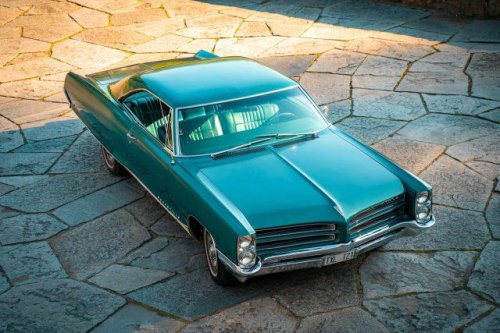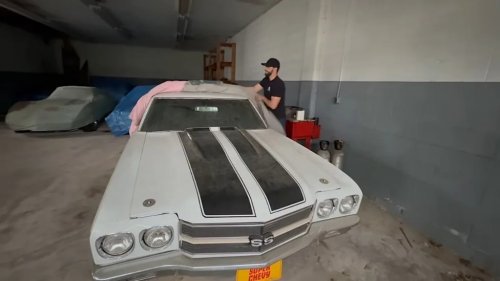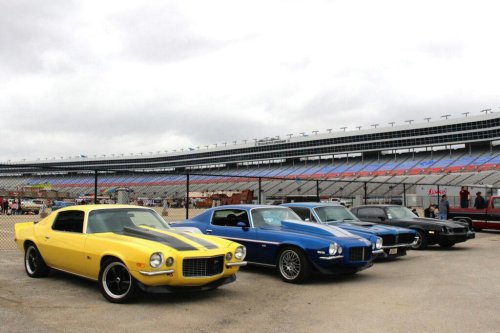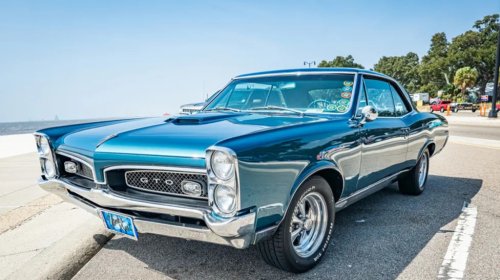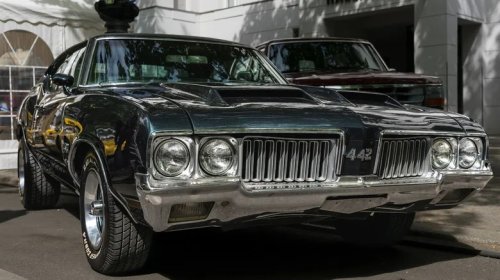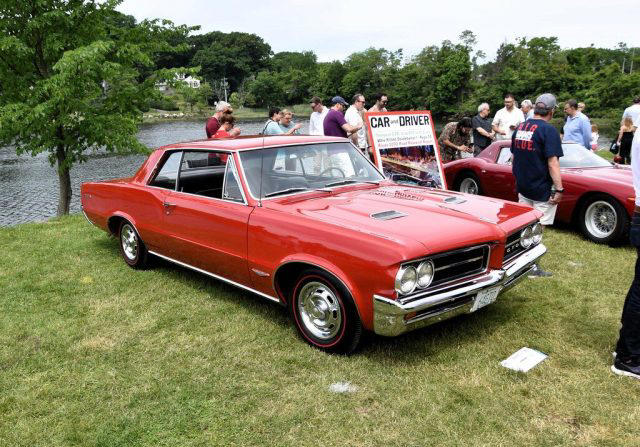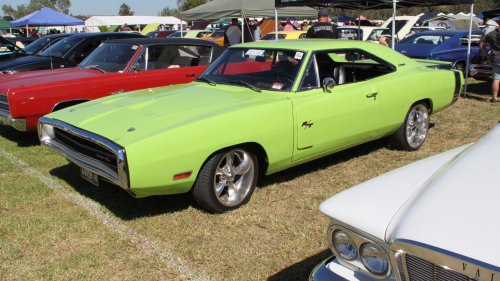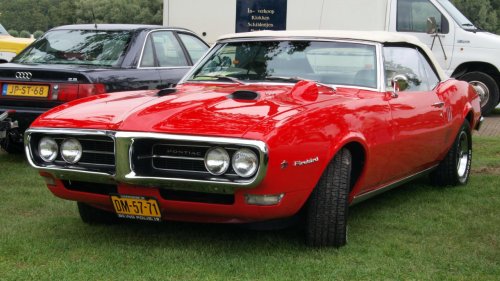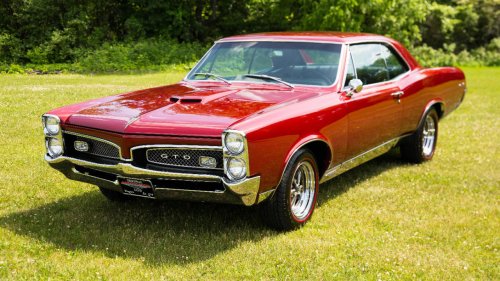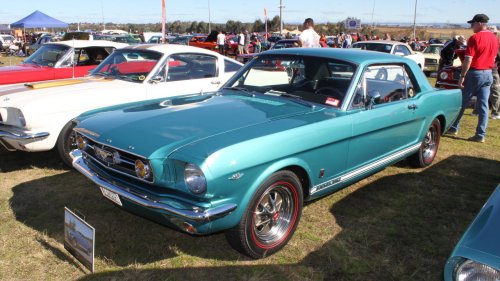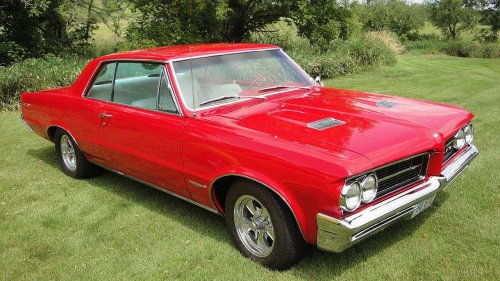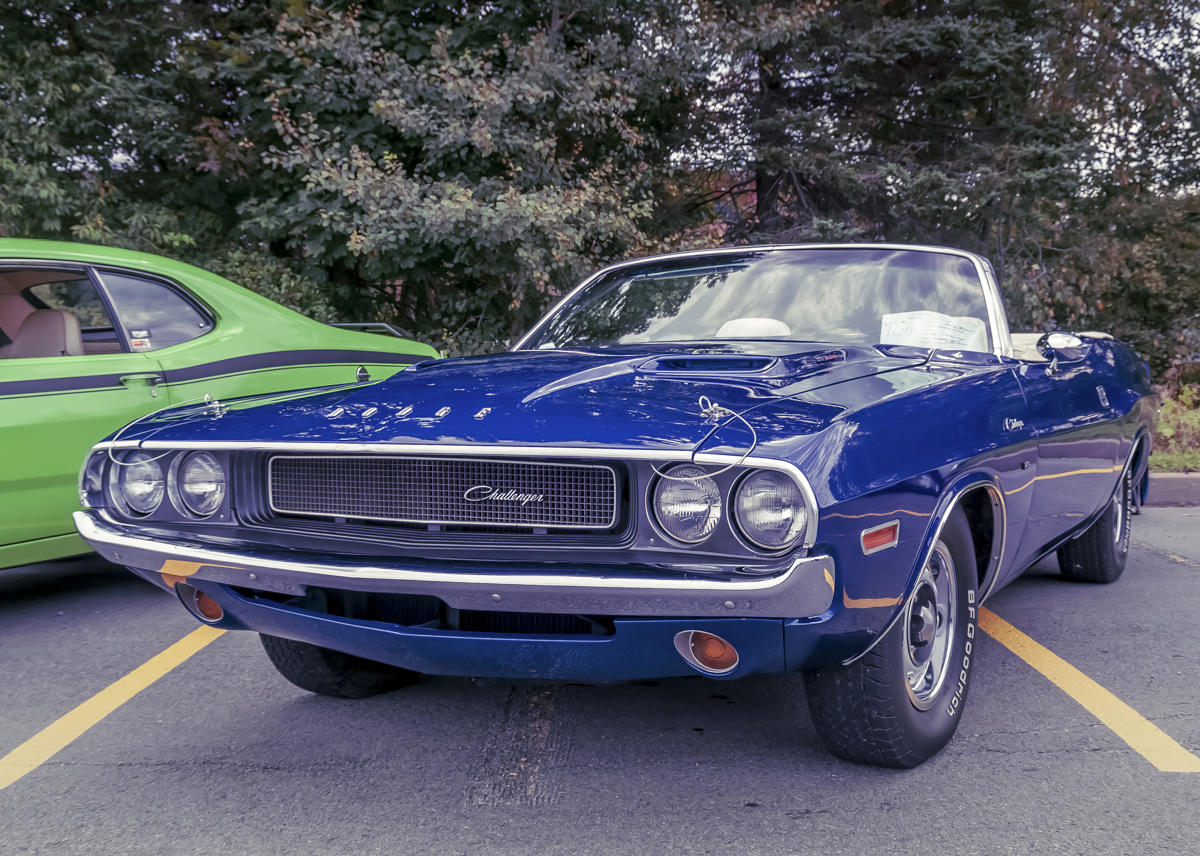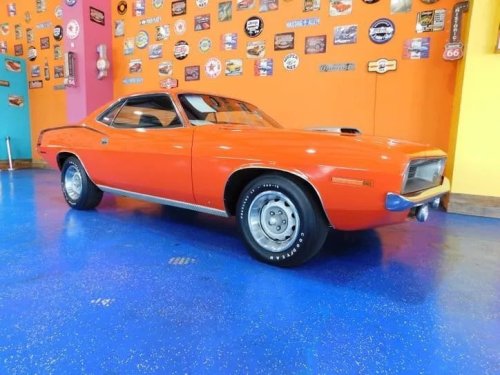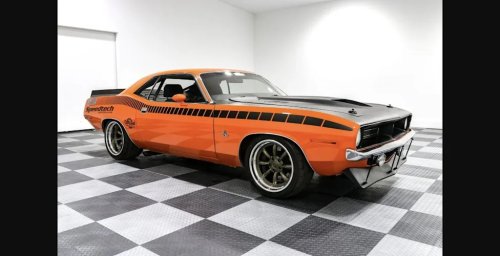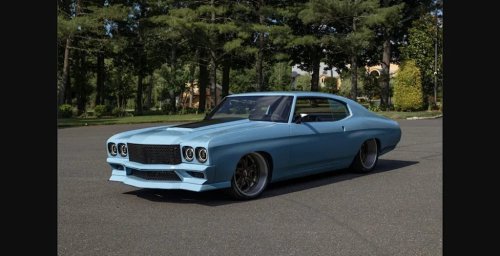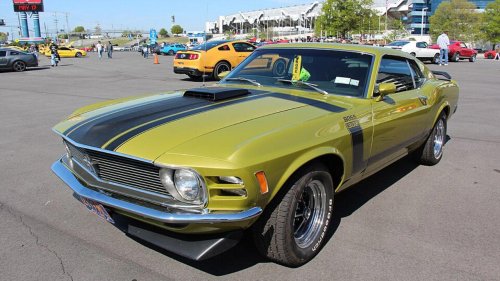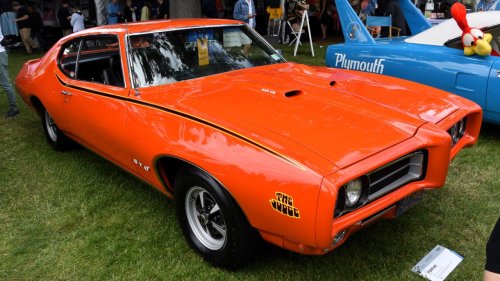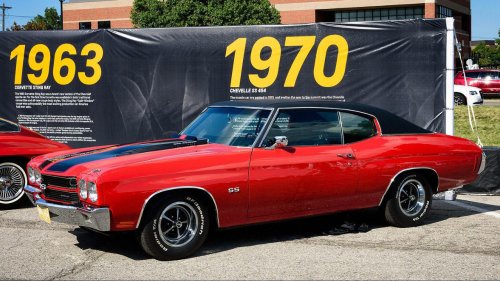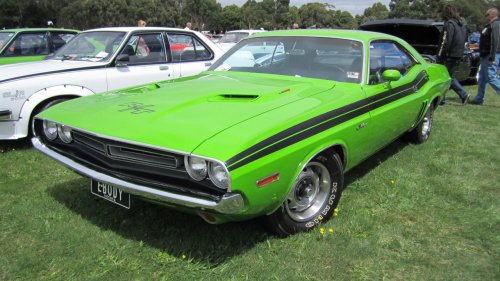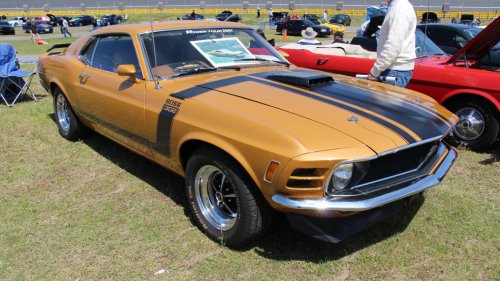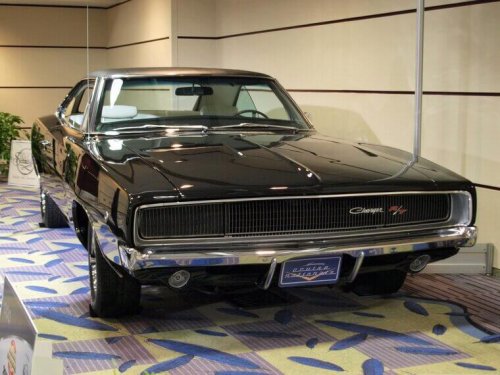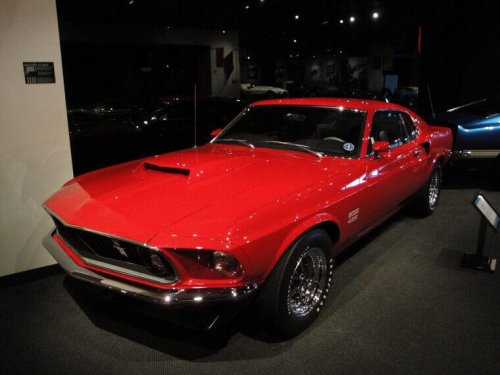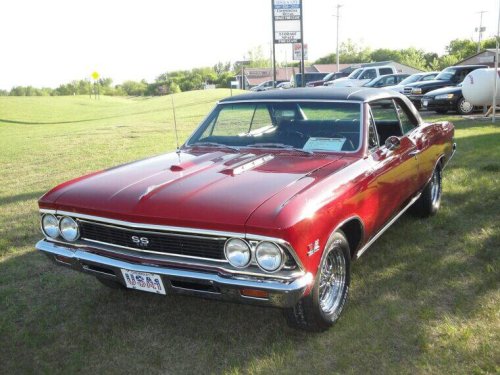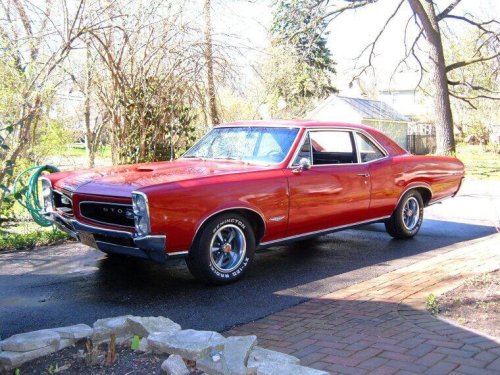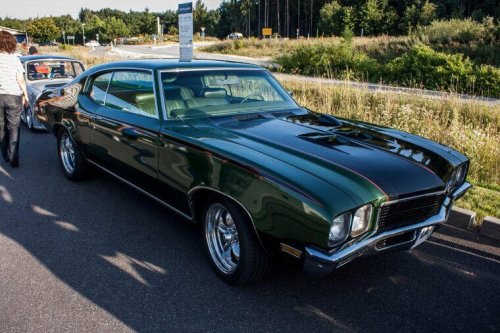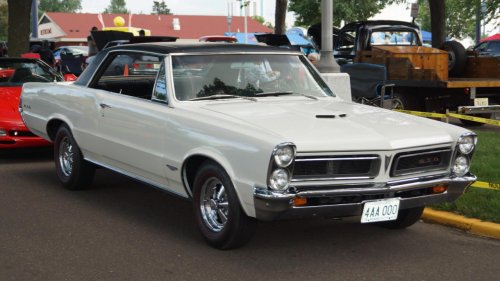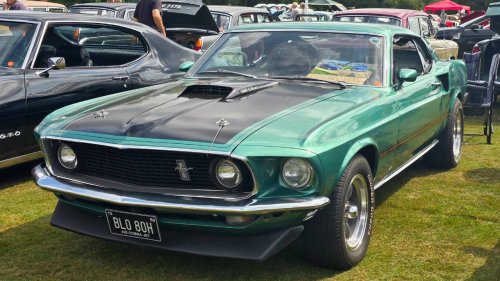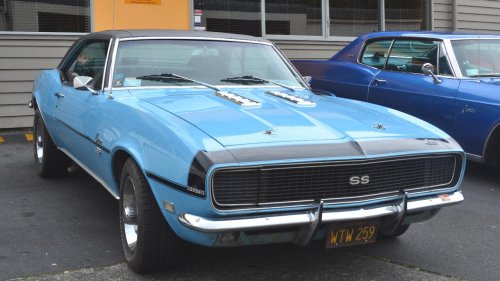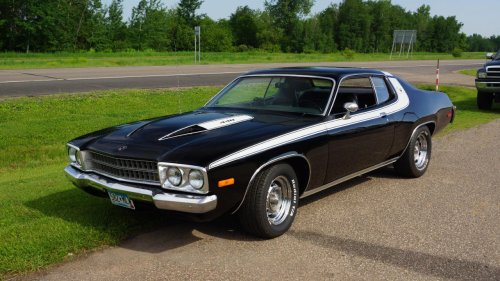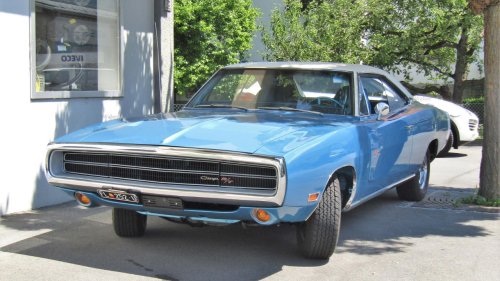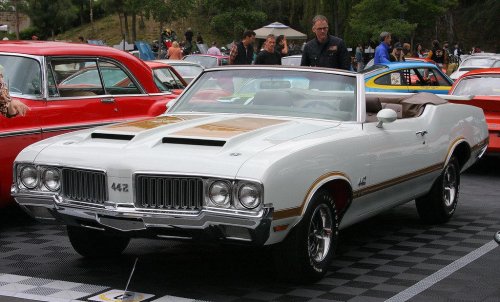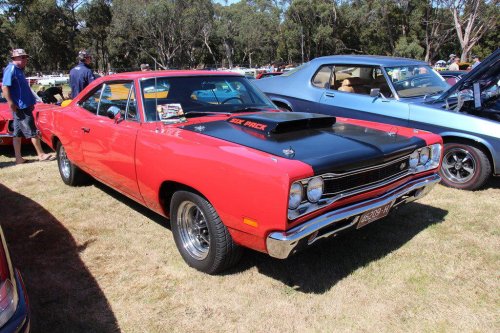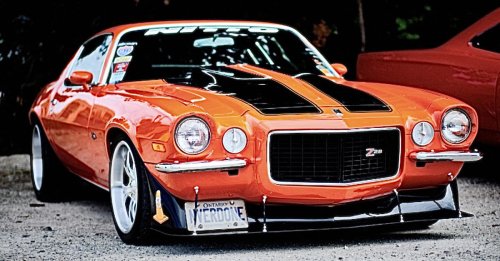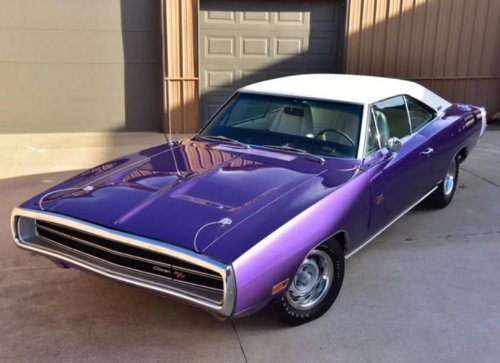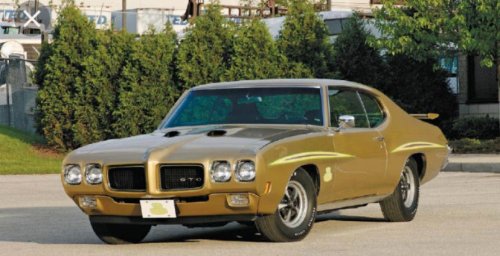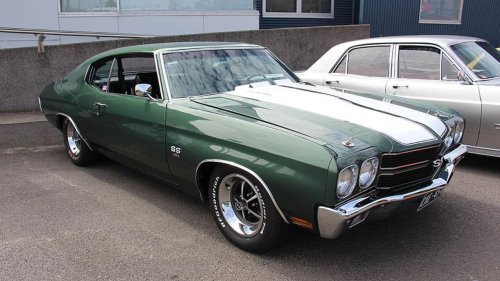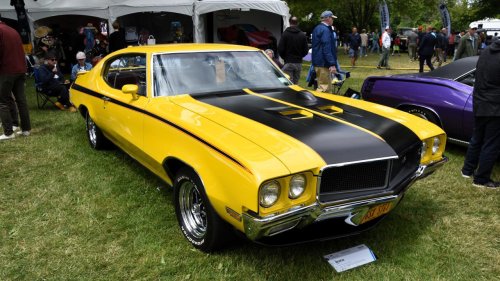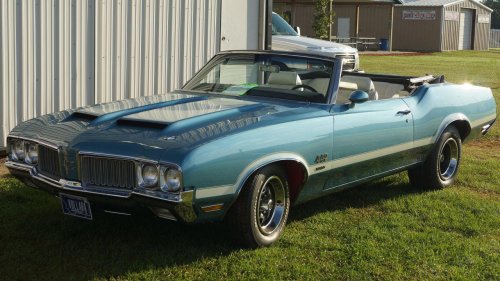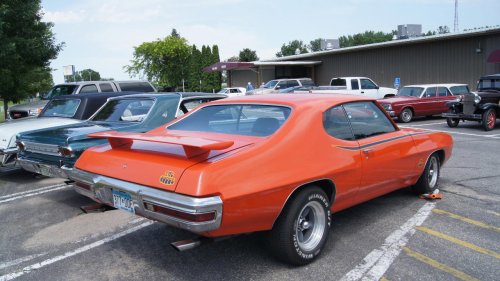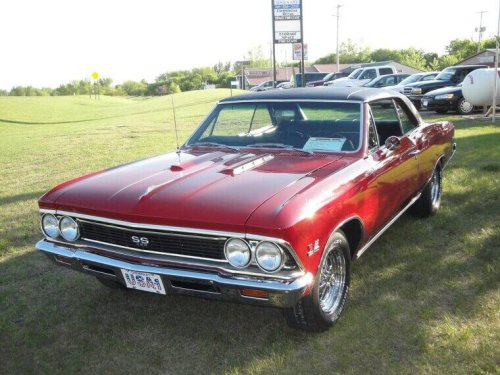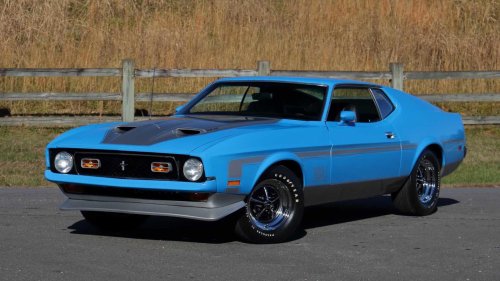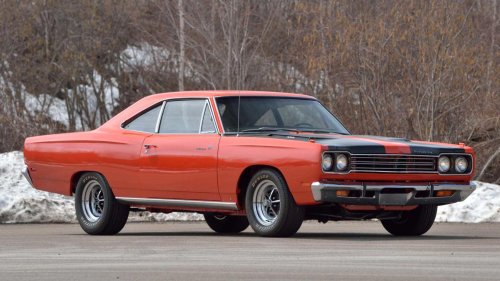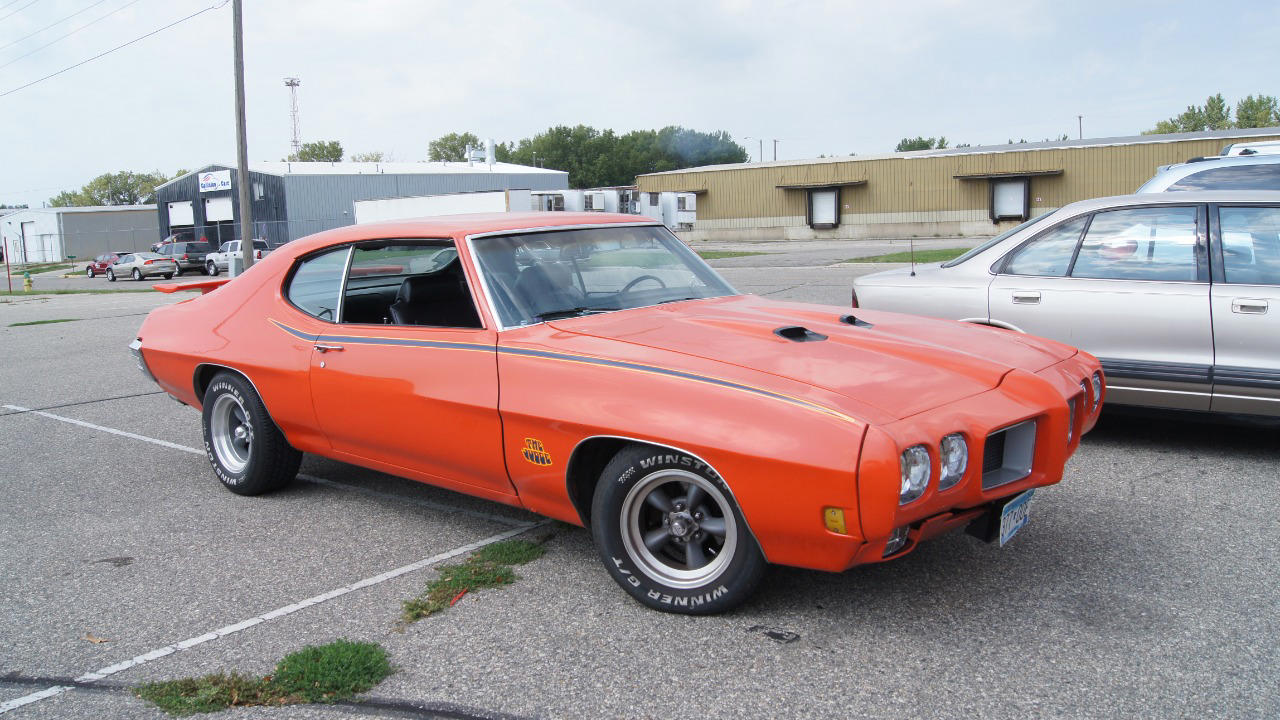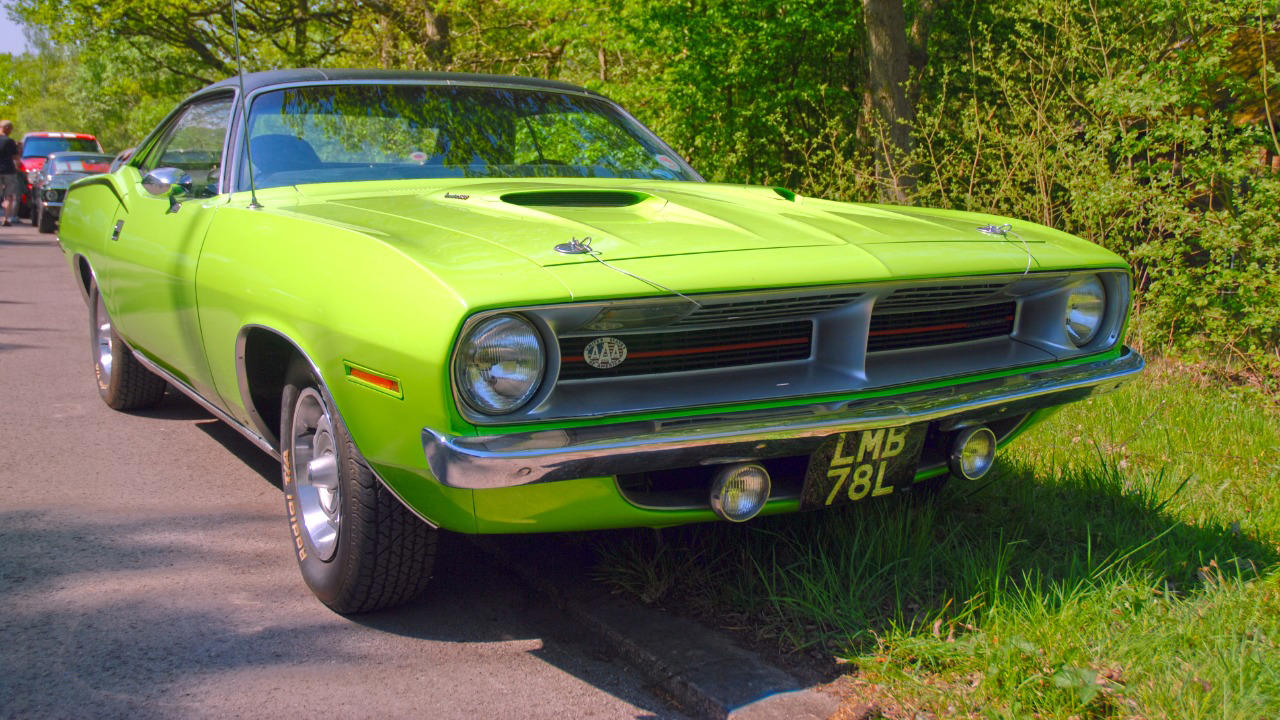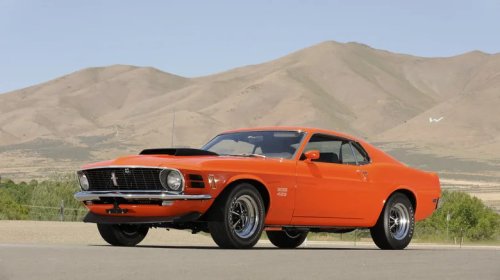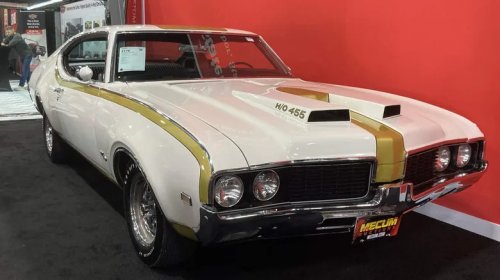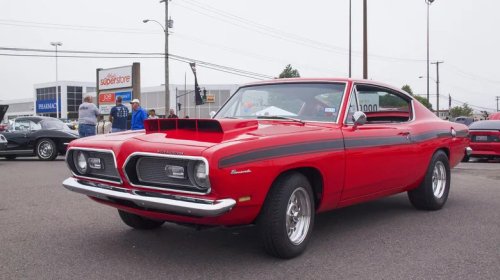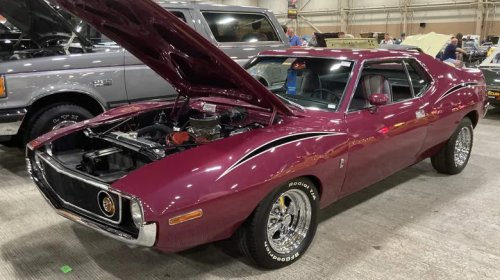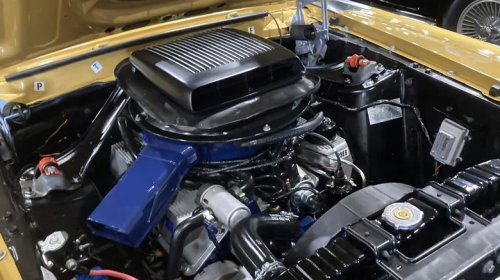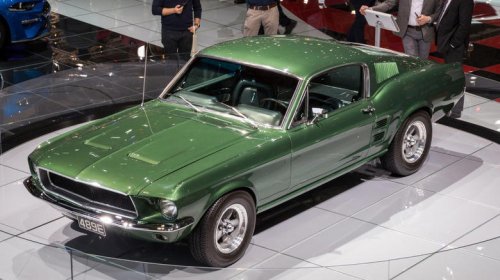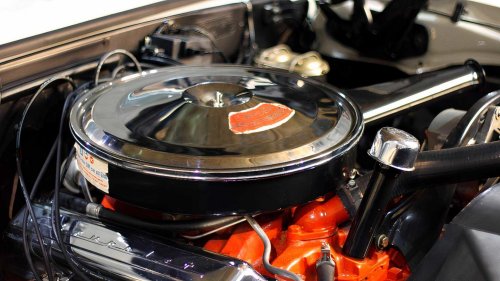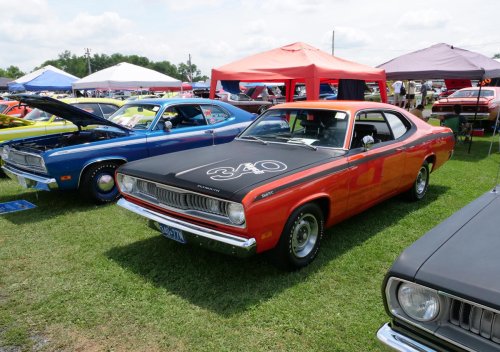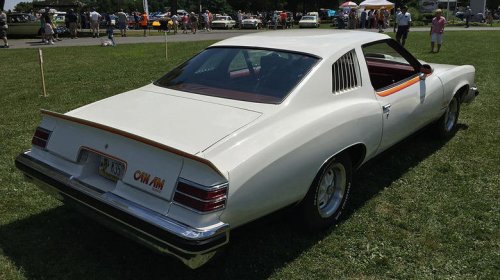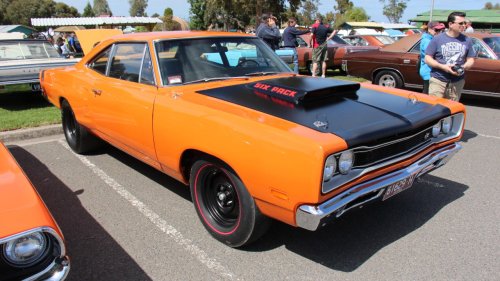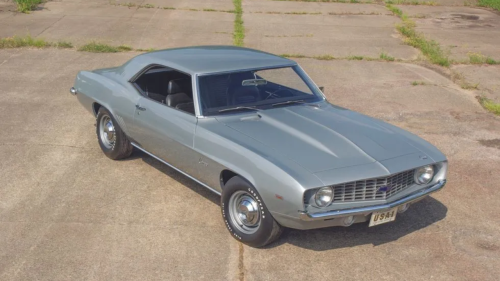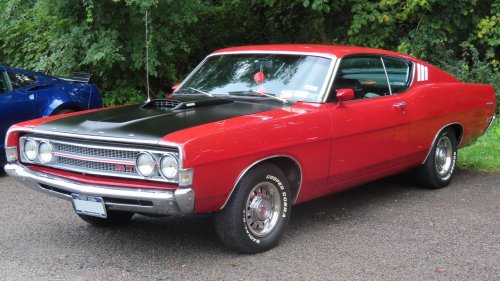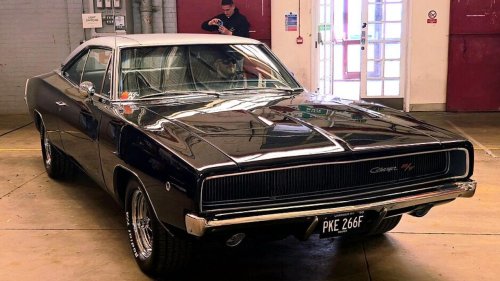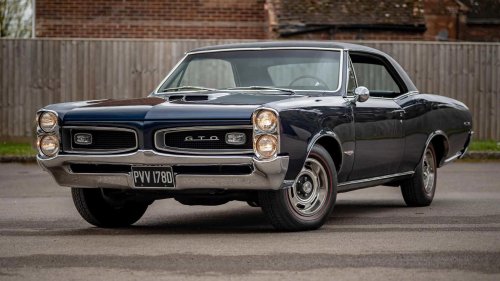




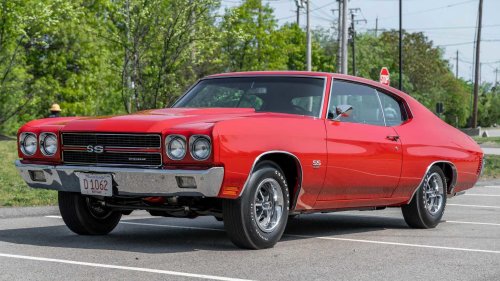
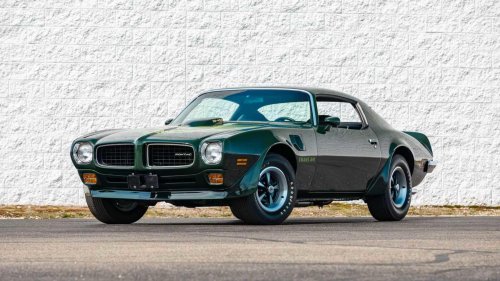
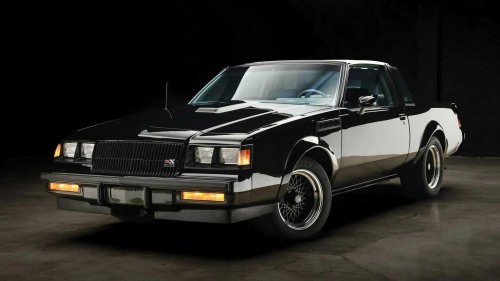
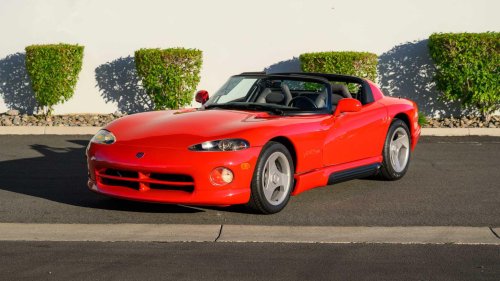
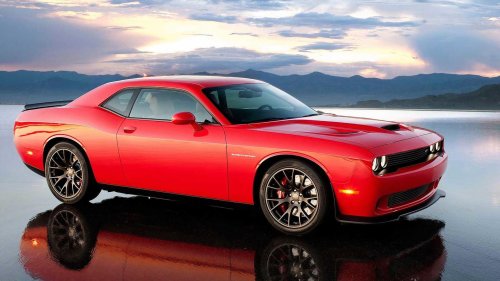



















The muscle car is a cornerstone of American automotive history and culture. As the prosperity of the post-war era brought motoring to the masses and lowered gas prices, the muscle car emerged as a way for people to experience the thrill of a high-performance vehicle, while still having enough room to carry people. Ever since then, this segment has become a pop culture juggernaut, which turned muscle cars such as the Dodge Charger into an icon.The defining characteristics of a muscle car are always up for debate, and there is no real hard-and-fast definition. However, most car enthusiasts agree that a large, powerful engine (generally a V8), aggressive looks, and a focus on straight-line acceleration are part of the mix. In this list, we select 10 quintessential American muscle cars that we think represent the country’s contribution to the automotive world across the decades.This week, we're celebrating America. American ingenuity, America's greatest motoring hits, and the overall impact the American automotive industry has had on the broader global environment. That means we're looking at everything from muscle cars to supercars, luxury cars and sport compacts, and, of course, the glorious V8 engine synonymous with American motoring. 1966 Pontiac GTO 1966 Pontiac GTO Bonhams 1(specs refer to Ram Air IV engine)The Pontiac GTO began life as an option package, rather than a standalone model. The GTO package was available on the LeMans, which itself started as a variant of the Tempest. 1966, however, was the pivotal year when things changed. The ‘66 GTO became a model in its own right, with a stylish new design and heaps of power. The vehicle played a pivotal role in defining the concept of a muscle car as we know it today.The GTO model lasted until 1971, and the nameplate was subsequently used again for option packages on other Pontiacs (the LeMans and, later, the Ventura). The GTO name returned as a standalone model, a rebadged Holden Monaro, from 2004 to 2006. 1968-1970 Dodge Charger 1968 Dodge Charger R/T Silver Front Angled View(specs refer to Charger Daytona)The second-generation Dodge Charger was iconic in the muscle car world and beyond. The instantly recognizable “coke bottle” silhouette and wide range of powerful V8s made it a hit in the performance vehicle world, with demand for the model rapidly shooting up. During this generation, the very first incarnation of the souped-up Charger Daytona arrived as well, making its debut in 1969.The second-gen Charger is also known for its role on both the big and small screens. It was famously driven by the protagonists in the TV series The Dukes of Hazzard, and played a part as the baddies’ car in the 1968 movie Bullitt, not to mention Dom Toretto's various examples from the Fast and Furious franchise. 1968 Oldsmobile 442 1968 Oldsmobile 442 Bonhams 1A list of muscle cars would not be complete without mentioning Oldsmobile. Not only was the brand responsible for creating the Rocket 88, considered by many to be the first model to fit the “muscle car” definition, but it also created the 442, a model that perfectly embodied the spirit of the muscle car two decades later.The 442 shared GM’s A-body platform with the Pontiac GTO, and followed a similar trajectory as a model. It started out in 1964 as an option package for the Cutlass. In 1968, however, the 442 became a model in its own right. Its name was derived from its four-barrel carburetor, four-speed manual transmission, and dual exhausts. 1969 Plymouth GTX 1969 Plymouth GTX RM Sothebys 1(specs refer to Hemi V8 engine)The Plymouth GTX was first introduced in 1967, based on the Belvedere. It combined a simple, squared-off design with lots of power. While the standard engine was a 7.2-liter V8 that produced 375 hp, customers could choose the optional 7.0-liter Hemi V8, which brought power output to 425 hp.The 1969 model year was the first in which the GTX was available with both a hard-top and a convertible body style. During this year, the GTX’s main rival, the less expensive Road Runner, was also made available as a drop top, which contributed to the GTX’s sales dropping. The GTX standalone model was discontinued after 1971, but the nameplate continued to be used until 1974 as an option package on the Road Runner. 1970 Ford Mustang Boss 429 1969-1970 Ford Mustang Boss 429 Yellow Front Angled ViewAs a “pony car” designed to have a sporty character from day one, the Ford Mustang may not quite qualify as a true muscle car in the eyes of some purists. However, the definition of muscle car has become so varied, and the Mustang so popular and famous, that at least one variant of this model earned itself a place on our list.That variant is the Boss 429, built for NASCAR homologation purposes and only produced for two years (1969 and 1970). The Boss 429 had an aggressive appearance, which resembled a regular Mustang but with a large scoop dominating the hood. The 429 also had a less powerful sibling oriented towards road racing, the Boss 302. 1970 Chevrolet Chevelle LS6 SS 1970 Chevrolet Chevelle SS Red Front Angled ViewThe Chevrolet Chevelle had been around since the early 60s. However, it wasn’t until 1970, halfway through the model’s second generation, that the mighty 7.4-liter (or 454 cubic inches) engine was introduced to the lineup. The most powerful version of this engine available was the LS6 variant, tuned to produce 450 hp and 500 lb-ft of torque.The Chevelle also underwent a restyle that year, which gave it a more curvaceous, stylish shape. The combination of the updated design and the new engine created a car that can be considered “peak muscle”, embodying all the characteristics we have come to associate with the muscle car. The LS6 engine was dropped from the lineup the following year, with fewer than 5,000 units produced in total. 1973 Pontiac Firebird Trans Am SD 1973 Pontiac Trans Am Super Duty Mecum 1While the 60s are widely regarded as the golden age of the classic muscle car, by the early 70s, the muscle car’s place in the automotive world was beginning to fade. 1973 was a pivotal year for the decline of the muscle car. The oil crisis sounded the death knell for the large, gas-guzzling models of the past, as cash-strapped consumers shifted towards smaller, more efficient vehicles.The Pontiac Firebird Trans Am was a fitting farewell to this era; while other cars were already beginning to ditch thundering V8s in favor of downsized options, the Firebird still combined heaps of power with an angular, aggressive silhouette. The SD (Super Duty) version was the most powerful, with its 7.5-liter (455 cubic inch) V8 engine producing 290 hp and 395 lb-ft of torque. 1987 Buick GNX 1987 Buick GNX Black Front Angle 3/4During the final year of the Buick Regal’s second generation, Buick introduced a special, limited-run version of the model: the GNX. The GNX (“Grand National Experimental”) occupied the top spot in the lineup, sitting just above the already potent, regular Grand National. Buick marketed it as being the “Grand National to end all Grand Nationals”.One curious thing about it is that, unlike most other cars on this list, the Buick GNX was not powered by a V8 engine. Instead, power came from a turbocharged 3.8-liter V6. Although Buick officially declared the power output to be 276 hp, the GNX’s true output was allegedly around 300 hp and 420 lb-ft of torque. Despite its lack of a V8, the GNX still produced heaps of power, in a package that was accessible to the ordinary person: about as the ultimate “muscle car” as one can get at the time. 1992 Dodge Viper 1992 Dodge Viper front three-quarterYes, you read that right. This entry on our list will no doubt spark large amounts of controversy: the Dodge Viper, with a silhouette that took inspiration from sources like Lamborghini and the Shelby Cobra, may not initially seem like a strong candidate for the “muscle car” label. Many enthusiasts would argue that the traces of European DNA in its character, and the presence of a V10 rather than a V8, make it a completely distinct entity from traditional muscle cars.And yet, there is a case to be made for the Viper, especially for its early incarnation, which was little more than a massive engine on wheels. With its all-out emphasis on raw performance and fun, plus the humongous V10 stuffed under the hood, the Viper could be described as a muscle car with only a little stretch of the definition. 2015 Dodge Challenger SRT Hellcat 2015 Dodge Challenger SRT Hellcat Red Front Angled ViewWe conclude our list with a modern-day addition to the muscle car family, which celebrates its 10th anniversary this year. The SRT Hellcat was a high-performance version of the third-generation Dodge Challenger, unveiled in 2015 as a replacement for the SRT-8 trim alongside the SRT 392. A 6.2-liter supercharged Hemi V8 engine powered the Hellcat, which could also be found under the hood of the Charger Hellcat and the Jeep Grand Cherokee Trackhawk. One of the Hellcat’s most famous features was its two separate key fobs: the black one limited output to 500 hp, while the red one unleashed the car’s full capability of 707 hp. The Hellcat remained part of the lineup until the gas-powered Challenger was discontinued in 2023.Sources: General Motors, Stellantis, Ford1966 Pontiac GTO Bonhams 2