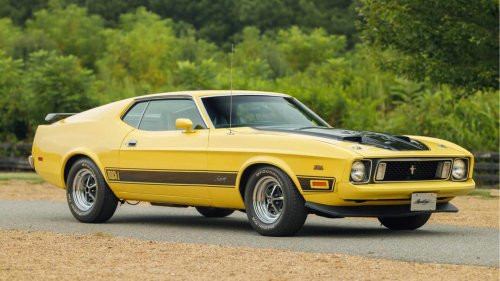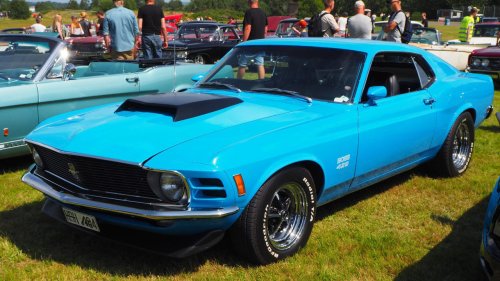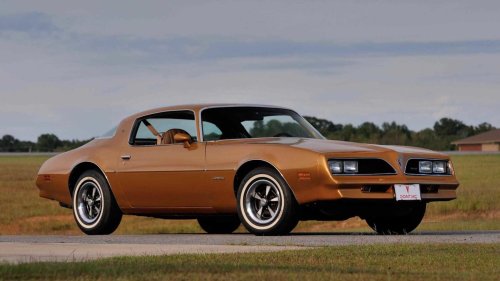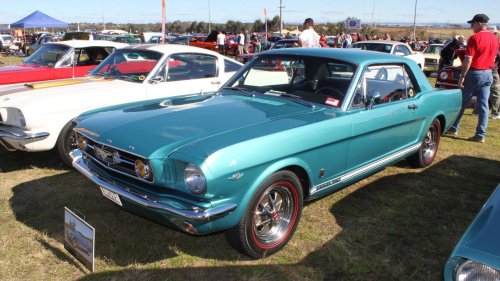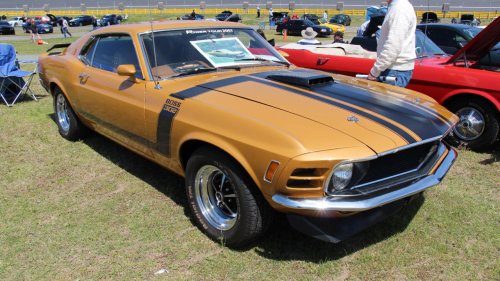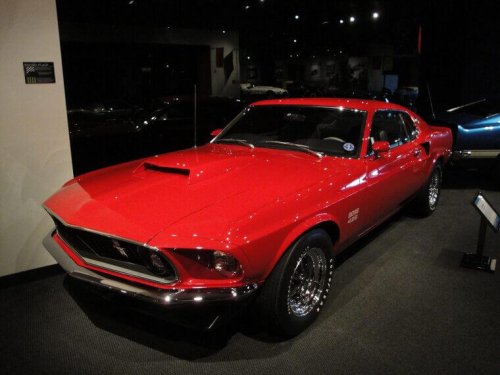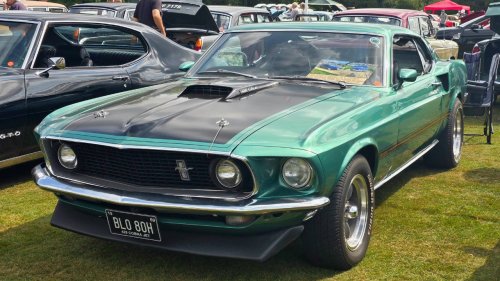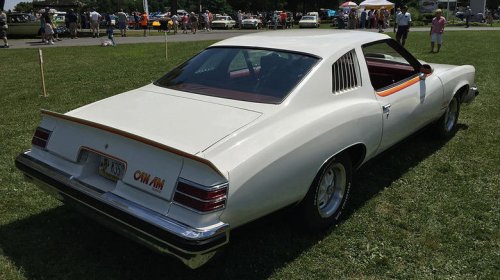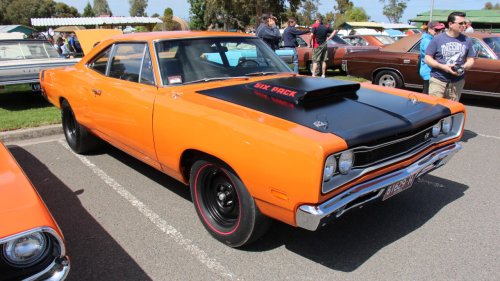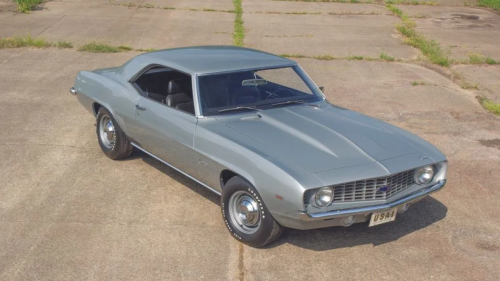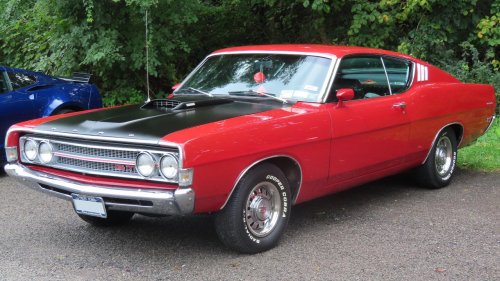

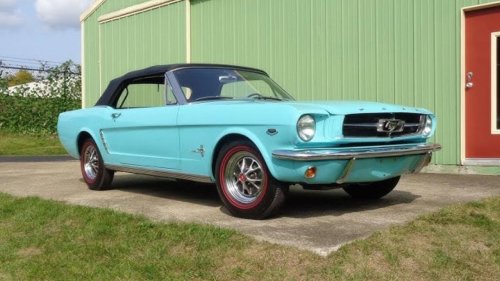
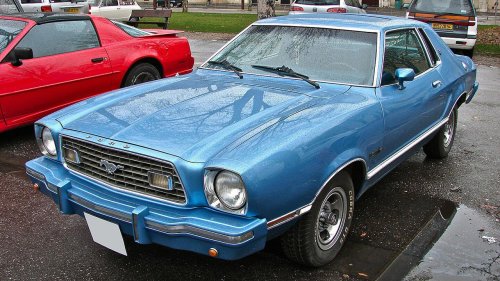

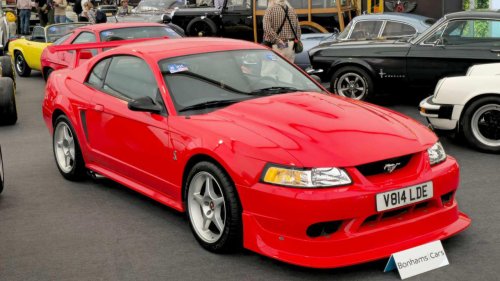
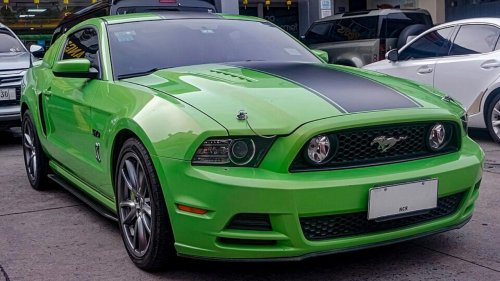




















The Mustang didn’t merely survive the changing decades of the automotive world — it repeatedly adapted, recalibrated, and reasserted itself as the anchor of American muscle. From the horsepower explosion of the 1960s to the emissions struggles of the 1970s, from the tuner resurgence of the 1980s to the global performance benchmarks of the modern era, it evolved when others faded away. Each generation reflected the pressures of its time, yet none fully abandoned the formula of accessible performance and rear-wheel-drive excitement. Together, these eight eras carried muscle cars through uncertainty and reinvention without surrendering identity.Ford Mustang SN95 GTThe SN95 GT represented modernization during a decade defined by increasing safety regulations and refinement demands. A revised chassis, updated styling, and incremental power improvements helped the Mustang compete in a changing marketplace. It preserved V8 availability while integrating improved structural rigidity and better ride quality. Although it didn’t deliver record-breaking performance, it maintained the muscle car’s visibility during a period when imports were gaining dominance. This generation acted as a stabilizing bridge between old-school brute force and emerging engineering standardsFord Mustang 1964½The 1964½ Mustang created a performance blueprint that reshaped the American market almost instantly. By offering compact proportions, stylish design, and a growing list of V8 options at attainable prices, it made speed accessible to a broader audience than ever before. Its flexibility allowed buyers to spec anything from economical cruisers to legitimate street machines. That adaptability was critical to its long-term survival. More than just a car, it became a cultural symbol, establishing the pony car segment and ensuring muscle performance would have a mainstream foundation rather than a niche existence.Ford Mustang IIThe Mustang II arrived during one of the most hostile environments muscle cars had ever faced, shaped by fuel shortages, insurance hikes, and strict emissions regulations. Downsizing and smaller engines frustrated enthusiasts accustomed to big-block power, yet the strategy kept the badge alive and financially stable. Sales were strong because the car aligned with real-world economic pressures of the mid-1970s. While rarely celebrated for performance, this generation preserved continuity. Without it, the Mustang might have disappeared entirely during a decade that erased many of its contemporaries.Ford Mustang Fox BodyThe Fox Body Mustang marked a decisive return to enthusiast-focused performance, thanks to lighter construction and a renewed emphasis on V8 development. By the mid-1980s, the 5.0-liter models became affordable performance icons, especially among younger buyers seeking tunable platforms. Its simplicity and strong aftermarket support created a grassroots racing culture that extended from street scenes to drag strips nationwide. This generation restored credibility not through nostalgia, but through real-world speed and modification potential, reestablishing the Mustang as a performance bargain during rebuilding years for Detroit.Ford Mustang SVT CobraThe 1993 SVT Cobra signaled a shift toward factory-refined performance engineering rather than relying solely on displacement increases. With improved GT40 cylinder heads, recalibrated suspension tuning, and stronger braking components, it delivered a more balanced and cohesive driving experience. It showed Ford’s Special Vehicle Team was serious about elevating the Mustang’s dynamic capabilities. The Cobra badge became synonymous with credible, focused upgrades. This evolution ensured the Mustang could remain relevant as performance expectations grew more sophisticated in the 1990s.Ford Mustang S197 GTThe S197 GT reconnected the Mustang with its heritage at precisely the right cultural moment. Retro-inspired styling evoked late-1960s icons, while improved chassis stiffness and steadily increasing V8 output restored genuine performance credibility. It sparked renewed interest in American muscle and reignited competition among domestic brands. This generation proved nostalgia could coexist with modern engineering advancements. By blending heritage cues with stronger mechanical foundations, it repositioned the Mustang as both a tribute to its past and a serious contemporary contender.Ford Mustang S550 GTThe S550 generation fundamentally transformed the Mustang’s handling profile by introducing independent rear suspension for the first time. This engineering shift dramatically improved balance, composure, and international competitiveness. Designed with global markets in mind, it broadened the Mustang’s appeal beyond traditional American buyers. Performance variants gained legitimate track credibility rather than relying solely on straight-line acceleration. The S550 demonstrated that muscle identity could evolve into refined sports car capability without abandoning its V8 heart.