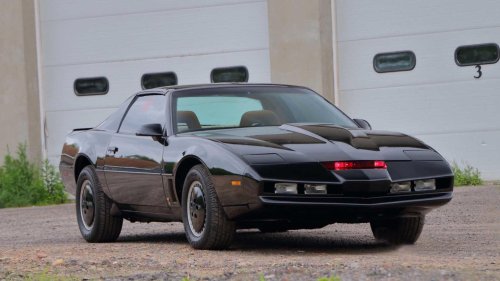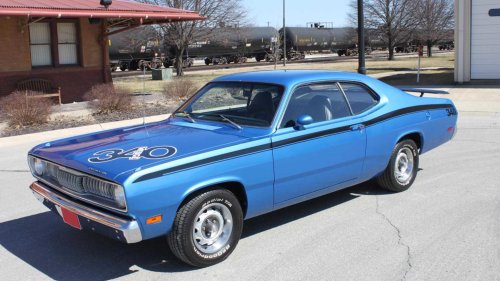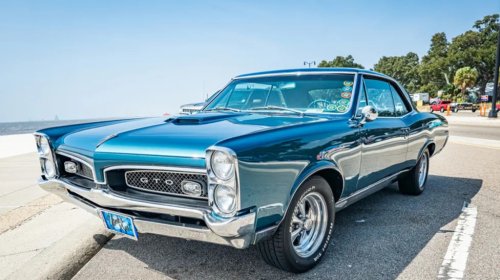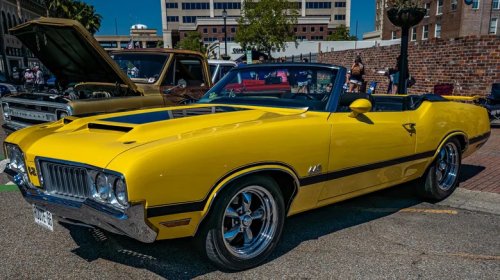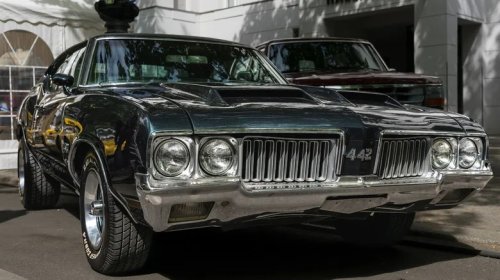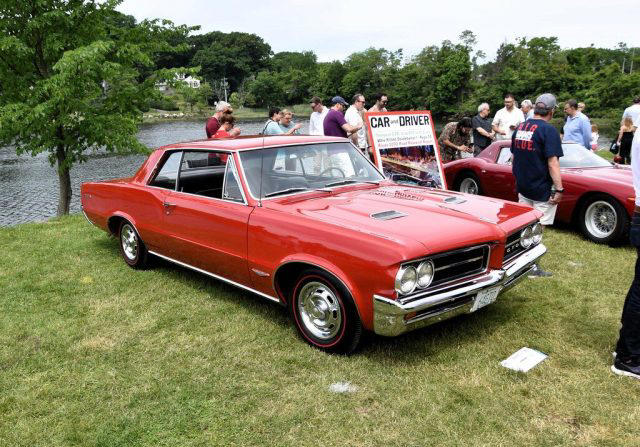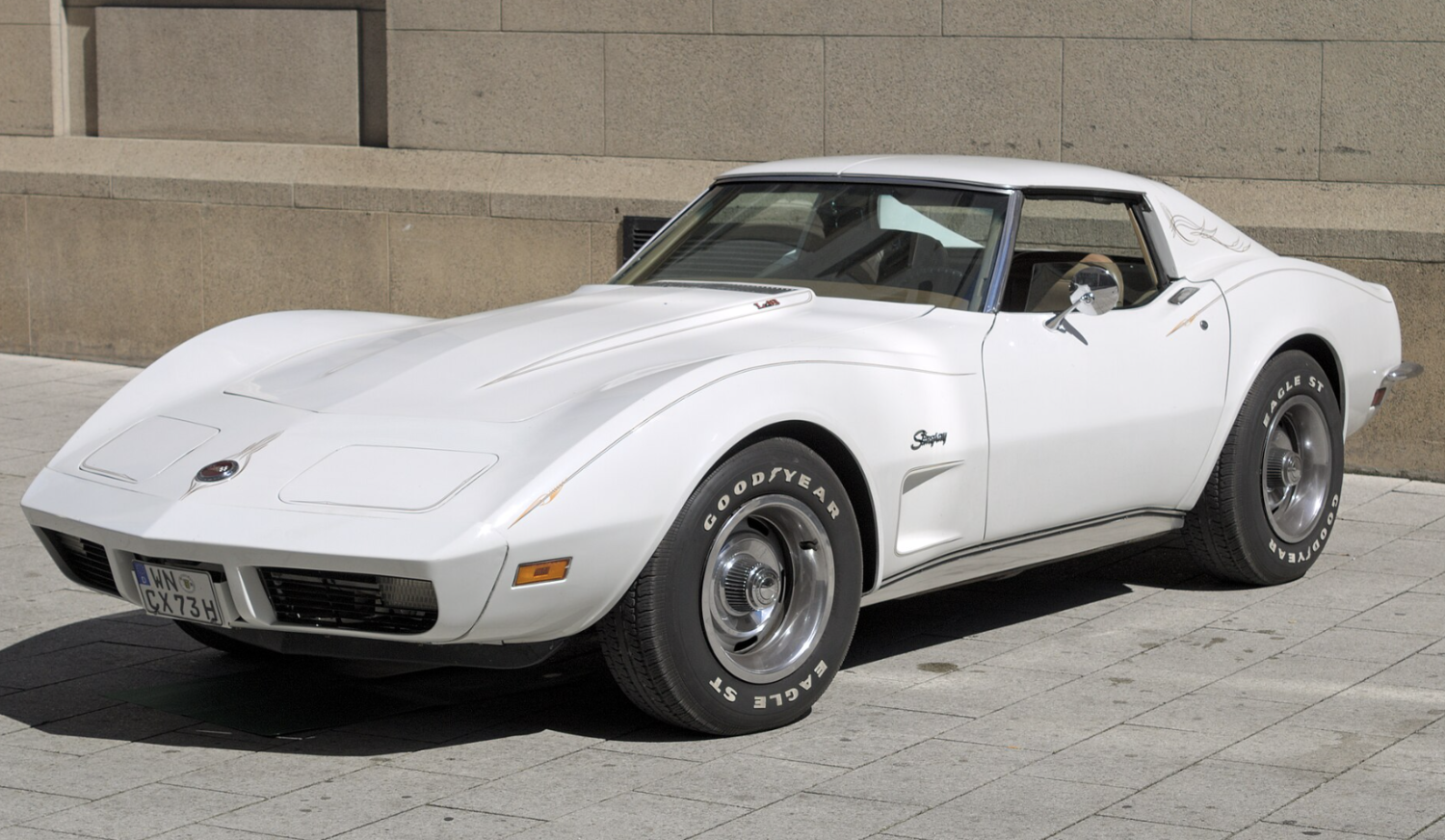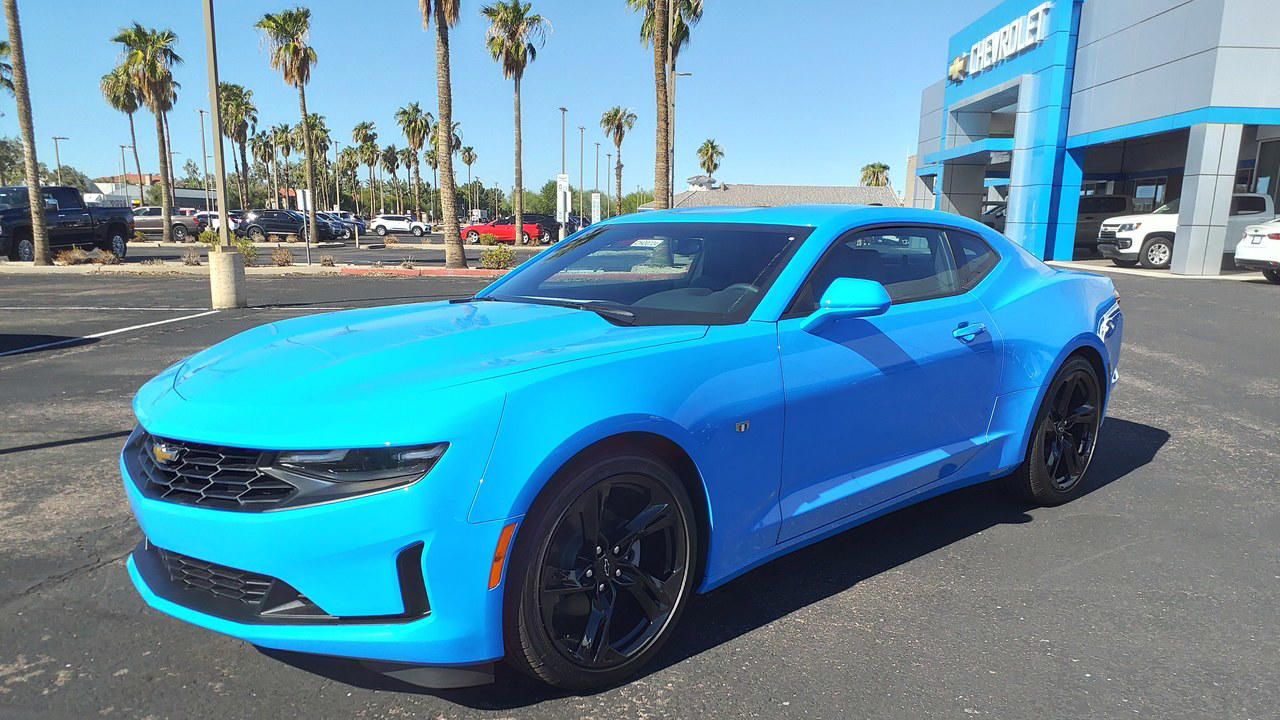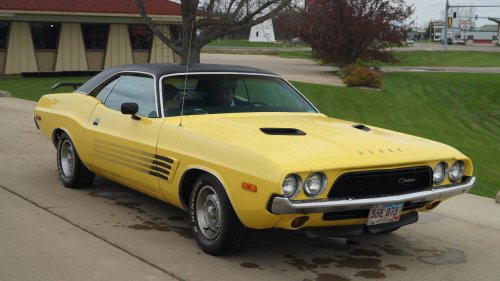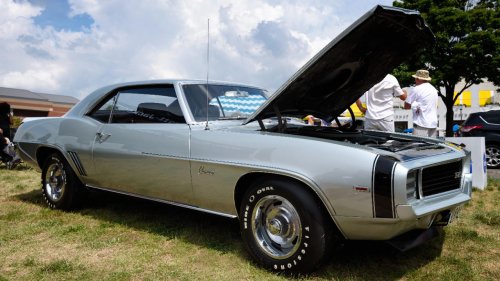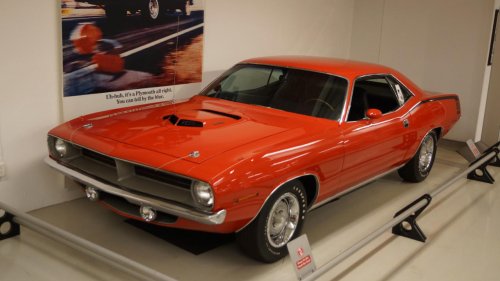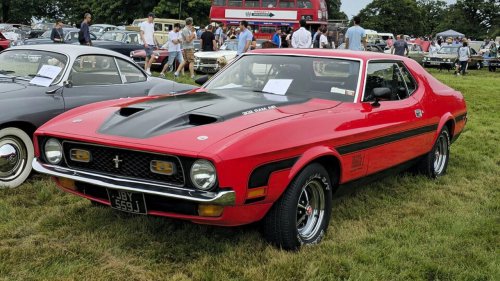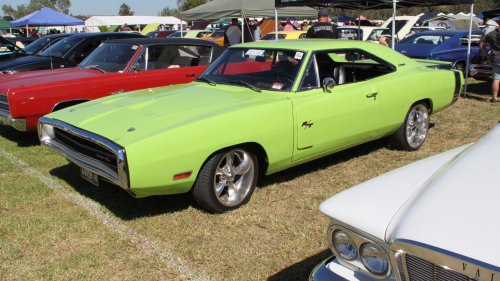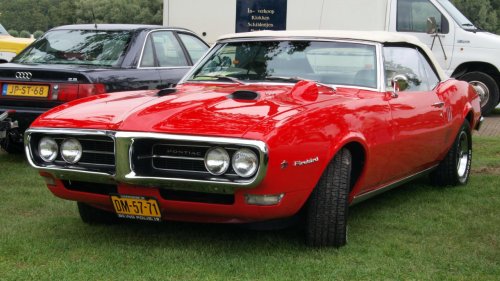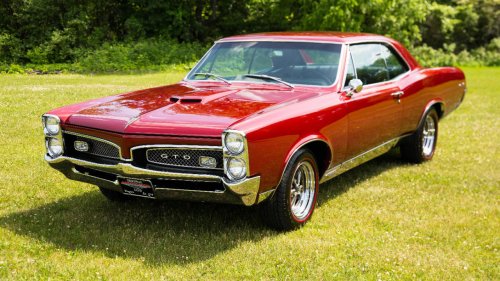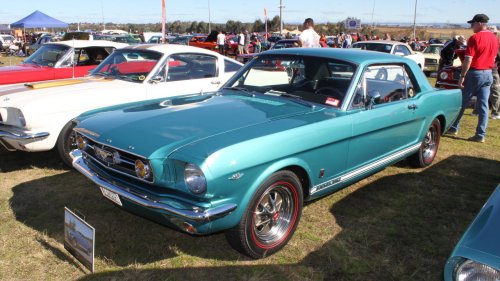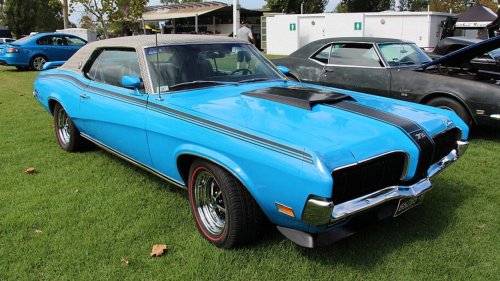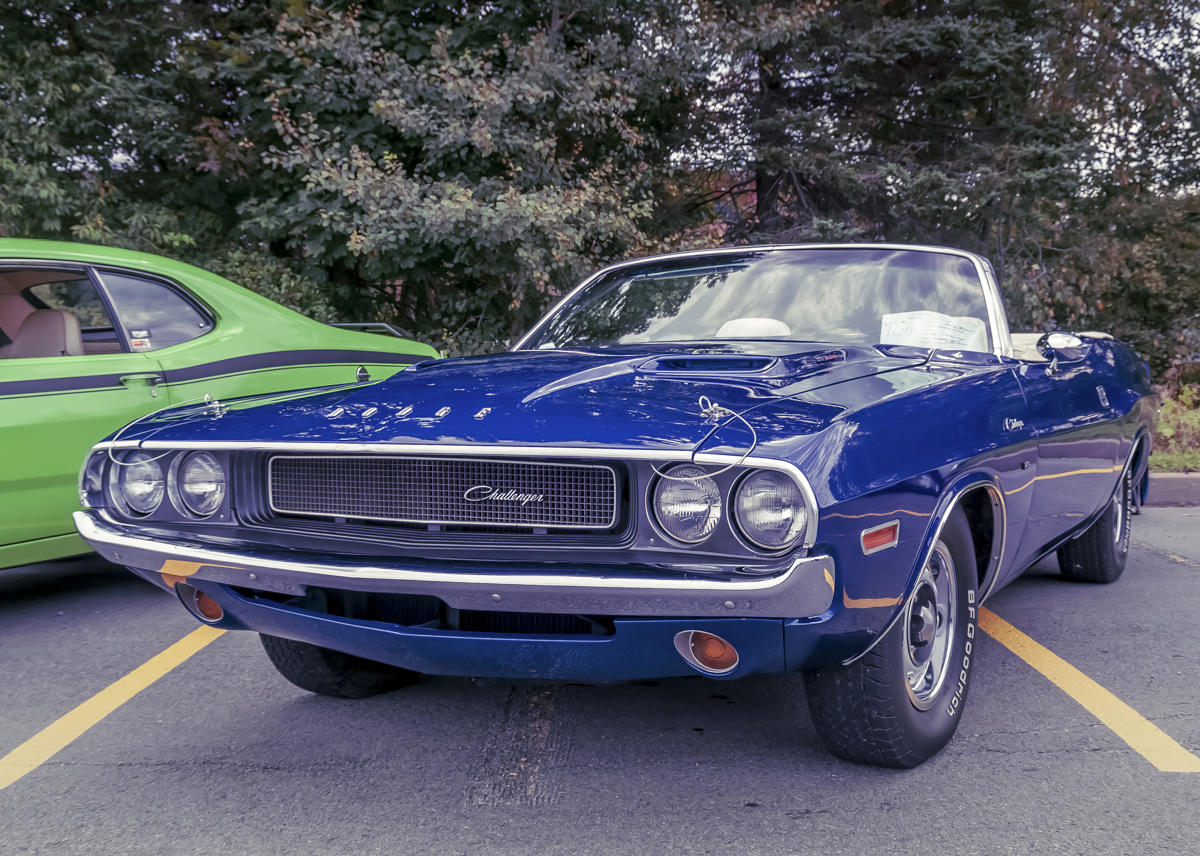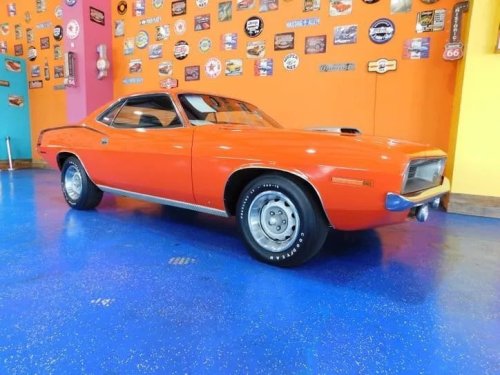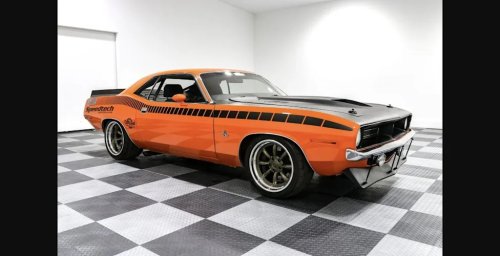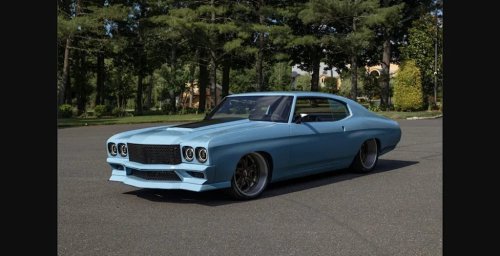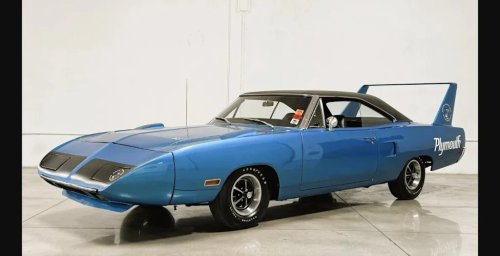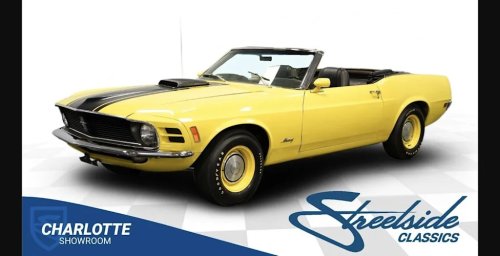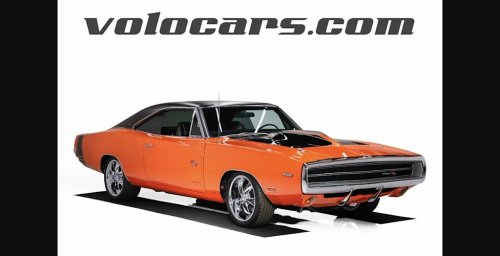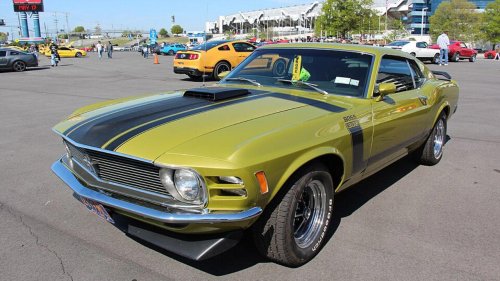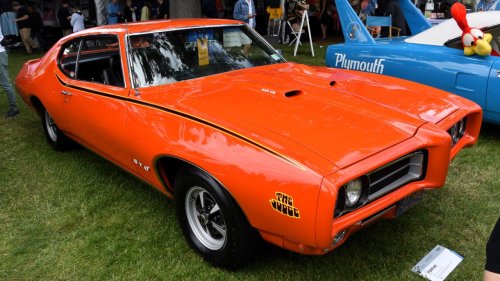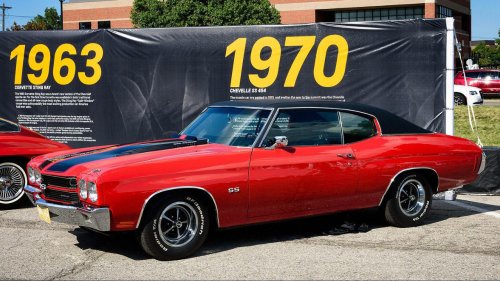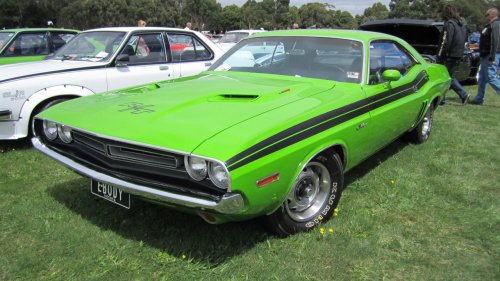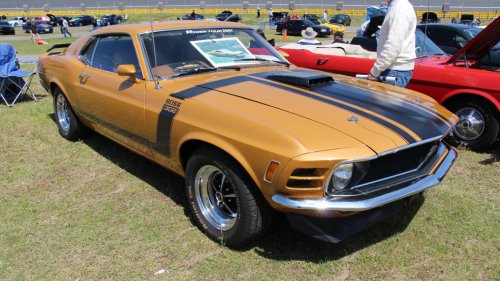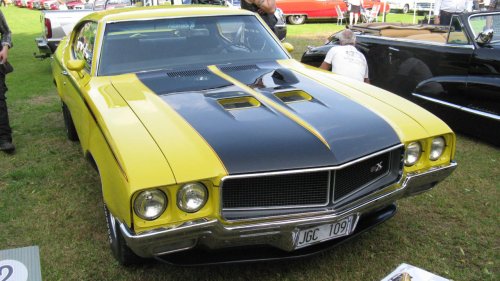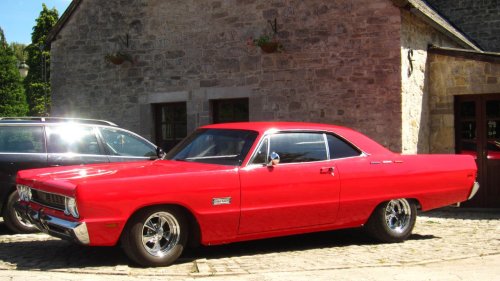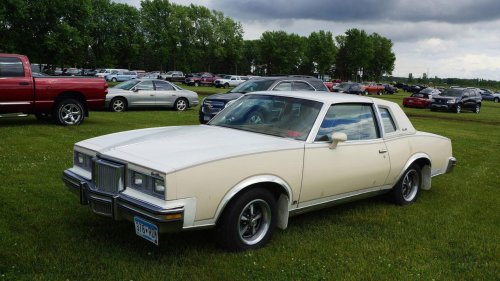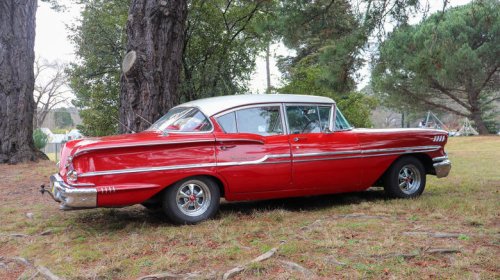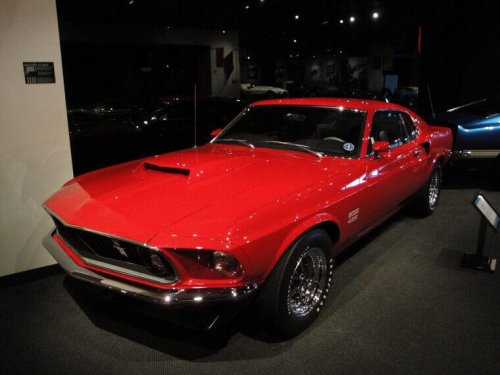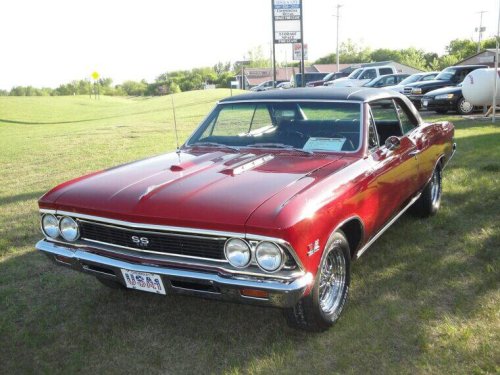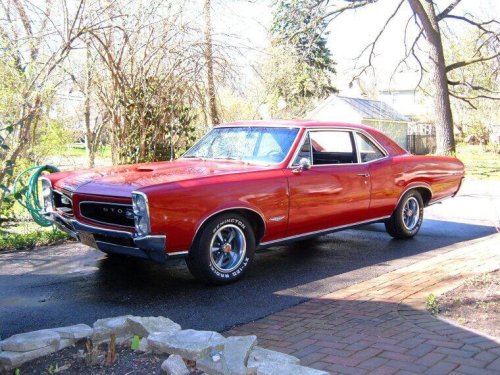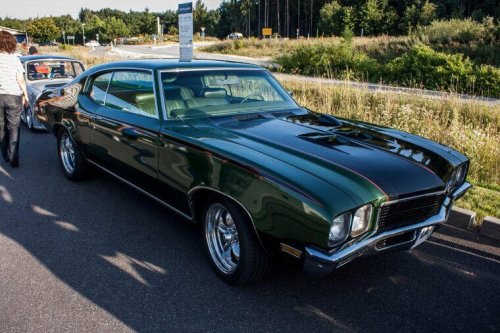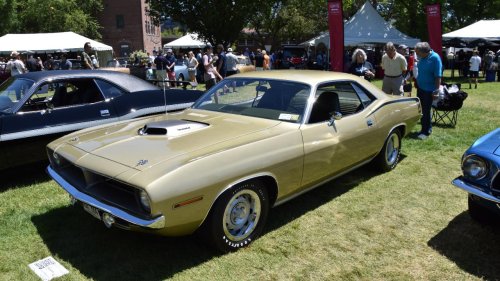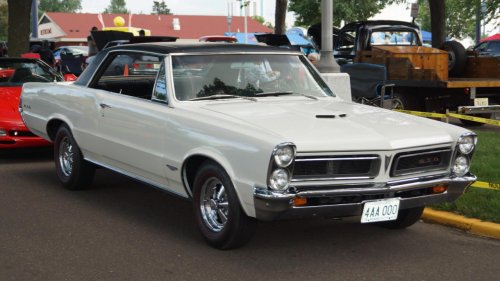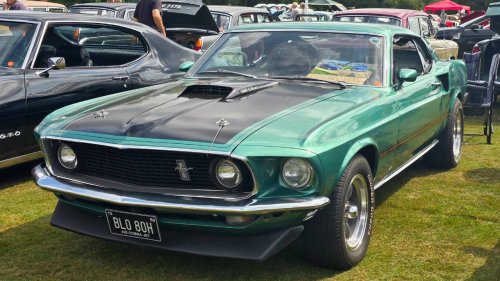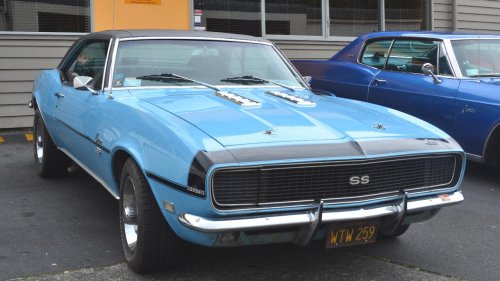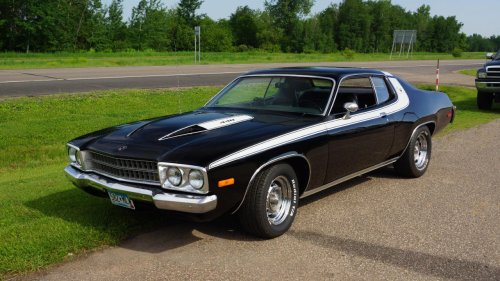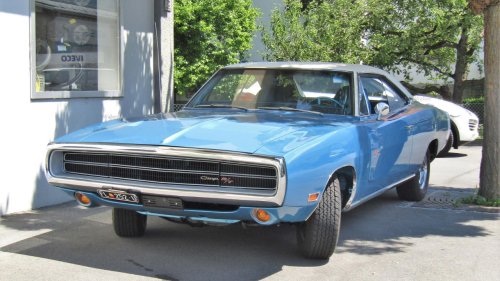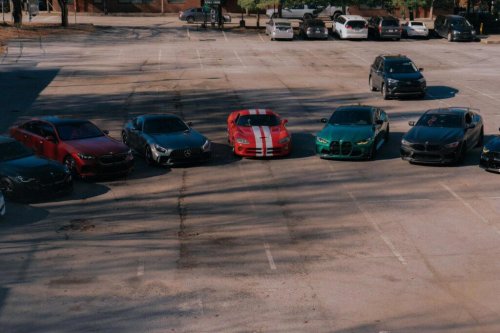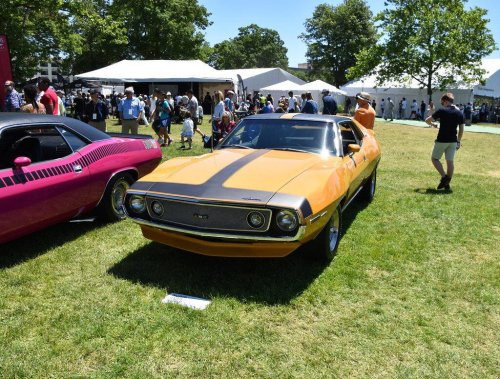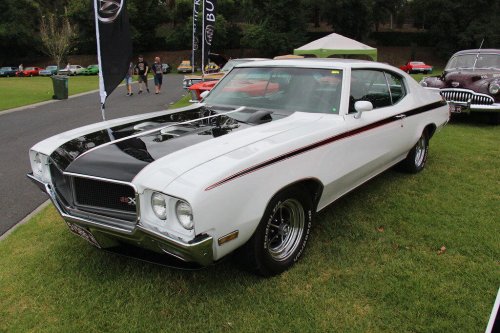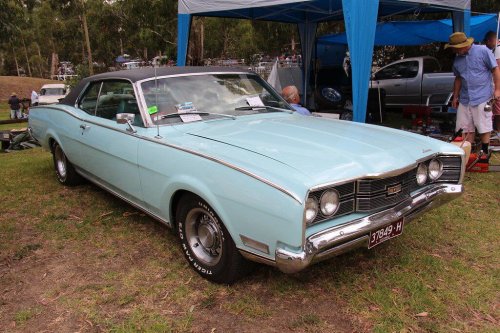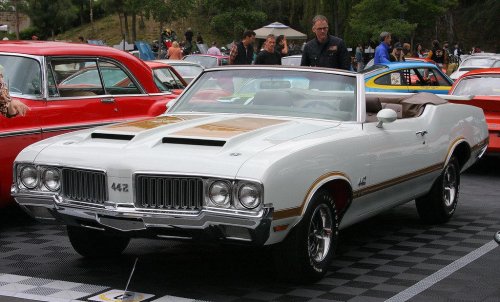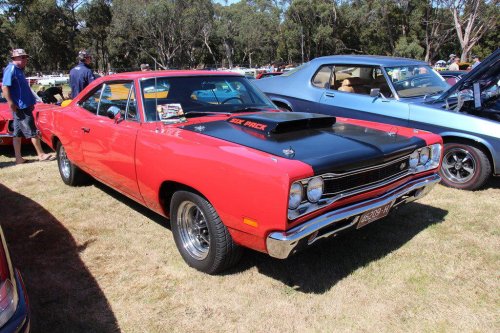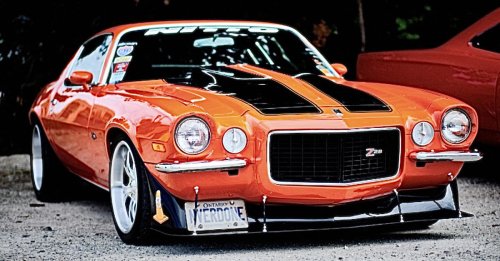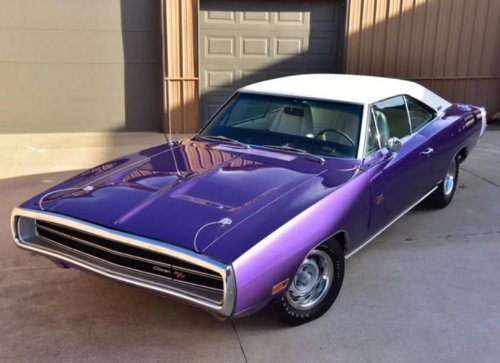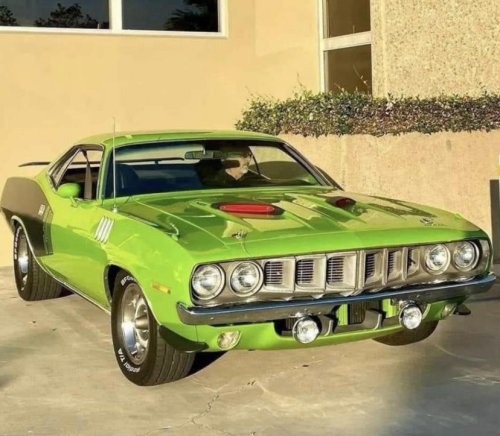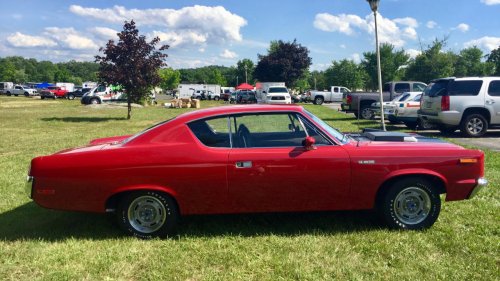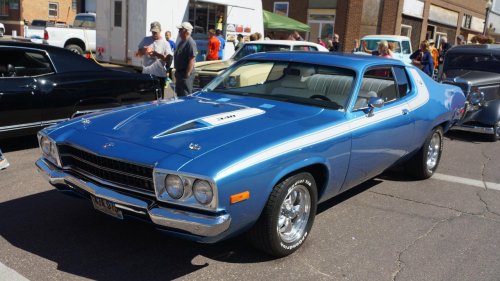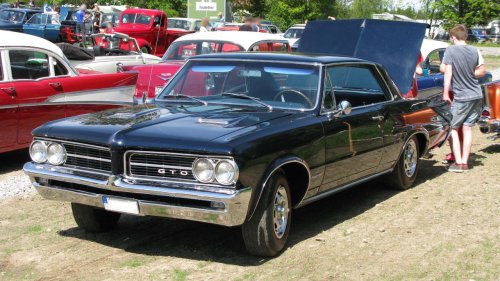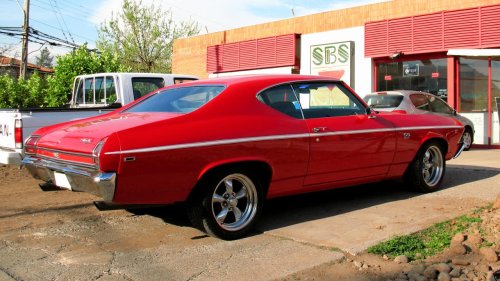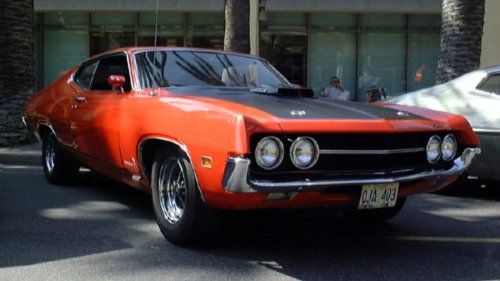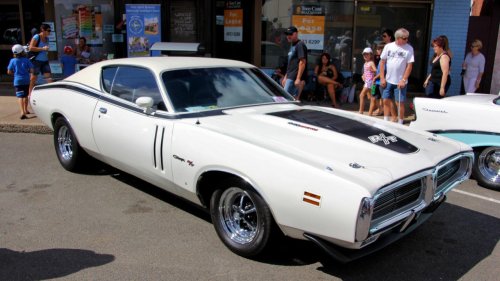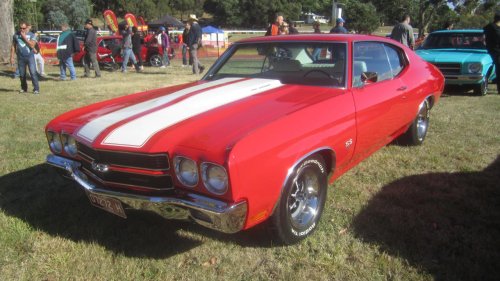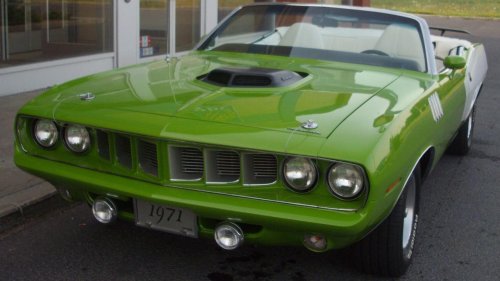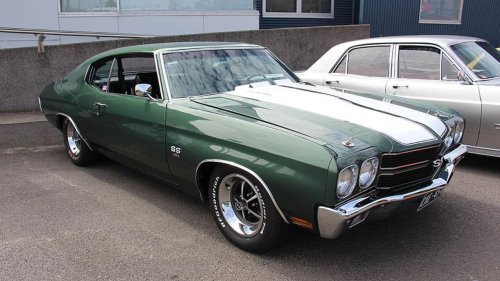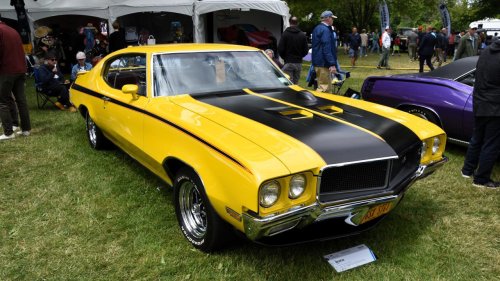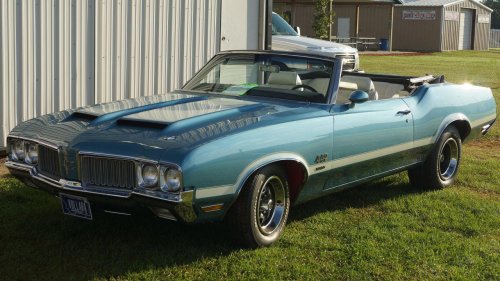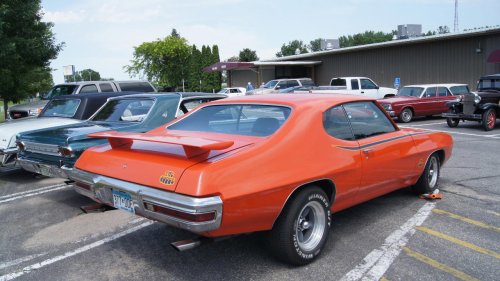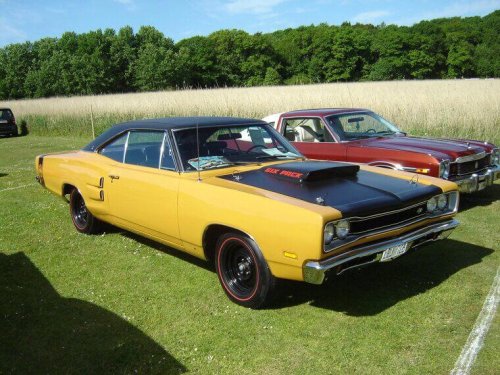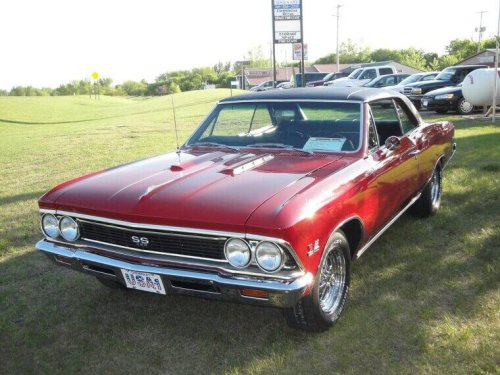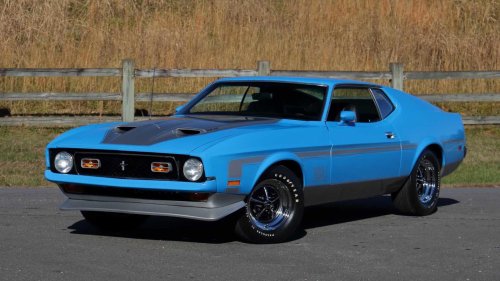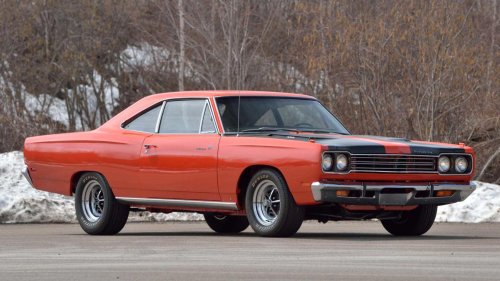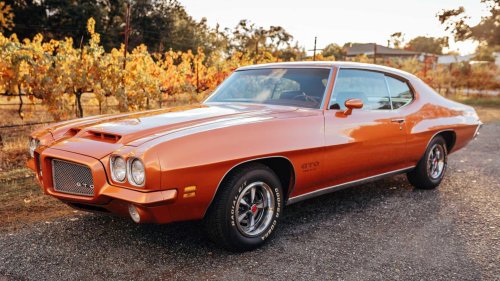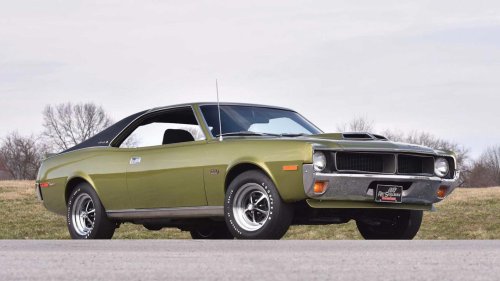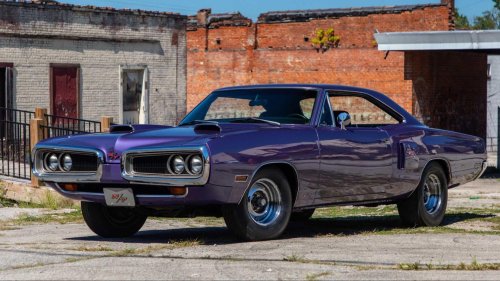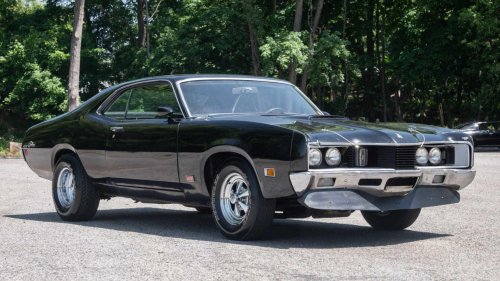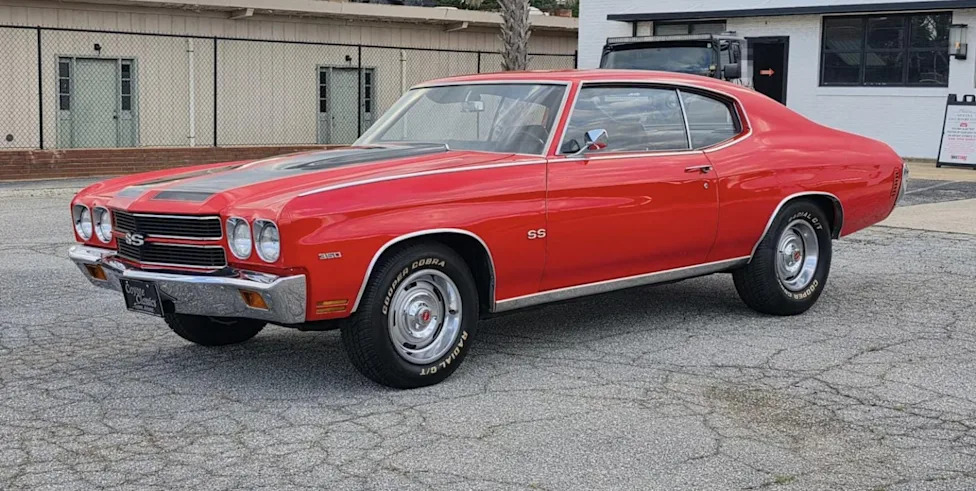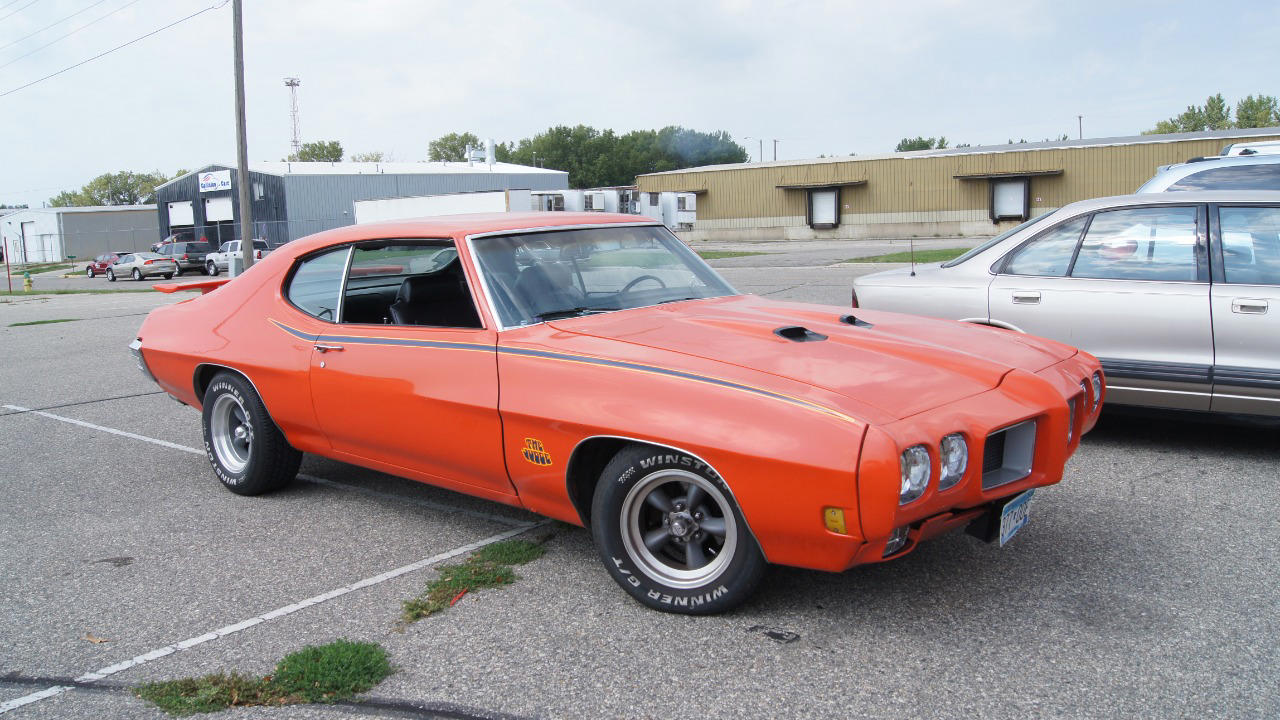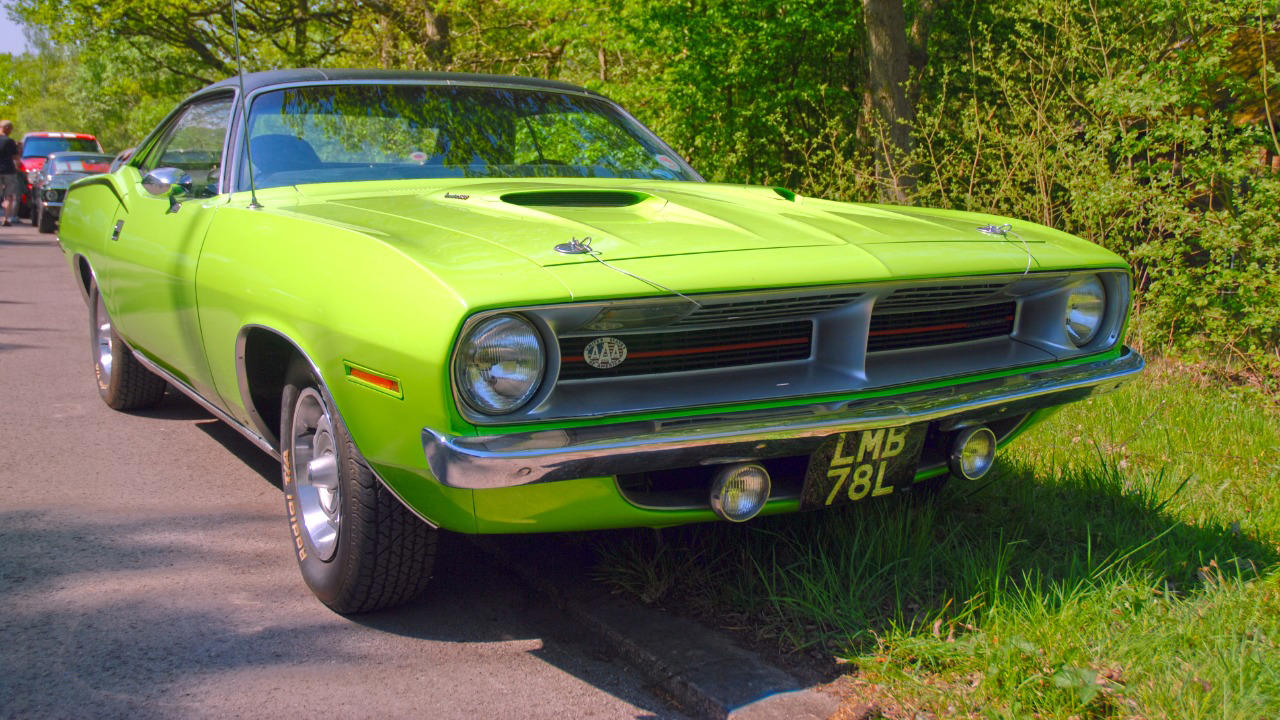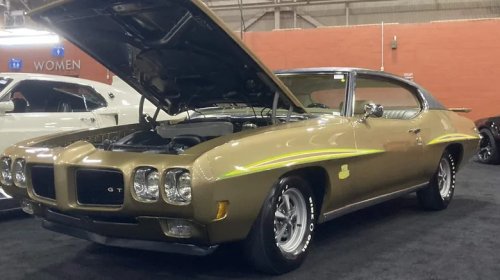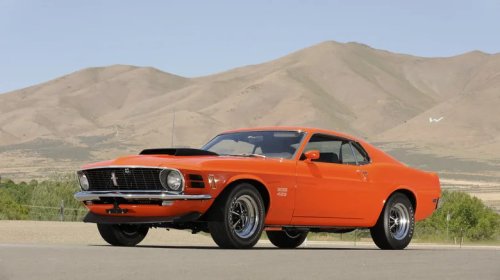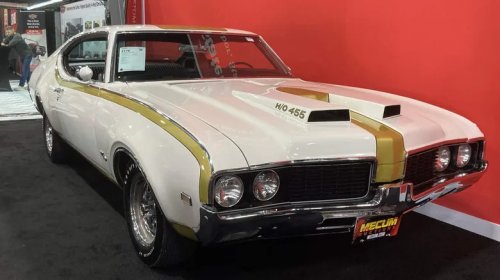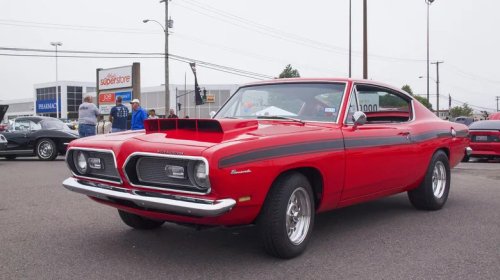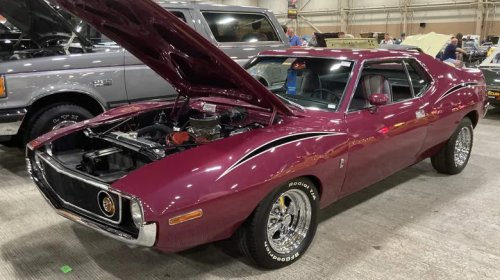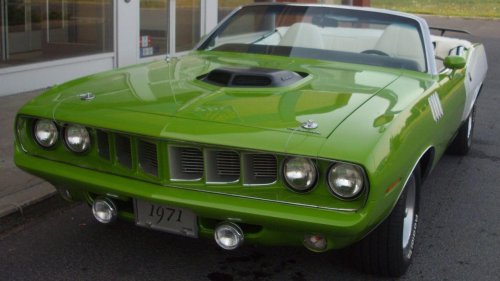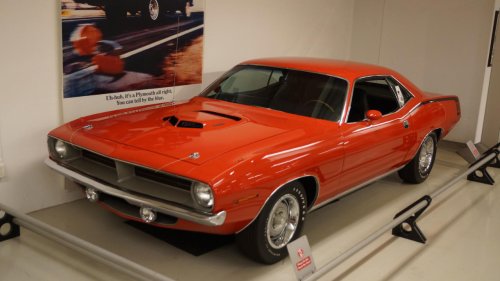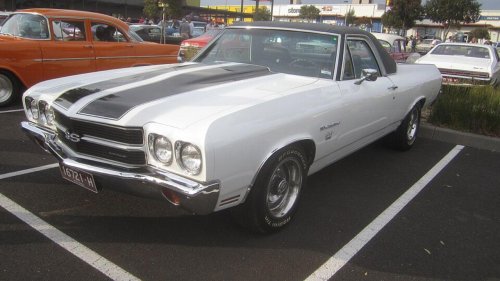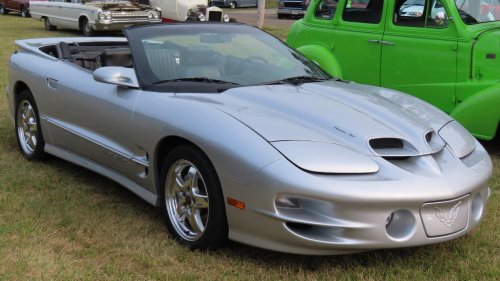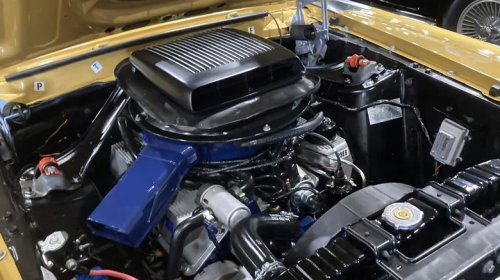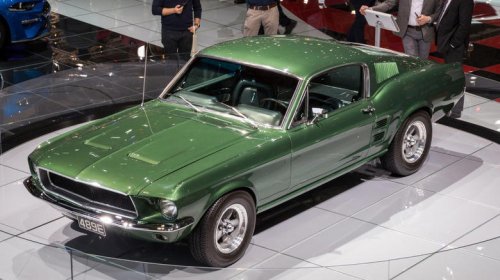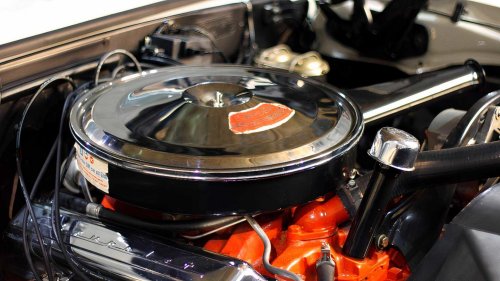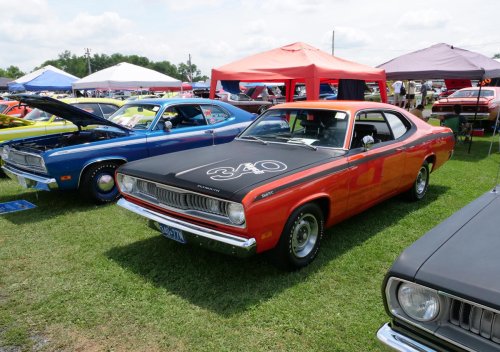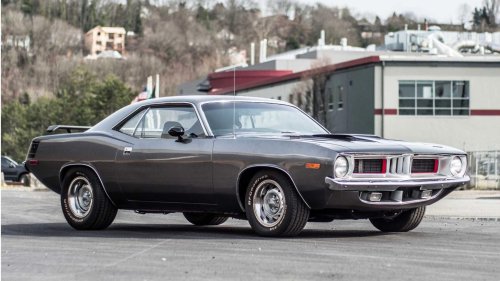
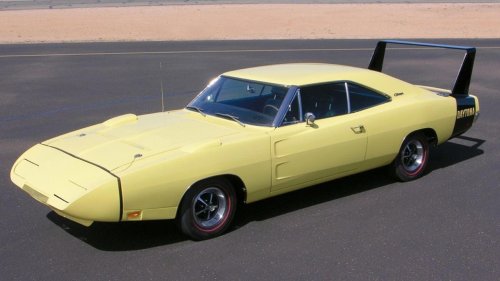
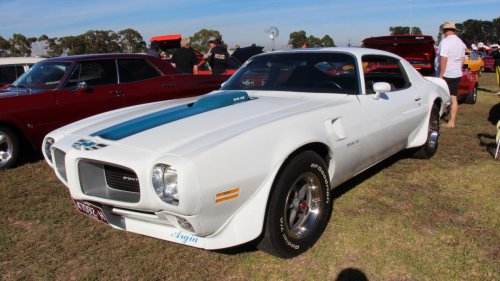
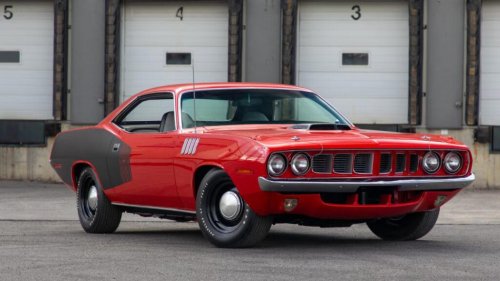
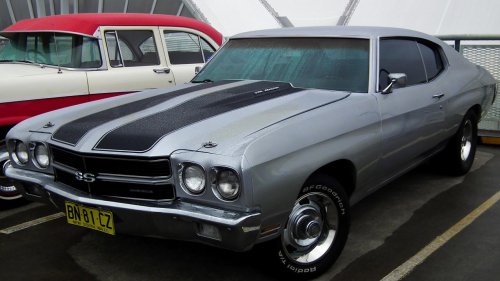
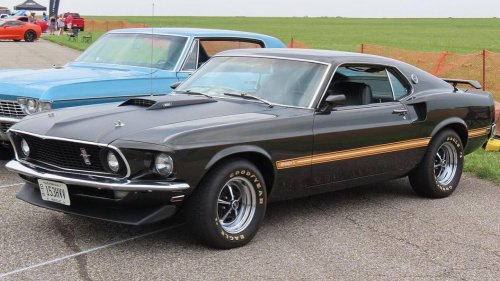
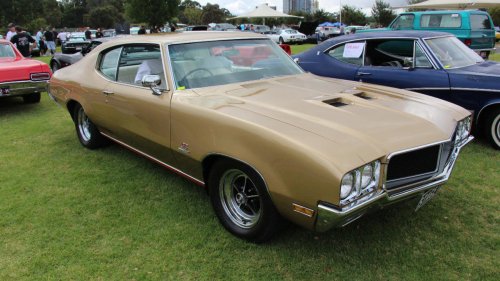



















Some muscle cars didn’t need burnouts or quarter-mile runs to establish their reputation. Their proportions, hood scoops, stripes, and aggressive stances communicated speed before the engine even started. Designers during the muscle era understood that appearance mattered almost as much as horsepower. These cars became rolling statements of intimidation and attitude, turning parking lots and gas stations into unofficial car shows everywhere they appeared.Dodge Charger DaytonaThe Dodge Charger Daytona looked outrageous the moment it appeared, thanks to its pointed aerodynamic nose and towering rear wing. Originally designed for NASCAR dominance, its race-inspired modifications made ordinary muscle cars seem tame by comparison. Even parked, the Daytona projected speed and purpose unlike anything else on American roads. Hidden headlights and a low, wide stance added even more visual drama. The design was so extreme that many people initially questioned whether it belonged on public streets at all. Decades later, it remains one of the most visually intimidating muscle cars ever produced.Pontiac Firebird Trans AmThe 1970 Pontiac Firebird Trans Am combined functional performance styling with unmistakable road presence. Its shaker hood scoop vibrated with engine movement, visually hinting at the power underneath before the car even moved. Wide fender flares and aggressive front-end design gave it a planted, muscular appearance. Contrasting graphics emphasized its racing-inspired identity without becoming excessive. The Trans Am balanced sophistication and aggression better than many rivals of the era. Even standing still, it looked prepared for high-speed highway runs and weekend drag-strip battles at a moment’s notice.Plymouth ‘CudaThe 1971 Plymouth ‘Cuda delivered one of the most intimidating shapes of the muscle era through massive proportions and unapologetic styling. Deep grille openings, quad headlights, and dramatic hood options created immediate visual impact. Its wide stance made the car appear powerful from every angle, especially when paired with bold factory colors and shaker scoops. Unlike some competitors that emphasized elegance, the ‘Cuda focused entirely on aggression. Even parked at the curb, it projected raw torque and straight-line speed, helping cement its reputation as one of Mopar’s most iconic performance machines.Chevrolet Chevelle SSThe 1970 Chevrolet Chevelle SS achieved visual dominance through simplicity and proportion rather than excessive ornamentation. Its long hood, short deck layout, and broad front grille created a classic muscle silhouette that instantly suggested serious horsepower. Subtle SS badging and cowl-induction hood options added menace without cluttering the design. The Chevelle looked heavy, planted, and brutally capable before the engine ever fired. That understated aggression became part of its appeal, allowing it to intimidate rivals quietly while still projecting unmistakable confidence and street-racing credibility throughout the muscle era.Ford Mustang Mach 1The 1969 Ford Mustang Mach 1 transformed the Mustang into a far more aggressive visual package. Matte-black hood treatments, hood pins, scoops, and sporty striping separated it immediately from standard Mustangs. Its fastback roofline enhanced the sense of motion even when parked, while wider tires reinforced its performance intent. Ford successfully blended pony-car proportions with genuine muscle car attitude. The Mach 1 looked purpose-built for speed and quickly became one of the most recognizable performance designs of the era. Its appearance alone convinced many buyers they were getting something genuinely serious.Buick GSXThe Buick GSX shocked enthusiasts because it combined Buick’s traditionally conservative image with wild muscle car styling cues. Bright factory colors like Saturn Yellow ensured it stood out instantly, while hood-mounted tachometers and bold striping emphasized performance ambition. Functional scoops and an aggressive front fascia gave the GSX far more visual menace than buyers expected from Buick. The car’s substantial dimensions also reinforced its reputation for massive torque. Even before people learned about the Stage 1 engine package, the GSX already looked capable of dominating stoplight races through sheer visual intimidation alone.