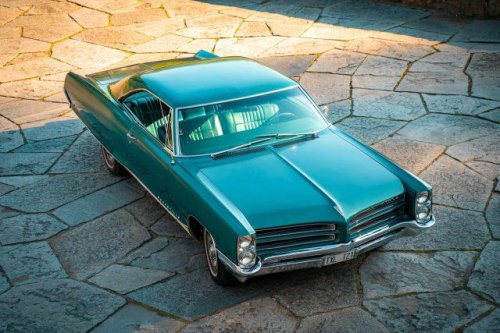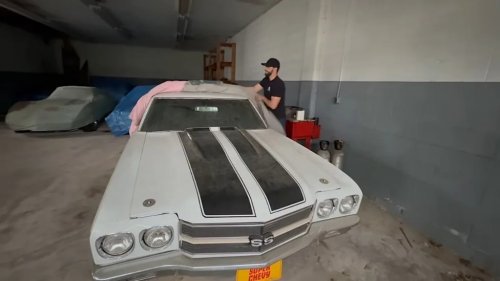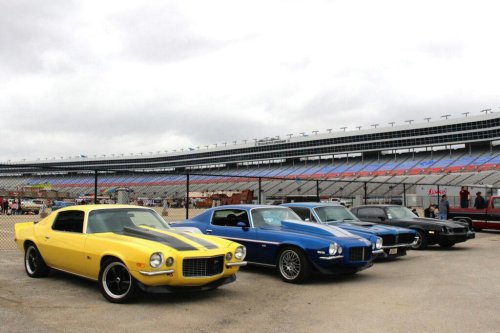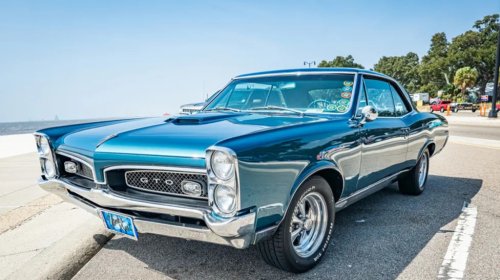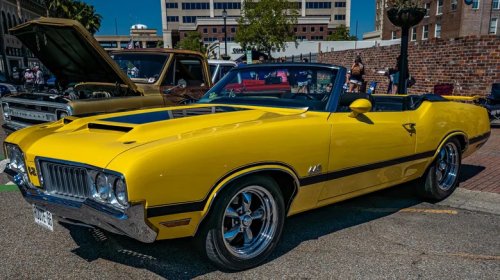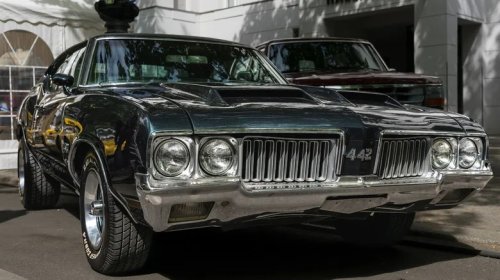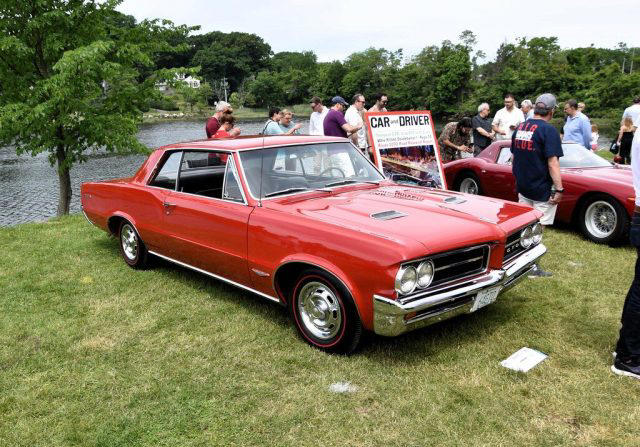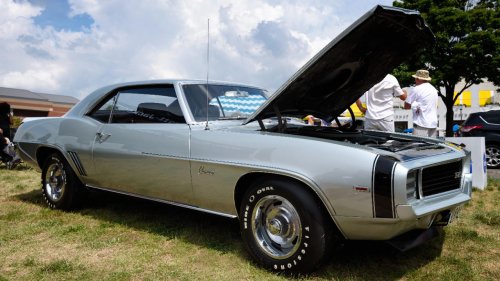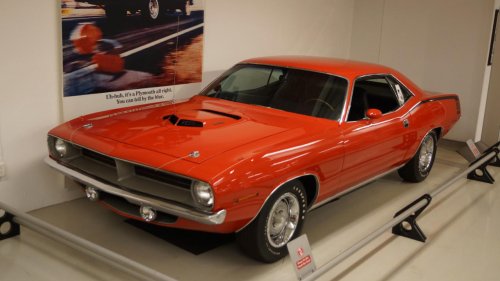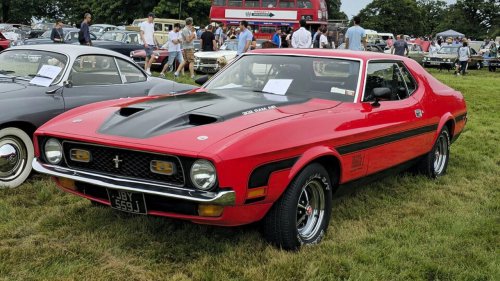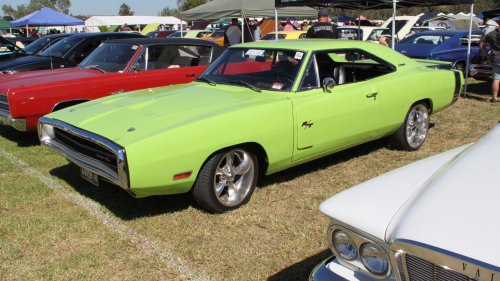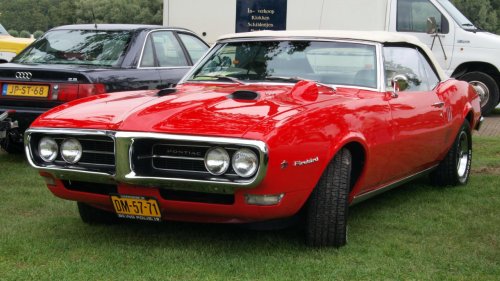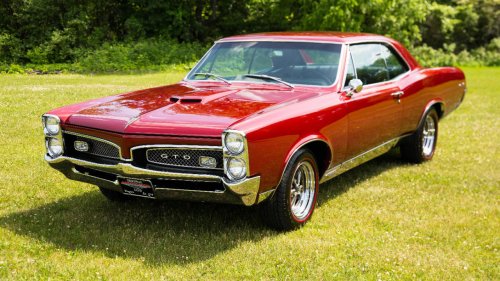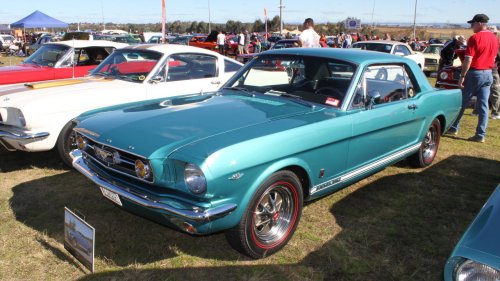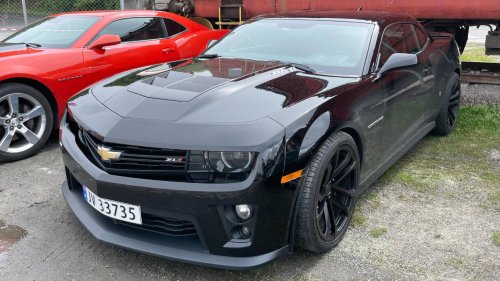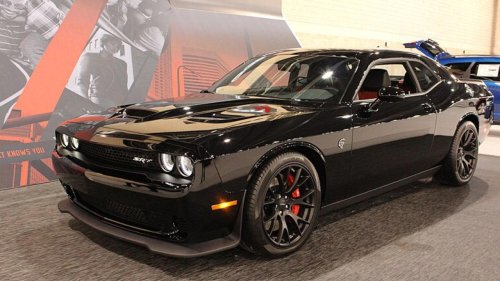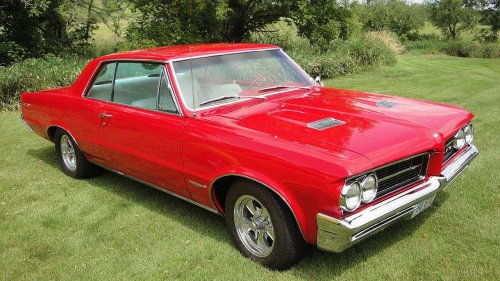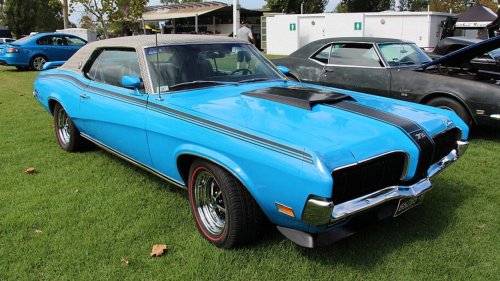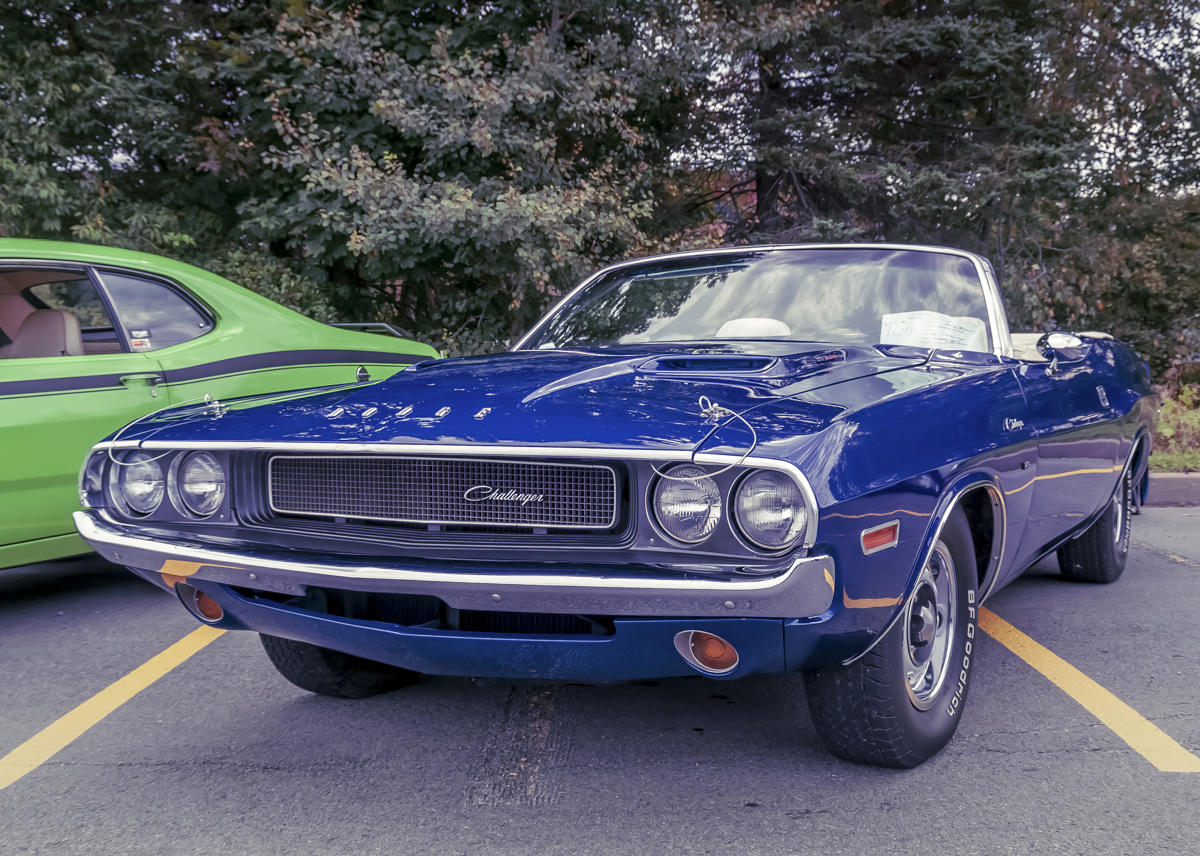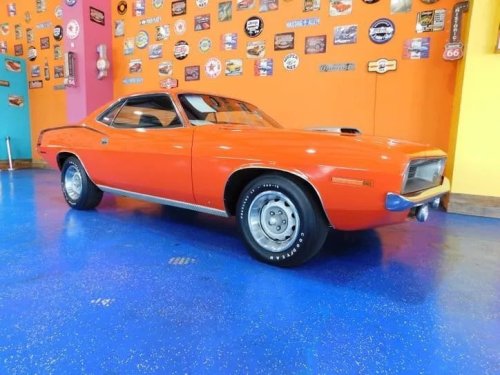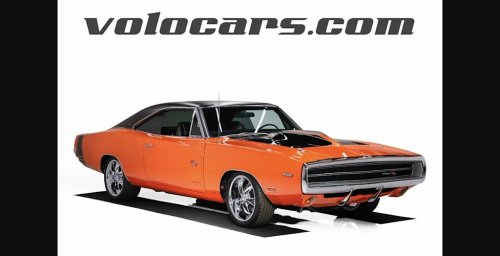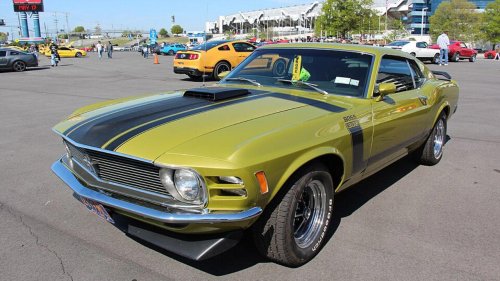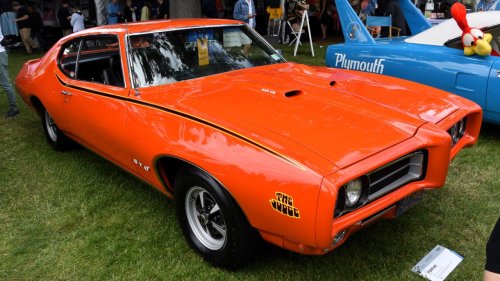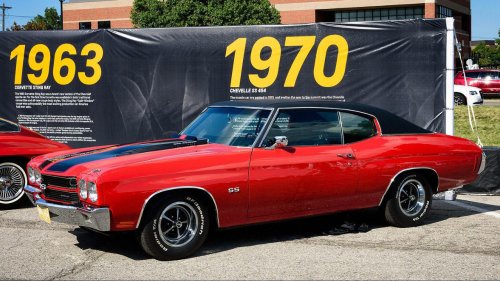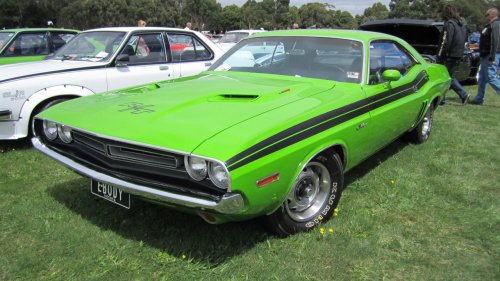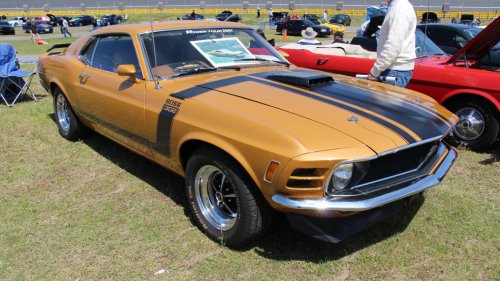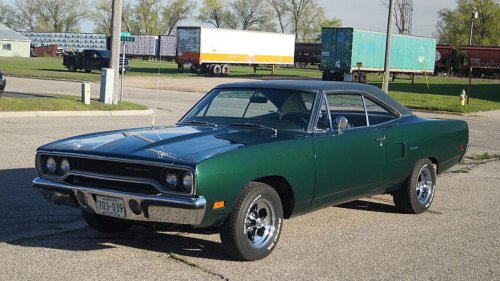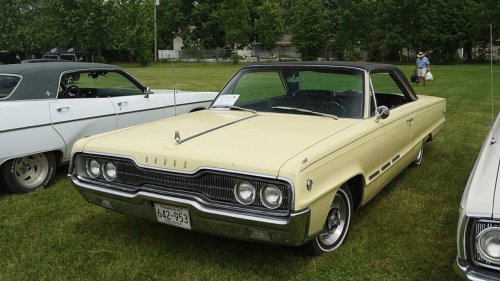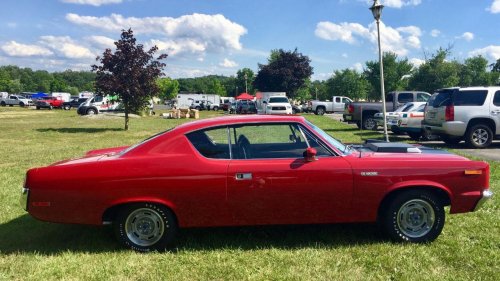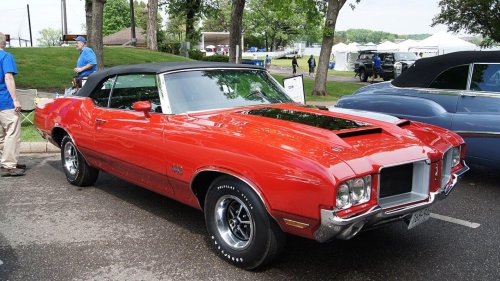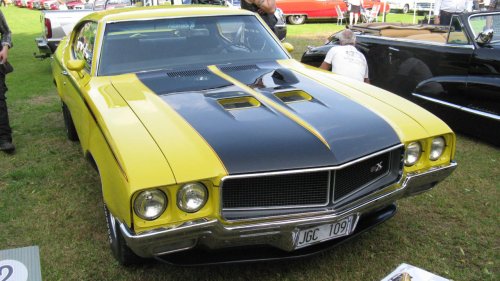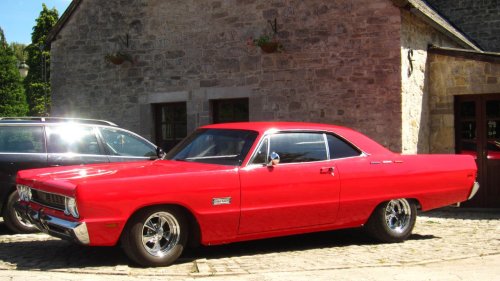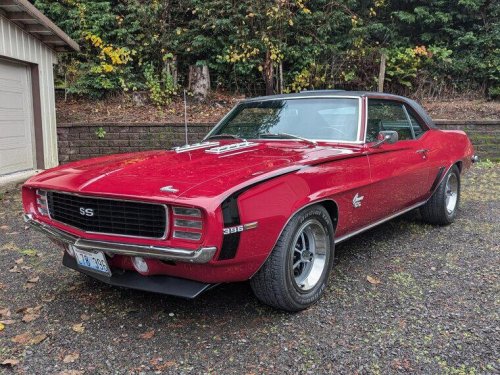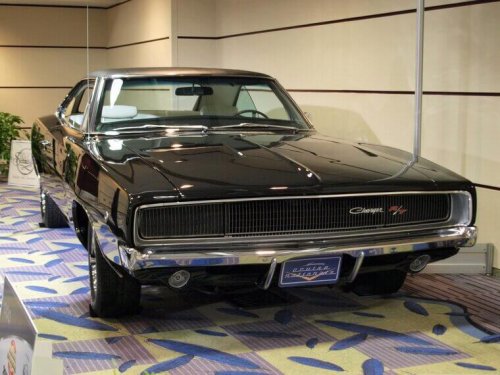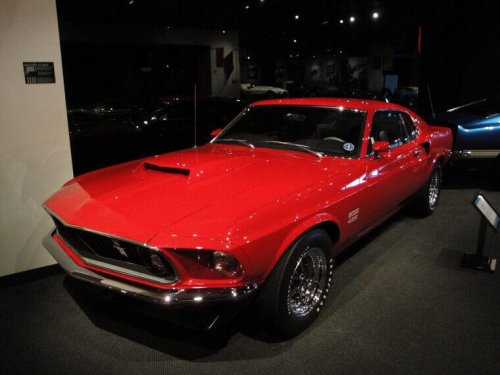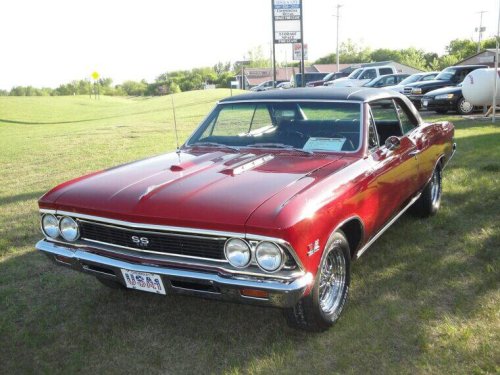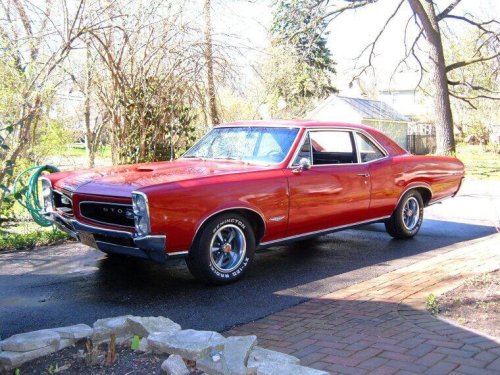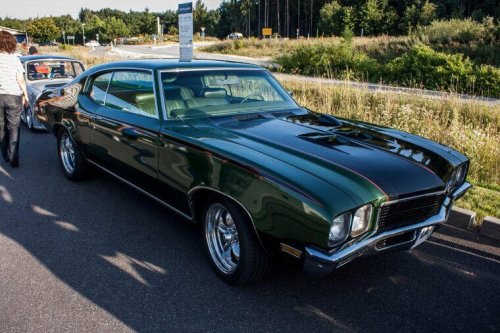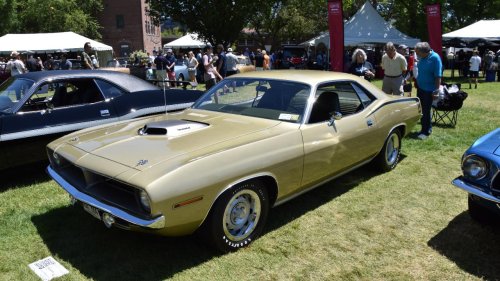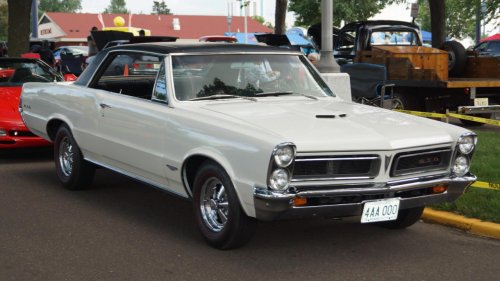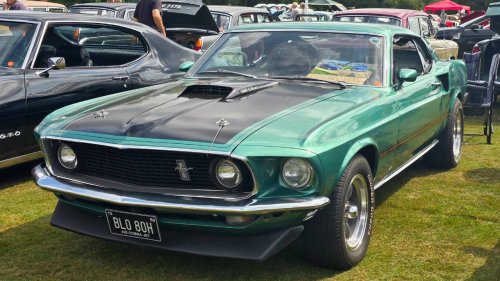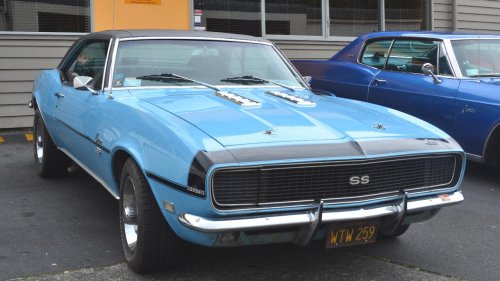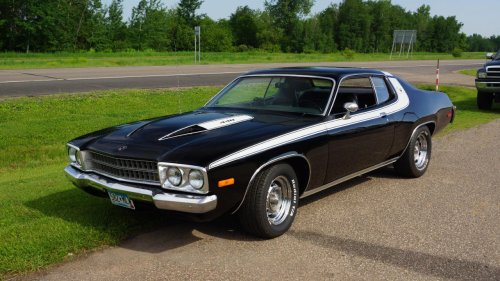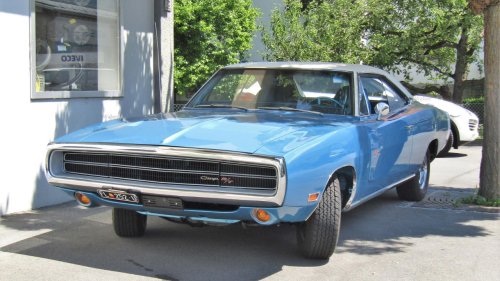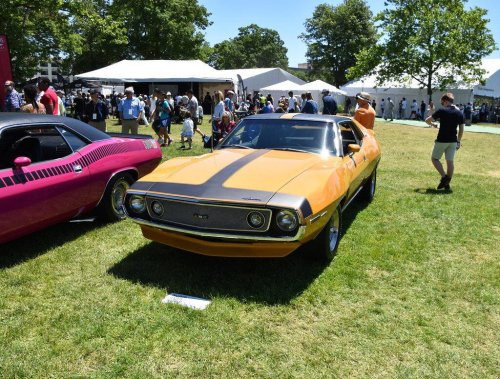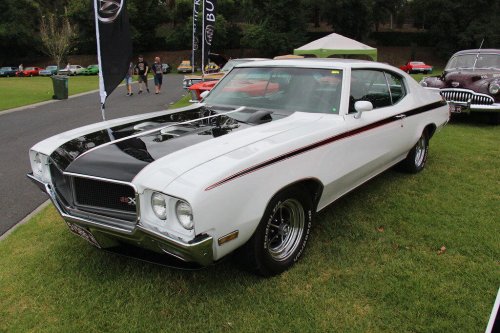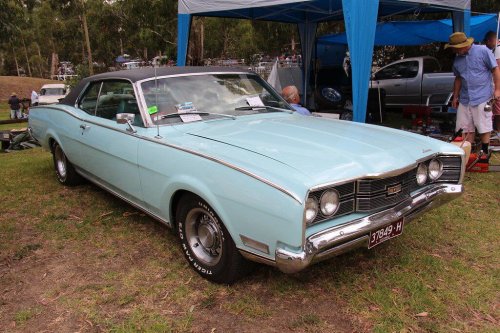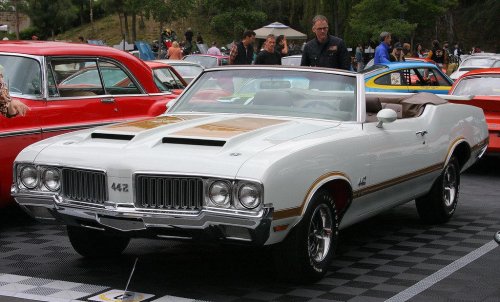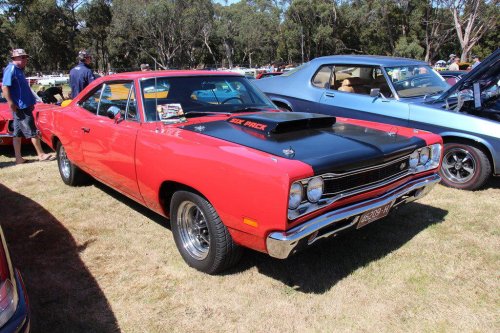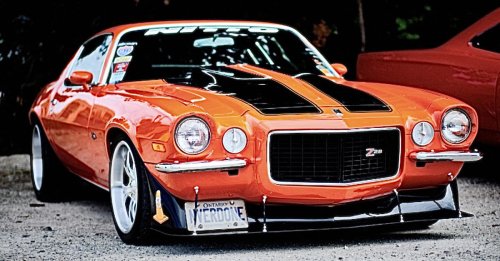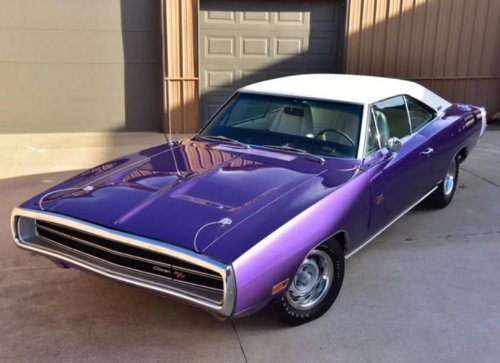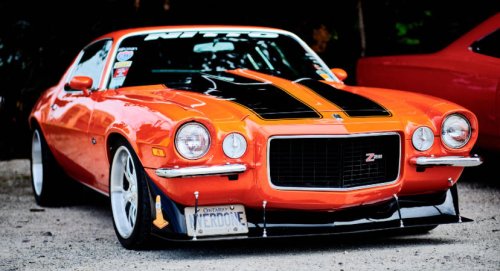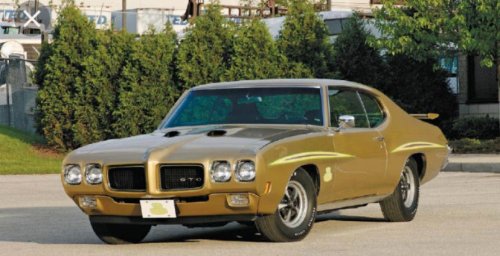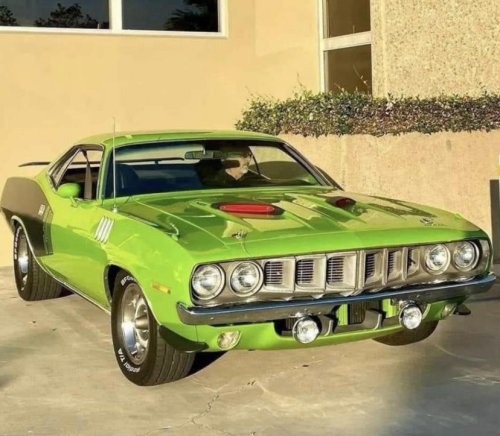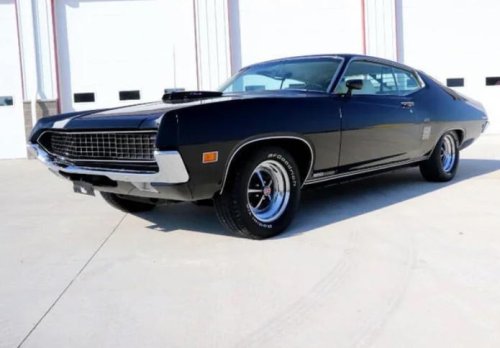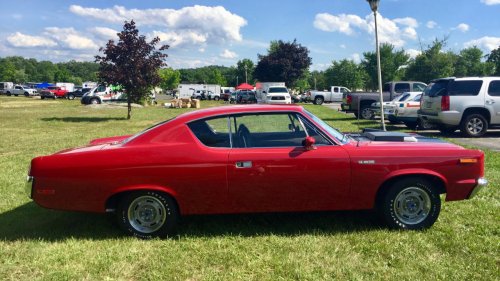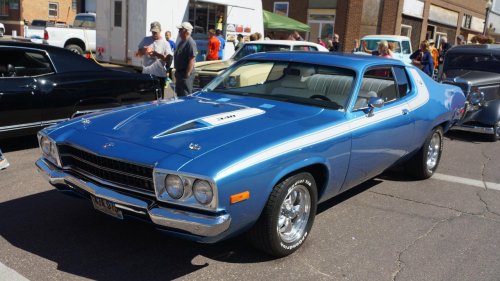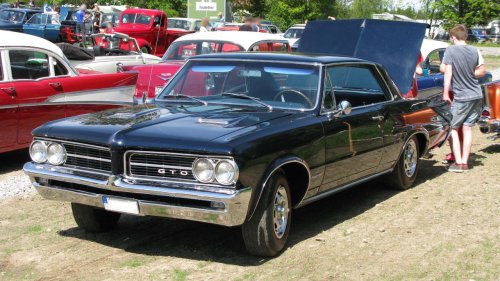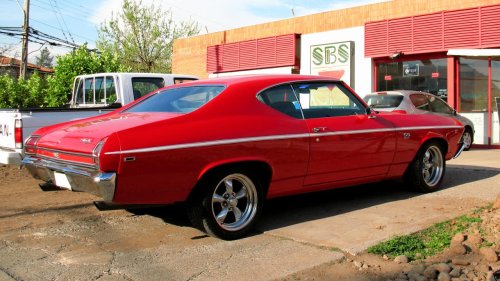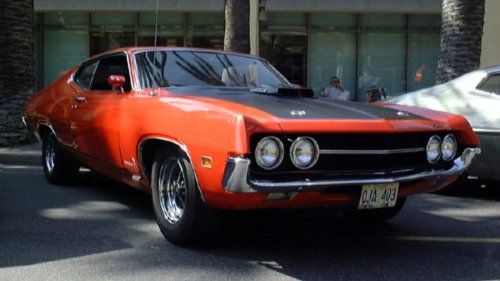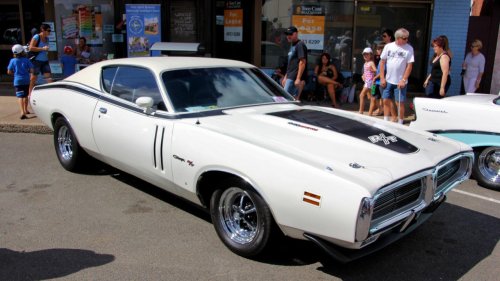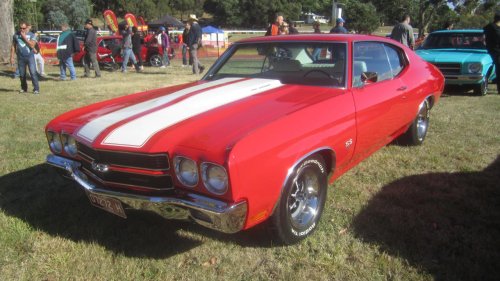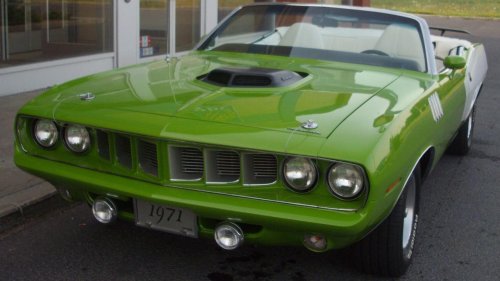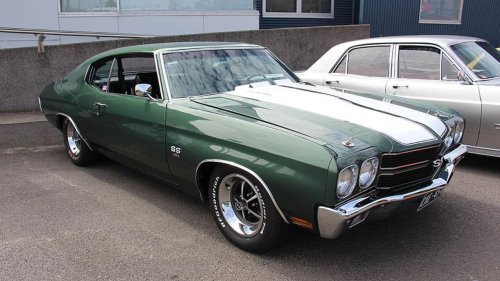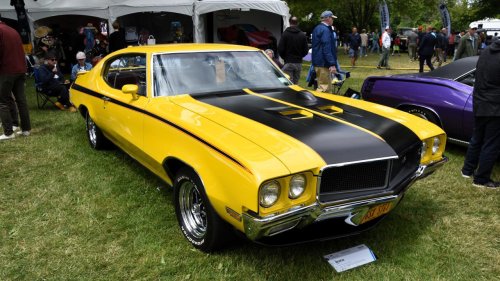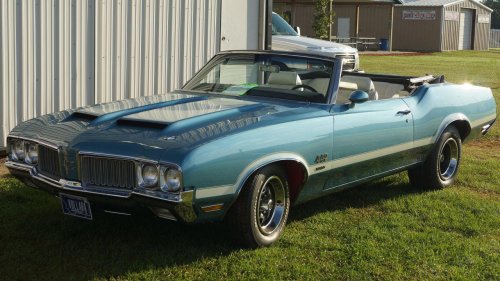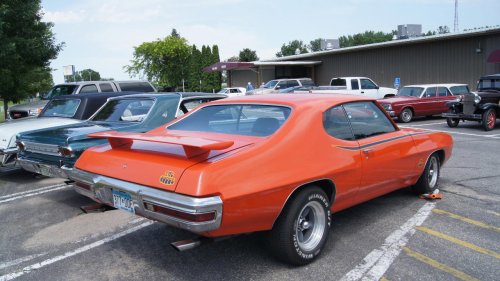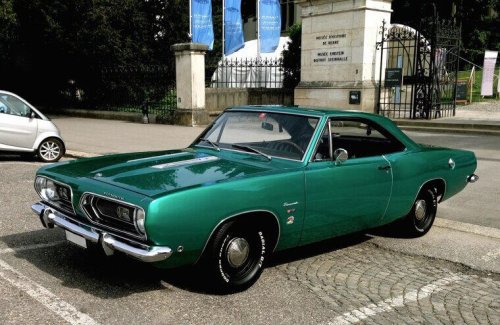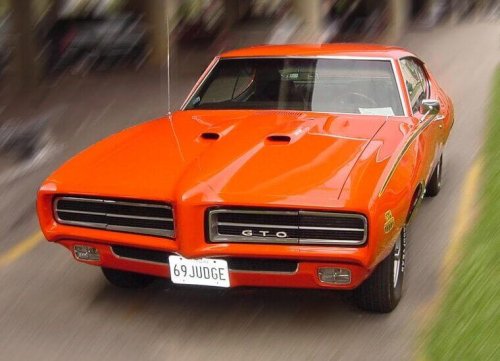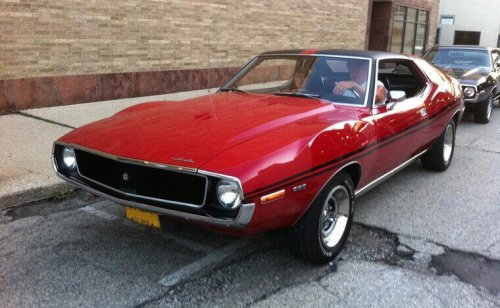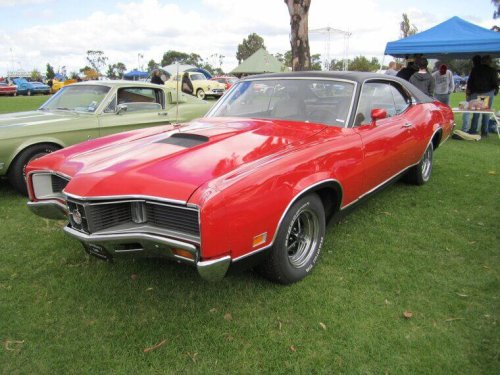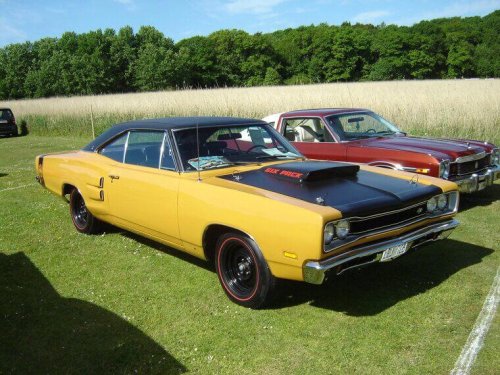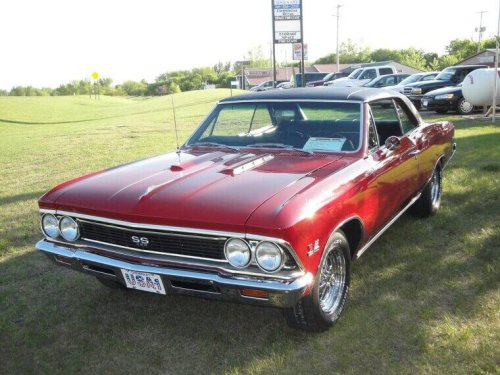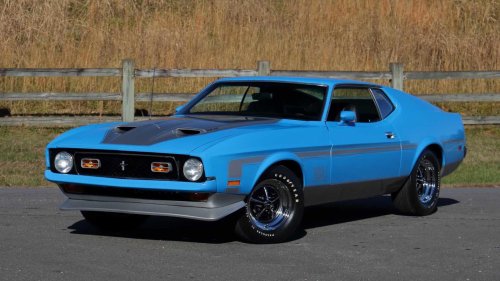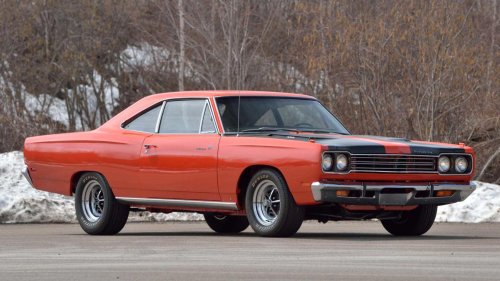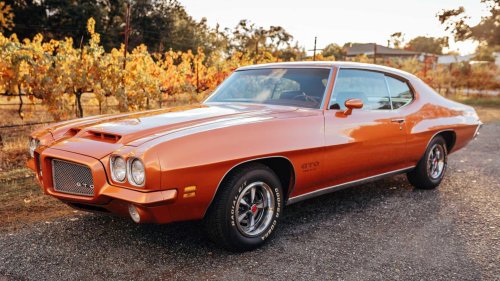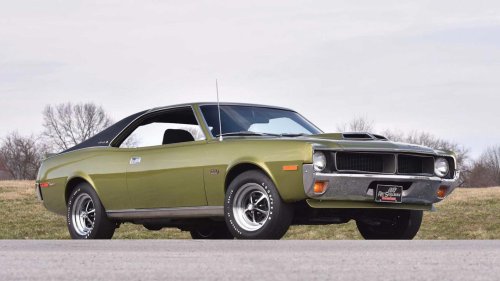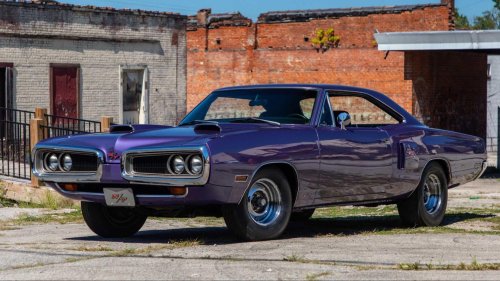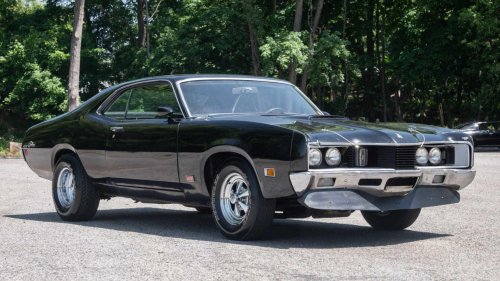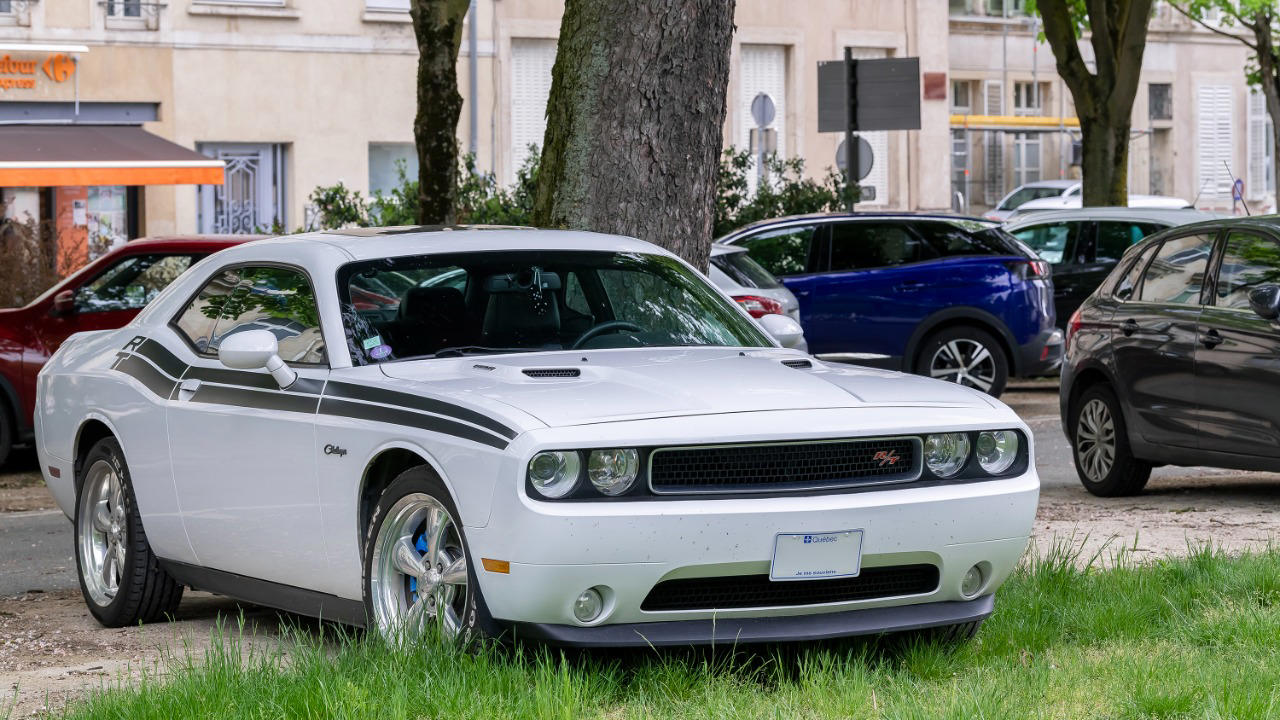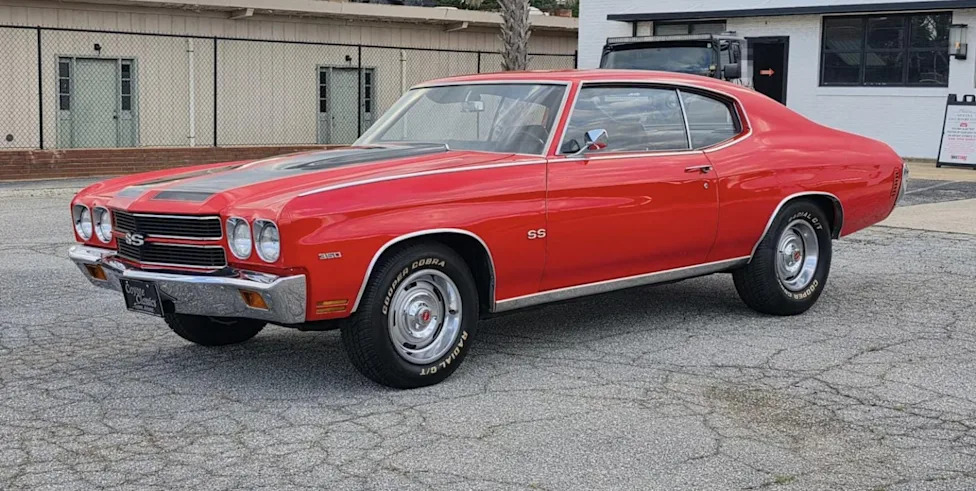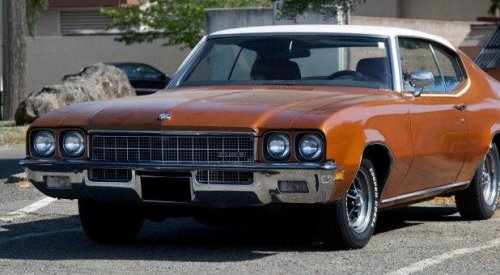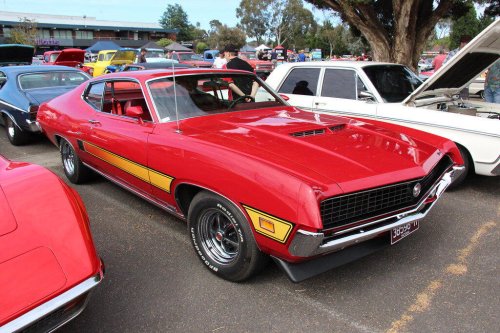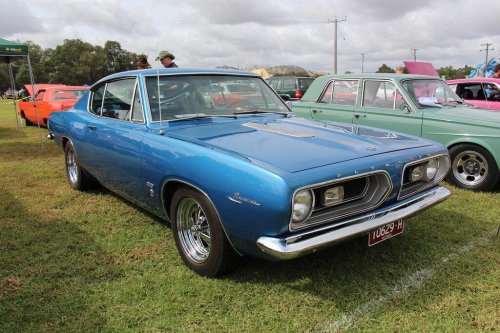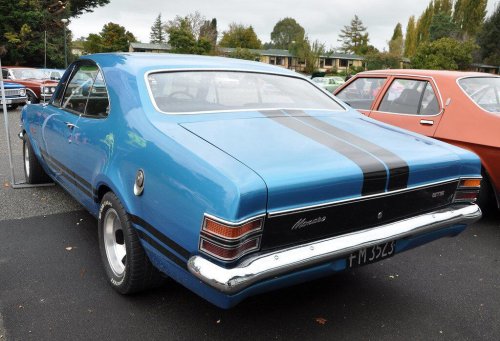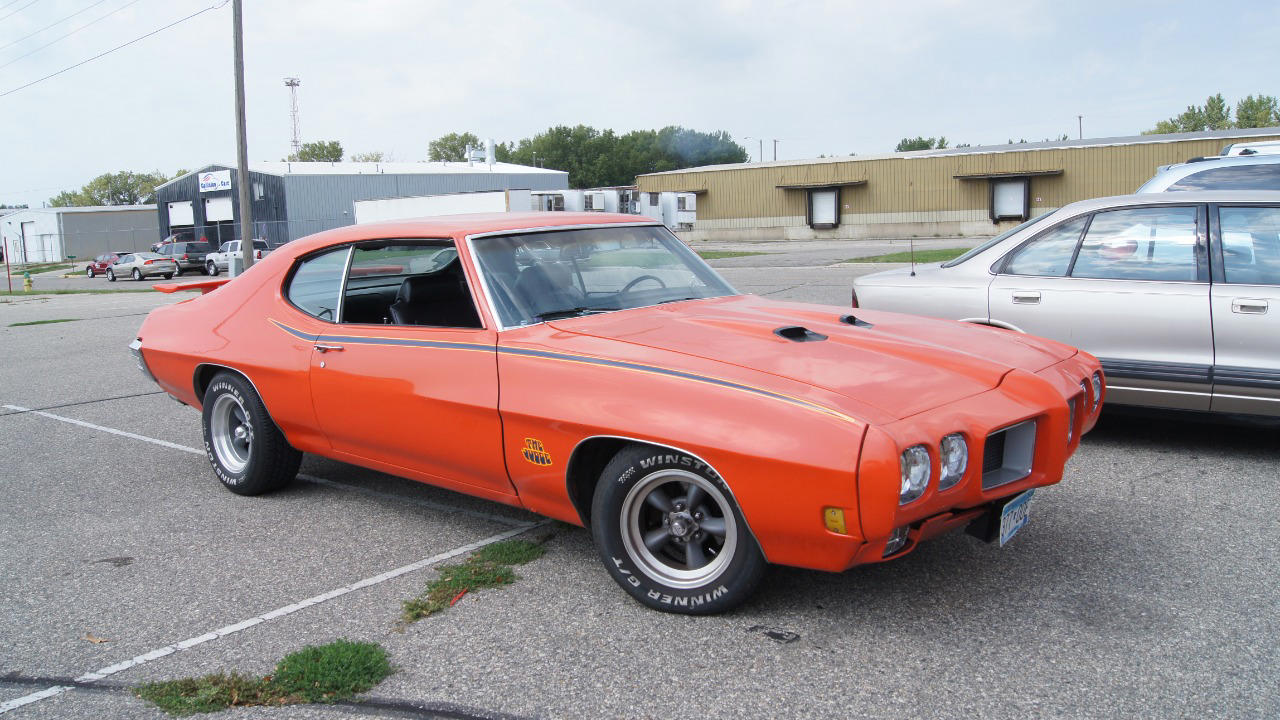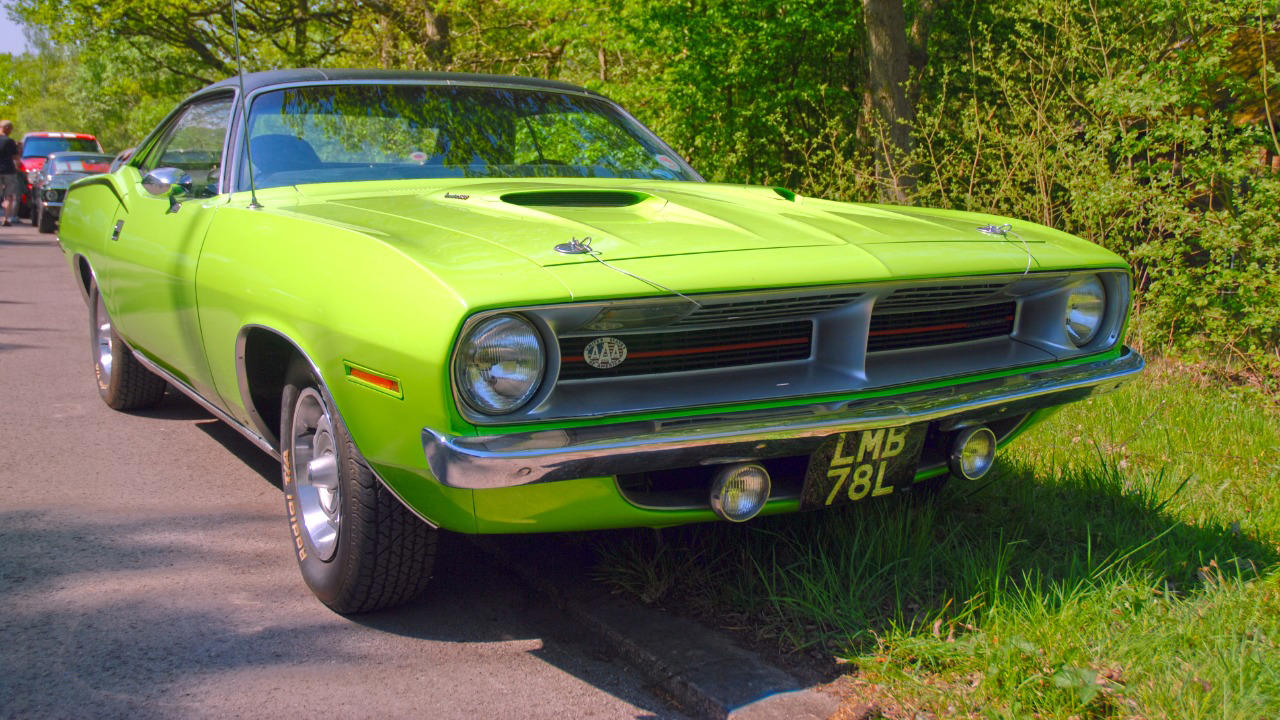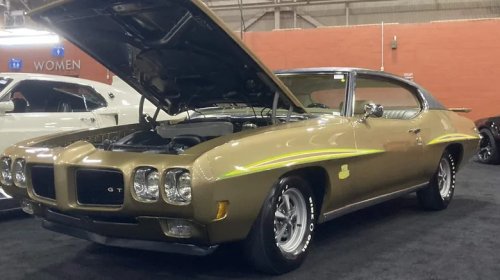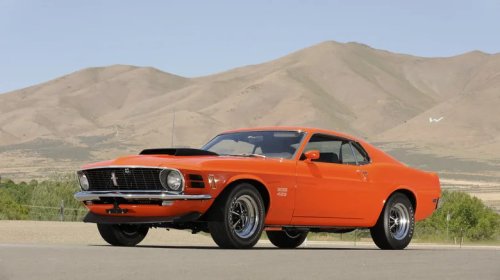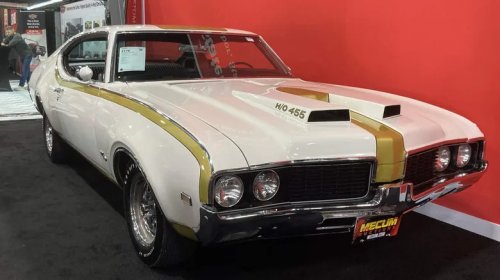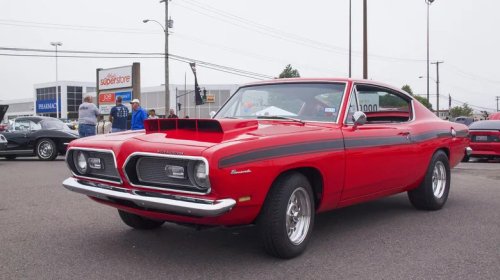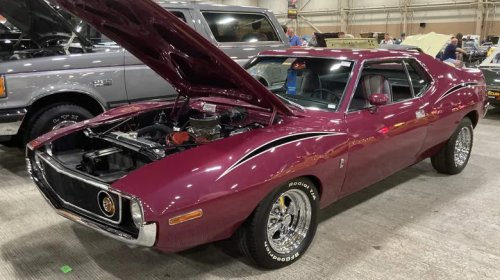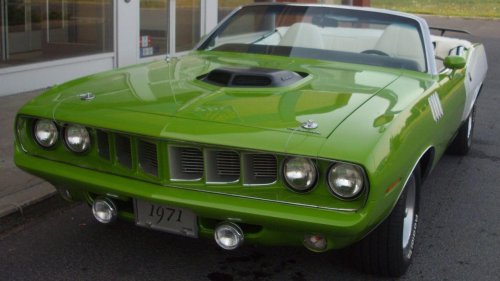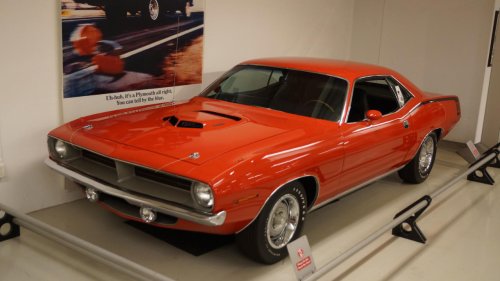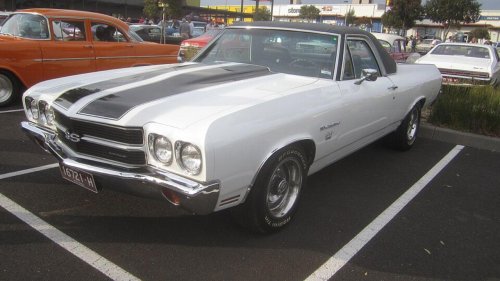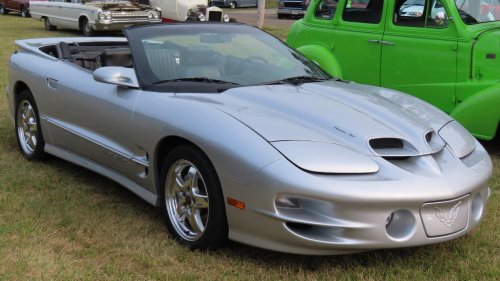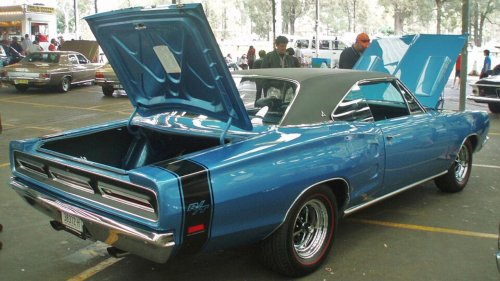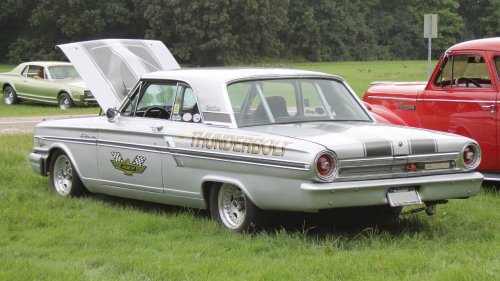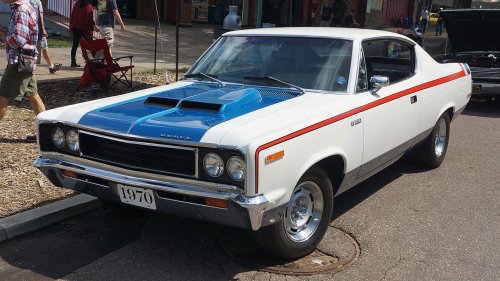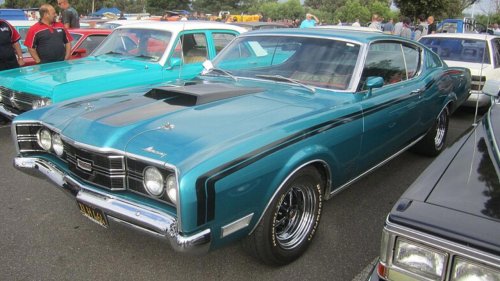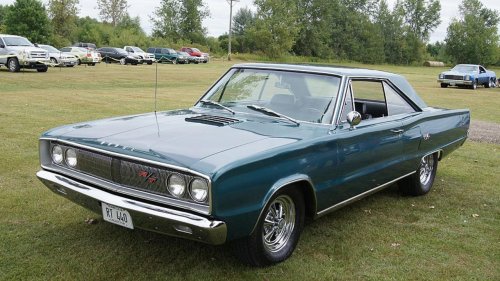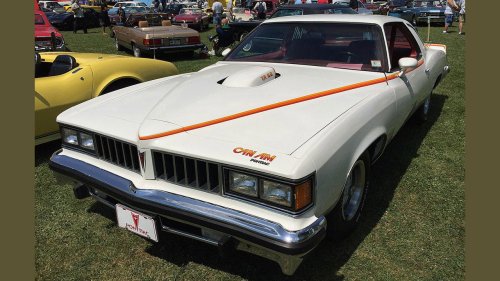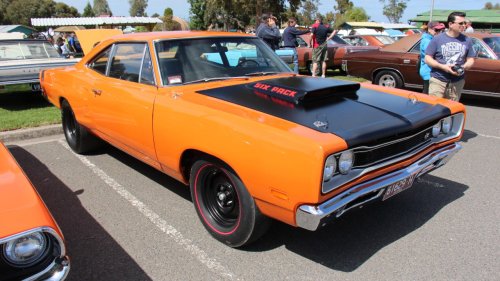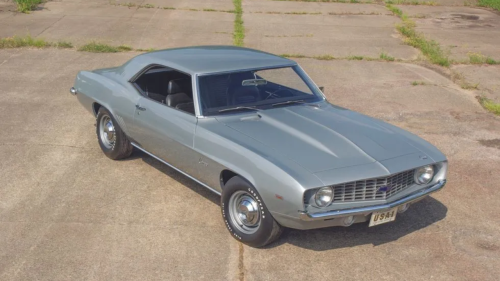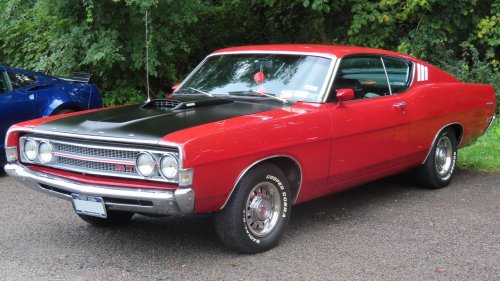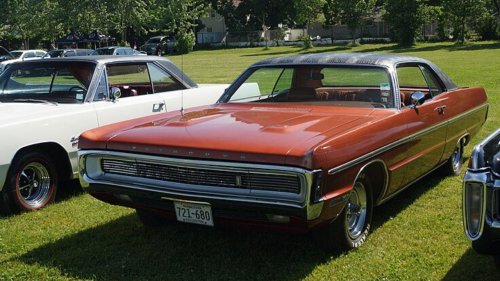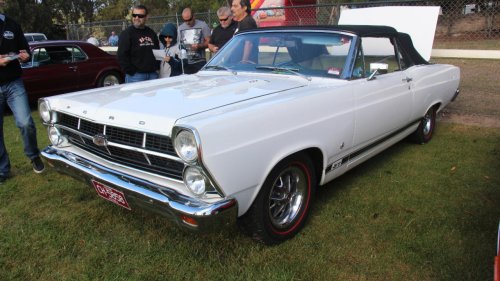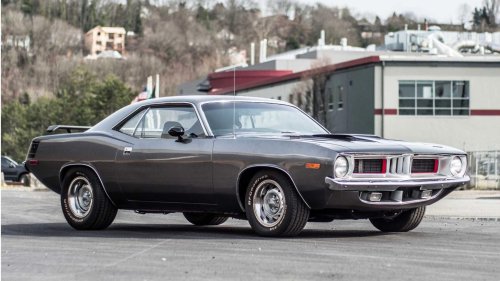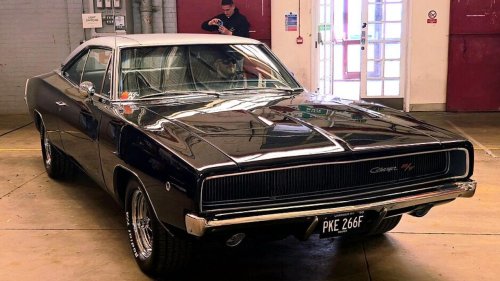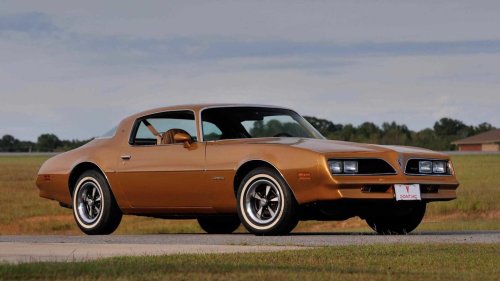

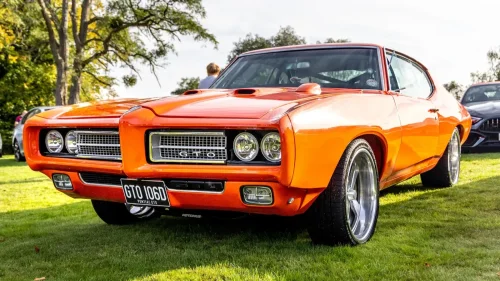
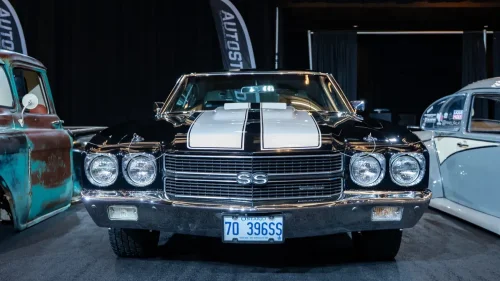
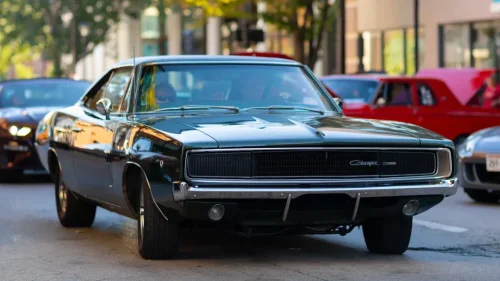

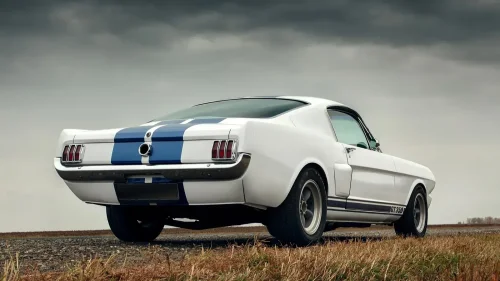


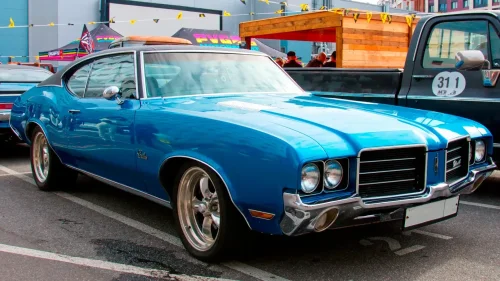

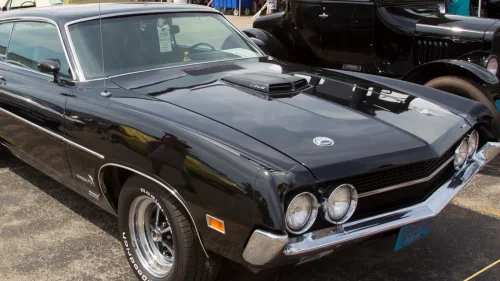





















Why Classic Muscle Cars Are a Smart InvestmentClassic muscle cars have grown beyond nostalgic collectibles; they’re now recognized as wise investments. These vehicles offer middle-class buyers the perfect mix of excitement and financial potential. Muscle cars from the ‘60s and ‘70s are increasingly sought after, with specific models showing steady value appreciation. Owning one means enjoying the thrill of driving history while building an asset over time.Understanding the Muscle Car Market TodayToday’s muscle car market is diverse, with many models accessible to average buyers. Enthusiasts no longer have to compete only for ultra-rare vehicles priced well beyond $100,000. Rising interest in automotive heritage and the affordability of many classic models create opportunities for middle-class buyers. This growing market reflects passion and practicality, making muscle cars a viable option for collectors and weekend drivers.1967-1969 Pontiac GTO: The Original Muscle LegendThe Pontiac GTO is widely credited with starting the muscle car craze, making it a foundational piece of American car culture. Its powerful V8 engines and aggressive styling set it apart in the late ‘60s. Early GTOs are highly sought after, with values reflecting their iconic status in muscle car history, making this legendary car an excellent entry point for anyone looking to experience true muscle car heritage.Chevrolet Chevelle SS 396: Performance and StyleThe Chevelle SS 396 is a Chevrolet’s muscle car lineup performance powerhouse. Produced between 1968 and 1970, it features a robust 396 cubic inch V8 engine capable of thrilling acceleration and solid handling. While strong aftermarket support exists, pricing reflects the Chevelle SS 396's desirability among collectors, the Chevelle SS 396 remains a top choice for those wanting a balance of classic style and exhilarating power.Dodge Charger (1969): Power with Iconic PresenceThe 1969 Dodge Charger symbolizes muscle car aggression with its bold body design and impressive engine options like the 440 Magnum and legendary HEMI. While some versions are more attainable, many command premium prices due to their classic status. Its blend of iconic looks and muscular performance makes it a prized choice for drivers who want to stand out on the road.Buick GS Stage 1: Muscle in DisguiseThe Buick GS Stage 1 might not get the same attention as other muscle cars, but it packs a serious punch under the hood. This model boasts a large V8 engine with impressive horsepower wrapped in more understated styling. For buyers seeking muscle car performance without flashy looks, the GS Stage 1 offers a unique and affordable way to enjoy classic American muscle while standing apart from the crowd.Ford Mustang GT (1967-1969): A Timeless ClassicFew muscle cars are as iconic as the late ‘60s Ford Mustang GT. These models offer a blend of style, power, and everyday usability that’s hard to beat. Mustang GTs remain popular, affordable, and widely supported by enthusiasts and parts suppliers, making them ideal for middle-class buyers who want a car that’s just as fun to drive as it is to own.AMC AMX (1969): A Rare Gem for the BoldThe AMC AMX is a lesser-known but highly collectible muscle car with a lightweight frame and potent V8 options. Unlike the more common Big Three muscle cars, the AMX offers exclusivity and a unique design that appeals to bold buyers. Prices remain reasonable compared to other classics, making it an exciting choice for collectors wanting something rare with strong performance potential.Plymouth Road Runner (1968-1970): Affordable MuscleThe Plymouth Road Runner made a name for itself as a no-frills muscle car focused on performance and affordability. It prioritized power over luxury, delivering a raw driving experience that still thrills enthusiasts today. Because of its budget-minded origins, Road Runners remain accessible to middle-class buyers looking for genuine muscle car excitement without the premium price tag.Oldsmobile 442 (1967-1969): Balanced Muscle and LuxuryThe Oldsmobile 442 delivers a unique combination of muscle car performance and upscale features. Known for its smooth ride and powerful V8, it offers a more refined muscle car experience. Many 442s remain affordable compared to other classics, appealing to those who want both comfort and speed in a stylish, investment-worthy package that’s still fun to drive.Chevrolet Camaro SS (1968-1970): Iconic and AccessibleThe first-generation Chevrolet Camaro SS is one of the most recognized muscle cars ever made. Early SS models are prized for their aggressive design and robust V8 engines. Fortunately for buyers, many well-preserved examples are available within a reasonable budget. This makes the Camaro SS an attractive option for middle-class enthusiasts seeking a blend of iconic style and solid performance.Ford Torino GT (1970): Performance Meets Pop CultureThe Ford Torino GT combines powerful engines with striking looks, earning its place in muscle car history. Its role in popular culture, including notable movie appearances, has helped maintain interest and demand. For middle-class buyers, the Torino GT represents an affordable way to own a muscle car with performance credibility and cultural significance.What to Look for When Buying Classic Muscle CarsWhen shopping for a classic muscle car, condition and authenticity are paramount. Buyers should seek rust-free frames, original or matching numbers engines, and thorough documentation. Factory-original parts and high-quality restorations add value. A professional inspection before purchase is crucial to avoid costly surprises and ensure the car is enjoyable and a solid investment.Balancing Fun and Investment PotentialOwning a muscle car is more than value; it’s about the joy of driving a piece of American automotive history. Middle-class buyers can find models that balance fun on the road with appreciation in value over time. Choosing well-maintained cars with strong collector demand maximizes enjoyment while growing financial returns in the long term.